







 تكلم مع الذكاء الاصطناعي


Deck 15: Innate Immunity
ملء الشاشة (f)

سؤال

سؤال
سؤال
سؤال
سؤال
سؤال
سؤال
سؤال
سؤال
سؤال
سؤال
سؤال
سؤال
سؤال
سؤال
سؤال
سؤال
سؤال
سؤال
سؤال
سؤال
سؤال
سؤال
سؤال
سؤال
سؤال
سؤال
سؤال
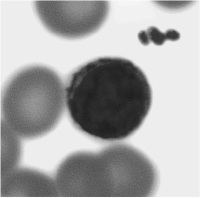 What type of white blood cell is shown in Figure 15 -1?
A) eosinophil
B) lymphocyte
C) monocyte
D) neutrophil
E) basophil
سؤال
سؤال
سؤال
سؤال
سؤال
سؤال
سؤال
سؤال
سؤال
سؤال
سؤال
سؤال
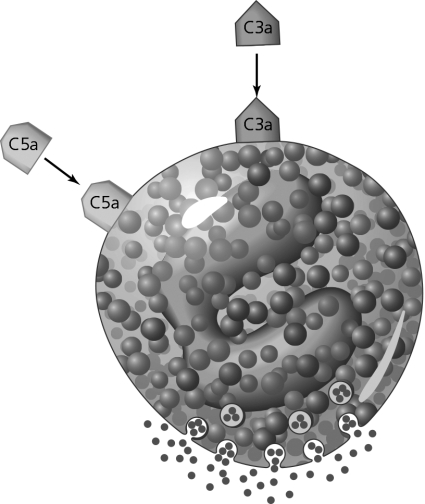 The process shown in the figure will lead to
A) vasodilation.
B) formation of MACs.
C) chemotaxis and opsonization.
D) capillary constriction.
E) formation of NETS.
سؤال
سؤال
سؤال
سؤال
سؤال
سؤال
سؤال
سؤال
سؤال
سؤال
سؤال
سؤال
سؤال
سؤال
سؤال
سؤال
سؤال
سؤال
سؤال
سؤال
سؤال
سؤال
سؤال
سؤال
سؤال
سؤال
سؤال
سؤال
سؤال
سؤال
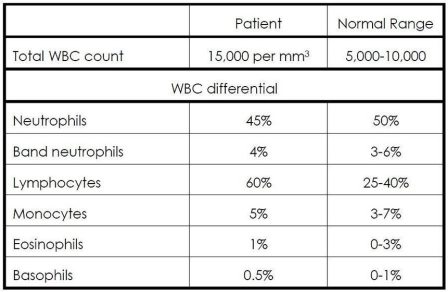 Examine the WBC count and differential data in the table. What type of disease is indicated by this set of data?
 سؤال
سؤال
سؤال
سؤال
سؤال

فتح الحزمة
قم بالتسجيل لفتح البطاقات في هذه المجموعة!
Unlock Deck
Unlock Deck
1/75

العب

ملء الشاشة (f)
Deck 15: Innate Immunity
1
Receptors known as NOD proteins detect molecules associated with microbes
A) in the cytoplasm.
B) on the surface of cells.
C) in the extracellular fluid.
D) in the cytoplasmic membrane.
E) in the phagolysosome.
A) in the cytoplasm.
B) on the surface of cells.
C) in the extracellular fluid.
D) in the cytoplasmic membrane.
E) in the phagolysosome.
A
2
The surface of the skin serves as a barrier to microbial invasion in part because it is
A) constantly patrolled by neutrophils.
B) an acidic, high-salt environment.
C) a high-salt environment.
D) acidic.
E) moisturized by mucus secretions.
A) constantly patrolled by neutrophils.
B) an acidic, high-salt environment.
C) a high-salt environment.
D) acidic.
E) moisturized by mucus secretions.
B
3
Protection from infection known as species resistance is a result of
A) the absence of receptors required for microbial attachment.
B) the salty, acidic condition of normal skin.
C) the presence of phagocytes in the tissues.
D) the lack of suitable environment in the body.
E) both the absence of necessary receptors and lack of suitable environment in the body.
A) the absence of receptors required for microbial attachment.
B) the salty, acidic condition of normal skin.
C) the presence of phagocytes in the tissues.
D) the lack of suitable environment in the body.
E) both the absence of necessary receptors and lack of suitable environment in the body.
E
4
What is the function of NK cells?
A) They phagocytose virus particles.
B) They release defensins to damage bacteria.
C) They identify and poison virus-infected cells.
D) They release toxins to damage helminth parasites.
E) They release interferons in response to detecting virus particles.
A) They phagocytose virus particles.
B) They release defensins to damage bacteria.
C) They identify and poison virus-infected cells.
D) They release toxins to damage helminth parasites.
E) They release interferons in response to detecting virus particles.
فتح الحزمة
افتح القفل للوصول البطاقات البالغ عددها 75 في هذه المجموعة.
فتح الحزمة
k this deck
5
Which of the following cells can use nonphagocytic means to kill bacteria?
A) neutrophils
B) eosinophils
C) natural killer cells
D) macrophages
E) both eosinophils and neutrophils
A) neutrophils
B) eosinophils
C) natural killer cells
D) macrophages
E) both eosinophils and neutrophils
فتح الحزمة
افتح القفل للوصول البطاقات البالغ عددها 75 في هذه المجموعة.
فتح الحزمة
k this deck
6
A monocyte leaves a capillary in the lungs and enters the lung tissue. It then matures to become a(n)
A) microglial cell.
B) dendritic cell.
C) goblet cell.
D) alveolar macrophage.
E) mast cell.
A) microglial cell.
B) dendritic cell.
C) goblet cell.
D) alveolar macrophage.
E) mast cell.
فتح الحزمة
افتح القفل للوصول البطاقات البالغ عددها 75 في هذه المجموعة.
فتح الحزمة
k this deck
7
Which of the following is the key difference in the roles of the classical and alternative pathways of the complement system?
A) the formation of MACs
B) triggering inflammation
C) the effectiveness in killing Gram-negative bacteria
D) production of chemotactic factors
E) the range of microbe types that can be targeted
A) the formation of MACs
B) triggering inflammation
C) the effectiveness in killing Gram-negative bacteria
D) production of chemotactic factors
E) the range of microbe types that can be targeted
فتح الحزمة
افتح القفل للوصول البطاقات البالغ عددها 75 في هذه المجموعة.
فتح الحزمة
k this deck
8
The first and second lines of defense against microbial invasion are part of
A) adaptive immunity.
B) microbial antagonism.
C) innate immunity.
D) species resistance.
E) both species resistance and adaptive immunity.
A) adaptive immunity.
B) microbial antagonism.
C) innate immunity.
D) species resistance.
E) both species resistance and adaptive immunity.
فتح الحزمة
افتح القفل للوصول البطاقات البالغ عددها 75 في هذه المجموعة.
فتح الحزمة
k this deck
9
Mucus and sweat contain which damage and kill bacteria.
A) salts
B) complement fragments
C) antimicrobial peptides
D) NOD proteins
E) antibodies
A) salts
B) complement fragments
C) antimicrobial peptides
D) NOD proteins
E) antibodies
فتح الحزمة
افتح القفل للوصول البطاقات البالغ عددها 75 في هذه المجموعة.
فتح الحزمة
k this deck
10
Response to specific pathogens that can improve with subsequent exposure is
A) the first line of defense.
B) the second line of defense.
C) the third line of defense.
D) microbial antagonism.
E) innate immunity.
A) the first line of defense.
B) the second line of defense.
C) the third line of defense.
D) microbial antagonism.
E) innate immunity.
فتح الحزمة
افتح القفل للوصول البطاقات البالغ عددها 75 في هذه المجموعة.
فتح الحزمة
k this deck
11
Which of the following statements concerning the alternative complement system is TRUE?
A) Its activation is independent of antibodies.
B) It is not useful in the early stages of fungal infection.
C) It plays a very significant role in the elimination of parasitic helminths.
D) It works best on Gram-positive bacteria.
E) It is more efficient than the classical pathway.
A) Its activation is independent of antibodies.
B) It is not useful in the early stages of fungal infection.
C) It plays a very significant role in the elimination of parasitic helminths.
D) It works best on Gram-positive bacteria.
E) It is more efficient than the classical pathway.
فتح الحزمة
افتح القفل للوصول البطاقات البالغ عددها 75 في هذه المجموعة.
فتح الحزمة
k this deck
12
Which of the following cells increase in number during a helminth infection?
A) neutrophils
B) macrophages
C) eosinophils
D) basophils
E) lymphocytes
A) neutrophils
B) macrophages
C) eosinophils
D) basophils
E) lymphocytes
فتح الحزمة
افتح القفل للوصول البطاقات البالغ عددها 75 في هذه المجموعة.
فتح الحزمة
k this deck
13
Which of the following is the BEST definition of ʺmicrobial antagonismʺ?
A) the presence of resident bacteria on the surface of the body and in cavities that connect to the surface
B) the presence of normal microbiota that protect the body by competing with pathogens in a variety of ways to prevent pathogens from invading the body
C) the presence of normal microbiota that can become pathogens under certain conditions
D) the presence of pathogens on the surface of the skin, which will invade the body through abrasions
E) the ability of microbiota to mutate into pathogens
A) the presence of resident bacteria on the surface of the body and in cavities that connect to the surface
B) the presence of normal microbiota that protect the body by competing with pathogens in a variety of ways to prevent pathogens from invading the body
C) the presence of normal microbiota that can become pathogens under certain conditions
D) the presence of pathogens on the surface of the skin, which will invade the body through abrasions
E) the ability of microbiota to mutate into pathogens
فتح الحزمة
افتح القفل للوصول البطاقات البالغ عددها 75 في هذه المجموعة.
فتح الحزمة
k this deck
14
What do the nasal cavity, mouth, and urinary system have in common?
A) The outer layers remain intact for many days.
B) They are lined with mucous membranes.
C) They are lined with tightly packed dead cells.
D) They have roles in excretion of waste products.
E) They are poorly vascularized.
A) The outer layers remain intact for many days.
B) They are lined with mucous membranes.
C) They are lined with tightly packed dead cells.
D) They have roles in excretion of waste products.
E) They are poorly vascularized.
فتح الحزمة
افتح القفل للوصول البطاقات البالغ عددها 75 في هذه المجموعة.
فتح الحزمة
k this deck
15
The complement cascade and its by-products contribute to
A) triggering release of interferons.
B) attracting phagocytes to sites of infection.
C) triggering inflammation.
D) triggering inflammation and release of interferons.
E) both triggering inflammation and attracting phagocytes to sites of infection.
A) triggering release of interferons.
B) attracting phagocytes to sites of infection.
C) triggering inflammation.
D) triggering inflammation and release of interferons.
E) both triggering inflammation and attracting phagocytes to sites of infection.
فتح الحزمة
افتح القفل للوصول البطاقات البالغ عددها 75 في هذه المجموعة.
فتح الحزمة
k this deck
16
Which of the following are chemotactic factors for phagocytes?
A) chemokines
B) peptide fragments from complement
C) interferons
D) interferons and chemokines
E) chemokines and peptide fragments from complement
A) chemokines
B) peptide fragments from complement
C) interferons
D) interferons and chemokines
E) chemokines and peptide fragments from complement
فتح الحزمة
افتح القفل للوصول البطاقات البالغ عددها 75 في هذه المجموعة.
فتح الحزمة
k this deck
17
Which of the following leukocytes have granules in their cytoplasm that stain blue with methylene blue?
A) eosinophils
B) monocytes
C) neutrophils
D) basophils
E) lymphocytes
A) eosinophils
B) monocytes
C) neutrophils
D) basophils
E) lymphocytes
فتح الحزمة
افتح القفل للوصول البطاقات البالغ عددها 75 في هذه المجموعة.
فتح الحزمة
k this deck
18
Phagocytic cells in the epidermis known as contribute to its ability to prevent microbial invasion.
A) wandering macrophages
B) natural killer lymphocytes
C) dendritic cells
D) neutrophils
E) microglia
A) wandering macrophages
B) natural killer lymphocytes
C) dendritic cells
D) neutrophils
E) microglia
فتح الحزمة
افتح القفل للوصول البطاقات البالغ عددها 75 في هذه المجموعة.
فتح الحزمة
k this deck
19
Which of the following contributes to protecting the eyes from microbial invasion?
A) A mucus layer traps and removes microbes.
B) Tears contain lysozyme and salt and mechanically flush particles from the eyes.
C) Tears and mucus combine to trap microbes and remove them.
D) Tears mechanically flush particles from the eyes.
E) Tears contain lysozyme and salt.
A) A mucus layer traps and removes microbes.
B) Tears contain lysozyme and salt and mechanically flush particles from the eyes.
C) Tears and mucus combine to trap microbes and remove them.
D) Tears mechanically flush particles from the eyes.
E) Tears contain lysozyme and salt.
فتح الحزمة
افتح القفل للوصول البطاقات البالغ عددها 75 في هذه المجموعة.
فتح الحزمة
k this deck
20
Mucous membranes are quite thin and fragile. How can such delicate tissue provide defense against microbial invaders?
A) The mucus contains a variety of antimicrobial chemicals and molecules.
B) Both the mucus and the outer layer of cells are shed frequently.
C) The mucus secreted by the mucous membrane physically traps microbes.
D) The mucus is a physical trap that contains a variety of antimicrobial chemicals.
E) The mucus physically traps microbes, contains a variety of antimicrobial chemicals, and is shed constantly, along with the outermost layer of cells.
A) The mucus contains a variety of antimicrobial chemicals and molecules.
B) Both the mucus and the outer layer of cells are shed frequently.
C) The mucus secreted by the mucous membrane physically traps microbes.
D) The mucus is a physical trap that contains a variety of antimicrobial chemicals.
E) The mucus physically traps microbes, contains a variety of antimicrobial chemicals, and is shed constantly, along with the outermost layer of cells.
فتح الحزمة
افتح القفل للوصول البطاقات البالغ عددها 75 في هذه المجموعة.
فتح الحزمة
k this deck
21
Which of the following leukocyte functions do macrophages carry out?
A) secretion of leukotrienes
B) phagocytosis of pathogens and secretion of alpha interferons and leukotrienes
C) release of alpha interferon
D) phagocytosis of pathogens and production of NETs
E) phagocytosis of pathogens and debris
A) secretion of leukotrienes
B) phagocytosis of pathogens and secretion of alpha interferons and leukotrienes
C) release of alpha interferon
D) phagocytosis of pathogens and production of NETs
E) phagocytosis of pathogens and debris
فتح الحزمة
افتح القفل للوصول البطاقات البالغ عددها 75 في هذه المجموعة.
فتح الحزمة
k this deck
22
Which of the following statements regarding phagocyte recognition of pathogens is TRUE?
A) Lectins on the surface of microbes are bound by chemokine receptors.
B) NOD proteins on the surface of microbes are detected by TLRs.
C) TLRs in the phagocyte cytoplasmic membrane bind surface structures of microbes.
D) MACs on the surface of microbes are detected by NOD proteins.
E) TLRs on the surface of microbes trigger the accumulation of opsonins.
A) Lectins on the surface of microbes are bound by chemokine receptors.
B) NOD proteins on the surface of microbes are detected by TLRs.
C) TLRs in the phagocyte cytoplasmic membrane bind surface structures of microbes.
D) MACs on the surface of microbes are detected by NOD proteins.
E) TLRs on the surface of microbes trigger the accumulation of opsonins.
فتح الحزمة
افتح القفل للوصول البطاقات البالغ عددها 75 في هذه المجموعة.
فتح الحزمة
k this deck
23
The phenomenon of facilitates the binding of phagocyte pseudopodia to pathogens.
A) MAC formation
B) opsonization
C) chemotaxis
D) margination
E) diapedesis
A) MAC formation
B) opsonization
C) chemotaxis
D) margination
E) diapedesis
فتح الحزمة
افتح القفل للوصول البطاقات البالغ عددها 75 في هذه المجموعة.
فتح الحزمة
k this deck
24
In addition to phagocytosis, neutrophils can kill bacteria by producing
A) hypochlorite.
B) histamines.
C) interferons.
D) nitric oxide.
E) both hypochlorite and nitric oxide.
A) hypochlorite.
B) histamines.
C) interferons.
D) nitric oxide.
E) both hypochlorite and nitric oxide.
فتح الحزمة
افتح القفل للوصول البطاقات البالغ عددها 75 في هذه المجموعة.
فتح الحزمة
k this deck
25
Which of the following statements is TRUE of eosinophils?
A) They are in intact skin, sebum, tears, etc.
B) They produce the coating of a pathogen by complement.
C) They secrete toxins onto the surface of helminth parasites.
D) They release prostaglandins and leukotrienes in response to microbes.
E) They decline during allergic reaction.
A) They are in intact skin, sebum, tears, etc.
B) They produce the coating of a pathogen by complement.
C) They secrete toxins onto the surface of helminth parasites.
D) They release prostaglandins and leukotrienes in response to microbes.
E) They decline during allergic reaction.
فتح الحزمة
افتح القفل للوصول البطاقات البالغ عددها 75 في هذه المجموعة.
فتح الحزمة
k this deck
26
Which of the following characteristics is shared by the skin and mucous membranes?
A) Lysozymes are always present.
B) The outer layers are composed of dead cells.
C) They are both constantly shedding and replacing cells.
D) Sebum may be present.
E) They both have cilia.
A) Lysozymes are always present.
B) The outer layers are composed of dead cells.
C) They are both constantly shedding and replacing cells.
D) Sebum may be present.
E) They both have cilia.
فتح الحزمة
افتح القفل للوصول البطاقات البالغ عددها 75 في هذه المجموعة.
فتح الحزمة
k this deck
27
Which complement protein is the key to activating the alternative pathway of complement activation?
A) C1
B) C2
C) C3
D) C4
E) C5
A) C1
B) C2
C) C3
D) C4
E) C5
فتح الحزمة
افتح القفل للوصول البطاقات البالغ عددها 75 في هذه المجموعة.
فتح الحزمة
k this deck
28
What type of white blood cell is shown in Figure 15 -1?A) eosinophil
B) lymphocyte
C) monocyte
D) neutrophil
E) basophil
فتح الحزمة
افتح القفل للوصول البطاقات البالغ عددها 75 في هذه المجموعة.
فتح الحزمة
k this deck
29
Wandering macrophages recognize microorganisms by means of
A) NOD proteins.
B) lectins.
C) lectins and C3 protein.
D) TLRs.
E) both TLRs and NOD proteins.
A) NOD proteins.
B) lectins.
C) lectins and C3 protein.
D) TLRs.
E) both TLRs and NOD proteins.
فتح الحزمة
افتح القفل للوصول البطاقات البالغ عددها 75 في هذه المجموعة.
فتح الحزمة
k this deck
30
Which of the following substances is/are responsible for the edema associated with inflammation?
A) defensin
B) interferon
C) histamine
D) leukotrienes
E) both leukotrienes and histamine
A) defensin
B) interferon
C) histamine
D) leukotrienes
E) both leukotrienes and histamine
فتح الحزمة
افتح القفل للوصول البطاقات البالغ عددها 75 في هذه المجموعة.
فتح الحزمة
k this deck
31
Which of the following iron-binding proteins is NOT part of the bodyʹs iron storage and transport system?
A) transferrin
B) lactoferrin
C) gastroferritin
D) siderophores
E) ferritin
A) transferrin
B) lactoferrin
C) gastroferritin
D) siderophores
E) ferritin
فتح الحزمة
افتح القفل للوصول البطاقات البالغ عددها 75 في هذه المجموعة.
فتح الحزمة
k this deck
32
Neutrophils produce , which can be triggered by sugar molecules on the surface of microbes to damage the microbes.
A) interferons
B) TLRs
C) antimicrobial peptides
D) NOD proteins
E) C3 and C5
A) interferons
B) TLRs
C) antimicrobial peptides
D) NOD proteins
E) C3 and C5
فتح الحزمة
افتح القفل للوصول البطاقات البالغ عددها 75 في هذه المجموعة.
فتح الحزمة
k this deck
33
Which of the following substances stimulates the phagocytic activity of phagocytes?
A) leukotrienes
B) gamma interferons
C) beta interferons
D) alpha interferons
E) antiviral proteins
A) leukotrienes
B) gamma interferons
C) beta interferons
D) alpha interferons
E) antiviral proteins
فتح الحزمة
افتح القفل للوصول البطاقات البالغ عددها 75 في هذه المجموعة.
فتح الحزمة
k this deck
34
Fever is beneficial during viral infection because the higher temperature
A) prevents viral infection of fibroblasts.
B) denatures viral proteins.
C) results in virus being shed in sweat.
D) increases vasodilation, bringing more leukocytes to the site of infection.
E) increases the effectiveness of interferons.
A) prevents viral infection of fibroblasts.
B) denatures viral proteins.
C) results in virus being shed in sweat.
D) increases vasodilation, bringing more leukocytes to the site of infection.
E) increases the effectiveness of interferons.
فتح الحزمة
افتح القفل للوصول البطاقات البالغ عددها 75 في هذه المجموعة.
فتح الحزمة
k this deck
35
The play a role in preventing neoplastic cells from progressing to cancer.
A) NK cells
B) basophils
C) mast cells
D) neutrophils
E) eosinophils
A) NK cells
B) basophils
C) mast cells
D) neutrophils
E) eosinophils
فتح الحزمة
افتح القفل للوصول البطاقات البالغ عددها 75 في هذه المجموعة.
فتح الحزمة
k this deck
36
Phagocytes are brought to a site of infection by
A) bradykinin gradients.
B) detection of NOD proteins.
C) fluid flow out of capillaries.
D) detection of chemokines and complement factor gradients.
E) gradients of interferons.
A) bradykinin gradients.
B) detection of NOD proteins.
C) fluid flow out of capillaries.
D) detection of chemokines and complement factor gradients.
E) gradients of interferons.
فتح الحزمة
افتح القفل للوصول البطاقات البالغ عددها 75 في هذه المجموعة.
فتح الحزمة
k this deck
37
The components of the second line of defense against microbes may be characterized as
A) passive barriers.
B) responders to invasion.
C) detecting the unique features of specific pathogens.
D) mechanisms to strengthen the first line of defense.
E) both passive barriers and detecting specific pathogen features.
A) passive barriers.
B) responders to invasion.
C) detecting the unique features of specific pathogens.
D) mechanisms to strengthen the first line of defense.
E) both passive barriers and detecting specific pathogen features.
فتح الحزمة
افتح القفل للوصول البطاقات البالغ عددها 75 في هذه المجموعة.
فتح الحزمة
k this deck
38
What feature of the skin creates a physical barrier to microbial invasion?
A) The fine hairs move microbes to mucous membranes for phagocytosis.
B) The outer layers are composed of cells full of protein which forms NETs to trap microbes until they are shed.
C) The oil secreted onto the surface of the skin traps microbes, preventing penetration.
D) The surface is constantly patrolled by phagocytic cells.
E) The outer layers are dead cells, tightly linked together, and are frequently shed.
A) The fine hairs move microbes to mucous membranes for phagocytosis.
B) The outer layers are composed of cells full of protein which forms NETs to trap microbes until they are shed.
C) The oil secreted onto the surface of the skin traps microbes, preventing penetration.
D) The surface is constantly patrolled by phagocytic cells.
E) The outer layers are dead cells, tightly linked together, and are frequently shed.
فتح الحزمة
افتح القفل للوصول البطاقات البالغ عددها 75 في هذه المجموعة.
فتح الحزمة
k this deck
39
Healthy cells produce in response to interferons.
A) antiviral proteins
B) antimicrobial peptides
C) MACs
D) NOD
E) TLRs
A) antiviral proteins
B) antimicrobial peptides
C) MACs
D) NOD
E) TLRs
فتح الحزمة
افتح القفل للوصول البطاقات البالغ عددها 75 في هذه المجموعة.
فتح الحزمة
k this deck
40
The process shown in the figure will lead toA) vasodilation.
B) formation of MACs.
C) chemotaxis and opsonization.
D) capillary constriction.
E) formation of NETS.
فتح الحزمة
افتح القفل للوصول البطاقات البالغ عددها 75 في هذه المجموعة.
فتح الحزمة
k this deck
41
Lectins specific for mannose can lead to attack on fungi by
A) macrophages.
B) complement.
C) NK cells.
D) basophils.
E) neutrophils.
A) macrophages.
B) complement.
C) NK cells.
D) basophils.
E) neutrophils.
فتح الحزمة
افتح القفل للوصول البطاقات البالغ عددها 75 في هذه المجموعة.
فتح الحزمة
k this deck
42
Neutrophils can kill bacteria by nonphagocytic mechanisms.
فتح الحزمة
افتح القفل للوصول البطاقات البالغ عددها 75 في هذه المجموعة.
فتح الحزمة
k this deck
43
The third line of defense against infecting microbes is called (adaptive/innate/natural) immunity.
فتح الحزمة
افتح القفل للوصول البطاقات البالغ عددها 75 في هذه المجموعة.
فتح الحزمة
k this deck
44
First line of defense may be described as
A) intact skin, mucous membranes, sebum, tears, and so forth.
B) the release of prostaglandins and leukotrienes in response to microbes.
C) damage resulting in cell lysis.
D) nonspecific leukocytes that secrete toxins onto the surface of virally infected cells.
E) the coating of a pathogen by complement.
A) intact skin, mucous membranes, sebum, tears, and so forth.
B) the release of prostaglandins and leukotrienes in response to microbes.
C) damage resulting in cell lysis.
D) nonspecific leukocytes that secrete toxins onto the surface of virally infected cells.
E) the coating of a pathogen by complement.
فتح الحزمة
افتح القفل للوصول البطاقات البالغ عددها 75 في هذه المجموعة.
فتح الحزمة
k this deck
45
Inflammation is an important part of the bodyʹs first line of defense, and it involves migration of phagocytes to the area.
فتح الحزمة
افتح القفل للوصول البطاقات البالغ عددها 75 في هذه المجموعة.
فتح الحزمة
k this deck
46
Cells of the second line of defense that poison virus-infected cells are lymphocytes known as NK (natural killer) cells.
فتح الحزمة
افتح القفل للوصول البطاقات البالغ عددها 75 في هذه المجموعة.
فتح الحزمة
k this deck
47
The oily substance that lowers the pH of the skinʹs surface to about pH 5 and is inhibitory to many bacteria is (sebum/sweat/serum).
فتح الحزمة
افتح القفل للوصول البطاقات البالغ عددها 75 في هذه المجموعة.
فتح الحزمة
k this deck
48
Histamine and prostaglandins are involved in inflammatory reactions.
فتح الحزمة
افتح القفل للوصول البطاقات البالغ عددها 75 في هذه المجموعة.
فتح الحزمة
k this deck
49
Sweat can cause damage to bacteria because it contains salt and lysozyme.
فتح الحزمة
افتح القفل للوصول البطاقات البالغ عددها 75 في هذه المجموعة.
فتح الحزمة
k this deck
50
The various phagocytic cells of the second line of defense target specific microbes by their unique structures.
فتح الحزمة
افتح القفل للوصول البطاقات البالغ عددها 75 في هذه المجموعة.
فتح الحزمة
k this deck
51
The leukocytes called natural killer lymphocytes
A) are nonspecific leukocytes that secrete toxins onto the surface of virally infected cells.
B) increase in allergies and helminth infection.
C) release prostaglandins and leukotrienes in response to microbes.
D) are specialists in killing bacteria.
E) respond to the coating of a pathogen by complement.
A) are nonspecific leukocytes that secrete toxins onto the surface of virally infected cells.
B) increase in allergies and helminth infection.
C) release prostaglandins and leukotrienes in response to microbes.
D) are specialists in killing bacteria.
E) respond to the coating of a pathogen by complement.
فتح الحزمة
افتح القفل للوصول البطاقات البالغ عددها 75 في هذه المجموعة.
فتح الحزمة
k this deck
52
Some toll-like receptors (TLRs) are found on the surface of host cells and recognize specific microbial molecules.
فتح الحزمة
افتح القفل للوصول البطاقات البالغ عددها 75 في هذه المجموعة.
فتح الحزمة
k this deck
53
The alternative pathway for complement activation is more effective than the classical pathway.
فتح الحزمة
افتح القفل للوصول البطاقات البالغ عددها 75 في هذه المجموعة.
فتح الحزمة
k this deck
54
Phagocytes can directly detect microbial molecules like LPS and peptidoglycan by means of
A) the complement cascade.
B) toll-like receptors.
C) bradykinin binding.
D) interferon receptors.
E) PAMPs.
A) the complement cascade.
B) toll-like receptors.
C) bradykinin binding.
D) interferon receptors.
E) PAMPs.
فتح الحزمة
افتح القفل للوصول البطاقات البالغ عددها 75 في هذه المجموعة.
فتح الحزمة
k this deck
55
Sweat glands produce (lysozyme/dermcidin/acid), which destroys the cell wall of bacteria by cleaving the bonds between the sugar subunits present in the wall.
فتح الحزمة
افتح القفل للوصول البطاقات البالغ عددها 75 في هذه المجموعة.
فتح الحزمة
k this deck
56
The resident microbiota have no role in defense against pathogen invasion.
فتح الحزمة
افتح القفل للوصول البطاقات البالغ عددها 75 في هذه المجموعة.
فتح الحزمة
k this deck
57
The (epithelial/goblet/mucous) cells in the tracheal mucous membrane produce mucus.
فتح الحزمة
افتح القفل للوصول البطاقات البالغ عددها 75 في هذه المجموعة.
فتح الحزمة
k this deck
58
The growth of some microbes is inhibited by elevated body temperature.
فتح الحزمة
افتح القفل للوصول البطاقات البالغ عددها 75 في هذه المجموعة.
فتح الحزمة
k this deck
59
The absence of necessary receptors is the basis of the defense against microbial invasion known as (natural/innate/species) resistance.
فتح الحزمة
افتح القفل للوصول البطاقات البالغ عددها 75 في هذه المجموعة.
فتح الحزمة
k this deck
60
Structures and products of pathogens that immune cells detect and respond to are called
A) NODs.
B) TLRs.
C) PAMPs.
D) leukotrienes.
E) prostaglandins.
A) NODs.
B) TLRs.
C) PAMPs.
D) leukotrienes.
E) prostaglandins.
فتح الحزمة
افتح القفل للوصول البطاقات البالغ عددها 75 في هذه المجموعة.
فتح الحزمة
k this deck
61
Neutrophils primarily kill (bacterial/helminth/fungus/viral) pathogens.
فتح الحزمة
افتح القفل للوصول البطاقات البالغ عددها 75 في هذه المجموعة.
فتح الحزمة
k this deck
62
The proportion of (plasma/leukocytes/RBCs), as determined by a differential white blood cell count, can serve as a sign of disease.
فتح الحزمة
افتح القفل للوصول البطاقات البالغ عددها 75 في هذه المجموعة.
فتح الحزمة
k this deck
63
Some pathogens produce toxins, which function as (histamines/prostaglandins/pyrogens) to cause fever.
فتح الحزمة
افتح القفل للوصول البطاقات البالغ عددها 75 في هذه المجموعة.
فتح الحزمة
k this deck
64
Some toll-like receptors (TLRs) are found in phagosome membranes and bind forms of nucleic acids. Discuss how these TLRs and their location can play a role in the response to viral infection. (You may have to recall information from one or more previous chapters.)
فتح الحزمة
افتح القفل للوصول البطاقات البالغ عددها 75 في هذه المجموعة.
فتح الحزمة
k this deck
65
What is phagocytosis? What does it involve?
فتح الحزمة
افتح القفل للوصول البطاقات البالغ عددها 75 في هذه المجموعة.
فتح الحزمة
k this deck
66
Describe the events of the acute inflammatory response and their effect on a site of infection. Include the cells and chemicals involved.
فتح الحزمة
افتح القفل للوصول البطاقات البالغ عددها 75 في هذه المجموعة.
فتح الحزمة
k this deck
67
The redness and heat of acute inflammation are caused in part by the production of (bradykinin/platelets/fibrinogen) during the formation of blood clots.
فتح الحزمة
افتح القفل للوصول البطاقات البالغ عددها 75 في هذه المجموعة.
فتح الحزمة
k this deck
68
The TLRs of phagocytic cells bind (MAC/NOD/PAMP) molecules. (Be sure to use capital letters in your answer.)
فتح الحزمة
افتح القفل للوصول البطاقات البالغ عددها 75 في هذه المجموعة.
فتح الحزمة
k this deck
69
Describe at least three physical mechanisms that are part of the first line of defense.
فتح الحزمة
افتح القفل للوصول البطاقات البالغ عددها 75 في هذه المجموعة.
فتح الحزمة
k this deck
70
Examine the WBC count and differential data in the table. What type of disease is indicated by this set of data? فتح الحزمة
افتح القفل للوصول البطاقات البالغ عددها 75 في هذه المجموعة.
فتح الحزمة
k this deck
71
The normal microbiota compete with pathogens in a variety of ways to protect the body, creating a situation known as microbial (antagonism/competition/resistance).
فتح الحزمة
افتح القفل للوصول البطاقات البالغ عددها 75 في هذه المجموعة.
فتح الحزمة
k this deck
72
Intact skin layers are part of the bodyʹs (first/second/third) line of defense against pathogens.
فتح الحزمة
افتح القفل للوصول البطاقات البالغ عددها 75 في هذه المجموعة.
فتح الحزمة
k this deck
73
In a process called (cytokinesis/hematopoiesis/hematocrit), blood stem cells located in the bone marrow produce the three types of formed elements found in the blood.
فتح الحزمة
افتح القفل للوصول البطاقات البالغ عددها 75 في هذه المجموعة.
فتح الحزمة
k this deck
74
The process known as (complement/inflammation/phagocytosis) brings a variety of physical, chemical, and cellular factors together to fight invading microorganisms.
فتح الحزمة
افتح القفل للوصول البطاقات البالغ عددها 75 في هذه المجموعة.
فتح الحزمة
k this deck
75
Neutrophils use their own (DNA/RNA/TLR) in the formation of NETs to trap bacteria.
فتح الحزمة
افتح القفل للوصول البطاقات البالغ عددها 75 في هذه المجموعة.
فتح الحزمة
k this deck
فتح الحزمة
افتح القفل للوصول البطاقات البالغ عددها 75 في هذه المجموعة.






