







 تكلم مع الذكاء الاصطناعي


Deck 26: Asia and the Pacific in the Era of Imperialism, 1800-1914
ملء الشاشة (f)

سؤال

سؤال
سؤال
سؤال
سؤال
سؤال
The possession of which region by a foreign power in this map is an example of the new imperialism? 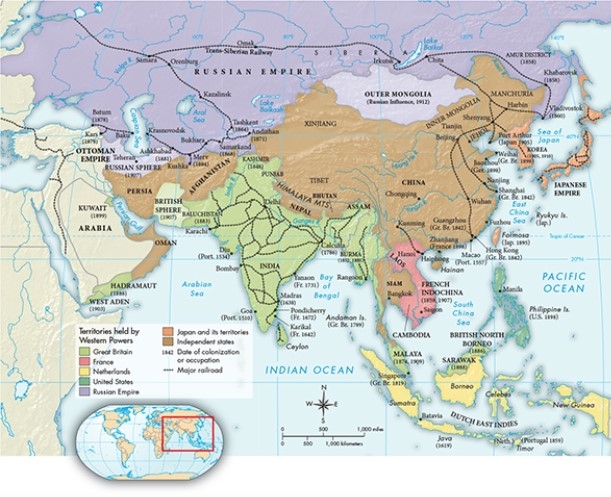
A) French Indochina
B) Siberia
C) Korea
D) The Philippines
A) French Indochina
B) Siberia
C) Korea
D) The Philippines
سؤال
سؤال
سؤال
سؤال
What evidence in Map 26.2, "Australia," suggests that the majority of Australia's industrialization took place in the east? 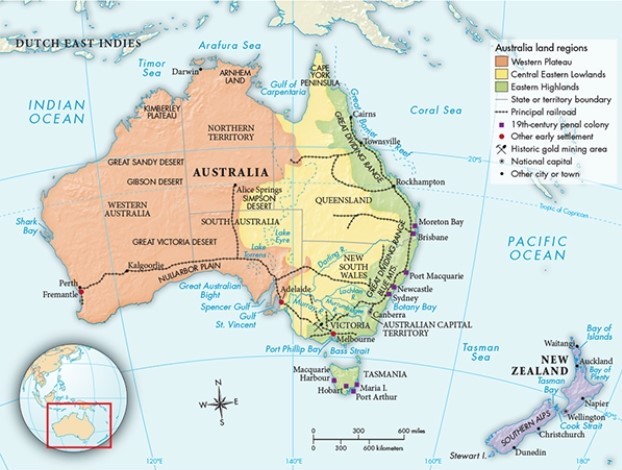
A) The east borders the Pacific Ocean.
B) A gold mine is present.
C) The east has a higher percentage of railroad tracks.
D) A large number of penal colonies are present.
A) The east borders the Pacific Ocean.
B) A gold mine is present.
C) The east has a higher percentage of railroad tracks.
D) A large number of penal colonies are present.
سؤال
سؤال
سؤال
سؤال
سؤال
سؤال
سؤال
سؤال
سؤال
سؤال
According to Map 26.3, "Emigration Out of Asia, 1820-1914," emigrants from which region travelled to the widest variety of destinations? 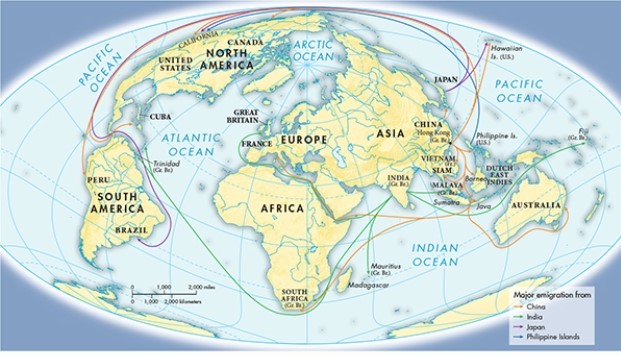
A) India
B) East Asia
C) Japan
D) The Philippines
A) India
B) East Asia
C) Japan
D) The Philippines
سؤال
سؤال
سؤال
سؤال
سؤال
سؤال
سؤال
سؤال
سؤال
سؤال
سؤال
سؤال
سؤال
سؤال
سؤال
During the period covered by Map 26.3, "Emigration Out of Asia, 1820-1914," which emigrant group were people living in North America least likely to come into contact with? 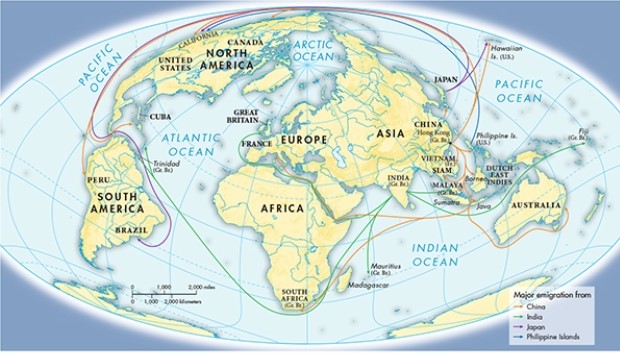
A) Japanese
B) Chinese
C) Filipino
D) Indian peoples
A) Japanese
B) Chinese
C) Filipino
D) Indian peoples
سؤال
سؤال
سؤال
سؤال
سؤال
سؤال
سؤال
سؤال
سؤال
سؤال
سؤال
سؤال
سؤال
سؤال
سؤال
سؤال
سؤال
Based on the evidence in Map 26.2, "Australia," which part of Australia was settled by Europeans first?' 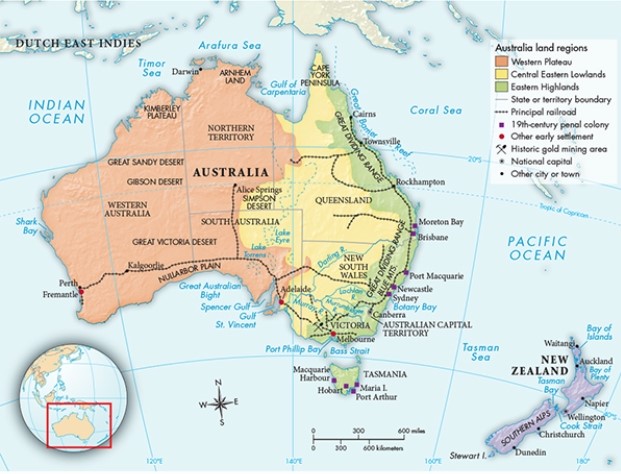
A) The north, due to its proximity to the Dutch East Indies
B) The south, due to the large number of railroad tracks
C) The east, due to the location of the penal colonies
D) The west, due to the vast expanses of open territory
A) The north, due to its proximity to the Dutch East Indies
B) The south, due to the large number of railroad tracks
C) The east, due to the location of the penal colonies
D) The west, due to the vast expanses of open territory
سؤال
سؤال
سؤال
سؤال
سؤال
سؤال
سؤال
سؤال
سؤال
سؤال
سؤال
سؤال
سؤال
سؤال
سؤال
سؤال
سؤال
سؤال
سؤال
سؤال
سؤال
سؤال
سؤال
سؤال
سؤال
سؤال
سؤال

فتح الحزمة
قم بالتسجيل لفتح البطاقات في هذه المجموعة!
Unlock Deck
Unlock Deck
1/79

العب

ملء الشاشة (f)
Deck 26: Asia and the Pacific in the Era of Imperialism, 1800-1914
1
The British transported so many laborers to Malay that its population became one-third Malay, one-third Indian, and one-third what other nationality?
A) British
B) Chinese
C) South African
D) Burmese
A) British
B) Chinese
C) South African
D) Burmese
Chinese
2
Before 1757, who appeared to be Britain's main rivals for control of India?
A) The Portuguese and the Spanish
B) The Chinese and the Portuguese
C) The French and the Dutch
D) The Persians and the French
A) The Portuguese and the Spanish
B) The Chinese and the Portuguese
C) The French and the Dutch
D) The Persians and the French
The French and the Dutch
3
Under the Culture System, what was required of Indonesian peasants?
A) They had to conduct all business transactions in Dutch.
B) They were required to devote one-fifth of their land to export crops for taxes.
C) They were required to convert to and attend the Dutch Reformed Church.
D) They had to work on large, state-run farms, which grew only cash crops.
A) They had to conduct all business transactions in Dutch.
B) They were required to devote one-fifth of their land to export crops for taxes.
C) They were required to convert to and attend the Dutch Reformed Church.
D) They had to work on large, state-run farms, which grew only cash crops.
They were required to devote one-fifth of their land to export crops for taxes.
4
After coming to power in 1802, the Nguyen Dynasty of Vietnam modeled its bureaucracy on which of the following?
A) The British colonial government of India
B) Meiji Japan
C) The Chinese model
D) The Ottoman Empire's administrative structure
A) The British colonial government of India
B) Meiji Japan
C) The Chinese model
D) The Ottoman Empire's administrative structure
فتح الحزمة
افتح القفل للوصول البطاقات البالغ عددها 79 في هذه المجموعة.
فتح الحزمة
k this deck
5
By the end of the nineteenth century, which of the following could be considered the strongest country in Asia?
A) China
B) Japan
C) India
D) Korea
A) China
B) Japan
C) India
D) Korea
فتح الحزمة
افتح القفل للوصول البطاقات البالغ عددها 79 في هذه المجموعة.
فتح الحزمة
k this deck
6
The possession of which region by a foreign power in this map is an example of the new imperialism?
A) French Indochina
B) Siberia
C) Korea
D) The Philippines
A) French Indochina
B) Siberia
C) Korea
D) The Philippines
فتح الحزمة
افتح القفل للوصول البطاقات البالغ عددها 79 في هذه المجموعة.
فتح الحزمة
k this deck
7
In India, the British ruled with the cooperation of which of these?
A) The Indian middle class
B) European allies
C) Indian peasants
D) Local princes
A) The Indian middle class
B) European allies
C) Indian peasants
D) Local princes
فتح الحزمة
افتح القفل للوصول البطاقات البالغ عددها 79 في هذه المجموعة.
فتح الحزمة
k this deck
8
By 1900, what had happened to India's textile industry?
A) It became the world's largest exporter of finished cotton products.
B) It exploded in size and became the nation's largest employer.
C) It suffered a huge blow from the loss of millions of jobs.
D) It was selling its machine-spun yarn and cloth to England at artificially low prices.
A) It became the world's largest exporter of finished cotton products.
B) It exploded in size and became the nation's largest employer.
C) It suffered a huge blow from the loss of millions of jobs.
D) It was selling its machine-spun yarn and cloth to England at artificially low prices.
فتح الحزمة
افتح القفل للوصول البطاقات البالغ عددها 79 في هذه المجموعة.
فتح الحزمة
k this deck
9
In the 1820s, Vietnam's ruler considered what to be one of the great threats to the unity of his country?
A) British imperialists
B) Chinese traders
C) Cambodian refugees
D) French Catholic missionaries
A) British imperialists
B) Chinese traders
C) Cambodian refugees
D) French Catholic missionaries
فتح الحزمة
افتح القفل للوصول البطاقات البالغ عددها 79 في هذه المجموعة.
فتح الحزمة
k this deck
10
What evidence in Map 26.2, "Australia," suggests that the majority of Australia's industrialization took place in the east?
A) The east borders the Pacific Ocean.
B) A gold mine is present.
C) The east has a higher percentage of railroad tracks.
D) A large number of penal colonies are present.
A) The east borders the Pacific Ocean.
B) A gold mine is present.
C) The east has a higher percentage of railroad tracks.
D) A large number of penal colonies are present.
فتح الحزمة
افتح القفل للوصول البطاقات البالغ عددها 79 في هذه المجموعة.
فتح الحزمة
k this deck
11
According to the text, which Indians were most upset by Britain's systematic racism?
A) The poorest rural peasants and small farmers
B) Urban shopkeepers and small merchants
C) Well-educated, English-speaking elites
D) Members of the servant class who worked directly under the British
A) The poorest rural peasants and small farmers
B) Urban shopkeepers and small merchants
C) Well-educated, English-speaking elites
D) Members of the servant class who worked directly under the British
فتح الحزمة
افتح القفل للوصول البطاقات البالغ عددها 79 في هذه المجموعة.
فتح الحزمة
k this deck
12
How did British rule in India change after the Great Revolt of 1857?
A) India was ruled directly by the British government.
B) Queen Victoria appointed an Indian Governor-General who answered directly to her.
C) The British East India Company closed British schools for the Indian elite.
D) Britain made it illegal for the lower castes to own rifles.
A) India was ruled directly by the British government.
B) Queen Victoria appointed an Indian Governor-General who answered directly to her.
C) The British East India Company closed British schools for the Indian elite.
D) Britain made it illegal for the lower castes to own rifles.
فتح الحزمة
افتح القفل للوصول البطاقات البالغ عددها 79 في هذه المجموعة.
فتح الحزمة
k this deck
13
Indian resentment of which of the following contributed to the Great Revolt of 1857?
A) Tax increases-particularly the salt tax-by the British
B) British refusal to employ members of the lower castes in the army
C) The East India army's use of cattle or pig grease on rifles
D) Queen Victoria's adoption of the title "Empress of India"
A) Tax increases-particularly the salt tax-by the British
B) British refusal to employ members of the lower castes in the army
C) The East India army's use of cattle or pig grease on rifles
D) Queen Victoria's adoption of the title "Empress of India"
فتح الحزمة
افتح القفل للوصول البطاقات البالغ عددها 79 في هذه المجموعة.
فتح الحزمة
k this deck
14
The export of what commodity from India to China would have far-reaching effects for all concerned?
A) Opium
B) Tea
C) Pepper
D) Indigo
A) Opium
B) Tea
C) Pepper
D) Indigo
فتح الحزمة
افتح القفل للوصول البطاقات البالغ عددها 79 في هذه المجموعة.
فتح الحزمة
k this deck
15
The Indian National Congress demanded that the government spend more of its budget on what?
A) Military supplies
B) Expansion of borders
C) More industrialized farming
D) Reducing poverty
A) Military supplies
B) Expansion of borders
C) More industrialized farming
D) Reducing poverty
فتح الحزمة
افتح القفل للوصول البطاقات البالغ عددها 79 في هذه المجموعة.
فتح الحزمة
k this deck
16
Who made up the Indian rebels in the Great Revolt of 1857?
A) Poor peasants
B) Brahmins
C) Local princes
D) Sepoy troops
A) Poor peasants
B) Brahmins
C) Local princes
D) Sepoy troops
فتح الحزمة
افتح القفل للوصول البطاقات البالغ عددها 79 في هذه المجموعة.
فتح الحزمة
k this deck
17
Rammohun Roy created a society that tried to reconcile Western philosophy and what sacred Indian text?
A) The Upanishads
B) The Mahabharata
C) The Ramayana
D) The Rigveda
A) The Upanishads
B) The Mahabharata
C) The Ramayana
D) The Rigveda
فتح الحزمة
افتح القفل للوصول البطاقات البالغ عددها 79 في هذه المجموعة.
فتح الحزمة
k this deck
18
Britain's improvement of transportation in India resulted in the spread of disease, especially which one?
A) Smallpox
B) Malaria
C) Tuberculosis
D) Cholera
A) Smallpox
B) Malaria
C) Tuberculosis
D) Cholera
فتح الحزمة
افتح القفل للوصول البطاقات البالغ عددها 79 في هذه المجموعة.
فتح الحزمة
k this deck
19
What did most British elites believe about Indian people?
A) They were inherently inferior.
B) Their culture was worthy of respect.
C) They would not continue to accept British rule.
D) They were incapable of bravery or courage.
A) They were inherently inferior.
B) Their culture was worthy of respect.
C) They would not continue to accept British rule.
D) They were incapable of bravery or courage.
فتح الحزمة
افتح القفل للوصول البطاقات البالغ عددها 79 في هذه المجموعة.
فتح الحزمة
k this deck
20
According to Map 26.3, "Emigration Out of Asia, 1820-1914," emigrants from which region travelled to the widest variety of destinations?
A) India
B) East Asia
C) Japan
D) The Philippines
A) India
B) East Asia
C) Japan
D) The Philippines
فتح الحزمة
افتح القفل للوصول البطاقات البالغ عددها 79 في هذه المجموعة.
فتح الحزمة
k this deck
21
What modern countries made up French Indochina, circa 1887?
A) Vietnam, Laos, Cambodia
B) Laos, Vietnam, Malaysia
C) Vietnam, Laos, China
D) Vietnam, Cambodia, Tibet
A) Vietnam, Laos, Cambodia
B) Laos, Vietnam, Malaysia
C) Vietnam, Laos, China
D) Vietnam, Cambodia, Tibet
فتح الحزمة
افتح القفل للوصول البطاقات البالغ عددها 79 في هذه المجموعة.
فتح الحزمة
k this deck
22
Following the acquisition of the Philippines by the United States
A) U.S. forces spent four years in a bloody war to suppress Filipinos who sought independence.
B) the Americans were expelled by the Filipinos who established Philippine independence.
C) the United States sold the islands to Japan for $26 million and fishing rights in the Sea of Japan.
D) the Americans proposed a twenty-year phase of self-rule for Filipinos.
A) U.S. forces spent four years in a bloody war to suppress Filipinos who sought independence.
B) the Americans were expelled by the Filipinos who established Philippine independence.
C) the United States sold the islands to Japan for $26 million and fishing rights in the Sea of Japan.
D) the Americans proposed a twenty-year phase of self-rule for Filipinos.
فتح الحزمة
افتح القفل للوصول البطاقات البالغ عددها 79 في هذه المجموعة.
فتح الحزمة
k this deck
23
In the Boxer Rebellion, the Boxers blamed China's problems on which of the following?
A) Militarism in Japan
B) Foreign missionaries who criticized the nation
C) The emperor, whom they called weak and corrupt
D) European imperialism across Asia
A) Militarism in Japan
B) Foreign missionaries who criticized the nation
C) The emperor, whom they called weak and corrupt
D) European imperialism across Asia
فتح الحزمة
افتح القفل للوصول البطاقات البالغ عددها 79 في هذه المجموعة.
فتح الحزمة
k this deck
24
Who did the Manchus call on to help put down the Taiping Rebellion?
A) The British and French armies
B) Their own Manchu banner army units
C) The Mongols, who sent elite horsemen
D) Chinese scholar-officials who raised armies to suppress the rebels
A) The British and French armies
B) Their own Manchu banner army units
C) The Mongols, who sent elite horsemen
D) Chinese scholar-officials who raised armies to suppress the rebels
فتح الحزمة
افتح القفل للوصول البطاقات البالغ عددها 79 في هذه المجموعة.
فتح الحزمة
k this deck
25
What was a consequence of the 1911 Revolution in China?
A) China became a constitutional monarchy.
B) China came under the direct rule of Britain.
C) China became a republic modeled on Western political ideas.
D) China agreed to self-rule for all of its provinces.
A) China became a constitutional monarchy.
B) China came under the direct rule of Britain.
C) China became a republic modeled on Western political ideas.
D) China agreed to self-rule for all of its provinces.
فتح الحزمة
افتح القفل للوصول البطاقات البالغ عددها 79 في هذه المجموعة.
فتح الحزمة
k this deck
26
When U.S. Commodore Matthew Perry "opened" Japan in 1853, who was the real ruler of the country?
A) The emperor
B) The high priest of the Shinto religion
C) The Tokugawa shogun
D) The head of the army
A) The emperor
B) The high priest of the Shinto religion
C) The Tokugawa shogun
D) The head of the army
فتح الحزمة
افتح القفل للوصول البطاقات البالغ عددها 79 في هذه المجموعة.
فتح الحزمة
k this deck
27
Vietnamese nationalism is believed to trace much of its inspiration to which of the following?
A) Japan's victory over Russia in 1905
B) China's "Hundred Days" Reform program
C) Gandhi's fight against British rule in India
D) The U.S. Declaration of Independence
A) Japan's victory over Russia in 1905
B) China's "Hundred Days" Reform program
C) Gandhi's fight against British rule in India
D) The U.S. Declaration of Independence
فتح الحزمة
افتح القفل للوصول البطاقات البالغ عددها 79 في هذه المجموعة.
فتح الحزمة
k this deck
28
What Spanish possession did Commodore George Dewey help seize for the United States?
A) Macao
B) The Philippines
C) The Virgin Islands
D) Cuba
A) Macao
B) The Philippines
C) The Virgin Islands
D) Cuba
فتح الحزمة
افتح القفل للوصول البطاقات البالغ عددها 79 في هذه المجموعة.
فتح الحزمة
k this deck
29
Who did Hong Xiuquan, leader of the Taiping Rebellion, claim to be?
A) A descendant of Ming emperors
B) The younger brother of Jesus
C) The rightful emperor to the throne
D) A Daoist god
A) A descendant of Ming emperors
B) The younger brother of Jesus
C) The rightful emperor to the throne
D) A Daoist god
فتح الحزمة
افتح القفل للوصول البطاقات البالغ عددها 79 في هذه المجموعة.
فتح الحزمة
k this deck
30
Who in Japan agitated under the slogan, "Revere the emperor and expel the barbarians"?
A) The shogun
B) Retired emperors
C) The samurai
D) Peasants
A) The shogun
B) Retired emperors
C) The samurai
D) Peasants
فتح الحزمة
افتح القفل للوصول البطاقات البالغ عددها 79 في هذه المجموعة.
فتح الحزمة
k this deck
31
What was a consequence of the 1894 naval war between Japan and China?
A) China won and forced Japan to give up Okinawa.
B) Russia mediated a peace agreement that allowed the Japanese to occupy Beijing.
C) China was defeated and forced to cede Taiwan to Japan.
D) China was saved from defeat only by the intervention of the British navy.
A) China won and forced Japan to give up Okinawa.
B) Russia mediated a peace agreement that allowed the Japanese to occupy Beijing.
C) China was defeated and forced to cede Taiwan to Japan.
D) China was saved from defeat only by the intervention of the British navy.
فتح الحزمة
افتح القفل للوصول البطاقات البالغ عددها 79 في هذه المجموعة.
فتح الحزمة
k this deck
32
The United States acquired the Philippines from Spain in what year?
A) 1866
B) 1882
C) 1898
D) 1904
A) 1866
B) 1882
C) 1898
D) 1904
فتح الحزمة
افتح القفل للوصول البطاقات البالغ عددها 79 في هذه المجموعة.
فتح الحزمة
k this deck
33
Japan modeled its Constitution of 1889 on that of what country?
A) France
B) England
C) Germany
D) The United States
A) France
B) England
C) Germany
D) The United States
فتح الحزمة
افتح القفل للوصول البطاقات البالغ عددها 79 في هذه المجموعة.
فتح الحزمة
k this deck
34
How did King Chulalongkorn of Siam manage to keep his nation's independence?
A) He played the British and the Dutch off of each other.
B) He negotiated a balance between France and Prussia by making promises to both nations.
C) He played Britain and France off of each other.
D) He negotiated a monetary settlement with Japan and Russia.
A) He played the British and the Dutch off of each other.
B) He negotiated a balance between France and Prussia by making promises to both nations.
C) He played Britain and France off of each other.
D) He negotiated a monetary settlement with Japan and Russia.
فتح الحزمة
افتح القفل للوصول البطاقات البالغ عددها 79 في هذه المجموعة.
فتح الحزمة
k this deck
35
During the period covered by Map 26.3, "Emigration Out of Asia, 1820-1914," which emigrant group were people living in North America least likely to come into contact with?
A) Japanese
B) Chinese
C) Filipino
D) Indian peoples
A) Japanese
B) Chinese
C) Filipino
D) Indian peoples
فتح الحزمة
افتح القفل للوصول البطاقات البالغ عددها 79 في هذه المجموعة.
فتح الحزمة
k this deck
36
Who was a key figure in the introduction of the ideas of democracy and revolution into China?
A) Sun Yatsen
B) Hong Xiuquan
C) Lin Xezu
D) Tsui Hark
A) Sun Yatsen
B) Hong Xiuquan
C) Lin Xezu
D) Tsui Hark
فتح الحزمة
افتح القفل للوصول البطاقات البالغ عددها 79 في هذه المجموعة.
فتح الحزمة
k this deck
37
Who stopped the reforms of the Qing emperor in 1898?
A) British forces
B) The empress dowager
C) Taiping rebels
D) Boxers
A) British forces
B) The empress dowager
C) Taiping rebels
D) Boxers
فتح الحزمة
افتح القفل للوصول البطاقات البالغ عددها 79 في هذه المجموعة.
فتح الحزمة
k this deck
38
The sale of which of the following products allowed Great Britain to upset the balance of trade that had previously been in China's favor?
A) Rifles
B) Opium
C) Steam engines
D) Coffee
A) Rifles
B) Opium
C) Steam engines
D) Coffee
فتح الحزمة
افتح القفل للوصول البطاقات البالغ عددها 79 في هذه المجموعة.
فتح الحزمة
k this deck
39
What was the ultimate goal of the Taiping rebels in China?
A) To establish a utopia with equal landholdings and equality of men and women
B) To expel all Western influences from China and kill all Christian missionaries
C) To restore the Ming Dynasty to power and get rid of the "foreign" Manchus
D) To create a socialist society based on the teachings of Marx and Engels
A) To establish a utopia with equal landholdings and equality of men and women
B) To expel all Western influences from China and kill all Christian missionaries
C) To restore the Ming Dynasty to power and get rid of the "foreign" Manchus
D) To create a socialist society based on the teachings of Marx and Engels
فتح الحزمة
افتح القفل للوصول البطاقات البالغ عددها 79 في هذه المجموعة.
فتح الحزمة
k this deck
40
Under Japan's 1889 constitution, how were the prime minister and cabinet appointed?
A) They were elected through a democratic popular election.
B) They were chosen and appointed by the emperor.
C) They were selected by the Diet.
D) They were chosen by a committee of the elite samurai class.
A) They were elected through a democratic popular election.
B) They were chosen and appointed by the emperor.
C) They were selected by the Diet.
D) They were chosen by a committee of the elite samurai class.
فتح الحزمة
افتح القفل للوصول البطاقات البالغ عددها 79 في هذه المجموعة.
فتح الحزمة
k this deck
41
Which country formally annexed Korea as a province in 1910?
A) Japan
B) China
C) Laos
D) Siam
A) Japan
B) China
C) Laos
D) Siam
فتح الحزمة
افتح القفل للوصول البطاقات البالغ عددها 79 في هذه المجموعة.
فتح الحزمة
k this deck
42
In what ways did English rule in India prepare the natives for the self-rule movement that began there?
فتح الحزمة
افتح القفل للوصول البطاقات البالغ عددها 79 في هذه المجموعة.
فتح الحزمة
k this deck
43
How did Japan take the lead in silk exports to Europe?
A) By importing many tons of raw silk
B) By forcing all peasant women to spin silk thread
C) By introducing the mechanical reeling of silk
D) By building the largest shipping navy in the world
A) By importing many tons of raw silk
B) By forcing all peasant women to spin silk thread
C) By introducing the mechanical reeling of silk
D) By building the largest shipping navy in the world
فتح الحزمة
افتح القفل للوصول البطاقات البالغ عددها 79 في هذه المجموعة.
فتح الحزمة
k this deck
44
What kinds of problems did China's overpopulation cause in the nineteenth century?
فتح الحزمة
افتح القفل للوصول البطاقات البالغ عددها 79 في هذه المجموعة.
فتح الحزمة
k this deck
45
During the Meiji era, how did Japan view China?
A) As a model of how to respond to Western economic and military pressure
B) As the source for much of its high culture, including the writing system
C) As a popular tourist destination
D) As an object lesson in the dangers of not modernizing
A) As a model of how to respond to Western economic and military pressure
B) As the source for much of its high culture, including the writing system
C) As a popular tourist destination
D) As an object lesson in the dangers of not modernizing
فتح الحزمة
افتح القفل للوصول البطاقات البالغ عددها 79 في هذه المجموعة.
فتح الحزمة
k this deck
46
What are zaibatsu?
A) Japan's new parliament
B) Japanese industrial conglomerates
C) The articles of the Meiji constitution
D) German-style military schools
A) Japan's new parliament
B) Japanese industrial conglomerates
C) The articles of the Meiji constitution
D) German-style military schools
فتح الحزمة
افتح القفل للوصول البطاقات البالغ عددها 79 في هذه المجموعة.
فتح الحزمة
k this deck
47
During the Meiji era, Japan became an imperial power, making which of the following into its colonies?
A) The Philippines and Laos
B) Taiwan and Korea
C) China and Mongolia
D) Manchuria and Siam
A) The Philippines and Laos
B) Taiwan and Korea
C) China and Mongolia
D) Manchuria and Siam
فتح الحزمة
افتح القفل للوصول البطاقات البالغ عددها 79 في هذه المجموعة.
فتح الحزمة
k this deck
48
What were the aims of the self-strengthening movement? Was the movement successful?
فتح الحزمة
افتح القفل للوصول البطاقات البالغ عددها 79 في هذه المجموعة.
فتح الحزمة
k this deck
49
How was Siam able to retain its independence from imperialist powers?
فتح الحزمة
افتح القفل للوصول البطاقات البالغ عددها 79 في هذه المجموعة.
فتح الحزمة
k this deck
50
What was the primary cause of the Russo-Japanese War?
A) Competition between Japanese and Russian imperialist desires in Manchuria
B) A struggle between the two powers to gain control of Korea
C) An attempt by Japan to get mining interests in the Russian colony of Siberia
D) Japan's desire to demonstrate its military might to the West
A) Competition between Japanese and Russian imperialist desires in Manchuria
B) A struggle between the two powers to gain control of Korea
C) An attempt by Japan to get mining interests in the Russian colony of Siberia
D) Japan's desire to demonstrate its military might to the West
فتح الحزمة
افتح القفل للوصول البطاقات البالغ عددها 79 في هذه المجموعة.
فتح الحزمة
k this deck
51
Of all the Asian countries in the nineteenth and early twentieth centuries, which came to rival the West in urbanity and education?
A) Japan
B) China
C) India
D) Korea
A) Japan
B) China
C) India
D) Korea
فتح الحزمة
افتح القفل للوصول البطاقات البالغ عددها 79 في هذه المجموعة.
فتح الحزمة
k this deck
52
Based on the evidence in Map 26.2, "Australia," which part of Australia was settled by Europeans first?'
A) The north, due to its proximity to the Dutch East Indies
B) The south, due to the large number of railroad tracks
C) The east, due to the location of the penal colonies
D) The west, due to the vast expanses of open territory
A) The north, due to its proximity to the Dutch East Indies
B) The south, due to the large number of railroad tracks
C) The east, due to the location of the penal colonies
D) The west, due to the vast expanses of open territory
فتح الحزمة
افتح القفل للوصول البطاقات البالغ عددها 79 في هذه المجموعة.
فتح الحزمة
k this deck
53
Trace the development of Australia as an immigrant destination.
فتح الحزمة
افتح القفل للوصول البطاقات البالغ عددها 79 في هذه المجموعة.
فتح الحزمة
k this deck
54
Which of the following could be said of all Asian countries by the nineteenth century?
A) They had all become Christian.
B) They had all been in contact in one form or another with the West.
C) They had all adopted Westernized forms of currencies.
D) They were all affected to one degree or another by the opium trade.
A) They had all become Christian.
B) They had all been in contact in one form or another with the West.
C) They had all adopted Westernized forms of currencies.
D) They were all affected to one degree or another by the opium trade.
فتح الحزمة
افتح القفل للوصول البطاقات البالغ عددها 79 في هذه المجموعة.
فتح الحزمة
k this deck
55
Describe how, at the start of the nineteenth century, regional Asian societies varied much more than those of any other part of the world.
فتح الحزمة
افتح القفل للوصول البطاقات البالغ عددها 79 في هذه المجموعة.
فتح الحزمة
k this deck
56
How did Japan and China differ in "opening" their respective nations to the West?
فتح الحزمة
افتح القفل للوصول البطاقات البالغ عددها 79 في هذه المجموعة.
فتح الحزمة
k this deck
57
How did British rule unify India?
فتح الحزمة
افتح القفل للوصول البطاقات البالغ عددها 79 في هذه المجموعة.
فتح الحزمة
k this deck
58
In the second half of the nineteenth century, Korea found itself caught between China, Japan, and what other power?
A) The United States
B) France
C) Russia
D) Britain
A) The United States
B) France
C) Russia
D) Britain
فتح الحزمة
افتح القفل للوصول البطاقات البالغ عددها 79 في هذه المجموعة.
فتح الحزمة
k this deck
59
How did British control of India affect British foreign policy?
فتح الحزمة
افتح القفل للوصول البطاقات البالغ عددها 79 في هذه المجموعة.
فتح الحزمة
k this deck
60
How did the Meiji reform the military? What were the models for these reforms?
فتح الحزمة
افتح القفل للوصول البطاقات البالغ عددها 79 في هذه المجموعة.
فتح الحزمة
k this deck
61
How did the Meiji reformers in Japan set about creating a new, Western-style nation-state? What Western models did they choose for different institutions, and why?
فتح الحزمة
افتح القفل للوصول البطاقات البالغ عددها 79 في هذه المجموعة.
فتح الحزمة
k this deck
62
Use the following to answer questions :
Opium War
A)The terms used by the British and the Indians, respectively, to describe the last armed resistance to British rule in India, which occurred in 1857.
B)The bureaucracy that administered the government of India. Entry into its elite ranks was through examinations that Indians were eligible to take, but these tests were offered only in
England.
C)A political association formed in 1885 that worked for Indian self-government.
D)The 1825-1830 war between the Dutch government and the Javanese, fought over the extension of Dutch control of the island.
E)The last Vietnamese ruling house, which lasted from 1802 to 1945.
F)The 1839-1842 conflict between the British and the Chinese over limitations on trade and the importation of the drug for which the conflict is named into China.
G)The legal principle that exempts individuals from local law, applicable in China because of the agreements reached after China's loss in the Opium War.
H)A massive revolt by believers in the religious teachings of Hong Xiuquan, begun in 1851 and not suppressed until 1864.
I)A Chinese secret society that blamed the country's ills on foreigners, especially missionaries, and rose in rebellion in 1900.
J)The uprising that brought China's monarchy to an end.
K)The imposition of treaties and agreements under threat of military violence, such as the opening of Japan to trade after Commodore Perry's demands.
L)The 1867 ousting of the Tokugawa Shogunate that "restored" the power of the Japanese emperors.
M)The 1904-1905 war fought over imperial influence and territory in northeast China (Manchuria).
N)Workers who agreed to a term of employment, specified in a contract.
Opium War
A)The terms used by the British and the Indians, respectively, to describe the last armed resistance to British rule in India, which occurred in 1857.
B)The bureaucracy that administered the government of India. Entry into its elite ranks was through examinations that Indians were eligible to take, but these tests were offered only in
England.
C)A political association formed in 1885 that worked for Indian self-government.
D)The 1825-1830 war between the Dutch government and the Javanese, fought over the extension of Dutch control of the island.
E)The last Vietnamese ruling house, which lasted from 1802 to 1945.
F)The 1839-1842 conflict between the British and the Chinese over limitations on trade and the importation of the drug for which the conflict is named into China.
G)The legal principle that exempts individuals from local law, applicable in China because of the agreements reached after China's loss in the Opium War.
H)A massive revolt by believers in the religious teachings of Hong Xiuquan, begun in 1851 and not suppressed until 1864.
I)A Chinese secret society that blamed the country's ills on foreigners, especially missionaries, and rose in rebellion in 1900.
J)The uprising that brought China's monarchy to an end.
K)The imposition of treaties and agreements under threat of military violence, such as the opening of Japan to trade after Commodore Perry's demands.
L)The 1867 ousting of the Tokugawa Shogunate that "restored" the power of the Japanese emperors.
M)The 1904-1905 war fought over imperial influence and territory in northeast China (Manchuria).
N)Workers who agreed to a term of employment, specified in a contract.
فتح الحزمة
افتح القفل للوصول البطاقات البالغ عددها 79 في هذه المجموعة.
فتح الحزمة
k this deck
63
Use the following to answer questions :
Taiping Rebellion
A)The terms used by the British and the Indians, respectively, to describe the last armed resistance to British rule in India, which occurred in 1857.
B)The bureaucracy that administered the government of India. Entry into its elite ranks was through examinations that Indians were eligible to take, but these tests were offered only in
England.
C)A political association formed in 1885 that worked for Indian self-government.
D)The 1825-1830 war between the Dutch government and the Javanese, fought over the extension of Dutch control of the island.
E)The last Vietnamese ruling house, which lasted from 1802 to 1945.
F)The 1839-1842 conflict between the British and the Chinese over limitations on trade and the importation of the drug for which the conflict is named into China.
G)The legal principle that exempts individuals from local law, applicable in China because of the agreements reached after China's loss in the Opium War.
H)A massive revolt by believers in the religious teachings of Hong Xiuquan, begun in 1851 and not suppressed until 1864.
I)A Chinese secret society that blamed the country's ills on foreigners, especially missionaries, and rose in rebellion in 1900.
J)The uprising that brought China's monarchy to an end.
K)The imposition of treaties and agreements under threat of military violence, such as the opening of Japan to trade after Commodore Perry's demands.
L)The 1867 ousting of the Tokugawa Shogunate that "restored" the power of the Japanese emperors.
M)The 1904-1905 war fought over imperial influence and territory in northeast China (Manchuria).
N)Workers who agreed to a term of employment, specified in a contract.
Taiping Rebellion
A)The terms used by the British and the Indians, respectively, to describe the last armed resistance to British rule in India, which occurred in 1857.
B)The bureaucracy that administered the government of India. Entry into its elite ranks was through examinations that Indians were eligible to take, but these tests were offered only in
England.
C)A political association formed in 1885 that worked for Indian self-government.
D)The 1825-1830 war between the Dutch government and the Javanese, fought over the extension of Dutch control of the island.
E)The last Vietnamese ruling house, which lasted from 1802 to 1945.
F)The 1839-1842 conflict between the British and the Chinese over limitations on trade and the importation of the drug for which the conflict is named into China.
G)The legal principle that exempts individuals from local law, applicable in China because of the agreements reached after China's loss in the Opium War.
H)A massive revolt by believers in the religious teachings of Hong Xiuquan, begun in 1851 and not suppressed until 1864.
I)A Chinese secret society that blamed the country's ills on foreigners, especially missionaries, and rose in rebellion in 1900.
J)The uprising that brought China's monarchy to an end.
K)The imposition of treaties and agreements under threat of military violence, such as the opening of Japan to trade after Commodore Perry's demands.
L)The 1867 ousting of the Tokugawa Shogunate that "restored" the power of the Japanese emperors.
M)The 1904-1905 war fought over imperial influence and territory in northeast China (Manchuria).
N)Workers who agreed to a term of employment, specified in a contract.
فتح الحزمة
افتح القفل للوصول البطاقات البالغ عددها 79 في هذه المجموعة.
فتح الحزمة
k this deck
64
Use the following to answer questions :
indentured laborers
A)The terms used by the British and the Indians, respectively, to describe the last armed resistance to British rule in India, which occurred in 1857.
B)The bureaucracy that administered the government of India. Entry into its elite ranks was through examinations that Indians were eligible to take, but these tests were offered only in
England.
C)A political association formed in 1885 that worked for Indian self-government.
D)The 1825-1830 war between the Dutch government and the Javanese, fought over the extension of Dutch control of the island.
E)The last Vietnamese ruling house, which lasted from 1802 to 1945.
F)The 1839-1842 conflict between the British and the Chinese over limitations on trade and the importation of the drug for which the conflict is named into China.
G)The legal principle that exempts individuals from local law, applicable in China because of the agreements reached after China's loss in the Opium War.
H)A massive revolt by believers in the religious teachings of Hong Xiuquan, begun in 1851 and not suppressed until 1864.
I)A Chinese secret society that blamed the country's ills on foreigners, especially missionaries, and rose in rebellion in 1900.
J)The uprising that brought China's monarchy to an end.
K)The imposition of treaties and agreements under threat of military violence, such as the opening of Japan to trade after Commodore Perry's demands.
L)The 1867 ousting of the Tokugawa Shogunate that "restored" the power of the Japanese emperors.
M)The 1904-1905 war fought over imperial influence and territory in northeast China (Manchuria).
N)Workers who agreed to a term of employment, specified in a contract.
indentured laborers
A)The terms used by the British and the Indians, respectively, to describe the last armed resistance to British rule in India, which occurred in 1857.
B)The bureaucracy that administered the government of India. Entry into its elite ranks was through examinations that Indians were eligible to take, but these tests were offered only in
England.
C)A political association formed in 1885 that worked for Indian self-government.
D)The 1825-1830 war between the Dutch government and the Javanese, fought over the extension of Dutch control of the island.
E)The last Vietnamese ruling house, which lasted from 1802 to 1945.
F)The 1839-1842 conflict between the British and the Chinese over limitations on trade and the importation of the drug for which the conflict is named into China.
G)The legal principle that exempts individuals from local law, applicable in China because of the agreements reached after China's loss in the Opium War.
H)A massive revolt by believers in the religious teachings of Hong Xiuquan, begun in 1851 and not suppressed until 1864.
I)A Chinese secret society that blamed the country's ills on foreigners, especially missionaries, and rose in rebellion in 1900.
J)The uprising that brought China's monarchy to an end.
K)The imposition of treaties and agreements under threat of military violence, such as the opening of Japan to trade after Commodore Perry's demands.
L)The 1867 ousting of the Tokugawa Shogunate that "restored" the power of the Japanese emperors.
M)The 1904-1905 war fought over imperial influence and territory in northeast China (Manchuria).
N)Workers who agreed to a term of employment, specified in a contract.
فتح الحزمة
افتح القفل للوصول البطاقات البالغ عددها 79 في هذه المجموعة.
فتح الحزمة
k this deck
65
Use the following to answer questions :
Indian Civil Service
A)The terms used by the British and the Indians, respectively, to describe the last armed resistance to British rule in India, which occurred in 1857.
B)The bureaucracy that administered the government of India. Entry into its elite ranks was through examinations that Indians were eligible to take, but these tests were offered only in
England.
C)A political association formed in 1885 that worked for Indian self-government.
D)The 1825-1830 war between the Dutch government and the Javanese, fought over the extension of Dutch control of the island.
E)The last Vietnamese ruling house, which lasted from 1802 to 1945.
F)The 1839-1842 conflict between the British and the Chinese over limitations on trade and the importation of the drug for which the conflict is named into China.
G)The legal principle that exempts individuals from local law, applicable in China because of the agreements reached after China's loss in the Opium War.
H)A massive revolt by believers in the religious teachings of Hong Xiuquan, begun in 1851 and not suppressed until 1864.
I)A Chinese secret society that blamed the country's ills on foreigners, especially missionaries, and rose in rebellion in 1900.
J)The uprising that brought China's monarchy to an end.
K)The imposition of treaties and agreements under threat of military violence, such as the opening of Japan to trade after Commodore Perry's demands.
L)The 1867 ousting of the Tokugawa Shogunate that "restored" the power of the Japanese emperors.
M)The 1904-1905 war fought over imperial influence and territory in northeast China (Manchuria).
N)Workers who agreed to a term of employment, specified in a contract.
Indian Civil Service
A)The terms used by the British and the Indians, respectively, to describe the last armed resistance to British rule in India, which occurred in 1857.
B)The bureaucracy that administered the government of India. Entry into its elite ranks was through examinations that Indians were eligible to take, but these tests were offered only in
England.
C)A political association formed in 1885 that worked for Indian self-government.
D)The 1825-1830 war between the Dutch government and the Javanese, fought over the extension of Dutch control of the island.
E)The last Vietnamese ruling house, which lasted from 1802 to 1945.
F)The 1839-1842 conflict between the British and the Chinese over limitations on trade and the importation of the drug for which the conflict is named into China.
G)The legal principle that exempts individuals from local law, applicable in China because of the agreements reached after China's loss in the Opium War.
H)A massive revolt by believers in the religious teachings of Hong Xiuquan, begun in 1851 and not suppressed until 1864.
I)A Chinese secret society that blamed the country's ills on foreigners, especially missionaries, and rose in rebellion in 1900.
J)The uprising that brought China's monarchy to an end.
K)The imposition of treaties and agreements under threat of military violence, such as the opening of Japan to trade after Commodore Perry's demands.
L)The 1867 ousting of the Tokugawa Shogunate that "restored" the power of the Japanese emperors.
M)The 1904-1905 war fought over imperial influence and territory in northeast China (Manchuria).
N)Workers who agreed to a term of employment, specified in a contract.
فتح الحزمة
افتح القفل للوصول البطاقات البالغ عددها 79 في هذه المجموعة.
فتح الحزمة
k this deck
66
Use the following to answer questions :
Russo-Japanese War
A)The terms used by the British and the Indians, respectively, to describe the last armed resistance to British rule in India, which occurred in 1857.
B)The bureaucracy that administered the government of India. Entry into its elite ranks was through examinations that Indians were eligible to take, but these tests were offered only in
England.
C)A political association formed in 1885 that worked for Indian self-government.
D)The 1825-1830 war between the Dutch government and the Javanese, fought over the extension of Dutch control of the island.
E)The last Vietnamese ruling house, which lasted from 1802 to 1945.
F)The 1839-1842 conflict between the British and the Chinese over limitations on trade and the importation of the drug for which the conflict is named into China.
G)The legal principle that exempts individuals from local law, applicable in China because of the agreements reached after China's loss in the Opium War.
H)A massive revolt by believers in the religious teachings of Hong Xiuquan, begun in 1851 and not suppressed until 1864.
I)A Chinese secret society that blamed the country's ills on foreigners, especially missionaries, and rose in rebellion in 1900.
J)The uprising that brought China's monarchy to an end.
K)The imposition of treaties and agreements under threat of military violence, such as the opening of Japan to trade after Commodore Perry's demands.
L)The 1867 ousting of the Tokugawa Shogunate that "restored" the power of the Japanese emperors.
M)The 1904-1905 war fought over imperial influence and territory in northeast China (Manchuria).
N)Workers who agreed to a term of employment, specified in a contract.
Russo-Japanese War
A)The terms used by the British and the Indians, respectively, to describe the last armed resistance to British rule in India, which occurred in 1857.
B)The bureaucracy that administered the government of India. Entry into its elite ranks was through examinations that Indians were eligible to take, but these tests were offered only in
England.
C)A political association formed in 1885 that worked for Indian self-government.
D)The 1825-1830 war between the Dutch government and the Javanese, fought over the extension of Dutch control of the island.
E)The last Vietnamese ruling house, which lasted from 1802 to 1945.
F)The 1839-1842 conflict between the British and the Chinese over limitations on trade and the importation of the drug for which the conflict is named into China.
G)The legal principle that exempts individuals from local law, applicable in China because of the agreements reached after China's loss in the Opium War.
H)A massive revolt by believers in the religious teachings of Hong Xiuquan, begun in 1851 and not suppressed until 1864.
I)A Chinese secret society that blamed the country's ills on foreigners, especially missionaries, and rose in rebellion in 1900.
J)The uprising that brought China's monarchy to an end.
K)The imposition of treaties and agreements under threat of military violence, such as the opening of Japan to trade after Commodore Perry's demands.
L)The 1867 ousting of the Tokugawa Shogunate that "restored" the power of the Japanese emperors.
M)The 1904-1905 war fought over imperial influence and territory in northeast China (Manchuria).
N)Workers who agreed to a term of employment, specified in a contract.
فتح الحزمة
افتح القفل للوصول البطاقات البالغ عددها 79 في هذه المجموعة.
فتح الحزمة
k this deck
67
Use the following to answer questions :
Meiji Restoration
A)The terms used by the British and the Indians, respectively, to describe the last armed resistance to British rule in India, which occurred in 1857.
B)The bureaucracy that administered the government of India. Entry into its elite ranks was through examinations that Indians were eligible to take, but these tests were offered only in
England.
C)A political association formed in 1885 that worked for Indian self-government.
D)The 1825-1830 war between the Dutch government and the Javanese, fought over the extension of Dutch control of the island.
E)The last Vietnamese ruling house, which lasted from 1802 to 1945.
F)The 1839-1842 conflict between the British and the Chinese over limitations on trade and the importation of the drug for which the conflict is named into China.
G)The legal principle that exempts individuals from local law, applicable in China because of the agreements reached after China's loss in the Opium War.
H)A massive revolt by believers in the religious teachings of Hong Xiuquan, begun in 1851 and not suppressed until 1864.
I)A Chinese secret society that blamed the country's ills on foreigners, especially missionaries, and rose in rebellion in 1900.
J)The uprising that brought China's monarchy to an end.
K)The imposition of treaties and agreements under threat of military violence, such as the opening of Japan to trade after Commodore Perry's demands.
L)The 1867 ousting of the Tokugawa Shogunate that "restored" the power of the Japanese emperors.
M)The 1904-1905 war fought over imperial influence and territory in northeast China (Manchuria).
N)Workers who agreed to a term of employment, specified in a contract.
Meiji Restoration
A)The terms used by the British and the Indians, respectively, to describe the last armed resistance to British rule in India, which occurred in 1857.
B)The bureaucracy that administered the government of India. Entry into its elite ranks was through examinations that Indians were eligible to take, but these tests were offered only in
England.
C)A political association formed in 1885 that worked for Indian self-government.
D)The 1825-1830 war between the Dutch government and the Javanese, fought over the extension of Dutch control of the island.
E)The last Vietnamese ruling house, which lasted from 1802 to 1945.
F)The 1839-1842 conflict between the British and the Chinese over limitations on trade and the importation of the drug for which the conflict is named into China.
G)The legal principle that exempts individuals from local law, applicable in China because of the agreements reached after China's loss in the Opium War.
H)A massive revolt by believers in the religious teachings of Hong Xiuquan, begun in 1851 and not suppressed until 1864.
I)A Chinese secret society that blamed the country's ills on foreigners, especially missionaries, and rose in rebellion in 1900.
J)The uprising that brought China's monarchy to an end.
K)The imposition of treaties and agreements under threat of military violence, such as the opening of Japan to trade after Commodore Perry's demands.
L)The 1867 ousting of the Tokugawa Shogunate that "restored" the power of the Japanese emperors.
M)The 1904-1905 war fought over imperial influence and territory in northeast China (Manchuria).
N)Workers who agreed to a term of employment, specified in a contract.
فتح الحزمة
افتح القفل للوصول البطاقات البالغ عددها 79 في هذه المجموعة.
فتح الحزمة
k this deck
68
Use the following to answer questions :
gunboat diplomacy
A)The terms used by the British and the Indians, respectively, to describe the last armed resistance to British rule in India, which occurred in 1857.
B)The bureaucracy that administered the government of India. Entry into its elite ranks was through examinations that Indians were eligible to take, but these tests were offered only in
England.
C)A political association formed in 1885 that worked for Indian self-government.
D)The 1825-1830 war between the Dutch government and the Javanese, fought over the extension of Dutch control of the island.
E)The last Vietnamese ruling house, which lasted from 1802 to 1945.
F)The 1839-1842 conflict between the British and the Chinese over limitations on trade and the importation of the drug for which the conflict is named into China.
G)The legal principle that exempts individuals from local law, applicable in China because of the agreements reached after China's loss in the Opium War.
H)A massive revolt by believers in the religious teachings of Hong Xiuquan, begun in 1851 and not suppressed until 1864.
I)A Chinese secret society that blamed the country's ills on foreigners, especially missionaries, and rose in rebellion in 1900.
J)The uprising that brought China's monarchy to an end.
K)The imposition of treaties and agreements under threat of military violence, such as the opening of Japan to trade after Commodore Perry's demands.
L)The 1867 ousting of the Tokugawa Shogunate that "restored" the power of the Japanese emperors.
M)The 1904-1905 war fought over imperial influence and territory in northeast China (Manchuria).
N)Workers who agreed to a term of employment, specified in a contract.
gunboat diplomacy
A)The terms used by the British and the Indians, respectively, to describe the last armed resistance to British rule in India, which occurred in 1857.
B)The bureaucracy that administered the government of India. Entry into its elite ranks was through examinations that Indians were eligible to take, but these tests were offered only in
England.
C)A political association formed in 1885 that worked for Indian self-government.
D)The 1825-1830 war between the Dutch government and the Javanese, fought over the extension of Dutch control of the island.
E)The last Vietnamese ruling house, which lasted from 1802 to 1945.
F)The 1839-1842 conflict between the British and the Chinese over limitations on trade and the importation of the drug for which the conflict is named into China.
G)The legal principle that exempts individuals from local law, applicable in China because of the agreements reached after China's loss in the Opium War.
H)A massive revolt by believers in the religious teachings of Hong Xiuquan, begun in 1851 and not suppressed until 1864.
I)A Chinese secret society that blamed the country's ills on foreigners, especially missionaries, and rose in rebellion in 1900.
J)The uprising that brought China's monarchy to an end.
K)The imposition of treaties and agreements under threat of military violence, such as the opening of Japan to trade after Commodore Perry's demands.
L)The 1867 ousting of the Tokugawa Shogunate that "restored" the power of the Japanese emperors.
M)The 1904-1905 war fought over imperial influence and territory in northeast China (Manchuria).
N)Workers who agreed to a term of employment, specified in a contract.
فتح الحزمة
افتح القفل للوصول البطاقات البالغ عددها 79 في هذه المجموعة.
فتح الحزمة
k this deck
69
Although Christian missionaries did not convert the majority of any Asian population to their religion, they did have a strong influence on various Asian societies in the nineteenth century. Explain how Christian missionary activity affected various Asian societies, and discuss how native elites viewed the missionaries.
فتح الحزمة
افتح القفل للوصول البطاقات البالغ عددها 79 في هذه المجموعة.
فتح الحزمة
k this deck
70
Use the following to answer questions :
1911 Revolution
A)The terms used by the British and the Indians, respectively, to describe the last armed resistance to British rule in India, which occurred in 1857.
B)The bureaucracy that administered the government of India. Entry into its elite ranks was through examinations that Indians were eligible to take, but these tests were offered only in
England.
C)A political association formed in 1885 that worked for Indian self-government.
D)The 1825-1830 war between the Dutch government and the Javanese, fought over the extension of Dutch control of the island.
E)The last Vietnamese ruling house, which lasted from 1802 to 1945.
F)The 1839-1842 conflict between the British and the Chinese over limitations on trade and the importation of the drug for which the conflict is named into China.
G)The legal principle that exempts individuals from local law, applicable in China because of the agreements reached after China's loss in the Opium War.
H)A massive revolt by believers in the religious teachings of Hong Xiuquan, begun in 1851 and not suppressed until 1864.
I)A Chinese secret society that blamed the country's ills on foreigners, especially missionaries, and rose in rebellion in 1900.
J)The uprising that brought China's monarchy to an end.
K)The imposition of treaties and agreements under threat of military violence, such as the opening of Japan to trade after Commodore Perry's demands.
L)The 1867 ousting of the Tokugawa Shogunate that "restored" the power of the Japanese emperors.
M)The 1904-1905 war fought over imperial influence and territory in northeast China (Manchuria).
N)Workers who agreed to a term of employment, specified in a contract.
1911 Revolution
A)The terms used by the British and the Indians, respectively, to describe the last armed resistance to British rule in India, which occurred in 1857.
B)The bureaucracy that administered the government of India. Entry into its elite ranks was through examinations that Indians were eligible to take, but these tests were offered only in
England.
C)A political association formed in 1885 that worked for Indian self-government.
D)The 1825-1830 war between the Dutch government and the Javanese, fought over the extension of Dutch control of the island.
E)The last Vietnamese ruling house, which lasted from 1802 to 1945.
F)The 1839-1842 conflict between the British and the Chinese over limitations on trade and the importation of the drug for which the conflict is named into China.
G)The legal principle that exempts individuals from local law, applicable in China because of the agreements reached after China's loss in the Opium War.
H)A massive revolt by believers in the religious teachings of Hong Xiuquan, begun in 1851 and not suppressed until 1864.
I)A Chinese secret society that blamed the country's ills on foreigners, especially missionaries, and rose in rebellion in 1900.
J)The uprising that brought China's monarchy to an end.
K)The imposition of treaties and agreements under threat of military violence, such as the opening of Japan to trade after Commodore Perry's demands.
L)The 1867 ousting of the Tokugawa Shogunate that "restored" the power of the Japanese emperors.
M)The 1904-1905 war fought over imperial influence and territory in northeast China (Manchuria).
N)Workers who agreed to a term of employment, specified in a contract.
فتح الحزمة
افتح القفل للوصول البطاقات البالغ عددها 79 في هذه المجموعة.
فتح الحزمة
k this deck
71
How did the development of a global labor market in the later nineteenth century fuel the emigration of millions from Asia?
فتح الحزمة
افتح القفل للوصول البطاقات البالغ عددها 79 في هذه المجموعة.
فتح الحزمة
k this deck
72
Use the following to answer questions :
Nguyen Dynasty
A)The terms used by the British and the Indians, respectively, to describe the last armed resistance to British rule in India, which occurred in 1857.
B)The bureaucracy that administered the government of India. Entry into its elite ranks was through examinations that Indians were eligible to take, but these tests were offered only in
England.
C)A political association formed in 1885 that worked for Indian self-government.
D)The 1825-1830 war between the Dutch government and the Javanese, fought over the extension of Dutch control of the island.
E)The last Vietnamese ruling house, which lasted from 1802 to 1945.
F)The 1839-1842 conflict between the British and the Chinese over limitations on trade and the importation of the drug for which the conflict is named into China.
G)The legal principle that exempts individuals from local law, applicable in China because of the agreements reached after China's loss in the Opium War.
H)A massive revolt by believers in the religious teachings of Hong Xiuquan, begun in 1851 and not suppressed until 1864.
I)A Chinese secret society that blamed the country's ills on foreigners, especially missionaries, and rose in rebellion in 1900.
J)The uprising that brought China's monarchy to an end.
K)The imposition of treaties and agreements under threat of military violence, such as the opening of Japan to trade after Commodore Perry's demands.
L)The 1867 ousting of the Tokugawa Shogunate that "restored" the power of the Japanese emperors.
M)The 1904-1905 war fought over imperial influence and territory in northeast China (Manchuria).
N)Workers who agreed to a term of employment, specified in a contract.
Nguyen Dynasty
A)The terms used by the British and the Indians, respectively, to describe the last armed resistance to British rule in India, which occurred in 1857.
B)The bureaucracy that administered the government of India. Entry into its elite ranks was through examinations that Indians were eligible to take, but these tests were offered only in
England.
C)A political association formed in 1885 that worked for Indian self-government.
D)The 1825-1830 war between the Dutch government and the Javanese, fought over the extension of Dutch control of the island.
E)The last Vietnamese ruling house, which lasted from 1802 to 1945.
F)The 1839-1842 conflict between the British and the Chinese over limitations on trade and the importation of the drug for which the conflict is named into China.
G)The legal principle that exempts individuals from local law, applicable in China because of the agreements reached after China's loss in the Opium War.
H)A massive revolt by believers in the religious teachings of Hong Xiuquan, begun in 1851 and not suppressed until 1864.
I)A Chinese secret society that blamed the country's ills on foreigners, especially missionaries, and rose in rebellion in 1900.
J)The uprising that brought China's monarchy to an end.
K)The imposition of treaties and agreements under threat of military violence, such as the opening of Japan to trade after Commodore Perry's demands.
L)The 1867 ousting of the Tokugawa Shogunate that "restored" the power of the Japanese emperors.
M)The 1904-1905 war fought over imperial influence and territory in northeast China (Manchuria).
N)Workers who agreed to a term of employment, specified in a contract.
فتح الحزمة
افتح القفل للوصول البطاقات البالغ عددها 79 في هذه المجموعة.
فتح الحزمة
k this deck
73
Use the following to answer questions :
Boxers
A)The terms used by the British and the Indians, respectively, to describe the last armed resistance to British rule in India, which occurred in 1857.
B)The bureaucracy that administered the government of India. Entry into its elite ranks was through examinations that Indians were eligible to take, but these tests were offered only in
England.
C)A political association formed in 1885 that worked for Indian self-government.
D)The 1825-1830 war between the Dutch government and the Javanese, fought over the extension of Dutch control of the island.
E)The last Vietnamese ruling house, which lasted from 1802 to 1945.
F)The 1839-1842 conflict between the British and the Chinese over limitations on trade and the importation of the drug for which the conflict is named into China.
G)The legal principle that exempts individuals from local law, applicable in China because of the agreements reached after China's loss in the Opium War.
H)A massive revolt by believers in the religious teachings of Hong Xiuquan, begun in 1851 and not suppressed until 1864.
I)A Chinese secret society that blamed the country's ills on foreigners, especially missionaries, and rose in rebellion in 1900.
J)The uprising that brought China's monarchy to an end.
K)The imposition of treaties and agreements under threat of military violence, such as the opening of Japan to trade after Commodore Perry's demands.
L)The 1867 ousting of the Tokugawa Shogunate that "restored" the power of the Japanese emperors.
M)The 1904-1905 war fought over imperial influence and territory in northeast China (Manchuria).
N)Workers who agreed to a term of employment, specified in a contract.
Boxers
A)The terms used by the British and the Indians, respectively, to describe the last armed resistance to British rule in India, which occurred in 1857.
B)The bureaucracy that administered the government of India. Entry into its elite ranks was through examinations that Indians were eligible to take, but these tests were offered only in
England.
C)A political association formed in 1885 that worked for Indian self-government.
D)The 1825-1830 war between the Dutch government and the Javanese, fought over the extension of Dutch control of the island.
E)The last Vietnamese ruling house, which lasted from 1802 to 1945.
F)The 1839-1842 conflict between the British and the Chinese over limitations on trade and the importation of the drug for which the conflict is named into China.
G)The legal principle that exempts individuals from local law, applicable in China because of the agreements reached after China's loss in the Opium War.
H)A massive revolt by believers in the religious teachings of Hong Xiuquan, begun in 1851 and not suppressed until 1864.
I)A Chinese secret society that blamed the country's ills on foreigners, especially missionaries, and rose in rebellion in 1900.
J)The uprising that brought China's monarchy to an end.
K)The imposition of treaties and agreements under threat of military violence, such as the opening of Japan to trade after Commodore Perry's demands.
L)The 1867 ousting of the Tokugawa Shogunate that "restored" the power of the Japanese emperors.
M)The 1904-1905 war fought over imperial influence and territory in northeast China (Manchuria).
N)Workers who agreed to a term of employment, specified in a contract.
فتح الحزمة
افتح القفل للوصول البطاقات البالغ عددها 79 في هذه المجموعة.
فتح الحزمة
k this deck
74
Use the following to answer questions :
extraterritoriality
A)The terms used by the British and the Indians, respectively, to describe the last armed resistance to British rule in India, which occurred in 1857.
B)The bureaucracy that administered the government of India. Entry into its elite ranks was through examinations that Indians were eligible to take, but these tests were offered only in
England.
C)A political association formed in 1885 that worked for Indian self-government.
D)The 1825-1830 war between the Dutch government and the Javanese, fought over the extension of Dutch control of the island.
E)The last Vietnamese ruling house, which lasted from 1802 to 1945.
F)The 1839-1842 conflict between the British and the Chinese over limitations on trade and the importation of the drug for which the conflict is named into China.
G)The legal principle that exempts individuals from local law, applicable in China because of the agreements reached after China's loss in the Opium War.
H)A massive revolt by believers in the religious teachings of Hong Xiuquan, begun in 1851 and not suppressed until 1864.
I)A Chinese secret society that blamed the country's ills on foreigners, especially missionaries, and rose in rebellion in 1900.
J)The uprising that brought China's monarchy to an end.
K)The imposition of treaties and agreements under threat of military violence, such as the opening of Japan to trade after Commodore Perry's demands.
L)The 1867 ousting of the Tokugawa Shogunate that "restored" the power of the Japanese emperors.
M)The 1904-1905 war fought over imperial influence and territory in northeast China (Manchuria).
N)Workers who agreed to a term of employment, specified in a contract.
extraterritoriality
A)The terms used by the British and the Indians, respectively, to describe the last armed resistance to British rule in India, which occurred in 1857.
B)The bureaucracy that administered the government of India. Entry into its elite ranks was through examinations that Indians were eligible to take, but these tests were offered only in
England.
C)A political association formed in 1885 that worked for Indian self-government.
D)The 1825-1830 war between the Dutch government and the Javanese, fought over the extension of Dutch control of the island.
E)The last Vietnamese ruling house, which lasted from 1802 to 1945.
F)The 1839-1842 conflict between the British and the Chinese over limitations on trade and the importation of the drug for which the conflict is named into China.
G)The legal principle that exempts individuals from local law, applicable in China because of the agreements reached after China's loss in the Opium War.
H)A massive revolt by believers in the religious teachings of Hong Xiuquan, begun in 1851 and not suppressed until 1864.
I)A Chinese secret society that blamed the country's ills on foreigners, especially missionaries, and rose in rebellion in 1900.
J)The uprising that brought China's monarchy to an end.
K)The imposition of treaties and agreements under threat of military violence, such as the opening of Japan to trade after Commodore Perry's demands.
L)The 1867 ousting of the Tokugawa Shogunate that "restored" the power of the Japanese emperors.
M)The 1904-1905 war fought over imperial influence and territory in northeast China (Manchuria).
N)Workers who agreed to a term of employment, specified in a contract.
فتح الحزمة
افتح القفل للوصول البطاقات البالغ عددها 79 في هذه المجموعة.
فتح الحزمة
k this deck
75
What were Britain's goals in regard to China in the nineteenth century? How did those goals change over time, and why?
فتح الحزمة
افتح القفل للوصول البطاقات البالغ عددها 79 في هذه المجموعة.
فتح الحزمة
k this deck
76
Use the following to answer questions :
Indian National Congress
A)The terms used by the British and the Indians, respectively, to describe the last armed resistance to British rule in India, which occurred in 1857.
B)The bureaucracy that administered the government of India. Entry into its elite ranks was through examinations that Indians were eligible to take, but these tests were offered only in
England.
C)A political association formed in 1885 that worked for Indian self-government.
D)The 1825-1830 war between the Dutch government and the Javanese, fought over the extension of Dutch control of the island.
E)The last Vietnamese ruling house, which lasted from 1802 to 1945.
F)The 1839-1842 conflict between the British and the Chinese over limitations on trade and the importation of the drug for which the conflict is named into China.
G)The legal principle that exempts individuals from local law, applicable in China because of the agreements reached after China's loss in the Opium War.
H)A massive revolt by believers in the religious teachings of Hong Xiuquan, begun in 1851 and not suppressed until 1864.
I)A Chinese secret society that blamed the country's ills on foreigners, especially missionaries, and rose in rebellion in 1900.
J)The uprising that brought China's monarchy to an end.
K)The imposition of treaties and agreements under threat of military violence, such as the opening of Japan to trade after Commodore Perry's demands.
L)The 1867 ousting of the Tokugawa Shogunate that "restored" the power of the Japanese emperors.
M)The 1904-1905 war fought over imperial influence and territory in northeast China (Manchuria).
N)Workers who agreed to a term of employment, specified in a contract.
Indian National Congress
A)The terms used by the British and the Indians, respectively, to describe the last armed resistance to British rule in India, which occurred in 1857.
B)The bureaucracy that administered the government of India. Entry into its elite ranks was through examinations that Indians were eligible to take, but these tests were offered only in
England.
C)A political association formed in 1885 that worked for Indian self-government.
D)The 1825-1830 war between the Dutch government and the Javanese, fought over the extension of Dutch control of the island.
E)The last Vietnamese ruling house, which lasted from 1802 to 1945.
F)The 1839-1842 conflict between the British and the Chinese over limitations on trade and the importation of the drug for which the conflict is named into China.
G)The legal principle that exempts individuals from local law, applicable in China because of the agreements reached after China's loss in the Opium War.
H)A massive revolt by believers in the religious teachings of Hong Xiuquan, begun in 1851 and not suppressed until 1864.
I)A Chinese secret society that blamed the country's ills on foreigners, especially missionaries, and rose in rebellion in 1900.
J)The uprising that brought China's monarchy to an end.
K)The imposition of treaties and agreements under threat of military violence, such as the opening of Japan to trade after Commodore Perry's demands.
L)The 1867 ousting of the Tokugawa Shogunate that "restored" the power of the Japanese emperors.
M)The 1904-1905 war fought over imperial influence and territory in northeast China (Manchuria).
N)Workers who agreed to a term of employment, specified in a contract.
فتح الحزمة
افتح القفل للوصول البطاقات البالغ عددها 79 في هذه المجموعة.
فتح الحزمة
k this deck
77
Use the following to answer questions :
Java War
A)The terms used by the British and the Indians, respectively, to describe the last armed resistance to British rule in India, which occurred in 1857.
B)The bureaucracy that administered the government of India. Entry into its elite ranks was through examinations that Indians were eligible to take, but these tests were offered only in
England.
C)A political association formed in 1885 that worked for Indian self-government.
D)The 1825-1830 war between the Dutch government and the Javanese, fought over the extension of Dutch control of the island.
E)The last Vietnamese ruling house, which lasted from 1802 to 1945.
F)The 1839-1842 conflict between the British and the Chinese over limitations on trade and the importation of the drug for which the conflict is named into China.
G)The legal principle that exempts individuals from local law, applicable in China because of the agreements reached after China's loss in the Opium War.
H)A massive revolt by believers in the religious teachings of Hong Xiuquan, begun in 1851 and not suppressed until 1864.
I)A Chinese secret society that blamed the country's ills on foreigners, especially missionaries, and rose in rebellion in 1900.
J)The uprising that brought China's monarchy to an end.
K)The imposition of treaties and agreements under threat of military violence, such as the opening of Japan to trade after Commodore Perry's demands.
L)The 1867 ousting of the Tokugawa Shogunate that "restored" the power of the Japanese emperors.
M)The 1904-1905 war fought over imperial influence and territory in northeast China (Manchuria).
N)Workers who agreed to a term of employment, specified in a contract.
Java War
A)The terms used by the British and the Indians, respectively, to describe the last armed resistance to British rule in India, which occurred in 1857.
B)The bureaucracy that administered the government of India. Entry into its elite ranks was through examinations that Indians were eligible to take, but these tests were offered only in
England.
C)A political association formed in 1885 that worked for Indian self-government.
D)The 1825-1830 war between the Dutch government and the Javanese, fought over the extension of Dutch control of the island.
E)The last Vietnamese ruling house, which lasted from 1802 to 1945.
F)The 1839-1842 conflict between the British and the Chinese over limitations on trade and the importation of the drug for which the conflict is named into China.
G)The legal principle that exempts individuals from local law, applicable in China because of the agreements reached after China's loss in the Opium War.
H)A massive revolt by believers in the religious teachings of Hong Xiuquan, begun in 1851 and not suppressed until 1864.
I)A Chinese secret society that blamed the country's ills on foreigners, especially missionaries, and rose in rebellion in 1900.
J)The uprising that brought China's monarchy to an end.
K)The imposition of treaties and agreements under threat of military violence, such as the opening of Japan to trade after Commodore Perry's demands.
L)The 1867 ousting of the Tokugawa Shogunate that "restored" the power of the Japanese emperors.
M)The 1904-1905 war fought over imperial influence and territory in northeast China (Manchuria).
N)Workers who agreed to a term of employment, specified in a contract.
فتح الحزمة
افتح القفل للوصول البطاقات البالغ عددها 79 في هذه المجموعة.
فتح الحزمة
k this deck
78
There has long been debate among historians and politicians about the nature and consequences of British rule in India. What were the benefits of British rule for India? What were the costs?
فتح الحزمة
افتح القفل للوصول البطاقات البالغ عددها 79 في هذه المجموعة.
فتح الحزمة
k this deck
79
Use the following to answer questions :
Great Mutiny / Great Revolt
A)The terms used by the British and the Indians, respectively, to describe the last armed resistance to British rule in India, which occurred in 1857.
B)The bureaucracy that administered the government of India. Entry into its elite ranks was through examinations that Indians were eligible to take, but these tests were offered only in
England.
C)A political association formed in 1885 that worked for Indian self-government.
D)The 1825-1830 war between the Dutch government and the Javanese, fought over the extension of Dutch control of the island.
E)The last Vietnamese ruling house, which lasted from 1802 to 1945.
F)The 1839-1842 conflict between the British and the Chinese over limitations on trade and the importation of the drug for which the conflict is named into China.
G)The legal principle that exempts individuals from local law, applicable in China because of the agreements reached after China's loss in the Opium War.
H)A massive revolt by believers in the religious teachings of Hong Xiuquan, begun in 1851 and not suppressed until 1864.
I)A Chinese secret society that blamed the country's ills on foreigners, especially missionaries, and rose in rebellion in 1900.
J)The uprising that brought China's monarchy to an end.
K)The imposition of treaties and agreements under threat of military violence, such as the opening of Japan to trade after Commodore Perry's demands.
L)The 1867 ousting of the Tokugawa Shogunate that "restored" the power of the Japanese emperors.
M)The 1904-1905 war fought over imperial influence and territory in northeast China (Manchuria).
N)Workers who agreed to a term of employment, specified in a contract.
Great Mutiny / Great Revolt
A)The terms used by the British and the Indians, respectively, to describe the last armed resistance to British rule in India, which occurred in 1857.
B)The bureaucracy that administered the government of India. Entry into its elite ranks was through examinations that Indians were eligible to take, but these tests were offered only in
England.
C)A political association formed in 1885 that worked for Indian self-government.
D)The 1825-1830 war between the Dutch government and the Javanese, fought over the extension of Dutch control of the island.
E)The last Vietnamese ruling house, which lasted from 1802 to 1945.
F)The 1839-1842 conflict between the British and the Chinese over limitations on trade and the importation of the drug for which the conflict is named into China.
G)The legal principle that exempts individuals from local law, applicable in China because of the agreements reached after China's loss in the Opium War.
H)A massive revolt by believers in the religious teachings of Hong Xiuquan, begun in 1851 and not suppressed until 1864.
I)A Chinese secret society that blamed the country's ills on foreigners, especially missionaries, and rose in rebellion in 1900.
J)The uprising that brought China's monarchy to an end.
K)The imposition of treaties and agreements under threat of military violence, such as the opening of Japan to trade after Commodore Perry's demands.
L)The 1867 ousting of the Tokugawa Shogunate that "restored" the power of the Japanese emperors.
M)The 1904-1905 war fought over imperial influence and territory in northeast China (Manchuria).
N)Workers who agreed to a term of employment, specified in a contract.
فتح الحزمة
افتح القفل للوصول البطاقات البالغ عددها 79 في هذه المجموعة.
فتح الحزمة
k this deck
فتح الحزمة
افتح القفل للوصول البطاقات البالغ عددها 79 في هذه المجموعة.






