







 تكلم مع الذكاء الاصطناعي


Deck 2: Complex Societies in Southwest Asia and the Nile Valley, 3800-500 Bce
ملء الشاشة (f)

سؤال

سؤال
سؤال
سؤال
سؤال
سؤال
سؤال
سؤال
سؤال
سؤال
سؤال
سؤال
سؤال
سؤال
سؤال
سؤال
سؤال
سؤال
سؤال
سؤال
سؤال
سؤال
سؤال
سؤال
Based upon the trade and settlement patterns of the Phoenicians in the map "Phoenician Settlements in the Mediterranean," which of the following is true? 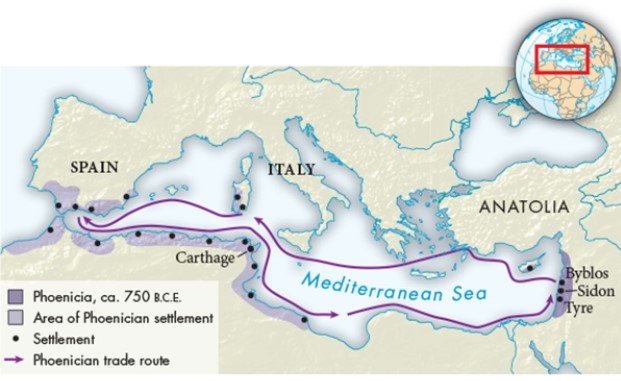
A) Their voyages brought them into contact with the Babylonians.
B) They were master shipbuilders.
C) The Tigris and Euphrates Rivers were vital to their trade routes.
D) They likely never encountered Egyptians.
A) Their voyages brought them into contact with the Babylonians.
B) They were master shipbuilders.
C) The Tigris and Euphrates Rivers were vital to their trade routes.
D) They likely never encountered Egyptians.
سؤال
سؤال
Based upon the map "Phoenician Settlements in the Mediterranean," the settlements at Tyre, Sidon, and Byblos were all situated in territory that was once part of which of the following? 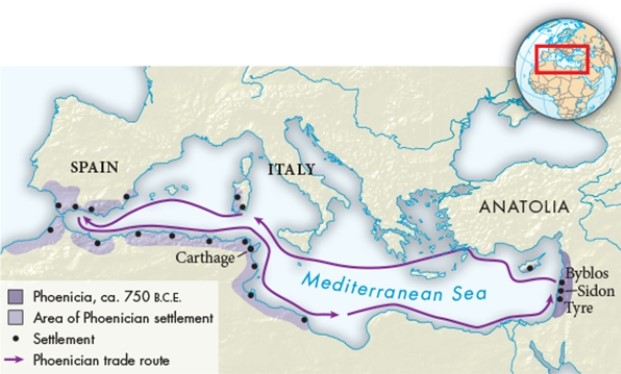
A) Ancient Egypt
B) Ancient Mesopotamia
C) Greece
D) Babylonia
A) Ancient Egypt
B) Ancient Mesopotamia
C) Greece
D) Babylonia
سؤال
سؤال
According to Map 2.3, "The Assyrian and Persian Empires, ca. 1000-500 B.C.E.," at its height which of the following regions fell within the boundaries of the Persian Empire? 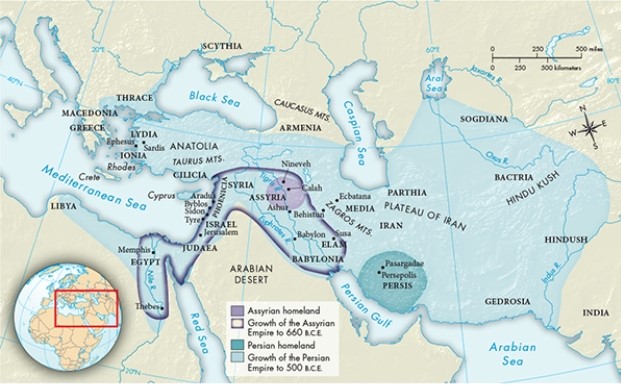
A) Greece
B) Macedonia
C) The Arabian Peninsula
D) Mesopotamia
A) Greece
B) Macedonia
C) The Arabian Peninsula
D) Mesopotamia
سؤال
سؤال
سؤال
سؤال
According to Map 2.1, "Spread of Cultures in Southwest Asia and the Nile Valley, ca. 3000-1640 B.C.E.," which major geographic feature did Egypt and Mesopotamia have in common? 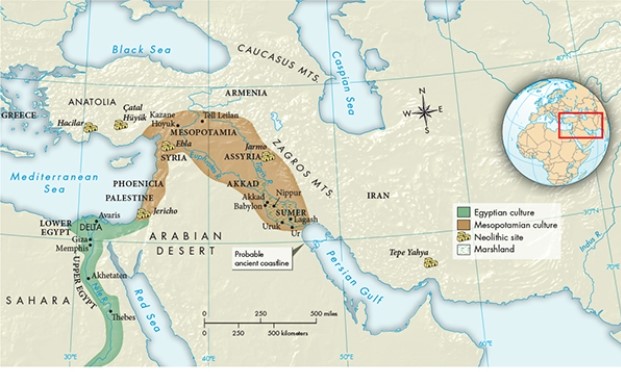
A) Major rivers that facilitated trade and communication
B) The Mediterranean Sea
C) Marshlands that often restricted human travel
D) Neolithic sites
A) Major rivers that facilitated trade and communication
B) The Mediterranean Sea
C) Marshlands that often restricted human travel
D) Neolithic sites
سؤال
سؤال
سؤال
سؤال
سؤال
سؤال
سؤال
According to Map 2.2, "Empires and Migrations in the Eastern Mediterranean," which of the following would have made Egypt a difficult region to invade, as some historians have suggested? 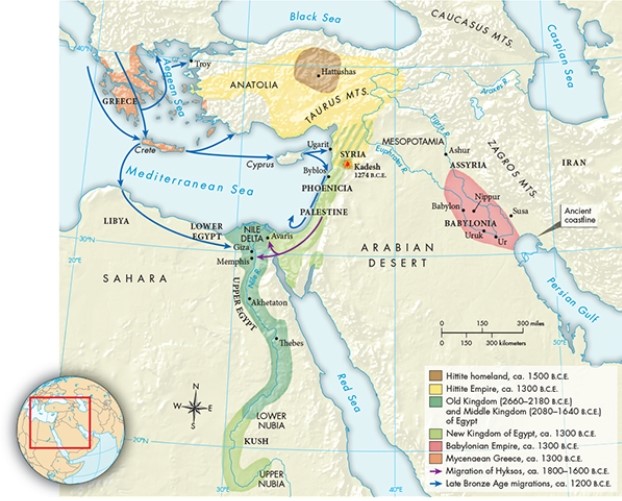
A) The deserts surrounded the narrow swath of land occupied by the kingdom.
B) The Nile River cut straight through the heart of the kingdom.
C) The Red Sea could make passage through much of the Arabian Desert especially difficult.
D) The waters of the Mediterranean Sea where it meets the Nile Delta were rough.
A) The deserts surrounded the narrow swath of land occupied by the kingdom.
B) The Nile River cut straight through the heart of the kingdom.
C) The Red Sea could make passage through much of the Arabian Desert especially difficult.
D) The waters of the Mediterranean Sea where it meets the Nile Delta were rough.
سؤال
سؤال
سؤال
سؤال
سؤال
سؤال
سؤال
سؤال
سؤال
سؤال
سؤال
سؤال
سؤال
سؤال
سؤال
سؤال
سؤال
سؤال
سؤال
سؤال
سؤال
سؤال
سؤال
سؤال
سؤال
سؤال
سؤال
سؤال
سؤال
سؤال
سؤال
سؤال
سؤال
سؤال
سؤال
سؤال

فتح الحزمة
قم بالتسجيل لفتح البطاقات في هذه المجموعة!
Unlock Deck
Unlock Deck
1/75

العب

ملء الشاشة (f)
Deck 2: Complex Societies in Southwest Asia and the Nile Valley, 3800-500 Bce
1
In general, how did residents of ancient cities tend to view residents of rural areas?
A) City dwellers viewed themselves as more sophisticated.
B) City dwellers saw themselves as equal to the farmers.
C) City dwellers looked up to and envied those who lived in the country.
D) City dwellers tried to imitate the people of the rural areas.
A) City dwellers viewed themselves as more sophisticated.
B) City dwellers saw themselves as equal to the farmers.
C) City dwellers looked up to and envied those who lived in the country.
D) City dwellers tried to imitate the people of the rural areas.
City dwellers viewed themselves as more sophisticated.
2
What is the key theme of the Epic of Gilgamesh?
A) The duty of a soldier to serve the king
B) The constant battle between good and evil
C) The idea that men and women were created by magic
D) Humanity's search for immortality
A) The duty of a soldier to serve the king
B) The constant battle between good and evil
C) The idea that men and women were created by magic
D) Humanity's search for immortality
Humanity's search for immortality
3
Which of the following describes the earliest Sumerian writings?
A) They were ideograms in which each sign symbolized an idea.
B) They were pictographs in which each sign pictured an object.
C) Each symbol represented a sound in the spoken language.
D) They were written using the first known alphabet.
A) They were ideograms in which each sign symbolized an idea.
B) They were pictographs in which each sign pictured an object.
C) Each symbol represented a sound in the spoken language.
D) They were written using the first known alphabet.
They were pictographs in which each sign pictured an object.
4
Who worked the land owned by the king, nobles, and temples in ancient Sumer?
A) Hired laborers
B) Priests in training
C) Client farmers and slaves
D) Scribes and soldiers
A) Hired laborers
B) Priests in training
C) Client farmers and slaves
D) Scribes and soldiers
فتح الحزمة
افتح القفل للوصول البطاقات البالغ عددها 75 في هذه المجموعة.
فتح الحزمة
k this deck
5
Social hierarchies in early states were usually heightened by the introduction of what state mechanism?
A) Written laws
B) Economic records
C) Written religious texts
D) Coinage
A) Written laws
B) Economic records
C) Written religious texts
D) Coinage
فتح الحزمة
افتح القفل للوصول البطاقات البالغ عددها 75 في هذه المجموعة.
فتح الحزمة
k this deck
6
Which of these is considered the world's first city?
A) Athens
B) Uruk
C) Babylon
D) Judea
A) Athens
B) Uruk
C) Babylon
D) Judea
فتح الحزمة
افتح القفل للوصول البطاقات البالغ عددها 75 في هذه المجموعة.
فتح الحزمة
k this deck
7
Why did older men have the most power in the Mesopotamian social system?
A) Mesopotamian societies were patriarchal.
B) The most important value in Mesopotamian society was reverence for elders.
C) Older men tended to form political alliances with powerful priests.
D) Older men presided over important ancestor-worship rituals.
A) Mesopotamian societies were patriarchal.
B) The most important value in Mesopotamian society was reverence for elders.
C) Older men tended to form political alliances with powerful priests.
D) Older men presided over important ancestor-worship rituals.
فتح الحزمة
افتح القفل للوصول البطاقات البالغ عددها 75 في هذه المجموعة.
فتح الحزمة
k this deck
8
In what region did the first known states develop?
A) Egypt
B) India
C) Persia
D) Mesopotamia
A) Egypt
B) India
C) Persia
D) Mesopotamia
فتح الحزمة
افتح القفل للوصول البطاقات البالغ عددها 75 في هذه المجموعة.
فتح الحزمة
k this deck
9
How did papyrus compare with clay tablets as a writing material?
A) It was less prone to disintegration.
B) It was more fragile and less likely to survive.
C) It required a stylus to carve the symbols.
D) It was more difficult to write on.
A) It was less prone to disintegration.
B) It was more fragile and less likely to survive.
C) It required a stylus to carve the symbols.
D) It was more difficult to write on.
فتح الحزمة
افتح القفل للوصول البطاقات البالغ عددها 75 في هذه المجموعة.
فتح الحزمة
k this deck
10
The Sumerian mathematical system was based on units of sixty, ten, and six and survives in what modern system?
A) Calculus
B) Musical notation
C) Time measurement
D) Square roots
A) Calculus
B) Musical notation
C) Time measurement
D) Square roots
فتح الحزمة
افتح القفل للوصول البطاقات البالغ عددها 75 في هذه المجموعة.
فتح الحزمة
k this deck
11
What material was used for writing in Mesopotamia?
A) Animal bones
B) Papyrus
C) Soft clay
D) Parchment
A) Animal bones
B) Papyrus
C) Soft clay
D) Parchment
فتح الحزمة
افتح القفل للوصول البطاقات البالغ عددها 75 في هذه المجموعة.
فتح الحزمة
k this deck
12
To counter the temples' power, military leaders who became kings began to build what kinds of structures?
A) Rival temples to worship war gods
B) Public cemeteries to honor war dead as heroes
C) Palaces to demonstrate the king's strength
D) Marketplaces to highlight goods from conquered territories
A) Rival temples to worship war gods
B) Public cemeteries to honor war dead as heroes
C) Palaces to demonstrate the king's strength
D) Marketplaces to highlight goods from conquered territories
فتح الحزمة
افتح القفل للوصول البطاقات البالغ عددها 75 في هذه المجموعة.
فتح الحزمة
k this deck
13
Where did Sumerians build their largest temples?
A) On the outskirts of the cities
B) In the middle of crop fields
C) On man-made islands in the river
D) In the center of the city
A) On the outskirts of the cities
B) In the middle of crop fields
C) On man-made islands in the river
D) In the center of the city
فتح الحزمة
افتح القفل للوصول البطاقات البالغ عددها 75 في هذه المجموعة.
فتح الحزمة
k this deck
14
Who were known as "clients" in Sumer?
A) Free people who were dependent on the nobility
B) Household slaves
C) Destitute persons supported by the city temple
D) Indentured servants who had contracts with local nobles
A) Free people who were dependent on the nobility
B) Household slaves
C) Destitute persons supported by the city temple
D) Indentured servants who had contracts with local nobles
فتح الحزمة
افتح القفل للوصول البطاقات البالغ عددها 75 في هذه المجموعة.
فتح الحزمة
k this deck
15
What surrounded Sumerian temples?
A) Forests
B) Barren land
C) The king's palace
D) The houses of ordinary citizens
A) Forests
B) Barren land
C) The king's palace
D) The houses of ordinary citizens
فتح الحزمة
افتح القفل للوصول البطاقات البالغ عددها 75 في هذه المجموعة.
فتح الحزمة
k this deck
16
Sustained agriculture in Sumer relied on which of the following?
A) Naturally occurring irrigation ditches that helped water the crops
B) Man-made irrigation systems
C) Constant annual rainfall that irrigated the fields
D) An abundance of labor to work the fields
A) Naturally occurring irrigation ditches that helped water the crops
B) Man-made irrigation systems
C) Constant annual rainfall that irrigated the fields
D) An abundance of labor to work the fields
فتح الحزمة
افتح القفل للوصول البطاقات البالغ عددها 75 في هذه المجموعة.
فتح الحزمة
k this deck
17
How did Sumerian scribes learn the cuneiform writing system?
A) They were taught at special schools.
B) They were taught at home by their fathers.
C) They were taught by priests, who were solely responsible for this important teaching.
D) They were taught as part of their mandated training as members of the army.
A) They were taught at special schools.
B) They were taught at home by their fathers.
C) They were taught by priests, who were solely responsible for this important teaching.
D) They were taught as part of their mandated training as members of the army.
فتح الحزمة
افتح القفل للوصول البطاقات البالغ عددها 75 في هذه المجموعة.
فتح الحزمة
k this deck
18
What method did early states use to control their populace?
A) Exemption from taxation
B) Promises of wealth
C) Threats of violence
D) Offers of free food
A) Exemption from taxation
B) Promises of wealth
C) Threats of violence
D) Offers of free food
فتح الحزمة
افتح القفل للوصول البطاقات البالغ عددها 75 في هذه المجموعة.
فتح الحزمة
k this deck
19
Sumerian scribes were trained largely to do what?
A) To record religious texts and ritual manuals
B) To write tax documents and legal cases
C) To write official histories of royal families
D) To keep property and wealth records
A) To record religious texts and ritual manuals
B) To write tax documents and legal cases
C) To write official histories of royal families
D) To keep property and wealth records
فتح الحزمة
افتح القفل للوصول البطاقات البالغ عددها 75 في هذه المجموعة.
فتح الحزمة
k this deck
20
What role did the first rulers of Ur, Uruk, and other Sumerian city-states play?
A) Priests
B) Merchants
C) Farmers
D) Scribes
A) Priests
B) Merchants
C) Farmers
D) Scribes
فتح الحزمة
افتح القفل للوصول البطاقات البالغ عددها 75 في هذه المجموعة.
فتح الحزمة
k this deck
21
How did Sargon reinforce his rule in Mesopotamia?
A) He converted all the people to his Semitic religion.
B) He tore down the defensive walls of major cities and appointed his own sons as rulers.
C) He wrote the first law code.
D) He claimed to be a descendant of the god Marduk.
A) He converted all the people to his Semitic religion.
B) He tore down the defensive walls of major cities and appointed his own sons as rulers.
C) He wrote the first law code.
D) He claimed to be a descendant of the god Marduk.
فتح الحزمة
افتح القفل للوصول البطاقات البالغ عددها 75 في هذه المجموعة.
فتح الحزمة
k this deck
22
What important contribution did the Hyksos make to Egyptian society?
A) They encouraged Egyptians to worship the god Amon.
B) Their bronze technology and weaponry was adopted by Egyptians.
C) As naval pioneers, they introduced the center-stern rudder to Egyptian ships.
D) Their mathematicians introduced the abacus to Egypt.
A) They encouraged Egyptians to worship the god Amon.
B) Their bronze technology and weaponry was adopted by Egyptians.
C) As naval pioneers, they introduced the center-stern rudder to Egyptian ships.
D) Their mathematicians introduced the abacus to Egypt.
فتح الحزمة
افتح القفل للوصول البطاقات البالغ عددها 75 في هذه المجموعة.
فتح الحزمة
k this deck
23
Why was Akhenaton's interest in worship of a new sun-god Aton ultimately a failure?
A) The elaborate worship rituals were too confusing.
B) The hated and corrupt priesthood endorsed it.
C) It was imposed from above and failed to find a place among the people.
D) It attempted to do away with worship of the widely popular sun-god.
A) The elaborate worship rituals were too confusing.
B) The hated and corrupt priesthood endorsed it.
C) It was imposed from above and failed to find a place among the people.
D) It attempted to do away with worship of the widely popular sun-god.
فتح الحزمة
افتح القفل للوصول البطاقات البالغ عددها 75 في هذه المجموعة.
فتح الحزمة
k this deck
24
Based upon the trade and settlement patterns of the Phoenicians in the map "Phoenician Settlements in the Mediterranean," which of the following is true?
A) Their voyages brought them into contact with the Babylonians.
B) They were master shipbuilders.
C) The Tigris and Euphrates Rivers were vital to their trade routes.
D) They likely never encountered Egyptians.
A) Their voyages brought them into contact with the Babylonians.
B) They were master shipbuilders.
C) The Tigris and Euphrates Rivers were vital to their trade routes.
D) They likely never encountered Egyptians.
فتح الحزمة
افتح القفل للوصول البطاقات البالغ عددها 75 في هذه المجموعة.
فتح الحزمة
k this deck
25
For which of the following was a pharaoh believed to be responsible?
A) Achieving integration between gods and humans
B) Ruling over earth and sky
C) Ensuring his people's safe passage to the afterlife
D) Organizing Egypt's agricultural system
A) Achieving integration between gods and humans
B) Ruling over earth and sky
C) Ensuring his people's safe passage to the afterlife
D) Organizing Egypt's agricultural system
فتح الحزمة
افتح القفل للوصول البطاقات البالغ عددها 75 في هذه المجموعة.
فتح الحزمة
k this deck
26
Based upon the map "Phoenician Settlements in the Mediterranean," the settlements at Tyre, Sidon, and Byblos were all situated in territory that was once part of which of the following?
A) Ancient Egypt
B) Ancient Mesopotamia
C) Greece
D) Babylonia
A) Ancient Egypt
B) Ancient Mesopotamia
C) Greece
D) Babylonia
فتح الحزمة
افتح القفل للوصول البطاقات البالغ عددها 75 في هذه المجموعة.
فتح الحزمة
k this deck
27
What was the Phoenicians' greatest cultural achievement?
A) They developed settled agriculture.
B) They developed the first sun-based calendar.
C) They created the first fully phonetic alphabet.
D) They were responsible for the composition of The Iliad.
A) They developed settled agriculture.
B) They developed the first sun-based calendar.
C) They created the first fully phonetic alphabet.
D) They were responsible for the composition of The Iliad.
فتح الحزمة
افتح القفل للوصول البطاقات البالغ عددها 75 في هذه المجموعة.
فتح الحزمة
k this deck
28
According to Map 2.3, "The Assyrian and Persian Empires, ca. 1000-500 B.C.E.," at its height which of the following regions fell within the boundaries of the Persian Empire?
A) Greece
B) Macedonia
C) The Arabian Peninsula
D) Mesopotamia
A) Greece
B) Macedonia
C) The Arabian Peninsula
D) Mesopotamia
فتح الحزمة
افتح القفل للوصول البطاقات البالغ عددها 75 في هذه المجموعة.
فتح الحزمة
k this deck
29
What geographic feature had the largest impact on Egyptian culture and prosperity?
A) The Sinai Desert
B) The Nile River
C) The Red Sea
D) The Mediterranean Sea
A) The Sinai Desert
B) The Nile River
C) The Red Sea
D) The Mediterranean Sea
فتح الحزمة
افتح القفل للوصول البطاقات البالغ عددها 75 في هذه المجموعة.
فتح الحزمة
k this deck
30
One of the earliest deities Egyptians worshiped was Amon, god of
A) the sun.
B) the underworld.
C) the dead.
D) fertility.
A) the sun.
B) the underworld.
C) the dead.
D) fertility.
فتح الحزمة
افتح القفل للوصول البطاقات البالغ عددها 75 في هذه المجموعة.
فتح الحزمة
k this deck
31
According to Egyptian belief, the Nile's rise and fall was dictated by
A) tides.
B) Ra.
C) the pharaoh.
D) priests.
A) tides.
B) Ra.
C) the pharaoh.
D) priests.
فتح الحزمة
افتح القفل للوصول البطاقات البالغ عددها 75 في هذه المجموعة.
فتح الحزمة
k this deck
32
According to Map 2.1, "Spread of Cultures in Southwest Asia and the Nile Valley, ca. 3000-1640 B.C.E.," which major geographic feature did Egypt and Mesopotamia have in common?
A) Major rivers that facilitated trade and communication
B) The Mediterranean Sea
C) Marshlands that often restricted human travel
D) Neolithic sites
A) Major rivers that facilitated trade and communication
B) The Mediterranean Sea
C) Marshlands that often restricted human travel
D) Neolithic sites
فتح الحزمة
افتح القفل للوصول البطاقات البالغ عددها 75 في هذه المجموعة.
فتح الحزمة
k this deck
33
Around 2300 B.C.E., what chieftain conquered Sumer and created an empire?
A) Hammurabi
B) Menes
C) Akhenaten
D) Sargon
A) Hammurabi
B) Menes
C) Akhenaten
D) Sargon
فتح الحزمة
افتح القفل للوصول البطاقات البالغ عددها 75 في هذه المجموعة.
فتح الحزمة
k this deck
34
According to Hammurabi's code, who controlled a woman's dowry after she married?
A) A judge
B) The woman's husband
C) The woman's father
D) The woman herself
A) A judge
B) The woman's husband
C) The woman's father
D) The woman herself
فتح الحزمة
افتح القفل للوصول البطاقات البالغ عددها 75 في هذه المجموعة.
فتح الحزمة
k this deck
35
Why did the Hittites and Egyptians conclude a peace treaty in 1258 B.C.E.?
A) India
B) Sumer
C) Meroë
D) Persia
A) India
B) Sumer
C) Meroë
D) Persia
فتح الحزمة
افتح القفل للوصول البطاقات البالغ عددها 75 في هذه المجموعة.
فتح الحزمة
k this deck
36
What was the intended function of Hammurabi's code?
A) To regulate the relationships among his people and promote their welfare
B) To intimidate the common people in order to prevent social upheaval
C) To protect the position of nobles and priests at the expense of the commoners
D) To increase the nobility's power over the priesthood
A) To regulate the relationships among his people and promote their welfare
B) To intimidate the common people in order to prevent social upheaval
C) To protect the position of nobles and priests at the expense of the commoners
D) To increase the nobility's power over the priesthood
فتح الحزمة
افتح القفل للوصول البطاقات البالغ عددها 75 في هذه المجموعة.
فتح الحزمة
k this deck
37
How did Egyptians view the afterlife?
A) As bleak and very frightening
B) As pleasant
C) As a place of punishment
D) As a fictional realm that nonetheless inspired great wonder
A) As bleak and very frightening
B) As pleasant
C) As a place of punishment
D) As a fictional realm that nonetheless inspired great wonder
فتح الحزمة
افتح القفل للوصول البطاقات البالغ عددها 75 في هذه المجموعة.
فتح الحزمة
k this deck
38
How was the New Kingdom different from the previous Middle and Old Kingdoms?
A) Pharaohs increasingly tried to ensure peace because they realized war was too expensive.
B) In response to multiple social problems, pharaohs encouraged more religious activities.
C) Egyptians now focused more on trade than on farming because the Nile became unpredictable.
D) Egyptians now focused more on conquest of new territories and created the first Egyptian empire.
A) Pharaohs increasingly tried to ensure peace because they realized war was too expensive.
B) In response to multiple social problems, pharaohs encouraged more religious activities.
C) Egyptians now focused more on trade than on farming because the Nile became unpredictable.
D) Egyptians now focused more on conquest of new territories and created the first Egyptian empire.
فتح الحزمة
افتح القفل للوصول البطاقات البالغ عددها 75 في هذه المجموعة.
فتح الحزمة
k this deck
39
According to Map 2.2, "Empires and Migrations in the Eastern Mediterranean," which of the following would have made Egypt a difficult region to invade, as some historians have suggested?
A) The deserts surrounded the narrow swath of land occupied by the kingdom.
B) The Nile River cut straight through the heart of the kingdom.
C) The Red Sea could make passage through much of the Arabian Desert especially difficult.
D) The waters of the Mediterranean Sea where it meets the Nile Delta were rough.
A) The deserts surrounded the narrow swath of land occupied by the kingdom.
B) The Nile River cut straight through the heart of the kingdom.
C) The Red Sea could make passage through much of the Arabian Desert especially difficult.
D) The waters of the Mediterranean Sea where it meets the Nile Delta were rough.
فتح الحزمة
افتح القفل للوصول البطاقات البالغ عددها 75 في هذه المجموعة.
فتح الحزمة
k this deck
40
In 727 B.C.E., King Piye conquered and unified Egypt from his home kingdom of
A) Kush.
B) Phoenicia.
C) Persia.
D) Babylonia.
A) Kush.
B) Phoenicia.
C) Persia.
D) Babylonia.
فتح الحزمة
افتح القفل للوصول البطاقات البالغ عددها 75 في هذه المجموعة.
فتح الحزمة
k this deck
41
How did historians of the eighteenth century define "civilization," and what lasting problems has this created?
فتح الحزمة
افتح القفل للوصول البطاقات البالغ عددها 75 في هذه المجموعة.
فتح الحزمة
k this deck
42
Describe the complex role of the pharaoh in Egyptian politics and religion.
فتح الحزمة
افتح القفل للوصول البطاقات البالغ عددها 75 في هذه المجموعة.
فتح الحزمة
k this deck
43
What happened to the Hebrew kingdom after Solomon's death?
A) Its leaders continued to consolidate politically.
B) Conflict led to its split into two separate kingdoms.
C) The kingdom was largely destroyed by an internal power struggle.
D) Leaders gained the military protection of the Assyrians.
A) Its leaders continued to consolidate politically.
B) Conflict led to its split into two separate kingdoms.
C) The kingdom was largely destroyed by an internal power struggle.
D) Leaders gained the military protection of the Assyrians.
فتح الحزمة
افتح القفل للوصول البطاقات البالغ عددها 75 في هذه المجموعة.
فتح الحزمة
k this deck
44
The Hebrews created a monarchy with Saul as leader by fighting what other Palestinian people in the eleventh century B.C.E.?
A) Philistines
B) Phoenicians
C) Egyptians
D) Assyrians
A) Philistines
B) Phoenicians
C) Egyptians
D) Assyrians
فتح الحزمة
افتح القفل للوصول البطاقات البالغ عددها 75 في هذه المجموعة.
فتح الحزمة
k this deck
45
How did a hereditary kingship and aristocracy develop in Sumer?
فتح الحزمة
افتح القفل للوصول البطاقات البالغ عددها 75 في هذه المجموعة.
فتح الحزمة
k this deck
46
What geographical factors shaped Egyptian civilization?
فتح الحزمة
افتح القفل للوصول البطاقات البالغ عددها 75 في هذه المجموعة.
فتح الحزمة
k this deck
47
Which of the following was true of the Assyrians?
A) They were one of the most warlike people in history.
B) They used shrewd diplomacy to carve out an empire.
C) They united the small kingdoms of Phoenicia and the Jews to defeat Egypt.
D) They were nomadic fighters who did not build or live in permanent towns.
A) They were one of the most warlike people in history.
B) They used shrewd diplomacy to carve out an empire.
C) They united the small kingdoms of Phoenicia and the Jews to defeat Egypt.
D) They were nomadic fighters who did not build or live in permanent towns.
فتح الحزمة
افتح القفل للوصول البطاقات البالغ عددها 75 في هذه المجموعة.
فتح الحزمة
k this deck
48
Explain why the Persians created a system of roads and how these roads benefited their empire.
فتح الحزمة
افتح القفل للوصول البطاقات البالغ عددها 75 في هذه المجموعة.
فتح الحزمة
k this deck
49
Which civilization produced some of the best iron products in the world?
A) India
B) Sumer
C) Meroë
D) Persia
A) India
B) Sumer
C) Meroë
D) Persia
فتح الحزمة
افتح القفل للوصول البطاقات البالغ عددها 75 في هذه المجموعة.
فتح الحزمة
k this deck
50
Which Hebrew leader captured the city of Jerusalem?
A) Judah
B) David
C) Saul
D) Solomon
A) Judah
B) David
C) Saul
D) Solomon
فتح الحزمة
افتح القفل للوصول البطاقات البالغ عددها 75 في هذه المجموعة.
فتح الحزمة
k this deck
51
What do different writing materials-clay tablets, bones, bamboo, etc.-reveal about the respective culture that used them?
فتح الحزمة
افتح القفل للوصول البطاقات البالغ عددها 75 في هذه المجموعة.
فتح الحزمة
k this deck
52
How did Sumer's geography influence the religious system created there?
فتح الحزمة
افتح القفل للوصول البطاقات البالغ عددها 75 في هذه المجموعة.
فتح الحزمة
k this deck
53
What are some of the difficulties in using ancient writing as historical evidence?
فتح الحزمة
افتح القفل للوصول البطاقات البالغ عددها 75 في هذه المجموعة.
فتح الحزمة
k this deck
54
How were children educated in ancient Israel?
A) Education was left up to the father.
B) Education took place in organized schools.
C) Boys and girls attended school at the local temple.
D) Education was a responsibility of both parents.
A) Education was left up to the father.
B) Education took place in organized schools.
C) Boys and girls attended school at the local temple.
D) Education was a responsibility of both parents.
فتح الحزمة
افتح القفل للوصول البطاقات البالغ عددها 75 في هذه المجموعة.
فتح الحزمة
k this deck
55
How did the Hebrew religion change as a result of the Babylonian Captivity?
A) It was redefined and established as the law of Yahweh.
B) It almost disappeared.
C) It was exposed to Zoroastrianism.
D) It was adopted by the Chaldeans.
A) It was redefined and established as the law of Yahweh.
B) It almost disappeared.
C) It was exposed to Zoroastrianism.
D) It was adopted by the Chaldeans.
فتح الحزمة
افتح القفل للوصول البطاقات البالغ عددها 75 في هذه المجموعة.
فتح الحزمة
k this deck
56
In addition to his concept of empire, what was another characteristic that made Cyrus a remarkable warrior-king?
A) His concern for economic development
B) His effective assimilation of nomadic invaders into his kingdom
C) His benevolence and humanity as a ruler
D) His ability to coordinate an efficient bureaucracy over a vast region
A) His concern for economic development
B) His effective assimilation of nomadic invaders into his kingdom
C) His benevolence and humanity as a ruler
D) His ability to coordinate an efficient bureaucracy over a vast region
فتح الحزمة
افتح القفل للوصول البطاقات البالغ عددها 75 في هذه المجموعة.
فتح الحزمة
k this deck
57
Which of the following was an important teaching of Zoroaster?
A) Human actions were the result of manipulation by the gods.
B) People possessed free will and were accountable for their actions.
C) People's eternal fate was determined by the depth of their religious faith.
D) All gods embodied good and truth, whereas only humans could be hateful or evil.
A) Human actions were the result of manipulation by the gods.
B) People possessed free will and were accountable for their actions.
C) People's eternal fate was determined by the depth of their religious faith.
D) All gods embodied good and truth, whereas only humans could be hateful or evil.
فتح الحزمة
افتح القفل للوصول البطاقات البالغ عددها 75 في هذه المجموعة.
فتح الحزمة
k this deck
58
What factors helped Sargon and Hammurabi create some of the first empires?
فتح الحزمة
افتح القفل للوصول البطاقات البالغ عددها 75 في هذه المجموعة.
فتح الحزمة
k this deck
59
Describe the relationship between Egypt and Nubia.
فتح الحزمة
افتح القفل للوصول البطاقات البالغ عددها 75 في هذه المجموعة.
فتح الحزمة
k this deck
60
What remains our most important source of knowledge about ancient Jews?
A) Archaeological excavations
B) The Hebrew Bible
C) Governmental records
D) Oral epic histories
A) Archaeological excavations
B) The Hebrew Bible
C) Governmental records
D) Oral epic histories
فتح الحزمة
افتح القفل للوصول البطاقات البالغ عددها 75 في هذه المجموعة.
فتح الحزمة
k this deck
61
Use the following to answer questions :
cuneiform
A)Period beginning about 1100 B.C.E. when iron became the most important material for weapons and tools in some parts of the world.
B)All-powerful god of the Hebrew people and the basis for the enduring religious traditions of Judaism.
C)Sumerian form of writing; the term describes the wedge-shaped marks made by a stylus.
D)Religion based on the teachings of Zoroaster that emphasized the individual's responsibility to choose between good and evil.
E)An oral or written narration of the achievements and sometimes the failures of heroes that embodies peoples' ideas about themselves.
F)A large family of languages that includes English, most of the languages of modern Europe, ancient Greek, Latin, Persian, Hindi, Bengali, and Sanskrit, the sacred tongue of ancient India.
G)The worship of many gods and goddesses.
H)People of the prosperous city-states in what is now Lebanon who traded and founded colonies throughout the Mediterranean and spread the phonetic alphabet.
I)The title given to the king of Egypt in the New Kingdom, from a word that meant "great house."
J)A proclamation issued by Babylonian king Hammurabi to establish laws regulating many aspects of life.
cuneiform
A)Period beginning about 1100 B.C.E. when iron became the most important material for weapons and tools in some parts of the world.
B)All-powerful god of the Hebrew people and the basis for the enduring religious traditions of Judaism.
C)Sumerian form of writing; the term describes the wedge-shaped marks made by a stylus.
D)Religion based on the teachings of Zoroaster that emphasized the individual's responsibility to choose between good and evil.
E)An oral or written narration of the achievements and sometimes the failures of heroes that embodies peoples' ideas about themselves.
F)A large family of languages that includes English, most of the languages of modern Europe, ancient Greek, Latin, Persian, Hindi, Bengali, and Sanskrit, the sacred tongue of ancient India.
G)The worship of many gods and goddesses.
H)People of the prosperous city-states in what is now Lebanon who traded and founded colonies throughout the Mediterranean and spread the phonetic alphabet.
I)The title given to the king of Egypt in the New Kingdom, from a word that meant "great house."
J)A proclamation issued by Babylonian king Hammurabi to establish laws regulating many aspects of life.
فتح الحزمة
افتح القفل للوصول البطاقات البالغ عددها 75 في هذه المجموعة.
فتح الحزمة
k this deck
62
Explain the differences and similarities between Phoenician, Mesopotamian, and Egyptian writing systems. Why was writing important to the development of each of these civilizations?
فتح الحزمة
افتح القفل للوصول البطاقات البالغ عددها 75 في هذه المجموعة.
فتح الحزمة
k this deck
63
Use the following to answer questions :
epic poem
A)Period beginning about 1100 B.C.E. when iron became the most important material for weapons and tools in some parts of the world.
B)All-powerful god of the Hebrew people and the basis for the enduring religious traditions of Judaism.
C)Sumerian form of writing; the term describes the wedge-shaped marks made by a stylus.
D)Religion based on the teachings of Zoroaster that emphasized the individual's responsibility to choose between good and evil.
E)An oral or written narration of the achievements and sometimes the failures of heroes that embodies peoples' ideas about themselves.
F)A large family of languages that includes English, most of the languages of modern Europe, ancient Greek, Latin, Persian, Hindi, Bengali, and Sanskrit, the sacred tongue of ancient India.
G)The worship of many gods and goddesses.
H)People of the prosperous city-states in what is now Lebanon who traded and founded colonies throughout the Mediterranean and spread the phonetic alphabet.
I)The title given to the king of Egypt in the New Kingdom, from a word that meant "great house."
J)A proclamation issued by Babylonian king Hammurabi to establish laws regulating many aspects of life.
epic poem
A)Period beginning about 1100 B.C.E. when iron became the most important material for weapons and tools in some parts of the world.
B)All-powerful god of the Hebrew people and the basis for the enduring religious traditions of Judaism.
C)Sumerian form of writing; the term describes the wedge-shaped marks made by a stylus.
D)Religion based on the teachings of Zoroaster that emphasized the individual's responsibility to choose between good and evil.
E)An oral or written narration of the achievements and sometimes the failures of heroes that embodies peoples' ideas about themselves.
F)A large family of languages that includes English, most of the languages of modern Europe, ancient Greek, Latin, Persian, Hindi, Bengali, and Sanskrit, the sacred tongue of ancient India.
G)The worship of many gods and goddesses.
H)People of the prosperous city-states in what is now Lebanon who traded and founded colonies throughout the Mediterranean and spread the phonetic alphabet.
I)The title given to the king of Egypt in the New Kingdom, from a word that meant "great house."
J)A proclamation issued by Babylonian king Hammurabi to establish laws regulating many aspects of life.
فتح الحزمة
افتح القفل للوصول البطاقات البالغ عددها 75 في هذه المجموعة.
فتح الحزمة
k this deck
64
Use the following to answer questions :
Zoroastrianism
A)Period beginning about 1100 B.C.E. when iron became the most important material for weapons and tools in some parts of the world.
B)All-powerful god of the Hebrew people and the basis for the enduring religious traditions of Judaism.
C)Sumerian form of writing; the term describes the wedge-shaped marks made by a stylus.
D)Religion based on the teachings of Zoroaster that emphasized the individual's responsibility to choose between good and evil.
E)An oral or written narration of the achievements and sometimes the failures of heroes that embodies peoples' ideas about themselves.
F)A large family of languages that includes English, most of the languages of modern Europe, ancient Greek, Latin, Persian, Hindi, Bengali, and Sanskrit, the sacred tongue of ancient India.
G)The worship of many gods and goddesses.
H)People of the prosperous city-states in what is now Lebanon who traded and founded colonies throughout the Mediterranean and spread the phonetic alphabet.
I)The title given to the king of Egypt in the New Kingdom, from a word that meant "great house."
J)A proclamation issued by Babylonian king Hammurabi to establish laws regulating many aspects of life.
Zoroastrianism
A)Period beginning about 1100 B.C.E. when iron became the most important material for weapons and tools in some parts of the world.
B)All-powerful god of the Hebrew people and the basis for the enduring religious traditions of Judaism.
C)Sumerian form of writing; the term describes the wedge-shaped marks made by a stylus.
D)Religion based on the teachings of Zoroaster that emphasized the individual's responsibility to choose between good and evil.
E)An oral or written narration of the achievements and sometimes the failures of heroes that embodies peoples' ideas about themselves.
F)A large family of languages that includes English, most of the languages of modern Europe, ancient Greek, Latin, Persian, Hindi, Bengali, and Sanskrit, the sacred tongue of ancient India.
G)The worship of many gods and goddesses.
H)People of the prosperous city-states in what is now Lebanon who traded and founded colonies throughout the Mediterranean and spread the phonetic alphabet.
I)The title given to the king of Egypt in the New Kingdom, from a word that meant "great house."
J)A proclamation issued by Babylonian king Hammurabi to establish laws regulating many aspects of life.
فتح الحزمة
افتح القفل للوصول البطاقات البالغ عددها 75 في هذه المجموعة.
فتح الحزمة
k this deck
65
Mesopotamia and Egypt were both sites of ancient civilizations. Describe each civilization in terms of its political structure, religion, society, and culture. How can we account for the similarities and differences between them?
فتح الحزمة
افتح القفل للوصول البطاقات البالغ عددها 75 في هذه المجموعة.
فتح الحزمة
k this deck
66
Use the following to answer questions :
Yahweh
A)Period beginning about 1100 B.C.E. when iron became the most important material for weapons and tools in some parts of the world.
B)All-powerful god of the Hebrew people and the basis for the enduring religious traditions of Judaism.
C)Sumerian form of writing; the term describes the wedge-shaped marks made by a stylus.
D)Religion based on the teachings of Zoroaster that emphasized the individual's responsibility to choose between good and evil.
E)An oral or written narration of the achievements and sometimes the failures of heroes that embodies peoples' ideas about themselves.
F)A large family of languages that includes English, most of the languages of modern Europe, ancient Greek, Latin, Persian, Hindi, Bengali, and Sanskrit, the sacred tongue of ancient India.
G)The worship of many gods and goddesses.
H)People of the prosperous city-states in what is now Lebanon who traded and founded colonies throughout the Mediterranean and spread the phonetic alphabet.
I)The title given to the king of Egypt in the New Kingdom, from a word that meant "great house."
J)A proclamation issued by Babylonian king Hammurabi to establish laws regulating many aspects of life.
Yahweh
A)Period beginning about 1100 B.C.E. when iron became the most important material for weapons and tools in some parts of the world.
B)All-powerful god of the Hebrew people and the basis for the enduring religious traditions of Judaism.
C)Sumerian form of writing; the term describes the wedge-shaped marks made by a stylus.
D)Religion based on the teachings of Zoroaster that emphasized the individual's responsibility to choose between good and evil.
E)An oral or written narration of the achievements and sometimes the failures of heroes that embodies peoples' ideas about themselves.
F)A large family of languages that includes English, most of the languages of modern Europe, ancient Greek, Latin, Persian, Hindi, Bengali, and Sanskrit, the sacred tongue of ancient India.
G)The worship of many gods and goddesses.
H)People of the prosperous city-states in what is now Lebanon who traded and founded colonies throughout the Mediterranean and spread the phonetic alphabet.
I)The title given to the king of Egypt in the New Kingdom, from a word that meant "great house."
J)A proclamation issued by Babylonian king Hammurabi to establish laws regulating many aspects of life.
فتح الحزمة
افتح القفل للوصول البطاقات البالغ عددها 75 في هذه المجموعة.
فتح الحزمة
k this deck
67
Use the following to answer questions :
pharaoh
A)Period beginning about 1100 B.C.E. when iron became the most important material for weapons and tools in some parts of the world.
B)All-powerful god of the Hebrew people and the basis for the enduring religious traditions of Judaism.
C)Sumerian form of writing; the term describes the wedge-shaped marks made by a stylus.
D)Religion based on the teachings of Zoroaster that emphasized the individual's responsibility to choose between good and evil.
E)An oral or written narration of the achievements and sometimes the failures of heroes that embodies peoples' ideas about themselves.
F)A large family of languages that includes English, most of the languages of modern Europe, ancient Greek, Latin, Persian, Hindi, Bengali, and Sanskrit, the sacred tongue of ancient India.
G)The worship of many gods and goddesses.
H)People of the prosperous city-states in what is now Lebanon who traded and founded colonies throughout the Mediterranean and spread the phonetic alphabet.
I)The title given to the king of Egypt in the New Kingdom, from a word that meant "great house."
J)A proclamation issued by Babylonian king Hammurabi to establish laws regulating many aspects of life.
pharaoh
A)Period beginning about 1100 B.C.E. when iron became the most important material for weapons and tools in some parts of the world.
B)All-powerful god of the Hebrew people and the basis for the enduring religious traditions of Judaism.
C)Sumerian form of writing; the term describes the wedge-shaped marks made by a stylus.
D)Religion based on the teachings of Zoroaster that emphasized the individual's responsibility to choose between good and evil.
E)An oral or written narration of the achievements and sometimes the failures of heroes that embodies peoples' ideas about themselves.
F)A large family of languages that includes English, most of the languages of modern Europe, ancient Greek, Latin, Persian, Hindi, Bengali, and Sanskrit, the sacred tongue of ancient India.
G)The worship of many gods and goddesses.
H)People of the prosperous city-states in what is now Lebanon who traded and founded colonies throughout the Mediterranean and spread the phonetic alphabet.
I)The title given to the king of Egypt in the New Kingdom, from a word that meant "great house."
J)A proclamation issued by Babylonian king Hammurabi to establish laws regulating many aspects of life.
فتح الحزمة
افتح القفل للوصول البطاقات البالغ عددها 75 في هذه المجموعة.
فتح الحزمة
k this deck
68
Explain the roles of women in Egyptian and Hebrew societies. Discuss similarities and differences.
فتح الحزمة
افتح القفل للوصول البطاقات البالغ عددها 75 في هذه المجموعة.
فتح الحزمة
k this deck
69
Use the following to answer questions :
polytheism
A)Period beginning about 1100 B.C.E. when iron became the most important material for weapons and tools in some parts of the world.
B)All-powerful god of the Hebrew people and the basis for the enduring religious traditions of Judaism.
C)Sumerian form of writing; the term describes the wedge-shaped marks made by a stylus.
D)Religion based on the teachings of Zoroaster that emphasized the individual's responsibility to choose between good and evil.
E)An oral or written narration of the achievements and sometimes the failures of heroes that embodies peoples' ideas about themselves.
F)A large family of languages that includes English, most of the languages of modern Europe, ancient Greek, Latin, Persian, Hindi, Bengali, and Sanskrit, the sacred tongue of ancient India.
G)The worship of many gods and goddesses.
H)People of the prosperous city-states in what is now Lebanon who traded and founded colonies throughout the Mediterranean and spread the phonetic alphabet.
I)The title given to the king of Egypt in the New Kingdom, from a word that meant "great house."
J)A proclamation issued by Babylonian king Hammurabi to establish laws regulating many aspects of life.
polytheism
A)Period beginning about 1100 B.C.E. when iron became the most important material for weapons and tools in some parts of the world.
B)All-powerful god of the Hebrew people and the basis for the enduring religious traditions of Judaism.
C)Sumerian form of writing; the term describes the wedge-shaped marks made by a stylus.
D)Religion based on the teachings of Zoroaster that emphasized the individual's responsibility to choose between good and evil.
E)An oral or written narration of the achievements and sometimes the failures of heroes that embodies peoples' ideas about themselves.
F)A large family of languages that includes English, most of the languages of modern Europe, ancient Greek, Latin, Persian, Hindi, Bengali, and Sanskrit, the sacred tongue of ancient India.
G)The worship of many gods and goddesses.
H)People of the prosperous city-states in what is now Lebanon who traded and founded colonies throughout the Mediterranean and spread the phonetic alphabet.
I)The title given to the king of Egypt in the New Kingdom, from a word that meant "great house."
J)A proclamation issued by Babylonian king Hammurabi to establish laws regulating many aspects of life.
فتح الحزمة
افتح القفل للوصول البطاقات البالغ عددها 75 في هذه المجموعة.
فتح الحزمة
k this deck
70
Use the following to answer questions :
Iron Age
A)Period beginning about 1100 B.C.E. when iron became the most important material for weapons and tools in some parts of the world.
B)All-powerful god of the Hebrew people and the basis for the enduring religious traditions of Judaism.
C)Sumerian form of writing; the term describes the wedge-shaped marks made by a stylus.
D)Religion based on the teachings of Zoroaster that emphasized the individual's responsibility to choose between good and evil.
E)An oral or written narration of the achievements and sometimes the failures of heroes that embodies peoples' ideas about themselves.
F)A large family of languages that includes English, most of the languages of modern Europe, ancient Greek, Latin, Persian, Hindi, Bengali, and Sanskrit, the sacred tongue of ancient India.
G)The worship of many gods and goddesses.
H)People of the prosperous city-states in what is now Lebanon who traded and founded colonies throughout the Mediterranean and spread the phonetic alphabet.
I)The title given to the king of Egypt in the New Kingdom, from a word that meant "great house."
J)A proclamation issued by Babylonian king Hammurabi to establish laws regulating many aspects of life.
Iron Age
A)Period beginning about 1100 B.C.E. when iron became the most important material for weapons and tools in some parts of the world.
B)All-powerful god of the Hebrew people and the basis for the enduring religious traditions of Judaism.
C)Sumerian form of writing; the term describes the wedge-shaped marks made by a stylus.
D)Religion based on the teachings of Zoroaster that emphasized the individual's responsibility to choose between good and evil.
E)An oral or written narration of the achievements and sometimes the failures of heroes that embodies peoples' ideas about themselves.
F)A large family of languages that includes English, most of the languages of modern Europe, ancient Greek, Latin, Persian, Hindi, Bengali, and Sanskrit, the sacred tongue of ancient India.
G)The worship of many gods and goddesses.
H)People of the prosperous city-states in what is now Lebanon who traded and founded colonies throughout the Mediterranean and spread the phonetic alphabet.
I)The title given to the king of Egypt in the New Kingdom, from a word that meant "great house."
J)A proclamation issued by Babylonian king Hammurabi to establish laws regulating many aspects of life.
فتح الحزمة
افتح القفل للوصول البطاقات البالغ عددها 75 في هذه المجموعة.
فتح الحزمة
k this deck
71
Use the following to answer questions :
Hammurabi's law code
A)Period beginning about 1100 B.C.E. when iron became the most important material for weapons and tools in some parts of the world.
B)All-powerful god of the Hebrew people and the basis for the enduring religious traditions of Judaism.
C)Sumerian form of writing; the term describes the wedge-shaped marks made by a stylus.
D)Religion based on the teachings of Zoroaster that emphasized the individual's responsibility to choose between good and evil.
E)An oral or written narration of the achievements and sometimes the failures of heroes that embodies peoples' ideas about themselves.
F)A large family of languages that includes English, most of the languages of modern Europe, ancient Greek, Latin, Persian, Hindi, Bengali, and Sanskrit, the sacred tongue of ancient India.
G)The worship of many gods and goddesses.
H)People of the prosperous city-states in what is now Lebanon who traded and founded colonies throughout the Mediterranean and spread the phonetic alphabet.
I)The title given to the king of Egypt in the New Kingdom, from a word that meant "great house."
J)A proclamation issued by Babylonian king Hammurabi to establish laws regulating many aspects of life.
Hammurabi's law code
A)Period beginning about 1100 B.C.E. when iron became the most important material for weapons and tools in some parts of the world.
B)All-powerful god of the Hebrew people and the basis for the enduring religious traditions of Judaism.
C)Sumerian form of writing; the term describes the wedge-shaped marks made by a stylus.
D)Religion based on the teachings of Zoroaster that emphasized the individual's responsibility to choose between good and evil.
E)An oral or written narration of the achievements and sometimes the failures of heroes that embodies peoples' ideas about themselves.
F)A large family of languages that includes English, most of the languages of modern Europe, ancient Greek, Latin, Persian, Hindi, Bengali, and Sanskrit, the sacred tongue of ancient India.
G)The worship of many gods and goddesses.
H)People of the prosperous city-states in what is now Lebanon who traded and founded colonies throughout the Mediterranean and spread the phonetic alphabet.
I)The title given to the king of Egypt in the New Kingdom, from a word that meant "great house."
J)A proclamation issued by Babylonian king Hammurabi to establish laws regulating many aspects of life.
فتح الحزمة
افتح القفل للوصول البطاقات البالغ عددها 75 في هذه المجموعة.
فتح الحزمة
k this deck
72
Use the following to answer questions :
Phoenicians
A)Period beginning about 1100 B.C.E. when iron became the most important material for weapons and tools in some parts of the world.
B)All-powerful god of the Hebrew people and the basis for the enduring religious traditions of Judaism.
C)Sumerian form of writing; the term describes the wedge-shaped marks made by a stylus.
D)Religion based on the teachings of Zoroaster that emphasized the individual's responsibility to choose between good and evil.
E)An oral or written narration of the achievements and sometimes the failures of heroes that embodies peoples' ideas about themselves.
F)A large family of languages that includes English, most of the languages of modern Europe, ancient Greek, Latin, Persian, Hindi, Bengali, and Sanskrit, the sacred tongue of ancient India.
G)The worship of many gods and goddesses.
H)People of the prosperous city-states in what is now Lebanon who traded and founded colonies throughout the Mediterranean and spread the phonetic alphabet.
I)The title given to the king of Egypt in the New Kingdom, from a word that meant "great house."
J)A proclamation issued by Babylonian king Hammurabi to establish laws regulating many aspects of life.
Phoenicians
A)Period beginning about 1100 B.C.E. when iron became the most important material for weapons and tools in some parts of the world.
B)All-powerful god of the Hebrew people and the basis for the enduring religious traditions of Judaism.
C)Sumerian form of writing; the term describes the wedge-shaped marks made by a stylus.
D)Religion based on the teachings of Zoroaster that emphasized the individual's responsibility to choose between good and evil.
E)An oral or written narration of the achievements and sometimes the failures of heroes that embodies peoples' ideas about themselves.
F)A large family of languages that includes English, most of the languages of modern Europe, ancient Greek, Latin, Persian, Hindi, Bengali, and Sanskrit, the sacred tongue of ancient India.
G)The worship of many gods and goddesses.
H)People of the prosperous city-states in what is now Lebanon who traded and founded colonies throughout the Mediterranean and spread the phonetic alphabet.
I)The title given to the king of Egypt in the New Kingdom, from a word that meant "great house."
J)A proclamation issued by Babylonian king Hammurabi to establish laws regulating many aspects of life.
فتح الحزمة
افتح القفل للوصول البطاقات البالغ عددها 75 في هذه المجموعة.
فتح الحزمة
k this deck
73
Use the following to answer questions :
Indo-European languages
A)Period beginning about 1100 B.C.E. when iron became the most important material for weapons and tools in some parts of the world.
B)All-powerful god of the Hebrew people and the basis for the enduring religious traditions of Judaism.
C)Sumerian form of writing; the term describes the wedge-shaped marks made by a stylus.
D)Religion based on the teachings of Zoroaster that emphasized the individual's responsibility to choose between good and evil.
E)An oral or written narration of the achievements and sometimes the failures of heroes that embodies peoples' ideas about themselves.
F)A large family of languages that includes English, most of the languages of modern Europe, ancient Greek, Latin, Persian, Hindi, Bengali, and Sanskrit, the sacred tongue of ancient India.
G)The worship of many gods and goddesses.
H)People of the prosperous city-states in what is now Lebanon who traded and founded colonies throughout the Mediterranean and spread the phonetic alphabet.
I)The title given to the king of Egypt in the New Kingdom, from a word that meant "great house."
J)A proclamation issued by Babylonian king Hammurabi to establish laws regulating many aspects of life.
Indo-European languages
A)Period beginning about 1100 B.C.E. when iron became the most important material for weapons and tools in some parts of the world.
B)All-powerful god of the Hebrew people and the basis for the enduring religious traditions of Judaism.
C)Sumerian form of writing; the term describes the wedge-shaped marks made by a stylus.
D)Religion based on the teachings of Zoroaster that emphasized the individual's responsibility to choose between good and evil.
E)An oral or written narration of the achievements and sometimes the failures of heroes that embodies peoples' ideas about themselves.
F)A large family of languages that includes English, most of the languages of modern Europe, ancient Greek, Latin, Persian, Hindi, Bengali, and Sanskrit, the sacred tongue of ancient India.
G)The worship of many gods and goddesses.
H)People of the prosperous city-states in what is now Lebanon who traded and founded colonies throughout the Mediterranean and spread the phonetic alphabet.
I)The title given to the king of Egypt in the New Kingdom, from a word that meant "great house."
J)A proclamation issued by Babylonian king Hammurabi to establish laws regulating many aspects of life.
فتح الحزمة
افتح القفل للوصول البطاقات البالغ عددها 75 في هذه المجموعة.
فتح الحزمة
k this deck
74
How did the worship of Yahweh by the Hebrews compare with how the Mesopotamians, Egyptians, and Persians worshiped their gods?
فتح الحزمة
افتح القفل للوصول البطاقات البالغ عددها 75 في هذه المجموعة.
فتح الحزمة
k this deck
75
Describe some of the changes brought to Mesopotamian societies by the introduction of sustained agriculture.
فتح الحزمة
افتح القفل للوصول البطاقات البالغ عددها 75 في هذه المجموعة.
فتح الحزمة
k this deck
فتح الحزمة
افتح القفل للوصول البطاقات البالغ عددها 75 في هذه المجموعة.






