







 تكلم مع الذكاء الاصطناعي


Deck 8: Applications: The Costs of Taxation
ملء الشاشة (f)

سؤال

سؤال
سؤال
سؤال
سؤال
سؤال
سؤال
سؤال
سؤال
سؤال
سؤال
سؤال
سؤال
سؤال
سؤال
سؤال
سؤال
سؤال
سؤال
سؤال
سؤال
سؤال
سؤال
سؤال
سؤال
سؤال
سؤال
سؤال
سؤال
سؤال
سؤال
سؤال
سؤال
سؤال
سؤال
سؤال
سؤال
سؤال
سؤال
سؤال
سؤال
سؤال
سؤال
سؤال
سؤال
سؤال
سؤال
سؤال
سؤال
سؤال
سؤال
سؤال
سؤال
سؤال
سؤال
سؤال
سؤال
سؤال
سؤال
سؤال
سؤال
Figure 8-9
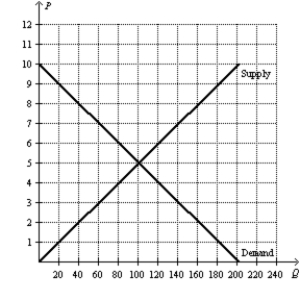
Refer to Figure 8-9. Suppose the government places a $4 tax per unit on this good. How much is consumer surplus after the tax is imposed?
Refer to Figure 8-9. Suppose the government places a $4 tax per unit on this good. How much is consumer surplus after the tax is imposed?
سؤال
Figure 8-9
Refer to Figure 8-9. Suppose the government places a $4 tax per unit on this good. How much is the deadweight loss from this tax?
Refer to Figure 8-9. Suppose the government places a $4 tax per unit on this good. How much is the deadweight loss from this tax?
سؤال
سؤال
Figure 8-9
Refer to Figure 8-9. Suppose the government places a $4 tax per unit on this good. How much tax revenue is collected after the tax is imposed?
Refer to Figure 8-9. Suppose the government places a $4 tax per unit on this good. How much tax revenue is collected after the tax is imposed?
سؤال
Figure 8-9
Refer to Figure 8-9. What are the equilibrium price and equilibrium quantity in this market?
Refer to Figure 8-9. What are the equilibrium price and equilibrium quantity in this market?
سؤال
Figure 8-9
Refer to Figure 8-9. Suppose the government places a $4 tax per unit on this good. What price will sellers receive for the good after the tax is imposed?
Refer to Figure 8-9. Suppose the government places a $4 tax per unit on this good. What price will sellers receive for the good after the tax is imposed?
سؤال
Figure 8-9
Refer to Figure 8-9. Suppose the government places a $4 tax per unit on this good. How much is total surplus after the tax is imposed?
Refer to Figure 8-9. Suppose the government places a $4 tax per unit on this good. How much is total surplus after the tax is imposed?
سؤال
سؤال
سؤال
Figure 8-9
Refer to Figure 8-9. Suppose the government increases the size of the tax on this good from $4 per unit to $6 per unit. Will the tax revenue collected from the tax increase, decrease, or stay the same?
Refer to Figure 8-9. Suppose the government increases the size of the tax on this good from $4 per unit to $6 per unit. Will the tax revenue collected from the tax increase, decrease, or stay the same?
سؤال
Figure 8-9
Refer to Figure 8-9. Suppose the government places a $4 tax per unit on this good. How many units of this good will be bought and sold after the tax is imposed?
Refer to Figure 8-9. Suppose the government places a $4 tax per unit on this good. How many units of this good will be bought and sold after the tax is imposed?
سؤال
Figure 8-9
Refer to Figure 8-9. How much is consumer surplus at the market equilibrium?
Refer to Figure 8-9. How much is consumer surplus at the market equilibrium?
سؤال
سؤال
سؤال
Figure 8-9
Refer to Figure 8-9. How much is total surplus at the market equilibrium?
Refer to Figure 8-9. How much is total surplus at the market equilibrium?
سؤال
سؤال
Figure 8-9
Refer to Figure 8-9. How much is producer surplus at the market equilibrium?
Refer to Figure 8-9. How much is producer surplus at the market equilibrium?
سؤال
سؤال
Figure 8-9
Refer to Figure 8-9. Suppose the government places a $4 tax per unit on this good. What price will consumers pay for the good after the tax is imposed?
Refer to Figure 8-9. Suppose the government places a $4 tax per unit on this good. What price will consumers pay for the good after the tax is imposed?
سؤال
Figure 8-9
Refer to Figure 8-9. Suppose the government places a $4 tax per unit on this good. How much is producer surplus after the tax is imposed?
Refer to Figure 8-9. Suppose the government places a $4 tax per unit on this good. How much is producer surplus after the tax is imposed?

فتح الحزمة
قم بالتسجيل لفتح البطاقات في هذه المجموعة!
Unlock Deck
Unlock Deck
1/203

العب

ملء الشاشة (f)
Deck 8: Applications: The Costs of Taxation
1
Total surplus in a market does not change when the government imposes a tax on that market because the loss of consumer surplus and producer surplus is equal to the gain of government revenue.
False
2
A tax on a good causes the size of the market to shrink.
True
3
When a tax is imposed on buyers, consumer surplus decreases but producer surplus increases.
False
4
When a tax is imposed on sellers, consumer surplus and producer surplus both decrease.
فتح الحزمة
افتح القفل للوصول البطاقات البالغ عددها 203 في هذه المجموعة.
فتح الحزمة
k this deck
5
When a tax is imposed on sellers, producer surplus decreases but consumer surplus increases.
فتح الحزمة
افتح القفل للوصول البطاقات البالغ عددها 203 في هذه المجموعة.
فتح الحزمة
k this deck
6
Normally, both buyers and sellers of a good become worse off when the good is taxed.
فتح الحزمة
افتح القفل للوصول البطاقات البالغ عددها 203 في هذه المجموعة.
فتح الحزمة
k this deck
7
Because taxes distort incentives, they cause markets to allocate resources inefficiently.
فتح الحزمة
افتح القفل للوصول البطاقات البالغ عددها 203 في هذه المجموعة.
فتح الحزمة
k this deck
8
A tax on a good causes the size of the market to increase.
فتح الحزمة
افتح القفل للوصول البطاقات البالغ عددها 203 في هذه المجموعة.
فتح الحزمة
k this deck
9
Taxes affect market participants by increasing the price paid by the buyer and decreasing the price received by the seller.
فتح الحزمة
افتح القفل للوصول البطاقات البالغ عددها 203 في هذه المجموعة.
فتح الحزمة
k this deck
10
Taxes affect market participants by increasing the price paid by the buyer and received by the seller.
فتح الحزمة
افتح القفل للوصول البطاقات البالغ عددها 203 في هذه المجموعة.
فتح الحزمة
k this deck
11
Total surplus is always equal to the sum of consumer surplus and producer surplus.
فتح الحزمة
افتح القفل للوصول البطاقات البالغ عددها 203 في هذه المجموعة.
فتح الحزمة
k this deck
12
If the government imposes a $3 tax in a market, the buyers and sellers will share an equal burden of the tax.
فتح الحزمة
افتح القفل للوصول البطاقات البالغ عددها 203 في هذه المجموعة.
فتح الحزمة
k this deck
13
When a tax is imposed, the loss of consumer surplus and producer surplus as a result of the tax exceeds the tax revenue collected by the government.
فتح الحزمة
افتح القفل للوصول البطاقات البالغ عددها 203 في هذه المجموعة.
فتح الحزمة
k this deck
14
Taxes cause deadweight losses because they prevent buyers and sellers from realizing some of the gains from trade.
فتح الحزمة
افتح القفل للوصول البطاقات البالغ عددها 203 في هذه المجموعة.
فتح الحزمة
k this deck
15
Economists use the government's tax revenue to measure the public benefit from a tax.
فتح الحزمة
افتح القفل للوصول البطاقات البالغ عددها 203 في هذه المجموعة.
فتح الحزمة
k this deck
16
If the government imposes a $3 tax in a market, the equilibrium price will rise by $3.
فتح الحزمة
افتح القفل للوصول البطاقات البالغ عددها 203 في هذه المجموعة.
فتح الحزمة
k this deck
17
When a good is taxed, the tax revenue collected by the government equals the decrease in the welfare of buyers and sellers caused by the tax.
فتح الحزمة
افتح القفل للوصول البطاقات البالغ عددها 203 في هذه المجموعة.
فتح الحزمة
k this deck
18
A tax places a wedge between the price buyers pay and the price sellers receive.
فتح الحزمة
افتح القفل للوصول البطاقات البالغ عددها 203 في هذه المجموعة.
فتح الحزمة
k this deck
19
When a tax is imposed on buyers, consumer surplus and producer surplus both decrease.
فتح الحزمة
افتح القفل للوصول البطاقات البالغ عددها 203 في هذه المجموعة.
فتح الحزمة
k this deck
20
A tax raises the price received by sellers and lowers the price paid by buyers.
فتح الحزمة
افتح القفل للوصول البطاقات البالغ عددها 203 في هذه المجموعة.
فتح الحزمة
k this deck
21
Taxes create deadweight losses.
فتح الحزمة
افتح القفل للوصول البطاقات البالغ عددها 203 في هذه المجموعة.
فتح الحزمة
k this deck
22
The larger the deadweight loss from taxation, the larger the cost of government programs.
فتح الحزمة
افتح القفل للوصول البطاقات البالغ عددها 203 في هذه المجموعة.
فتح الحزمة
k this deck
23
Economists disagree on whether labor taxes have a small or large deadweight loss.
فتح الحزمة
افتح القفل للوصول البطاقات البالغ عددها 203 في هذه المجموعة.
فتح الحزمة
k this deck
24
When a tax is imposed on a good, consumer surplus decreases and producer surplus remains unchanged.
فتح الحزمة
افتح القفل للوصول البطاقات البالغ عددها 203 في هذه المجموعة.
فتح الحزمة
k this deck
25
The demand for bread is less elastic than the demand for donuts; hence, a tax on bread will create a larger deadweight loss than will the same tax on donuts, other things equal.
فتح الحزمة
افتح القفل للوصول البطاقات البالغ عددها 203 في هذه المجموعة.
فتح الحزمة
k this deck
26
The greater the elasticity of demand, the smaller the deadweight loss of a tax.
فتح الحزمة
افتح القفل للوصول البطاقات البالغ عددها 203 في هذه المجموعة.
فتح الحزمة
k this deck
27
Taxes on labor tend to encourage the elderly to retire early.
فتح الحزمة
افتح القفل للوصول البطاقات البالغ عددها 203 في هذه المجموعة.
فتح الحزمة
k this deck
28
The more inelastic are demand and supply, the greater is the deadweight loss of a tax.
فتح الحزمة
افتح القفل للوصول البطاقات البالغ عددها 203 في هذه المجموعة.
فتح الحزمة
k this deck
29
Taxes on labor tend to encourage second earners to stay at home rather than work in the labor force.
فتح الحزمة
افتح القفل للوصول البطاقات البالغ عددها 203 في هذه المجموعة.
فتح الحزمة
k this deck
30
As the price elasticities of supply and demand increase, the deadweight loss from a tax increases.
فتح الحزمة
افتح القفل للوصول البطاقات البالغ عددها 203 في هذه المجموعة.
فتح الحزمة
k this deck
31
If a tax did not induce buyers or sellers to change their behavior, it would not cause a deadweight loss.
فتح الحزمة
افتح القفل للوصول البطاقات البالغ عددها 203 في هذه المجموعة.
فتح الحزمة
k this deck
32
The most important tax in the U.S. economy is the tax on corporations' profits.
فتح الحزمة
افتح القفل للوصول البطاقات البالغ عددها 203 في هذه المجموعة.
فتح الحزمة
k this deck
33
Taxes on labor tend to increase the number of hours that people choose to work.
فتح الحزمة
افتح القفل للوصول البطاقات البالغ عددها 203 في هذه المجموعة.
فتح الحزمة
k this deck
34
A tax on insulin is likely to cause a very large deadweight loss to society.
فتح الحزمة
افتح القفل للوصول البطاقات البالغ عددها 203 في هذه المجموعة.
فتح الحزمة
k this deck
35
Taxes drive a wedge into the market by raising the price that sellers receive and lowering the price that buyers pay.
فتح الحزمة
افتح القفل للوصول البطاقات البالغ عددها 203 في هذه المجموعة.
فتح الحزمة
k this deck
36
The Social Security tax, and to a large extent, the federal income tax, are labor taxes.
فتح الحزمة
افتح القفل للوصول البطاقات البالغ عددها 203 في هذه المجموعة.
فتح الحزمة
k this deck
37
When a tax is imposed on a good, the resulting decrease in consumer surplus is always larger than the resulting decrease in producer surplus.
فتح الحزمة
افتح القفل للوصول البطاقات البالغ عددها 203 في هذه المجموعة.
فتح الحزمة
k this deck
38
Tax revenue equals the size of the tax multiplied by the quantity sold in the market after the tax is levied.
فتح الحزمة
افتح القفل للوصول البطاقات البالغ عددها 203 في هذه المجموعة.
فتح الحزمة
k this deck
39
The elasticities of the supply and demand curves in the market for cigarettes affect how much a tax distorts that market.
فتح الحزمة
افتح القفل للوصول البطاقات البالغ عددها 203 في هذه المجموعة.
فتح الحزمة
k this deck
40
When demand is relatively elastic, the deadweight loss of a tax is larger than when demand is relatively inelastic.
فتح الحزمة
افتح القفل للوصول البطاقات البالغ عددها 203 في هذه المجموعة.
فتح الحزمة
k this deck
41
When the government imposes taxes on buyers and sellers of a good, society loses some of the benefits of market efficiency.
فتح الحزمة
افتح القفل للوصول البطاقات البالغ عددها 203 في هذه المجموعة.
فتح الحزمة
k this deck
42
As the size of a tax increases, the government's tax revenue rises, then falls.
فتح الحزمة
افتح القفل للوصول البطاقات البالغ عددها 203 في هذه المجموعة.
فتح الحزمة
k this deck
43
The more elastic the supply, the larger the deadweight loss from a tax, all else equal.
فتح الحزمة
افتح القفل للوصول البطاقات البالغ عددها 203 في هذه المجموعة.
فتح الحزمة
k this deck
44
Economists dismiss the idea that lower tax rates can lead to higher tax revenue, because there is a consensus that the relevant elasticities of demand and supply are very low.
فتح الحزمة
افتح القفل للوصول البطاقات البالغ عددها 203 في هذه المجموعة.
فتح الحزمة
k this deck
45
The deadweight loss of a tax rises even more rapidly than the size of the tax.
فتح الحزمة
افتح القفل للوصول البطاقات البالغ عددها 203 في هذه المجموعة.
فتح الحزمة
k this deck
46
The result of the large tax cuts in the first Reagan Administration demonstrated very convincingly that Arthur Laffer was correct when he asserted that cuts in tax rates would increase tax revenue.
فتح الحزمة
افتح القفل للوصول البطاقات البالغ عددها 203 في هذه المجموعة.
فتح الحزمة
k this deck
47
Tax revenues increase in direct proportion to increases in the size of the tax.
فتح الحزمة
افتح القفل للوصول البطاقات البالغ عددها 203 في هذه المجموعة.
فتح الحزمة
k this deck
48
The demand for beer is more elastic than the demand for milk, so a tax on beer would have a smaller deadweight loss than an equivalent tax on milk, all else equal.
فتح الحزمة
افتح القفل للوصول البطاقات البالغ عددها 203 في هذه المجموعة.
فتح الحزمة
k this deck
49
The idea that tax cuts would increase the quantity of labor supplied, thus increasing tax revenue, became known as supply-side economics.
فتح الحزمة
افتح القفل للوصول البطاقات البالغ عددها 203 في هذه المجموعة.
فتح الحزمة
k this deck
50
The Laffer curve illustrates how taxes in markets with greater elasticities of demand compare to taxes in markets with smaller elasticities of supply.
فتح الحزمة
افتح القفل للوصول البطاقات البالغ عددها 203 في هذه المجموعة.
فتح الحزمة
k this deck
51
The more elastic are supply and demand in a market, the greater are the distortions caused by a tax on that market, and the more likely it is that a tax cut in that market will raise tax revenue.
فتح الحزمة
افتح القفل للوصول البطاقات البالغ عددها 203 في هذه المجموعة.
فتح الحزمة
k this deck
52
The Social Security tax is a labor tax.
فتح الحزمة
افتح القفل للوصول البطاقات البالغ عددها 203 في هذه المجموعة.
فتح الحزمة
k this deck
53
Suppose that a university charges students a $100 "tax" to register for business classes. The next year the university raises the "tax" to $150. The deadweight loss from the "tax" triples.
فتح الحزمة
افتح القفل للوصول البطاقات البالغ عددها 203 في هذه المجموعة.
فتح الحزمة
k this deck
54
Economist Arthur Laffer made the argument that tax rates in the United States were so high that reducing the rates would increase tax revenue.
فتح الحزمة
افتح القفل للوصول البطاقات البالغ عددها 203 في هذه المجموعة.
فتح الحزمة
k this deck
55
If the size of a tax triples, the deadweight loss increases by a factor of six.
فتح الحزمة
افتح القفل للوصول البطاقات البالغ عددها 203 في هذه المجموعة.
فتح الحزمة
k this deck
56
In terms of gains from trade, why is it true that taxes cause deadweight losses?
فتح الحزمة
افتح القفل للوصول البطاقات البالغ عددها 203 في هذه المجموعة.
فتح الحزمة
k this deck
57
If the size of a tax doubles, the deadweight loss doubles.
فتح الحزمة
افتح القفل للوصول البطاقات البالغ عددها 203 في هذه المجموعة.
فتح الحزمة
k this deck
58
When a good is taxed, the deadweight loss is larger the more elastic are demand and supply.
فتح الحزمة
افتح القفل للوصول البطاقات البالغ عددها 203 في هذه المجموعة.
فتح الحزمة
k this deck
59
The optimal tax is difficult to determine because although revenues rise and fall as the size of the tax increases, deadweight loss continues to increase.
فتح الحزمة
افتح القفل للوصول البطاقات البالغ عددها 203 في هذه المجموعة.
فتح الحزمة
k this deck
60
The Laffer curve is the curve showing how tax revenue varies as the size of the tax varies.
فتح الحزمة
افتح القفل للوصول البطاقات البالغ عددها 203 في هذه المجموعة.
فتح الحزمة
k this deck
61
Figure 8-9
Refer to Figure 8-9. Suppose the government places a $4 tax per unit on this good. How much is consumer surplus after the tax is imposed?
Refer to Figure 8-9. Suppose the government places a $4 tax per unit on this good. How much is consumer surplus after the tax is imposed?
فتح الحزمة
افتح القفل للوصول البطاقات البالغ عددها 203 في هذه المجموعة.
فتح الحزمة
k this deck
62
Figure 8-9
Refer to Figure 8-9. Suppose the government places a $4 tax per unit on this good. How much is the deadweight loss from this tax?
Refer to Figure 8-9. Suppose the government places a $4 tax per unit on this good. How much is the deadweight loss from this tax?
فتح الحزمة
افتح القفل للوصول البطاقات البالغ عددها 203 في هذه المجموعة.
فتح الحزمة
k this deck
63
Scenario 8-3
Suppose the market demand and market supply curves are given by the equations:
QD = 200 - P
Refer to Scenario 8-3. Suppose that a tax of T is placed on buyers so that the demand curve becomes:
QD = 200 - (P + T)
If T = 40, what price will buyers pay and what price will sellers receive?
Suppose the market demand and market supply curves are given by the equations:
QD = 200 - P
Refer to Scenario 8-3. Suppose that a tax of T is placed on buyers so that the demand curve becomes:
QD = 200 - (P + T)
If T = 40, what price will buyers pay and what price will sellers receive?
فتح الحزمة
افتح القفل للوصول البطاقات البالغ عددها 203 في هذه المجموعة.
فتح الحزمة
k this deck
64
Figure 8-9
Refer to Figure 8-9. Suppose the government places a $4 tax per unit on this good. How much tax revenue is collected after the tax is imposed?
Refer to Figure 8-9. Suppose the government places a $4 tax per unit on this good. How much tax revenue is collected after the tax is imposed?
فتح الحزمة
افتح القفل للوصول البطاقات البالغ عددها 203 في هذه المجموعة.
فتح الحزمة
k this deck
65
Figure 8-9
Refer to Figure 8-9. What are the equilibrium price and equilibrium quantity in this market?
Refer to Figure 8-9. What are the equilibrium price and equilibrium quantity in this market?
فتح الحزمة
افتح القفل للوصول البطاقات البالغ عددها 203 في هذه المجموعة.
فتح الحزمة
k this deck
66
Figure 8-9
Refer to Figure 8-9. Suppose the government places a $4 tax per unit on this good. What price will sellers receive for the good after the tax is imposed?
Refer to Figure 8-9. Suppose the government places a $4 tax per unit on this good. What price will sellers receive for the good after the tax is imposed?
فتح الحزمة
افتح القفل للوصول البطاقات البالغ عددها 203 في هذه المجموعة.
فتح الحزمة
k this deck
67
Figure 8-9
Refer to Figure 8-9. Suppose the government places a $4 tax per unit on this good. How much is total surplus after the tax is imposed?
Refer to Figure 8-9. Suppose the government places a $4 tax per unit on this good. How much is total surplus after the tax is imposed?
فتح الحزمة
افتح القفل للوصول البطاقات البالغ عددها 203 في هذه المجموعة.
فتح الحزمة
k this deck
68
Scenario 8-3
Suppose the market demand and market supply curves are given by the equations:
QD = 200 - P
Refer to Scenario 8-3. What are the equilibrium price and equilibrium quantity in this market?
Suppose the market demand and market supply curves are given by the equations:
QD = 200 - P
Refer to Scenario 8-3. What are the equilibrium price and equilibrium quantity in this market?
فتح الحزمة
افتح القفل للوصول البطاقات البالغ عددها 203 في هذه المجموعة.
فتح الحزمة
k this deck
69
Scenario 8-3
Suppose the market demand and market supply curves are given by the equations:
QD = 200 - P
Refer to Scenario 8-3. Suppose that a tax of T is placed on buyers so that the demand curve becomes:
QD = 200 - (P + T)
How much tax revenue will be collected after this tax is imposed?
Suppose the market demand and market supply curves are given by the equations:
QD = 200 - P
Refer to Scenario 8-3. Suppose that a tax of T is placed on buyers so that the demand curve becomes:
QD = 200 - (P + T)
How much tax revenue will be collected after this tax is imposed?
فتح الحزمة
افتح القفل للوصول البطاقات البالغ عددها 203 في هذه المجموعة.
فتح الحزمة
k this deck
70
Figure 8-9
Refer to Figure 8-9. Suppose the government increases the size of the tax on this good from $4 per unit to $6 per unit. Will the tax revenue collected from the tax increase, decrease, or stay the same?
Refer to Figure 8-9. Suppose the government increases the size of the tax on this good from $4 per unit to $6 per unit. Will the tax revenue collected from the tax increase, decrease, or stay the same?
فتح الحزمة
افتح القفل للوصول البطاقات البالغ عددها 203 في هذه المجموعة.
فتح الحزمة
k this deck
71
Figure 8-9
Refer to Figure 8-9. Suppose the government places a $4 tax per unit on this good. How many units of this good will be bought and sold after the tax is imposed?
Refer to Figure 8-9. Suppose the government places a $4 tax per unit on this good. How many units of this good will be bought and sold after the tax is imposed?
فتح الحزمة
افتح القفل للوصول البطاقات البالغ عددها 203 في هذه المجموعة.
فتح الحزمة
k this deck
72
Figure 8-9
Refer to Figure 8-9. How much is consumer surplus at the market equilibrium?
Refer to Figure 8-9. How much is consumer surplus at the market equilibrium?
فتح الحزمة
افتح القفل للوصول البطاقات البالغ عددها 203 في هذه المجموعة.
فتح الحزمة
k this deck
73
A tax is imposed on a certain good. The tax produces revenue of $5,000 for the government. The tax reduces consumer surplus by $3,000 and it reduces producer surplus by $4,000. What is the amount of the deadweight loss of the tax?
فتح الحزمة
افتح القفل للوصول البطاقات البالغ عددها 203 في هذه المجموعة.
فتح الحزمة
k this deck
74
Scenario 8-3
Suppose the market demand and market supply curves are given by the equations:
QD = 200 - P
Refer to Scenario 8-3. Suppose that a tax of T is placed on buyers so that the demand curve becomes:
QD = 200 - (P + T)
What will be the deadweight loss from this tax?
Suppose the market demand and market supply curves are given by the equations:
QD = 200 - P
Refer to Scenario 8-3. Suppose that a tax of T is placed on buyers so that the demand curve becomes:
QD = 200 - (P + T)
What will be the deadweight loss from this tax?
فتح الحزمة
افتح القفل للوصول البطاقات البالغ عددها 203 في هذه المجموعة.
فتح الحزمة
k this deck
75
Figure 8-9
Refer to Figure 8-9. How much is total surplus at the market equilibrium?
Refer to Figure 8-9. How much is total surplus at the market equilibrium?
فتح الحزمة
افتح القفل للوصول البطاقات البالغ عددها 203 في هذه المجموعة.
فتح الحزمة
k this deck
76
Scenario 8-3
Suppose the market demand and market supply curves are given by the equations:
QD = 200 - P
Refer to Scenario 8-3. Suppose that a tax of T is placed on buyers so that the demand curve becomes:
QD = 200 - (P + T)
What quantity will be bought and sold after the tax is imposed?
Suppose the market demand and market supply curves are given by the equations:
QD = 200 - P
Refer to Scenario 8-3. Suppose that a tax of T is placed on buyers so that the demand curve becomes:
QD = 200 - (P + T)
What quantity will be bought and sold after the tax is imposed?
فتح الحزمة
افتح القفل للوصول البطاقات البالغ عددها 203 في هذه المجموعة.
فتح الحزمة
k this deck
77
Figure 8-9
Refer to Figure 8-9. How much is producer surplus at the market equilibrium?
Refer to Figure 8-9. How much is producer surplus at the market equilibrium?
فتح الحزمة
افتح القفل للوصول البطاقات البالغ عددها 203 في هذه المجموعة.
فتح الحزمة
k this deck
78
Scenario 8-3
Suppose the market demand and market supply curves are given by the equations:
QD = 200 - P
Refer to Scenario 8-3. Suppose that a tax of T is placed on buyers so that the demand curve becomes:
QD = 200 - (P + T)
What price will sellers receive and what price will buyers pay after the tax is imposed?
Suppose the market demand and market supply curves are given by the equations:
QD = 200 - P
Refer to Scenario 8-3. Suppose that a tax of T is placed on buyers so that the demand curve becomes:
QD = 200 - (P + T)
What price will sellers receive and what price will buyers pay after the tax is imposed?
فتح الحزمة
افتح القفل للوصول البطاقات البالغ عددها 203 في هذه المجموعة.
فتح الحزمة
k this deck
79
Figure 8-9
Refer to Figure 8-9. Suppose the government places a $4 tax per unit on this good. What price will consumers pay for the good after the tax is imposed?
Refer to Figure 8-9. Suppose the government places a $4 tax per unit on this good. What price will consumers pay for the good after the tax is imposed?
فتح الحزمة
افتح القفل للوصول البطاقات البالغ عددها 203 في هذه المجموعة.
فتح الحزمة
k this deck
80
Figure 8-9
Refer to Figure 8-9. Suppose the government places a $4 tax per unit on this good. How much is producer surplus after the tax is imposed?
Refer to Figure 8-9. Suppose the government places a $4 tax per unit on this good. How much is producer surplus after the tax is imposed?
فتح الحزمة
افتح القفل للوصول البطاقات البالغ عددها 203 في هذه المجموعة.
فتح الحزمة
k this deck
فتح الحزمة
افتح القفل للوصول البطاقات البالغ عددها 203 في هذه المجموعة.






