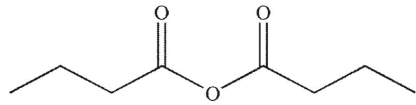
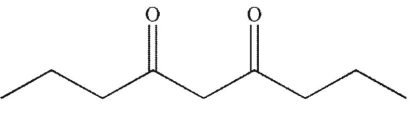
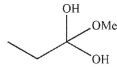
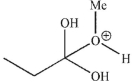
Deck 17: Carboxylic Acids

ملء الشاشة (f)
exit full mode
سؤال
Which of the following statements about carboxylic acids is/are true?

A)Carboxylic acids are Brønsted acids.
B)Carboxylic acids are Brønsted bases.
C)Carboxylic acids are Lewis acids.
D)Carboxylic acids are Lewis bases.
E)All these statements are true.
استخدم زر المسافة أو
up arrow
down arrow
لقلب البطاقة.
سؤال
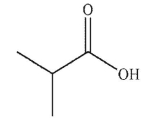
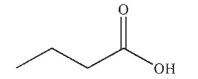
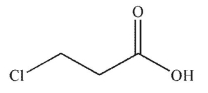
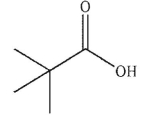
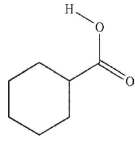
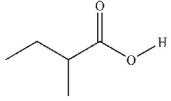
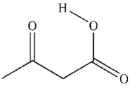
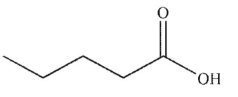
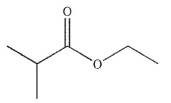
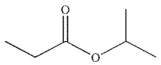
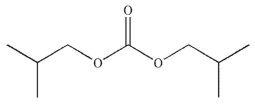
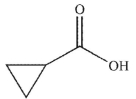
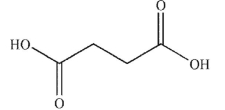
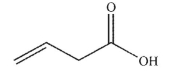
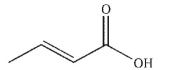
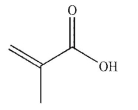
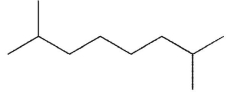
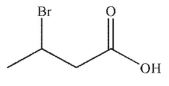
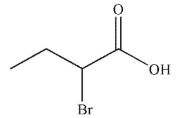
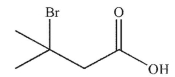
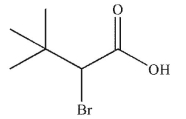
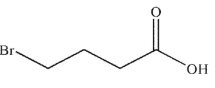
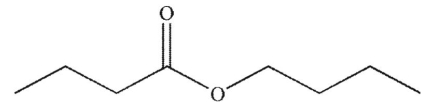
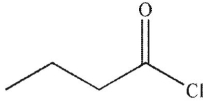
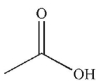
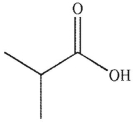
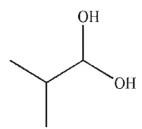
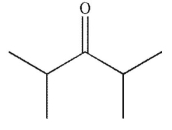
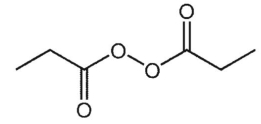
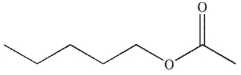
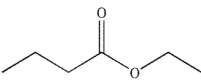
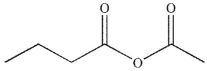
Which of these carboxylic acids is most acidic?

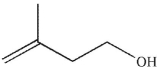
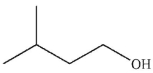
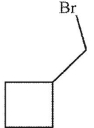
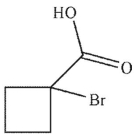
A)<strong>Which of these carboxylic acids is most acidic?</strong> A)  B)  C)  D)  E)  <div style=padding-top: 35px>
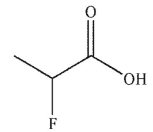
B)<strong>Which of these carboxylic acids is most acidic?</strong> A)  B)  C)  D)  E)  <div style=padding-top: 35px>
C)<strong>Which of these carboxylic acids is most acidic?</strong> A)  B)  C)  D)  E)  <div style=padding-top: 35px>
D)<strong>Which of these carboxylic acids is most acidic?</strong> A)  B)  C)  D)  E)  <div style=padding-top: 35px>
E)<strong>Which of these carboxylic acids is most acidic?</strong> A)  B)  C)  D)  E)  <div style=padding-top: 35px>
سؤال
Which of these carboxylic acids is in the s-cis conformation?

A)<strong>Which of these carboxylic acids is in the s-cis conformation?</strong> A)  B)  C)  D)  E) both  c  and  d <div style=padding-top: 35px>
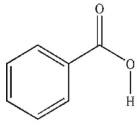
B)<strong>Which of these carboxylic acids is in the s-cis conformation?</strong> A)  B)  C)  D)  E) both  c  and  d <div style=padding-top: 35px>
C)<strong>Which of these carboxylic acids is in the s-cis conformation?</strong> A)  B)  C)  D)  E) both  c  and  d <div style=padding-top: 35px>
D)<strong>Which of these carboxylic acids is in the s-cis conformation?</strong> A)  B)  C)  D)  E) both  c  and  d <div style=padding-top: 35px>
E) both c and d
سؤال
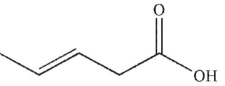
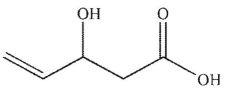
Which of these structures is 3-pentenoic acid?

A)<strong>Which of these structures is 3-pentenoic acid?</strong> A)  B)  C)  D)  E) None of these structures is 3-pentenoic acid <div style=padding-top: 35px>
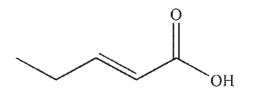
B)<strong>Which of these structures is 3-pentenoic acid?</strong> A)  B)  C)  D)  E) None of these structures is 3-pentenoic acid <div style=padding-top: 35px>
C)<strong>Which of these structures is 3-pentenoic acid?</strong> A)  B)  C)  D)  E) None of these structures is 3-pentenoic acid <div style=padding-top: 35px>
D)<strong>Which of these structures is 3-pentenoic acid?</strong> A)  B)  C)  D)  E) None of these structures is 3-pentenoic acid <div style=padding-top: 35px>
E) None of these structures is 3-pentenoic acid
سؤال
Predict the major organic product of the following reaction.

<strong>Predict the major organic product of the following reaction.  </strong> A)  B)  C)  D)  E)  <div style=padding-top: 35px>

A)<strong>Predict the major organic product of the following reaction.  </strong> A)  B)  C)  D)  E)  <div style=padding-top: 35px>
B)<strong>Predict the major organic product of the following reaction.  </strong> A)  B)  C)  D)  E)  <div style=padding-top: 35px>
C)<strong>Predict the major organic product of the following reaction.  </strong> A)  B)  C)  D)  E)  <div style=padding-top: 35px>
D)<strong>Predict the major organic product of the following reaction.  </strong> A)  B)  C)  D)  E)  <div style=padding-top: 35px>
E)<strong>Predict the major organic product of the following reaction.  </strong> A)  B)  C)  D)  E)  <div style=padding-top: 35px>
سؤال
Which of the following compounds corresponds to the spectrum shown here?
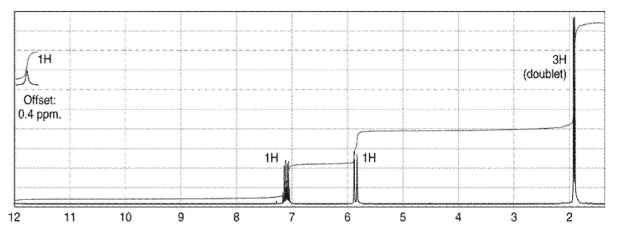
<strong>Which of the following compounds corresponds to the spectrum shown here?  </strong> A)  B)  C)  D)  E)  <div style=padding-top: 35px>

A)<strong>Which of the following compounds corresponds to the spectrum shown here?  </strong> A)  B)  C)  D)  E)  <div style=padding-top: 35px>
B)<strong>Which of the following compounds corresponds to the spectrum shown here?  </strong> A)  B)  C)  D)  E)  <div style=padding-top: 35px>
C)<strong>Which of the following compounds corresponds to the spectrum shown here?  </strong> A)  B)  C)  D)  E)  <div style=padding-top: 35px>
D)<strong>Which of the following compounds corresponds to the spectrum shown here?  </strong> A)  B)  C)  D)  E)  <div style=padding-top: 35px>
E)<strong>Which of the following compounds corresponds to the spectrum shown here?  </strong> A)  B)  C)  D)  E)  <div style=padding-top: 35px>
سؤال
What is the product of the reaction shown here?
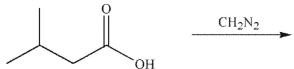
<strong>What is the product of the reaction shown here?  </strong> A)  B)  C)  D)  E)  <div style=padding-top: 35px>

A)<strong>What is the product of the reaction shown here?  </strong> A)  B)  C)  D)  E)  <div style=padding-top: 35px>
B)<strong>What is the product of the reaction shown here?  </strong> A)  B)  C)  D)  E)  <div style=padding-top: 35px>
C)<strong>What is the product of the reaction shown here?  </strong> A)  B)  C)  D)  E)  <div style=padding-top: 35px>
D)<strong>What is the product of the reaction shown here?  </strong> A)  B)  C)  D)  E)  <div style=padding-top: 35px>
E)<strong>What is the product of the reaction shown here?  </strong> A)  B)  C)  D)  E)  <div style=padding-top: 35px>
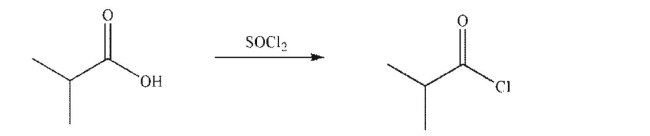
سؤال
Which reagent would you use to accomplish the following transformation? <strong>Which reagent would you use to accomplish the following transformation?  </strong> A)  HCl B) Cl<sub>2</sub>/FeCl<sub>3</sub> C) SOCl<sub>2</sub> D) Cl<sub>2</sub>  and heat E) either b or c <div style=padding-top: 35px>
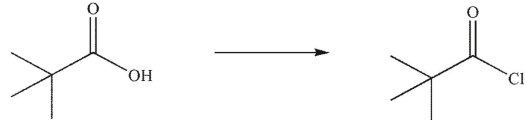
A) HCl
B) Cl2/FeCl3
C) SOCl2
D) Cl2 and heat
E) either b or c
سؤال
What reagent would you use to accomplish the following transformation?
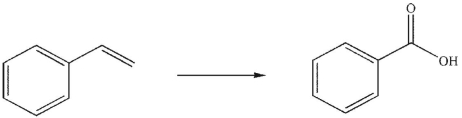
<strong>What reagent would you use to accomplish the following transformation?  </strong> A) O<sub>3 </sub>, then (CH<sub>3</sub>)<sub>2</sub>S B)  CH<sub>3</sub>MgBr, then H<sub>3</sub>O<sup>+ </sup> C)HIO<sub>4</sub> D) H<sub>3</sub>O<sup>+</sup> E)  KMnO<sub>4</sub> <div style=padding-top: 35px>

A) O3 , then (CH3)2S
B) CH3MgBr, then H3O+
C)HIO4
D) H3O+
E) KMnO4
سؤال
Which of the following statements is true?

A) Carboxylate anions are more susceptible to nucleophilic addition than carboxylic acids.
B) Polarization in the C=O bond destabilizes a carboxylate anion.
C) The carbonyl carbon atom in a carboxylic acid reacts as a Lewis base.
D) Protonation of a carboxylic acid generally occurs faster at the hydroxyl group than at the carbonyl oxygen.
E) Removal of the hydroxyl proton in a carboxylic acid is often the fastest reaction that carboxylic acids undergo.
سؤال
Which of the following is the correct name for the compound shown here?
<strong>Which of the following is the correct name for the compound shown here?  </strong> A) 2-methyl butanoic acid B) 2-ethyl propanoic acid C)  (S)-2 -methyl butanoic acid D)  (R)-2 -methyl butanoic acid E)  (S)-2 -ethyl propanoic acid <div style=padding-top: 35px>

A) 2-methyl butanoic acid
B) 2-ethyl propanoic acid
C) (S)-2 -methyl butanoic acid
D) (R)-2 -methyl butanoic acid
E) (S)-2 -ethyl propanoic acid
سؤال
Which of the following compounds corresponds to the spectrum shown here?
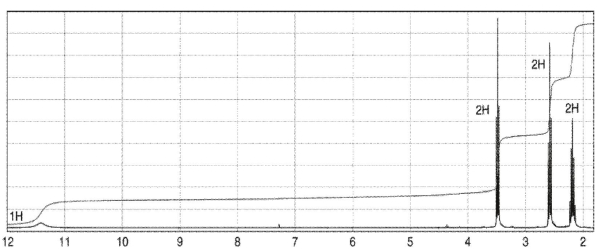
<strong>Which of the following compounds corresponds to the spectrum shown here?  </strong> A)  B)  C)  D)  E)  <div style=padding-top: 35px>

A)<strong>Which of the following compounds corresponds to the spectrum shown here?  </strong> A)  B)  C)  D)  E)  <div style=padding-top: 35px>
B)<strong>Which of the following compounds corresponds to the spectrum shown here?  </strong> A)  B)  C)  D)  E)  <div style=padding-top: 35px>
C)<strong>Which of the following compounds corresponds to the spectrum shown here?  </strong> A)  B)  C)  D)  E)  <div style=padding-top: 35px>
D)<strong>Which of the following compounds corresponds to the spectrum shown here?  </strong> A)  B)  C)  D)  E)  <div style=padding-top: 35px>
E)<strong>Which of the following compounds corresponds to the spectrum shown here?  </strong> A)  B)  C)  D)  E)  <div style=padding-top: 35px>
سؤال
What is the product of the following reaction? <strong>What is the product of the following reaction?  </strong> A)  B)  C)  D)  E) No reaction would occur. <div style=padding-top: 35px>
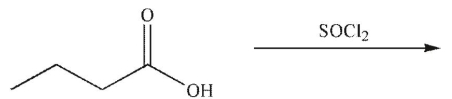
A)<strong>What is the product of the following reaction?  </strong> A)  B)  C)  D)  E) No reaction would occur. <div style=padding-top: 35px>
B)<strong>What is the product of the following reaction?  </strong> A)  B)  C)  D)  E) No reaction would occur. <div style=padding-top: 35px>
C)<strong>What is the product of the following reaction?  </strong> A)  B)  C)  D)  E) No reaction would occur. <div style=padding-top: 35px>
D)<strong>What is the product of the following reaction?  </strong> A)  B)  C)  D)  E) No reaction would occur. <div style=padding-top: 35px>
E) No reaction would occur.
سؤال
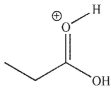
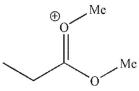
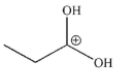
Which of these structures is not a mechanistic intermediate in acid-catalyzed esterification of a carboxylic acid?

<strong>Which of these structures is not a mechanistic intermediate in acid-catalyzed esterification of a carboxylic acid?  </strong> A)  B)  C)  D)  E)  <div style=padding-top: 35px>

A)<strong>Which of these structures is not a mechanistic intermediate in acid-catalyzed esterification of a carboxylic acid?  </strong> A)  B)  C)  D)  E)  <div style=padding-top: 35px>
B)<strong>Which of these structures is not a mechanistic intermediate in acid-catalyzed esterification of a carboxylic acid?  </strong> A)  B)  C)  D)  E)  <div style=padding-top: 35px>
C)<strong>Which of these structures is not a mechanistic intermediate in acid-catalyzed esterification of a carboxylic acid?  </strong> A)  B)  C)  D)  E)  <div style=padding-top: 35px>
D)<strong>Which of these structures is not a mechanistic intermediate in acid-catalyzed esterification of a carboxylic acid?  </strong> A)  B)  C)  D)  E)  <div style=padding-top: 35px>
E)<strong>Which of these structures is not a mechanistic intermediate in acid-catalyzed esterification of a carboxylic acid?  </strong> A)  B)  C)  D)  E)  <div style=padding-top: 35px>
سؤال
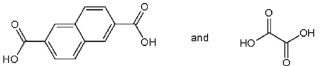
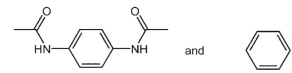
Which pair of starting materials is needed to make PentexTM polymer, whose structure fragment is shown below?

<strong>Which pair of starting materials is needed to make Pentex<sup>TM</sup>  polymer, whose structure fragment is shown below?  </strong> A)   B)   C)   D)   E)   <div style=padding-top: 35px>

A) <strong>Which pair of starting materials is needed to make Pentex<sup>TM</sup>  polymer, whose structure fragment is shown below?  </strong> A)   B)   C)   D)   E)   <div style=padding-top: 35px>
B) <strong>Which pair of starting materials is needed to make Pentex<sup>TM</sup>  polymer, whose structure fragment is shown below?  </strong> A)   B)   C)   D)   E)   <div style=padding-top: 35px>
C) <strong>Which pair of starting materials is needed to make Pentex<sup>TM</sup>  polymer, whose structure fragment is shown below?  </strong> A)   B)   C)   D)   E)   <div style=padding-top: 35px>
D) <strong>Which pair of starting materials is needed to make Pentex<sup>TM</sup>  polymer, whose structure fragment is shown below?  </strong> A)   B)   C)   D)   E)   <div style=padding-top: 35px>
E) <strong>Which pair of starting materials is needed to make Pentex<sup>TM</sup>  polymer, whose structure fragment is shown below?  </strong> A)   B)   C)   D)   E)   <div style=padding-top: 35px>
سؤال
Place the carboxylic acids shown here in order of increasing acidity.
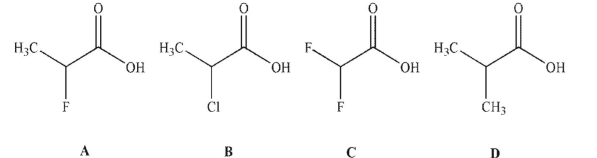
<strong>Place the carboxylic acids shown here in order of increasing acidity.  </strong> A) C < A < B < D B) B < D < C < A C) D < B < C < A D) D < B < A < C E) B < D < A < C <div style=padding-top: 35px>

A) C < A < B < D
B) B < D < C < A
C) D < B < C < A
D) D < B < A < C
E) B < D < A < C
سؤال
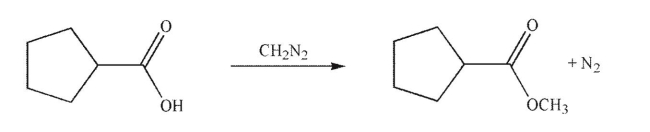
Which of the following reagents could be used to accomplish the transformation shown here?

<strong>Which of the following reagents could be used to accomplish the transformation shown here?  </strong> A) CH<sub>2</sub>N<sub>2</sub> B) Methanol and trace H<sub>2</sub>SO<sub>4</sub> C)  CH<sub>3</sub>Li, then H<sub>3</sub>O<sup>+</sup> D)  a  and  b E)  a, b , and c <div style=padding-top: 35px>

A) CH2N2
B) Methanol and trace H2SO4
C) CH3Li, then H3O+
D) a and b
E) a, b , and c
سؤال
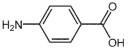
Which starting material(s) is/are needed to make KevlarTM polymer, whose structure fragment is shown below?

<strong>Which starting material(s) is/are needed to make Kevlar<sup>TM</sup> polymer, whose structure fragment is shown below?  </strong> A)   B)  C)   D)   E)   <div style=padding-top: 35px>

A) <strong>Which starting material(s) is/are needed to make Kevlar<sup>TM</sup> polymer, whose structure fragment is shown below?  </strong> A)   B)  C)   D)   E)   <div style=padding-top: 35px>
B)<strong>Which starting material(s) is/are needed to make Kevlar<sup>TM</sup> polymer, whose structure fragment is shown below?  </strong> A)   B)  C)   D)   E)   <div style=padding-top: 35px>
C) <strong>Which starting material(s) is/are needed to make Kevlar<sup>TM</sup> polymer, whose structure fragment is shown below?  </strong> A)   B)  C)   D)   E)   <div style=padding-top: 35px>
D) <strong>Which starting material(s) is/are needed to make Kevlar<sup>TM</sup> polymer, whose structure fragment is shown below?  </strong> A)   B)  C)   D)   E)   <div style=padding-top: 35px>
E) <strong>Which starting material(s) is/are needed to make Kevlar<sup>TM</sup> polymer, whose structure fragment is shown below?  </strong> A)   B)  C)   D)   E)   <div style=padding-top: 35px>
سؤال
Predict the product of the following reaction.
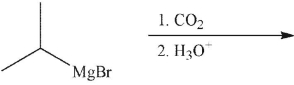
<strong>Predict the product of the following reaction.  </strong> A)  B)  C)  D)  E)  <div style=padding-top: 35px>

A)<strong>Predict the product of the following reaction.  </strong> A)  B)  C)  D)  E)  <div style=padding-top: 35px>
B)<strong>Predict the product of the following reaction.  </strong> A)  B)  C)  D)  E)  <div style=padding-top: 35px>
C)<strong>Predict the product of the following reaction.  </strong> A)  B)  C)  D)  E)  <div style=padding-top: 35px>
D)<strong>Predict the product of the following reaction.  </strong> A)  B)  C)  D)  E)  <div style=padding-top: 35px>
E)<strong>Predict the product of the following reaction.  </strong> A)  B)  C)  D)  E)  <div style=padding-top: 35px>
سؤال
Which of the following reagents could be used to accomplish the following transformation?

<strong>Which of the following reagents could be used to accomplish the following transformation?  </strong> A)    B)    C)    D)    E) either  a  or  b <div style=padding-top: 35px>

A) <strong>Which of the following reagents could be used to accomplish the following transformation?  </strong> A)    B)    C)    D)    E) either  a  or  b <div style=padding-top: 35px>
B) <strong>Which of the following reagents could be used to accomplish the following transformation?  </strong> A)    B)    C)    D)    E) either  a  or  b <div style=padding-top: 35px>
C) <strong>Which of the following reagents could be used to accomplish the following transformation?  </strong> A)    B)    C)    D)    E) either  a  or  b <div style=padding-top: 35px>
D) <strong>Which of the following reagents could be used to accomplish the following transformation?  </strong> A)    B)    C)    D)    E) either  a  or  b <div style=padding-top: 35px>
E) either a or b
سؤال
What is the product of the following reaction <strong>What is the product of the following reaction  </strong> A)  B)  C)  D)  E)  <div style=padding-top: 35px>
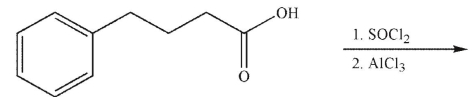
A)<strong>What is the product of the following reaction  </strong> A)  B)  C)  D)  E)  <div style=padding-top: 35px>
B)<strong>What is the product of the following reaction  </strong> A)  B)  C)  D)  E)  <div style=padding-top: 35px>
C)<strong>What is the product of the following reaction  </strong> A)  B)  C)  D)  E)  <div style=padding-top: 35px>
D)<strong>What is the product of the following reaction  </strong> A)  B)  C)  D)  E)  <div style=padding-top: 35px>
E)<strong>What is the product of the following reaction  </strong> A)  B)  C)  D)  E)  <div style=padding-top: 35px>
سؤال
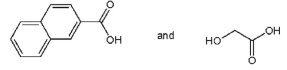
Explain the difference in acidity between the two acids shown here. Explain the difference in acidity between the two acids shown here.  <div style=padding-top: 35px>
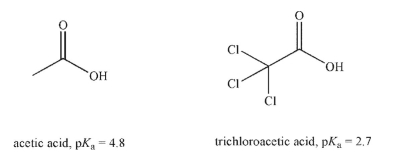
سؤال
Starting from benzene, devise two multistep syntheses to make the compound shown here. Starting from benzene, devise two multistep syntheses to make the compound shown here.  <div style=padding-top: 35px>
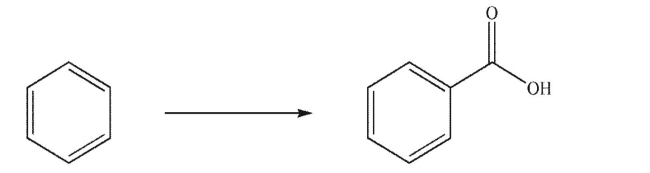
سؤال
In the presence of a strong acid, one of the oxygen atoms on the carboxylic acid shown here will become protonated.Which oxygen atom is protonated and why? In the presence of a strong acid, one of the oxygen atoms on the carboxylic acid shown here will become protonated.Which oxygen atom is protonated and why?  <div style=padding-top: 35px>
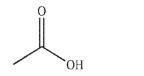
سؤال
What is reagent X? <strong>What is reagent X?  </strong> A) CH<sub>3</sub>CH<sub>2</sub>Br B) NaBH<sub>4</sub> C) OsO4 D) ethanol E) H<sub>3</sub>O<sup>+</sup> <div style=padding-top: 35px>

A) CH3CH2Br
B) NaBH4
C) OsO4
D) ethanol
E) H3O+
سؤال
What is the product of the reaction shown here? <strong>What is the product of the reaction shown here?  </strong> A)   B)  C)  D)  E)  <div style=padding-top: 35px>
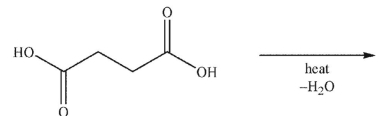
A) <strong>What is the product of the reaction shown here?  </strong> A)   B)  C)  D)  E)  <div style=padding-top: 35px>
B)<strong>What is the product of the reaction shown here?  </strong> A)   B)  C)  D)  E)  <div style=padding-top: 35px>
C)<strong>What is the product of the reaction shown here?  </strong> A)   B)  C)  D)  E)  <div style=padding-top: 35px>
D)<strong>What is the product of the reaction shown here?  </strong> A)   B)  C)  D)  E)  <div style=padding-top: 35px>
E)<strong>What is the product of the reaction shown here?  </strong> A)   B)  C)  D)  E)  <div style=padding-top: 35px>
سؤال
What is the major organic product of the following reaction? <strong>What is the major organic product of the following reaction?  </strong> A)  B)  C)  D)  E)  <div style=padding-top: 35px>
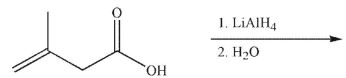
A)<strong>What is the major organic product of the following reaction?  </strong> A)  B)  C)  D)  E)  <div style=padding-top: 35px>
B)<strong>What is the major organic product of the following reaction?  </strong> A)  B)  C)  D)  E)  <div style=padding-top: 35px>
C)<strong>What is the major organic product of the following reaction?  </strong> A)  B)  C)  D)  E)  <div style=padding-top: 35px>
D)<strong>What is the major organic product of the following reaction?  </strong> A)  B)  C)  D)  E)  <div style=padding-top: 35px>
E)<strong>What is the major organic product of the following reaction?  </strong> A)  B)  C)  D)  E)  <div style=padding-top: 35px>
سؤال
Which of the following structures will not decarboxylate when heated? <strong>Which of the following structures will not decarboxylate when heated?  </strong> A) I B) II and III C) II, III, and IV D) II, III, and V E) I and IV <div style=padding-top: 35px>
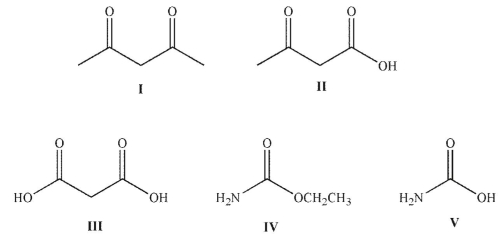
A) I
B) II and III
C) II, III, and IV
D) II, III, and V
E) I and IV
سؤال
The reaction shown here is accelerated by using a crown ether called 18-crown-6.Explain why the crown ether has this effect on the reaction. The reaction shown here is accelerated by using a crown ether called 18-crown-6.Explain why the crown ether has this effect on the reaction.  <div style=padding-top: 35px>

سؤال
What is the product of the reaction conditions shown here? <strong>What is the product of the reaction conditions shown here?  </strong> A)  B)  C)  D)  E)  <div style=padding-top: 35px>
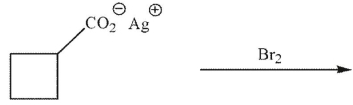
A)<strong>What is the product of the reaction conditions shown here?  </strong> A)  B)  C)  D)  E)  <div style=padding-top: 35px>
B)<strong>What is the product of the reaction conditions shown here?  </strong> A)  B)  C)  D)  E)  <div style=padding-top: 35px>
C)<strong>What is the product of the reaction conditions shown here?  </strong> A)  B)  C)  D)  E)  <div style=padding-top: 35px>
D)<strong>What is the product of the reaction conditions shown here?  </strong> A)  B)  C)  D)  E)  <div style=padding-top: 35px>
E)<strong>What is the product of the reaction conditions shown here?  </strong> A)  B)  C)  D)  E)  <div style=padding-top: 35px>
سؤال
What are the products of this reaction? <strong>What are the products of this reaction?  </strong> A)  B)  C)  D)  E) The reaction s stable to heating and no reaction will occur. <div style=padding-top: 35px>
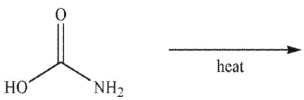
A)<strong>What are the products of this reaction?  </strong> A)  B)  C)  D)  E) The reaction s stable to heating and no reaction will occur. <div style=padding-top: 35px>
B)<strong>What are the products of this reaction?  </strong> A)  B)  C)  D)  E) The reaction s stable to heating and no reaction will occur. <div style=padding-top: 35px>
C)<strong>What are the products of this reaction?  </strong> A)  B)  C)  D)  E) The reaction s stable to heating and no reaction will occur. <div style=padding-top: 35px>
D)<strong>What are the products of this reaction?  </strong> A)  B)  C)  D)  E) The reaction s stable to heating and no reaction will occur. <div style=padding-top: 35px>
E) The reaction s stable to heating and no reaction will occur.
سؤال
What is the major organic product of this reaction? <strong>What is the major organic product of this reaction?  </strong> A)  B)  C)  D)  E)  <div style=padding-top: 35px>
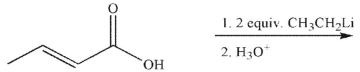
A)<strong>What is the major organic product of this reaction?  </strong> A)  B)  C)  D)  E)  <div style=padding-top: 35px>
B)<strong>What is the major organic product of this reaction?  </strong> A)  B)  C)  D)  E)  <div style=padding-top: 35px>
C)<strong>What is the major organic product of this reaction?  </strong> A)  B)  C)  D)  E)  <div style=padding-top: 35px>
D)<strong>What is the major organic product of this reaction?  </strong> A)  B)  C)  D)  E)  <div style=padding-top: 35px>
E)<strong>What is the major organic product of this reaction?  </strong> A)  B)  C)  D)  E)  <div style=padding-top: 35px>
سؤال
Which of the following compounds do you expect to be unstable?

A)<strong>Which of the following compounds do you expect to be unstable? </strong> A)  B)  C)  D)  E)  <div style=padding-top: 35px>
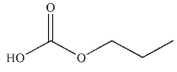
B)<strong>Which of the following compounds do you expect to be unstable? </strong> A)  B)  C)  D)  E)  <div style=padding-top: 35px>
C)<strong>Which of the following compounds do you expect to be unstable? </strong> A)  B)  C)  D)  E)  <div style=padding-top: 35px>
D)<strong>Which of the following compounds do you expect to be unstable? </strong> A)  B)  C)  D)  E)  <div style=padding-top: 35px>
E)<strong>Which of the following compounds do you expect to be unstable? </strong> A)  B)  C)  D)  E)  <div style=padding-top: 35px>
سؤال
A compound with a brutto formula C3H4O2 has a sharp IR band at 1690 and a broad IR band at ~3100cm-1 . The 1H NMR spectrum contains three signals: a broad singlet and three multiplets (all doublets of doublets). What is this compound's structure?
سؤال
Provide an IUPAC name for the carboxylic acid shown here. Provide an IUPAC name for the carboxylic acid shown here.  <div style=padding-top: 35px>
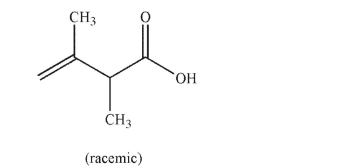
سؤال
Which of the following compounds could not be the starting material for the acid shown below? <strong>Which of the following compounds could not be the starting material for the acid shown below?  </strong> A)  B)  C)  D)  E) The acid could be made from all these compounds. <div style=padding-top: 35px>
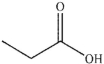
A)<strong>Which of the following compounds could not be the starting material for the acid shown below?  </strong> A)  B)  C)  D)  E) The acid could be made from all these compounds. <div style=padding-top: 35px>
B)<strong>Which of the following compounds could not be the starting material for the acid shown below?  </strong> A)  B)  C)  D)  E) The acid could be made from all these compounds. <div style=padding-top: 35px>
C)<strong>Which of the following compounds could not be the starting material for the acid shown below?  </strong> A)  B)  C)  D)  E) The acid could be made from all these compounds. <div style=padding-top: 35px>
D)<strong>Which of the following compounds could not be the starting material for the acid shown below?  </strong> A)  B)  C)  D)  E) The acid could be made from all these compounds. <div style=padding-top: 35px>
E) The acid could be made from all these compounds.
سؤال
What is the major organic product of the following reaction? <strong>What is the major organic product of the following reaction?  </strong> A)  B)  C)  D)  E)  <div style=padding-top: 35px>
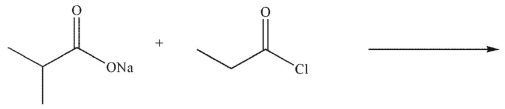
A)<strong>What is the major organic product of the following reaction?  </strong> A)  B)  C)  D)  E)  <div style=padding-top: 35px>
B)<strong>What is the major organic product of the following reaction?  </strong> A)  B)  C)  D)  E)  <div style=padding-top: 35px>
C)<strong>What is the major organic product of the following reaction?  </strong> A)  B)  C)  D)  E)  <div style=padding-top: 35px>
D)<strong>What is the major organic product of the following reaction?  </strong> A)  B)  C)  D)  E)  <div style=padding-top: 35px>
E)<strong>What is the major organic product of the following reaction?  </strong> A)  B)  C)  D)  E)  <div style=padding-top: 35px>
سؤال
Which reagent would you use to accomplish the following transformation? <strong>Which reagent would you use to accomplish the following transformation?  </strong> A) LiAlH<sub>4</sub> B) CH<sub>3</sub>Br, then H<sub>3</sub>O<sup>+</sup> C) 1 equiv. CH<sub>3</sub>Li, then H<sub>3</sub>O<sup>+</sup> D) 2 equiv. CH<sub>3</sub>Li, then H<sub>3</sub>O<sup>+</sup> E) CH<sub>3</sub>OH and trace H<sub>2</sub>SO<sub>4 </sub> <div style=padding-top: 35px>
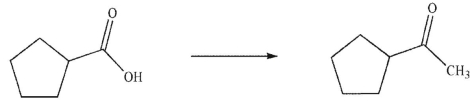
A) LiAlH4
B) CH3Br, then H3O+
C) 1 equiv. CH3Li, then H3O+
D) 2 equiv. CH3Li, then H3O+
E) CH3OH and trace H2SO4
سؤال
What is the major product of the following reaction? <strong>What is the major product of the following reaction?  </strong> A)CH<sub>4</sub> B)C<sub>2</sub>H<sub>6</sub> C)C<sub>3</sub>H<sub>8</sub> D)C<sub>4</sub>H<sub>10</sub> E)  <div style=padding-top: 35px>
A)CH4
B)C2H6
C)C3H8
D)C4H10
E)<strong>What is the major product of the following reaction?  </strong> A)CH<sub>4</sub> B)C<sub>2</sub>H<sub>6</sub> C)C<sub>3</sub>H<sub>8</sub> D)C<sub>4</sub>H<sub>10</sub> E)  <div style=padding-top: 35px>
سؤال
What is the product of the following sequence of reactions? <strong>What is the product of the following sequence of reactions?  </strong> A)  B)  C)  D)  E)  <div style=padding-top: 35px>
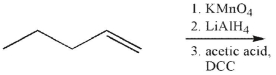
A)<strong>What is the product of the following sequence of reactions?  </strong> A)  B)  C)  D)  E)  <div style=padding-top: 35px>
B)<strong>What is the product of the following sequence of reactions?  </strong> A)  B)  C)  D)  E)  <div style=padding-top: 35px>
C)<strong>What is the product of the following sequence of reactions?  </strong> A)  B)  C)  D)  E)  <div style=padding-top: 35px>
D)<strong>What is the product of the following sequence of reactions?  </strong> A)  B)  C)  D)  E)  <div style=padding-top: 35px>
E)<strong>What is the product of the following sequence of reactions?  </strong> A)  B)  C)  D)  E)  <div style=padding-top: 35px>
سؤال
Draw a mechanism to rationalize the transformation shown here. Draw a mechanism to rationalize the transformation shown here.  <div style=padding-top: 35px>
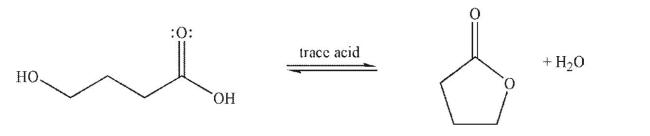
سؤال
Draw the structures of the alcohol and carboxylic acid that you would combine to produce the ester shown here. Draw the structures of the alcohol and carboxylic acid that you would combine to produce the ester shown here.  <div style=padding-top: 35px>
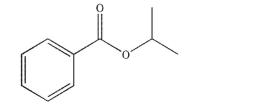
سؤال
Isophthaloyl chloride was used as a starting material in a synthesis of the following polymer.What
was the structure of its coupling partner X? Isophthaloyl chloride was used as a starting material in a synthesis of the following polymer.What was the structure of its coupling partner X?  <div style=padding-top: 35px>
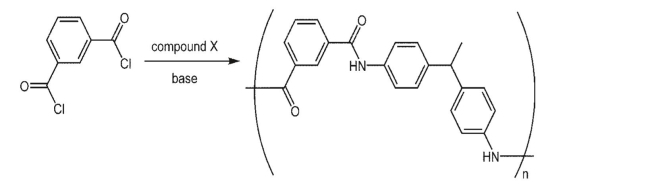
سؤال
Draw a mechanism for the transformation shown here.Include all necessary lone pairs, curved arrows, and nonzero formal charges. Draw a mechanism for the transformation shown here.Include all necessary lone pairs, curved arrows, and nonzero formal charges.  <div style=padding-top: 35px>
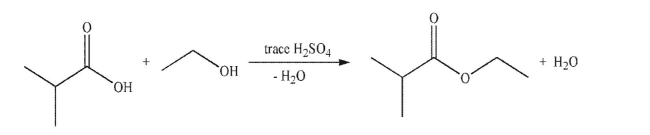
سؤال
Predict the major organic product of the following reaction conditions. Predict the major organic product of the following reaction conditions.  <div style=padding-top: 35px>
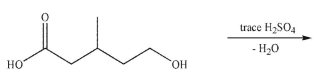
سؤال
Draw a mechanism for the following transformation.Include all necessary lone pairs, curved
arrows, and nonzero formal charges. Draw a mechanism for the following transformation.Include all necessary lone pairs, curved arrows, and nonzero formal charges.  <div style=padding-top: 35px>

سؤال
What is the product of the following reaction? What is the product of the following reaction?  <div style=padding-top: 35px>
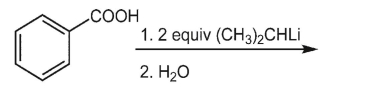
سؤال
The compound shown here is the result of a decarboxylation.What is the compound that was
heated to give this product? The compound shown here is the result of a decarboxylation.What is the compound that was heated to give this product?  <div style=padding-top: 35px>
سؤال
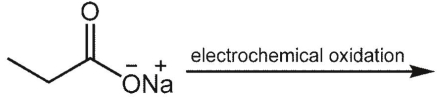
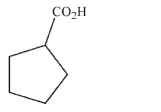
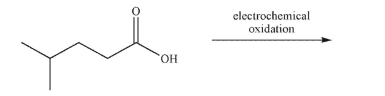
Predict the product of the electrochemical oxidation of the compound shown here. Predict the product of the electrochemical oxidation of the compound shown here.  <div style=padding-top: 35px>
سؤال
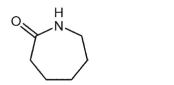
Heating of the lactam shown below results in a linear polyamide.Draw its structure. Heating of the lactam shown below results in a linear polyamide.Draw its structure.  <div style=padding-top: 35px>
سؤال
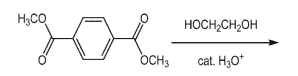
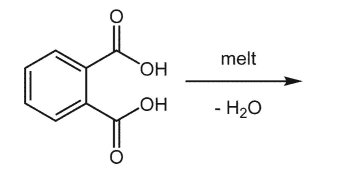
Draw the structure of polyethylene terephtalate (PET), obtained by reaction below: Draw the structure of polyethylene terephtalate (PET), obtained by reaction below:  <div style=padding-top: 35px>
سؤال
What is the product of the following reaction? What is the product of the following reaction?  <div style=padding-top: 35px>
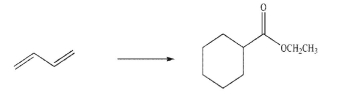
سؤال
Design a multistep synthesis of the target molecule from the starting material shown.Show the
reagents needed for each step and the product of each step.You may use any organic or inorganic
reagents, but you may only add a maximum of three carbons to the molecule per step. Design a multistep synthesis of the target molecule from the starting material shown.Show the reagents needed for each step and the product of each step.You may use any organic or inorganic reagents, but you may only add a maximum of three carbons to the molecule per step.  <div style=padding-top: 35px>
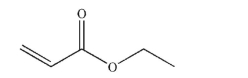
سؤال
Indicate how you could form the following ester using a carboxylate ion and an appropriate electrophile. Indicate how you could form the following ester using a carboxylate ion and an appropriate electrophile.  <div style=padding-top: 35px>
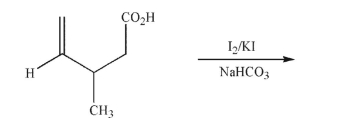
سؤال
The reaction shown here is called "iodolactonization." Five-membered rings are usually favored.
Predict the product of this reaction (no need to show stereochemistry). The reaction shown here is called iodolactonization. Five-membered rings are usually favored. Predict the product of this reaction (no need to show stereochemistry).  <div style=padding-top: 35px>
سؤال
Provide a mechanism for the following transformation.Include all necessary lone pairs, curved arrows, and nonzero formal charges. Provide a mechanism for the following transformation.Include all necessary lone pairs, curved arrows, and nonzero formal charges.  <div style=padding-top: 35px>
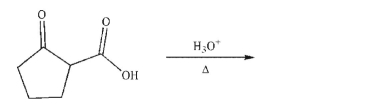
سؤال
Predict the product and draw a mechanism for the following transformation. Predict the product and draw a mechanism for the following transformation.  <div style=padding-top: 35px>
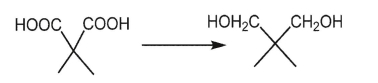
سؤال
What reagent can be used to accomplish the following transformation? What reagent can be used to accomplish the following transformation?  <div style=padding-top: 35px>
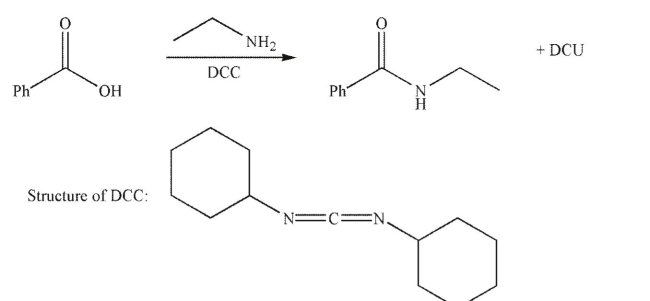
سؤال
Draw a mechanism for the following transformation.Include all necessary lone pairs, curved
arrows, and nonzero formal charges. Draw a mechanism for the following transformation.Include all necessary lone pairs, curved arrows, and nonzero formal charges.  <div style=padding-top: 35px>
سؤال
Draw a mechanism for the following transformation.Include all necessary lone pairs, curved
arrows, and nonzero formal charges. Draw a mechanism for the following transformation.Include all necessary lone pairs, curved arrows, and nonzero formal charges.  <div style=padding-top: 35px>
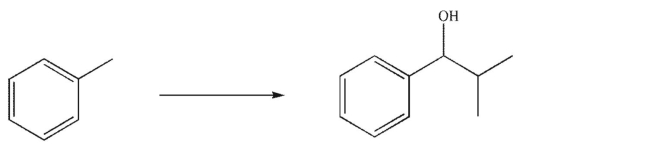
سؤال
Design a multistep synthesis of the target molecule from the starting material shown.Show the reagents needed for each step and the product of each step. Design a multistep synthesis of the target molecule from the starting material shown.Show the reagents needed for each step and the product of each step.  <div style=padding-top: 35px>
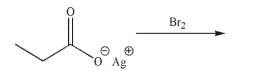
سؤال
Explain how soap works.
سؤال
Predict the major organic product and draw a mechanism for the following transformation.Include
all necessary lone pairs, curved arrows, and nonzero formal charges. Predict the major organic product and draw a mechanism for the following transformation.Include all necessary lone pairs, curved arrows, and nonzero formal charges.  <div style=padding-top: 35px>
سؤال
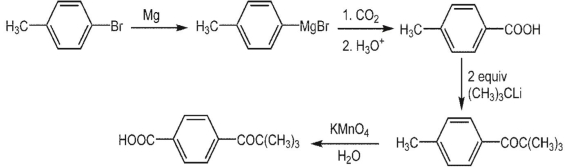
Suggest a synthesis of 4-pivaloylbenzoic acid from 4-bromotoluene.

Suggest a synthesis of 4-pivaloylbenzoic acid from 4-bromotoluene.   ANS:  <div style=padding-top: 35px>
ANS:
Suggest a synthesis of 4-pivaloylbenzoic acid from 4-bromotoluene.   ANS:  <div style=padding-top: 35px>
سؤال
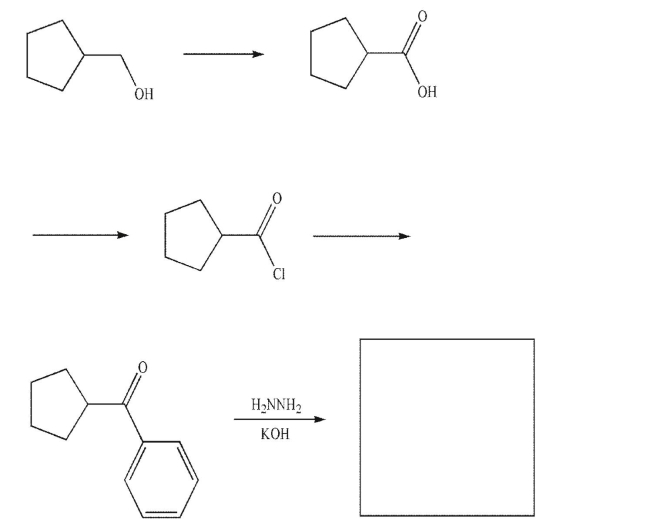
Provide the missing reagents and structures in the following reaction sequence. Provide the missing reagents and structures in the following reaction sequence.  <div style=padding-top: 35px>
سؤال
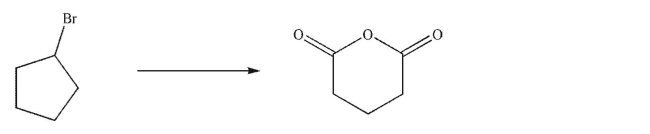
Design a multistep synthesis of the target molecule from the starting material shown.Show the reagents needed for each step and the product of each step. Design a multistep synthesis of the target molecule from the starting material shown.Show the reagents needed for each step and the product of each step.  <div style=padding-top: 35px>
فتح الحزمة
قم بالتسجيل لفتح البطاقات في هذه المجموعة!
Unlock Deck
Unlock Deck
1/66
auto play flashcards
العب
simple tutorial
ملء الشاشة (f)
exit full mode
Deck 17: Carboxylic Acids
1
Which of the following statements about carboxylic acids is/are true?

A)Carboxylic acids are Brønsted acids.
B)Carboxylic acids are Brønsted bases.
C)Carboxylic acids are Lewis acids.
D)Carboxylic acids are Lewis bases.
E)All these statements are true.
All these statements are true.
2
Which of these carboxylic acids is most acidic?

A)<strong>Which of these carboxylic acids is most acidic?</strong> A)  B)  C)  D)  E)
B)<strong>Which of these carboxylic acids is most acidic?</strong> A)  B)  C)  D)  E)
C)<strong>Which of these carboxylic acids is most acidic?</strong> A)  B)  C)  D)  E)
D)<strong>Which of these carboxylic acids is most acidic?</strong> A)  B)  C)  D)  E)
E)<strong>Which of these carboxylic acids is most acidic?</strong> A)  B)  C)  D)  E)
3
Which of these carboxylic acids is in the s-cis conformation?

A)<strong>Which of these carboxylic acids is in the s-cis conformation?</strong> A)  B)  C)  D)  E) both  c  and  d
B)<strong>Which of these carboxylic acids is in the s-cis conformation?</strong> A)  B)  C)  D)  E) both  c  and  d
C)<strong>Which of these carboxylic acids is in the s-cis conformation?</strong> A)  B)  C)  D)  E) both  c  and  d
D)<strong>Which of these carboxylic acids is in the s-cis conformation?</strong> A)  B)  C)  D)  E) both  c  and  d
E) both c and d
4
Which of these structures is 3-pentenoic acid?

A)<strong>Which of these structures is 3-pentenoic acid?</strong> A)  B)  C)  D)  E) None of these structures is 3-pentenoic acid
B)<strong>Which of these structures is 3-pentenoic acid?</strong> A)  B)  C)  D)  E) None of these structures is 3-pentenoic acid
C)<strong>Which of these structures is 3-pentenoic acid?</strong> A)  B)  C)  D)  E) None of these structures is 3-pentenoic acid
D)<strong>Which of these structures is 3-pentenoic acid?</strong> A)  B)  C)  D)  E) None of these structures is 3-pentenoic acid
E) None of these structures is 3-pentenoic acid
فتح الحزمة
افتح القفل للوصول البطاقات البالغ عددها 66 في هذه المجموعة.
فتح الحزمة
k this deck
5
Predict the major organic product of the following reaction.
<strong>Predict the major organic product of the following reaction.  </strong> A)  B)  C)  D)  E)

A)<strong>Predict the major organic product of the following reaction.  </strong> A)  B)  C)  D)  E)
B)<strong>Predict the major organic product of the following reaction.  </strong> A)  B)  C)  D)  E)
C)<strong>Predict the major organic product of the following reaction.  </strong> A)  B)  C)  D)  E)
D)<strong>Predict the major organic product of the following reaction.  </strong> A)  B)  C)  D)  E)
E)<strong>Predict the major organic product of the following reaction.  </strong> A)  B)  C)  D)  E)
فتح الحزمة
افتح القفل للوصول البطاقات البالغ عددها 66 في هذه المجموعة.
فتح الحزمة
k this deck
6
Which of the following compounds corresponds to the spectrum shown here?
<strong>Which of the following compounds corresponds to the spectrum shown here?  </strong> A)  B)  C)  D)  E)

A)<strong>Which of the following compounds corresponds to the spectrum shown here?  </strong> A)  B)  C)  D)  E)
B)<strong>Which of the following compounds corresponds to the spectrum shown here?  </strong> A)  B)  C)  D)  E)
C)<strong>Which of the following compounds corresponds to the spectrum shown here?  </strong> A)  B)  C)  D)  E)
D)<strong>Which of the following compounds corresponds to the spectrum shown here?  </strong> A)  B)  C)  D)  E)
E)<strong>Which of the following compounds corresponds to the spectrum shown here?  </strong> A)  B)  C)  D)  E)
فتح الحزمة
افتح القفل للوصول البطاقات البالغ عددها 66 في هذه المجموعة.
فتح الحزمة
k this deck
7
What is the product of the reaction shown here?
<strong>What is the product of the reaction shown here?  </strong> A)  B)  C)  D)  E)

A)<strong>What is the product of the reaction shown here?  </strong> A)  B)  C)  D)  E)
B)<strong>What is the product of the reaction shown here?  </strong> A)  B)  C)  D)  E)
C)<strong>What is the product of the reaction shown here?  </strong> A)  B)  C)  D)  E)
D)<strong>What is the product of the reaction shown here?  </strong> A)  B)  C)  D)  E)
E)<strong>What is the product of the reaction shown here?  </strong> A)  B)  C)  D)  E)
فتح الحزمة
افتح القفل للوصول البطاقات البالغ عددها 66 في هذه المجموعة.

فتح الحزمة
k this deck
8
Which reagent would you use to accomplish the following transformation? <strong>Which reagent would you use to accomplish the following transformation?  </strong> A)  HCl B) Cl<sub>2</sub>/FeCl<sub>3</sub> C) SOCl<sub>2</sub> D) Cl<sub>2</sub>  and heat E) either b or c

A) HCl
B) Cl2/FeCl3
C) SOCl2
D) Cl2 and heat
E) either b or c
فتح الحزمة
افتح القفل للوصول البطاقات البالغ عددها 66 في هذه المجموعة.

فتح الحزمة
k this deck
9
What reagent would you use to accomplish the following transformation?
<strong>What reagent would you use to accomplish the following transformation?  </strong> A) O<sub>3 </sub>, then (CH<sub>3</sub>)<sub>2</sub>S B)  CH<sub>3</sub>MgBr, then H<sub>3</sub>O<sup>+ </sup> C)HIO<sub>4</sub> D) H<sub>3</sub>O<sup>+</sup> E)  KMnO<sub>4</sub>

A) O3 , then (CH3)2S
B) CH3MgBr, then H3O+
C)HIO4
D) H3O+
E) KMnO4
فتح الحزمة
افتح القفل للوصول البطاقات البالغ عددها 66 في هذه المجموعة.
فتح الحزمة
k this deck
10
Which of the following statements is true?

A) Carboxylate anions are more susceptible to nucleophilic addition than carboxylic acids.
B) Polarization in the C=O bond destabilizes a carboxylate anion.
C) The carbonyl carbon atom in a carboxylic acid reacts as a Lewis base.
D) Protonation of a carboxylic acid generally occurs faster at the hydroxyl group than at the carbonyl oxygen.
E) Removal of the hydroxyl proton in a carboxylic acid is often the fastest reaction that carboxylic acids undergo.
فتح الحزمة
افتح القفل للوصول البطاقات البالغ عددها 66 في هذه المجموعة.
فتح الحزمة
k this deck
11
Which of the following is the correct name for the compound shown here?
<strong>Which of the following is the correct name for the compound shown here?  </strong> A) 2-methyl butanoic acid B) 2-ethyl propanoic acid C)  (S)-2 -methyl butanoic acid D)  (R)-2 -methyl butanoic acid E)  (S)-2 -ethyl propanoic acid

A) 2-methyl butanoic acid
B) 2-ethyl propanoic acid
C) (S)-2 -methyl butanoic acid
D) (R)-2 -methyl butanoic acid
E) (S)-2 -ethyl propanoic acid
فتح الحزمة
افتح القفل للوصول البطاقات البالغ عددها 66 في هذه المجموعة.
فتح الحزمة
k this deck
12
Which of the following compounds corresponds to the spectrum shown here?
<strong>Which of the following compounds corresponds to the spectrum shown here?  </strong> A)  B)  C)  D)  E)

A)<strong>Which of the following compounds corresponds to the spectrum shown here?  </strong> A)  B)  C)  D)  E)
B)<strong>Which of the following compounds corresponds to the spectrum shown here?  </strong> A)  B)  C)  D)  E)
C)<strong>Which of the following compounds corresponds to the spectrum shown here?  </strong> A)  B)  C)  D)  E)
D)<strong>Which of the following compounds corresponds to the spectrum shown here?  </strong> A)  B)  C)  D)  E)
E)<strong>Which of the following compounds corresponds to the spectrum shown here?  </strong> A)  B)  C)  D)  E)
فتح الحزمة
افتح القفل للوصول البطاقات البالغ عددها 66 في هذه المجموعة.
فتح الحزمة
k this deck
13
What is the product of the following reaction? <strong>What is the product of the following reaction?  </strong> A)  B)  C)  D)  E) No reaction would occur.

A)<strong>What is the product of the following reaction?  </strong> A)  B)  C)  D)  E) No reaction would occur.
B)<strong>What is the product of the following reaction?  </strong> A)  B)  C)  D)  E) No reaction would occur.
C)<strong>What is the product of the following reaction?  </strong> A)  B)  C)  D)  E) No reaction would occur.
D)<strong>What is the product of the following reaction?  </strong> A)  B)  C)  D)  E) No reaction would occur.
E) No reaction would occur.
فتح الحزمة
افتح القفل للوصول البطاقات البالغ عددها 66 في هذه المجموعة.
فتح الحزمة
k this deck
14
Which of these structures is not a mechanistic intermediate in acid-catalyzed esterification of a carboxylic acid?
<strong>Which of these structures is not a mechanistic intermediate in acid-catalyzed esterification of a carboxylic acid?  </strong> A)  B)  C)  D)  E)

A)<strong>Which of these structures is not a mechanistic intermediate in acid-catalyzed esterification of a carboxylic acid?  </strong> A)  B)  C)  D)  E)
B)<strong>Which of these structures is not a mechanistic intermediate in acid-catalyzed esterification of a carboxylic acid?  </strong> A)  B)  C)  D)  E)
C)<strong>Which of these structures is not a mechanistic intermediate in acid-catalyzed esterification of a carboxylic acid?  </strong> A)  B)  C)  D)  E)
D)<strong>Which of these structures is not a mechanistic intermediate in acid-catalyzed esterification of a carboxylic acid?  </strong> A)  B)  C)  D)  E)
E)<strong>Which of these structures is not a mechanistic intermediate in acid-catalyzed esterification of a carboxylic acid?  </strong> A)  B)  C)  D)  E)
فتح الحزمة
افتح القفل للوصول البطاقات البالغ عددها 66 في هذه المجموعة.
فتح الحزمة
k this deck
15
Which pair of starting materials is needed to make PentexTM polymer, whose structure fragment is shown below?
<strong>Which pair of starting materials is needed to make Pentex<sup>TM</sup>  polymer, whose structure fragment is shown below?  </strong> A)   B)   C)   D)   E)

A) <strong>Which pair of starting materials is needed to make Pentex<sup>TM</sup>  polymer, whose structure fragment is shown below?  </strong> A)   B)   C)   D)   E)
B) <strong>Which pair of starting materials is needed to make Pentex<sup>TM</sup>  polymer, whose structure fragment is shown below?  </strong> A)   B)   C)   D)   E)
C) <strong>Which pair of starting materials is needed to make Pentex<sup>TM</sup>  polymer, whose structure fragment is shown below?  </strong> A)   B)   C)   D)   E)
D) <strong>Which pair of starting materials is needed to make Pentex<sup>TM</sup>  polymer, whose structure fragment is shown below?  </strong> A)   B)   C)   D)   E)
E) <strong>Which pair of starting materials is needed to make Pentex<sup>TM</sup>  polymer, whose structure fragment is shown below?  </strong> A)   B)   C)   D)   E)
فتح الحزمة
افتح القفل للوصول البطاقات البالغ عددها 66 في هذه المجموعة.
فتح الحزمة
k this deck
16
Place the carboxylic acids shown here in order of increasing acidity.
<strong>Place the carboxylic acids shown here in order of increasing acidity.  </strong> A) C < A < B < D B) B < D < C < A C) D < B < C < A D) D < B < A < C E) B < D < A < C

A) C < A < B < D
B) B < D < C < A
C) D < B < C < A
D) D < B < A < C
E) B < D < A < C
فتح الحزمة
افتح القفل للوصول البطاقات البالغ عددها 66 في هذه المجموعة.
فتح الحزمة
k this deck
17
Which of the following reagents could be used to accomplish the transformation shown here?
<strong>Which of the following reagents could be used to accomplish the transformation shown here?  </strong> A) CH<sub>2</sub>N<sub>2</sub> B) Methanol and trace H<sub>2</sub>SO<sub>4</sub> C)  CH<sub>3</sub>Li, then H<sub>3</sub>O<sup>+</sup> D)  a  and  b E)  a, b , and c

A) CH2N2
B) Methanol and trace H2SO4
C) CH3Li, then H3O+
D) a and b
E) a, b , and c
فتح الحزمة
افتح القفل للوصول البطاقات البالغ عددها 66 في هذه المجموعة.
فتح الحزمة
k this deck
18
Which starting material(s) is/are needed to make KevlarTM polymer, whose structure fragment is shown below?
<strong>Which starting material(s) is/are needed to make Kevlar<sup>TM</sup> polymer, whose structure fragment is shown below?  </strong> A)   B)  C)   D)   E)

A) <strong>Which starting material(s) is/are needed to make Kevlar<sup>TM</sup> polymer, whose structure fragment is shown below?  </strong> A)   B)  C)   D)   E)
B)<strong>Which starting material(s) is/are needed to make Kevlar<sup>TM</sup> polymer, whose structure fragment is shown below?  </strong> A)   B)  C)   D)   E)
C) <strong>Which starting material(s) is/are needed to make Kevlar<sup>TM</sup> polymer, whose structure fragment is shown below?  </strong> A)   B)  C)   D)   E)
D) <strong>Which starting material(s) is/are needed to make Kevlar<sup>TM</sup> polymer, whose structure fragment is shown below?  </strong> A)   B)  C)   D)   E)
E) <strong>Which starting material(s) is/are needed to make Kevlar<sup>TM</sup> polymer, whose structure fragment is shown below?  </strong> A)   B)  C)   D)   E)
فتح الحزمة
افتح القفل للوصول البطاقات البالغ عددها 66 في هذه المجموعة.
فتح الحزمة
k this deck
19
Predict the product of the following reaction.
<strong>Predict the product of the following reaction.  </strong> A)  B)  C)  D)  E)

A)<strong>Predict the product of the following reaction.  </strong> A)  B)  C)  D)  E)
B)<strong>Predict the product of the following reaction.  </strong> A)  B)  C)  D)  E)
C)<strong>Predict the product of the following reaction.  </strong> A)  B)  C)  D)  E)
D)<strong>Predict the product of the following reaction.  </strong> A)  B)  C)  D)  E)
E)<strong>Predict the product of the following reaction.  </strong> A)  B)  C)  D)  E)
فتح الحزمة
افتح القفل للوصول البطاقات البالغ عددها 66 في هذه المجموعة.
فتح الحزمة
k this deck
20
Which of the following reagents could be used to accomplish the following transformation?
<strong>Which of the following reagents could be used to accomplish the following transformation?  </strong> A)    B)    C)    D)    E) either  a  or  b

A) <strong>Which of the following reagents could be used to accomplish the following transformation?  </strong> A)    B)    C)    D)    E) either  a  or  b
B) <strong>Which of the following reagents could be used to accomplish the following transformation?  </strong> A)    B)    C)    D)    E) either  a  or  b
C) <strong>Which of the following reagents could be used to accomplish the following transformation?  </strong> A)    B)    C)    D)    E) either  a  or  b
D) <strong>Which of the following reagents could be used to accomplish the following transformation?  </strong> A)    B)    C)    D)    E) either  a  or  b
E) either a or b
فتح الحزمة
افتح القفل للوصول البطاقات البالغ عددها 66 في هذه المجموعة.
فتح الحزمة
k this deck
21
What is the product of the following reaction <strong>What is the product of the following reaction  </strong> A)  B)  C)  D)  E)

A)<strong>What is the product of the following reaction  </strong> A)  B)  C)  D)  E)
B)<strong>What is the product of the following reaction  </strong> A)  B)  C)  D)  E)
C)<strong>What is the product of the following reaction  </strong> A)  B)  C)  D)  E)
D)<strong>What is the product of the following reaction  </strong> A)  B)  C)  D)  E)
E)<strong>What is the product of the following reaction  </strong> A)  B)  C)  D)  E)
فتح الحزمة
افتح القفل للوصول البطاقات البالغ عددها 66 في هذه المجموعة.
فتح الحزمة
k this deck
22
Explain the difference in acidity between the two acids shown here. Explain the difference in acidity between the two acids shown here.
فتح الحزمة
افتح القفل للوصول البطاقات البالغ عددها 66 في هذه المجموعة.
فتح الحزمة
k this deck
23
Starting from benzene, devise two multistep syntheses to make the compound shown here. Starting from benzene, devise two multistep syntheses to make the compound shown here.
فتح الحزمة
افتح القفل للوصول البطاقات البالغ عددها 66 في هذه المجموعة.
فتح الحزمة
k this deck
24
In the presence of a strong acid, one of the oxygen atoms on the carboxylic acid shown here will become protonated.Which oxygen atom is protonated and why? In the presence of a strong acid, one of the oxygen atoms on the carboxylic acid shown here will become protonated.Which oxygen atom is protonated and why?
فتح الحزمة
افتح القفل للوصول البطاقات البالغ عددها 66 في هذه المجموعة.
فتح الحزمة
k this deck
25
What is reagent X? <strong>What is reagent X?  </strong> A) CH<sub>3</sub>CH<sub>2</sub>Br B) NaBH<sub>4</sub> C) OsO4 D) ethanol E) H<sub>3</sub>O<sup>+</sup>

A) CH3CH2Br
B) NaBH4
C) OsO4
D) ethanol
E) H3O+
فتح الحزمة
افتح القفل للوصول البطاقات البالغ عددها 66 في هذه المجموعة.
فتح الحزمة
k this deck
26
What is the product of the reaction shown here? <strong>What is the product of the reaction shown here?  </strong> A)   B)  C)  D)  E)

A) <strong>What is the product of the reaction shown here?  </strong> A)   B)  C)  D)  E)
B)<strong>What is the product of the reaction shown here?  </strong> A)   B)  C)  D)  E)
C)<strong>What is the product of the reaction shown here?  </strong> A)   B)  C)  D)  E)
D)<strong>What is the product of the reaction shown here?  </strong> A)   B)  C)  D)  E)
E)<strong>What is the product of the reaction shown here?  </strong> A)   B)  C)  D)  E)
فتح الحزمة
افتح القفل للوصول البطاقات البالغ عددها 66 في هذه المجموعة.
فتح الحزمة
k this deck
27
What is the major organic product of the following reaction? <strong>What is the major organic product of the following reaction?  </strong> A)  B)  C)  D)  E)

A)<strong>What is the major organic product of the following reaction?  </strong> A)  B)  C)  D)  E)
B)<strong>What is the major organic product of the following reaction?  </strong> A)  B)  C)  D)  E)
C)<strong>What is the major organic product of the following reaction?  </strong> A)  B)  C)  D)  E)
D)<strong>What is the major organic product of the following reaction?  </strong> A)  B)  C)  D)  E)
E)<strong>What is the major organic product of the following reaction?  </strong> A)  B)  C)  D)  E)
فتح الحزمة
افتح القفل للوصول البطاقات البالغ عددها 66 في هذه المجموعة.
فتح الحزمة
k this deck
28
Which of the following structures will not decarboxylate when heated? <strong>Which of the following structures will not decarboxylate when heated?  </strong> A) I B) II and III C) II, III, and IV D) II, III, and V E) I and IV

A) I
B) II and III
C) II, III, and IV
D) II, III, and V
E) I and IV
فتح الحزمة
افتح القفل للوصول البطاقات البالغ عددها 66 في هذه المجموعة.
فتح الحزمة
k this deck
29
The reaction shown here is accelerated by using a crown ether called 18-crown-6.Explain why the crown ether has this effect on the reaction. The reaction shown here is accelerated by using a crown ether called 18-crown-6.Explain why the crown ether has this effect on the reaction.
فتح الحزمة
افتح القفل للوصول البطاقات البالغ عددها 66 في هذه المجموعة.
فتح الحزمة
k this deck
30
What is the product of the reaction conditions shown here? <strong>What is the product of the reaction conditions shown here?  </strong> A)  B)  C)  D)  E)

A)<strong>What is the product of the reaction conditions shown here?  </strong> A)  B)  C)  D)  E)
B)<strong>What is the product of the reaction conditions shown here?  </strong> A)  B)  C)  D)  E)
C)<strong>What is the product of the reaction conditions shown here?  </strong> A)  B)  C)  D)  E)
D)<strong>What is the product of the reaction conditions shown here?  </strong> A)  B)  C)  D)  E)
E)<strong>What is the product of the reaction conditions shown here?  </strong> A)  B)  C)  D)  E)
فتح الحزمة
افتح القفل للوصول البطاقات البالغ عددها 66 في هذه المجموعة.
فتح الحزمة
k this deck
31
What are the products of this reaction? <strong>What are the products of this reaction?  </strong> A)  B)  C)  D)  E) The reaction s stable to heating and no reaction will occur.

A)<strong>What are the products of this reaction?  </strong> A)  B)  C)  D)  E) The reaction s stable to heating and no reaction will occur.
B)<strong>What are the products of this reaction?  </strong> A)  B)  C)  D)  E) The reaction s stable to heating and no reaction will occur.
C)<strong>What are the products of this reaction?  </strong> A)  B)  C)  D)  E) The reaction s stable to heating and no reaction will occur.
D)<strong>What are the products of this reaction?  </strong> A)  B)  C)  D)  E) The reaction s stable to heating and no reaction will occur.
E) The reaction s stable to heating and no reaction will occur.
فتح الحزمة
افتح القفل للوصول البطاقات البالغ عددها 66 في هذه المجموعة.
فتح الحزمة
k this deck
32
What is the major organic product of this reaction? <strong>What is the major organic product of this reaction?  </strong> A)  B)  C)  D)  E)

A)<strong>What is the major organic product of this reaction?  </strong> A)  B)  C)  D)  E)
B)<strong>What is the major organic product of this reaction?  </strong> A)  B)  C)  D)  E)
C)<strong>What is the major organic product of this reaction?  </strong> A)  B)  C)  D)  E)
D)<strong>What is the major organic product of this reaction?  </strong> A)  B)  C)  D)  E)
E)<strong>What is the major organic product of this reaction?  </strong> A)  B)  C)  D)  E)
فتح الحزمة
افتح القفل للوصول البطاقات البالغ عددها 66 في هذه المجموعة.
فتح الحزمة
k this deck
33
Which of the following compounds do you expect to be unstable?

A)<strong>Which of the following compounds do you expect to be unstable? </strong> A)  B)  C)  D)  E)
B)<strong>Which of the following compounds do you expect to be unstable? </strong> A)  B)  C)  D)  E)
C)<strong>Which of the following compounds do you expect to be unstable? </strong> A)  B)  C)  D)  E)
D)<strong>Which of the following compounds do you expect to be unstable? </strong> A)  B)  C)  D)  E)
E)<strong>Which of the following compounds do you expect to be unstable? </strong> A)  B)  C)  D)  E)
فتح الحزمة
افتح القفل للوصول البطاقات البالغ عددها 66 في هذه المجموعة.
فتح الحزمة
k this deck
34
A compound with a brutto formula C3H4O2 has a sharp IR band at 1690 and a broad IR band at ~3100cm-1 . The 1H NMR spectrum contains three signals: a broad singlet and three multiplets (all doublets of doublets). What is this compound's structure?
فتح الحزمة
افتح القفل للوصول البطاقات البالغ عددها 66 في هذه المجموعة.
فتح الحزمة
k this deck
35
Provide an IUPAC name for the carboxylic acid shown here. Provide an IUPAC name for the carboxylic acid shown here.
فتح الحزمة
افتح القفل للوصول البطاقات البالغ عددها 66 في هذه المجموعة.
فتح الحزمة
k this deck
36
Which of the following compounds could not be the starting material for the acid shown below? <strong>Which of the following compounds could not be the starting material for the acid shown below?  </strong> A)  B)  C)  D)  E) The acid could be made from all these compounds.

A)<strong>Which of the following compounds could not be the starting material for the acid shown below?  </strong> A)  B)  C)  D)  E) The acid could be made from all these compounds.
B)<strong>Which of the following compounds could not be the starting material for the acid shown below?  </strong> A)  B)  C)  D)  E) The acid could be made from all these compounds.
C)<strong>Which of the following compounds could not be the starting material for the acid shown below?  </strong> A)  B)  C)  D)  E) The acid could be made from all these compounds.
D)<strong>Which of the following compounds could not be the starting material for the acid shown below?  </strong> A)  B)  C)  D)  E) The acid could be made from all these compounds.
E) The acid could be made from all these compounds.
فتح الحزمة
افتح القفل للوصول البطاقات البالغ عددها 66 في هذه المجموعة.
فتح الحزمة
k this deck
37
What is the major organic product of the following reaction? <strong>What is the major organic product of the following reaction?  </strong> A)  B)  C)  D)  E)

A)<strong>What is the major organic product of the following reaction?  </strong> A)  B)  C)  D)  E)
B)<strong>What is the major organic product of the following reaction?  </strong> A)  B)  C)  D)  E)
C)<strong>What is the major organic product of the following reaction?  </strong> A)  B)  C)  D)  E)
D)<strong>What is the major organic product of the following reaction?  </strong> A)  B)  C)  D)  E)
E)<strong>What is the major organic product of the following reaction?  </strong> A)  B)  C)  D)  E)
فتح الحزمة
افتح القفل للوصول البطاقات البالغ عددها 66 في هذه المجموعة.
فتح الحزمة
k this deck
38
Which reagent would you use to accomplish the following transformation? <strong>Which reagent would you use to accomplish the following transformation?  </strong> A) LiAlH<sub>4</sub> B) CH<sub>3</sub>Br, then H<sub>3</sub>O<sup>+</sup> C) 1 equiv. CH<sub>3</sub>Li, then H<sub>3</sub>O<sup>+</sup> D) 2 equiv. CH<sub>3</sub>Li, then H<sub>3</sub>O<sup>+</sup> E) CH<sub>3</sub>OH and trace H<sub>2</sub>SO<sub>4 </sub>

A) LiAlH4
B) CH3Br, then H3O+
C) 1 equiv. CH3Li, then H3O+
D) 2 equiv. CH3Li, then H3O+
E) CH3OH and trace H2SO4
فتح الحزمة
افتح القفل للوصول البطاقات البالغ عددها 66 في هذه المجموعة.
فتح الحزمة
k this deck
39
What is the major product of the following reaction? <strong>What is the major product of the following reaction?  </strong> A)CH<sub>4</sub> B)C<sub>2</sub>H<sub>6</sub> C)C<sub>3</sub>H<sub>8</sub> D)C<sub>4</sub>H<sub>10</sub> E)

A)CH4
B)C2H6
C)C3H8
D)C4H10
E)<strong>What is the major product of the following reaction?  </strong> A)CH<sub>4</sub> B)C<sub>2</sub>H<sub>6</sub> C)C<sub>3</sub>H<sub>8</sub> D)C<sub>4</sub>H<sub>10</sub> E)
فتح الحزمة
افتح القفل للوصول البطاقات البالغ عددها 66 في هذه المجموعة.
فتح الحزمة
k this deck
40
What is the product of the following sequence of reactions? <strong>What is the product of the following sequence of reactions?  </strong> A)  B)  C)  D)  E)

A)<strong>What is the product of the following sequence of reactions?  </strong> A)  B)  C)  D)  E)
B)<strong>What is the product of the following sequence of reactions?  </strong> A)  B)  C)  D)  E)
C)<strong>What is the product of the following sequence of reactions?  </strong> A)  B)  C)  D)  E)
D)<strong>What is the product of the following sequence of reactions?  </strong> A)  B)  C)  D)  E)
E)<strong>What is the product of the following sequence of reactions?  </strong> A)  B)  C)  D)  E)
فتح الحزمة
افتح القفل للوصول البطاقات البالغ عددها 66 في هذه المجموعة.
فتح الحزمة
k this deck
41
Draw a mechanism to rationalize the transformation shown here. Draw a mechanism to rationalize the transformation shown here.
فتح الحزمة
افتح القفل للوصول البطاقات البالغ عددها 66 في هذه المجموعة.
فتح الحزمة
k this deck
42
Draw the structures of the alcohol and carboxylic acid that you would combine to produce the ester shown here. Draw the structures of the alcohol and carboxylic acid that you would combine to produce the ester shown here.
فتح الحزمة
افتح القفل للوصول البطاقات البالغ عددها 66 في هذه المجموعة.
فتح الحزمة
k this deck
43
Isophthaloyl chloride was used as a starting material in a synthesis of the following polymer.What
was the structure of its coupling partner X? Isophthaloyl chloride was used as a starting material in a synthesis of the following polymer.What was the structure of its coupling partner X?
فتح الحزمة
افتح القفل للوصول البطاقات البالغ عددها 66 في هذه المجموعة.
فتح الحزمة
k this deck
44
Draw a mechanism for the transformation shown here.Include all necessary lone pairs, curved arrows, and nonzero formal charges. Draw a mechanism for the transformation shown here.Include all necessary lone pairs, curved arrows, and nonzero formal charges.
فتح الحزمة
افتح القفل للوصول البطاقات البالغ عددها 66 في هذه المجموعة.
فتح الحزمة
k this deck
45
Predict the major organic product of the following reaction conditions. Predict the major organic product of the following reaction conditions.
فتح الحزمة
افتح القفل للوصول البطاقات البالغ عددها 66 في هذه المجموعة.
فتح الحزمة
k this deck
46
Draw a mechanism for the following transformation.Include all necessary lone pairs, curved
arrows, and nonzero formal charges. Draw a mechanism for the following transformation.Include all necessary lone pairs, curved arrows, and nonzero formal charges.
فتح الحزمة
افتح القفل للوصول البطاقات البالغ عددها 66 في هذه المجموعة.
فتح الحزمة
k this deck
47
What is the product of the following reaction? What is the product of the following reaction?
فتح الحزمة
افتح القفل للوصول البطاقات البالغ عددها 66 في هذه المجموعة.
فتح الحزمة
k this deck
48
The compound shown here is the result of a decarboxylation.What is the compound that was
heated to give this product? The compound shown here is the result of a decarboxylation.What is the compound that was heated to give this product?
فتح الحزمة
افتح القفل للوصول البطاقات البالغ عددها 66 في هذه المجموعة.
فتح الحزمة
k this deck
49
Predict the product of the electrochemical oxidation of the compound shown here. Predict the product of the electrochemical oxidation of the compound shown here.
فتح الحزمة
افتح القفل للوصول البطاقات البالغ عددها 66 في هذه المجموعة.
فتح الحزمة
k this deck
50
Heating of the lactam shown below results in a linear polyamide.Draw its structure. Heating of the lactam shown below results in a linear polyamide.Draw its structure.
فتح الحزمة
افتح القفل للوصول البطاقات البالغ عددها 66 في هذه المجموعة.
فتح الحزمة
k this deck
51
Draw the structure of polyethylene terephtalate (PET), obtained by reaction below: Draw the structure of polyethylene terephtalate (PET), obtained by reaction below:
فتح الحزمة
افتح القفل للوصول البطاقات البالغ عددها 66 في هذه المجموعة.
فتح الحزمة
k this deck
52
What is the product of the following reaction? What is the product of the following reaction?
فتح الحزمة
افتح القفل للوصول البطاقات البالغ عددها 66 في هذه المجموعة.
فتح الحزمة
k this deck
53
Design a multistep synthesis of the target molecule from the starting material shown.Show the
reagents needed for each step and the product of each step.You may use any organic or inorganic
reagents, but you may only add a maximum of three carbons to the molecule per step. Design a multistep synthesis of the target molecule from the starting material shown.Show the reagents needed for each step and the product of each step.You may use any organic or inorganic reagents, but you may only add a maximum of three carbons to the molecule per step.
فتح الحزمة
افتح القفل للوصول البطاقات البالغ عددها 66 في هذه المجموعة.
فتح الحزمة
k this deck
54
Indicate how you could form the following ester using a carboxylate ion and an appropriate electrophile. Indicate how you could form the following ester using a carboxylate ion and an appropriate electrophile.
فتح الحزمة
افتح القفل للوصول البطاقات البالغ عددها 66 في هذه المجموعة.
فتح الحزمة
k this deck
55
The reaction shown here is called "iodolactonization." Five-membered rings are usually favored.
Predict the product of this reaction (no need to show stereochemistry). The reaction shown here is called iodolactonization. Five-membered rings are usually favored. Predict the product of this reaction (no need to show stereochemistry).
فتح الحزمة
افتح القفل للوصول البطاقات البالغ عددها 66 في هذه المجموعة.
فتح الحزمة
k this deck
56
Provide a mechanism for the following transformation.Include all necessary lone pairs, curved arrows, and nonzero formal charges. Provide a mechanism for the following transformation.Include all necessary lone pairs, curved arrows, and nonzero formal charges.
فتح الحزمة
افتح القفل للوصول البطاقات البالغ عددها 66 في هذه المجموعة.
فتح الحزمة
k this deck
57
Predict the product and draw a mechanism for the following transformation. Predict the product and draw a mechanism for the following transformation.
فتح الحزمة
افتح القفل للوصول البطاقات البالغ عددها 66 في هذه المجموعة.
فتح الحزمة
k this deck
58
What reagent can be used to accomplish the following transformation? What reagent can be used to accomplish the following transformation?
فتح الحزمة
افتح القفل للوصول البطاقات البالغ عددها 66 في هذه المجموعة.
فتح الحزمة
k this deck
59
Draw a mechanism for the following transformation.Include all necessary lone pairs, curved
arrows, and nonzero formal charges. Draw a mechanism for the following transformation.Include all necessary lone pairs, curved arrows, and nonzero formal charges.
فتح الحزمة
افتح القفل للوصول البطاقات البالغ عددها 66 في هذه المجموعة.
فتح الحزمة
k this deck
60
Draw a mechanism for the following transformation.Include all necessary lone pairs, curved
arrows, and nonzero formal charges. Draw a mechanism for the following transformation.Include all necessary lone pairs, curved arrows, and nonzero formal charges.
فتح الحزمة
افتح القفل للوصول البطاقات البالغ عددها 66 في هذه المجموعة.
فتح الحزمة
k this deck
61
Design a multistep synthesis of the target molecule from the starting material shown.Show the reagents needed for each step and the product of each step. Design a multistep synthesis of the target molecule from the starting material shown.Show the reagents needed for each step and the product of each step.
فتح الحزمة
افتح القفل للوصول البطاقات البالغ عددها 66 في هذه المجموعة.
فتح الحزمة
k this deck
62
Explain how soap works.
فتح الحزمة
افتح القفل للوصول البطاقات البالغ عددها 66 في هذه المجموعة.
فتح الحزمة
k this deck
63
Predict the major organic product and draw a mechanism for the following transformation.Include
all necessary lone pairs, curved arrows, and nonzero formal charges. Predict the major organic product and draw a mechanism for the following transformation.Include all necessary lone pairs, curved arrows, and nonzero formal charges.
فتح الحزمة
افتح القفل للوصول البطاقات البالغ عددها 66 في هذه المجموعة.
فتح الحزمة
k this deck
64
Suggest a synthesis of 4-pivaloylbenzoic acid from 4-bromotoluene.
Suggest a synthesis of 4-pivaloylbenzoic acid from 4-bromotoluene.   ANS:
ANS:
Suggest a synthesis of 4-pivaloylbenzoic acid from 4-bromotoluene.   ANS:
فتح الحزمة
افتح القفل للوصول البطاقات البالغ عددها 66 في هذه المجموعة.
فتح الحزمة
k this deck
65
Provide the missing reagents and structures in the following reaction sequence. Provide the missing reagents and structures in the following reaction sequence.
فتح الحزمة
افتح القفل للوصول البطاقات البالغ عددها 66 في هذه المجموعة.
فتح الحزمة
k this deck
66
Design a multistep synthesis of the target molecule from the starting material shown.Show the reagents needed for each step and the product of each step. Design a multistep synthesis of the target molecule from the starting material shown.Show the reagents needed for each step and the product of each step.
فتح الحزمة
افتح القفل للوصول البطاقات البالغ عددها 66 في هذه المجموعة.
فتح الحزمة
k this deck
locked card icon
فتح الحزمة
افتح القفل للوصول البطاقات البالغ عددها 66 في هذه المجموعة.