







 تكلم مع الذكاء الاصطناعي


Deck 3: Planning Spoken and Written Messages
ملء الشاشة (f)

سؤال

سؤال
سؤال
سؤال
سؤال
سؤال
سؤال
سؤال
سؤال
سؤال
سؤال
سؤال
سؤال

فتح الحزمة
قم بالتسجيل لفتح البطاقات في هذه المجموعة!
Unlock Deck
Unlock Deck
1/13

العب

ملء الشاشة (f)
Deck 3: Planning Spoken and Written Messages
1
Why is selecting an appropriate communication channel important to the overall effectiveness of the message? Provide two examples.
Deciding channel of communication is a very important step in planning out a communication process. Communication is only effective if it has been received and decoded as the same message that the sender has sent.
Importance of communication channel is as follows -
1. Wrong selection of communication channel may distort the message or receiver may not get the right tone of the message. For example: a visual add which is shown in the TV commercial may not have same impact while broadcasting it on radio.
2. Channel of communication also contributes to the major expenses involved in the communication process. For example: if a meeting can be held online with low cost involved then calling every one at a place and arranging the meeting would be a costly affair.
3. Channel of communication decides reach of the message. Message sent should reach its all targeted audience. An effective channel of communication makes sure that it is delivered to all of its targeted audience.
4. Delayed communication is of no worth. Channel of communication helps to reach the message to audience in the designated span of time, keeping the efficiency of message as it is.
5. Management has to look after the confidentiality, empathy, flow of communication while deciding on the channel of communication. There are some messages which needed to be kept confidential and some needs empathy. A good communication channel keeps movement and essence of the message as it is.
Importance of communication channel is as follows -
1. Wrong selection of communication channel may distort the message or receiver may not get the right tone of the message. For example: a visual add which is shown in the TV commercial may not have same impact while broadcasting it on radio.
2. Channel of communication also contributes to the major expenses involved in the communication process. For example: if a meeting can be held online with low cost involved then calling every one at a place and arranging the meeting would be a costly affair.
3. Channel of communication decides reach of the message. Message sent should reach its all targeted audience. An effective channel of communication makes sure that it is delivered to all of its targeted audience.
4. Delayed communication is of no worth. Channel of communication helps to reach the message to audience in the designated span of time, keeping the efficiency of message as it is.
5. Management has to look after the confidentiality, empathy, flow of communication while deciding on the channel of communication. There are some messages which needed to be kept confidential and some needs empathy. A good communication channel keeps movement and essence of the message as it is.
2
What is empathy and how does it affect business communication? How are empathy and sympathy different?
Empathy can be defined as the ability to understand others' point of view or feeling, perception, actions and emotions. It can also be described as "putting yourself in others shoes". Empathy helps into understanding the perception of the receiver which helps into making the communication more effective.
Communication is successful only if the message decoded by the receiver is same as the one sent by the communicator. Every individual has their own set of perceptions about different things. An empathetic communicator understands it and creates the message to which receiver can easily relate hence making the process more effective.
Difference between the Empathy and Sympathy
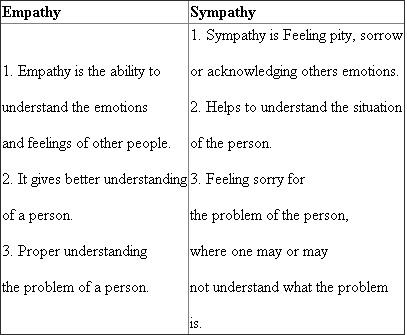
Communication is successful only if the message decoded by the receiver is same as the one sent by the communicator. Every individual has their own set of perceptions about different things. An empathetic communicator understands it and creates the message to which receiver can easily relate hence making the process more effective.
Difference between the Empathy and Sympathy
3
How does perception and audience analysis affect the communication process? What factors about the audience should you consider?
The first factor that affects the decoding of the message by a receiver is perception. People see things and filter it the way they can relate it to their perception. The audience analysis helps the communicator to create the messages that is suitable for the targeted audience and less influenced by their perception or a message that they can relate to.
Factors that help to build the perception of the individual are -
1. Age: People have different thought process at different stage of their life, having different perception at different age.
2. Economic level: Economic status of person influence the perception of the individuals. A person earning enough only to meet his ends will consider gym as a luxury, whereas a person earning more than that may consider going gym as a necessity.
3. Educational occupational background: The person with more exposure to world either due to education or occupation is more flexible. Their perceptions about things are more floating rather than fixed.
4. Need and concern of the individual: Need and concern force persons to change their perceptions. A person who is in need of some thing may have a favourable perception about the thing.
5. Culture: Culture is the first factor which has influenced the perception of the individual; people learn from culture over the year and make strong thoughts about the things.
6. Rapport: A sensitive message prepared for a long time client may significantly differ from a newly acquired client. The rapport created by the previous dealings with the recipient aids understanding in a current situation.
7. Expectation: Difference In expectation changes peoples thought over the things, a person with high standards and perfection will expect the message to be of the same quality.
Age: Age is the factor that I would consider to analyse briefly before creating the message. People with different influences can learn and unlearn to perceptions and thought they have. But relating things according to the age of a person cannot be changed.
For example: A person aged 45 cannot attract for the message with jingles in it
Factors that help to build the perception of the individual are -
1. Age: People have different thought process at different stage of their life, having different perception at different age.
2. Economic level: Economic status of person influence the perception of the individuals. A person earning enough only to meet his ends will consider gym as a luxury, whereas a person earning more than that may consider going gym as a necessity.
3. Educational occupational background: The person with more exposure to world either due to education or occupation is more flexible. Their perceptions about things are more floating rather than fixed.
4. Need and concern of the individual: Need and concern force persons to change their perceptions. A person who is in need of some thing may have a favourable perception about the thing.
5. Culture: Culture is the first factor which has influenced the perception of the individual; people learn from culture over the year and make strong thoughts about the things.
6. Rapport: A sensitive message prepared for a long time client may significantly differ from a newly acquired client. The rapport created by the previous dealings with the recipient aids understanding in a current situation.
7. Expectation: Difference In expectation changes peoples thought over the things, a person with high standards and perfection will expect the message to be of the same quality.
Age: Age is the factor that I would consider to analyse briefly before creating the message. People with different influences can learn and unlearn to perceptions and thought they have. But relating things according to the age of a person cannot be changed.
For example: A person aged 45 cannot attract for the message with jingles in it
4
Explain what is meant by writing to express and not to impress.
فتح الحزمة
افتح القفل للوصول البطاقات البالغ عددها 13 في هذه المجموعة.
فتح الحزمة
k this deck
5
What differences in the ideals of the older and younger generations may explain communication clashes between these groups in the workplace? (Objs. 2, 3)
فتح الحزمة
افتح القفل للوصول البطاقات البالغ عددها 13 في هذه المجموعة.
فتح الحزمة
k this deck
6
How can you ensure quality in a collaboratively written document? Perhaps someone on your team makes unnecessary additions or questionable edits such as revising to make the document "sound more professional" while sacrificing clarity. What would you do?
فتح الحزمة
افتح القفل للوصول البطاقات البالغ عددها 13 في هذه المجموعة.
فتح الحزمة
k this deck
7
What value is gained from cultivating a "you attitude" in spoken and written messages? Give an example of a writer- and a reader-centered message to make your point.
فتح الحزمة
افتح القفل للوصول البطاقات البالغ عددها 13 في هذه المجموعة.
فتح الحزمة
k this deck
8
Discuss five writing techniques that enable communicators to build and protect goodwill.
فتح الحزمة
افتح القفل للوصول البطاقات البالغ عددها 13 في هذه المجموعة.
فتح الحزمة
k this deck
9
When is the use of a euphemism appropriate? When is it detrimental? Under what conditions are connotative words acceptable? Why are specific words generally preferred in business writing and speaking? In what situations would general words be preferred?
فتح الحزمة
افتح القفل للوصول البطاقات البالغ عددها 13 في هذه المجموعة.
فتح الحزمة
k this deck
10
Provide five guidelines for projecting a positive, tactful tone.
فتح الحزمة
افتح القفل للوصول البطاقات البالغ عددها 13 في هذه المجموعة.
فتح الحزمة
k this deck
11
Why is conciseness valued in business communication? Provide at least three suggestions for reducing word count without sacrificing content.
فتح الحزمة
افتح القفل للوصول البطاقات البالغ عددها 13 في هذه المجموعة.
فتح الحزمة
k this deck
12
What primary benefits does the writer gain from outlining before writing or speaking? How does the receiver benefit?
فتح الحزمة
افتح القفل للوصول البطاقات البالغ عددها 13 في هذه المجموعة.
فتح الحزمة
k this deck
13
What three questions assist a communicator in the decision to organize a message deductively or inductively?
فتح الحزمة
افتح القفل للوصول البطاقات البالغ عددها 13 في هذه المجموعة.
فتح الحزمة
k this deck
فتح الحزمة
افتح القفل للوصول البطاقات البالغ عددها 13 في هذه المجموعة.






