







 تكلم مع الذكاء الاصطناعي


Deck 7: Haloalkanes
ملء الشاشة (f)

سؤال
Arrange the nucleophiles in order of increasing reactivity (least reactive first).
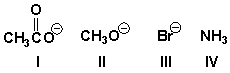
A) III, II, I, IV
B) IV, I, II, III
C) I, III, II, IV
D) III, I, IV, II
A) III, II, I, IV
B) IV, I, II, III
C) I, III, II, IV
D) III, I, IV, II

سؤال
سؤال
Which of the following structures have correct common names?
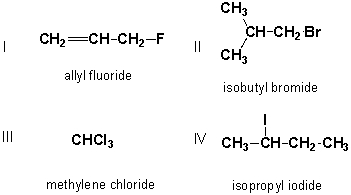
A) I, II
B) III, IV
C) I, III
D) II, IV
A) I, II
B) III, IV
C) I, III
D) II, IV
سؤال
Which of the following haloalkanes is prepared from the following reaction?
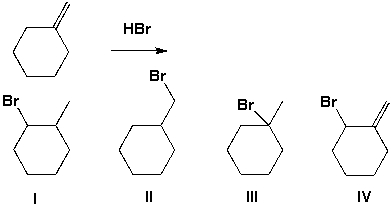
A) I
B) II
C) III
D) IV
A) I
B) II
C) III
D) IV
سؤال
Which of the reactions below are most likely to be SN2 reactions?
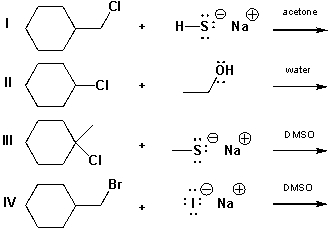
A) I, II
B) II, III
C) III, IV
D) I, IV
A) I, II
B) II, III
C) III, IV
D) I, IV
سؤال
Which of the following structures have the correct IUPAC names?
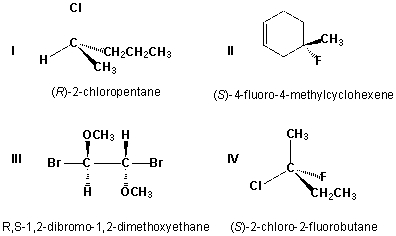
A) I, II
B) III, IV
C) I, III
D) II, IV
A) I, II
B) III, IV
C) I, III
D) II, IV
سؤال
Which of the following halides is prepared from the following reaction?
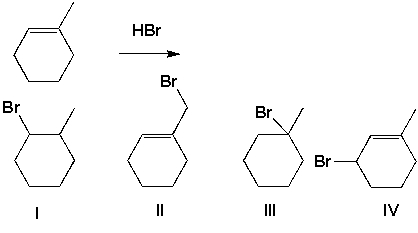
A) I
B) II
C) III
D) IV
A) I
B) II
C) III
D) IV
سؤال
Arrange the leaving groups in order of increasing leaving group ability (least reactive first).
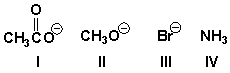
A) I, III, II, IV
B) III, I, IV, II
C) IV, II, I, III
D) IV, III, II, I
A) I, III, II, IV
B) III, I, IV, II
C) IV, II, I, III
D) IV, III, II, I
سؤال
Arrange the leaving groups in order of increasing leaving group ability (least first).
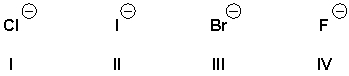
A) IV, I, III, II
B) III, I, IV, II
C) II, IV, I, III
D) II, III, I, IV
A) IV, I, III, II
B) III, I, IV, II
C) II, IV, I, III
D) II, III, I, IV
سؤال
سؤال
Which compounds are primary haloalkanes?

A) I, II
B) III, IV
C) II, III
D) I, IV
A) I, II
B) III, IV
C) II, III
D) I, IV
سؤال
Which of the reactions below are most likely to be SN1 reactions?
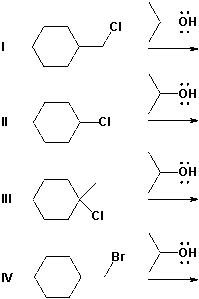
A) I, II
B) II, III
C) III, IV
D) I, IV
A) I, II
B) II, III
C) III, IV
D) I, IV
سؤال
Which compounds are tertiary haloalkanes?
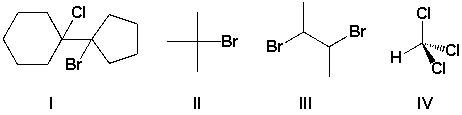
A) I and II
B) II and III
C) III and IV
D) II and IV
A) I and II
B) II and III
C) III and IV
D) II and IV
سؤال
سؤال
Arrange the nucleophiles in order of increasing reactivity (least reactive first).
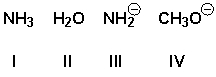
A) I, IV, II, III
B) IV, II, I, III
C) II, I, IV, III
D) IV, III, I, II
A) I, IV, II, III
B) IV, II, I, III
C) II, I, IV, III
D) IV, III, I, II
سؤال
Arrange the haloalkanes in order of increasing reactivity in an SN2 reaction with KI in acetone (least first).

A) I, IV, III, II
B) IV, I, III, II
C) II, III, I, IV
D) III, II, IV, I
A) I, IV, III, II
B) IV, I, III, II
C) II, III, I, IV
D) III, II, IV, I
سؤال
Which compounds are secondary haloalkanes?
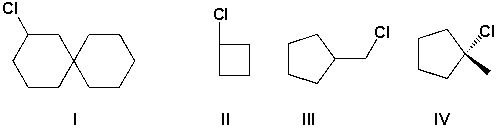
A) I and III
B) II and III
C) I and II
D) II and IV
A) I and III
B) II and III
C) I and II
D) II and IV
سؤال
سؤال
Which of the following halides is prepared from the following reaction?
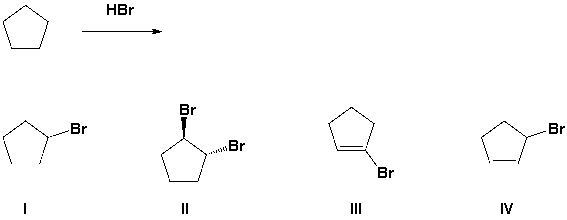
A) I
B) II
C) III
D) IV
A) I
B) II
C) III
D) IV
سؤال
Arrange the haloalkanes in order of increasing rate of solvolysis (slowest first) in ethanol.
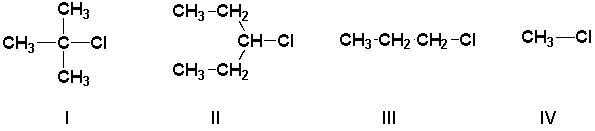
A) IV, III, II, I
B) I, II, III, IV
C) III, II, I, IV
D) II, III, I, IV
A) IV, III, II, I
B) I, II, III, IV
C) III, II, I, IV
D) II, III, I, IV
سؤال
Which reaction below should give the best yield of isopropyl methyl ether?
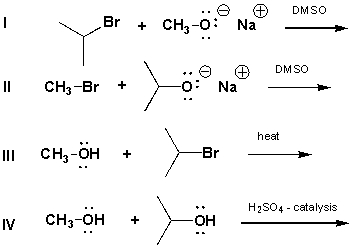
A) I
B) II
C) III
D) IV
A) I
B) II
C) III
D) IV
سؤال
Which nucleophilic substitution reaction will proceed?
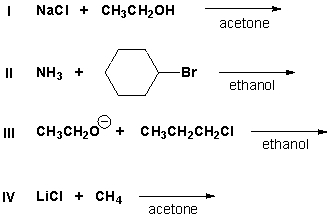
A) I
B) II
C) III
D) IV
A) I
B) II
C) III
D) IV
سؤال
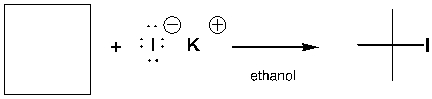
The starting material needed to complete the following reaction is,
سؤال
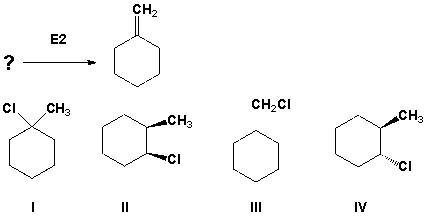
Which of the following alkyl halides yields the product shown as the only possible product of an E2 reaction?"
A) I
B) II
C) III
D) IV
A) I
B) II
C) III
D) IV
سؤال
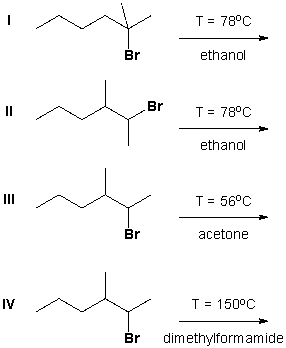
Which reaction proceeds according to an E1 mechanism?
A) I
B) II
C) III
D) IV
A) I
B) II
C) III
D) IV
سؤال
سؤال
سؤال
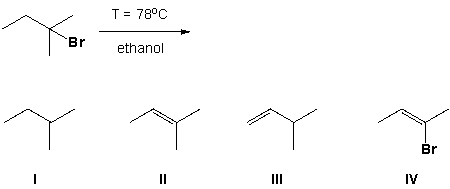
What products are formed in the E2 reaction shown below?
A) I and II
B) II and III
C) III and IV
D) II and IV
A) I and II
B) II and III
C) III and IV
D) II and IV
سؤال
The major product of the following reaction is,
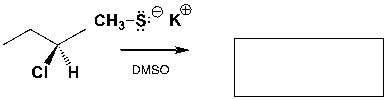
سؤال
Which reactions will proceed with inversion of configuration?
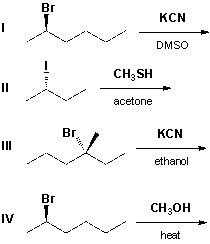
A) I, II
B) III, IV
C) II, III
D) I, IV
A) I, II
B) III, IV
C) II, III
D) I, IV
سؤال
سؤال
What product is formed in the E1 reaction shown below?
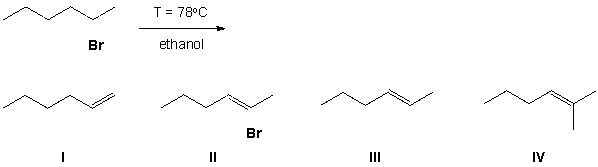
A) I
B) II
C) III
D) IV
A) I
B) II
C) III
D) IV
سؤال
سؤال
1-bromo-4-(bromomethyl)cyclohexane reacts with potassium methoxide in methanol. What is the chemical structure of the product that is formed at room temperature?

سؤال
Which reaction below proceeds via an E2 mechanism?
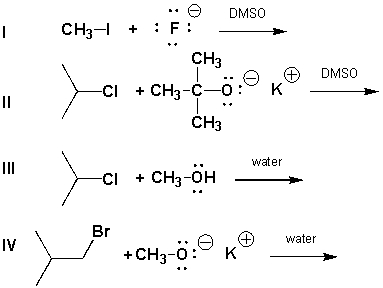
A) I
B) II
C) III
D) IV
A) I
B) II
C) III
D) IV
سؤال
The starting material needed to complete the following reaction is,
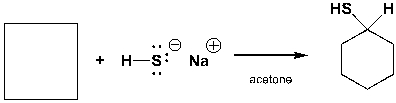
سؤال
The major products of the following reaction are,

سؤال
سؤال
Which reactions proceed according to an E2 mechanism?
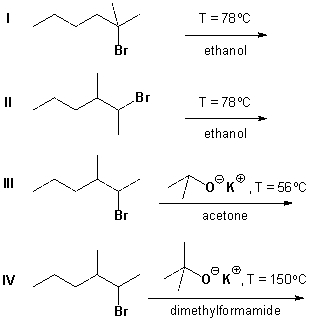
A) I and II
B) II and III
C) III and IV
D) I and IV
A) I and II
B) II and III
C) III and IV
D) I and IV
سؤال
Which of the reactions below is most likely to proceed via an SN1 mechanism?
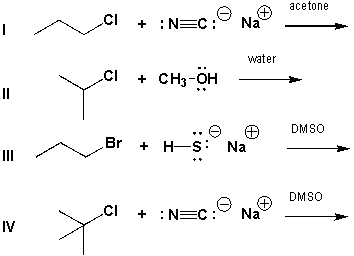
A) I
B) II
C) III
D) IV
A) I
B) II
C) III
D) IV
سؤال
The following nucleophiles are listed in decreasing order of SN2 reactivity.

سؤال
The name of the following compound is (4R, 2E) - 4-bromo-2-pentene.
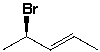
سؤال
The major products of the following reaction are,

سؤال
1-bromo-4-(bromomethyl)cyclohexane reacts with potassium methylthiolate in dimethylsulfoxide. Draw the chemical structure of the product that is formed at room temperature?

سؤال
The alkyl halides below are listed in decreasing order of SN1 reactivity.

سؤال
سؤال
The reagent needed to complete the following reaction is,
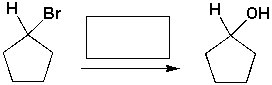
سؤال
سؤال
سؤال
1-chloro-4-(chloromethyl)cyclohexane reacts if heated until HCl leaves the molecule. What is the chemical structure of the product?

سؤال
1-Chloro-4-(chloromethyl)cyclohexane reacts with two molecules of potassium-tert-butoxide in dimethylformamide. What are the two intermediate reaction products and the final reaction product formed?

سؤال
The alkyl halides below are listed in decreasing order of SN2 reactivity.

سؤال
The name of the following compound is cis- (1R,2S)-1-chloro-2-bromocyclohexane.

سؤال
The reagent needed to complete the following reaction is,
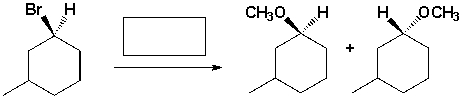
سؤال
The reagent needed to complete the following reaction is,

سؤال
سؤال
Major substitution and elimination products of the following reaction are:
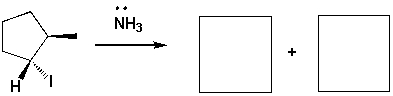
سؤال
The following nucleophiles are listed in decreasing order of SN2 reactivity.
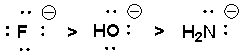

فتح الحزمة
قم بالتسجيل لفتح البطاقات في هذه المجموعة!
Unlock Deck
Unlock Deck
1/58

العب

ملء الشاشة (f)
Deck 7: Haloalkanes
1
Arrange the nucleophiles in order of increasing reactivity (least reactive first).
A) III, II, I, IV
B) IV, I, II, III
C) I, III, II, IV
D) III, I, IV, II
A) III, II, I, IV
B) IV, I, II, III
C) I, III, II, IV
D) III, I, IV, II
III, I, IV, II
2
Which is the best reaction condition for preparing 2-iodohexane from 1-hexene?
A) I2 / CCl4
B) HI
C) NaI
D) HIO4
A) I2 / CCl4
B) HI
C) NaI
D) HIO4
HI
3
Which of the following structures have correct common names?
A) I, II
B) III, IV
C) I, III
D) II, IV
A) I, II
B) III, IV
C) I, III
D) II, IV
I, II
4
Which of the following haloalkanes is prepared from the following reaction?
A) I
B) II
C) III
D) IV
A) I
B) II
C) III
D) IV
فتح الحزمة
افتح القفل للوصول البطاقات البالغ عددها 58 في هذه المجموعة.
فتح الحزمة
k this deck
5
Which of the reactions below are most likely to be SN2 reactions?
A) I, II
B) II, III
C) III, IV
D) I, IV
A) I, II
B) II, III
C) III, IV
D) I, IV
فتح الحزمة
افتح القفل للوصول البطاقات البالغ عددها 58 في هذه المجموعة.
فتح الحزمة
k this deck
6
Which of the following structures have the correct IUPAC names?
A) I, II
B) III, IV
C) I, III
D) II, IV
A) I, II
B) III, IV
C) I, III
D) II, IV
فتح الحزمة
افتح القفل للوصول البطاقات البالغ عددها 58 في هذه المجموعة.
فتح الحزمة
k this deck
7
Which of the following halides is prepared from the following reaction?
A) I
B) II
C) III
D) IV
A) I
B) II
C) III
D) IV
فتح الحزمة
افتح القفل للوصول البطاقات البالغ عددها 58 في هذه المجموعة.
فتح الحزمة
k this deck
8
Arrange the leaving groups in order of increasing leaving group ability (least reactive first).
A) I, III, II, IV
B) III, I, IV, II
C) IV, II, I, III
D) IV, III, II, I
A) I, III, II, IV
B) III, I, IV, II
C) IV, II, I, III
D) IV, III, II, I
فتح الحزمة
افتح القفل للوصول البطاقات البالغ عددها 58 في هذه المجموعة.
فتح الحزمة
k this deck
9
Arrange the leaving groups in order of increasing leaving group ability (least first).
A) IV, I, III, II
B) III, I, IV, II
C) II, IV, I, III
D) II, III, I, IV
A) IV, I, III, II
B) III, I, IV, II
C) II, IV, I, III
D) II, III, I, IV
فتح الحزمة
افتح القفل للوصول البطاقات البالغ عددها 58 في هذه المجموعة.
فتح الحزمة
k this deck
10
Which statements apply to an SN2 reaction?
I. The rate limiting step of the reaction involves the alkyl halide and the nucleophile.
II. The order of reactivity is methyl > 1°>2°>3°.
III. The rate limiting step of the reaction involves only the alkyl halide.
IV. There is an intermediate carbocation.
A) I, II
B) III, IV
C) I, IV
D) II, IV
I. The rate limiting step of the reaction involves the alkyl halide and the nucleophile.
II. The order of reactivity is methyl > 1°>2°>3°.
III. The rate limiting step of the reaction involves only the alkyl halide.
IV. There is an intermediate carbocation.
A) I, II
B) III, IV
C) I, IV
D) II, IV
فتح الحزمة
افتح القفل للوصول البطاقات البالغ عددها 58 في هذه المجموعة.
فتح الحزمة
k this deck
11
Which compounds are primary haloalkanes?
A) I, II
B) III, IV
C) II, III
D) I, IV
A) I, II
B) III, IV
C) II, III
D) I, IV
فتح الحزمة
افتح القفل للوصول البطاقات البالغ عددها 58 في هذه المجموعة.
فتح الحزمة
k this deck
12
Which of the reactions below are most likely to be SN1 reactions?
A) I, II
B) II, III
C) III, IV
D) I, IV
A) I, II
B) II, III
C) III, IV
D) I, IV
فتح الحزمة
افتح القفل للوصول البطاقات البالغ عددها 58 في هذه المجموعة.
فتح الحزمة
k this deck
13
Which compounds are tertiary haloalkanes?
A) I and II
B) II and III
C) III and IV
D) II and IV
A) I and II
B) II and III
C) III and IV
D) II and IV
فتح الحزمة
افتح القفل للوصول البطاقات البالغ عددها 58 في هذه المجموعة.
فتح الحزمة
k this deck
14
Which statements apply to an SN1 reaction?
I. The rate limiting step of the reaction involves the alkyl halide and the nucleophile.
II. The order of reactivity is methyl < 1°< 2° < 3°.
III. The rate limiting step of the reaction involves only the alkyl halide.
IV. There is an intermediate carbocation.
A) I, II
B) III, IV
C) I, IV
D) II, III
I. The rate limiting step of the reaction involves the alkyl halide and the nucleophile.
II. The order of reactivity is methyl < 1°< 2° < 3°.
III. The rate limiting step of the reaction involves only the alkyl halide.
IV. There is an intermediate carbocation.
A) I, II
B) III, IV
C) I, IV
D) II, III
فتح الحزمة
افتح القفل للوصول البطاقات البالغ عددها 58 في هذه المجموعة.
فتح الحزمة
k this deck
15
Arrange the nucleophiles in order of increasing reactivity (least reactive first).
A) I, IV, II, III
B) IV, II, I, III
C) II, I, IV, III
D) IV, III, I, II
A) I, IV, II, III
B) IV, II, I, III
C) II, I, IV, III
D) IV, III, I, II
فتح الحزمة
افتح القفل للوصول البطاقات البالغ عددها 58 في هذه المجموعة.
فتح الحزمة
k this deck
16
Arrange the haloalkanes in order of increasing reactivity in an SN2 reaction with KI in acetone (least first).
A) I, IV, III, II
B) IV, I, III, II
C) II, III, I, IV
D) III, II, IV, I
A) I, IV, III, II
B) IV, I, III, II
C) II, III, I, IV
D) III, II, IV, I
فتح الحزمة
افتح القفل للوصول البطاقات البالغ عددها 58 في هذه المجموعة.
فتح الحزمة
k this deck
17
Which compounds are secondary haloalkanes?
A) I and III
B) II and III
C) I and II
D) II and IV
A) I and III
B) II and III
C) I and II
D) II and IV
فتح الحزمة
افتح القفل للوصول البطاقات البالغ عددها 58 في هذه المجموعة.
فتح الحزمة
k this deck
18
Which of the following compounds are secondary haloalkanes?
I. Isobutyl bromide
II. 2-iodobutane
III. isopropyl fluoride
IV. neopentyl chloride
A) I, II
B) III, IV
C) II, III
D) I, IV
I. Isobutyl bromide
II. 2-iodobutane
III. isopropyl fluoride
IV. neopentyl chloride
A) I, II
B) III, IV
C) II, III
D) I, IV
فتح الحزمة
افتح القفل للوصول البطاقات البالغ عددها 58 في هذه المجموعة.
فتح الحزمة
k this deck
19
Which of the following halides is prepared from the following reaction?
A) I
B) II
C) III
D) IV
A) I
B) II
C) III
D) IV
فتح الحزمة
افتح القفل للوصول البطاقات البالغ عددها 58 في هذه المجموعة.
فتح الحزمة
k this deck
20
Arrange the haloalkanes in order of increasing rate of solvolysis (slowest first) in ethanol.
A) IV, III, II, I
B) I, II, III, IV
C) III, II, I, IV
D) II, III, I, IV
A) IV, III, II, I
B) I, II, III, IV
C) III, II, I, IV
D) II, III, I, IV
فتح الحزمة
افتح القفل للوصول البطاقات البالغ عددها 58 في هذه المجموعة.
فتح الحزمة
k this deck
21
Which reaction below should give the best yield of isopropyl methyl ether?
A) I
B) II
C) III
D) IV
A) I
B) II
C) III
D) IV
فتح الحزمة
افتح القفل للوصول البطاقات البالغ عددها 58 في هذه المجموعة.
فتح الحزمة
k this deck
22
Which nucleophilic substitution reaction will proceed?
A) I
B) II
C) III
D) IV
A) I
B) II
C) III
D) IV
فتح الحزمة
افتح القفل للوصول البطاقات البالغ عددها 58 في هذه المجموعة.
فتح الحزمة
k this deck
23
The starting material needed to complete the following reaction is,
فتح الحزمة
افتح القفل للوصول البطاقات البالغ عددها 58 في هذه المجموعة.
فتح الحزمة
k this deck
24
Which of the following alkyl halides yields the product shown as the only possible product of an E2 reaction?"
A) I
B) II
C) III
D) IV
A) I
B) II
C) III
D) IV
فتح الحزمة
افتح القفل للوصول البطاقات البالغ عددها 58 في هذه المجموعة.
فتح الحزمة
k this deck
25
Which reaction proceeds according to an E1 mechanism?
A) I
B) II
C) III
D) IV
A) I
B) II
C) III
D) IV
فتح الحزمة
افتح القفل للوصول البطاقات البالغ عددها 58 في هذه المجموعة.
فتح الحزمة
k this deck
26
Which solvents are polar protic?
I. ethanol
II. hexane
III. DMSO
IV. water
A) III, IV
B) II, III
C) I, IV
D) I, III
I. ethanol
II. hexane
III. DMSO
IV. water
A) III, IV
B) II, III
C) I, IV
D) I, III
فتح الحزمة
افتح القفل للوصول البطاقات البالغ عددها 58 في هذه المجموعة.
فتح الحزمة
k this deck
27
Which solvents are nonpolar (apolar)?
I. DMSO
II. pentane
III. methanol
IV. diethyl ether
A) II, III
B) III, IV
C) I, III
D) II, IV
I. DMSO
II. pentane
III. methanol
IV. diethyl ether
A) II, III
B) III, IV
C) I, III
D) II, IV
فتح الحزمة
افتح القفل للوصول البطاقات البالغ عددها 58 في هذه المجموعة.
فتح الحزمة
k this deck
28
What products are formed in the E2 reaction shown below?
A) I and II
B) II and III
C) III and IV
D) II and IV
A) I and II
B) II and III
C) III and IV
D) II and IV
فتح الحزمة
افتح القفل للوصول البطاقات البالغ عددها 58 في هذه المجموعة.
فتح الحزمة
k this deck
29
The major product of the following reaction is,
فتح الحزمة
افتح القفل للوصول البطاقات البالغ عددها 58 في هذه المجموعة.
فتح الحزمة
k this deck
30
Which reactions will proceed with inversion of configuration?
A) I, II
B) III, IV
C) II, III
D) I, IV
A) I, II
B) III, IV
C) II, III
D) I, IV
فتح الحزمة
افتح القفل للوصول البطاقات البالغ عددها 58 في هذه المجموعة.
فتح الحزمة
k this deck
31
What is the major product from an elimination reaction starting with 2-bromopentane?
A) 1-pentene
B) cis-2-pentene
C) trans-2-pentene
D) a mixture of cis and trans-2-pentene
A) 1-pentene
B) cis-2-pentene
C) trans-2-pentene
D) a mixture of cis and trans-2-pentene
فتح الحزمة
افتح القفل للوصول البطاقات البالغ عددها 58 في هذه المجموعة.
فتح الحزمة
k this deck
32
What product is formed in the E1 reaction shown below?
A) I
B) II
C) III
D) IV
A) I
B) II
C) III
D) IV
فتح الحزمة
افتح القفل للوصول البطاقات البالغ عددها 58 في هذه المجموعة.
فتح الحزمة
k this deck
33
Which solvents are polar aprotic?
I. DMSO
II. H2O
III. Acetone
IV. Formic acid
A) II, III
B) III, IV
C) I, III
D) II, IV
I. DMSO
II. H2O
III. Acetone
IV. Formic acid
A) II, III
B) III, IV
C) I, III
D) II, IV
فتح الحزمة
افتح القفل للوصول البطاقات البالغ عددها 58 في هذه المجموعة.
فتح الحزمة
k this deck
34
1-bromo-4-(bromomethyl)cyclohexane reacts with potassium methoxide in methanol. What is the chemical structure of the product that is formed at room temperature?
فتح الحزمة
افتح القفل للوصول البطاقات البالغ عددها 58 في هذه المجموعة.
فتح الحزمة
k this deck
35
Which reaction below proceeds via an E2 mechanism?
A) I
B) II
C) III
D) IV
A) I
B) II
C) III
D) IV
فتح الحزمة
افتح القفل للوصول البطاقات البالغ عددها 58 في هذه المجموعة.
فتح الحزمة
k this deck
36
The starting material needed to complete the following reaction is,
فتح الحزمة
افتح القفل للوصول البطاقات البالغ عددها 58 في هذه المجموعة.
فتح الحزمة
k this deck
37
The major products of the following reaction are,
فتح الحزمة
افتح القفل للوصول البطاقات البالغ عددها 58 في هذه المجموعة.
فتح الحزمة
k this deck
38
Which statement or statements is/are true for an E1 reaction?
I. The rate limiting step of the reaction involves only the alkyl halide.
II. The rate limiting step of the reaction involves the alkyl halide and the base.
III. There is an intermediate carbocation.
IV. The order of reactivity is 1°>2°>3°.
A) I, III
B) II
C) I, III, IV
D) II, IV
I. The rate limiting step of the reaction involves only the alkyl halide.
II. The rate limiting step of the reaction involves the alkyl halide and the base.
III. There is an intermediate carbocation.
IV. The order of reactivity is 1°>2°>3°.
A) I, III
B) II
C) I, III, IV
D) II, IV
فتح الحزمة
افتح القفل للوصول البطاقات البالغ عددها 58 في هذه المجموعة.
فتح الحزمة
k this deck
39
Which reactions proceed according to an E2 mechanism?
A) I and II
B) II and III
C) III and IV
D) I and IV
A) I and II
B) II and III
C) III and IV
D) I and IV
فتح الحزمة
افتح القفل للوصول البطاقات البالغ عددها 58 في هذه المجموعة.
فتح الحزمة
k this deck
40
Which of the reactions below is most likely to proceed via an SN1 mechanism?
A) I
B) II
C) III
D) IV
A) I
B) II
C) III
D) IV
فتح الحزمة
افتح القفل للوصول البطاقات البالغ عددها 58 في هذه المجموعة.
فتح الحزمة
k this deck
41
The following nucleophiles are listed in decreasing order of SN2 reactivity.
فتح الحزمة
افتح القفل للوصول البطاقات البالغ عددها 58 في هذه المجموعة.
فتح الحزمة
k this deck
42
The name of the following compound is (4R, 2E) - 4-bromo-2-pentene.
فتح الحزمة
افتح القفل للوصول البطاقات البالغ عددها 58 في هذه المجموعة.
فتح الحزمة
k this deck
43
The major products of the following reaction are,
فتح الحزمة
افتح القفل للوصول البطاقات البالغ عددها 58 في هذه المجموعة.
فتح الحزمة
k this deck
44
1-bromo-4-(bromomethyl)cyclohexane reacts with potassium methylthiolate in dimethylsulfoxide. Draw the chemical structure of the product that is formed at room temperature?
فتح الحزمة
افتح القفل للوصول البطاقات البالغ عددها 58 في هذه المجموعة.
فتح الحزمة
k this deck
45
The alkyl halides below are listed in decreasing order of SN1 reactivity.
فتح الحزمة
افتح القفل للوصول البطاقات البالغ عددها 58 في هذه المجموعة.
فتح الحزمة
k this deck
46
The major product of the reaction of bromocyclohexane and potassium tert-butoxide in water is an ether.
فتح الحزمة
افتح القفل للوصول البطاقات البالغ عددها 58 في هذه المجموعة.
فتح الحزمة
k this deck
47
The reagent needed to complete the following reaction is,
فتح الحزمة
افتح القفل للوصول البطاقات البالغ عددها 58 في هذه المجموعة.
فتح الحزمة
k this deck
48
The major product of the reaction of R-2-bromobutane with potassium cyanide in acetone is S-2-methylbutanenitrile
فتح الحزمة
افتح القفل للوصول البطاقات البالغ عددها 58 في هذه المجموعة.
فتح الحزمة
k this deck
49
The major product of the reaction of R-2-bromobutane with water is a racemic alcohol.
فتح الحزمة
افتح القفل للوصول البطاقات البالغ عددها 58 في هذه المجموعة.
فتح الحزمة
k this deck
50
1-chloro-4-(chloromethyl)cyclohexane reacts if heated until HCl leaves the molecule. What is the chemical structure of the product?
فتح الحزمة
افتح القفل للوصول البطاقات البالغ عددها 58 في هذه المجموعة.
فتح الحزمة
k this deck
51
1-Chloro-4-(chloromethyl)cyclohexane reacts with two molecules of potassium-tert-butoxide in dimethylformamide. What are the two intermediate reaction products and the final reaction product formed?
فتح الحزمة
افتح القفل للوصول البطاقات البالغ عددها 58 في هذه المجموعة.
فتح الحزمة
k this deck
52
The alkyl halides below are listed in decreasing order of SN2 reactivity.
فتح الحزمة
افتح القفل للوصول البطاقات البالغ عددها 58 في هذه المجموعة.
فتح الحزمة
k this deck
53
The name of the following compound is cis- (1R,2S)-1-chloro-2-bromocyclohexane.
فتح الحزمة
افتح القفل للوصول البطاقات البالغ عددها 58 في هذه المجموعة.
فتح الحزمة
k this deck
54
The reagent needed to complete the following reaction is,
فتح الحزمة
افتح القفل للوصول البطاقات البالغ عددها 58 في هذه المجموعة.
فتح الحزمة
k this deck
55
The reagent needed to complete the following reaction is,
فتح الحزمة
افتح القفل للوصول البطاقات البالغ عددها 58 في هذه المجموعة.
فتح الحزمة
k this deck
56
Polar aprotic solvents favor SN1 reactions.
فتح الحزمة
افتح القفل للوصول البطاقات البالغ عددها 58 في هذه المجموعة.
فتح الحزمة
k this deck
57
Major substitution and elimination products of the following reaction are:
فتح الحزمة
افتح القفل للوصول البطاقات البالغ عددها 58 في هذه المجموعة.
فتح الحزمة
k this deck
58
The following nucleophiles are listed in decreasing order of SN2 reactivity.
فتح الحزمة
افتح القفل للوصول البطاقات البالغ عددها 58 في هذه المجموعة.
فتح الحزمة
k this deck
فتح الحزمة
افتح القفل للوصول البطاقات البالغ عددها 58 في هذه المجموعة.






