







 تكلم مع الذكاء الاصطناعي


Deck 22: Metabolic Pathways for Carbohydrates
ملء الشاشة (f)

سؤال

سؤال
 participates in reactions that produce
A) a
 group.
B) a
 bond.
bond.C) ADP from ATP.
D) phosphorylation.
E) a
 bond.
bond. سؤال
What coenzyme is used in the following reaction? 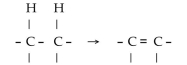
A)
B) NADH
C)
D) FAD
E) FMN
A)
B) NADH
C)
D) FAD
E) FMN
سؤال
Which coenzyme is used in the following reaction? 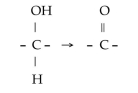
A)
B) FMN
C) NADH
D) FAD
E)
A)
B) FMN
C) NADH
D) FAD
E)
سؤال
The hydrolysis of ADP to give AMP and  releases approximately the same amount of energy as
A)
B) glucose oxidation.
C) sucrose breakdown.
D) protein digestion.
E) glycogen production.
releases approximately the same amount of energy asA)
B) glucose oxidation.
C) sucrose breakdown.
D) protein digestion.
E) glycogen production.
سؤال
سؤال
سؤال
سؤال
سؤال
سؤال
سؤال
سؤال
سؤال
سؤال
سؤال
سؤال
سؤال
سؤال
سؤال
سؤال
سؤال
سؤال
سؤال
سؤال
سؤال
سؤال
سؤال
سؤال
سؤال
سؤال
سؤال
Under aerobic conditions, pyruvate produces
A) acetyl CoA.
B)
C) ethanol.
D) carbon dioxide.
E) ethanal.
A) acetyl CoA.
B)
C) ethanol.
D) carbon dioxide.
E) ethanal.
سؤال
FAD is a coenzyme which usually participates in
A) oxidation of alcohols to aldehydes.
B) decarboxylation reactions.
C) phosphorylation reactions.
D) formation of carbon-carbon double bonds.
E)
A) oxidation of alcohols to aldehydes.
B) decarboxylation reactions.
C) phosphorylation reactions.
D) formation of carbon-carbon double bonds.
E)
سؤال
سؤال
سؤال
سؤال
سؤال
سؤال
The portion of coenzyme A that reacts with potential substrates is
A) a group.
B) an alcohol group.
C) an acid group.
D) a thiol group.
E) an amino group.
A) a
group.B) an alcohol group.
C) an acid group.
D) a thiol group.
E) an amino group.
سؤال
سؤال
سؤال
سؤال
سؤال
سؤال
سؤال
سؤال
سؤال
سؤال
سؤال
سؤال
سؤال
The production of ethanol from glucose is termed
A) dehydrogenation
B)
C) glycolysis
D) gluconeogenesis
E) fermentation
A) dehydrogenation
B)
C) glycolysis
D) gluconeogenesis
E) fermentation
سؤال
سؤال
سؤال
سؤال
سؤال
The term that refers to all of the chemical reactions in living cells is ____
A) anabolism
B) metabolism
C)
D) glycolysis
E) catabolism
A) anabolism
B) metabolism
C)
D) glycolysis
E) catabolism
سؤال

فتح الحزمة
قم بالتسجيل لفتح البطاقات في هذه المجموعة!
Unlock Deck
Unlock Deck
1/58

العب

ملء الشاشة (f)
Deck 22: Metabolic Pathways for Carbohydrates
1
The first stage of catabolism is
A)digestion of large molecules.
B)the citric acid cycle.
C)production of acetyl CoA.
D)production of pyruvate.
E)buildup of macromolecules from monomers.
A)digestion of large molecules.
B)the citric acid cycle.
C)production of acetyl CoA.
D)production of pyruvate.
E)buildup of macromolecules from monomers.
digestion of large molecules.
2
participates in reactions that produceA) a
group.B) a
bond.C) ADP from ATP.
D) phosphorylation.
E) a
bond.a bond.
bond. 3
What coenzyme is used in the following reaction?
A)
B) NADH
C)
D) FAD
E) FMN
A)
B) NADH
C)
D) FAD
E) FMN
FAD
4
Which coenzyme is used in the following reaction?
A)
B) FMN
C) NADH
D) FAD
E)
A)
B) FMN
C) NADH
D) FAD
E)
فتح الحزمة
افتح القفل للوصول البطاقات البالغ عددها 58 في هذه المجموعة.
فتح الحزمة
k this deck
5
The hydrolysis of ADP to give AMP and releases approximately the same amount of energy as
A)
B) glucose oxidation.
C) sucrose breakdown.
D) protein digestion.
E) glycogen production.
releases approximately the same amount of energy asA)
B) glucose oxidation.
C) sucrose breakdown.
D) protein digestion.
E) glycogen production.
فتح الحزمة
افتح القفل للوصول البطاقات البالغ عددها 58 في هذه المجموعة.
فتح الحزمة
k this deck
6
NAD+ stands for the coenzyme
A)nicotinamide adenine dinucleotide.
B)niacin adenine dinucleotide.
C)nicotinic acid diphosphate.
D)nicotine adenosine dinucleotide.
E)nicotinamide diphosphate.
A)nicotinamide adenine dinucleotide.
B)niacin adenine dinucleotide.
C)nicotinic acid diphosphate.
D)nicotine adenosine dinucleotide.
E)nicotinamide diphosphate.
فتح الحزمة
افتح القفل للوصول البطاقات البالغ عددها 58 في هذه المجموعة.
فتح الحزمة
k this deck
7
Overall, catabolic reactions
A)occur outside the cell membrane.
B)take in energy.
C)occur mainly in the liver.
D)release energy.
E)take place in the nucleus of the cell.
A)occur outside the cell membrane.
B)take in energy.
C)occur mainly in the liver.
D)release energy.
E)take place in the nucleus of the cell.
فتح الحزمة
افتح القفل للوصول البطاقات البالغ عددها 58 في هذه المجموعة.
فتح الحزمة
k this deck
8
Which of the following does NOT require energy from ATP hydrolysis?
A)transport across cell membranes
B)muscle contraction
C)synthesis of an enzyme
D)sending nerve signals
E)digestion
A)transport across cell membranes
B)muscle contraction
C)synthesis of an enzyme
D)sending nerve signals
E)digestion
فتح الحزمة
افتح القفل للوصول البطاقات البالغ عددها 58 في هذه المجموعة.
فتح الحزمة
k this deck
9
The main compound used to release energy for metabolism is
A)adenosine triphosphate.
B)NAD+.
C)sucrose.
D)glucose phosphate.
E)ribonucleic acid.
A)adenosine triphosphate.
B)NAD+.
C)sucrose.
D)glucose phosphate.
E)ribonucleic acid.
فتح الحزمة
افتح القفل للوصول البطاقات البالغ عددها 58 في هذه المجموعة.
فتح الحزمة
k this deck
10
Anabolic reactions are reactions that
A)use energy.
B)take place in the mitochondria.
C)use oxidation but not reduction.
D)give off energy.
E)break down large molecules into smaller ones.
A)use energy.
B)take place in the mitochondria.
C)use oxidation but not reduction.
D)give off energy.
E)break down large molecules into smaller ones.
فتح الحزمة
افتح القفل للوصول البطاقات البالغ عددها 58 في هذه المجموعة.
فتح الحزمة
k this deck
11
The metabolic reactions that build new molecules in the cell are classified as
A)metabolic.
B)anabolic.
C)transamination.
D)catabolic.
E)glycolytic.
A)metabolic.
B)anabolic.
C)transamination.
D)catabolic.
E)glycolytic.
فتح الحزمة
افتح القفل للوصول البطاقات البالغ عددها 58 في هذه المجموعة.
فتح الحزمة
k this deck
12
The energy from the hydrolysis of ATP to ADP is
A)7.3 kcal/mole.
B)31 kcal/mole.
C)10. kcal/mole.
D)73 kcal/mole.
E)4.0 kcal/mole.
A)7.3 kcal/mole.
B)31 kcal/mole.
C)10. kcal/mole.
D)73 kcal/mole.
E)4.0 kcal/mole.
فتح الحزمة
افتح القفل للوصول البطاقات البالغ عددها 58 في هذه المجموعة.
فتح الحزمة
k this deck
13
The symbol Pi stands for an
A)irreversible phosphorylation.
B)inorganic phosphate group.
C)inert pyrophosphate group.
D)insoluble phosphate group
E)isomers of phosphate group.
A)irreversible phosphorylation.
B)inorganic phosphate group.
C)inert pyrophosphate group.
D)insoluble phosphate group
E)isomers of phosphate group.
فتح الحزمة
افتح القفل للوصول البطاقات البالغ عددها 58 في هذه المجموعة.
فتح الحزمة
k this deck
14
In biochemical systems, the term reduction often refers to
A)a gain of hydrogen or electrons by a compound.
B)a loss of hydrogen or electrons by a compound.
C)a loss of electrons.
D)a gain in oxygen.
E)an energy-releasing reaction.
A)a gain of hydrogen or electrons by a compound.
B)a loss of hydrogen or electrons by a compound.
C)a loss of electrons.
D)a gain in oxygen.
E)an energy-releasing reaction.
فتح الحزمة
افتح القفل للوصول البطاقات البالغ عددها 58 في هذه المجموعة.
فتح الحزمة
k this deck
15
How many main stages of catabolism are there?
A)one
B)two
C)three
D)four
E)five
A)one
B)two
C)three
D)four
E)five
فتح الحزمة
افتح القفل للوصول البطاقات البالغ عددها 58 في هذه المجموعة.
فتح الحزمة
k this deck
16
The process by which complex molecules are broken down into simpler ones for the body's use is called
A)catabolism.
B)glucogenesis.
C)gluconeogenesis.
D)metabolism.
E)anabolism.
A)catabolism.
B)glucogenesis.
C)gluconeogenesis.
D)metabolism.
E)anabolism.
فتح الحزمة
افتح القفل للوصول البطاقات البالغ عددها 58 في هذه المجموعة.
فتح الحزمة
k this deck
17
Protein synthesis takes place
A)in the nucleus.
B)on the ribosomes.
C)on the endoplasmic reticulum.
D)in the cytosol.
E)in the mitochondria.
A)in the nucleus.
B)on the ribosomes.
C)on the endoplasmic reticulum.
D)in the cytosol.
E)in the mitochondria.
فتح الحزمة
افتح القفل للوصول البطاقات البالغ عددها 58 في هذه المجموعة.
فتح الحزمة
k this deck
18
The middle stage of catabolism is the point at which
A)macromolecules are made from monomers.
B)glycogen is converted to glucose.
C)acetyl CoA is produced.
D)excess nutrients are stored as fats.
E)monomers are produced from macromolecules.
A)macromolecules are made from monomers.
B)glycogen is converted to glucose.
C)acetyl CoA is produced.
D)excess nutrients are stored as fats.
E)monomers are produced from macromolecules.
فتح الحزمة
افتح القفل للوصول البطاقات البالغ عددها 58 في هذه المجموعة.
فتح الحزمة
k this deck
19
The hydrolysis of ATP to ADP is
A)endothermic.
B)a reduction.
C)exothermic.
D)isothermic.
E)an oxidation.
A)endothermic.
B)a reduction.
C)exothermic.
D)isothermic.
E)an oxidation.
فتح الحزمة
افتح القفل للوصول البطاقات البالغ عددها 58 في هذه المجموعة.
فتح الحزمة
k this deck
20
Which of the following is NOT true for eukaryotic cells?
A)They have cell membranes.
B)They contain cytosol, where cell reactions take place.
C)They do not contain a nucleus.
D)They are found in animals.
E)They contain mitochondria.
A)They have cell membranes.
B)They contain cytosol, where cell reactions take place.
C)They do not contain a nucleus.
D)They are found in animals.
E)They contain mitochondria.
فتح الحزمة
افتح القفل للوصول البطاقات البالغ عددها 58 في هذه المجموعة.
فتح الحزمة
k this deck
21
Glycolysis is a(n)________ process.
A)anaerobic
B)one-step
C)aerobic
D)anabolic
E)five-step
A)anaerobic
B)one-step
C)aerobic
D)anabolic
E)five-step
فتح الحزمة
افتح القفل للوصول البطاقات البالغ عددها 58 في هذه المجموعة.
فتح الحزمة
k this deck
22
An acyl group contains at least ________ carbon atom(s).
A)one
B)two
C)three
D)four
E)five
A)one
B)two
C)three
D)four
E)five
فتح الحزمة
افتح القفل للوصول البطاقات البالغ عددها 58 في هذه المجموعة.
فتح الحزمة
k this deck
23
Digestion of carbohydrates ends in the
A)mouth.
B)small intestine.
C)large intestine.
D)stomach.
E)pancreas.
A)mouth.
B)small intestine.
C)large intestine.
D)stomach.
E)pancreas.
فتح الحزمة
افتح القفل للوصول البطاقات البالغ عددها 58 في هذه المجموعة.
فتح الحزمة
k this deck
24
Which of the following metabolic pathways can occur in the absence of oxygen?
A)citric acid cycle
B)oxidative phosphorylation
C)β-oxidation
D)electron transport
E)glycolysis
A)citric acid cycle
B)oxidative phosphorylation
C)β-oxidation
D)electron transport
E)glycolysis
فتح الحزمة
افتح القفل للوصول البطاقات البالغ عددها 58 في هذه المجموعة.
فتح الحزمة
k this deck
25
In the process of glycolysis, glucose is converted to
A)oxaloacetate.
B)pyruvate.
C)ribose.
D)sucrose.
E)citrate.
A)oxaloacetate.
B)pyruvate.
C)ribose.
D)sucrose.
E)citrate.
فتح الحزمة
افتح القفل للوصول البطاقات البالغ عددها 58 في هذه المجموعة.
فتح الحزمة
k this deck
26
In step 7 of glycolysis, ATP is generated from ADP in a process known as
A)phosphate transfer.
B)transamination.
C)reduction.
D)oxidative phosphorylation.
E)oxidation.
A)phosphate transfer.
B)transamination.
C)reduction.
D)oxidative phosphorylation.
E)oxidation.
فتح الحزمة
افتح القفل للوصول البطاقات البالغ عددها 58 في هذه المجموعة.
فتح الحزمة
k this deck
27
Coenzyme A is a molecule whose function is to
A)undergo phosphorylation.
B)activate enzyme A.
C)provide energy for the citric acid cycle.
D)prepare acyl groups for reaction.
E)help break down macromolecules.
A)undergo phosphorylation.
B)activate enzyme A.
C)provide energy for the citric acid cycle.
D)prepare acyl groups for reaction.
E)help break down macromolecules.
فتح الحزمة
افتح القفل للوصول البطاقات البالغ عددها 58 في هذه المجموعة.
فتح الحزمة
k this deck
28
Under aerobic conditions, pyruvate produced in glycolysis can be converted to
A)fructose-6-phosphate.
B)glucose-6-phosphate.
C)glyceraldehyde-3-phosphate.
D)lactic acid.
E)acetyl CoA.
A)fructose-6-phosphate.
B)glucose-6-phosphate.
C)glyceraldehyde-3-phosphate.
D)lactic acid.
E)acetyl CoA.
فتح الحزمة
افتح القفل للوصول البطاقات البالغ عددها 58 في هذه المجموعة.
فتح الحزمة
k this deck
29
The digestion of carbohydrates goes from
A)glucose to dextrins to maltose.
B)polysaccharides to glucose to dextrins.
C)polysaccharides to dextrins to glucose.
D)maltose to polysaccharides.
E)glucose to polysaccharides.
A)glucose to dextrins to maltose.
B)polysaccharides to glucose to dextrins.
C)polysaccharides to dextrins to glucose.
D)maltose to polysaccharides.
E)glucose to polysaccharides.
فتح الحزمة
افتح القفل للوصول البطاقات البالغ عددها 58 في هذه المجموعة.
فتح الحزمة
k this deck
30
When one glucose molecule undergoes glycolysis it generates
A)12 ATP.
B)6 ATP and 2 NADH.
C)2 ATP and 4 NADH.
D)2 ATP and 2 NADH.
E)6 ATP.
A)12 ATP.
B)6 ATP and 2 NADH.
C)2 ATP and 4 NADH.
D)2 ATP and 2 NADH.
E)6 ATP.
فتح الحزمة
افتح القفل للوصول البطاقات البالغ عددها 58 في هذه المجموعة.
فتح الحزمة
k this deck
31
The overall process of glycolysis
A)is an anabolic pathway.
B)produces 2 ATP molecules.
C)uses up 4 ATP molecules.
D)requires acetyl CoA.
E)requires oxygen.
A)is an anabolic pathway.
B)produces 2 ATP molecules.
C)uses up 4 ATP molecules.
D)requires acetyl CoA.
E)requires oxygen.
فتح الحزمة
افتح القفل للوصول البطاقات البالغ عددها 58 في هذه المجموعة.
فتح الحزمة
k this deck
32
Under aerobic conditions, pyruvate produces
A) acetyl CoA.
B)
C) ethanol.
D) carbon dioxide.
E) ethanal.
A) acetyl CoA.
B)
C) ethanol.
D) carbon dioxide.
E) ethanal.
فتح الحزمة
افتح القفل للوصول البطاقات البالغ عددها 58 في هذه المجموعة.
فتح الحزمة
k this deck
33
FAD is a coenzyme which usually participates in
A) oxidation of alcohols to aldehydes.
B) decarboxylation reactions.
C) phosphorylation reactions.
D) formation of carbon-carbon double bonds.
E)
A) oxidation of alcohols to aldehydes.
B) decarboxylation reactions.
C) phosphorylation reactions.
D) formation of carbon-carbon double bonds.
E)
فتح الحزمة
افتح القفل للوصول البطاقات البالغ عددها 58 في هذه المجموعة.
فتح الحزمة
k this deck
34
Under conditions of fermentation, pyruvate produces
A)acetyl CoA.
B)glucose.
C)FAD.
D)carbon monoxide.
E)ethanol.
A)acetyl CoA.
B)glucose.
C)FAD.
D)carbon monoxide.
E)ethanol.
فتح الحزمة
افتح القفل للوصول البطاقات البالغ عددها 58 في هذه المجموعة.
فتح الحزمة
k this deck
35
The compounds formed when fructose-1, 6-diphosphate is split are
A)pyruvic acid and lactic acid.
B)dihydroxyacetone phosphate and pyruvic acid.
C)ethanol and acetyl CoA.
D)glyceraldehyde 3-phosphate and pyruvic acid.
E)dihydroxyacetone phosphate and glyceraldehyde 3-phosphate.
A)pyruvic acid and lactic acid.
B)dihydroxyacetone phosphate and pyruvic acid.
C)ethanol and acetyl CoA.
D)glyceraldehyde 3-phosphate and pyruvic acid.
E)dihydroxyacetone phosphate and glyceraldehyde 3-phosphate.
فتح الحزمة
افتح القفل للوصول البطاقات البالغ عددها 58 في هذه المجموعة.
فتح الحزمة
k this deck
36
An enzyme that can facilitate the breakdown of starch into smaller units is
A)alcohol dehydrogenase.
B)glucose phosphatase.
C)amylase.
D)lactase.
E)maltase.
A)alcohol dehydrogenase.
B)glucose phosphatase.
C)amylase.
D)lactase.
E)maltase.
فتح الحزمة
افتح القفل للوصول البطاقات البالغ عددها 58 في هذه المجموعة.
فتح الحزمة
k this deck
37
Digestion of carbohydrates begins in the
A)mouth.
B)small intestine.
C)large intestine.
D)stomach.
E)pancreas.
A)mouth.
B)small intestine.
C)large intestine.
D)stomach.
E)pancreas.
فتح الحزمة
افتح القفل للوصول البطاقات البالغ عددها 58 في هذه المجموعة.
فتح الحزمة
k this deck
38
FAD stands for
A)folic acid diphosphate.
B)flavin adenine dinucleotide.
C)folate adenosine diphosphate.
D)flavin adenosine dinucleotide.
E)fumarate alcohol dehydrogenase.
A)folic acid diphosphate.
B)flavin adenine dinucleotide.
C)folate adenosine diphosphate.
D)flavin adenosine dinucleotide.
E)fumarate alcohol dehydrogenase.
فتح الحزمة
افتح القفل للوصول البطاقات البالغ عددها 58 في هذه المجموعة.
فتح الحزمة
k this deck
39
The portion of coenzyme A that reacts with potential substrates is
A) a group.
B) an alcohol group.
C) an acid group.
D) a thiol group.
E) an amino group.
A) a
group.B) an alcohol group.
C) an acid group.
D) a thiol group.
E) an amino group.
فتح الحزمة
افتح القفل للوصول البطاقات البالغ عددها 58 في هذه المجموعة.
فتح الحزمة
k this deck
40
Under anaerobic conditions, lactate is produced from
A)pyruvate.
B)ATP.
C)carbon dioxide.
D)NAD+.
E)acetyl CoA.
A)pyruvate.
B)ATP.
C)carbon dioxide.
D)NAD+.
E)acetyl CoA.
فتح الحزمة
افتح القفل للوصول البطاقات البالغ عددها 58 في هذه المجموعة.
فتح الحزمة
k this deck
41
When glucose is made from noncarbohydrate sources, the process is called
A)gluconeogenesis.
B)lactate production.
C)glucagon production.
D)glycogenesis.
E)glycogenolysis.
A)gluconeogenesis.
B)lactate production.
C)glucagon production.
D)glycogenesis.
E)glycogenolysis.
فتح الحزمة
افتح القفل للوصول البطاقات البالغ عددها 58 في هذه المجموعة.
فتح الحزمة
k this deck
42
Hydrolysis of sucrose takes place primarily in the ________.
A)large intestine
B)stomach
C)small intestine
D)mouth
E)pancreas
A)large intestine
B)stomach
C)small intestine
D)mouth
E)pancreas
فتح الحزمة
افتح القفل للوصول البطاقات البالغ عددها 58 في هذه المجموعة.
فتح الحزمة
k this deck
43
When as much glycogen is stored as possible in the body, excess glucose is converted to
A)fructose.
B)triacylglycerols.
C)sucrose.
D)Coenzyme A.
E)ATP.
A)fructose.
B)triacylglycerols.
C)sucrose.
D)Coenzyme A.
E)ATP.
فتح الحزمة
افتح القفل للوصول البطاقات البالغ عددها 58 في هذه المجموعة.
فتح الحزمة
k this deck
44
Coenzyme A is involved in the ________.
A)reduction of carbonyl groups
B)transfer of acyl groups
C)transfer of amino groups
D)oxidation of carbon-carbon bonds
E)oxidation of C-OH bonds
A)reduction of carbonyl groups
B)transfer of acyl groups
C)transfer of amino groups
D)oxidation of carbon-carbon bonds
E)oxidation of C-OH bonds
فتح الحزمة
افتح القفل للوصول البطاقات البالغ عددها 58 في هذه المجموعة.
فتح الحزمة
k this deck
45
When glycogen is broken down into glucose, the process is called
A)glycogenesis.
B)gluconeogenesis.
C)glycogenolysis.
D)glucagon production.
E)lactate production.
A)glycogenesis.
B)gluconeogenesis.
C)glycogenolysis.
D)glucagon production.
E)lactate production.
فتح الحزمة
افتح القفل للوصول البطاقات البالغ عددها 58 في هذه المجموعة.
فتح الحزمة
k this deck
46
The net energy production in glycolysis is ________.
A)6 ATP
B)8 ATP
C)4 ATP
D)12 ATP
E)2 ATP
A)6 ATP
B)8 ATP
C)4 ATP
D)12 ATP
E)2 ATP
فتح الحزمة
افتح القفل للوصول البطاقات البالغ عددها 58 في هذه المجموعة.
فتح الحزمة
k this deck
47
Glycogenesis obtains energy from
A)Pi.
B)ADP.
C)pyruvate.
D)UTP.
E)pyrophosphate.
A)Pi.
B)ADP.
C)pyruvate.
D)UTP.
E)pyrophosphate.
فتح الحزمة
افتح القفل للوصول البطاقات البالغ عددها 58 في هذه المجموعة.
فتح الحزمة
k this deck
48
Gluconeogenesis refers to ________.
A)the breakdown of glycogen
B)the formation of glycogen.
C)splitting of glucose to pyruvate
D)the formation of glucose from noncarbohydrate sources
E)fermentation of glucose to ethanol
A)the breakdown of glycogen
B)the formation of glycogen.
C)splitting of glucose to pyruvate
D)the formation of glucose from noncarbohydrate sources
E)fermentation of glucose to ethanol
فتح الحزمة
افتح القفل للوصول البطاقات البالغ عددها 58 في هذه المجموعة.
فتح الحزمة
k this deck
49
Glycogen is normally stored in
A)pancreas and muscle.
B)fat cells and muscle.
C)spleen and bone.
D)liver and muscle.
E)heart and lung.
A)pancreas and muscle.
B)fat cells and muscle.
C)spleen and bone.
D)liver and muscle.
E)heart and lung.
فتح الحزمة
افتح القفل للوصول البطاقات البالغ عددها 58 في هذه المجموعة.
فتح الحزمة
k this deck
50
Glycogenesis refers to ________.
A)splitting of glucose to pyruvate
B)the formation of glucose from noncarbohydrate sources
C)the formation of glycogen
D)the breakdown of glycogen
E)fermentation of glucose to ethanol
A)splitting of glucose to pyruvate
B)the formation of glucose from noncarbohydrate sources
C)the formation of glycogen
D)the breakdown of glycogen
E)fermentation of glucose to ethanol
فتح الحزمة
افتح القفل للوصول البطاقات البالغ عددها 58 في هذه المجموعة.
فتح الحزمة
k this deck
51
The synthesis of glycogen from glucose is called
A)glycogenesis.
B)gluconeogenesis.
C)glyceration.
D)glycolysis.
E)glucogenesis.
A)glycogenesis.
B)gluconeogenesis.
C)glyceration.
D)glycolysis.
E)glucogenesis.
فتح الحزمة
افتح القفل للوصول البطاقات البالغ عددها 58 في هذه المجموعة.
فتح الحزمة
k this deck
52
The production of ethanol from glucose is termed
A) dehydrogenation
B)
C) glycolysis
D) gluconeogenesis
E) fermentation
A) dehydrogenation
B)
C) glycolysis
D) gluconeogenesis
E) fermentation
فتح الحزمة
افتح القفل للوصول البطاقات البالغ عددها 58 في هذه المجموعة.
فتح الحزمة
k this deck
53
The primary energy source for the brain is
A)fructose.
B)lactate.
C)triacylglycerols.
D)glucose.
E)amino acids.
A)fructose.
B)lactate.
C)triacylglycerols.
D)glucose.
E)amino acids.
فتح الحزمة
افتح القفل للوصول البطاقات البالغ عددها 58 في هذه المجموعة.
فتح الحزمة
k this deck
54
The energy for most energy-requiring reactions in the cells of the body is obtained by the hydrolysis of ________.
A)GTP
B)ADP
C)cyclic AMP
D)AMP
E)ATP
A)GTP
B)ADP
C)cyclic AMP
D)AMP
E)ATP
فتح الحزمة
افتح القفل للوصول البطاقات البالغ عددها 58 في هذه المجموعة.
فتح الحزمة
k this deck
55
Glycogenesis refers to the
A)breakdown of glycogen.
B)formation of glucose.
C)formation of glycogen.
D)breakdown of glucose.
E)breakdown of galactose.
A)breakdown of glycogen.
B)formation of glucose.
C)formation of glycogen.
D)breakdown of glucose.
E)breakdown of galactose.
فتح الحزمة
افتح القفل للوصول البطاقات البالغ عددها 58 في هذه المجموعة.
فتح الحزمة
k this deck
56
Most of the energy in the typical animal cell is produced in the ________.
A)cytosol
B)lysosomes
C)mitochondria
D)endoplasmic reticulum
E)nucleus
A)cytosol
B)lysosomes
C)mitochondria
D)endoplasmic reticulum
E)nucleus
فتح الحزمة
افتح القفل للوصول البطاقات البالغ عددها 58 في هذه المجموعة.
فتح الحزمة
k this deck
57
The term that refers to all of the chemical reactions in living cells is ____
A) anabolism
B) metabolism
C)
D) glycolysis
E) catabolism
A) anabolism
B) metabolism
C)
D) glycolysis
E) catabolism
فتح الحزمة
افتح القفل للوصول البطاقات البالغ عددها 58 في هذه المجموعة.
فتح الحزمة
k this deck
58
The first step in gluconeogenesis is
A)the reaction of glucose to glucose-6-phosphate.
B)the reaction of pyruvate and carbon dioxide.
C)the splitting of glucose into two pyruvates.
D)the reaction of pyruvate to lactate.
E)the isomerization of 2-phosphoglycerate to 3-phosphoglycerate.
A)the reaction of glucose to glucose-6-phosphate.
B)the reaction of pyruvate and carbon dioxide.
C)the splitting of glucose into two pyruvates.
D)the reaction of pyruvate to lactate.
E)the isomerization of 2-phosphoglycerate to 3-phosphoglycerate.
فتح الحزمة
افتح القفل للوصول البطاقات البالغ عددها 58 في هذه المجموعة.
فتح الحزمة
k this deck
فتح الحزمة
افتح القفل للوصول البطاقات البالغ عددها 58 في هذه المجموعة.






