







 تكلم مع الذكاء الاصطناعي


Deck 35: Plant Structure, Growth, and Development
ملء الشاشة (f)

سؤال

سؤال
سؤال
سؤال
سؤال
سؤال
سؤال
سؤال
سؤال
سؤال
سؤال
سؤال
سؤال
سؤال
سؤال
سؤال
سؤال
سؤال
سؤال
سؤال
سؤال
سؤال
سؤال
سؤال
سؤال
سؤال
سؤال
سؤال
سؤال
سؤال
سؤال
سؤال
سؤال
سؤال
سؤال
سؤال
سؤال
سؤال
سؤال
سؤال
سؤال
سؤال
سؤال
The following questions iare based on the drawing of root or stem cross sections shown in Figure 35.2.
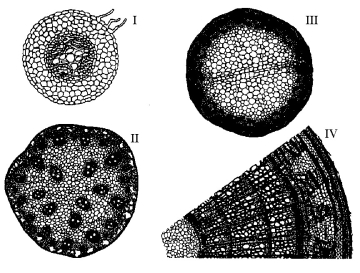
Figure 35.2
A monocot stem is represented by
A) I only.
B) II only.
C) III only.
D) IV only.
E) both I and III.
Figure 35.2
A monocot stem is represented by
A) I only.
B) II only.
C) III only.
D) IV only.
E) both I and III.
سؤال
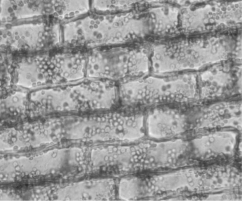
Figure 35.1
Which of the following are true statements about the cells shown in the photograph in Figure 35.1 above?
A) They are parenchyma cells.
B) They are photosynthetic.
C) They are usually found in roots.
D) They are phloem cells.
E) They are parenchyma cells and photosynthetic.
سؤال
سؤال
سؤال
سؤال
سؤال
سؤال
The following questions iare based on the drawing of root or stem cross sections shown in Figure 35.2.
Figure 35.2
A plant that is at least 3 years old is represented by
A) I only.
B) II only.
C) III only.
D) IV only.
E) both I and III.
Figure 35.2
A plant that is at least 3 years old is represented by
A) I only.
B) II only.
C) III only.
D) IV only.
E) both I and III.
سؤال
The following questions iare based on the drawing of root or stem cross sections shown in Figure 35.2.
Figure 35.2
A woody eudicot is represented by
A) I only.
B) II only.
C) III only.
D) IV only.
E) both I and III.
Figure 35.2
A woody eudicot is represented by
A) I only.
B) II only.
C) III only.
D) IV only.
E) both I and III.
سؤال
سؤال
سؤال
سؤال
سؤال
سؤال
سؤال
سؤال
سؤال
سؤال
سؤال
سؤال
سؤال
سؤال
سؤال
سؤال

فتح الحزمة
قم بالتسجيل لفتح البطاقات في هذه المجموعة!
Unlock Deck
Unlock Deck
1/67

العب

ملء الشاشة (f)
Deck 35: Plant Structure, Growth, and Development
1
Which structure is incorrectly paired with its tissue system?
A) root hair-dermal tissue
B) palisade parenchyma-ground tissue
C) guard cell-dermal tissue
D) companion cell-ground tissue
E) tracheid-vascular tissue
A) root hair-dermal tissue
B) palisade parenchyma-ground tissue
C) guard cell-dermal tissue
D) companion cell-ground tissue
E) tracheid-vascular tissue
D
2
________ is to xylem as ________ is to phloem.
A) Sclerenchyma cell; collenchyma cell
B) Apical meristem; vascular cambium
C) Vessel element; sieve-tube member
D) Cortex; pith
E) Vascular cambium; cork cambium
A) Sclerenchyma cell; collenchyma cell
B) Apical meristem; vascular cambium
C) Vessel element; sieve-tube member
D) Cortex; pith
E) Vascular cambium; cork cambium
C
3
Which part of a plant absorbs most of the water and minerals taken up from the soil?
A) taproots
B) root hairs
C) the thick parts of the roots near the base of the stem
D) storage roots
E) sections of the root that have secondary xylem
A) taproots
B) root hairs
C) the thick parts of the roots near the base of the stem
D) storage roots
E) sections of the root that have secondary xylem
B
4
Which of the following cells transport sugars over long distances?
A) parenchyma cells
B) collenchyma cells
C) sclerenchyma cells
D) tracheids and vessel elements
E) sieve-tube elements
A) parenchyma cells
B) collenchyma cells
C) sclerenchyma cells
D) tracheids and vessel elements
E) sieve-tube elements
فتح الحزمة
افتح القفل للوصول البطاقات البالغ عددها 67 في هذه المجموعة.
فتح الحزمة
k this deck
5
Choose the option that best describes the relationship between the cell wall thickness of parenchyma cells versus sclerenchyma cells.
A) The cell walls of parenchyma cells are thinner than those of sclerenchyma cells.
B) The cell walls of parenchyma cells are thicker than those of schlerenchyma cells.
C) The cell walls of both types of cells are roughly equal.
D) The thickness of the cell walls for both types of cells is too variable for a comparison to be made.
A) The cell walls of parenchyma cells are thinner than those of sclerenchyma cells.
B) The cell walls of parenchyma cells are thicker than those of schlerenchyma cells.
C) The cell walls of both types of cells are roughly equal.
D) The thickness of the cell walls for both types of cells is too variable for a comparison to be made.
فتح الحزمة
افتح القفل للوصول البطاقات البالغ عددها 67 في هذه المجموعة.
فتح الحزمة
k this deck
6
Which of the following are most responsible for supporting mature, nongrowing parts of the plant?
A) parenchyma cells
B) collenchyma cells
C) trichomes
D) tracheids and vessel elements
E) sieve-tube elements
A) parenchyma cells
B) collenchyma cells
C) trichomes
D) tracheids and vessel elements
E) sieve-tube elements
فتح الحزمة
افتح القفل للوصول البطاقات البالغ عددها 67 في هذه المجموعة.
فتح الحزمة
k this deck
7
The vascular bundle in the shape of a single central cylinder in a root is called the
A) cortex.
B) stele.
C) endodermis.
D) periderm.
E) pith.
A) cortex.
B) stele.
C) endodermis.
D) periderm.
E) pith.
فتح الحزمة
افتح القفل للوصول البطاقات البالغ عددها 67 في هذه المجموعة.
فتح الحزمة
k this deck
8
Vascular plant tissue includes all of the following cell types except
A) vessel elements.
B) sieve cells.
C) tracheids.
D) companion cells.
E) cambium cells.
A) vessel elements.
B) sieve cells.
C) tracheids.
D) companion cells.
E) cambium cells.
فتح الحزمة
افتح القفل للوصول البطاقات البالغ عددها 67 في هذه المجموعة.
فتح الحزمة
k this deck
9
Studies using Arabidopsis thaliana have led to important advances in all of the following except
A) gene mapping.
B) impact of point mutations on gene function.
C) gene expression during plant development.
D) evolutionary history of plants.
E) how genes potentially interact with other genes.
A) gene mapping.
B) impact of point mutations on gene function.
C) gene expression during plant development.
D) evolutionary history of plants.
E) how genes potentially interact with other genes.
فتح الحزمة
افتح القفل للوصول البطاقات البالغ عددها 67 في هذه المجموعة.
فتح الحزمة
k this deck
10
A student examining leaf cross sections under a microscope finds many loosely packed cells with relatively thin cell walls. The cells have numerous chloroplasts. What type of cells are they?
A) parenchyma
B) xylem
C) endodermis
D) collenchyma
E) sclerenchyma
A) parenchyma
B) xylem
C) endodermis
D) collenchyma
E) sclerenchyma
فتح الحزمة
افتح القفل للوصول البطاقات البالغ عددها 67 في هذه المجموعة.
فتح الحزمة
k this deck
11
Which cells are no longer capable of carrying out the process of DNA transcription?
A) tracheids
B) mature mesophyll cells
C) companion cells
D) meristematic cells
E) glandular cells
A) tracheids
B) mature mesophyll cells
C) companion cells
D) meristematic cells
E) glandular cells
فتح الحزمة
افتح القفل للوصول البطاقات البالغ عددها 67 في هذه المجموعة.
فتح الحزمة
k this deck
12
When you eat Brussels sprouts, what are you eating?
A) immature flowers
B) large axillary buds
C) petioles
D) storage leaves
E) storage roots
A) immature flowers
B) large axillary buds
C) petioles
D) storage leaves
E) storage roots
فتح الحزمة
افتح القفل للوصول البطاقات البالغ عددها 67 في هذه المجموعة.
فتح الحزمة
k this deck
13
The total number of genes in a species' genome is not necessarily a good indicator of biological complexity because
A) most genes are never turned on.
B) many genes are repeats.
C) this does not take into account the alternative splicing of pre-mRNA.
D) this does not take into account mRNA-mRNA interactions.
E) this does not take into account protein-mRNA interactions.
A) most genes are never turned on.
B) many genes are repeats.
C) this does not take into account the alternative splicing of pre-mRNA.
D) this does not take into account mRNA-mRNA interactions.
E) this does not take into account protein-mRNA interactions.
فتح الحزمة
افتح القفل للوصول البطاقات البالغ عددها 67 في هذه المجموعة.
فتح الحزمة
k this deck
14
Which of the following have unevenly thickened primary walls that support young, growing parts of the plant?
A) parenchyma cells
B) collenchyma cells
C) sclerenchyma cells
D) tracheids and vessel elements
E) sieve-tube elements
A) parenchyma cells
B) collenchyma cells
C) sclerenchyma cells
D) tracheids and vessel elements
E) sieve-tube elements
فتح الحزمة
افتح القفل للوصول البطاقات البالغ عددها 67 في هذه المجموعة.
فتح الحزمة
k this deck
15
Compared to most animals, the growth of most plants is best described as
A) perennial.
B) weedy.
C) indeterminate.
D) derivative.
E) primary.
A) perennial.
B) weedy.
C) indeterminate.
D) derivative.
E) primary.
فتح الحزمة
افتح القفل للوصول البطاقات البالغ عددها 67 في هذه المجموعة.
فتح الحزمة
k this deck
16
Which of the following is derived from the ground tissue system?
A) root hair
B) cuticle
C) periderm
D) pith
E) phloem
A) root hair
B) cuticle
C) periderm
D) pith
E) phloem
فتح الحزمة
افتح القفل للوصول البطاقات البالغ عددها 67 في هذه المجموعة.
فتح الحزمة
k this deck
17
CO₂ enters the inner spaces of the leaf through the
A) cuticle.
B) epidermal trichomes.
C) stoma.
D) phloem.
E) walls of guard cells.
A) cuticle.
B) epidermal trichomes.
C) stoma.
D) phloem.
E) walls of guard cells.
فتح الحزمة
افتح القفل للوصول البطاقات البالغ عددها 67 في هذه المجموعة.
فتح الحزمة
k this deck
18
One important difference between the anatomy of roots and the anatomy of leaves is that
A) only leaves have phloem and only roots have xylem.
B) root cells have cell walls and leaf cells do not.
C) a waxy cuticle covers leaves but is absent from roots.
D) vascular tissue is found in roots but is absent from leaves.
E) leaves have epidermal tissue but roots do not.
A) only leaves have phloem and only roots have xylem.
B) root cells have cell walls and leaf cells do not.
C) a waxy cuticle covers leaves but is absent from roots.
D) vascular tissue is found in roots but is absent from leaves.
E) leaves have epidermal tissue but roots do not.
فتح الحزمة
افتح القفل للوصول البطاقات البالغ عددها 67 في هذه المجموعة.
فتح الحزمة
k this deck
19
One major advantage of using Arabidopsis thaliana as a model system for studies of plant form and function is its
A) fast generation time.
B) exceptionally large genome.
C) large seeds.
D) high tolerance to stress.
E) high mutation rate.
A) fast generation time.
B) exceptionally large genome.
C) large seeds.
D) high tolerance to stress.
E) high mutation rate.
فتح الحزمة
افتح القفل للوصول البطاقات البالغ عددها 67 في هذه المجموعة.
فتح الحزمة
k this deck
20
Land plants are composed of all of the following tissue types except
A) mesodermal.
B) epidermal.
C) meristematic.
D) vascular.
E) ground tissue.
A) mesodermal.
B) epidermal.
C) meristematic.
D) vascular.
E) ground tissue.
فتح الحزمة
افتح القفل للوصول البطاقات البالغ عددها 67 في هذه المجموعة.
فتح الحزمة
k this deck
21
Shoot elongation in a growing bud is due primarily to
A) cell division at the shoot apical meristem.
B) cell elongation directly below the shoot apical meristem.
C) cell division localized in each internode.
D) cell elongation localized in each internode.
E) cell division at the shoot apical meristem and cell elongation directly below the shoot apical meristem.
A) cell division at the shoot apical meristem.
B) cell elongation directly below the shoot apical meristem.
C) cell division localized in each internode.
D) cell elongation localized in each internode.
E) cell division at the shoot apical meristem and cell elongation directly below the shoot apical meristem.
فتح الحزمة
افتح القفل للوصول البطاقات البالغ عددها 67 في هذه المجموعة.
فتح الحزمة
k this deck
22
Which of the following is a true statement about growth in plants?
A) Only primary growth is localized at meristems.
B) Some plants lack secondary growth.
C) Only stems have secondary growth.
D) Only secondary growth produces reproductive structures.
E) Monocots have only primary growth, and eudicots have only secondary growth.
A) Only primary growth is localized at meristems.
B) Some plants lack secondary growth.
C) Only stems have secondary growth.
D) Only secondary growth produces reproductive structures.
E) Monocots have only primary growth, and eudicots have only secondary growth.
فتح الحزمة
افتح القفل للوصول البطاقات البالغ عددها 67 في هذه المجموعة.
فتح الحزمة
k this deck
23
Axillary buds
A) are initiated by the cork cambium.
B) have dormant meristematic cells.
C) are composed of a series of internodes lacking nodes.
D) grow immediately into shoot branches.
E) do not form a vascular connection with the primary shoot.
A) are initiated by the cork cambium.
B) have dormant meristematic cells.
C) are composed of a series of internodes lacking nodes.
D) grow immediately into shoot branches.
E) do not form a vascular connection with the primary shoot.
فتح الحزمة
افتح القفل للوصول البطاقات البالغ عددها 67 في هذه المجموعة.
فتح الحزمة
k this deck
24
What effect does "pinching back" have on a houseplant?
A) increases apical dominance
B) inhibits the growth of lateral buds
C) produces a plant that will grow taller
D) stimulates lateral buds to grow
E) increases the flow of auxin down the shoot
A) increases apical dominance
B) inhibits the growth of lateral buds
C) produces a plant that will grow taller
D) stimulates lateral buds to grow
E) increases the flow of auxin down the shoot
فتح الحزمة
افتح القفل للوصول البطاقات البالغ عددها 67 في هذه المجموعة.
فتح الحزمة
k this deck
25
The following question is based on parts of a growing primary root.
I. root cap
II. zone of elongation
III. zone of cell division
IV. zone of cell maturation
V. apical meristem
Which of the following is the correct sequence from the growing tips of the root upward?
A) I, II, V, III, IV
B) III, V, I, II, IV
C) II, IV, I, V, III
D) IV, II, III, I, V
E) I, V, III, II, IV
I. root cap
II. zone of elongation
III. zone of cell division
IV. zone of cell maturation
V. apical meristem
Which of the following is the correct sequence from the growing tips of the root upward?
A) I, II, V, III, IV
B) III, V, I, II, IV
C) II, IV, I, V, III
D) IV, II, III, I, V
E) I, V, III, II, IV
فتح الحزمة
افتح القفل للوصول البطاقات البالغ عددها 67 في هذه المجموعة.
فتح الحزمة
k this deck
26
A vessel element would likely lose its protoplast in which section of a root?
A) zone of cell division
B) zone of elongation
C) zone of maturation
D) root cap
E) apical meristem
A) zone of cell division
B) zone of elongation
C) zone of maturation
D) root cap
E) apical meristem
فتح الحزمة
افتح القفل للوصول البطاقات البالغ عددها 67 في هذه المجموعة.
فتح الحزمة
k this deck
27
Which of the following best describes advantages conferred by compound leaves versus simple leaves?
A) There's a greater chance of capturing photons in intermittently shady areas.
B) There is less chance of damage in high-wind areas.
C) There's a reduced chance of herbivory.
D) There is less surface area for water loss.
E) There's a greater chance of capturing photons in intermittently shady areas and less chance of damage in high-wind areas.
A) There's a greater chance of capturing photons in intermittently shady areas.
B) There is less chance of damage in high-wind areas.
C) There's a reduced chance of herbivory.
D) There is less surface area for water loss.
E) There's a greater chance of capturing photons in intermittently shady areas and less chance of damage in high-wind areas.
فتح الحزمة
افتح القفل للوصول البطاقات البالغ عددها 67 في هذه المجموعة.
فتح الحزمة
k this deck
28
Plants contain meristems whose major function is to
A) attract pollinators.
B) absorb ions.
C) photosynthesize.
D) produce more cells.
E) produce flowers.
A) attract pollinators.
B) absorb ions.
C) photosynthesize.
D) produce more cells.
E) produce flowers.
فتح الحزمة
افتح القفل للوصول البطاقات البالغ عددها 67 في هذه المجموعة.
فتح الحزمة
k this deck
29
Gas exchange, which is necessary for photosynthesis, can occur most easily in which leaf tissue?
A) epidermis
B) palisade mesophyll
C) spongy mesophyll
D) vascular tissue
E) bundle sheath
A) epidermis
B) palisade mesophyll
C) spongy mesophyll
D) vascular tissue
E) bundle sheath
فتح الحزمة
افتح القفل للوصول البطاقات البالغ عددها 67 في هذه المجموعة.
فتح الحزمة
k this deck
30
Which of the following is incorrectly paired with its structure and function?
A) sclerenchyma-supporting cells with thick secondary walls
B) periderm-protective coat of woody stems and roots
C) pericycle-waterproof ring of cells surrounding the central stele in roots
D) mesophyll-parenchyma cells functioning in photosynthesis in leaves
E) ground meristem-primary meristem that produces the ground tissue system
A) sclerenchyma-supporting cells with thick secondary walls
B) periderm-protective coat of woody stems and roots
C) pericycle-waterproof ring of cells surrounding the central stele in roots
D) mesophyll-parenchyma cells functioning in photosynthesis in leaves
E) ground meristem-primary meristem that produces the ground tissue system
فتح الحزمة
افتح القفل للوصول البطاقات البالغ عددها 67 في هذه المجموعة.
فتح الحزمة
k this deck
31
What would be a plant adaptation that increases exposure of a plant to light in a dense forest?
A) closing of the stomata
B) lateral buds
C) apical dominance
D) absence of petioles
E) intercalary meristems
A) closing of the stomata
B) lateral buds
C) apical dominance
D) absence of petioles
E) intercalary meristems
فتح الحزمة
افتح القفل للوصول البطاقات البالغ عددها 67 في هذه المجموعة.
فتح الحزمة
k this deck
32
Pores on the leaf surface that function in gas exchange are called
A) hairs.
B) xylem cells.
C) phloem cells.
D) stomata.
E) sclereids.
A) hairs.
B) xylem cells.
C) phloem cells.
D) stomata.
E) sclereids.
فتح الحزمة
افتح القفل للوصول البطاقات البالغ عددها 67 في هذه المجموعة.
فتح الحزمة
k this deck
33
A leaf primordium is initiated as a small mound of tissue on the flank of a dome-shaped shoot apical meristem. The earliest physical evidence of the site of a newly forming leaf primordium would be
A) development of chloroplasts in a surface cell of the shoot apical meristem.
B) cell division in the shoot apical meristem with the newly forming walls perpendicular to the surface of the meristem.
C) preprophase bands parallel to the surface of the meristem in subsurface cells of the shoot apical meristem.
D) elongation of epidermal cells perpendicular to the surface of the shoot apical meristem.
E) formation of stomata in the epidermal layer of the shoot apical meristem.
A) development of chloroplasts in a surface cell of the shoot apical meristem.
B) cell division in the shoot apical meristem with the newly forming walls perpendicular to the surface of the meristem.
C) preprophase bands parallel to the surface of the meristem in subsurface cells of the shoot apical meristem.
D) elongation of epidermal cells perpendicular to the surface of the shoot apical meristem.
E) formation of stomata in the epidermal layer of the shoot apical meristem.
فتح الحزمة
افتح القفل للوصول البطاقات البالغ عددها 67 في هذه المجموعة.
فتح الحزمة
k this deck
34
All of the following cell types are correctly matched with their functions except
A) mesophyll-photosynthesis.
B) guard cell-regulation of transpiration.
C) sieve-tube member-translocation.
D) vessel element-water transport.
E) companion cell-formation of secondary xylem and phloem.
A) mesophyll-photosynthesis.
B) guard cell-regulation of transpiration.
C) sieve-tube member-translocation.
D) vessel element-water transport.
E) companion cell-formation of secondary xylem and phloem.
فتح الحزمة
افتح القفل للوصول البطاقات البالغ عددها 67 في هذه المجموعة.
فتح الحزمة
k this deck
35
Which of the following root tissues gives rise to lateral roots?
A) endodermis
B) phloem
C) cortex
D) epidermis
E) pericycle
A) endodermis
B) phloem
C) cortex
D) epidermis
E) pericycle
فتح الحزمة
افتح القفل للوصول البطاقات البالغ عددها 67 في هذه المجموعة.
فتح الحزمة
k this deck
36
A person working with plants may reduce the inhibition of apical dominance by auxin via which of the following?
A) pruning shoot tips
B) deep watering of the roots
C) fertilizing
D) treating the plants with auxins
E) feeding the plants nutrients
A) pruning shoot tips
B) deep watering of the roots
C) fertilizing
D) treating the plants with auxins
E) feeding the plants nutrients
فتح الحزمة
افتح القفل للوصول البطاقات البالغ عددها 67 في هذه المجموعة.
فتح الحزمة
k this deck
37
The driving force that pushes the root tip through the soil is primarily
A) continuous cell division in the root cap at the tip of the root.
B) continuous cell division just behind the root cap in the center of the apical meristem.
C) elongation of cells behind the root apical meristem.
D) the elongation of root hairs.
E) continuous cell division of root cap cells.
A) continuous cell division in the root cap at the tip of the root.
B) continuous cell division just behind the root cap in the center of the apical meristem.
C) elongation of cells behind the root apical meristem.
D) the elongation of root hairs.
E) continuous cell division of root cap cells.
فتح الحزمة
افتح القفل للوصول البطاقات البالغ عددها 67 في هذه المجموعة.
فتح الحزمة
k this deck
38
Water is most likely to enter a mesophyll cell
A) as a gas.
B) as a liquid.
C) covalently bound to sugars.
D) coupled to ion transport.
E) via endocytosis.
A) as a gas.
B) as a liquid.
C) covalently bound to sugars.
D) coupled to ion transport.
E) via endocytosis.
فتح الحزمة
افتح القفل للوصول البطاقات البالغ عددها 67 في هذه المجموعة.
فتح الحزمة
k this deck
39
A cell that is most likely to retain the ability to divide, perform metabolic functions, and store photosynthate would be a
A) parenchyma cell in a leaf.
B) vessel element in the vascular system.
C) endodermal cell in a root.
D) bark cell.
E) fiber cell.
A) parenchyma cell in a leaf.
B) vessel element in the vascular system.
C) endodermal cell in a root.
D) bark cell.
E) fiber cell.
فتح الحزمة
افتح القفل للوصول البطاقات البالغ عددها 67 في هذه المجموعة.
فتح الحزمة
k this deck
40
Which of the following cell types is least likely to be capable of cell division?
A) mesophyll cell in a developing leaf
B) parenchyma cell 2 mm from the tip of a root
C) parenchyma cell in a dormant axillary bud
D) functional tracheid cell in a stem
A) mesophyll cell in a developing leaf
B) parenchyma cell 2 mm from the tip of a root
C) parenchyma cell in a dormant axillary bud
D) functional tracheid cell in a stem
فتح الحزمة
افتح القفل للوصول البطاقات البالغ عددها 67 في هذه المجموعة.
فتح الحزمة
k this deck
41
Totipotency is a term used to describe a cell's ability to give rise to a complete new organism. In plants, this means that
A) plant development is not under genetic control.
B) the cells of shoots and the cells of roots have different genes.
C) cell differentiation depends largely on the control of gene expression.
D) a cell's environment has no effect on its differentiation.
E) sexual reproduction is not necessary in plants.
A) plant development is not under genetic control.
B) the cells of shoots and the cells of roots have different genes.
C) cell differentiation depends largely on the control of gene expression.
D) a cell's environment has no effect on its differentiation.
E) sexual reproduction is not necessary in plants.
فتح الحزمة
افتح القفل للوصول البطاقات البالغ عددها 67 في هذه المجموعة.
فتح الحزمة
k this deck
42
Which of the following statements is false?
A) A preprophase band determines where a cell plate will form in a dividing cell.
B) The way in which a plant cell differentiates is determined by the cell's position in the developing plant body.
C) Homeotic genes often control morphogenesis.
D) Plant cells differentiate because the cytoskeleton determines which genes will be turned "on" and "off."
E) Arabidopsis was the first plant to have its genome sequenced.
A) A preprophase band determines where a cell plate will form in a dividing cell.
B) The way in which a plant cell differentiates is determined by the cell's position in the developing plant body.
C) Homeotic genes often control morphogenesis.
D) Plant cells differentiate because the cytoskeleton determines which genes will be turned "on" and "off."
E) Arabidopsis was the first plant to have its genome sequenced.
فتح الحزمة
افتح القفل للوصول البطاقات البالغ عددها 67 في هذه المجموعة.
فتح الحزمة
k this deck
43
The following questions iare based on the drawing of root or stem cross sections shown in Figure 35.2.
Figure 35.2
A monocot stem is represented by
A) I only.
B) II only.
C) III only.
D) IV only.
E) both I and III.
Figure 35.2
A monocot stem is represented by
A) I only.
B) II only.
C) III only.
D) IV only.
E) both I and III.
فتح الحزمة
افتح القفل للوصول البطاقات البالغ عددها 67 في هذه المجموعة.
فتح الحزمة
k this deck
44
Figure 35.1
Which of the following are true statements about the cells shown in the photograph in Figure 35.1 above?
A) They are parenchyma cells.
B) They are photosynthetic.
C) They are usually found in roots.
D) They are phloem cells.
E) They are parenchyma cells and photosynthetic.
فتح الحزمة
افتح القفل للوصول البطاقات البالغ عددها 67 في هذه المجموعة.
فتح الحزمة
k this deck
45
According to the ABC model of floral development, which genes would be expressed in a showy ornamental flower with multiple sepals and petals but no stamens or carpels?
A) A genes only
B) B genes only
C) C genes only
D) A and B genes only
E) A and C genes only
A) A genes only
B) B genes only
C) C genes only
D) A and B genes only
E) A and C genes only
فتح الحزمة
افتح القفل للوصول البطاقات البالغ عددها 67 في هذه المجموعة.
فتح الحزمة
k this deck
46
Which of the following cells or tissues arise from lateral meristem activity?
A) secondary xylem
B) leaves
C) trichomes
D) tubers
E) cortex
A) secondary xylem
B) leaves
C) trichomes
D) tubers
E) cortex
فتح الحزمة
افتح القفل للوصول البطاقات البالغ عددها 67 في هذه المجموعة.
فتح الحزمة
k this deck
47
As a youngster, you drive a nail in the trunk of a young tree that is 3 meters tall. The nail is about 1.5 meters from the ground. Fifteen years later, you return and discover that the tree has grown to a height of 30 meters. About how many meters above the ground is the nail?
A) 0.5
B) 1.5
C) 3.0
D) 15.0
E) 28.5
A) 0.5
B) 1.5
C) 3.0
D) 15.0
E) 28.5
فتح الحزمة
افتح القفل للوصول البطاقات البالغ عددها 67 في هذه المجموعة.
فتح الحزمة
k this deck
48
What tissue makes up most of the wood of a tree?
A) primary xylem
B) secondary xylem
C) secondary phloem
D) mesophyll cells
E) vascular cambium
A) primary xylem
B) secondary xylem
C) secondary phloem
D) mesophyll cells
E) vascular cambium
فتح الحزمة
افتح القفل للوصول البطاقات البالغ عددها 67 في هذه المجموعة.
فتح الحزمة
k this deck
49
Which of the following is a true statement?
A) Flowers may have secondary growth.
B) Secondary growth is a common feature of eudicot leaves.
C) Secondary growth is produced by both the vascular cambium and the cork cambium.
D) Primary growth and secondary growth alternate in the life cycle of a plant.
E) Plants with secondary growth are typically the smallest ones in an ecosystem.
A) Flowers may have secondary growth.
B) Secondary growth is a common feature of eudicot leaves.
C) Secondary growth is produced by both the vascular cambium and the cork cambium.
D) Primary growth and secondary growth alternate in the life cycle of a plant.
E) Plants with secondary growth are typically the smallest ones in an ecosystem.
فتح الحزمة
افتح القفل للوصول البطاقات البالغ عددها 67 في هذه المجموعة.
فتح الحزمة
k this deck
50
The following questions iare based on the drawing of root or stem cross sections shown in Figure 35.2.
Figure 35.2
A plant that is at least 3 years old is represented by
A) I only.
B) II only.
C) III only.
D) IV only.
E) both I and III.
Figure 35.2
A plant that is at least 3 years old is represented by
A) I only.
B) II only.
C) III only.
D) IV only.
E) both I and III.
فتح الحزمة
افتح القفل للوصول البطاقات البالغ عددها 67 في هذه المجموعة.
فتح الحزمة
k this deck
51
The following questions iare based on the drawing of root or stem cross sections shown in Figure 35.2.
Figure 35.2
A woody eudicot is represented by
A) I only.
B) II only.
C) III only.
D) IV only.
E) both I and III.
Figure 35.2
A woody eudicot is represented by
A) I only.
B) II only.
C) III only.
D) IV only.
E) both I and III.
فتح الحزمة
افتح القفل للوصول البطاقات البالغ عددها 67 في هذه المجموعة.
فتح الحزمة
k this deck
52
A mutation allows only A gene activity in a developing flower. Which flower part(s)will develop in this plant?
A) sepals
B) petals
C) stamens
D) carpels
E) both sepals and petals
A) sepals
B) petals
C) stamens
D) carpels
E) both sepals and petals
فتح الحزمة
افتح القفل للوصول البطاقات البالغ عددها 67 في هذه المجموعة.
فتح الحزمة
k this deck
53
The polarity of a plant is established when
A) the zygote divides.
B) cotyledons form at the shoot end of the embryo.
C) the shoot-root axis is established in the embryo.
D) the primary root breaks through the seed coat.
E) the shoot first breaks through the soil into the light as the seed germinates.
A) the zygote divides.
B) cotyledons form at the shoot end of the embryo.
C) the shoot-root axis is established in the embryo.
D) the primary root breaks through the seed coat.
E) the shoot first breaks through the soil into the light as the seed germinates.
فتح الحزمة
افتح القفل للوصول البطاقات البالغ عددها 67 في هذه المجموعة.
فتح الحزمة
k this deck
54
Before differentiation can begin during the processes of plant cell and tissue culture, parenchyma cells from the source tissue must
A) differentiate into procambium.
B) undergo dedifferentiation.
C) increase the number of chromosomes in their nuclei.
D) enzymatically digest their primary cell walls.
E) establish a new polarity in their cytoplasm.
A) differentiate into procambium.
B) undergo dedifferentiation.
C) increase the number of chromosomes in their nuclei.
D) enzymatically digest their primary cell walls.
E) establish a new polarity in their cytoplasm.
فتح الحزمة
افتح القفل للوصول البطاقات البالغ عددها 67 في هذه المجموعة.
فتح الحزمة
k this deck
55
Additional vascular tissue produced as secondary growth in a root originates from which cells?
A) vascular cambium
B) apical meristem
C) endodermis
D) phloem
E) xylem
A) vascular cambium
B) apical meristem
C) endodermis
D) phloem
E) xylem
فتح الحزمة
افتح القفل للوصول البطاقات البالغ عددها 67 في هذه المجموعة.
فتح الحزمة
k this deck
56
If you were able to walk into an opening cut into the center of a large redwood tree, when you exit from the middle of the trunk (stem)outward, you would cross, in order,
A) the annual rings, new xylem, vascular cambium, phloem, and bark.
B) the secondary xylem, cork cambium, phloem, and periderm.
C) the vascular cambium, oldest xylem, and newest xylem.
D) the secondary xylem, secondary phloem, and vascular cambium.
E) the summer wood, bark, and phloem.
A) the annual rings, new xylem, vascular cambium, phloem, and bark.
B) the secondary xylem, cork cambium, phloem, and periderm.
C) the vascular cambium, oldest xylem, and newest xylem.
D) the secondary xylem, secondary phloem, and vascular cambium.
E) the summer wood, bark, and phloem.
فتح الحزمة
افتح القفل للوصول البطاقات البالغ عددها 67 في هذه المجموعة.
فتح الحزمة
k this deck
57
A plant has the following characteristics: a taproot system, several growth rings evident in a cross section of the stem, and a layer of bark around the outside. Which of the following best describes the plant?
A) herbaceous eudicot
B) woody eudicot
C) woody monocot
D) herbaceous monocot
E) woody annual
A) herbaceous eudicot
B) woody eudicot
C) woody monocot
D) herbaceous monocot
E) woody annual
فتح الحزمة
افتح القفل للوصول البطاقات البالغ عددها 67 في هذه المجموعة.
فتح الحزمة
k this deck
58
Suppose George Washington completely removed the bark from around the base of a cherry tree but was stopped by his father before cutting the tree down. The leaves retained their normal appearance for several weeks, but the tree eventually died. The tissue(s)that George left functional was/were the
A) phloem.
B) xylem.
C) cork cambium.
D) cortex.
E) companion and sieve-tube members.
A) phloem.
B) xylem.
C) cork cambium.
D) cortex.
E) companion and sieve-tube members.
فتح الحزمة
افتح القفل للوصول البطاقات البالغ عددها 67 في هذه المجموعة.
فتح الحزمة
k this deck
59
Cells produced by lateral meristems are known as
A) dermal and ground tissue.
B) lateral tissues.
C) pith.
D) secondary tissues.
E) shoots and roots.
A) dermal and ground tissue.
B) lateral tissues.
C) pith.
D) secondary tissues.
E) shoots and roots.
فتح الحزمة
افتح القفل للوصول البطاقات البالغ عددها 67 في هذه المجموعة.
فتح الحزمة
k this deck
60
While studying the plant Arabidopsis, a botanist finds that an RNA probe produces colored spots in the sepals of the plant. From this information, what can be inferred?
A) The differently colored plants will attract different pollinating insects.
B) The RNA probe is transported only to certain tissues.
C) The colored regions were caused by mutations that occurred in the sepals.
D) The RNA probe is specific to a gene active in sepals.
E) More research needs to be done on the sepals of Arabidopsis.
A) The differently colored plants will attract different pollinating insects.
B) The RNA probe is transported only to certain tissues.
C) The colored regions were caused by mutations that occurred in the sepals.
D) The RNA probe is specific to a gene active in sepals.
E) More research needs to be done on the sepals of Arabidopsis.
فتح الحزمة
افتح القفل للوصول البطاقات البالغ عددها 67 في هذه المجموعة.
فتح الحزمة
k this deck
61
Which of the following would not be seen in a cross-section through the woody part of a root?
A) sclerenchyma cells
B) parenchyma cells
C) sieve-tube elements
D) root hairs
E) vessel elements
A) sclerenchyma cells
B) parenchyma cells
C) sieve-tube elements
D) root hairs
E) vessel elements
فتح الحزمة
افتح القفل للوصول البطاقات البالغ عددها 67 في هذه المجموعة.
فتح الحزمة
k this deck
62
Most of the growth of a plant body is the result of
A) cell differentiation.
B) morphogenesis.
C) cell division.
D) cell elongation.
E) reproduction.
A) cell differentiation.
B) morphogenesis.
C) cell division.
D) cell elongation.
E) reproduction.
فتح الحزمة
افتح القفل للوصول البطاقات البالغ عددها 67 في هذه المجموعة.
فتح الحزمة
k this deck
63
The innermost layer of the root cortex is the
A) core.
B) pericycle.
C) endodermis.
D) pith.
E) vascular cambium.
A) core.
B) pericycle.
C) endodermis.
D) pith.
E) vascular cambium.
فتح الحزمة
افتح القفل للوصول البطاقات البالغ عددها 67 في هذه المجموعة.
فتح الحزمة
k this deck
64
Which of the following arise, directly or indirectly, from meristematic activity?
A) secondary xylem
B) leaves
C) dermal tissue
D) tubers
E) secondary xylem, leaves, dermal tissue, and tubers
A) secondary xylem
B) leaves
C) dermal tissue
D) tubers
E) secondary xylem, leaves, dermal tissue, and tubers
فتح الحزمة
افتح القفل للوصول البطاقات البالغ عددها 67 في هذه المجموعة.
فتح الحزمة
k this deck
65
The phase change of an apical meristem from the juvenile to the mature vegetative phase is often revealed by
A) a change in the morphology of the leaves produced.
B) the initiation of secondary growth.
C) the formation of lateral roots.
D) a change in the orientation of preprophase bands and cytoplasmic microtubules in lateral meristems.
E) the activation of floral meristem identity genes.
A) a change in the morphology of the leaves produced.
B) the initiation of secondary growth.
C) the formation of lateral roots.
D) a change in the orientation of preprophase bands and cytoplasmic microtubules in lateral meristems.
E) the activation of floral meristem identity genes.
فتح الحزمة
افتح القفل للوصول البطاقات البالغ عددها 67 في هذه المجموعة.
فتح الحزمة
k this deck
66
Heartwood and sapwood consist of
A) bark.
B) periderm.
C) secondary xylem.
D) secondary phloem.
E) cork.
A) bark.
B) periderm.
C) secondary xylem.
D) secondary phloem.
E) cork.
فتح الحزمة
افتح القفل للوصول البطاقات البالغ عددها 67 في هذه المجموعة.
فتح الحزمة
k this deck
67
Based on the ABC hypothesis, what would be the structure of a flower from the outermost whorl that had normal expression of genes A and C and expression of gene B in all four whorls?
A) carpel-petal-petal-carpel
B) petal-petal-stamen-stamen
C) sepal-carpel-carpel-sepal
D) sepal-sepal-carpel-carpel
E) carpel-carpel-carpel-carpel
A) carpel-petal-petal-carpel
B) petal-petal-stamen-stamen
C) sepal-carpel-carpel-sepal
D) sepal-sepal-carpel-carpel
E) carpel-carpel-carpel-carpel
فتح الحزمة
افتح القفل للوصول البطاقات البالغ عددها 67 في هذه المجموعة.
فتح الحزمة
k this deck
فتح الحزمة
افتح القفل للوصول البطاقات البالغ عددها 67 في هذه المجموعة.






