







 تكلم مع الذكاء الاصطناعي


Deck 22: Oral and Gastrointestinal Diseases
ملء الشاشة (f)

سؤال

سؤال
سؤال
سؤال
سؤال
سؤال
سؤال
سؤال
سؤال
سؤال
سؤال
سؤال
سؤال
سؤال
سؤال
سؤال
سؤال
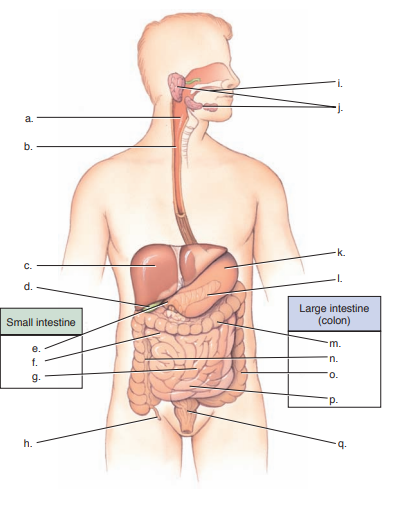
On a seprate piece of paper, identify the structures in the illustration that are part of the digestive system. Indicate what mechanisms may be present to prevent disease at each structure.
سؤال
سؤال
سؤال
سؤال
سؤال
سؤال
سؤال
سؤال
سؤال
سؤال
سؤال
سؤال
سؤال
سؤال
سؤال
سؤال
سؤال
سؤال
سؤال
سؤال
سؤال

فتح الحزمة
قم بالتسجيل لفتح البطاقات في هذه المجموعة!
Unlock Deck
Unlock Deck
1/38

العب

ملء الشاشة (f)
Deck 22: Oral and Gastrointestinal Diseases
1
Typhoid fever and intestinal salmonellosis are caused by similar organisms. What are some important differences in the sources of these organisms and the diseases they produce?
Typhoid fever and intestinal salmonellosis are caused by Salmonella typhi and Salmonella enteritidis , respectively. Salmonella enteritidis and Salmonella typhi are motile, Gram-negative bacilli that are widespread in nature and can infect and cause diseases such as gastroenteritis and enteric fever in humans. Although the two organisms belong to the same genus and share common features, they differ greatly in the diseases that they produce.
Important differences in the source of the two organisms and the diseases caused by them are summarized in the following table:
Differences between Typhoid Fever And Salmonellosis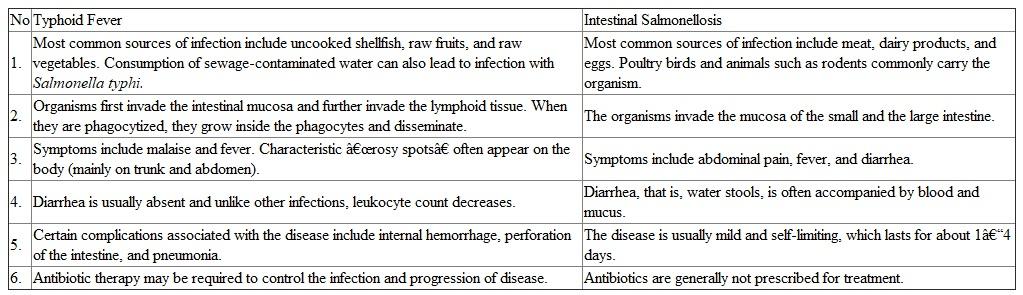
Important differences in the source of the two organisms and the diseases caused by them are summarized in the following table:
Differences between Typhoid Fever And Salmonellosis
2
Which of the following hepatitis viruses would most likely be transmitted by contaminated water?
(a) Hepatitis A
(b) Hepatitis B
(c) Hepatitis C
(d) Hepatitis D
(e) Hepatitis E
(f) a and c
(g) a and e
(a) Hepatitis A
(b) Hepatitis B
(c) Hepatitis C
(d) Hepatitis D
(e) Hepatitis E
(f) a and c
(g) a and e
The Hepatitis A virus is present in the fecal matter of infected people. It is most commonly transmitted through the consumption of contaminated food or water.
The Hepatitis B virus is transmitted through body fluids like blood (during blood transfusion), semen, or vaginal discharge. It may also spread through the sharing of infected needles among intravenous drug users.
Hepatitis C is transmitted primarily through contact with contaminated blood, as during a blood transfusion or organ transplant. It may also be sexually transmitted.
Hepatitis D can be transmitted through contaminated body fluids entering into an uninfected person's body. It may also be sexually transmitted.
Hepatitis E is most commonly transmitted through focally contaminated water supplies.
Hence, the correct answer is (g): (a) and (e) Hepatitis A and Hepatitis E.
The Hepatitis B virus is transmitted through body fluids like blood (during blood transfusion), semen, or vaginal discharge. It may also spread through the sharing of infected needles among intravenous drug users.
Hepatitis C is transmitted primarily through contact with contaminated blood, as during a blood transfusion or organ transplant. It may also be sexually transmitted.
Hepatitis D can be transmitted through contaminated body fluids entering into an uninfected person's body. It may also be sexually transmitted.
Hepatitis E is most commonly transmitted through focally contaminated water supplies.
Hence, the correct answer is (g): (a) and (e) Hepatitis A and Hepatitis E.
3
Describe the life cycle of a tapeworm. Where do the stages of cysticercus and hydatid cysts fit in the life cycle?
Tapeworm is one of the oldest known human parasites. There are more than 1,500 species of tapeworm, and several of them are known to cause disease in humans. A human tapeworm infection can be acquired by eating uncooked or poorly cooked contaminated pork, beef, or fish. It can also be acquired by close contact with infected dogs.
Lifecycle of tapeworm:
1. Worms enter the human body as larvae in raw or undercooked meat, particularly pork.
2. Larvae develop into adult tapeworms in the human intestine. These larvae absorb heavy amounts of nutrients from the intestine, leaving the host malnourished.
3. Long ribbon-like worms entangle into masses that block the passage of substances through the intestine.
4. Occasionally, internal autoinfection can also occur, during which eggs invade the blood stream and may spread to other parts of the body.
5. Tapeworms in the intestine produce thousands of eggs that are shed in the feces of infected persons.
6. If these eggs come in contact with for example grass, it can infect a cow that eats the grass. It encysts in the muscles of the cow.
7. When uncooked meat of this cow is consumed by humans, the tapeworm infection is transmitted back to humans.
When a person ingests tapeworm eggs instead of larvae the egg's covering breaks open in the small intestine to release larvae. The same condition is seen during autoinfection. These larvae now penetrate the intestinal wall to reach the blood. Within 60-70 days, larvae move to various tissues and develop into a " cysticercus " also known as bladder worm. Cysticercus is an oval white sac that contains tapeworm heads invaginated into it. In humans, this stage is often seen in the brain tissue.
When humans ingest eggs of Echinococcus granulosus tapeworm through close contact with infected dogs, the eggs are most likely to produce cysts known as " hydatid cysts. " These cysts are formed in tissues of vital organs like liver, lungs and brain. The cysts contain large numbers of immature worm heads. If a cyst ruptures in the tissue, it releases all these worms and can also lead to severe allergic reaction.
Lifecycle of tapeworm:
1. Worms enter the human body as larvae in raw or undercooked meat, particularly pork.
2. Larvae develop into adult tapeworms in the human intestine. These larvae absorb heavy amounts of nutrients from the intestine, leaving the host malnourished.
3. Long ribbon-like worms entangle into masses that block the passage of substances through the intestine.
4. Occasionally, internal autoinfection can also occur, during which eggs invade the blood stream and may spread to other parts of the body.
5. Tapeworms in the intestine produce thousands of eggs that are shed in the feces of infected persons.
6. If these eggs come in contact with for example grass, it can infect a cow that eats the grass. It encysts in the muscles of the cow.
7. When uncooked meat of this cow is consumed by humans, the tapeworm infection is transmitted back to humans.
When a person ingests tapeworm eggs instead of larvae the egg's covering breaks open in the small intestine to release larvae. The same condition is seen during autoinfection. These larvae now penetrate the intestinal wall to reach the blood. Within 60-70 days, larvae move to various tissues and develop into a " cysticercus " also known as bladder worm. Cysticercus is an oval white sac that contains tapeworm heads invaginated into it. In humans, this stage is often seen in the brain tissue.
When humans ingest eggs of Echinococcus granulosus tapeworm through close contact with infected dogs, the eggs are most likely to produce cysts known as " hydatid cysts. " These cysts are formed in tissues of vital organs like liver, lungs and brain. The cysts contain large numbers of immature worm heads. If a cyst ruptures in the tissue, it releases all these worms and can also lead to severe allergic reaction.
4
Dental caries occurs when sugars diffuse through plaque to the embedded bacteria, which in turn ferment the sugars into organic , which cannot diffuse out of the area, resulting in a gradual of the enamel.
(a) Bases; precipitation
(b) Bases; buildup
(c) Acids; dissolving
(d) Acids; osmosis
(e) None of the above
(a) Bases; precipitation
(b) Bases; buildup
(c) Acids; dissolving
(d) Acids; osmosis
(e) None of the above
فتح الحزمة
افتح القفل للوصول البطاقات البالغ عددها 38 في هذه المجموعة.
فتح الحزمة
k this deck
5
Which of the following viruses requires a surrogate virus infection in order to cause disease?
(a) Hepatitis B
(b) Hepatitis D
(c) Norwalk virus
(d) Rotavirus
(e) Echovirus
(a) Hepatitis B
(b) Hepatitis D
(c) Norwalk virus
(d) Rotavirus
(e) Echovirus
فتح الحزمة
افتح القفل للوصول البطاقات البالغ عددها 38 في هذه المجموعة.
فتح الحزمة
k this deck
6
Can you safely cook pork in a microwave oven?
فتح الحزمة
افتح القفل للوصول البطاقات البالغ عددها 38 في هذه المجموعة.
فتح الحزمة
k this deck
7
A client has obvious symptoms of hepatitis: yellowing of her skin and eyes, anorexia, abdominal pain, enlarged liver, nausea, and diarrhea. Why is it important to make an accurate diagnosis of which type of hepatitis is present?
فتح الحزمة
افتح القفل للوصول البطاقات البالغ عددها 38 في هذه المجموعة.
فتح الحزمة
k this deck
8
Which of the following protozoan parasites inhibits the ad sorption of fats in the intestine?
(a) Giardia
(b) Cryptosporidium
(c) Rotavirus
(d) Amoeba
(e) Hepatitis A
(a) Giardia
(b) Cryptosporidium
(c) Rotavirus
(d) Amoeba
(e) Hepatitis A
فتح الحزمة
افتح القفل للوصول البطاقات البالغ عددها 38 في هذه المجموعة.
فتح الحزمة
k this deck
9
Describe the technique used to diagnose a case of pinworms.
فتح الحزمة
افتح القفل للوصول البطاقات البالغ عددها 38 في هذه المجموعة.
فتح الحزمة
k this deck
10
All of the following are ways to prevent or treat dental caries EXCEPT:
(a) Remove decay and fill cavities with resins or amalgams.
(b) Limit the intake of sticky foods.
(c) Brush with plaque-removing toothpaste and flossing between teeth.
(d) Use fluoridated water, toothpastes, and mouthwashes.
(e) Increase sugar intake to enhance increased salivary flow, which will wash away oral bacteria.
(a) Remove decay and fill cavities with resins or amalgams.
(b) Limit the intake of sticky foods.
(c) Brush with plaque-removing toothpaste and flossing between teeth.
(d) Use fluoridated water, toothpastes, and mouthwashes.
(e) Increase sugar intake to enhance increased salivary flow, which will wash away oral bacteria.
فتح الحزمة
افتح القفل للوصول البطاقات البالغ عددها 38 في هذه المجموعة.
فتح الحزمة
k this deck
11
Aflatoxins are produced by a:
(a) Bacterium
(b) Virus
(c) Unknown organism
(d) Fungus
(e) Protozoan
(a) Bacterium
(b) Virus
(c) Unknown organism
(d) Fungus
(e) Protozoan
فتح الحزمة
افتح القفل للوصول البطاقات البالغ عددها 38 في هذه المجموعة.
فتح الحزمة
k this deck
12
Gingivitis:
(a) Is a periodontal disease
(b) Is caused by plaque and bacterial growth in between teeth and gums
(c) Is an inflammatory disease
(d) May cause the gums to recede
(e) All of the above
(a) Is a periodontal disease
(b) Is caused by plaque and bacterial growth in between teeth and gums
(c) Is an inflammatory disease
(d) May cause the gums to recede
(e) All of the above
فتح الحزمة
افتح القفل للوصول البطاقات البالغ عددها 38 في هذه المجموعة.
فتح الحزمة
k this deck
13
Which of the following infectious organisms is a prokary otic organism?
(a) Cryptosporidium parvum
(b) Aspergillus niger
(c) Taenia solium
(d) Salmonella typhi
(e) Giardia lamblia
(a) Cryptosporidium parvum
(b) Aspergillus niger
(c) Taenia solium
(d) Salmonella typhi
(e) Giardia lamblia
فتح الحزمة
افتح القفل للوصول البطاقات البالغ عددها 38 في هذه المجموعة.
فتح الحزمة
k this deck
14
All the following are capable of causing diarrheal diseases in humans. Which of the following does not cause diarrhea via intoxication?
(a) Staphylococcus aureus
(b) Bacillus cereus
(c) Clostridium perfringens
(d) Campylobacter jejuni
(e) None of these cause intoxication
(a) Staphylococcus aureus
(b) Bacillus cereus
(c) Clostridium perfringens
(d) Campylobacter jejuni
(e) None of these cause intoxication
فتح الحزمة
افتح القفل للوصول البطاقات البالغ عددها 38 في هذه المجموعة.
فتح الحزمة
k this deck
15
Infection with which of the following can be diagnosed by finding its eggs in fecal specimens?
(a) Rotavirus
(b) Vibrio cholerae
(c) Helminths
(d) Hepatitis A
(e) Aspergillus niger
(a) Rotavirus
(b) Vibrio cholerae
(c) Helminths
(d) Hepatitis A
(e) Aspergillus niger
فتح الحزمة
افتح القفل للوصول البطاقات البالغ عددها 38 في هذه المجموعة.
فتح الحزمة
k this deck
16
A viral disease caused by paramyxoviruses that affect glands of the oral cavity, and sometimes other non-oral cavity glands and meninges, is called:
(a) Measles
(b) Mumps
(c) Rubeola
(d) AIDS
(e) Thrush
(a) Measles
(b) Mumps
(c) Rubeola
(d) AIDS
(e) Thrush
فتح الحزمة
افتح القفل للوصول البطاقات البالغ عددها 38 في هذه المجموعة.
فتح الحزمة
k this deck
17
On a seprate piece of paper, identify the structures in the illustration that are part of the digestive system. Indicate what mechanisms may be present to prevent disease at each structure.
فتح الحزمة
افتح القفل للوصول البطاقات البالغ عددها 38 في هذه المجموعة.
فتح الحزمة
k this deck
18
Which of the following apply to Staphylococcus aureus enterotoxin?
(a) It causes food poisoning.
(b) It inflames the intestinal lining and inhibits intestinal water adsorption.
(c) It is heat stable.
(d) It stimulates the vomiting center in the brain.
(e) All of the above.
(a) It causes food poisoning.
(b) It inflames the intestinal lining and inhibits intestinal water adsorption.
(c) It is heat stable.
(d) It stimulates the vomiting center in the brain.
(e) All of the above.
فتح الحزمة
افتح القفل للوصول البطاقات البالغ عددها 38 في هذه المجموعة.
فتح الحزمة
k this deck
19
How does fluoride help reduce dental decay?
فتح الحزمة
افتح القفل للوصول البطاقات البالغ عددها 38 في هذه المجموعة.
فتح الحزمة
k this deck
20
A likely factor involved in the recent emergence of nosocomial Clostridium difficile infections is:
(a) Resistance of Clostridium to alcohol-based hand sanitizers
(b) Relative decrease in nosocomial staphylococcal infections
(c) Increase in the popularity of home canning
(d) Increase in contamination of hospital food
(e) Increase use of probiotics
(a) Resistance of Clostridium to alcohol-based hand sanitizers
(b) Relative decrease in nosocomial staphylococcal infections
(c) Increase in the popularity of home canning
(d) Increase in contamination of hospital food
(e) Increase use of probiotics
فتح الحزمة
افتح القفل للوصول البطاقات البالغ عددها 38 في هذه المجموعة.
فتح الحزمة
k this deck
21
Distinguish between plaque and tartar.
فتح الحزمة
افتح القفل للوصول البطاقات البالغ عددها 38 في هذه المجموعة.
فتح الحزمة
k this deck
22
Which of the following organisms produces a potent toxin known as Shiga toxin?
(a) Salmonella typhi
(b) Campylobacter jejuni
(c) Escherichia coli O157:H7
(d) Clostridium botulinum
(e) Clostridium perfringens
(a) Salmonella typhi
(b) Campylobacter jejuni
(c) Escherichia coli O157:H7
(d) Clostridium botulinum
(e) Clostridium perfringens
فتح الحزمة
افتح القفل للوصول البطاقات البالغ عددها 38 في هذه المجموعة.
فتح الحزمة
k this deck
23
Distinguish between diarrhea and dysentery.
فتح الحزمة
افتح القفل للوصول البطاقات البالغ عددها 38 في هذه المجموعة.
فتح الحزمة
k this deck
24
Which of the following species of microbe is associated with being a good indicator of fecal contamination and an extremely versatile opportunistic pathogen?
(a) Escherichia coli
(b) Campylobacter jejuni
(c) Yesinia enterocolitica
(d) Shigella dysenteriae
(e) Salmonella typhi
(a) Escherichia coli
(b) Campylobacter jejuni
(c) Yesinia enterocolitica
(d) Shigella dysenteriae
(e) Salmonella typhi
فتح الحزمة
افتح القفل للوصول البطاقات البالغ عددها 38 في هذه المجموعة.
فتح الحزمة
k this deck
25
Is cholera a problem in the Western Hemisphere? Explain.
فتح الحزمة
افتح القفل للوصول البطاقات البالغ عددها 38 في هذه المجموعة.
فتح الحزمة
k this deck
26
Unlike most fecal-oral pathogens, Shigella spreads easily person to person because:
(a) It is hardier than other bacteria
(b) It forms spores that germinate in the stomach
(c) It resists disinfectants
(c) It has a low infectious dose
(c) All of the above
(a) It is hardier than other bacteria
(b) It forms spores that germinate in the stomach
(c) It resists disinfectants
(c) It has a low infectious dose
(c) All of the above
فتح الحزمة
افتح القفل للوصول البطاقات البالغ عددها 38 في هذه المجموعة.
فتح الحزمة
k this deck
27
Why are travelers advised not to take antibiotics before and during a trip in order to avoid traveler's diarrhea?
فتح الحزمة
افتح القفل للوصول البطاقات البالغ عددها 38 في هذه المجموعة.
فتح الحزمة
k this deck
28
Helicobacter is able to survive the acidic conditions of the stomach by producing which enzyme?
(a) β-galactosidase
(b) Coagulase
(c) Lactase
(d) Amylase
(e) Urease
(a) β-galactosidase
(b) Coagulase
(c) Lactase
(d) Amylase
(e) Urease
فتح الحزمة
افتح القفل للوصول البطاقات البالغ عددها 38 في هذه المجموعة.
فتح الحزمة
k this deck
29
What causes stomach (gastric) ulcers? How can they be cured?
فتح الحزمة
افتح القفل للوصول البطاقات البالغ عددها 38 في هذه المجموعة.
فتح الحزمة
k this deck
30
A group of high school students from a military base in Germany went on a field trip to Russia and visited a soft drink bottling plant. They were all given free bottles of soft drink. After returning, students started coming to the base infirmary complaining of diarrhea, with frothy greasy stools, weight loss, and in some cases, fever or lactose intolerance. The students were diagnosed with giardiasis. The clinical laboratory at the military base found Giardia intestinalis in unopened soft drink bottles. What was the probable source of the Giardia found in the soft drink bottles? What could be done to prevent contamination of the soft drink? How would the clinical lab have diagnosed the cases of giardiasis? What is the minimum number of ingested cysts that may cause the disease? Visit the following website to learn about this most common nonbacterial gastrointestinal pathogen. www.cdc.gov/parasites/giardia/
فتح الحزمة
افتح القفل للوصول البطاقات البالغ عددها 38 في هذه المجموعة.
فتح الحزمة
k this deck
31
Which of the following are incorrectly matched?
(a) Hamburger-Escherichia coli O157:H7 (STEC)
(b) Chickens and turkeys-Salmonella enteritidis
(c) Cooked rice-Bacillus cereus
(d) Potato salad-Staphylococcus aureus
(e) None of the above are incorrectly matched
(a) Hamburger-Escherichia coli O157:H7 (STEC)
(b) Chickens and turkeys-Salmonella enteritidis
(c) Cooked rice-Bacillus cereus
(d) Potato salad-Staphylococcus aureus
(e) None of the above are incorrectly matched
فتح الحزمة
افتح القفل للوصول البطاقات البالغ عددها 38 في هذه المجموعة.
فتح الحزمة
k this deck
32
Which types of hepatitis can be prevented by vaccines?
فتح الحزمة
افتح القفل للوصول البطاقات البالغ عددها 38 في هذه المجموعة.
فتح الحزمة
k this deck
33
Melany, a 59-year-old woman with a history of heart disease, was placed on omeprazole (proton pump inhibitor), tetracycline, and bismuth to treat her chronic gastric ulcers. During a followup visit two weeks later she reported that she was pain free and did not feel limited by her ulcers anymore. Should Melany and her doctor be content with this outcome? Why or why not?
فتح الحزمة
افتح القفل للوصول البطاقات البالغ عددها 38 في هذه المجموعة.
فتح الحزمة
k this deck
34
Which of the following cell wall components are most affected by the action of bile?
(a) Lipids
(b) Proteins
(c) Carbohydrates
(d) Prions
(e) LPS
(a) Lipids
(b) Proteins
(c) Carbohydrates
(d) Prions
(e) LPS
فتح الحزمة
افتح القفل للوصول البطاقات البالغ عددها 38 في هذه المجموعة.
فتح الحزمة
k this deck
35
Who should receive hepatitis vaccines?
فتح الحزمة
افتح القفل للوصول البطاقات البالغ عددها 38 في هذه المجموعة.
فتح الحزمة
k this deck
36
Which of the following is NOT true about dental plaque?
(a) It is an intermittently formed coating of microbes and organic matter on tooth surfaces that serve as the first step in tooth decay and gum disease.
(b) It begins as positively charged salivary proteins adhere to negatively charged enamel surfaces, forming a pellicle (film) over the tooth surface.
(c) Streptococcus mutans attaches to the pellicle where it hydrolyzes sucrose to fructose and glucose, or polymers of glucose that serve as bridges, holding together cells in plaque.
(d) Plaque consists of up tO₃0 different genera of bacteria and their products, such as polymers of glucose (dex tran), saliva proteins, and minerals.
(e) Plaque that is allowed to accumulate in crevices near the gumline can change into anaerobic pockets full of bacte ria that can irritate the gums or destroy underlying bone.
(a) It is an intermittently formed coating of microbes and organic matter on tooth surfaces that serve as the first step in tooth decay and gum disease.
(b) It begins as positively charged salivary proteins adhere to negatively charged enamel surfaces, forming a pellicle (film) over the tooth surface.
(c) Streptococcus mutans attaches to the pellicle where it hydrolyzes sucrose to fructose and glucose, or polymers of glucose that serve as bridges, holding together cells in plaque.
(d) Plaque consists of up tO₃0 different genera of bacteria and their products, such as polymers of glucose (dex tran), saliva proteins, and minerals.
(e) Plaque that is allowed to accumulate in crevices near the gumline can change into anaerobic pockets full of bacte ria that can irritate the gums or destroy underlying bone.
فتح الحزمة
افتح القفل للوصول البطاقات البالغ عددها 38 في هذه المجموعة.
فتح الحزمة
k this deck
37
Rotavirus infection is a major cause of viral enteritis among infants and children. Which of the following is NOT true about rotaviruses?
(a) They are transmitted by the fecal-oral route, damage in testinal epithelium, and cause a watery diarrhea.
(b) They are a major cause of adult morbidity and mortality in developing countries.
(c) They are reoviruses that replicate their double-stranded RNA in great numbers.
(d) Breast-fed infants are protected by anti-rotavirus anti bodies and the complex carbohydrate lactadherin.
(e) They are not the only major cause of viral enteritis.
(a) They are transmitted by the fecal-oral route, damage in testinal epithelium, and cause a watery diarrhea.
(b) They are a major cause of adult morbidity and mortality in developing countries.
(c) They are reoviruses that replicate their double-stranded RNA in great numbers.
(d) Breast-fed infants are protected by anti-rotavirus anti bodies and the complex carbohydrate lactadherin.
(e) They are not the only major cause of viral enteritis.
فتح الحزمة
افتح القفل للوصول البطاقات البالغ عددها 38 في هذه المجموعة.
فتح الحزمة
k this deck
38
What is aflatoxin? Its source? Its effects?
فتح الحزمة
افتح القفل للوصول البطاقات البالغ عددها 38 في هذه المجموعة.
فتح الحزمة
k this deck
فتح الحزمة
افتح القفل للوصول البطاقات البالغ عددها 38 في هذه المجموعة.






