







 تكلم مع الذكاء الاصطناعي


Deck 6: Lower Limb
ملء الشاشة (f)

سؤال

سؤال
سؤال
سؤال
سؤال
سؤال
سؤال
سؤال
سؤال
سؤال
سؤال
سؤال
سؤال
سؤال
سؤال
سؤال
سؤال
سؤال
سؤال
سؤال
سؤال
سؤال
سؤال
سؤال
سؤال
سؤال
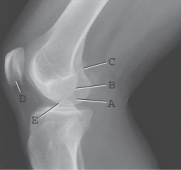
Which one of the labeled structures is the medial condyle of the femur?
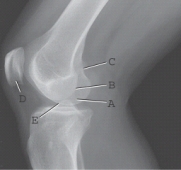
A) A
B) B
C) C
D) D
E) E
A) A
B) B
C) C
D) D
E) E
سؤال
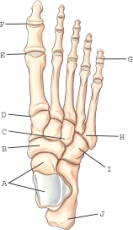
Which of these labeled structures or bones identifies the lateral (third)cuneiform?
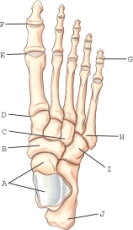
A) B
B) C
C) D
D) I
A) B
B) C
C) D
D) I
سؤال
This radiograph represents which of the following positions?
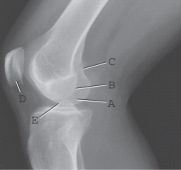
A) Mediolateral projection of the knee, but overextended
B) Mediolateral projection of the knee but underrotated toward the IR
C) Mediolateral projection of the knee but overrotated toward the IR
D) Correctly positioned mediolateral projection of the knee, but underexposed
A) Mediolateral projection of the knee, but overextended
B) Mediolateral projection of the knee but underrotated toward the IR
C) Mediolateral projection of the knee but overrotated toward the IR
D) Correctly positioned mediolateral projection of the knee, but underexposed
سؤال
Which of these labeled structures or bones identifies the metatarsophalangeal joint?
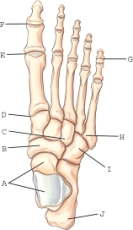
A) E
B) F
C) G
D) H
A) E
B) F
C) G
D) H
سؤال
سؤال
Which of these labeled structures or bones identifies the navicular?
A) B
B) C
C) D
D) I
A) B
B) C
C) D
D) I
سؤال
سؤال
سؤال
سؤال
سؤال
Which of the labeled structures is the adductor tubercle?
A) A
B) B
C) C
D) D
E) E
A) A
B) B
C) C
D) D
E) E
سؤال
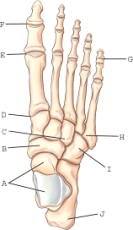
Which projection and/or position of the foot is represented by this drawing of the foot?
A) AP projection, no rotation
B) AP oblique, 15° to 20° medial rotation
C) AP oblique, 45° lateral rotation
D) AP oblique, 45° medial rotation
A) AP projection, no rotation
B) AP oblique, 15° to 20° medial rotation
C) AP oblique, 45° lateral rotation
D) AP oblique, 45° medial rotation
سؤال
سؤال
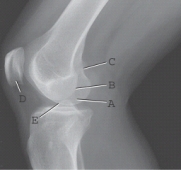
Which of the labeled structures is the lateral condyle of the femur?
A) A
B) B
C) C
D) D
E) E
A) A
B) B
C) C
D) D
E) E
سؤال
Which of these labeled structures or bones identifies the talus?
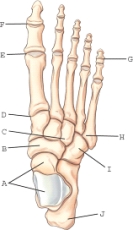
A) A
B) B
C) I
D) J
A) A
B) B
C) I
D) J
سؤال
سؤال
سؤال
سؤال
سؤال
سؤال
سؤال
سؤال
سؤال
سؤال
سؤال
سؤال
سؤال
سؤال
سؤال
سؤال
سؤال
سؤال
سؤال
سؤال
سؤال
سؤال
سؤال
سؤال
سؤال
سؤال
سؤال
سؤال
سؤال
سؤال
سؤال
سؤال
سؤال
سؤال
سؤال
سؤال
سؤال
سؤال
سؤال
سؤال

فتح الحزمة
قم بالتسجيل لفتح البطاقات في هذه المجموعة!
Unlock Deck
Unlock Deck
1/110

العب

ملء الشاشة (f)
Deck 6: Lower Limb
1
Another term for the intercondylar sulcus is the:
A) articular facets.
B) patellar surface.
C) femoropatellar joint space.
D) intercondylar recess.
A) articular facets.
B) patellar surface.
C) femoropatellar joint space.
D) intercondylar recess.
patellar surface.
2
Which tendon attaches directly to the tibial tuberosity?
A) Patellar
B) Quadriceps
C) Soleus
D) Collateral
A) Patellar
B) Quadriceps
C) Soleus
D) Collateral
Patellar
3
The calcaneus articulates with the talus and the:
A) cuboid.
B) navicular.
C) medial cuneiform.
D) lateral cuneiform.
A) cuboid.
B) navicular.
C) medial cuneiform.
D) lateral cuneiform.
cuboid.
4
The medial malleolus is part of the:
A) talus.
B) calcaneus.
C) fibula.
D) tibia.
A) talus.
B) calcaneus.
C) fibula.
D) tibia.
فتح الحزمة
افتح القفل للوصول البطاقات البالغ عددها 110 في هذه المجموعة.
فتح الحزمة
k this deck
5
The patella is drawn into the intercondylar sulcus when the knee is overextended.
فتح الحزمة
افتح القفل للوصول البطاقات البالغ عددها 110 في هذه المجموعة.
فتح الحزمة
k this deck
6
The ankle joint is a ____ joint with a ____ type of movement.
A) fibrous; plane
B) synovial; sellar
C) fibrous; ginglymus
D) synovial; ginglymus
A) fibrous; plane
B) synovial; sellar
C) fibrous; ginglymus
D) synovial; ginglymus
فتح الحزمة
افتح القفل للوصول البطاقات البالغ عددها 110 في هذه المجموعة.
فتح الحزمة
k this deck
7
Which term describes the top or anterior surface of the foot?
A) Palmar
B) Dorsum
C) Volar
D) Plantar
A) Palmar
B) Dorsum
C) Volar
D) Plantar
فتح الحزمة
افتح القفل للوصول البطاقات البالغ عددها 110 في هذه المجموعة.
فتح الحزمة
k this deck
8
A radiographic appearance of a highly malignant and extensively destructive lesion that usually occurs in long bones and produces a sunburst pattern describes:
A) an osteomalacia.
B) an osteogenic sarcoma.
C) an osteoclastoma.
D) Reiter syndrome.
A) an osteomalacia.
B) an osteogenic sarcoma.
C) an osteoclastoma.
D) Reiter syndrome.
فتح الحزمة
افتح القفل للوصول البطاقات البالغ عددها 110 في هذه المجموعة.
فتح الحزمة
k this deck
9
How many articular facets make up the subtalar joint?
A) One
B) Two
C) Three
D) Four
A) One
B) Two
C) Three
D) Four
فتح الحزمة
افتح القفل للوصول البطاقات البالغ عددها 110 في هذه المجموعة.
فتح الحزمة
k this deck
10
Saclike structures found in the knee joint that allow smooth articulation between ligaments and tendons are called:
A) bursae.
B) menisci.
C) synovial membranes.
D) synovial bodies.
A) bursae.
B) menisci.
C) synovial membranes.
D) synovial bodies.
فتح الحزمة
افتح القفل للوصول البطاقات البالغ عددها 110 في هذه المجموعة.
فتح الحزمة
k this deck
11
With cassette-less digital systems,you can use a grid for a foot projection if it is impractical to remove it.
فتح الحزمة
افتح القفل للوصول البطاقات البالغ عددها 110 في هذه المجموعة.
فتح الحزمة
k this deck
12
Which metatarsal bone of the foot has a prominent tuberosity frequently fractured?
A) First
B) Third
C) Fourth
D) Fifth
A) First
B) Third
C) Fourth
D) Fifth
فتح الحزمة
افتح القفل للوصول البطاقات البالغ عددها 110 في هذه المجموعة.
فتح الحزمة
k this deck
13
The patellofemoral joint is a ____ joint with a ____ type of movement.
A) synovial; ginglymus
B) fibrous; immovable
C) synovial; sellar
D) synovial; bicondylar
A) synovial; ginglymus
B) fibrous; immovable
C) synovial; sellar
D) synovial; bicondylar
فتح الحزمة
افتح القفل للوصول البطاقات البالغ عددها 110 في هذه المجموعة.
فتح الحزمة
k this deck
14
What are the two arches of the foot?
A) Anterior and longitudinal
B) Longitudinal and transverse
C) Transverse and anterior
D) Instep and cross-step
A) Anterior and longitudinal
B) Longitudinal and transverse
C) Transverse and anterior
D) Instep and cross-step
فتح الحزمة
افتح القفل للوصول البطاقات البالغ عددها 110 في هذه المجموعة.
فتح الحزمة
k this deck
15
A radiographic appearance of a well-circumscribed lucency within bones describes:
A) gout.
B) Ewing's sarcoma.
C) a bone cyst.
D) Osgood-Schlatter disease.
A) gout.
B) Ewing's sarcoma.
C) a bone cyst.
D) Osgood-Schlatter disease.
فتح الحزمة
افتح القفل للوصول البطاقات البالغ عددها 110 في هذه المجموعة.
فتح الحزمة
k this deck
16
To decrease the angle between the anterior surface of the foot and anterior surface of the lower leg is described as:
A) plantar flexion.
B) inversion.
C) dorsiflexion.
D) eversion.
A) plantar flexion.
B) inversion.
C) dorsiflexion.
D) eversion.
فتح الحزمة
افتح القفل للوصول البطاقات البالغ عددها 110 في هذه المجموعة.
فتح الحزمة
k this deck
17
Which structure or bone contains the sustentaculum tali?
A) Calcaneus
B) Talus
C) Base of the fifth metatarsal
D) Tibia
A) Calcaneus
B) Talus
C) Base of the fifth metatarsal
D) Tibia
فتح الحزمة
افتح القفل للوصول البطاقات البالغ عددها 110 في هذه المجموعة.
فتح الحزمة
k this deck
18
How many tarsal bones are found in the foot?
A) 7
B) 14
C) 5
D) 26
A) 7
B) 14
C) 5
D) 26
فتح الحزمة
افتح القفل للوصول البطاقات البالغ عددها 110 في هذه المجموعة.
فتح الحزمة
k this deck
19
Where would the interphalangeal joint be found in the foot?
A) Between the phalanges of the second through fifth digits
B) Between the tarsal bones and phalanges
C) Between the phalanges of the first digit
D) Between any of the metatarsals and phalanges
A) Between the phalanges of the second through fifth digits
B) Between the tarsal bones and phalanges
C) Between the phalanges of the first digit
D) Between any of the metatarsals and phalanges
فتح الحزمة
افتح القفل للوصول البطاقات البالغ عددها 110 في هذه المجموعة.
فتح الحزمة
k this deck
20
A tear of the tibial (medial)collateral ligament (MCL)caused by a trauma injury is frequently associated with tears of the:
A) anterior cruciate ligament (ACL) and the medial meniscus.
B) posterior cruciate ligament (PCL) and the lateral meniscus.
C) fibular lateral collateral ligament (LCL) and the patella ligament.
D) none of the above.
A) anterior cruciate ligament (ACL) and the medial meniscus.
B) posterior cruciate ligament (PCL) and the lateral meniscus.
C) fibular lateral collateral ligament (LCL) and the patella ligament.
D) none of the above.
فتح الحزمة
افتح القفل للوصول البطاقات البالغ عددها 110 في هذه المجموعة.
فتح الحزمة
k this deck
21
A correctly positioned AP 45° medial oblique ankle projection frequently may also demonstrate a fracture of the base of the fifth metatarsal if present.
فتح الحزمة
افتح القفل للوصول البطاقات البالغ عددها 110 في هذه المجموعة.
فتح الحزمة
k this deck
22
Which of the following routines should be performed for a study of the second toe?
A) AP, AP oblique with lateral rotation, mediolateral projection
B) AP, AP oblique with medial rotation, lateromedial projection
C) AP, AP oblique with lateral rotation, lateromedial projection
D) AP, AP oblique with medial rotation, mediolateral projection
A) AP, AP oblique with lateral rotation, mediolateral projection
B) AP, AP oblique with medial rotation, lateromedial projection
C) AP, AP oblique with lateral rotation, lateromedial projection
D) AP, AP oblique with medial rotation, mediolateral projection
فتح الحزمة
افتح القفل للوصول البطاقات البالغ عددها 110 في هذه المجموعة.
فتح الحزمة
k this deck
23
When multiple exposures are placed on a single computed radiography image receptor (IR),lead masking should not be placed on the unexposed regions of the imaging plate.
فتح الحزمة
افتح القفل للوصول البطاقات البالغ عددها 110 في هذه المجموعة.
فتح الحزمة
k this deck
24
The distal tibiofibular joint is classified as a ____ joint.
A) synovial
B) fibrous
C) diarthrodial
D) synarthrodial
A) synovial
B) fibrous
C) diarthrodial
D) synarthrodial
فتح الحزمة
افتح القفل للوصول البطاقات البالغ عددها 110 في هذه المجموعة.
فتح الحزمة
k this deck
25
Which of the following joints is a modified ellipsoidal or condyloid joint?
A) Tarsometatarsal
B) Metatarsophalangeal
C) Proximal tibiofibular
D) Intertarsal
A) Tarsometatarsal
B) Metatarsophalangeal
C) Proximal tibiofibular
D) Intertarsal
فتح الحزمة
افتح القفل للوصول البطاقات البالغ عددها 110 في هذه المجموعة.
فتح الحزمة
k this deck
26
Which one of the labeled structures is the medial condyle of the femur?
A) A
B) B
C) C
D) D
E) E
A) A
B) B
C) C
D) D
E) E
فتح الحزمة
افتح القفل للوصول البطاقات البالغ عددها 110 في هذه المجموعة.
فتح الحزمة
k this deck
27
Which of these labeled structures or bones identifies the lateral (third)cuneiform?
A) B
B) C
C) D
D) I
A) B
B) C
C) D
D) I
فتح الحزمة
افتح القفل للوصول البطاقات البالغ عددها 110 في هذه المجموعة.
فتح الحزمة
k this deck
28
This radiograph represents which of the following positions?
A) Mediolateral projection of the knee, but overextended
B) Mediolateral projection of the knee but underrotated toward the IR
C) Mediolateral projection of the knee but overrotated toward the IR
D) Correctly positioned mediolateral projection of the knee, but underexposed
A) Mediolateral projection of the knee, but overextended
B) Mediolateral projection of the knee but underrotated toward the IR
C) Mediolateral projection of the knee but overrotated toward the IR
D) Correctly positioned mediolateral projection of the knee, but underexposed
فتح الحزمة
افتح القفل للوصول البطاقات البالغ عددها 110 في هذه المجموعة.
فتح الحزمة
k this deck
29
Which of these labeled structures or bones identifies the metatarsophalangeal joint?
A) E
B) F
C) G
D) H
A) E
B) F
C) G
D) H
فتح الحزمة
افتح القفل للوصول البطاقات البالغ عددها 110 في هذه المجموعة.
فتح الحزمة
k this deck
30
How much is the foot dorsiflexed with the tangential projection for the sesamoid bones if the CR remains perpendicular to the image receptor?
A) 15° to 20° from vertical
B) No flexion of foot is required.
C) 5° to 7° from vertical
D) 30° to 45° from vertical
A) 15° to 20° from vertical
B) No flexion of foot is required.
C) 5° to 7° from vertical
D) 30° to 45° from vertical
فتح الحزمة
افتح القفل للوصول البطاقات البالغ عددها 110 في هذه المجموعة.
فتح الحزمة
k this deck
31
Which of these labeled structures or bones identifies the navicular?
A) B
B) C
C) D
D) I
A) B
B) C
C) D
D) I
فتح الحزمة
افتح القفل للوصول البطاقات البالغ عددها 110 في هذه المجموعة.
فتح الحزمة
k this deck
32
The adductor tubercle is located on the posterior aspect of the medial femoral condyle.
فتح الحزمة
افتح القفل للوصول البطاقات البالغ عددها 110 في هذه المجموعة.
فتح الحزمة
k this deck
33
Extending the ankle joint or pointing the foot and toes downward is called:
A) dorsiflexion.
B) inversion.
C) eversion.
D) plantar flexion.
A) dorsiflexion.
B) inversion.
C) eversion.
D) plantar flexion.
فتح الحزمة
افتح القفل للوصول البطاقات البالغ عددها 110 في هذه المجموعة.
فتح الحزمة
k this deck
34
The best method of evaluating injuries to the menisci and ligaments of the knee joint involves:
A) stress views of the knee.
B) anteroposterior (AP), AP oblique, and lateral projections of the knee.
C) intercondylar fossa projections.
D) a magnetic resonance imaging procedure.
A) stress views of the knee.
B) anteroposterior (AP), AP oblique, and lateral projections of the knee.
C) intercondylar fossa projections.
D) a magnetic resonance imaging procedure.
فتح الحزمة
افتح القفل للوصول البطاقات البالغ عددها 110 في هذه المجموعة.
فتح الحزمة
k this deck
35
A lateral knee radiograph that is overrotated toward the image receptor can be recognized by which of the following?
A) The fibular head will appear more superimposed by the tibia than a true lateral.
B) The fibular head will appear less superimposed by the tibia than a true lateral.
C) The medial condyle of femur will appear more posterior.
D) Both A and C are correct.
A) The fibular head will appear more superimposed by the tibia than a true lateral.
B) The fibular head will appear less superimposed by the tibia than a true lateral.
C) The medial condyle of femur will appear more posterior.
D) Both A and C are correct.
فتح الحزمة
افتح القفل للوصول البطاقات البالغ عددها 110 في هذه المجموعة.
فتح الحزمة
k this deck
36
Which of the labeled structures is the adductor tubercle?
A) A
B) B
C) C
D) D
E) E
A) A
B) B
C) C
D) D
E) E
فتح الحزمة
افتح القفل للوصول البطاقات البالغ عددها 110 في هذه المجموعة.
فتح الحزمة
k this deck
37
Which projection and/or position of the foot is represented by this drawing of the foot?
A) AP projection, no rotation
B) AP oblique, 15° to 20° medial rotation
C) AP oblique, 45° lateral rotation
D) AP oblique, 45° medial rotation
A) AP projection, no rotation
B) AP oblique, 15° to 20° medial rotation
C) AP oblique, 45° lateral rotation
D) AP oblique, 45° medial rotation
فتح الحزمة
افتح القفل للوصول البطاقات البالغ عددها 110 في هذه المجموعة.
فتح الحزمة
k this deck
38
How much central ray (CR)angulation (if any)should be used for an AP projection of the toes?
A) Keep CR perpendicular to IR.
B) 5° toward calcaneus
C) 10° to 15° toward calcaneus
D) 20° to 25° toward calcaneus
A) Keep CR perpendicular to IR.
B) 5° toward calcaneus
C) 10° to 15° toward calcaneus
D) 20° to 25° toward calcaneus
فتح الحزمة
افتح القفل للوصول البطاقات البالغ عددها 110 في هذه المجموعة.
فتح الحزمة
k this deck
39
Which of the labeled structures is the lateral condyle of the femur?
A) A
B) B
C) C
D) D
E) E
A) A
B) B
C) C
D) D
E) E
فتح الحزمة
افتح القفل للوصول البطاقات البالغ عددها 110 في هذه المجموعة.
فتح الحزمة
k this deck
40
Which of these labeled structures or bones identifies the talus?
A) A
B) B
C) I
D) J
A) A
B) B
C) I
D) J
فتح الحزمة
افتح القفل للوصول البطاقات البالغ عددها 110 في هذه المجموعة.
فتح الحزمة
k this deck
41
How much CR angulation to the long axis of the foot is required for the plantodorsal (axial)projection of the calcaneus?
A) 45° to 50°
B) 15° to 20°
C) 30° to 35°
D) 40°
A) 45° to 50°
B) 15° to 20°
C) 30° to 35°
D) 40°
فتح الحزمة
افتح القفل للوصول البطاقات البالغ عددها 110 في هذه المجموعة.
فتح الحزمة
k this deck
42
To properly visualize the joint spaces with the AP projection of the foot,the CR must be:
A) parallel to the longitudinal arch.
B) perpendicular to the metatarsals.
C) perpendicular to the longitudinal arch.
D) parallel to the metatarsals.
A) parallel to the longitudinal arch.
B) perpendicular to the metatarsals.
C) perpendicular to the longitudinal arch.
D) parallel to the metatarsals.
فتح الحزمة
افتح القفل للوصول البطاقات البالغ عددها 110 في هذه المجموعة.
فتح الحزمة
k this deck
43
What CR angle should be used for a lateral projection of the knee on a short,wide-pelvis patient?
A) No CR angle is required.
B) 5° cephalad
C) 7° to 10° cephalad
D) 5° to 10° caudad
A) No CR angle is required.
B) 5° cephalad
C) 7° to 10° cephalad
D) 5° to 10° caudad
فتح الحزمة
افتح القفل للوصول البطاقات البالغ عددها 110 في هذه المجموعة.
فتح الحزمة
k this deck
44
Which position of the foot will best demonstrate the lateral (third)cuneiform?
A) AP oblique with medial rotation
B) AP oblique with lateral rotation
C) AP projection
D) Mediolateral projection
A) AP oblique with medial rotation
B) AP oblique with lateral rotation
C) AP projection
D) Mediolateral projection
فتح الحزمة
افتح القفل للوصول البطاقات البالغ عددها 110 في هذه المجموعة.
فتح الحزمة
k this deck
45
What CR angulation is required for an AP projection of the knee on a patient with an ASIS-to-tabletop measurement of 18 cm?
A) 3° to 5° caudad
B) CR is perpendicular to the IR.
C) 3° to 5° cephalad
D) 10° to 15° cephalad
A) 3° to 5° caudad
B) CR is perpendicular to the IR.
C) 3° to 5° cephalad
D) 10° to 15° cephalad
فتح الحزمة
افتح القفل للوصول البطاقات البالغ عددها 110 في هذه المجموعة.
فتح الحزمة
k this deck
46
The AP mortise projection of the ankle is commonly taken in surgery during open reductions.
فتح الحزمة
افتح القفل للوصول البطاقات البالغ عددها 110 في هذه المجموعة.
فتح الحزمة
k this deck
47
Which projection of the knee will best demonstrate the neck of the fibula without superimposition?
A) AP
B) Lateral
C) AP oblique with medial rotation
D) AP oblique with lateral rotation
A) AP
B) Lateral
C) AP oblique with medial rotation
D) AP oblique with lateral rotation
فتح الحزمة
افتح القفل للوصول البطاقات البالغ عددها 110 في هذه المجموعة.
فتح الحزمة
k this deck
48
The purpose of the AP stress views of the ankle is to demonstrate:
A) possible stress fractures.
B) possible joint separations or ligament tear.
C) loose bodies in ankle joint.
D) tears in the joint meniscus.
A) possible stress fractures.
B) possible joint separations or ligament tear.
C) loose bodies in ankle joint.
D) tears in the joint meniscus.
فتح الحزمة
افتح القفل للوصول البطاقات البالغ عددها 110 في هذه المجموعة.
فتح الحزمة
k this deck
49
What type of CR angle is required for the PA axial weight-bearing bilateral knee projection (Rosenberg method)?
A) 10° caudad
B) 5° to 7° cephalad
C) 20° to 25° caudad
D) None; CR is perpendicular to IR.
A) 10° caudad
B) 5° to 7° cephalad
C) 20° to 25° caudad
D) None; CR is perpendicular to IR.
فتح الحزمة
افتح القفل للوصول البطاقات البالغ عددها 110 في هذه المجموعة.
فتح الحزمة
k this deck
50
To ensure that both joints are included on an AP projection of the tibia and fibula on an adult,the technologist should:
A) increase the SID to 60 inches (150 cm).
B) use a Bucky tray.
C) turn the image receptor diagonally.
D) use a tabletop technique.
A) increase the SID to 60 inches (150 cm).
B) use a Bucky tray.
C) turn the image receptor diagonally.
D) use a tabletop technique.
فتح الحزمة
افتح القفل للوصول البطاقات البالغ عددها 110 في هذه المجموعة.
فتح الحزمة
k this deck
51
Where is the CR placed for a mediolateral projection of the calcaneus?
A) Base of the fifth metatarsal
B) Trochlear process
C) Base of the third metatarsal
D) 1 inch (2.5 cm) inferior to medial malleolus
A) Base of the fifth metatarsal
B) Trochlear process
C) Base of the third metatarsal
D) 1 inch (2.5 cm) inferior to medial malleolus
فتح الحزمة
افتح القفل للوصول البطاقات البالغ عددها 110 في هذه المجموعة.
فتح الحزمة
k this deck
52
What CR angulation is required for the AP oblique projection of the foot?
A) CR is perpendicular to the image receptor.
B) 10° posterior
C) 15° to 20° posterior
D) 5° to 7° posterior
A) CR is perpendicular to the image receptor.
B) 10° posterior
C) 15° to 20° posterior
D) 5° to 7° posterior
فتح الحزمة
افتح القفل للوصول البطاقات البالغ عددها 110 في هذه المجموعة.
فتح الحزمة
k this deck
53
Which joint surfaces of the ankle joint are open with an AP projection of the ankle?
A) Medial and superior
B) Lateral and medial
C) Superior and lateral
D) Medial, superior, and lateral
A) Medial and superior
B) Lateral and medial
C) Superior and lateral
D) Medial, superior, and lateral
فتح الحزمة
افتح القفل للوصول البطاقات البالغ عددها 110 في هذه المجموعة.
فتح الحزمة
k this deck
54
Follow-up radiographs for a fractured tibia and fibula may include only the joint closest to the site of injury.
فتح الحزمة
افتح القفل للوصول البطاقات البالغ عددها 110 في هذه المجموعة.
فتح الحزمة
k this deck
55
What is one advantage of the lateromedial projection of the foot?
A) It is more comfortable for the patient.
B) It better demonstrates the intertarsal joints.
C) The foot assumes a more true lateral position.
D) It opens up the subtalar joint.
A) It is more comfortable for the patient.
B) It better demonstrates the intertarsal joints.
C) The foot assumes a more true lateral position.
D) It opens up the subtalar joint.
فتح الحزمة
افتح القفل للوصول البطاقات البالغ عددها 110 في هذه المجموعة.
فتح الحزمة
k this deck
56
Which special position of the knee requires that the patient be placed supine with 40° flexion of knee with the CR angled 30° from the long axis of the femur?
A) Bilateral Merchant method
B) PA axial, Camp-Coventry method
C) PA axial, Holmblad method
D) Tangential, Hughston method
A) Bilateral Merchant method
B) PA axial, Camp-Coventry method
C) PA axial, Holmblad method
D) Tangential, Hughston method
فتح الحزمة
افتح القفل للوصول البطاقات البالغ عددها 110 في هذه المجموعة.
فتح الحزمة
k this deck
57
What is the major disadvantage of using 45° of flexion for the mediolateral projection of the knee?
A) Draws the patella into the intercondylar sulcus
B) Possible injury to the anterior cruciate ligament
C) Prevents superimposition of the distal aspect of the femoral condyles
D) Can distort any visible fat pads
A) Draws the patella into the intercondylar sulcus
B) Possible injury to the anterior cruciate ligament
C) Prevents superimposition of the distal aspect of the femoral condyles
D) Can distort any visible fat pads
فتح الحزمة
افتح القفل للوصول البطاقات البالغ عددها 110 في هذه المجموعة.
فتح الحزمة
k this deck
58
The superoinferior,tangential (Hobbs modification)projection requires a CR angle of 5° to 10° posterior.
فتح الحزمة
افتح القفل للوصول البطاقات البالغ عددها 110 في هذه المجموعة.
فتح الحزمة
k this deck
59
Which of the following projections of the ankle will best demonstrate the open joint space of the lateral aspect of the ankle joint?
A) AP oblique with 45° rotation
B) AP mortise projection
C) Lateromedial ankle
D) AP projection
A) AP oblique with 45° rotation
B) AP mortise projection
C) Lateromedial ankle
D) AP projection
فتح الحزمة
افتح القفل للوصول البطاقات البالغ عددها 110 في هذه المجموعة.
فتح الحزمة
k this deck
60
How much rotation from an AP position of the ankle will typically produce an AP mortise projection?
A) No rotation is necessary.
B) 45°
C) 15° to 20°
D) 25° to 30°
A) No rotation is necessary.
B) 45°
C) 15° to 20°
D) 25° to 30°
فتح الحزمة
افتح القفل للوصول البطاقات البالغ عددها 110 في هذه المجموعة.
فتح الحزمة
k this deck
61
A patient comes to the radiology department for a knee study with special interest in the region of the proximal tibiofibular joint and the lateral condyle of the tibia.Which of the following positioning routines should the technologist obtain?
A) AP and lateral knee
B) AP, lateral, and lateral oblique knee
C) AP, lateral, and medial oblique knee
D) AP, lateral, and PA axial intercondylar fossa
A) AP and lateral knee
B) AP, lateral, and lateral oblique knee
C) AP, lateral, and medial oblique knee
D) AP, lateral, and PA axial intercondylar fossa
فتح الحزمة
افتح القفل للوصول البطاقات البالغ عددها 110 في هذه المجموعة.
فتح الحزمة
k this deck
62
A patient comes to radiology with a history of chondromalacia of the patella.The orthopedic surgeon is concerned about possible loose bodies in the femoropatellar joint space.She wants the best projection to demonstrate this joint space.What projection should be performed?
A) Camp-Coventry method
B) Settegast method
C) AP axial projection
D) Merchant method
A) Camp-Coventry method
B) Settegast method
C) AP axial projection
D) Merchant method
فتح الحزمة
افتح القفل للوصول البطاقات البالغ عددها 110 في هذه المجموعة.
فتح الحزمة
k this deck
63
A patient comes to radiology with a history of chondromalacia of the patella.Her physician orders a projection of the patellofemoral joint space.Due to advanced emphysema,the patient cannot lie recumbent for this projection.Which of the following projections would be best for this patient?
A) Tangential projection-Settegast method
B) Tangential projection-Merchant method
C) AP axial projection-Béclere method
D) Superoinferior sitting tangential method
A) Tangential projection-Settegast method
B) Tangential projection-Merchant method
C) AP axial projection-Béclere method
D) Superoinferior sitting tangential method
فتح الحزمة
افتح القفل للوصول البطاقات البالغ عددها 110 في هذه المجموعة.
فتح الحزمة
k this deck
64
A radiograph of a lateral projection of the patella reveals that the femoropatellar joint space is not open.The patella is within the intercondylar sulcus.The most likely cause of this is:
A) excessive extension of the knee.
B) excessive angulation of the CR.
C) insufficient angulation of the CR.
D) excessive flexion of the knee.
A) excessive extension of the knee.
B) excessive angulation of the CR.
C) insufficient angulation of the CR.
D) excessive flexion of the knee.
فتح الحزمة
افتح القفل للوصول البطاقات البالغ عددها 110 في هذه المجموعة.
فتح الحزمة
k this deck
65
A patient comes to radiology for an evaluation of the longitudinal arch of the foot.Which of the following projections would provide the best information about the arch?
A) Routine foot series
B) Plantodorsal (axial) projection
C) AP and lateral weight-bearing projections of foot
D) Sesamoid bone series projection
A) Routine foot series
B) Plantodorsal (axial) projection
C) AP and lateral weight-bearing projections of foot
D) Sesamoid bone series projection
فتح الحزمة
افتح القفل للوصول البطاقات البالغ عددها 110 في هذه المجموعة.
فتح الحزمة
k this deck
66
What is the recommended SID for the superoinferior sitting tangential (Hobbs modification)method?
A) 30 inches (77 cm)
B) 40 inches (102 cm)
C) 48 to 50 inches (123 to 128 cm)
D) 72 inches (183 cm)
A) 30 inches (77 cm)
B) 40 inches (102 cm)
C) 48 to 50 inches (123 to 128 cm)
D) 72 inches (183 cm)
فتح الحزمة
افتح القفل للوصول البطاقات البالغ عددها 110 في هذه المجموعة.
فتح الحزمة
k this deck
67
How much flexion of the knee is recommended for the lateral projection of the patella?
A) 5° to 10° or less
B) 20° to 30°
C) 35° to 40°
D) 45° to 50°
A) 5° to 10° or less
B) 20° to 30°
C) 35° to 40°
D) 45° to 50°
فتح الحزمة
افتح القفل للوصول البطاقات البالغ عددها 110 في هذه المجموعة.
فتح الحزمة
k this deck
68
A patient enters the ED with an injury near the base of the first and second metatarsals.The basic foot projections are inconclusive on demonstrating a fracture to the medial cuneiform.Which of the following projections would best demonstrate this bone?
A) AP oblique with increased medial rotation
B) AP oblique with lateral rotation
C) AP weight-bearing projection
D) Lateral weight-bearing projection
A) AP oblique with increased medial rotation
B) AP oblique with lateral rotation
C) AP weight-bearing projection
D) Lateral weight-bearing projection
فتح الحزمة
افتح القفل للوصول البطاقات البالغ عددها 110 في هذه المجموعة.
فتح الحزمة
k this deck
69
A patient enters the emergency department (ED)with a possible transverse fracture of the patella.Which of the following routines would safely provide the best images of the patella?
A) AP and horizontal beam lateral, no flexion of knee
B) AP and 5° to 10° flexion lateral
C) AP and Merchant method
D) PA and 45° PA oblique with medial rotation
A) AP and horizontal beam lateral, no flexion of knee
B) AP and 5° to 10° flexion lateral
C) AP and Merchant method
D) PA and 45° PA oblique with medial rotation
فتح الحزمة
افتح القفل للوصول البطاقات البالغ عددها 110 في هذه المجموعة.
فتح الحزمة
k this deck
70
A radiograph of a AP mortise projection of the ankle reveals that the lateral malleolus is slightly superimposed over the talus and the lateral joint space is not open.What is most likely the cause for this radiographic outcome?
A) Excessive medial rotation of the foot and ankle
B) Insufficient medial rotation of the foot and ankle
C) Excessive plantar flexion of the foot and ankle
D) Excessive dorsiflexion of the foot and ankle
A) Excessive medial rotation of the foot and ankle
B) Insufficient medial rotation of the foot and ankle
C) Excessive plantar flexion of the foot and ankle
D) Excessive dorsiflexion of the foot and ankle
فتح الحزمة
افتح القفل للوصول البطاقات البالغ عددها 110 في هذه المجموعة.
فتح الحزمة
k this deck
71
A patient comes to radiology with a clinical history of osteoarthritis of both knees.The referring physician wants a projection to evaluate the damage to the articular facets.Which of the following projections will provide the best image of this region of the knee?
A) Tangential projection (Hughston method)
B) AP axial projection (Béclere method)
C) PA axial weight-bearing bilateral knee projection (Rosenberg method)
D) Tangential projection (Settegast Method)
A) Tangential projection (Hughston method)
B) AP axial projection (Béclere method)
C) PA axial weight-bearing bilateral knee projection (Rosenberg method)
D) Tangential projection (Settegast Method)
فتح الحزمة
افتح القفل للوصول البطاقات البالغ عددها 110 في هذه المجموعة.
فتح الحزمة
k this deck
72
A radiograph of an AP medial oblique projection of the foot,if positioned correctly,should demonstrate:
A) first through fifth metatarsals free of superimposition.
B) third through fifth metatarsals free of superimposition.
C) first and second cuneiform joint space is open.
D) CR is centered to midshaft of third metatarsal.
A) first through fifth metatarsals free of superimposition.
B) third through fifth metatarsals free of superimposition.
C) first and second cuneiform joint space is open.
D) CR is centered to midshaft of third metatarsal.
فتح الحزمة
افتح القفل للوصول البطاقات البالغ عددها 110 في هذه المجموعة.
فتح الحزمة
k this deck
73
A geriatric patient comes to the radiology department for a study of the knee.The patient is unsteady and unsure of himself.Which intercondylar fossa projection would provide the best results without risk of injury to the patient?
A) Holmblad method
B) Hughston method
C) Camp-Coventry method
D) Rosenberg method
A) Holmblad method
B) Hughston method
C) Camp-Coventry method
D) Rosenberg method
فتح الحزمة
افتح القفل للوصول البطاقات البالغ عددها 110 في هذه المجموعة.
فتح الحزمة
k this deck
74
A radiograph of an AP knee reveals rotation with almost total superimposition of the fibular head and the proximal tibia.What must the technologist do to correct this positioning error on the repeat exposure?
A) Rotate the knee laterally slightly.
B) Rotate the knee medially slightly.
C) Angle the CR slightly more cephalad.
D) Nothing; this is an acceptable image.
A) Rotate the knee laterally slightly.
B) Rotate the knee medially slightly.
C) Angle the CR slightly more cephalad.
D) Nothing; this is an acceptable image.
فتح الحزمة
افتح القفل للوصول البطاقات البالغ عددها 110 في هذه المجموعة.
فتح الحزمة
k this deck
75
A radiograph of an AP projection of the second toe reveals that the interphalangeal joints are not open.What is the most likely cause for this radiographic outcome?
A) Rotation of the toes
B) Excessive SID was used.
C) AP projection was made; should have performed the PA projection.
D) Incorrect CR centering or angle
A) Rotation of the toes
B) Excessive SID was used.
C) AP projection was made; should have performed the PA projection.
D) Incorrect CR centering or angle
فتح الحزمة
افتح القفل للوصول البطاقات البالغ عددها 110 في هذه المجموعة.
فتح الحزمة
k this deck
76
The profile appearance of the adductor tubercle and excessive superimposition of the fibular head and neck on a lateral knee projection indicate:
A) overrotation of the knee toward the IR.
B) underrotation of the knee toward the IR.
C) a true lateral knee.
D) the CR should be angled 5° to 7° cephalad.
A) overrotation of the knee toward the IR.
B) underrotation of the knee toward the IR.
C) a true lateral knee.
D) the CR should be angled 5° to 7° cephalad.
فتح الحزمة
افتح القفل للوصول البطاقات البالغ عددها 110 في هذه المجموعة.
فتح الحزمة
k this deck
77
A radiograph of a PA axial projection for the intercondylar fossa does not demonstrate the fossa well.It is foreshortened.The following positioning factors were used: patient prone,knee flexed 40° to 45°,CR angled to be perpendicular to the femur,40-inch SID,and no rotation of the lower limb.On the basis of the factors used,what changes need to be made to produce a more diagnostic image?
A) Increase SID to at least 48 inches (123 cm).
B) CR must be perpendicular to lower leg.
C) Rotate lower extremity 10° medially.
D) Reduce flexion of the knee to 20° to 30°.
A) Increase SID to at least 48 inches (123 cm).
B) CR must be perpendicular to lower leg.
C) Rotate lower extremity 10° medially.
D) Reduce flexion of the knee to 20° to 30°.
فتح الحزمة
افتح القفل للوصول البطاقات البالغ عددها 110 في هذه المجموعة.
فتح الحزمة
k this deck
78
The adductor tubercle is present on the medial,posterior aspect of the femoral condyle and can be used to determine possible rotation of a lateral knee projection.
فتح الحزمة
افتح القفل للوصول البطاقات البالغ عددها 110 في هذه المجموعة.
فتح الحزمة
k this deck
79
A radiograph of a plantodorsal (axial)projection of the calcaneus reveals foreshortening.The technologist used 60 kV,6 mAs,40-inch (102 cm)SID,and a 30° cephalad CR angle from the long axis of the foot.Which of the following modifications will produce a more diagnostic image of the calcaneus?
A) Plantarflex the foot.
B) Increase CR angulation.
C) Decrease CR angulation.
D) Increase kV to 70.
A) Plantarflex the foot.
B) Increase CR angulation.
C) Decrease CR angulation.
D) Increase kV to 70.
فتح الحزمة
افتح القفل للوصول البطاقات البالغ عددها 110 في هذه المجموعة.
فتح الحزمة
k this deck
80
A radiograph of an AP ankle projection reveals that the lateral joint space is not open (lateral malleolus is partially superimposed by the talus).The superior and medial joint spaces are open.What should the technologist do to correct this problem and improve the image?
A) Rotate the ankle more laterally.
B) Rotate the ankle more medially.
C) Nothing; this is an acceptable image.
D) Dorsiflex the foot.
A) Rotate the ankle more laterally.
B) Rotate the ankle more medially.
C) Nothing; this is an acceptable image.
D) Dorsiflex the foot.
فتح الحزمة
افتح القفل للوصول البطاقات البالغ عددها 110 في هذه المجموعة.
فتح الحزمة
k this deck
فتح الحزمة
افتح القفل للوصول البطاقات البالغ عددها 110 في هذه المجموعة.






