







 تكلم مع الذكاء الاصطناعي


Deck 1: Foundations of Epidemiology
ملء الشاشة (f)

سؤال

سؤال
سؤال
سؤال
سؤال
سؤال
سؤال
سؤال
سؤال
سؤال
سؤال
سؤال
سؤال
سؤال
سؤال
سؤال
refer to the following diagrams:
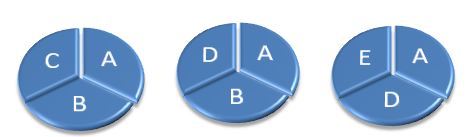
-Which of the following is a sufficient cause?
A) A
B) A, B, C
C) A, A, D
D) B
-Which of the following is a sufficient cause?
A) A
B) A, B, C
C) A, A, D
D) B
سؤال
refer to the following diagrams:
-Which of the following is a necessary cause?
A) A
B) A, B, C
C) A, A, D
D) B
-Which of the following is a necessary cause?
A) A
B) A, B, C
C) A, A, D
D) B
سؤال
refer to the following diagrams:
-Which of the following is not a component cause?
A) A
B) A, B, C
C) A, A, D
D) B
-Which of the following is not a component cause?
A) A
B) A, B, C
C) A, A, D
D) B
سؤال
سؤال

فتح الحزمة
قم بالتسجيل لفتح البطاقات في هذه المجموعة!
Unlock Deck
Unlock Deck
1/20

العب

ملء الشاشة (f)
Deck 1: Foundations of Epidemiology
1
The definition of epidemiology includes all of the following, EXCEPT:
A) study of determinants.
B) study of disease frequency.
C) study of disease patterns.
D) health-related states or events.
E) All of these are included in the definition of epidemiology.
A) study of determinants.
B) study of disease frequency.
C) study of disease patterns.
D) health-related states or events.
E) All of these are included in the definition of epidemiology.
E
2
Descriptive epidemiology involves identifying and quantifying associations, testing hypotheses, and identifying causes of health-related states or events.
False
3
Application of the study of the distribution and determinants of health-related states or events in order to prevent and control health problems is not included in the role of epidemiology.
False
4
List four types of epidemiologic information that can influence public health policy, planning, and individual health decisions.
فتح الحزمة
افتح القفل للوصول البطاقات البالغ عددها 20 في هذه المجموعة.
فتح الحزمة
k this deck
5
Completing the clinical picture involves all of the following, EXCEPT:
A) identification of who is susceptible for disease.
B) identification of types of exposures capable of causing disease.
C) identification of the efficacy of the public health problem.
D) identifying the probability of recovery.
E) All of these are part of completing the clinical picture.
A) identification of who is susceptible for disease.
B) identification of types of exposures capable of causing disease.
C) identification of the efficacy of the public health problem.
D) identifying the probability of recovery.
E) All of these are part of completing the clinical picture.
فتح الحزمة
افتح القفل للوصول البطاقات البالغ عددها 20 في هذه المجموعة.
فتح الحزمة
k this deck
6
__________ refers to the benefits of a treatment, procedure, or service among those who use it in contrast to those who do not.
A) Efficacy
B) Effectiveness
C) Validity
D) Healthy participant effect
A) Efficacy
B) Effectiveness
C) Validity
D) Healthy participant effect
فتح الحزمة
افتح القفل للوصول البطاقات البالغ عددها 20 في هذه المجموعة.
فتح الحزمة
k this deck
7
Epidemiology involves studying only infectious communicable disease, not events like injury, obesity, mental health disorders, seat belt use, etc.
فتح الحزمة
افتح القفل للوصول البطاقات البالغ عددها 20 في هذه المجموعة.
فتح الحزمة
k this deck
8
We sometimes classify epidemics by how they spread through a population. Which of the following is NOT an example of a point source epidemic?
A) Hepatitis B contracted through contaminated water consumed after a football practice
B) Salmonella poisoning contracted by a group of family and friends from grandma's potato salad
C) Influenza
D) All of these are examples of point source epidemics.
A) Hepatitis B contracted through contaminated water consumed after a football practice
B) Salmonella poisoning contracted by a group of family and friends from grandma's potato salad
C) Influenza
D) All of these are examples of point source epidemics.
فتح الحزمة
افتح القفل للوصول البطاقات البالغ عددها 20 في هذه المجموعة.
فتح الحزمة
k this deck
9
Public health surveillance includes all of the following, EXCEPT:
A) public health action.
B) systematic collection of data.
C) analysis of data.
D) interpretation and dissemination of data.
E) All of these are included in public health surveillance.
A) public health action.
B) systematic collection of data.
C) analysis of data.
D) interpretation and dissemination of data.
E) All of these are included in public health surveillance.
فتح الحزمة
افتح القفل للوصول البطاقات البالغ عددها 20 في هذه المجموعة.
فتح الحزمة
k this deck
10
A primary case is the same as an index case.
فتح الحزمة
افتح القفل للوصول البطاقات البالغ عددها 20 في هذه المجموعة.
فتح الحزمة
k this deck
11
In the epidemiology triangle, the term agent is equivalent to which of the following?
A) Host
B) Pathogen
C) Environment
D) Field investigator
A) Host
B) Pathogen
C) Environment
D) Field investigator
فتح الحزمة
افتح القفل للوصول البطاقات البالغ عددها 20 في هذه المجموعة.
فتح الحزمة
k this deck
12
Which of the following best defines a fomite?
A) Clothing
B) Fly
C) Habitat
D) Time
A) Clothing
B) Fly
C) Habitat
D) Time
فتح الحزمة
افتح القفل للوصول البطاقات البالغ عددها 20 في هذه المجموعة.
فتح الحزمة
k this deck
13
Humans can serve as all of the following, EXCEPT:
A) fomites.
B) reservoirs.
C) hosts.
D) Humans cannot serve as any of these.
A) fomites.
B) reservoirs.
C) hosts.
D) Humans cannot serve as any of these.
فتح الحزمة
افتح القفل للوصول البطاقات البالغ عددها 20 في هذه المجموعة.
فتح الحزمة
k this deck
14
A subclinical case is the same as which of the following?
A) Incubatory carrier
B) Intermittent carrier
C) Convalescent carrier
D) Healthy carrier
A) Incubatory carrier
B) Intermittent carrier
C) Convalescent carrier
D) Healthy carrier
فتح الحزمة
افتح القفل للوصول البطاقات البالغ عددها 20 في هذه المجموعة.
فتح الحزمة
k this deck
15
Which of the following is an example of active primary prevention?
A) Screening
B) Vitamin-fortified bread
C) Immunization
D) All of these are correct.
A) Screening
B) Vitamin-fortified bread
C) Immunization
D) All of these are correct.
فتح الحزمة
افتح القفل للوصول البطاقات البالغ عددها 20 في هذه المجموعة.
فتح الحزمة
k this deck
16
refer to the following diagrams:
-Which of the following is a sufficient cause?
A) A
B) A, B, C
C) A, A, D
D) B
-Which of the following is a sufficient cause?
A) A
B) A, B, C
C) A, A, D
D) B
فتح الحزمة
افتح القفل للوصول البطاقات البالغ عددها 20 في هذه المجموعة.
فتح الحزمة
k this deck
17
refer to the following diagrams:
-Which of the following is a necessary cause?
A) A
B) A, B, C
C) A, A, D
D) B
-Which of the following is a necessary cause?
A) A
B) A, B, C
C) A, A, D
D) B
فتح الحزمة
افتح القفل للوصول البطاقات البالغ عددها 20 في هذه المجموعة.
فتح الحزمة
k this deck
18
refer to the following diagrams:
-Which of the following is not a component cause?
A) A
B) A, B, C
C) A, A, D
D) B
-Which of the following is not a component cause?
A) A
B) A, B, C
C) A, A, D
D) B
فتح الحزمة
افتح القفل للوصول البطاقات البالغ عددها 20 في هذه المجموعة.
فتح الحزمة
k this deck
19
Those diseases and infections that are transmitted between vertebrate animals and humans are referred to as _____________________.
فتح الحزمة
افتح القفل للوصول البطاقات البالغ عددها 20 في هذه المجموعة.
فتح الحزمة
k this deck
20
The second leading cause of death in the United States is _________________.
فتح الحزمة
افتح القفل للوصول البطاقات البالغ عددها 20 في هذه المجموعة.
فتح الحزمة
k this deck
فتح الحزمة
افتح القفل للوصول البطاقات البالغ عددها 20 في هذه المجموعة.






