







 تكلم مع الذكاء الاصطناعي


Deck 16: Adaptive Immunity
ملء الشاشة (f)

سؤال

سؤال
سؤال
سؤال
سؤال
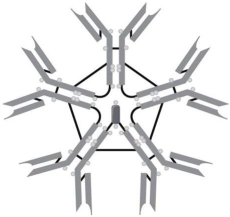 The type of immunoglobulin illustrated in Figure 16.1 is
A) IgE.
B) IgG.
C) IgA.
D) IgM.
E) IgD.
سؤال
سؤال
سؤال
سؤال
سؤال
سؤال
سؤال
سؤال
سؤال
سؤال
سؤال
سؤال
سؤال
سؤال
سؤال
سؤال
سؤال
سؤال
سؤال
سؤال
سؤال
سؤال
سؤال
سؤال
سؤال
سؤال
سؤال
سؤال
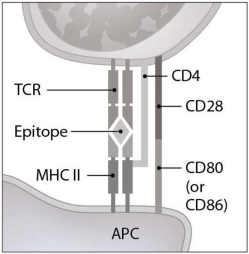 Figure 16.2 illustrates an interaction between a(n)
A) antigen presenting cell and a B lymphocyte.
B) antigen presenting cell and a T lymphocyte.
C) NK cell and its target cell.
D) CTL and its target cell.
E) antigen presenting cell and a plasma cell.
سؤال
سؤال
سؤال
سؤال
سؤال
سؤال
سؤال
سؤال
سؤال
سؤال
سؤال
سؤال
سؤال
سؤال
سؤال
سؤال
سؤال
سؤال
سؤال
سؤال
سؤال
سؤال
سؤال
سؤال
سؤال
سؤال
سؤال
سؤال
سؤال
سؤال
سؤال
سؤال
سؤال
سؤال
سؤال
سؤال
سؤال
سؤال
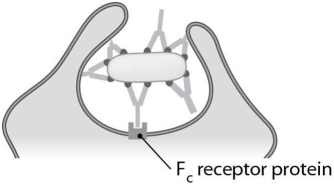
The antibody function known as (agglutination/neutralization/opsonization) is illustrated in Figure 16.3.
سؤال
سؤال
سؤال
سؤال

فتح الحزمة
قم بالتسجيل لفتح البطاقات في هذه المجموعة!
Unlock Deck
Unlock Deck
1/75

العب

ملء الشاشة (f)
Deck 16: Adaptive Immunity
1
Secretory IgA antibodies are unique because they
A) have unique light chains.
B) are Y-shaped molecules.
C) are present in the plasma.
D) are connected with J chains and short polypeptides to form dimers.
E) are present in lymph nodes.
A) have unique light chains.
B) are Y-shaped molecules.
C) are present in the plasma.
D) are connected with J chains and short polypeptides to form dimers.
E) are present in lymph nodes.
D
2
Which of the following statements about T lymphocytes is FALSE?
A) T lymphocytes produce antibody molecules.
B) T lymphocytes directly attack cells and produce the cell-mediated immune response.
C) T lymphocytes are called such because they mature in the thymus.
D) T lymphocytes have TCRs that recognize antigen only if it is bound to MHC.
E) There are three types of T lymphocytes.
A) T lymphocytes produce antibody molecules.
B) T lymphocytes directly attack cells and produce the cell-mediated immune response.
C) T lymphocytes are called such because they mature in the thymus.
D) T lymphocytes have TCRs that recognize antigen only if it is bound to MHC.
E) There are three types of T lymphocytes.
A
3
Clonal deletion of developing T lymphocytes takes place in which location(s) in the body?
A) the bone marrow
B) the spleen
C) the liver
D) both the bone marrow and the spleen
E) the thymus
A) the bone marrow
B) the spleen
C) the liver
D) both the bone marrow and the spleen
E) the thymus
E
4
The white blood cells primarily responsible for adaptive immunity are
A) NK lymphocytes and neutrophils.
B) B lymphocytes and T lymphocytes.
C) macrophages and eosinophils.
D) macrophages and neutrophils.
E) neutrophils and dendritic cells.
A) NK lymphocytes and neutrophils.
B) B lymphocytes and T lymphocytes.
C) macrophages and eosinophils.
D) macrophages and neutrophils.
E) neutrophils and dendritic cells.
فتح الحزمة
افتح القفل للوصول البطاقات البالغ عددها 75 في هذه المجموعة.
فتح الحزمة
k this deck
5
The type of immunoglobulin illustrated in Figure 16.1 isA) IgE.
B) IgG.
C) IgA.
D) IgM.
E) IgD.
فتح الحزمة
افتح القفل للوصول البطاقات البالغ عددها 75 في هذه المجموعة.
فتح الحزمة
k this deck
6
Which of the following statements concerning B cell receptors (BCRs) is FALSE?
A) They are formed in response to an encounter with an antigen.
B) They are complementary in shape to a specific antigenic determinant that they may or may not encounter.
C) They are bound to the surface of B lymphocytes and have two antigen-binding sites.
D) Each B lymphocyte is randomly generated with antibody variable regions that determine its BCR.
E) Scientists estimate that each person forms at least 10¹¹ different types of B lymphocytes with distinct BCRs.
A) They are formed in response to an encounter with an antigen.
B) They are complementary in shape to a specific antigenic determinant that they may or may not encounter.
C) They are bound to the surface of B lymphocytes and have two antigen-binding sites.
D) Each B lymphocyte is randomly generated with antibody variable regions that determine its BCR.
E) Scientists estimate that each person forms at least 10¹¹ different types of B lymphocytes with distinct BCRs.
فتح الحزمة
افتح القفل للوصول البطاقات البالغ عددها 75 في هذه المجموعة.
فتح الحزمة
k this deck
7
Which of the following cytokines act as a signal between leukocytes?
A) growth factors
B) interferons
C) interleukins
D) tumor necrosis factors
E) chemokines
A) growth factors
B) interferons
C) interleukins
D) tumor necrosis factors
E) chemokines
فتح الحزمة
افتح القفل للوصول البطاقات البالغ عددها 75 في هذه المجموعة.
فتح الحزمة
k this deck
8
You step on something in the yard resulting in a puncture wound that does not bleed freely. Antigens from any microbes that entered the wound will most likely end up in the
A) appendix.
B) lymph nodes of the groin.
C) lymph nodes of the neck (cervical).
D) lymph nodes of the armpit (axilla).
E) spleen.
A) appendix.
B) lymph nodes of the groin.
C) lymph nodes of the neck (cervical).
D) lymph nodes of the armpit (axilla).
E) spleen.
فتح الحزمة
افتح القفل للوصول البطاقات البالغ عددها 75 في هذه المجموعة.
فتح الحزمة
k this deck
9
Which of the following statements about lymphocytes is FALSE?
A) Once they are mature, they migrate to secondary lymphoid organs.
B) B and T lymphocytes can be differentiated using a bright-field light microscope.
C) Lymphocytes have integral surface proteins by which they can be recognized.
D) The glycoproteins on the surface of a lymphocyte are designated with the prefix CD, for "cluster of differentiation."
E) Lymphocytes have different types of CD molecules in their cytoplasmic membranes.
A) Once they are mature, they migrate to secondary lymphoid organs.
B) B and T lymphocytes can be differentiated using a bright-field light microscope.
C) Lymphocytes have integral surface proteins by which they can be recognized.
D) The glycoproteins on the surface of a lymphocyte are designated with the prefix CD, for "cluster of differentiation."
E) Lymphocytes have different types of CD molecules in their cytoplasmic membranes.
فتح الحزمة
افتح القفل للوصول البطاقات البالغ عددها 75 في هذه المجموعة.
فتح الحزمة
k this deck
10
Cell-mediated immunity is a function of
A) NK cells.
B) T lymphocytes.
C) B lymphocytes.
D) dendritic cells.
E) macrophages.
A) NK cells.
B) T lymphocytes.
C) B lymphocytes.
D) dendritic cells.
E) macrophages.
فتح الحزمة
افتح القفل للوصول البطاقات البالغ عددها 75 في هذه المجموعة.
فتح الحزمة
k this deck
11
Adaptive immunity is sometimes also called acquired immunity. Which of the following statements provides a basis for the alternative name?
A) Lymphocytes of the adaptive immune system are highly specific for a single epitope.
B) Activated lymphocytes produce daughter cells that are identical in specificity and function.
C) To become activated, lymphocytes require exposure to the epitope for which they are specific.
D) Activated lymphocytes may persist for years in the body.
E) Lymphocytes reactive to normal body components are removed.
A) Lymphocytes of the adaptive immune system are highly specific for a single epitope.
B) Activated lymphocytes produce daughter cells that are identical in specificity and function.
C) To become activated, lymphocytes require exposure to the epitope for which they are specific.
D) Activated lymphocytes may persist for years in the body.
E) Lymphocytes reactive to normal body components are removed.
فتح الحزمة
افتح القفل للوصول البطاقات البالغ عددها 75 في هذه المجموعة.
فتح الحزمة
k this deck
12
The majority of mature, self-tolerant lymphocytes are found in
A) the MALT.
B) lymph nodes.
C) the thymus.
D) the spleen.
E) the tonsils.
A) the MALT.
B) lymph nodes.
C) the thymus.
D) the spleen.
E) the tonsils.
فتح الحزمة
افتح القفل للوصول البطاقات البالغ عددها 75 في هذه المجموعة.
فتح الحزمة
k this deck
13
The antibody-binding site of an antibody is made up of
A) portions of both of the heavy chains only.
B) the variable regions of the heavy chains.
C) the light chains only.
D) the variable regions of both light and heavy chains.
E) one heavy chain.
A) portions of both of the heavy chains only.
B) the variable regions of the heavy chains.
C) the light chains only.
D) the variable regions of both light and heavy chains.
E) one heavy chain.
فتح الحزمة
افتح القفل للوصول البطاقات البالغ عددها 75 في هذه المجموعة.
فتح الحزمة
k this deck
14
Which of the following function in agglutination?
A) IgA antibodies
B) IgG antibodies
C) IgE antibodies
D) IgD antibodies
E) IgA and IgG antibodies
A) IgA antibodies
B) IgG antibodies
C) IgE antibodies
D) IgD antibodies
E) IgA and IgG antibodies
فتح الحزمة
افتح القفل للوصول البطاقات البالغ عددها 75 في هذه المجموعة.
فتح الحزمة
k this deck
15
Which of the following statements concerning the chemical structure of an antibody is FALSE?
A) Antibodies are formed of four polypeptide chains.
B) Antibodies have two long peptide chains known as heavy chains.
C) Antibodies have two short peptide chains known as light chains.
D) The stem and arm are connected by a hinge.
E) The heavy and light chains are connected by hydrogen bonds.
A) Antibodies are formed of four polypeptide chains.
B) Antibodies have two long peptide chains known as heavy chains.
C) Antibodies have two short peptide chains known as light chains.
D) The stem and arm are connected by a hinge.
E) The heavy and light chains are connected by hydrogen bonds.
فتح الحزمة
افتح القفل للوصول البطاقات البالغ عددها 75 في هذه المجموعة.
فتح الحزمة
k this deck
16
Which of the following is a characteristic of the third line of defense that makes it significantly different from the second line?
A) The response is specific to a single antigen.
B) The initial response is very rapid, beginning in minutes to a couple of hours.
C) The response is effective on a broad range of antigens.
D) The response to a second exposure is similar to the response to a first exposure.
E) The responding cells are a variety of cell types.
A) The response is specific to a single antigen.
B) The initial response is very rapid, beginning in minutes to a couple of hours.
C) The response is effective on a broad range of antigens.
D) The response to a second exposure is similar to the response to a first exposure.
E) The responding cells are a variety of cell types.
فتح الحزمة
افتح القفل للوصول البطاقات البالغ عددها 75 في هذه المجموعة.
فتح الحزمة
k this deck
17
Which of the following is NOT included in the MALT?
A) the appendix
B) the spleen
C) Peyer's patches
D) lymphoid tissue in the respiratory tract
E) lymphoid tissue in the small intestine
A) the appendix
B) the spleen
C) Peyer's patches
D) lymphoid tissue in the respiratory tract
E) lymphoid tissue in the small intestine
فتح الحزمة
افتح القفل للوصول البطاقات البالغ عددها 75 في هذه المجموعة.
فتح الحزمة
k this deck
18
Which of the following statements regarding antibody function is FALSE?
A) They can prevent virus attachment to host cells.
B) They can facilitate phagocyte attack on bacteria with a capsule (glycocalyx).
C) They can penetrate host cells to bind intracellular antigens.
D) They can facilitate cytotoxic attack by natural killer lymphocytes.
E) They can bind more than one pathogen at a time, forming complexes.
A) They can prevent virus attachment to host cells.
B) They can facilitate phagocyte attack on bacteria with a capsule (glycocalyx).
C) They can penetrate host cells to bind intracellular antigens.
D) They can facilitate cytotoxic attack by natural killer lymphocytes.
E) They can bind more than one pathogen at a time, forming complexes.
فتح الحزمة
افتح القفل للوصول البطاقات البالغ عددها 75 في هذه المجموعة.
فتح الحزمة
k this deck
19
Which of the following is an exogenous antigen?
A) a bacterium inside a cell
B) a virus inside a cell
C) a bacterium outside a cell
D) a noninfected human cell
E) the malaria parasite inside a red blood cell
A) a bacterium inside a cell
B) a virus inside a cell
C) a bacterium outside a cell
D) a noninfected human cell
E) the malaria parasite inside a red blood cell
فتح الحزمة
افتح القفل للوصول البطاقات البالغ عددها 75 في هذه المجموعة.
فتح الحزمة
k this deck
20
The most prevalent antibody class in the blood is
A) IgD.
B) IgM.
C) IgA.
D) IgG.
E) IgE.
A) IgD.
B) IgM.
C) IgA.
D) IgG.
E) IgE.
فتح الحزمة
افتح القفل للوصول البطاقات البالغ عددها 75 في هذه المجموعة.
فتح الحزمة
k this deck
21
The immunological synapse refers to the
A) interaction between a T cell and an antigen-presenting cell to produce a specialized cell-to-cell contact area.
B) activation of a B cell to become a plasma cell.
C) interaction between lymphocytes and foreign antigens to produce memory cells.
D) binding of a monocyte or macrophage to antigen so that it can act as an antigen-presenting cell.
E) interaction of the many cytokines produced by different immunological cells.
A) interaction between a T cell and an antigen-presenting cell to produce a specialized cell-to-cell contact area.
B) activation of a B cell to become a plasma cell.
C) interaction between lymphocytes and foreign antigens to produce memory cells.
D) binding of a monocyte or macrophage to antigen so that it can act as an antigen-presenting cell.
E) interaction of the many cytokines produced by different immunological cells.
فتح الحزمة
افتح القفل للوصول البطاقات البالغ عددها 75 في هذه المجموعة.
فتح الحزمة
k this deck
22
Which of the following recognizes and binds to MHC I proteins and helps stabilize the binding of epitopes to T cell receptors?
A) CD8
B) MHC I
C) CD26
D) CD4
E) CD95
A) CD8
B) MHC I
C) CD26
D) CD4
E) CD95
فتح الحزمة
افتح القفل للوصول البطاقات البالغ عددها 75 في هذه المجموعة.
فتح الحزمة
k this deck
23
The lymphocytes of adaptive immunity called ________ mature in the red bone marrow.
A) T cells
B) B cells
C) NK cells
D) dendritic cells
E) macrophages
A) T cells
B) B cells
C) NK cells
D) dendritic cells
E) macrophages
فتح الحزمة
افتح القفل للوصول البطاقات البالغ عددها 75 في هذه المجموعة.
فتح الحزمة
k this deck
24
Which of the following statements regarding the lymphatic system is FALSE?
A) Lymph fluid is similar to blood plasma.
B) The lymphatic vessels contract to move lymphatic fluid.
C) The lymphatic vessels have valves to control the direction of fluid flow.
D) The lymphatic system begins with highly permeable capillaries.
E) Fluid flows through lymph nodes on its way to the bloodstream.
A) Lymph fluid is similar to blood plasma.
B) The lymphatic vessels contract to move lymphatic fluid.
C) The lymphatic vessels have valves to control the direction of fluid flow.
D) The lymphatic system begins with highly permeable capillaries.
E) Fluid flows through lymph nodes on its way to the bloodstream.
فتح الحزمة
افتح القفل للوصول البطاقات البالغ عددها 75 في هذه المجموعة.
فتح الحزمة
k this deck
25
A sick child may have influenza or RSV. These virus infections have different treatment options, so the physician requests antibody titer tests. The results are as follows: anti-influenza antibodies are primarily IgM, and anti-RSV antibodies are all IgA and IgG. Which of the following is the most appropriate interpretation?
A) the child has a current RSV infection and was previously exposed to influenza.
B) the child currently has influenza and has previously been exposed to RSV.
C) the child has concurrent influenza and RSV infections.
D) the child has neither influenza nor RSV.
E) the results do not provide sufficient data to draw a conclusion.
A) the child has a current RSV infection and was previously exposed to influenza.
B) the child currently has influenza and has previously been exposed to RSV.
C) the child has concurrent influenza and RSV infections.
D) the child has neither influenza nor RSV.
E) the results do not provide sufficient data to draw a conclusion.
فتح الحزمة
افتح القفل للوصول البطاقات البالغ عددها 75 في هذه المجموعة.
فتح الحزمة
k this deck
26
Class I MHC molecules are essential for
A) presentation of endogenous antigens.
B) recognition of chemokines.
C) detection of IL-2.
D) recognition of class II MHC.
E) presentation of exogenous antigens.
A) presentation of endogenous antigens.
B) recognition of chemokines.
C) detection of IL-2.
D) recognition of class II MHC.
E) presentation of exogenous antigens.
فتح الحزمة
افتح القفل للوصول البطاقات البالغ عددها 75 في هذه المجموعة.
فتح الحزمة
k this deck
27
The protozoan that causes malaria is an intracellular parasite of red blood cells (RBCs). An adaptive immune response to this parasite is problematic because
A) red blood cells do not produce MHC and, therefore, do not display the fact that they have been infected by presenting antigen.
B) the parasite damages leukocytes along with RBCs.
C) RBCs normally produce cytokines necessary for adaptive immune response, which this infection prevents.
D) complement cannot effectively destroy RBCs.
E) RBCs never enter lymphoid tissue.
A) red blood cells do not produce MHC and, therefore, do not display the fact that they have been infected by presenting antigen.
B) the parasite damages leukocytes along with RBCs.
C) RBCs normally produce cytokines necessary for adaptive immune response, which this infection prevents.
D) complement cannot effectively destroy RBCs.
E) RBCs never enter lymphoid tissue.
فتح الحزمة
افتح القفل للوصول البطاقات البالغ عددها 75 في هذه المجموعة.
فتح الحزمة
k this deck
28
Exogenous antigens are processed for immune recognition by ________ cells.
A) dendritic
B) all nucleated
C) macrophage
D) helper T
E) dendritic and macrophage
A) dendritic
B) all nucleated
C) macrophage
D) helper T
E) dendritic and macrophage
فتح الحزمة
افتح القفل للوصول البطاقات البالغ عددها 75 في هذه المجموعة.
فتح الحزمة
k this deck
29
The perforin-granzyme pathway involves
A) the production of fever, which kills the pathogen.
B) the production of antibodies toward the invading pathogen.
C) the production of special cell-killing proteins that act on infected or abnormal cells.
D) presenting the foreign antigen to B cells.
E) binding CD95L to infected cells, which eventually leads to cell apoptosis.
A) the production of fever, which kills the pathogen.
B) the production of antibodies toward the invading pathogen.
C) the production of special cell-killing proteins that act on infected or abnormal cells.
D) presenting the foreign antigen to B cells.
E) binding CD95L to infected cells, which eventually leads to cell apoptosis.
فتح الحزمة
افتح القفل للوصول البطاقات البالغ عددها 75 في هذه المجموعة.
فتح الحزمة
k this deck
30
Which of the following cytokines promotes the development of a cell-mediated immune response?
A) alpha interferon
B) chemokines
C) tumor necrosis factor (TNF)
D) IL-4 (interleukin-4)
E) IL-12
A) alpha interferon
B) chemokines
C) tumor necrosis factor (TNF)
D) IL-4 (interleukin-4)
E) IL-12
فتح الحزمة
افتح القفل للوصول البطاقات البالغ عددها 75 في هذه المجموعة.
فتح الحزمة
k this deck
31
Which of the following is true of chemokines?
A) They ensure production of enough leukocytes.
B) They are involved in B lymphocyte activation and differentiation.
C) They are chemotactic factors for leukocytes.
D) They cause basophils and eosinophils to degranulate.
E) They are substances used to signal between leukocytes.
A) They ensure production of enough leukocytes.
B) They are involved in B lymphocyte activation and differentiation.
C) They are chemotactic factors for leukocytes.
D) They cause basophils and eosinophils to degranulate.
E) They are substances used to signal between leukocytes.
فتح الحزمة
افتح القفل للوصول البطاقات البالغ عددها 75 في هذه المجموعة.
فتح الحزمة
k this deck
32
What is the role of interleukins?
A) chemotaxis of leukocytes
B) production of virally infected cells
C) ensuring production of enough leukocytes
D) signaling between leukocytes
E) complement activation
A) chemotaxis of leukocytes
B) production of virally infected cells
C) ensuring production of enough leukocytes
D) signaling between leukocytes
E) complement activation
فتح الحزمة
افتح القفل للوصول البطاقات البالغ عددها 75 في هذه المجموعة.
فتح الحزمة
k this deck
33
Figure 16.2 illustrates an interaction between a(n)A) antigen presenting cell and a B lymphocyte.
B) antigen presenting cell and a T lymphocyte.
C) NK cell and its target cell.
D) CTL and its target cell.
E) antigen presenting cell and a plasma cell.
فتح الحزمة
افتح القفل للوصول البطاقات البالغ عددها 75 في هذه المجموعة.
فتح الحزمة
k this deck
34
What type of immunity is produced by the body when a person contracts a disease?
A) innate immunity
B) naturally acquired passive immunity
C) artificially acquired active immunity
D) artificially acquired passive immunity
E) naturally acquired active immunity
A) innate immunity
B) naturally acquired passive immunity
C) artificially acquired active immunity
D) artificially acquired passive immunity
E) naturally acquired active immunity
فتح الحزمة
افتح القفل للوصول البطاقات البالغ عددها 75 في هذه المجموعة.
فتح الحزمة
k this deck
35
Class II MHC are found on
A) the skin.
B) red blood cells.
C) cytoplasmic membranes of nucleated cells.
D) muscle cells.
E) professional antigen-presenting cells.
A) the skin.
B) red blood cells.
C) cytoplasmic membranes of nucleated cells.
D) muscle cells.
E) professional antigen-presenting cells.
فتح الحزمة
افتح القفل للوصول البطاقات البالغ عددها 75 في هذه المجموعة.
فتح الحزمة
k this deck
36
Which of the following statements regarding the cell-mediated immune response is TRUE?
A) Cytotoxic T lymphocytes do not require antigen presentation to become activated.
B) Cytotoxic T lymphocytes interact with antibodies that have bound antigen to identify their target.
C) Helper T lymphocytes have no role in the activation of cytotoxic T lymphocytes.
D) Cytotoxic T lymphocytes kill by producing hydrogen peroxide.
E) A single cytotoxic T lymphocyte can kill many target cells.
A) Cytotoxic T lymphocytes do not require antigen presentation to become activated.
B) Cytotoxic T lymphocytes interact with antibodies that have bound antigen to identify their target.
C) Helper T lymphocytes have no role in the activation of cytotoxic T lymphocytes.
D) Cytotoxic T lymphocytes kill by producing hydrogen peroxide.
E) A single cytotoxic T lymphocyte can kill many target cells.
فتح الحزمة
افتح القفل للوصول البطاقات البالغ عددها 75 في هذه المجموعة.
فتح الحزمة
k this deck
37
Which of the following statements concerning plasma cells is FALSE?
A) They live for many years and function as memory cells.
B) They are descended from activated B cells.
C) They can produce large quantities of antibodies on a daily basis.
D) They secrete a single type of antibody molecule specific for a single epitope.
E) The antibodies they produce can remain in circulation for weeks.
A) They live for many years and function as memory cells.
B) They are descended from activated B cells.
C) They can produce large quantities of antibodies on a daily basis.
D) They secrete a single type of antibody molecule specific for a single epitope.
E) The antibodies they produce can remain in circulation for weeks.
فتح الحزمة
افتح القفل للوصول البطاقات البالغ عددها 75 في هذه المجموعة.
فتح الحزمة
k this deck
38
Major histocompatibility antigens are
A) antigens that provoke allergic reactions.
B) antigens that must be processed to be recognized by the immune system.
C) antigens attached to foreign invaders.
D) autoantigens involved in epitope recognition.
E) not really antigens, but rather antibodies produced to mask foreign antigens.
A) antigens that provoke allergic reactions.
B) antigens that must be processed to be recognized by the immune system.
C) antigens attached to foreign invaders.
D) autoantigens involved in epitope recognition.
E) not really antigens, but rather antibodies produced to mask foreign antigens.
فتح الحزمة
افتح القفل للوصول البطاقات البالغ عددها 75 في هذه المجموعة.
فتح الحزمة
k this deck
39
What is the result when a dendritic cell phagocytizes a microbe and processes it?
A) activation of the dendritic cell to become a plasma cell
B) display of epitope-MHC I complexes on the surface of the cell
C) suppression of the immune response to the microbe
D) display of microbial fragments with CD8 glycoproteins
E) display of microbial epitope-MHC II complexes on the cell surface
A) activation of the dendritic cell to become a plasma cell
B) display of epitope-MHC I complexes on the surface of the cell
C) suppression of the immune response to the microbe
D) display of microbial fragments with CD8 glycoproteins
E) display of microbial epitope-MHC II complexes on the cell surface
فتح الحزمة
افتح القفل للوصول البطاقات البالغ عددها 75 في هذه المجموعة.
فتح الحزمة
k this deck
40
Enhanced immune responses to subsequent exposures to an antigen to which the body has already been exposed are known as ________ responses.
A) third-degree immune
B) allergic
C) primary immune
D) memory
E) autoimmune
A) third-degree immune
B) allergic
C) primary immune
D) memory
E) autoimmune
فتح الحزمة
افتح القفل للوصول البطاقات البالغ عددها 75 في هذه المجموعة.
فتح الحزمة
k this deck
41
Which of the following is the result when a CTL interacts with a virally infected cell?
A) The cell releases interferon-gamma (INF-γ).
B) The cell undergoes apoptosis.
C) The CTL produces oxidizing chemicals.
D) The CTL produces IL-12.
E) The cell produces MHC II with epitope attached.
A) The cell releases interferon-gamma (INF-γ).
B) The cell undergoes apoptosis.
C) The CTL produces oxidizing chemicals.
D) The CTL produces IL-12.
E) The cell produces MHC II with epitope attached.
فتح الحزمة
افتح القفل للوصول البطاقات البالغ عددها 75 في هذه المجموعة.
فتح الحزمة
k this deck
42
Immature B lymphocytes undergo clonal deletion in the bone marrow.
فتح الحزمة
افتح القفل للوصول البطاقات البالغ عددها 75 في هذه المجموعة.
فتح الحزمة
k this deck
43
A single B lymphocyte can recognize multiple antigenic determinants.
فتح الحزمة
افتح القفل للوصول البطاقات البالغ عددها 75 في هذه المجموعة.
فتح الحزمة
k this deck
44
IgE antibodies are best described as
A) a cause of basophil and eosinophil degranulation.
B) the antibodies found in body secretions.
C) those involved in complement activation.
D) the trigger for antibody-dependent cellular toxicity (ADCC).
E) the most common type of antibody in the blood during the initial phases of an immune response.
A) a cause of basophil and eosinophil degranulation.
B) the antibodies found in body secretions.
C) those involved in complement activation.
D) the trigger for antibody-dependent cellular toxicity (ADCC).
E) the most common type of antibody in the blood during the initial phases of an immune response.
فتح الحزمة
افتح القفل للوصول البطاقات البالغ عددها 75 في هذه المجموعة.
فتح الحزمة
k this deck
45
The adaptive immune response requires exposure to specific epitopes for activation.
فتح الحزمة
افتح القفل للوصول البطاقات البالغ عددها 75 في هذه المجموعة.
فتح الحزمة
k this deck
46
The (constant/ hinge/variable) regions from the light and heavy chains of an antibody combine to form antigen-binding sites.
فتح الحزمة
افتح القفل للوصول البطاقات البالغ عددها 75 في هذه المجموعة.
فتح الحزمة
k this deck
47
When a T cell's CD95L binds to the CD95 on a target cell, antibodies are formed.
فتح الحزمة
افتح القفل للوصول البطاقات البالغ عددها 75 في هذه المجموعة.
فتح الحزمة
k this deck
48
Which of the following best describes IgM antibodies?
A) They cause basophils and eosinophils to degranulate.
B) They are the most common type of antibody in the blood during the initial stages of an immune response.
C) They are the antibody class found in body secretions.
D) They interact with phagocytes and NK cells.
E) They can cross the placenta to provide passive immunity.
A) They cause basophils and eosinophils to degranulate.
B) They are the most common type of antibody in the blood during the initial stages of an immune response.
C) They are the antibody class found in body secretions.
D) They interact with phagocytes and NK cells.
E) They can cross the placenta to provide passive immunity.
فتح الحزمة
افتح القفل للوصول البطاقات البالغ عددها 75 في هذه المجموعة.
فتح الحزمة
k this deck
49
Vaccination triggers an immune response which produces ________ immunity.
A) artificial passive
B) natural passive
C) natural active
D) artificial active
E) both active and passive
A) artificial passive
B) natural passive
C) natural active
D) artificial active
E) both active and passive
فتح الحزمة
افتح القفل للوصول البطاقات البالغ عددها 75 في هذه المجموعة.
فتح الحزمة
k this deck
50
During an infection with Listeria, an intracellular bacterium, APCs will present antigen on MHC II molecules.
فتح الحزمة
افتح القفل للوصول البطاقات البالغ عددها 75 في هذه المجموعة.
فتح الحزمة
k this deck
51
The immunologic (agglutination/complex/synapse) forms when MHC molecules and TCR molecules connect.
فتح الحزمة
افتح القفل للوصول البطاقات البالغ عددها 75 في هذه المجموعة.
فتح الحزمة
k this deck
52
The MALT lacks the tough outer capsule of a lymph node but functions in the same way.
فتح الحزمة
افتح القفل للوصول البطاقات البالغ عددها 75 في هذه المجموعة.
فتح الحزمة
k this deck
53
Activation of B lymphocytes produces (antibody-mediation/cell-mediated/innate) immune responses.
فتح الحزمة
افتح القفل للوصول البطاقات البالغ عددها 75 في هذه المجموعة.
فتح الحزمة
k this deck
54
Cytokines are soluble regulatory proteins that act as intercellular signals and include substances such as interleukins, interferon, and growth factors.
فتح الحزمة
افتح القفل للوصول البطاقات البالغ عددها 75 في هذه المجموعة.
فتح الحزمة
k this deck
55
CTLs use the CD95 molecule to recognize their epitope.
فتح الحزمة
افتح القفل للوصول البطاقات البالغ عددها 75 في هذه المجموعة.
فتح الحزمة
k this deck
56
The third line of defense is called (adaptive/clonal/self-tolerant) because it does not normally respond to autoantigens.
فتح الحزمة
افتح القفل للوصول البطاقات البالغ عددها 75 في هذه المجموعة.
فتح الحزمة
k this deck
57
How is the development of autoimmunity normally prevented?
A) T lymphocytes that respond to autoantigens in the thymus undergo clonal deletion.
B) T lymphocytes require a specific set of cytokine signals to become activated.
C) Regulatory T cells suppress autoimmune responses.
D) Clonal deletion of T cells and regulatory T cell suppression prevent autoreactive T cell activation.
E) Clonal deletion of T cells, lack of necessary cytokine signals, and regulatory T cell suppression prevent activation of autoreactive T cells.
A) T lymphocytes that respond to autoantigens in the thymus undergo clonal deletion.
B) T lymphocytes require a specific set of cytokine signals to become activated.
C) Regulatory T cells suppress autoimmune responses.
D) Clonal deletion of T cells and regulatory T cell suppression prevent autoreactive T cell activation.
E) Clonal deletion of T cells, lack of necessary cytokine signals, and regulatory T cell suppression prevent activation of autoreactive T cells.
فتح الحزمة
افتح القفل للوصول البطاقات البالغ عددها 75 في هذه المجموعة.
فتح الحزمة
k this deck
58
Blood plasma enters the lymphatic capillaries directly from circulatory capillaries.
فتح الحزمة
افتح القفل للوصول البطاقات البالغ عددها 75 في هذه المجموعة.
فتح الحزمة
k this deck
59
IgG antibodies can carry out all five antibody functions.
فتح الحزمة
افتح القفل للوصول البطاقات البالغ عددها 75 في هذه المجموعة.
فتح الحزمة
k this deck
60
The delay in the initial adaptive immune response to pathogen is largely due to the (inducibility/memory/specificity) of adaptive immunity.
فتح الحزمة
افتح القفل للوصول البطاقات البالغ عددها 75 في هذه المجموعة.
فتح الحزمة
k this deck
61
The surface of each B lymphocyte is covered with about 250,000 to 500,000 identical copies of (BCR/MHC/TCR).
فتح الحزمة
افتح القفل للوصول البطاقات البالغ عددها 75 في هذه المجموعة.
فتح الحزمة
k this deck
62
T lymphocytes that have both CD4 and CD25 are (cytotoxic/helper/regulatory) T cells.
فتح الحزمة
افتح القفل للوصول البطاقات البالغ عددها 75 في هذه المجموعة.
فتح الحزمة
k this deck
63
Discuss the importance of there being two types of adaptive immune responses (antibody and cell-mediated).
فتح الحزمة
افتح القفل للوصول البطاقات البالغ عددها 75 في هذه المجموعة.
فتح الحزمة
k this deck
64
The IgG molecules which cross the placenta and circulate in a baby's bloodstream provide the baby with natural (active/innate/passive) immunity.
فتح الحزمة
افتح القفل للوصول البطاقات البالغ عددها 75 في هذه المجموعة.
فتح الحزمة
k this deck
65
Professional antigen-presenting cells (APCs) include B cells, macrophages, and (dendritic/plasma/T) cells.
فتح الحزمة
افتح القفل للوصول البطاقات البالغ عددها 75 في هذه المجموعة.
فتح الحزمة
k this deck
66
A variety of molecular components of the adaptive immune system bind epitopes (antigenic determinants). Compare and contrast the binding of epitopes by antibody molecules, T cell receptors (TCRs), and MHC molecules, and describe the consequences of the different interactions.
فتح الحزمة
افتح القفل للوصول البطاقات البالغ عددها 75 في هذه المجموعة.
فتح الحزمة
k this deck
67
Describe the mechanisms of action of antibodies.
فتح الحزمة
افتح القفل للوصول البطاقات البالغ عددها 75 في هذه المجموعة.
فتح الحزمة
k this deck
68
B cells are activated when they interact with (antigen-presenting/Th1/Th2) cells.
فتح الحزمة
افتح القفل للوصول البطاقات البالغ عددها 75 في هذه المجموعة.
فتح الحزمة
k this deck
69
T lymphocytes mature in the (bone marrow/lymph node/thymus).
فتح الحزمة
افتح القفل للوصول البطاقات البالغ عددها 75 في هذه المجموعة.
فتح الحزمة
k this deck
70
Compare and contrast clonal deletion and clonal selection of B lymphocytes.
فتح الحزمة
افتح القفل للوصول البطاقات البالغ عددها 75 في هذه المجموعة.
فتح الحزمة
k this deck
71
The antibody function known as (agglutination/neutralization/opsonization) is illustrated in Figure 16.3.
فتح الحزمة
افتح القفل للوصول البطاقات البالغ عددها 75 في هذه المجموعة.
فتح الحزمة
k this deck
72
TCRs only recognize antigens presented by APC; therefore, (BCR/MHC/Th1) molecules ultimately determine which epitopes elicit an immune response.
فتح الحزمة
افتح القفل للوصول البطاقات البالغ عددها 75 في هذه المجموعة.
فتح الحزمة
k this deck
73
Plasma cells produce (antibody/chemokine/cytotoxic) molecules.
فتح الحزمة
افتح القفل للوصول البطاقات البالغ عددها 75 في هذه المجموعة.
فتح الحزمة
k this deck
74
What are the steps involved in B cell activation?
فتح الحزمة
افتح القفل للوصول البطاقات البالغ عددها 75 في هذه المجموعة.
فتح الحزمة
k this deck
75
Cytotoxic T lymphocytes insert (CD95/lectin/perforin) into the membranes of the cells they target as a first step in killing.
فتح الحزمة
افتح القفل للوصول البطاقات البالغ عددها 75 في هذه المجموعة.
فتح الحزمة
k this deck
فتح الحزمة
افتح القفل للوصول البطاقات البالغ عددها 75 في هذه المجموعة.






