







 تكلم مع الذكاء الاصطناعي


Deck 3: Appearance and Reality in Ancient India
ملء الشاشة (f)

سؤال

سؤال
سؤال
Because the self is that which perceives the whole world, the claims that the self
A) cannot itself be perceived.
B) is reducible to a set of biological processes.
C) is affected by the objects that it perceives.
D) is eternal and unchanging.
claims that the selfA) cannot itself be perceived.
B) is reducible to a set of biological processes.
C) is affected by the objects that it perceives.
D) is eternal and unchanging.
سؤال
For the Bhagavad  entails that
A) you are likely to be born as an animal in the next life.
B) after your death, you can choose what your future life will be like.
C) it is the same self which loses its body in one life and takes on a new body in its next life.
D) your karma is reset with each new reincarnation.
entails thatA) you are likely to be born as an animal in the next life.
B) after your death, you can choose what your future life will be like.
C) it is the same self which loses its body in one life and takes on a new body in its next life.
D) your karma is reset with each new reincarnation.
سؤال
سؤال
سؤال
سؤال
سؤال
سؤال
سؤال
When an enlightened person achieves the first stage of  that person
A) no longer experiences strong desires or aversions.
B) ceases to exist altogether.
C) will come back in future lives to remove the suffering of others.
D) stops experiencing any pain or pleasure at all.
that personA) no longer experiences strong desires or aversions.
B) ceases to exist altogether.
C) will come back in future lives to remove the suffering of others.
D) stops experiencing any pain or pleasure at all.
سؤال
One reason that N uses the chariot example is to illustrate how
A) a whole is the sum collection of its parts.
B) a whole can be identified with its most essential parts.
C) there are no such things as wholes which exist over and above their parts.
D) it makes no sense at all to talk about chariots as existing in the first place.
uses the chariot example is to illustrate howA) a whole is the sum collection of its parts.
B) a whole can be identified with its most essential parts.
C) there are no such things as wholes which exist over and above their parts.
D) it makes no sense at all to talk about chariots as existing in the first place.
سؤال
Having failed to identify N with any of his body parts or any of the five skandhas, King Milinda initially thinks that
A) N11ef258c_5011_888d_bd33_557cf2cf52f4_TBO1325_11is identical with his unchanging ?tman.
B) N11ef258c_5011_888d_bd33_557cf2cf52f4_TBO1325_11 must not exist at all, and is lying about his own existence.
C) N11ef258c_5011_888d_bd33_557cf2cf52f4_TBO1325_11 is being indecisive about his own true identity.
D) N11ef258c_5011_888d_bd33_557cf2cf52f4_TBO1325_11s being humorous.
with any of his body parts or any of the five skandhas, King Milinda initially thinks thatA) N11ef258c_5011_888d_bd33_557cf2cf52f4_TBO1325_11is identical with his unchanging ?tman.
B) N11ef258c_5011_888d_bd33_557cf2cf52f4_TBO1325_11 must not exist at all, and is lying about his own existence.
C) N11ef258c_5011_888d_bd33_557cf2cf52f4_TBO1325_11 is being indecisive about his own true identity.
D) N11ef258c_5011_888d_bd33_557cf2cf52f4_TBO1325_11s being humorous.
سؤال
According to N, the name "N11ef258c_5011_888d_bd33_557cf2cf52f4_TBO1325_11" is
A) a conventional designation for skandhas arranged in a certain way.
B) a totally meaningless sound.
C) used to refer to the same person across time.
D) a rigid designator.
, the name "N11ef258c_5011_888d_bd33_557cf2cf52f4_TBO1325_11" isA) a conventional designation for skandhas arranged in a certain way.
B) a totally meaningless sound.
C) used to refer to the same person across time.
D) a rigid designator.
سؤال
سؤال
Against the Buddhists, the  school develops the notion of inherence to explain how
A) composite substances exist intrinsically.
B) a substance is nothing but a collection of parts arranged a certain way.
C) attributes belong to a substance intrinsically.
D) a whole can arise as a new object when its parts are combined in the right way.
school develops the notion of inherence to explain howA) composite substances exist intrinsically.
B) a substance is nothing but a collection of parts arranged a certain way.
C) attributes belong to a substance intrinsically.
D) a whole can arise as a new object when its parts are combined in the right way.
سؤال
The role of particularity ( ) in the
  system is to
A) distinguish general properties from individual substances.
B) represent the object of perception.
C) individuate one attribute from another.
D) mark a substance as being numerically distinct from every other substance.
) in the system is toA) distinguish general properties from individual substances.
B) represent the object of perception.
C) individuate one attribute from another.
D) mark a substance as being numerically distinct from every other substance.
سؤال
According to , the self ( ) is
) is
A) identical with brahman.
B) composed of physical atoms.
C) a substance in which mental states like knowledge and feeling inhere.
D) a substance in which the mind or internal sense organ inheres.
, the self ( ) isA) identical with brahman.
B) composed of physical atoms.
C) a substance in which mental states like knowledge and feeling inhere.
D) a substance in which the mind or internal sense organ inheres.
سؤال
Which of the following is not a genuine source of knowledge ( ), according to
  ?
?
A) perception
B) memory
C) testimony
D) inference
), according to ?A) perception
B) memory
C) testimony
D) inference
سؤال
The author of the 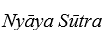 defines perception as "not depending on language" because
A) perceptual knowledge is fundamentally ineffable.
B) acquiring perceptual knowledge does not require the ability to verbally articulate that knowledge.
C) the meanings of words are not perceptible.
D) the nature of ultimate reality cannot be captured in language.
defines perception as "not depending on language" becauseA) perceptual knowledge is fundamentally ineffable.
B) acquiring perceptual knowledge does not require the ability to verbally articulate that knowledge.
C) the meanings of words are not perceptible.
D) the nature of ultimate reality cannot be captured in language.
سؤال
The method of tarka is not itself a genuine source of knowledge ( ) because
A) it only suggests that a certain view is consistent with what is known to be true through a https://d2lvgg3v3hfg70.cloudfront.net/TBO1325/11ef258d_102d_86b6_bd33_5710583ab75d_TBO1325_11.
B) it cannot decide which view is the most likely to be true.
C) it is only used to negate an opponent's view without establishing one's own view as correct.
D) it can only be used when there is no fact of the matter.
) becauseA) it only suggests that a certain view is consistent with what is known to be true through a https://d2lvgg3v3hfg70.cloudfront.net/TBO1325/11ef258d_102d_86b6_bd33_5710583ab75d_TBO1325_11.
B) it cannot decide which view is the most likely to be true.
C) it is only used to negate an opponent's view without establishing one's own view as correct.
D) it can only be used when there is no fact of the matter.
سؤال
For  , the existence of desire, aversion, effort, pleasure, pain, and knowledge are inferential marks which prove the existence of
A) the self.
B) God.
C) suffering.
D) the external world.
, the existence of desire, aversion, effort, pleasure, pain, and knowledge are inferential marks which prove the existence ofA) the self.
B) God.
C) suffering.
D) the external world.
سؤال
سؤال
For the  the self is eternal and ultimately identical with brahman, the single deity that comprises the whole world.
the self is eternal and ultimately identical with brahman, the single deity that comprises the whole world. سؤال
سؤال
سؤال
سؤال
The Buddhist doctrine of non-self ( ) entails that there is no entity which can constitute or belong to a person's identity or essence.
) entails that there is no entity which can constitute or belong to a person's identity or essence. سؤال
 is trying to convince Milinda that the name "11ef258e_814b_b28f_bd33_6fc53959fff0_TBO1325_11" refers just to one specific type of skandha, and not any others.
 سؤال
All Brahmanical schools of Indian philosophy agree with the teaching that everything is identical with Brahman.
teaching that everything is identical with Brahman. سؤال
According to  , a universal property of redness inheres in an individual instance of red color, the red color inheres in a substance, and all three of these entities can be perceived by our sense faculties.
, a universal property of redness inheres in an individual instance of red color, the red color inheres in a substance, and all three of these entities can be perceived by our sense faculties. سؤال
claims that particularities ( ) individuate and differentiate all existing things by inhering in them.
 سؤال
 characterizes perceptual knowledge as "definitive" because it is not only redundant but impossible for an object known through perception to be known through any other source of knowledge.
 سؤال
On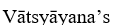 explanation of the
  theory of testimony, someone is a trustworthy authority when that person has direct knowledge of some fact and has a desire to communicate that fact.
explanation of the theory of testimony, someone is a trustworthy authority when that person has direct knowledge of some fact and has a desire to communicate that fact. سؤال
argues that because the eyes cannot perceive an object through touch, and fingers cannot perceive an object through sight, the experience that I touch what I saw is an illusion. سؤال
سؤال
سؤال
سؤال
سؤال
سؤال
سؤال
سؤال
سؤال
سؤال
سؤال
سؤال

فتح الحزمة
قم بالتسجيل لفتح البطاقات في هذه المجموعة!
Unlock Deck
Unlock Deck
1/47

العب

ملء الشاشة (f)
Deck 3: Appearance and Reality in Ancient India
1
Within the Vedas, philosophical reflections on Vedic myths, hymns, and rituals are found primarily in the
A) Sahitas.
B) Brhmaas.
C) rayakas.
D) Upaniads.
A) Sahitas.
B) Brhmaas.
C) rayakas.
D) Upaniads.
Upaniads.
2
In the Chandogya Upanisad, the god Indra finally discovers that the true self (atman), which is free from all evils, sorrows, old age and death, is
A) the body.
B) that which wanders around freely in dreams.
C) that which experiences perceptions and thoughts through the senses and mind.
D) that which undergoes dreamless sleep.
A) the body.
B) that which wanders around freely in dreams.
C) that which experiences perceptions and thoughts through the senses and mind.
D) that which undergoes dreamless sleep.
that which experiences perceptions and thoughts through the senses and mind.
3
Because the self is that which perceives the whole world, the claims that the self
A) cannot itself be perceived.
B) is reducible to a set of biological processes.
C) is affected by the objects that it perceives.
D) is eternal and unchanging.
claims that the selfA) cannot itself be perceived.
B) is reducible to a set of biological processes.
C) is affected by the objects that it perceives.
D) is eternal and unchanging.
cannot itself be perceived.
4
For the Bhagavad entails that
A) you are likely to be born as an animal in the next life.
B) after your death, you can choose what your future life will be like.
C) it is the same self which loses its body in one life and takes on a new body in its next life.
D) your karma is reset with each new reincarnation.
entails thatA) you are likely to be born as an animal in the next life.
B) after your death, you can choose what your future life will be like.
C) it is the same self which loses its body in one life and takes on a new body in its next life.
D) your karma is reset with each new reincarnation.
فتح الحزمة
افتح القفل للوصول البطاقات البالغ عددها 47 في هذه المجموعة.
فتح الحزمة
k this deck
5
The doctrine of karma fundamentally holds that when people perform good actions,
A) they will tend to live good lives.
B) they will experience good consequences as a causal result of those actions.
C) God will look upon them favorably.
D) they are guaranteed to become Brahmins in their next lives.
A) they will tend to live good lives.
B) they will experience good consequences as a causal result of those actions.
C) God will look upon them favorably.
D) they are guaranteed to become Brahmins in their next lives.
فتح الحزمة
افتح القفل للوصول البطاقات البالغ عددها 47 في هذه المجموعة.
فتح الحزمة
k this deck
6
Even if we are able to acquire whatever we desire in life, the Buddha will consider our lives to involve suffering because
A) we won't get to fully enjoy what we've acquired until we reach heaven.
B) the threat of loss and lack of control over what we've acquired causes us anxiety and unease.
C) other people will become jealous about what we've acquired.
D) we should never be complacent and should always strive to acquire more.
A) we won't get to fully enjoy what we've acquired until we reach heaven.
B) the threat of loss and lack of control over what we've acquired causes us anxiety and unease.
C) other people will become jealous about what we've acquired.
D) we should never be complacent and should always strive to acquire more.
فتح الحزمة
افتح القفل للوصول البطاقات البالغ عددها 47 في هذه المجموعة.
فتح الحزمة
k this deck
7
The Buddha thought that we have attachments to things because, fundamentally,
A) society conditions us to desire more and more things.
B) attachments make life worth living.
C) we are inherently selfish.
D) we have a false understanding of reality.
A) society conditions us to desire more and more things.
B) attachments make life worth living.
C) we are inherently selfish.
D) we have a false understanding of reality.
فتح الحزمة
افتح القفل للوصول البطاقات البالغ عددها 47 في هذه المجموعة.
فتح الحزمة
k this deck
8
According to the Buddhist doctrine of impermanence,
A) the self only exists for one lifetime, and not beyond.
B) objects exist as long they are perceived.
C) all objects are streams of momentary skandhas.
D) there is an unchanging essence to all things.
A) the self only exists for one lifetime, and not beyond.
B) objects exist as long they are perceived.
C) all objects are streams of momentary skandhas.
D) there is an unchanging essence to all things.
فتح الحزمة
افتح القفل للوصول البطاقات البالغ عددها 47 في هذه المجموعة.
فتح الحزمة
k this deck
9
To refute the idea that there is a self who is an autonomous author of one's actions, the Buddha cites the doctrine of
A) dependent origination.
B) karma and rebirth.
C) emptiness.
D) the Eightfold Path.
A) dependent origination.
B) karma and rebirth.
C) emptiness.
D) the Eightfold Path.
فتح الحزمة
افتح القفل للوصول البطاقات البالغ عددها 47 في هذه المجموعة.
فتح الحزمة
k this deck
10
To explain how someone can experience the karmic consequences of their actions in another rebirth, the Buddhists claim that
A) it is the same self which performs the action in this life and experiences the consequences of that action in its next life.
B) there is a causal connection between the bundle of skandhas that performed the action in this life and the bundle of skandhas that exists in the next life.
C) God ensures that you will experience what you deserve.
D) your experience of these consequences in another life is due to random chance.
A) it is the same self which performs the action in this life and experiences the consequences of that action in its next life.
B) there is a causal connection between the bundle of skandhas that performed the action in this life and the bundle of skandhas that exists in the next life.
C) God ensures that you will experience what you deserve.
D) your experience of these consequences in another life is due to random chance.
فتح الحزمة
افتح القفل للوصول البطاقات البالغ عددها 47 في هذه المجموعة.
فتح الحزمة
k this deck
11
When an enlightened person achieves the first stage of that person
A) no longer experiences strong desires or aversions.
B) ceases to exist altogether.
C) will come back in future lives to remove the suffering of others.
D) stops experiencing any pain or pleasure at all.
that personA) no longer experiences strong desires or aversions.
B) ceases to exist altogether.
C) will come back in future lives to remove the suffering of others.
D) stops experiencing any pain or pleasure at all.
فتح الحزمة
افتح القفل للوصول البطاقات البالغ عددها 47 في هذه المجموعة.
فتح الحزمة
k this deck
12
One reason that N uses the chariot example is to illustrate how
A) a whole is the sum collection of its parts.
B) a whole can be identified with its most essential parts.
C) there are no such things as wholes which exist over and above their parts.
D) it makes no sense at all to talk about chariots as existing in the first place.
uses the chariot example is to illustrate howA) a whole is the sum collection of its parts.
B) a whole can be identified with its most essential parts.
C) there are no such things as wholes which exist over and above their parts.
D) it makes no sense at all to talk about chariots as existing in the first place.
فتح الحزمة
افتح القفل للوصول البطاقات البالغ عددها 47 في هذه المجموعة.
فتح الحزمة
k this deck
13
Having failed to identify N with any of his body parts or any of the five skandhas, King Milinda initially thinks that
A) N11ef258c_5011_888d_bd33_557cf2cf52f4_TBO1325_11is identical with his unchanging ?tman.
B) N11ef258c_5011_888d_bd33_557cf2cf52f4_TBO1325_11 must not exist at all, and is lying about his own existence.
C) N11ef258c_5011_888d_bd33_557cf2cf52f4_TBO1325_11 is being indecisive about his own true identity.
D) N11ef258c_5011_888d_bd33_557cf2cf52f4_TBO1325_11s being humorous.
with any of his body parts or any of the five skandhas, King Milinda initially thinks thatA) N11ef258c_5011_888d_bd33_557cf2cf52f4_TBO1325_11is identical with his unchanging ?tman.
B) N11ef258c_5011_888d_bd33_557cf2cf52f4_TBO1325_11 must not exist at all, and is lying about his own existence.
C) N11ef258c_5011_888d_bd33_557cf2cf52f4_TBO1325_11 is being indecisive about his own true identity.
D) N11ef258c_5011_888d_bd33_557cf2cf52f4_TBO1325_11s being humorous.
فتح الحزمة
افتح القفل للوصول البطاقات البالغ عددها 47 في هذه المجموعة.
فتح الحزمة
k this deck
14
According to N, the name "N11ef258c_5011_888d_bd33_557cf2cf52f4_TBO1325_11" is
A) a conventional designation for skandhas arranged in a certain way.
B) a totally meaningless sound.
C) used to refer to the same person across time.
D) a rigid designator.
, the name "N11ef258c_5011_888d_bd33_557cf2cf52f4_TBO1325_11" isA) a conventional designation for skandhas arranged in a certain way.
B) a totally meaningless sound.
C) used to refer to the same person across time.
D) a rigid designator.
فتح الحزمة
افتح القفل للوصول البطاقات البالغ عددها 47 في هذه المجموعة.
فتح الحزمة
k this deck
15
One reason why a chariot cannot be identical with all of its parts is that
A) the chariot is not reducible to its parts.
B) the word "chariot" does not refer to all of its parts.
C) the chariot supposedly has properties which the chariot-parts lack.
D) both the chariot and its parts are totally unreal.
A) the chariot is not reducible to its parts.
B) the word "chariot" does not refer to all of its parts.
C) the chariot supposedly has properties which the chariot-parts lack.
D) both the chariot and its parts are totally unreal.
فتح الحزمة
افتح القفل للوصول البطاقات البالغ عددها 47 في هذه المجموعة.
فتح الحزمة
k this deck
16
Against the Buddhists, the school develops the notion of inherence to explain how
A) composite substances exist intrinsically.
B) a substance is nothing but a collection of parts arranged a certain way.
C) attributes belong to a substance intrinsically.
D) a whole can arise as a new object when its parts are combined in the right way.
school develops the notion of inherence to explain howA) composite substances exist intrinsically.
B) a substance is nothing but a collection of parts arranged a certain way.
C) attributes belong to a substance intrinsically.
D) a whole can arise as a new object when its parts are combined in the right way.
فتح الحزمة
افتح القفل للوصول البطاقات البالغ عددها 47 في هذه المجموعة.
فتح الحزمة
k this deck
17
The role of particularity ( ) in the system is to
A) distinguish general properties from individual substances.
B) represent the object of perception.
C) individuate one attribute from another.
D) mark a substance as being numerically distinct from every other substance.
) in the system is toA) distinguish general properties from individual substances.
B) represent the object of perception.
C) individuate one attribute from another.
D) mark a substance as being numerically distinct from every other substance.
فتح الحزمة
افتح القفل للوصول البطاقات البالغ عددها 47 في هذه المجموعة.
فتح الحزمة
k this deck
18
According to , the self ( ) is
A) identical with brahman.
B) composed of physical atoms.
C) a substance in which mental states like knowledge and feeling inhere.
D) a substance in which the mind or internal sense organ inheres.
, the self ( ) isA) identical with brahman.
B) composed of physical atoms.
C) a substance in which mental states like knowledge and feeling inhere.
D) a substance in which the mind or internal sense organ inheres.
فتح الحزمة
افتح القفل للوصول البطاقات البالغ عددها 47 في هذه المجموعة.
فتح الحزمة
k this deck
19
Which of the following is not a genuine source of knowledge ( ), according to ?
A) perception
B) memory
C) testimony
D) inference
), according to ?A) perception
B) memory
C) testimony
D) inference
فتح الحزمة
افتح القفل للوصول البطاقات البالغ عددها 47 في هذه المجموعة.
فتح الحزمة
k this deck
20
The author of the defines perception as "not depending on language" because
A) perceptual knowledge is fundamentally ineffable.
B) acquiring perceptual knowledge does not require the ability to verbally articulate that knowledge.
C) the meanings of words are not perceptible.
D) the nature of ultimate reality cannot be captured in language.
defines perception as "not depending on language" becauseA) perceptual knowledge is fundamentally ineffable.
B) acquiring perceptual knowledge does not require the ability to verbally articulate that knowledge.
C) the meanings of words are not perceptible.
D) the nature of ultimate reality cannot be captured in language.
فتح الحزمة
افتح القفل للوصول البطاقات البالغ عددها 47 في هذه المجموعة.
فتح الحزمة
k this deck
21
The method of tarka is not itself a genuine source of knowledge ( ) because
A) it only suggests that a certain view is consistent with what is known to be true through a https://d2lvgg3v3hfg70.cloudfront.net/TBO1325/11ef258d_102d_86b6_bd33_5710583ab75d_TBO1325_11.
B) it cannot decide which view is the most likely to be true.
C) it is only used to negate an opponent's view without establishing one's own view as correct.
D) it can only be used when there is no fact of the matter.
) becauseA) it only suggests that a certain view is consistent with what is known to be true through a https://d2lvgg3v3hfg70.cloudfront.net/TBO1325/11ef258d_102d_86b6_bd33_5710583ab75d_TBO1325_11.
B) it cannot decide which view is the most likely to be true.
C) it is only used to negate an opponent's view without establishing one's own view as correct.
D) it can only be used when there is no fact of the matter.
فتح الحزمة
افتح القفل للوصول البطاقات البالغ عددها 47 في هذه المجموعة.
فتح الحزمة
k this deck
22
For , the existence of desire, aversion, effort, pleasure, pain, and knowledge are inferential marks which prove the existence of
A) the self.
B) God.
C) suffering.
D) the external world.
, the existence of desire, aversion, effort, pleasure, pain, and knowledge are inferential marks which prove the existence ofA) the self.
B) God.
C) suffering.
D) the external world.
فتح الحزمة
افتح القفل للوصول البطاقات البالغ عددها 47 في هذه المجموعة.
فتح الحزمة
k this deck
23
The Vedas are composed of hymns devoted solely to the polytheistic worship of nature deities.
فتح الحزمة
افتح القفل للوصول البطاقات البالغ عددها 47 في هذه المجموعة.
فتح الحزمة
k this deck
24
For the the self is eternal and ultimately identical with brahman, the single deity that comprises the whole world.
the self is eternal and ultimately identical with brahman, the single deity that comprises the whole world. فتح الحزمة
افتح القفل للوصول البطاقات البالغ عددها 47 في هذه المجموعة.
فتح الحزمة
k this deck
25
The Buddha's teachings are where the notions of karma and rebirth first appear in ancient India.
فتح الحزمة
افتح القفل للوصول البطاقات البالغ عددها 47 في هذه المجموعة.
فتح الحزمة
k this deck
26
The Buddha taught a kind of pessimism that suggests there is no possible escape from the pervasive suffering of life.
فتح الحزمة
افتح القفل للوصول البطاقات البالغ عددها 47 في هذه المجموعة.
فتح الحزمة
k this deck
27
For the Buddha, one's intentions determine the moral quality of one's action.
فتح الحزمة
افتح القفل للوصول البطاقات البالغ عددها 47 في هذه المجموعة.
فتح الحزمة
k this deck
28
The Buddhist doctrine of non-self ( ) entails that there is no entity which can constitute or belong to a person's identity or essence.
) entails that there is no entity which can constitute or belong to a person's identity or essence. فتح الحزمة
افتح القفل للوصول البطاقات البالغ عددها 47 في هذه المجموعة.
فتح الحزمة
k this deck
29
is trying to convince Milinda that the name "11ef258e_814b_b28f_bd33_6fc53959fff0_TBO1325_11" refers just to one specific type of skandha, and not any others. فتح الحزمة
افتح القفل للوصول البطاقات البالغ عددها 47 في هذه المجموعة.
فتح الحزمة
k this deck
30
All Brahmanical schools of Indian philosophy agree with theteaching that everything is identical with Brahman.
teaching that everything is identical with Brahman. فتح الحزمة
افتح القفل للوصول البطاقات البالغ عددها 47 في هذه المجموعة.
فتح الحزمة
k this deck
31
According to , a universal property of redness inheres in an individual instance of red color, the red color inheres in a substance, and all three of these entities can be perceived by our sense faculties.
, a universal property of redness inheres in an individual instance of red color, the red color inheres in a substance, and all three of these entities can be perceived by our sense faculties. فتح الحزمة
افتح القفل للوصول البطاقات البالغ عددها 47 في هذه المجموعة.
فتح الحزمة
k this deck
32
claims that particularities ( ) individuate and differentiate all existing things by inhering in them. فتح الحزمة
افتح القفل للوصول البطاقات البالغ عددها 47 في هذه المجموعة.
فتح الحزمة
k this deck
33
characterizes perceptual knowledge as "definitive" because it is not only redundant but impossible for an object known through perception to be known through any other source of knowledge. فتح الحزمة
افتح القفل للوصول البطاقات البالغ عددها 47 في هذه المجموعة.
فتح الحزمة
k this deck
34
On explanation of the theory of testimony, someone is a trustworthy authority when that person has direct knowledge of some fact and has a desire to communicate that fact.
explanation of the theory of testimony, someone is a trustworthy authority when that person has direct knowledge of some fact and has a desire to communicate that fact. فتح الحزمة
افتح القفل للوصول البطاقات البالغ عددها 47 في هذه المجموعة.
فتح الحزمة
k this deck
35
argues that because the eyes cannot perceive an object through touch, and fingers cannot perceive an object through sight, the experience that I touch what I saw is an illusion. فتح الحزمة
افتح القفل للوصول البطاقات البالغ عددها 47 في هذه المجموعة.
فتح الحزمة
k this deck
36
What are the reasons why the Upaniṣads claim that the self (ātman) is immortal?
فتح الحزمة
افتح القفل للوصول البطاقات البالغ عددها 47 في هذه المجموعة.
فتح الحزمة
k this deck
37
In what sense did early Buddhists claim that all things are impermanent (anitya)?
فتح الحزمة
افتح القفل للوصول البطاقات البالغ عددها 47 في هذه المجموعة.
فتح الحزمة
k this deck
38
How do the Upaniṣads and the Buddha differently understand the notions of karma and rebirth?
فتح الحزمة
افتح القفل للوصول البطاقات البالغ عددها 47 في هذه المجموعة.
فتح الحزمة
k this deck
39
According to Nāgasena, what are the three possible ways in which a whole could be related to its parts? Why are each of these three ways rejected by him?
فتح الحزمة
افتح القفل للوصول البطاقات البالغ عددها 47 في هذه المجموعة.
فتح الحزمة
k this deck
40
How are attributes different from universals in the Vaiśeṣika system? Use an example to illustrate the difference.
فتح الحزمة
افتح القفل للوصول البطاقات البالغ عددها 47 في هذه المجموعة.
فتح الحزمة
k this deck
41
What is an inferential mark, and what are three types of inference according to the Nyāya Sūtra? Give your own examples for each of the three types.
فتح الحزمة
افتح القفل للوصول البطاقات البالغ عددها 47 في هذه المجموعة.
فتح الحزمة
k this deck
42
How is the Nyāya refutation of the claim that "nothing exists" an instance of tarka?
فتح الحزمة
افتح القفل للوصول البطاقات البالغ عددها 47 في هذه المجموعة.
فتح الحزمة
k this deck
43
How do Vaiśeṣika and Nyāya argue from the existence of external substances to the existence of a substantial self?
فتح الحزمة
افتح القفل للوصول البطاقات البالغ عددها 47 في هذه المجموعة.
فتح الحزمة
k this deck
44
Explain the doctrine of karma that is common to both the Upaniṣads and Buddhism. Contrast their respective accounts of how karma and rebirth operate. Which of the two accounts do you find more justified, and do you ultimately agree with either? Why or why not?
فتح الحزمة
افتح القفل للوصول البطاقات البالغ عددها 47 في هذه المجموعة.
فتح الحزمة
k this deck
45
Explain what the Buddha meant by the claim that "all is suffering." Is the Buddha correct in his assessment? How is the notion of the self relevant to the Buddha's further claims about the cause of suffering? What does the doctrine of non-self prescribe for eliminating suffering? Are these prescriptions likely to cure the suffering that the Buddha has identified?
فتح الحزمة
افتح القفل للوصول البطاقات البالغ عددها 47 في هذه المجموعة.
فتح الحزمة
k this deck
46
Contrast Nāgasena's and Vaiśeṣika's arguments for and against the reality of wholes over and above their parts. How does Nāgasena show that wholes are ultimately unreal? How does the Vaiśeṣika notion of inherence respond to Nāgasena's challenge, and is this response successful?
فتح الحزمة
افتح القفل للوصول البطاقات البالغ عددها 47 في هذه المجموعة.
فتح الحزمة
k this deck
47
Choose two of the strongest arguments given by Nyāya for the existence of the self (ātman), and explain why you find them plausible. Then, consider possible objections which can be raised by Buddhists against these two arguments. Discuss whether you think Nyāya can respond to these objections, and articulate which position you think is ultimately more sound.
فتح الحزمة
افتح القفل للوصول البطاقات البالغ عددها 47 في هذه المجموعة.
فتح الحزمة
k this deck
فتح الحزمة
افتح القفل للوصول البطاقات البالغ عددها 47 في هذه المجموعة.






