







 تكلم مع الذكاء الاصطناعي


Deck 6: The Human Body
ملء الشاشة (f)

سؤال

سؤال
سؤال
سؤال
سؤال
سؤال
سؤال
سؤال
سؤال
سؤال
سؤال
سؤال
سؤال
سؤال
سؤال
سؤال
سؤال
سؤال
سؤال
سؤال
سؤال
سؤال
سؤال
سؤال
سؤال
Which part of the cell is indicated in this picture? 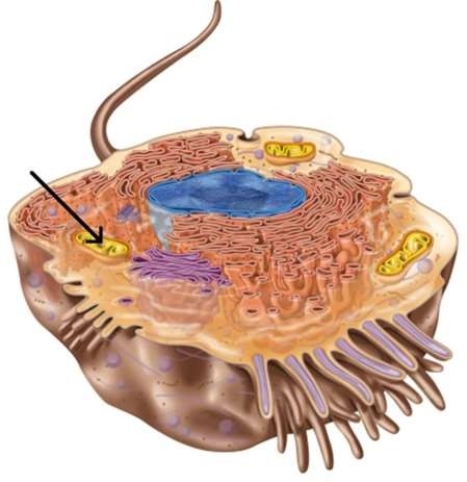
A) Nucleolus
B) Golgi apparatus
C) Mitochondrion
D) Ribosomes
A) Nucleolus
B) Golgi apparatus
C) Mitochondrion
D) Ribosomes
سؤال
The dorsal cavity contains the 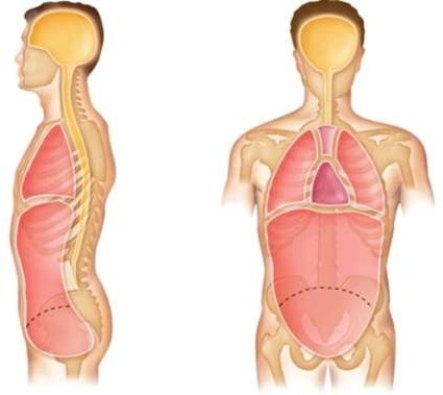
A) cranial cavity and vertebral canal.
B) pericardial cavity and diaphragm.
C) abdominal cavity and pelvic cavity.
D) thoracic cavity and abdominopelvic cavity.
A) cranial cavity and vertebral canal.
B) pericardial cavity and diaphragm.
C) abdominal cavity and pelvic cavity.
D) thoracic cavity and abdominopelvic cavity.
سؤال
The left upper quadrant contains which organs? 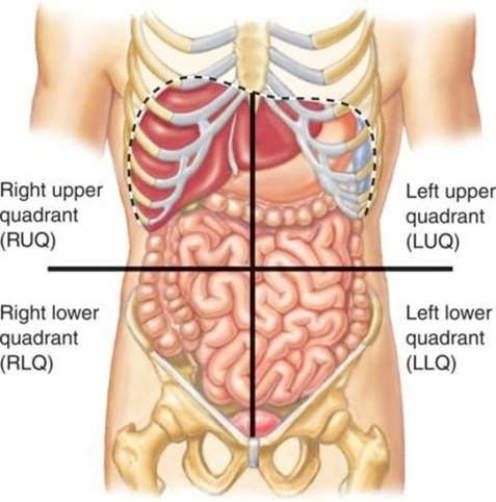
A) Liver, gallbladder, stomach, kidney
B) Intestines, aorta, bladder, appendix
C) Stomach, spleen, pancreas, kidney
D) Lung, heart, gallbladder, stomach
A) Liver, gallbladder, stomach, kidney
B) Intestines, aorta, bladder, appendix
C) Stomach, spleen, pancreas, kidney
D) Lung, heart, gallbladder, stomach
سؤال
The highlighted plane, which divides the body into top and bottom portions, is called the 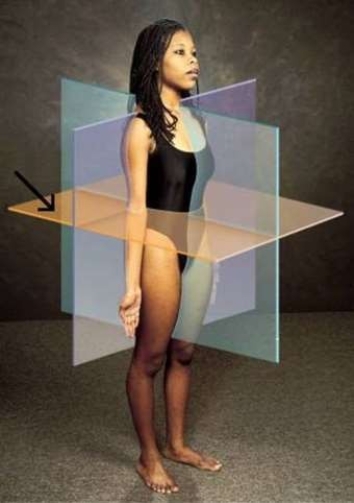
A) frontal plane.
B) lateral plane.
C) sagittal plane.
D) transverse plane.
A) frontal plane.
B) lateral plane.
C) sagittal plane.
D) transverse plane.
سؤال
The thoracic cage contains the 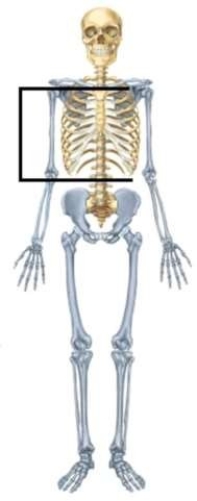
A) frontal, zygomatic, and mandible.
B) ileum, ischium, and pubis.
C) clavicle, scapula, and sternum.
D) sternum, ribs, and costal cartilages.
A) frontal, zygomatic, and mandible.
B) ileum, ischium, and pubis.
C) clavicle, scapula, and sternum.
D) sternum, ribs, and costal cartilages.
سؤال
Which bones are highlighted? 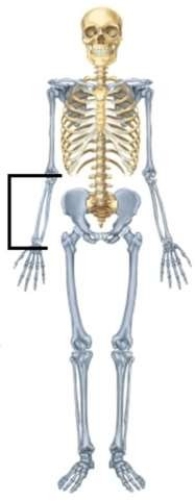
A) Ulna and radius
B) Tibia and fibula
C) Carpal and metacarpal
D) Tarsal and metatarsal
A) Ulna and radius
B) Tibia and fibula
C) Carpal and metacarpal
D) Tarsal and metatarsal
سؤال
The arrow is pointing to the 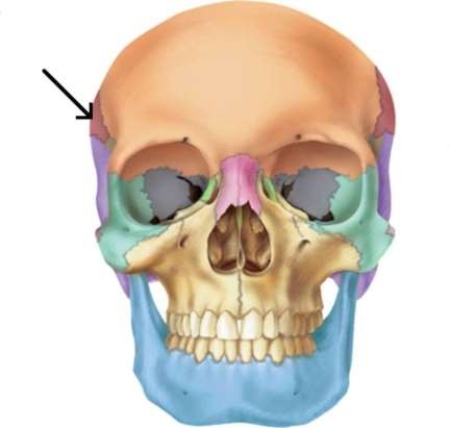
A) frontal bone.
B) temporal bone.
C) parietal bone.
D) occipital bone.
A) frontal bone.
B) temporal bone.
C) parietal bone.
D) occipital bone.
سؤال
Which bone is highlighted in this picture? 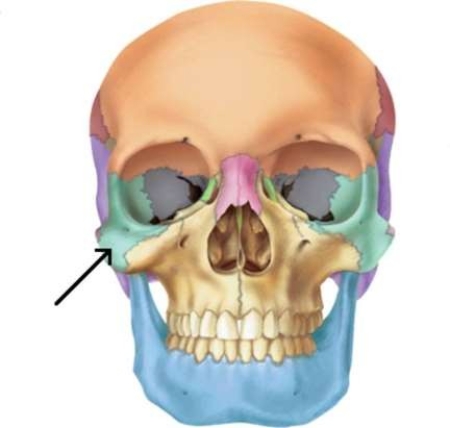
A) Temporal bone
B) Mandible
C) Maxilla
D) Zygomatic bone
A) Temporal bone
B) Mandible
C) Maxilla
D) Zygomatic bone
سؤال
The arrows in the diagram are pointing to which part of the spine? 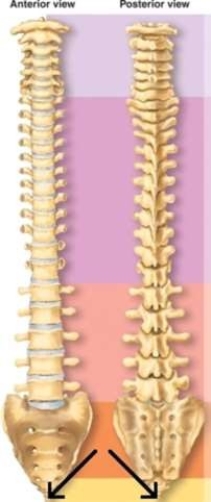
A) Coccyx
B) Axis
C) Atlas
D) Sacrum
A) Coccyx
B) Axis
C) Atlas
D) Sacrum
سؤال
The arrow is pointing to the part of the vertebra on the posterior side of the body,
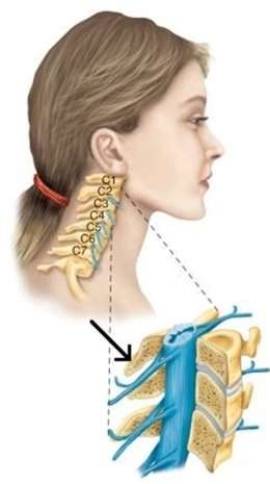 which is called the
A) body.
B) spinal cord.
C) disk.
D) spinous process.
which is called theA) body.
B) spinal cord.
C) disk.
D) spinous process.
سؤال
This picture shows the dissection of a(n) 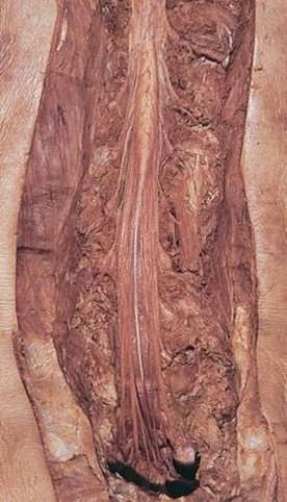
A) aorta.
B) spinal cord.
C) femur bone.
D) muscle.
A) aorta.
B) spinal cord.
C) femur bone.
D) muscle.
سؤال
The arrows in the image are pointing to the bones that make up which part of the human ribcage? 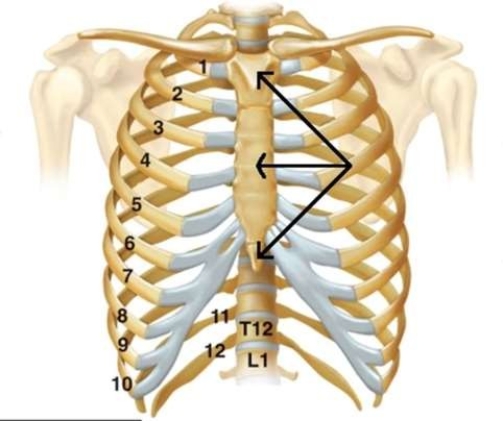
A) True Ribs
B) Clavicle
C) Sternum
D) False Ribs
A) True Ribs
B) Clavicle
C) Sternum
D) False Ribs
سؤال
The arrow points to which part of the hand? 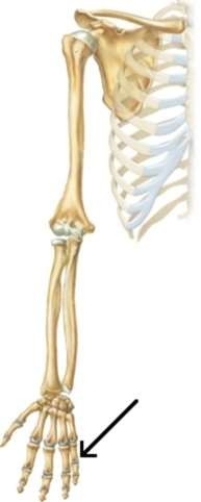
A) Radius
B) Carpals
C) Phalanges
D) Metacarpals
A) Radius
B) Carpals
C) Phalanges
D) Metacarpals
سؤال
In the diagram, the arrow is pointing to which part of the leg? 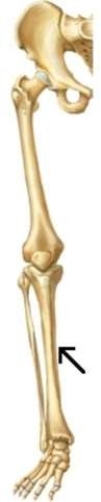
A) Femur
B) Tibia
C) Fibula
D) Patella
A) Femur
B) Tibia
C) Fibula
D) Patella
سؤال
In the illustration, which part of the arm is relaxed? 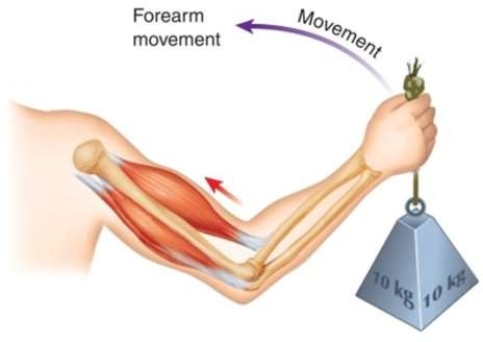
A) Biceps brachii
B) Brachioradialis
C) Deltoids
D) Triceps brachii
A) Biceps brachii
B) Brachioradialis
C) Deltoids
D) Triceps brachii
سؤال
The upper respiratory tract is composed of the 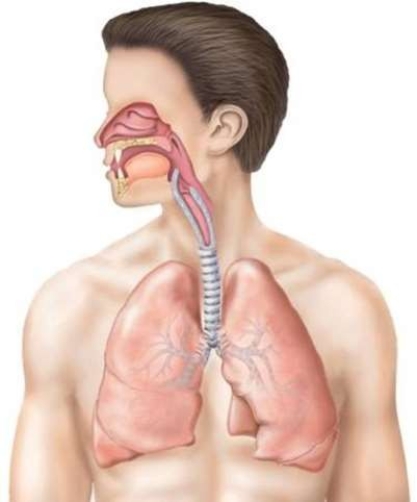
A) pharynx, larynx, and nasal cavity.
B) pharynx, larynx, trachea.
C) nose, nasal cavity, and pharynx.
D) trachea, bronchi, lungs.
A) pharynx, larynx, and nasal cavity.
B) pharynx, larynx, trachea.
C) nose, nasal cavity, and pharynx.
D) trachea, bronchi, lungs.
سؤال
Which is NOT a part of the respiratory tract? 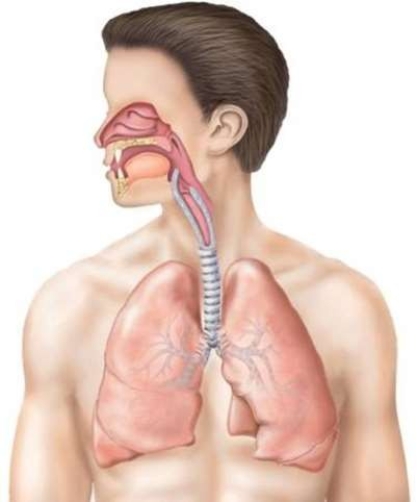
A) Soft Palate
B) Frontal Sinus
C) Epiglottis
D) Tonsils
A) Soft Palate
B) Frontal Sinus
C) Epiglottis
D) Tonsils
سؤال
What is depicted in this image? 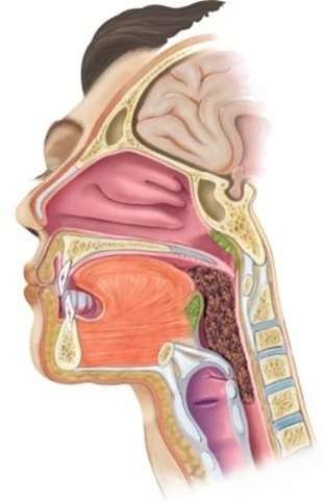
A) Swallowing
B) Epiglottitis
C) Tonsilitis
D) Choking
A) Swallowing
B) Epiglottitis
C) Tonsilitis
D) Choking
سؤال
This section of the bronchial tree is known as a 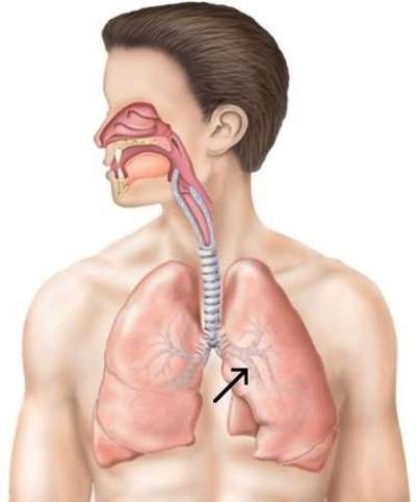
A) secondary bronchus.
B) minor bronchus.
C) middle bronchus.
D) distal bronchus.
A) secondary bronchus.
B) minor bronchus.
C) middle bronchus.
D) distal bronchus.
سؤال
What is this view of the chest called? 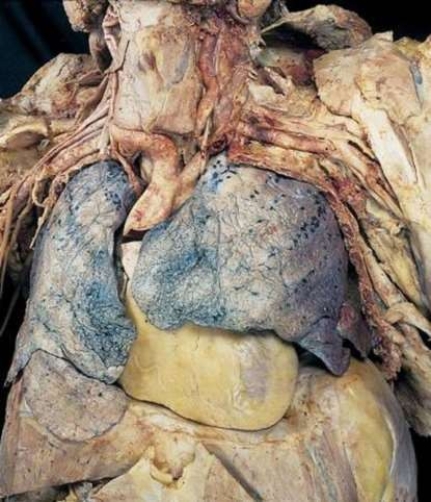
A) Anterior
B) Posterior
C) Sagittal
D) Transverse
A) Anterior
B) Posterior
C) Sagittal
D) Transverse
سؤال
The area highlighted in blue that immediately surrounds the heart is called the 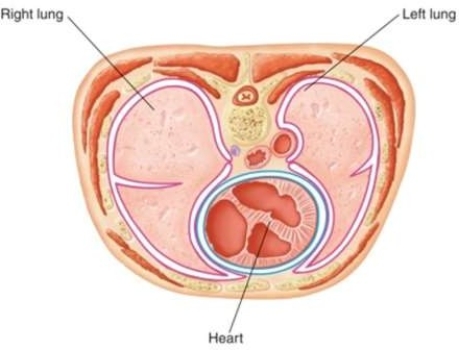
A) pleural cavity.
B) visceral pleura.
C) parietal pleura.
D) pericardial cavity.
A) pleural cavity.
B) visceral pleura.
C) parietal pleura.
D) pericardial cavity.
سؤال
The indicated muscles contract during 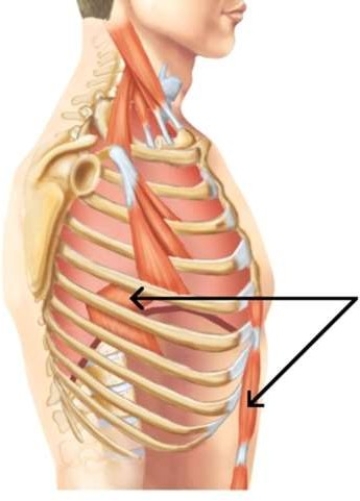
A) regular expiration.
B) regular inspiration.
C) hyperventilation.
D) labored breathing.
A) regular expiration.
B) regular inspiration.
C) hyperventilation.
D) labored breathing.
سؤال
The arrow in this image is pointing to 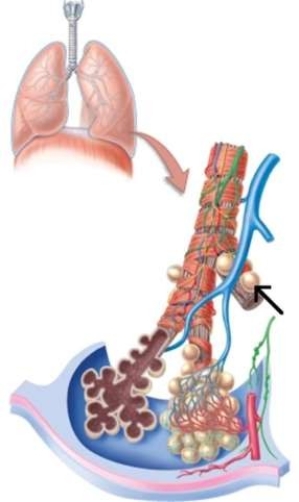
A) a lymph node.
B) an alveolar sac.
C) a terminal bronchiole.
D) an alveolus.
A) a lymph node.
B) an alveolar sac.
C) a terminal bronchiole.
D) an alveolus.
سؤال
Which body structures are visible toward the center of this picture? 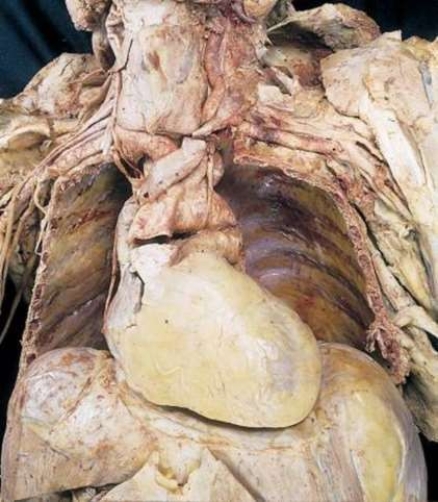
A) Lungs, diaphragm, liver
B) Spleen, rib cage, lungs
C) Heart, spleen, liver
D) Rib cage, heart, diaphragm
A) Lungs, diaphragm, liver
B) Spleen, rib cage, lungs
C) Heart, spleen, liver
D) Rib cage, heart, diaphragm
سؤال
In this image, the black arrow is pointing to the 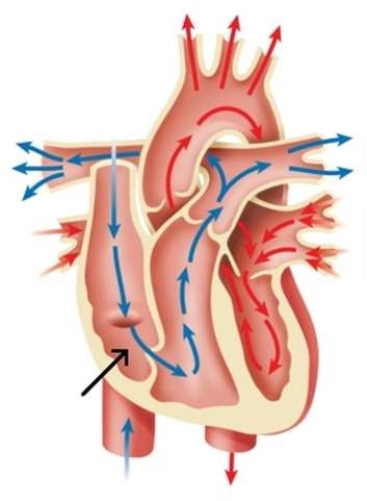
A) left atrium.
B) right ventricle.
C) right atrium.
D) left ventricle.
A) left atrium.
B) right ventricle.
C) right atrium.
D) left ventricle.
سؤال
What is the function of the cells in this picture? 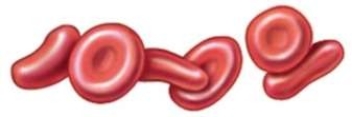
A) Disease immunity
B) Oxygen transport
C) Immune defense
D) Blood clotting
A) Disease immunity
B) Oxygen transport
C) Immune defense
D) Blood clotting
سؤال
The normal flow of blood from the heart through the body moves through the following vessels in this order: 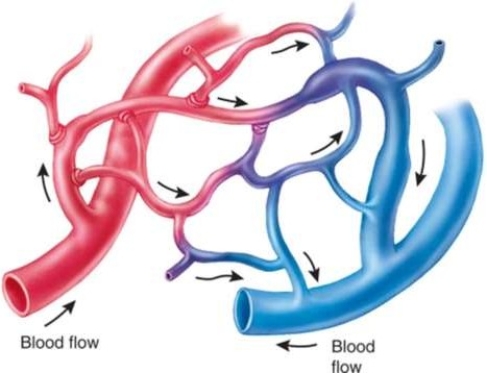
A) arterioles, arteries, capillaries, veins, venules.
B) veins, venules, capillaries, arterioles, arteries.
C) arteries, arterioles, capillaries, venules, veins.
D) venules, veins, capillaries, arteries, arterioles.
A) arterioles, arteries, capillaries, veins, venules.
B) veins, venules, capillaries, arterioles, arteries.
C) arteries, arterioles, capillaries, venules, veins.
D) venules, veins, capillaries, arteries, arterioles.
سؤال
What is the function of the structure indicated in the image by the blue arrow? 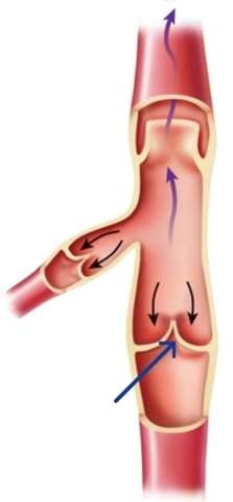
A) To prevent the back flow of blood
B) To push blood towards the heart
C) To push blood towards the body
D) To separate arteries from veins
A) To prevent the back flow of blood
B) To push blood towards the heart
C) To push blood towards the body
D) To separate arteries from veins
سؤال
This major artery is called the
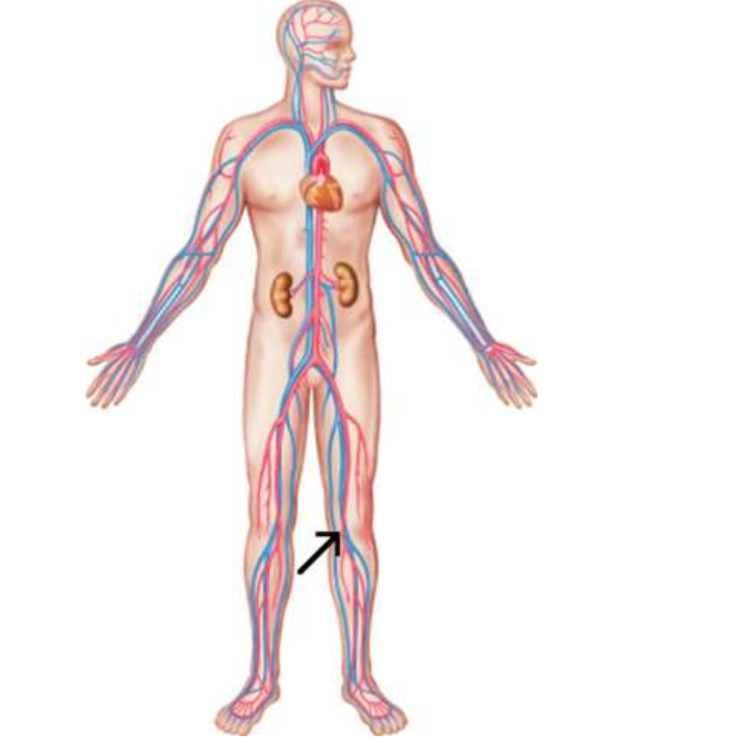
A) femoral artery.
B) tibial artery.
C) popliteal artery.
D) axillary artery.
A) femoral artery.
B) tibial artery.
C) popliteal artery.
D) axillary artery.
سؤال
The parts of the peripheral nervous system are 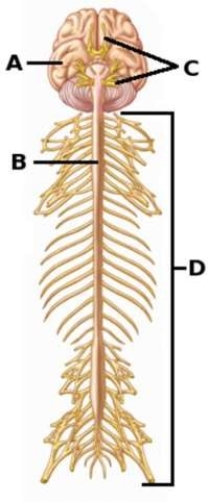
A) B and D.
B) A and B.
C) C and D.
D) A and C
A) B and D.
B) A and B.
C) C and D.
D) A and C
سؤال
The parts of the diencephalon are 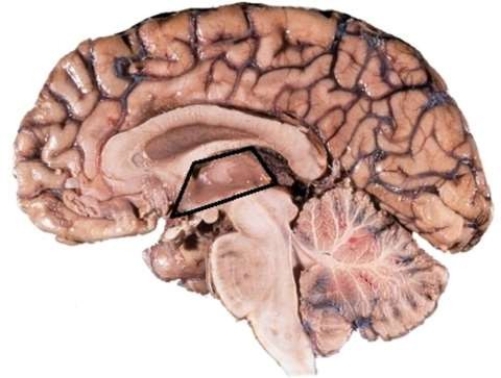
A) the midbrain, pons, and medulla oblongata.
B) the thalamus and hypothalamus.
C) the cerebrum and corpus callosum.
D) the cerebellum, midbrain, and hypothalamus.
A) the midbrain, pons, and medulla oblongata.
B) the thalamus and hypothalamus.
C) the cerebrum and corpus callosum.
D) the cerebellum, midbrain, and hypothalamus.
سؤال
Which of these is found in the epidermis? 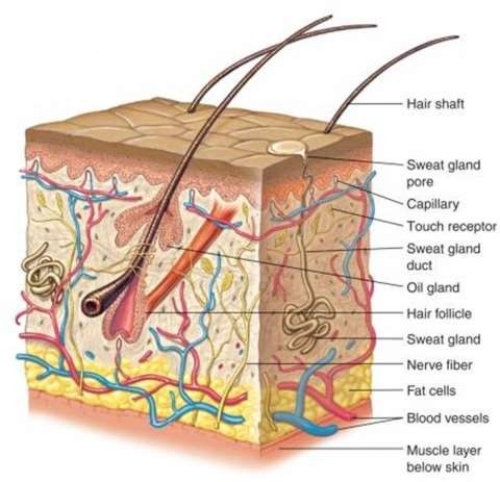
A) Sweat gland pores
B) Sweat gland duct
C) Touch receptor
D) Nerve fiber
A) Sweat gland pores
B) Sweat gland duct
C) Touch receptor
D) Nerve fiber
سؤال
What is the function of the organ indicated in this image? 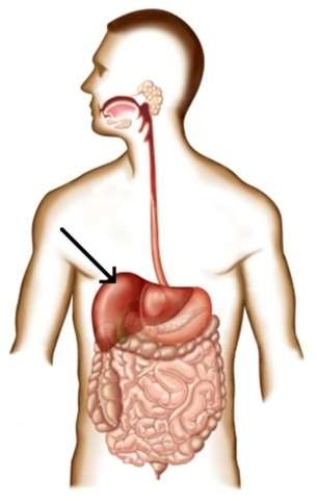
A) Serve as the main site of food absorption
B) Absorb water and minerals
C) Detoxification and glycogen storage
D) Produce and release digestive enzymes
A) Serve as the main site of food absorption
B) Absorb water and minerals
C) Detoxification and glycogen storage
D) Produce and release digestive enzymes
سؤال
The body system indicated here is responsible for 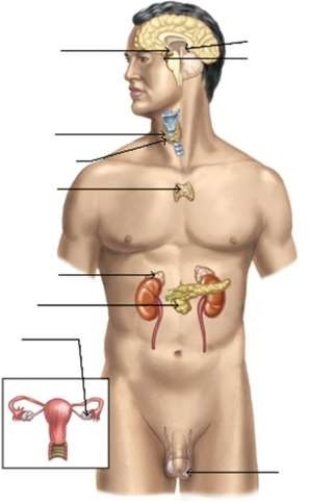
A) removing body wastes and assisting in regulating blood pressure.
B) controlling the voluntary and involuntary activity of the body.
C) manufacturing cells that allow continuation of the human species.
D) secreting chemicals that stimulate many body functions.
A) removing body wastes and assisting in regulating blood pressure.
B) controlling the voluntary and involuntary activity of the body.
C) manufacturing cells that allow continuation of the human species.
D) secreting chemicals that stimulate many body functions.
سؤال
What is the function of this structure? 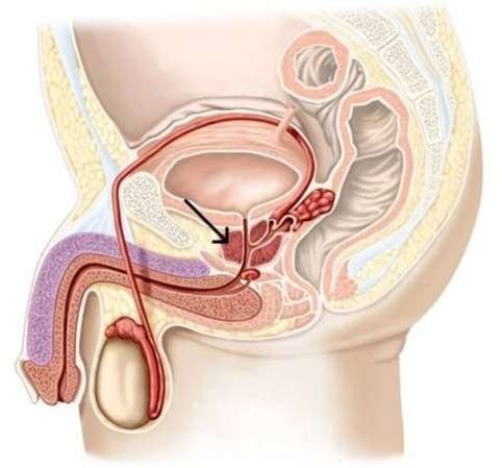
A) Secreting an alkaline fluid that activates sperm.
B) Storing sperm as they finish maturing.
C) Secreting a fructose-rich fluid that carries sperm.
D) Transporting semen to the urethra.
A) Secreting an alkaline fluid that activates sperm.
B) Storing sperm as they finish maturing.
C) Secreting a fructose-rich fluid that carries sperm.
D) Transporting semen to the urethra.
سؤال
In this picture, which reproductive structure is indicated? 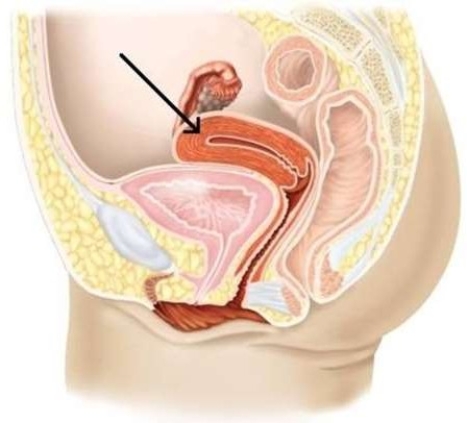
A) Bladder
B) Vagina
C) Cervix
D) Uterus
A) Bladder
B) Vagina
C) Cervix
D) Uterus
سؤال
The structure indicated in this image is called the 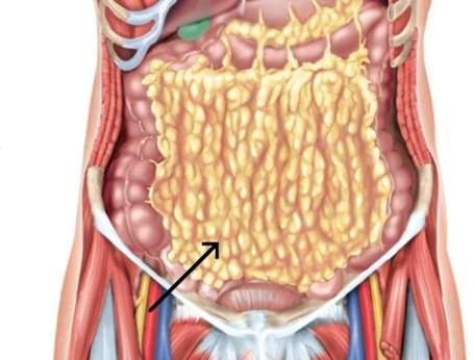
A) greater omentum.
B) interior abdominal oblique.
C) transverse abdominal muscle.
D) diaphragm.
A) greater omentum.
B) interior abdominal oblique.
C) transverse abdominal muscle.
D) diaphragm.
سؤال
At the position indicated, this artery is known as the 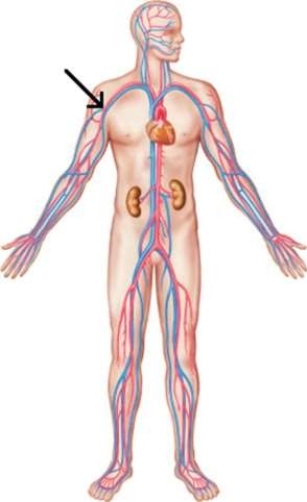
A) brachial artery.
B) subclavian artery.
C) radial artery.
D) axillary artery.
A) brachial artery.
B) subclavian artery.
C) radial artery.
D) axillary artery.
سؤال
These arteries are called the 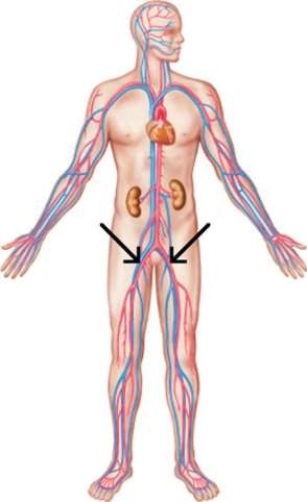
A) inferior mesenteric arteries.
B) common iliac arteries.
C) superior mesenteric arteries.
D) peripheral iliac arteries.
A) inferior mesenteric arteries.
B) common iliac arteries.
C) superior mesenteric arteries.
D) peripheral iliac arteries.
سؤال
Which bone is an example of a flat bone? 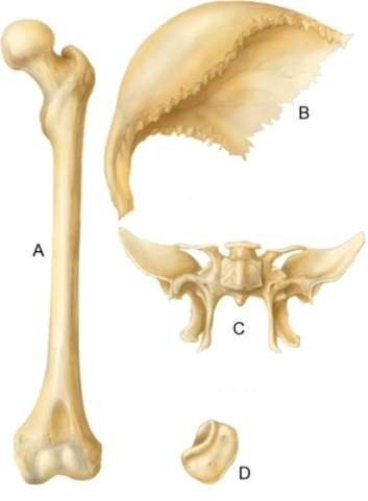
A) Bone B
B) Bone D
C) Bone C
D) Bone A
A) Bone B
B) Bone D
C) Bone C
D) Bone A
سؤال
سؤال
سؤال
سؤال
سؤال
سؤال
سؤال
سؤال
سؤال
سؤال
سؤال
سؤال
سؤال
سؤال
سؤال
سؤال

فتح الحزمة
قم بالتسجيل لفتح البطاقات في هذه المجموعة!
Unlock Deck
Unlock Deck
1/85

العب

ملء الشاشة (f)
Deck 6: The Human Body
1
When there is insufficient oxygen,__________ metabolism will occur.
A) homeostatic
B) cyanotic
C) anaerobic
D) caustic
A) homeostatic
B) cyanotic
C) anaerobic
D) caustic
anaerobic
2
In a cell, the Golgi apparatus
A) processes and packages proteins.
B) breaks down and metabolizes fat.
C) is the main point of energy production.
D) is the center of protein manufacture.
A) processes and packages proteins.
B) breaks down and metabolizes fat.
C) is the main point of energy production.
D) is the center of protein manufacture.
processes and packages proteins.
3
What is the barrier between intracellular fluid and extracellular fluid?
A) Blood plasma
B) The cell nucleus
C) The cell membrane
D) A capillary
A) Blood plasma
B) The cell nucleus
C) The cell membrane
D) A capillary
The cell membrane
4
Which body cavity contains the heart, lungs, and major blood vessels?
A) Abdominal cavity
B) Pleural cavity
C) Pericardial cavity
D) Thoracic cavity
A) Abdominal cavity
B) Pleural cavity
C) Pericardial cavity
D) Thoracic cavity
فتح الحزمة
افتح القفل للوصول البطاقات البالغ عددها 85 في هذه المجموعة.
فتح الحزمة
k this deck
5
The spleen is located in which quadrant of the abdomen?
A) Right upper quadrant
B) Right lower quadrant
C) Left lower quadrant
D) Left upper quadrant
A) Right upper quadrant
B) Right lower quadrant
C) Left lower quadrant
D) Left upper quadrant
فتح الحزمة
افتح القفل للوصول البطاقات البالغ عددها 85 في هذه المجموعة.
فتح الحزمة
k this deck
6
You dissect a brain horizontally through the middle, such that the cerebrum is separated from the brain stem. Along which plane has this dissection been made?
A) Sagittal
B) Transverse
C) Coronal
D) Frontal
A) Sagittal
B) Transverse
C) Coronal
D) Frontal
فتح الحزمة
افتح القفل للوصول البطاقات البالغ عددها 85 في هذه المجموعة.
فتح الحزمة
k this deck
7
What is the name of the first cervical vertebra that supports the skull?
A) Axis
B) Alpha
C) Axon
D) Atlas
A) Axis
B) Alpha
C) Axon
D) Atlas
فتح الحزمة
افتح القفل للوصول البطاقات البالغ عددها 85 في هذه المجموعة.
فتح الحزمة
k this deck
8
What is the difference between true ribs and false ribs?
A) The true ribs connect directly to the sternum, and the false ribs connect to the cartilage of the 7th rib.
B) The true ribs expand and contract with each breath, and the false ribs do not.
C) The true ribs are made of bone, and false ribs are made of cartilage.
D) The true ribs are connected to intercostal muscles, and false ribs are not connected to any muscles.
A) The true ribs connect directly to the sternum, and the false ribs connect to the cartilage of the 7th rib.
B) The true ribs expand and contract with each breath, and the false ribs do not.
C) The true ribs are made of bone, and false ribs are made of cartilage.
D) The true ribs are connected to intercostal muscles, and false ribs are not connected to any muscles.
فتح الحزمة
افتح القفل للوصول البطاقات البالغ عددها 85 في هذه المجموعة.
فتح الحزمة
k this deck
9
What are the names of the two bones in the forearm?
A) Radius and ulna
B) Radial and ulnar
C) Radius and ulnar
D) Radial and ulna
A) Radius and ulna
B) Radial and ulnar
C) Radius and ulnar
D) Radial and ulna
فتح الحزمة
افتح القفل للوصول البطاقات البالغ عددها 85 في هذه المجموعة.
فتح الحزمة
k this deck
10
Which of the following can you voluntarily move?
A) Skeletal muscles
B) Smooth muscles
C) Ligaments
D) Tendons
A) Skeletal muscles
B) Smooth muscles
C) Ligaments
D) Tendons
فتح الحزمة
افتح القفل للوصول البطاقات البالغ عددها 85 في هذه المجموعة.
فتح الحزمة
k this deck
11
In typical atmospheric air, what is the approximate fraction of inspired oxygen?
A) 100%
B) 78%
C) 21%
D) 33%
A) 100%
B) 78%
C) 21%
D) 33%
فتح الحزمة
افتح القفل للوصول البطاقات البالغ عددها 85 في هذه المجموعة.
فتح الحزمة
k this deck
12
What is the name of the cartilage that prevents food and drink from entering the lungs?
A) Cricoid
B) Glottis
C) Epiglottis
D) Larynx
A) Cricoid
B) Glottis
C) Epiglottis
D) Larynx
فتح الحزمة
افتح القفل للوصول البطاقات البالغ عددها 85 في هذه المجموعة.
فتح الحزمة
k this deck
13
What is the correct calculation for minute volume?
A) Minute volume = tidal volume x blood pressure
B) Minute volume = respiratory rate x blood pressure
C) Minute volume = respiratory rate x tidal volume
D) Minute volume = tidal volume x 60 seconds
A) Minute volume = tidal volume x blood pressure
B) Minute volume = respiratory rate x blood pressure
C) Minute volume = respiratory rate x tidal volume
D) Minute volume = tidal volume x 60 seconds
فتح الحزمة
افتح القفل للوصول البطاقات البالغ عددها 85 في هذه المجموعة.
فتح الحزمة
k this deck
14
The peripheral chemoreceptors, which monitor changes in carbon dioxide and oxygen levels in the blood, are located in the
A) carotid arteries and aorta.
B) bronchi and alveoli.
C) jugular veins and superior vena cava.
D) subclavian arteries and veins.
A) carotid arteries and aorta.
B) bronchi and alveoli.
C) jugular veins and superior vena cava.
D) subclavian arteries and veins.
فتح الحزمة
افتح القفل للوصول البطاقات البالغ عددها 85 في هذه المجموعة.
فتح الحزمة
k this deck
15
Where is most of the oxygen in the body located?
A) Bound to hemoglobin molecules
B) Inside of the trachea and bronchi
C) Resting within the alveoli
D) Floating in the blood plasma
A) Bound to hemoglobin molecules
B) Inside of the trachea and bronchi
C) Resting within the alveoli
D) Floating in the blood plasma
فتح الحزمة
افتح القفل للوصول البطاقات البالغ عددها 85 في هذه المجموعة.
فتح الحزمة
k this deck
16
Which blood pressure measurements fall within the normal range for a healthy adult?
A) 100/40
B) 140/84
C) 127/90
D) 117/77
A) 100/40
B) 140/84
C) 127/90
D) 117/77
فتح الحزمة
افتح القفل للوصول البطاقات البالغ عددها 85 في هذه المجموعة.
فتح الحزمة
k this deck
17
Which is an example of parasympathetic stimulation?
A) Increase in heart rate
B) Constriction of pupils
C) Production of stress hormones
D) Dilation of bronchial tubes
A) Increase in heart rate
B) Constriction of pupils
C) Production of stress hormones
D) Dilation of bronchial tubes
فتح الحزمة
افتح القفل للوصول البطاقات البالغ عددها 85 في هذه المجموعة.
فتح الحزمة
k this deck
18
The islets of Langerhans, which control blood glucose concentration, are located in the
A) duodenum.
B) liver.
C) appendix.
D) pancreas.
A) duodenum.
B) liver.
C) appendix.
D) pancreas.
فتح الحزمة
افتح القفل للوصول البطاقات البالغ عددها 85 في هذه المجموعة.
فتح الحزمة
k this deck
19
A stone produced in the kidney moves through which object to reach the bladder?
A) Lymph vessel
B) Vein
C) Artery
D) Ureter
A) Lymph vessel
B) Vein
C) Artery
D) Ureter
فتح الحزمة
افتح القفل للوصول البطاقات البالغ عددها 85 في هذه المجموعة.
فتح الحزمة
k this deck
20
When a patient is hemorrhaging from his brachial artery, what is happening?
A) He has a clogged artery in his leg.
B) He is having a stroke.
C) He is bleeding from his arm.
D) He has blood collecting in the lungs.
A) He has a clogged artery in his leg.
B) He is having a stroke.
C) He is bleeding from his arm.
D) He has blood collecting in the lungs.
فتح الحزمة
افتح القفل للوصول البطاقات البالغ عددها 85 في هذه المجموعة.
فتح الحزمة
k this deck
21
A person who receives a blow to the head and has lost short-term memory has most likely damaged which lobe of the brain?
A) Frontal lobe
B) Temporal lobe
C) Occipital lobe
D) Parietal lobe
A) Frontal lobe
B) Temporal lobe
C) Occipital lobe
D) Parietal lobe
فتح الحزمة
افتح القفل للوصول البطاقات البالغ عددها 85 في هذه المجموعة.
فتح الحزمة
k this deck
22
Where is epinephrine and norepinephrine produced in the body?
A) The adenoid glands
B) The thymus gland
C) The thyroid gland
D) The adrenal glands
A) The adenoid glands
B) The thymus gland
C) The thyroid gland
D) The adrenal glands
فتح الحزمة
افتح القفل للوصول البطاقات البالغ عددها 85 في هذه المجموعة.
فتح الحزمة
k this deck
23
Where is the gallbladder located?
A) Immediately above the kidneys
B) Behind the bladder
C) Attached to the intestines
D) Beneath the liver
A) Immediately above the kidneys
B) Behind the bladder
C) Attached to the intestines
D) Beneath the liver
فتح الحزمة
افتح القفل للوصول البطاقات البالغ عددها 85 في هذه المجموعة.
فتح الحزمة
k this deck
24
Which of the following is one of the basic elements of human blood?
A) Estrogen
B) Erythrocytes
C) Epinephrine
D) Epithelial cells
A) Estrogen
B) Erythrocytes
C) Epinephrine
D) Epithelial cells
فتح الحزمة
افتح القفل للوصول البطاقات البالغ عددها 85 في هذه المجموعة.
فتح الحزمة
k this deck
25
Which part of the cell is indicated in this picture?
A) Nucleolus
B) Golgi apparatus
C) Mitochondrion
D) Ribosomes
A) Nucleolus
B) Golgi apparatus
C) Mitochondrion
D) Ribosomes
فتح الحزمة
افتح القفل للوصول البطاقات البالغ عددها 85 في هذه المجموعة.
فتح الحزمة
k this deck
26
The dorsal cavity contains the
A) cranial cavity and vertebral canal.
B) pericardial cavity and diaphragm.
C) abdominal cavity and pelvic cavity.
D) thoracic cavity and abdominopelvic cavity.
A) cranial cavity and vertebral canal.
B) pericardial cavity and diaphragm.
C) abdominal cavity and pelvic cavity.
D) thoracic cavity and abdominopelvic cavity.
فتح الحزمة
افتح القفل للوصول البطاقات البالغ عددها 85 في هذه المجموعة.
فتح الحزمة
k this deck
27
The left upper quadrant contains which organs?
A) Liver, gallbladder, stomach, kidney
B) Intestines, aorta, bladder, appendix
C) Stomach, spleen, pancreas, kidney
D) Lung, heart, gallbladder, stomach
A) Liver, gallbladder, stomach, kidney
B) Intestines, aorta, bladder, appendix
C) Stomach, spleen, pancreas, kidney
D) Lung, heart, gallbladder, stomach
فتح الحزمة
افتح القفل للوصول البطاقات البالغ عددها 85 في هذه المجموعة.
فتح الحزمة
k this deck
28
The highlighted plane, which divides the body into top and bottom portions, is called the
A) frontal plane.
B) lateral plane.
C) sagittal plane.
D) transverse plane.
A) frontal plane.
B) lateral plane.
C) sagittal plane.
D) transverse plane.
فتح الحزمة
افتح القفل للوصول البطاقات البالغ عددها 85 في هذه المجموعة.
فتح الحزمة
k this deck
29
The thoracic cage contains the
A) frontal, zygomatic, and mandible.
B) ileum, ischium, and pubis.
C) clavicle, scapula, and sternum.
D) sternum, ribs, and costal cartilages.
A) frontal, zygomatic, and mandible.
B) ileum, ischium, and pubis.
C) clavicle, scapula, and sternum.
D) sternum, ribs, and costal cartilages.
فتح الحزمة
افتح القفل للوصول البطاقات البالغ عددها 85 في هذه المجموعة.
فتح الحزمة
k this deck
30
Which bones are highlighted?
A) Ulna and radius
B) Tibia and fibula
C) Carpal and metacarpal
D) Tarsal and metatarsal
A) Ulna and radius
B) Tibia and fibula
C) Carpal and metacarpal
D) Tarsal and metatarsal
فتح الحزمة
افتح القفل للوصول البطاقات البالغ عددها 85 في هذه المجموعة.
فتح الحزمة
k this deck
31
The arrow is pointing to the
A) frontal bone.
B) temporal bone.
C) parietal bone.
D) occipital bone.
A) frontal bone.
B) temporal bone.
C) parietal bone.
D) occipital bone.
فتح الحزمة
افتح القفل للوصول البطاقات البالغ عددها 85 في هذه المجموعة.
فتح الحزمة
k this deck
32
Which bone is highlighted in this picture?
A) Temporal bone
B) Mandible
C) Maxilla
D) Zygomatic bone
A) Temporal bone
B) Mandible
C) Maxilla
D) Zygomatic bone
فتح الحزمة
افتح القفل للوصول البطاقات البالغ عددها 85 في هذه المجموعة.
فتح الحزمة
k this deck
33
The arrows in the diagram are pointing to which part of the spine?
A) Coccyx
B) Axis
C) Atlas
D) Sacrum
A) Coccyx
B) Axis
C) Atlas
D) Sacrum
فتح الحزمة
افتح القفل للوصول البطاقات البالغ عددها 85 في هذه المجموعة.
فتح الحزمة
k this deck
34
The arrow is pointing to the part of the vertebra on the posterior side of the body,
which is called the
A) body.
B) spinal cord.
C) disk.
D) spinous process.
which is called theA) body.
B) spinal cord.
C) disk.
D) spinous process.
فتح الحزمة
افتح القفل للوصول البطاقات البالغ عددها 85 في هذه المجموعة.
فتح الحزمة
k this deck
35
This picture shows the dissection of a(n)
A) aorta.
B) spinal cord.
C) femur bone.
D) muscle.
A) aorta.
B) spinal cord.
C) femur bone.
D) muscle.
فتح الحزمة
افتح القفل للوصول البطاقات البالغ عددها 85 في هذه المجموعة.
فتح الحزمة
k this deck
36
The arrows in the image are pointing to the bones that make up which part of the human ribcage?
A) True Ribs
B) Clavicle
C) Sternum
D) False Ribs
A) True Ribs
B) Clavicle
C) Sternum
D) False Ribs
فتح الحزمة
افتح القفل للوصول البطاقات البالغ عددها 85 في هذه المجموعة.
فتح الحزمة
k this deck
37
The arrow points to which part of the hand?
A) Radius
B) Carpals
C) Phalanges
D) Metacarpals
A) Radius
B) Carpals
C) Phalanges
D) Metacarpals
فتح الحزمة
افتح القفل للوصول البطاقات البالغ عددها 85 في هذه المجموعة.
فتح الحزمة
k this deck
38
In the diagram, the arrow is pointing to which part of the leg?
A) Femur
B) Tibia
C) Fibula
D) Patella
A) Femur
B) Tibia
C) Fibula
D) Patella
فتح الحزمة
افتح القفل للوصول البطاقات البالغ عددها 85 في هذه المجموعة.
فتح الحزمة
k this deck
39
In the illustration, which part of the arm is relaxed?
A) Biceps brachii
B) Brachioradialis
C) Deltoids
D) Triceps brachii
A) Biceps brachii
B) Brachioradialis
C) Deltoids
D) Triceps brachii
فتح الحزمة
افتح القفل للوصول البطاقات البالغ عددها 85 في هذه المجموعة.
فتح الحزمة
k this deck
40
The upper respiratory tract is composed of the
A) pharynx, larynx, and nasal cavity.
B) pharynx, larynx, trachea.
C) nose, nasal cavity, and pharynx.
D) trachea, bronchi, lungs.
A) pharynx, larynx, and nasal cavity.
B) pharynx, larynx, trachea.
C) nose, nasal cavity, and pharynx.
D) trachea, bronchi, lungs.
فتح الحزمة
افتح القفل للوصول البطاقات البالغ عددها 85 في هذه المجموعة.
فتح الحزمة
k this deck
41
Which is NOT a part of the respiratory tract?
A) Soft Palate
B) Frontal Sinus
C) Epiglottis
D) Tonsils
A) Soft Palate
B) Frontal Sinus
C) Epiglottis
D) Tonsils
فتح الحزمة
افتح القفل للوصول البطاقات البالغ عددها 85 في هذه المجموعة.
فتح الحزمة
k this deck
42
What is depicted in this image?
A) Swallowing
B) Epiglottitis
C) Tonsilitis
D) Choking
A) Swallowing
B) Epiglottitis
C) Tonsilitis
D) Choking
فتح الحزمة
افتح القفل للوصول البطاقات البالغ عددها 85 في هذه المجموعة.
فتح الحزمة
k this deck
43
This section of the bronchial tree is known as a
A) secondary bronchus.
B) minor bronchus.
C) middle bronchus.
D) distal bronchus.
A) secondary bronchus.
B) minor bronchus.
C) middle bronchus.
D) distal bronchus.
فتح الحزمة
افتح القفل للوصول البطاقات البالغ عددها 85 في هذه المجموعة.
فتح الحزمة
k this deck
44
What is this view of the chest called?
A) Anterior
B) Posterior
C) Sagittal
D) Transverse
A) Anterior
B) Posterior
C) Sagittal
D) Transverse
فتح الحزمة
افتح القفل للوصول البطاقات البالغ عددها 85 في هذه المجموعة.
فتح الحزمة
k this deck
45
The area highlighted in blue that immediately surrounds the heart is called the
A) pleural cavity.
B) visceral pleura.
C) parietal pleura.
D) pericardial cavity.
A) pleural cavity.
B) visceral pleura.
C) parietal pleura.
D) pericardial cavity.
فتح الحزمة
افتح القفل للوصول البطاقات البالغ عددها 85 في هذه المجموعة.
فتح الحزمة
k this deck
46
The indicated muscles contract during
A) regular expiration.
B) regular inspiration.
C) hyperventilation.
D) labored breathing.
A) regular expiration.
B) regular inspiration.
C) hyperventilation.
D) labored breathing.
فتح الحزمة
افتح القفل للوصول البطاقات البالغ عددها 85 في هذه المجموعة.
فتح الحزمة
k this deck
47
The arrow in this image is pointing to
A) a lymph node.
B) an alveolar sac.
C) a terminal bronchiole.
D) an alveolus.
A) a lymph node.
B) an alveolar sac.
C) a terminal bronchiole.
D) an alveolus.
فتح الحزمة
افتح القفل للوصول البطاقات البالغ عددها 85 في هذه المجموعة.
فتح الحزمة
k this deck
48
Which body structures are visible toward the center of this picture?
A) Lungs, diaphragm, liver
B) Spleen, rib cage, lungs
C) Heart, spleen, liver
D) Rib cage, heart, diaphragm
A) Lungs, diaphragm, liver
B) Spleen, rib cage, lungs
C) Heart, spleen, liver
D) Rib cage, heart, diaphragm
فتح الحزمة
افتح القفل للوصول البطاقات البالغ عددها 85 في هذه المجموعة.
فتح الحزمة
k this deck
49
In this image, the black arrow is pointing to the
A) left atrium.
B) right ventricle.
C) right atrium.
D) left ventricle.
A) left atrium.
B) right ventricle.
C) right atrium.
D) left ventricle.
فتح الحزمة
افتح القفل للوصول البطاقات البالغ عددها 85 في هذه المجموعة.
فتح الحزمة
k this deck
50
What is the function of the cells in this picture?
A) Disease immunity
B) Oxygen transport
C) Immune defense
D) Blood clotting
A) Disease immunity
B) Oxygen transport
C) Immune defense
D) Blood clotting
فتح الحزمة
افتح القفل للوصول البطاقات البالغ عددها 85 في هذه المجموعة.
فتح الحزمة
k this deck
51
The normal flow of blood from the heart through the body moves through the following vessels in this order:
A) arterioles, arteries, capillaries, veins, venules.
B) veins, venules, capillaries, arterioles, arteries.
C) arteries, arterioles, capillaries, venules, veins.
D) venules, veins, capillaries, arteries, arterioles.
A) arterioles, arteries, capillaries, veins, venules.
B) veins, venules, capillaries, arterioles, arteries.
C) arteries, arterioles, capillaries, venules, veins.
D) venules, veins, capillaries, arteries, arterioles.
فتح الحزمة
افتح القفل للوصول البطاقات البالغ عددها 85 في هذه المجموعة.
فتح الحزمة
k this deck
52
What is the function of the structure indicated in the image by the blue arrow?
A) To prevent the back flow of blood
B) To push blood towards the heart
C) To push blood towards the body
D) To separate arteries from veins
A) To prevent the back flow of blood
B) To push blood towards the heart
C) To push blood towards the body
D) To separate arteries from veins
فتح الحزمة
افتح القفل للوصول البطاقات البالغ عددها 85 في هذه المجموعة.
فتح الحزمة
k this deck
53
This major artery is called the
A) femoral artery.
B) tibial artery.
C) popliteal artery.
D) axillary artery.
A) femoral artery.
B) tibial artery.
C) popliteal artery.
D) axillary artery.
فتح الحزمة
افتح القفل للوصول البطاقات البالغ عددها 85 في هذه المجموعة.
فتح الحزمة
k this deck
54
The parts of the peripheral nervous system are
A) B and D.
B) A and B.
C) C and D.
D) A and C
A) B and D.
B) A and B.
C) C and D.
D) A and C
فتح الحزمة
افتح القفل للوصول البطاقات البالغ عددها 85 في هذه المجموعة.
فتح الحزمة
k this deck
55
The parts of the diencephalon are
A) the midbrain, pons, and medulla oblongata.
B) the thalamus and hypothalamus.
C) the cerebrum and corpus callosum.
D) the cerebellum, midbrain, and hypothalamus.
A) the midbrain, pons, and medulla oblongata.
B) the thalamus and hypothalamus.
C) the cerebrum and corpus callosum.
D) the cerebellum, midbrain, and hypothalamus.
فتح الحزمة
افتح القفل للوصول البطاقات البالغ عددها 85 في هذه المجموعة.
فتح الحزمة
k this deck
56
Which of these is found in the epidermis?
A) Sweat gland pores
B) Sweat gland duct
C) Touch receptor
D) Nerve fiber
A) Sweat gland pores
B) Sweat gland duct
C) Touch receptor
D) Nerve fiber
فتح الحزمة
افتح القفل للوصول البطاقات البالغ عددها 85 في هذه المجموعة.
فتح الحزمة
k this deck
57
What is the function of the organ indicated in this image?
A) Serve as the main site of food absorption
B) Absorb water and minerals
C) Detoxification and glycogen storage
D) Produce and release digestive enzymes
A) Serve as the main site of food absorption
B) Absorb water and minerals
C) Detoxification and glycogen storage
D) Produce and release digestive enzymes
فتح الحزمة
افتح القفل للوصول البطاقات البالغ عددها 85 في هذه المجموعة.
فتح الحزمة
k this deck
58
The body system indicated here is responsible for
A) removing body wastes and assisting in regulating blood pressure.
B) controlling the voluntary and involuntary activity of the body.
C) manufacturing cells that allow continuation of the human species.
D) secreting chemicals that stimulate many body functions.
A) removing body wastes and assisting in regulating blood pressure.
B) controlling the voluntary and involuntary activity of the body.
C) manufacturing cells that allow continuation of the human species.
D) secreting chemicals that stimulate many body functions.
فتح الحزمة
افتح القفل للوصول البطاقات البالغ عددها 85 في هذه المجموعة.
فتح الحزمة
k this deck
59
What is the function of this structure?
A) Secreting an alkaline fluid that activates sperm.
B) Storing sperm as they finish maturing.
C) Secreting a fructose-rich fluid that carries sperm.
D) Transporting semen to the urethra.
A) Secreting an alkaline fluid that activates sperm.
B) Storing sperm as they finish maturing.
C) Secreting a fructose-rich fluid that carries sperm.
D) Transporting semen to the urethra.
فتح الحزمة
افتح القفل للوصول البطاقات البالغ عددها 85 في هذه المجموعة.
فتح الحزمة
k this deck
60
In this picture, which reproductive structure is indicated?
A) Bladder
B) Vagina
C) Cervix
D) Uterus
A) Bladder
B) Vagina
C) Cervix
D) Uterus
فتح الحزمة
افتح القفل للوصول البطاقات البالغ عددها 85 في هذه المجموعة.
فتح الحزمة
k this deck
61
The structure indicated in this image is called the
A) greater omentum.
B) interior abdominal oblique.
C) transverse abdominal muscle.
D) diaphragm.
A) greater omentum.
B) interior abdominal oblique.
C) transverse abdominal muscle.
D) diaphragm.
فتح الحزمة
افتح القفل للوصول البطاقات البالغ عددها 85 في هذه المجموعة.
فتح الحزمة
k this deck
62
At the position indicated, this artery is known as the
A) brachial artery.
B) subclavian artery.
C) radial artery.
D) axillary artery.
A) brachial artery.
B) subclavian artery.
C) radial artery.
D) axillary artery.
فتح الحزمة
افتح القفل للوصول البطاقات البالغ عددها 85 في هذه المجموعة.
فتح الحزمة
k this deck
63
These arteries are called the
A) inferior mesenteric arteries.
B) common iliac arteries.
C) superior mesenteric arteries.
D) peripheral iliac arteries.
A) inferior mesenteric arteries.
B) common iliac arteries.
C) superior mesenteric arteries.
D) peripheral iliac arteries.
فتح الحزمة
افتح القفل للوصول البطاقات البالغ عددها 85 في هذه المجموعة.
فتح الحزمة
k this deck
64
Which bone is an example of a flat bone?
A) Bone B
B) Bone D
C) Bone C
D) Bone A
A) Bone B
B) Bone D
C) Bone C
D) Bone A
فتح الحزمة
افتح القفل للوصول البطاقات البالغ عددها 85 في هذه المجموعة.
فتح الحزمة
k this deck
65
What would be an example of sympathetic stimulation?
A) A drop in blood pressure.
B) A narrowing of the pupils.
C) A decrease in heart rate.
D) An increase in heart rate.
A) A drop in blood pressure.
B) A narrowing of the pupils.
C) A decrease in heart rate.
D) An increase in heart rate.
فتح الحزمة
افتح القفل للوصول البطاقات البالغ عددها 85 في هذه المجموعة.
فتح الحزمة
k this deck
66
The time when the heart contracts and pumps blood is referred to as
A) perfusion.
B) diastole.
C) pulse.
D) systole.
A) perfusion.
B) diastole.
C) pulse.
D) systole.
فتح الحزمة
افتح القفل للوصول البطاقات البالغ عددها 85 في هذه المجموعة.
فتح الحزمة
k this deck
67
What is the definition of a pulse?
A) The speed at which blood moves through the arteries and veins.
B) The expansion and recoil of an artery as blood flows through it.
C) The continuous intake and expulsion of blood by the heart.
D) The pressure of blood going through the arteries and veins.
A) The speed at which blood moves through the arteries and veins.
B) The expansion and recoil of an artery as blood flows through it.
C) The continuous intake and expulsion of blood by the heart.
D) The pressure of blood going through the arteries and veins.
فتح الحزمة
افتح القفل للوصول البطاقات البالغ عددها 85 في هذه المجموعة.
فتح الحزمة
k this deck
68
Which artery is compressed during a standard blood pressure check?
A) The brachial artery
B) The femoral artery
C) The radial artery
D) The carotid artery
A) The brachial artery
B) The femoral artery
C) The radial artery
D) The carotid artery
فتح الحزمة
افتح القفل للوصول البطاقات البالغ عددها 85 في هذه المجموعة.
فتح الحزمة
k this deck
69
What is the name of a vessel that carries blood away from the heart?
A) Vein
B) Artery
C) Arteriole
D) Venule
A) Vein
B) Artery
C) Arteriole
D) Venule
فتح الحزمة
افتح القفل للوصول البطاقات البالغ عددها 85 في هذه المجموعة.
فتح الحزمة
k this deck
70
What happens in the capillaries?
A) Blood is cleaned as it goes from the arteries to the veins.
B) The exchange of gases between blood and body cells.
C) Lymphocytes enter the bloodstream to attack viruses.
D) They constrict and expand the larger blood vessels.
A) Blood is cleaned as it goes from the arteries to the veins.
B) The exchange of gases between blood and body cells.
C) Lymphocytes enter the bloodstream to attack viruses.
D) They constrict and expand the larger blood vessels.
فتح الحزمة
افتح القفل للوصول البطاقات البالغ عددها 85 في هذه المجموعة.
فتح الحزمة
k this deck
71
Blood that is low in oxygen first arrives in which chamber of the heart?
A) Right atrium
B) Left atrium
C) Left ventricle
D) Right ventricle
A) Right atrium
B) Left atrium
C) Left ventricle
D) Right ventricle
فتح الحزمة
افتح القفل للوصول البطاقات البالغ عددها 85 في هذه المجموعة.
فتح الحزمة
k this deck
72
How does the human body produce most of its carbon dioxide?
A) By binding carbon monoxide and inhaled oxygen
B) As a byproduct of the cell's energy production
C) As a byproduct of digestion in the small intestine
D) By breaking down foreign contaminants
A) By binding carbon monoxide and inhaled oxygen
B) As a byproduct of the cell's energy production
C) As a byproduct of digestion in the small intestine
D) By breaking down foreign contaminants
فتح الحزمة
افتح القفل للوصول البطاقات البالغ عددها 85 في هذه المجموعة.
فتح الحزمة
k this deck
73
What is the definition of external respiration?
A) When cellular material receives oxygen and outputs energy.
B) When an outside source is responsible for maintaining breathing.
C) The physical act of exhaling carbon dioxide gas from the lungs.
D) The exchange of gases between blood cells in the alveoli.
A) When cellular material receives oxygen and outputs energy.
B) When an outside source is responsible for maintaining breathing.
C) The physical act of exhaling carbon dioxide gas from the lungs.
D) The exchange of gases between blood cells in the alveoli.
فتح الحزمة
افتح القفل للوصول البطاقات البالغ عددها 85 في هذه المجموعة.
فتح الحزمة
k this deck
74
Which of the following correctly explains the ways in which the right and left lung differ?
A) The left lung is longer because it holds more important blood vessels from the heart.
B) The left lung has 3 lobes to increase airflow to the heart, and the right lung has 2 lobes.
C) The left lung has 2 lobes to make room for the heart, and the right lung has 3 lobes.
D) The right lung is longer because it lies above a blood-rich vital organ, the liver.
A) The left lung is longer because it holds more important blood vessels from the heart.
B) The left lung has 3 lobes to increase airflow to the heart, and the right lung has 2 lobes.
C) The left lung has 2 lobes to make room for the heart, and the right lung has 3 lobes.
D) The right lung is longer because it lies above a blood-rich vital organ, the liver.
فتح الحزمة
افتح القفل للوصول البطاقات البالغ عددها 85 في هذه المجموعة.
فتح الحزمة
k this deck
75
What is the purpose of Cricoid Pressure?
A) To completely press the air out of the lungs during the process of CPR
B) To warm the body after its internal temperature has been dangerously lowered
C) To stop the flow of blood from an artery during a severe heart attack
D) To decrease the amount of air entering the stomach during artificial ventilation
A) To completely press the air out of the lungs during the process of CPR
B) To warm the body after its internal temperature has been dangerously lowered
C) To stop the flow of blood from an artery during a severe heart attack
D) To decrease the amount of air entering the stomach during artificial ventilation
فتح الحزمة
افتح القفل للوصول البطاقات البالغ عددها 85 في هذه المجموعة.
فتح الحزمة
k this deck
76
Where is the Oropharynx located?
A) In the lowermost part of the throat.
B) In the middle part of the throat.
C) Immediately leading to the trachea.
D) Directly behind the nasal cavity.
A) In the lowermost part of the throat.
B) In the middle part of the throat.
C) Immediately leading to the trachea.
D) Directly behind the nasal cavity.
فتح الحزمة
افتح القفل للوصول البطاقات البالغ عددها 85 في هذه المجموعة.
فتح الحزمة
k this deck
77
What is the purpose of a turbinate?
A) To act as a catalyst in cellular respiration.
B) To warm and filter air as it passes to the lungs.
C) To prevent the backflow of blood in veins.
D) To clean lung tissues of pollution and debris.
A) To act as a catalyst in cellular respiration.
B) To warm and filter air as it passes to the lungs.
C) To prevent the backflow of blood in veins.
D) To clean lung tissues of pollution and debris.
فتح الحزمة
افتح القفل للوصول البطاقات البالغ عددها 85 في هذه المجموعة.
فتح الحزمة
k this deck
78
What normally causes skeletal muscles to contract?
A) When you consciously think about moving the muscle.
B) When your brain sends chemical messengers to activate the area.
C) When an electrical impulse from the brain stimulates a nerve.
D) When a signal is carried along a cranial nerve to the area.
A) When you consciously think about moving the muscle.
B) When your brain sends chemical messengers to activate the area.
C) When an electrical impulse from the brain stimulates a nerve.
D) When a signal is carried along a cranial nerve to the area.
فتح الحزمة
افتح القفل للوصول البطاقات البالغ عددها 85 في هذه المجموعة.
فتح الحزمة
k this deck
79
What is the strongest, heaviest, and longest bone in the human body?
A) Fibula
B) Humerus
C) Femur
D) Spine
A) Fibula
B) Humerus
C) Femur
D) Spine
فتح الحزمة
افتح القفل للوصول البطاقات البالغ عددها 85 في هذه المجموعة.
فتح الحزمة
k this deck
80
Why is the spinal cord most at risk of damage in the cervical and thoracic areas?
A) The small vertebral disks offer no protection.
B) The spinal cord narrows in these areas.
C) These vertebrae can twist and break easily.
D) The spinal cord is close to the vertebrae walls.
A) The small vertebral disks offer no protection.
B) The spinal cord narrows in these areas.
C) These vertebrae can twist and break easily.
D) The spinal cord is close to the vertebrae walls.
فتح الحزمة
افتح القفل للوصول البطاقات البالغ عددها 85 في هذه المجموعة.
فتح الحزمة
k this deck
فتح الحزمة
افتح القفل للوصول البطاقات البالغ عددها 85 في هذه المجموعة.






