







 تكلم مع الذكاء الاصطناعي


Deck 15: Ecosystem Dynamics: The Flow of Energy and Matter
ملء الشاشة (f)

سؤال

سؤال
سؤال
سؤال
سؤال
سؤال
سؤال
سؤال
سؤال
سؤال
سؤال
سؤال
سؤال
سؤال
سؤال
سؤال
سؤال
سؤال
سؤال
سؤال
سؤال
سؤال
سؤال
سؤال
سؤال
سؤال
سؤال
سؤال
سؤال
سؤال
سؤال
سؤال
سؤال
سؤال
سؤال
سؤال
سؤال
سؤال
سؤال
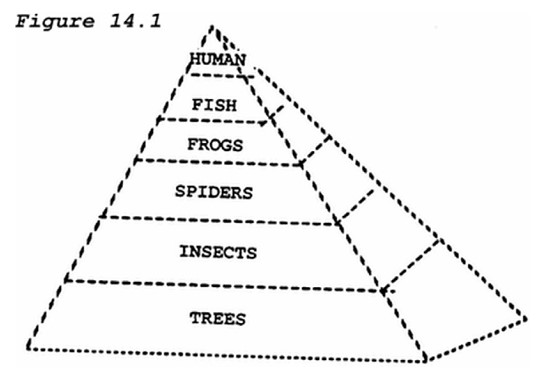
-In the diagram above, the most biomass is contained within the
A) trees.
B) insects.
C) frogs.
D) human.
سؤال
سؤال
سؤال
سؤال
سؤال
سؤال
سؤال
سؤال
سؤال
سؤال
سؤال
سؤال
سؤال
سؤال
سؤال
سؤال
سؤال
سؤال
سؤال
سؤال
سؤال
سؤال
سؤال
سؤال
سؤال
سؤال
سؤال
سؤال
سؤال
سؤال
سؤال
سؤال
سؤال
سؤال
سؤال
سؤال
سؤال
سؤال

فتح الحزمة
قم بالتسجيل لفتح البطاقات في هذه المجموعة!
Unlock Deck
Unlock Deck
1/77

العب

ملء الشاشة (f)
Deck 15: Ecosystem Dynamics: The Flow of Energy and Matter
1
In the phosphorus cycle the ultimate source of phosphorus is
A) rock.
B) dead organisms.
C) plants.
D) the sun.
A) rock.
B) dead organisms.
C) plants.
D) the sun.
rock.
2
In the carbon cycle the two primary processes that remove and add carbon dioxide to the atmosphere are
A) predation and parasitism.
B) carnivores and herbivores.
C) sunlight and photosynthesis.
D) respiration and photosynthesis.
A) predation and parasitism.
B) carnivores and herbivores.
C) sunlight and photosynthesis.
D) respiration and photosynthesis.
respiration and photosynthesis.
3
As with all organic molecules, carbon forms the backbone of the molecules that comprise plant tissue. This carbon comes from
A) the soil, and was taken up through the plant's roots.
B) the organic molecules produced by aerobic cellular respiration.
C) the atmosphere as CO2.
D) the splitting of water molecules.
A) the soil, and was taken up through the plant's roots.
B) the organic molecules produced by aerobic cellular respiration.
C) the atmosphere as CO2.
D) the splitting of water molecules.
the atmosphere as CO2.
4
The role of decomposers is important to all of the following cycles except the
A) carbon cycle.
B) hydrologic cycle.
C) nitrogen cycle.
D) phosphorus cycle.
A) carbon cycle.
B) hydrologic cycle.
C) nitrogen cycle.
D) phosphorus cycle.
فتح الحزمة
افتح القفل للوصول البطاقات البالغ عددها 77 في هذه المجموعة.
فتح الحزمة
k this deck
5
Most of the processes that influence the hydrologic cycle are
A) biological processes.
B) physical processes.
C) ecosystem processes.
D) wind processes.
A) biological processes.
B) physical processes.
C) ecosystem processes.
D) wind processes.
فتح الحزمة
افتح القفل للوصول البطاقات البالغ عددها 77 في هذه المجموعة.
فتح الحزمة
k this deck
6
The hydrologic cycle involves
A) the formation of water molecules from hydrogen and oxygen in the atmosphere.
B) the manufacture of water during photosynthesis in plants.
C) the consumption of water during aerobic cellular respiration.
D) None of these answers is correct.
A) the formation of water molecules from hydrogen and oxygen in the atmosphere.
B) the manufacture of water during photosynthesis in plants.
C) the consumption of water during aerobic cellular respiration.
D) None of these answers is correct.
فتح الحزمة
افتح القفل للوصول البطاقات البالغ عددها 77 في هذه المجموعة.
فتح الحزمة
k this deck
7
A demonstration of the second law of thermodynamics is
A) the amount of energy coming from the sun.
B) that carnivores require more energy than herbivores.
C) that there is more producer biomass than herbivore biomass in an ecosystem.
D) the high proportion of protein in the diets of Americans.
A) the amount of energy coming from the sun.
B) that carnivores require more energy than herbivores.
C) that there is more producer biomass than herbivore biomass in an ecosystem.
D) the high proportion of protein in the diets of Americans.
فتح الحزمة
افتح القفل للوصول البطاقات البالغ عددها 77 في هذه المجموعة.
فتح الحزمة
k this deck
8
The difference between an ecosystem and a community is that the ecosystem has something a community does not have; the ecosystem has
A) producers.
B) consumers.
C) nonliving parts.
D) interacting species.
A) producers.
B) consumers.
C) nonliving parts.
D) interacting species.
فتح الحزمة
افتح القفل للوصول البطاقات البالغ عددها 77 في هذه المجموعة.
فتح الحزمة
k this deck
9
The amount of plant biomass in an area may increase if there is an increase in the amount of
A) symbiotic nitrogen-fixing bacteria.
B) succession.
C) competition.
D) denitrifying bacteria.
A) symbiotic nitrogen-fixing bacteria.
B) succession.
C) competition.
D) denitrifying bacteria.
فتح الحزمة
افتح القفل للوصول البطاقات البالغ عددها 77 في هذه المجموعة.
فتح الحزمة
k this deck
10
Decomposers
A) are unimportant links in a food web.
B) recycle organic to inorganic compounds.
C) cause disease and destruction.
D) require a source of light energy.
A) are unimportant links in a food web.
B) recycle organic to inorganic compounds.
C) cause disease and destruction.
D) require a source of light energy.
فتح الحزمة
افتح القفل للوصول البطاقات البالغ عددها 77 في هذه المجموعة.
فتح الحزمة
k this deck
11
A food chain always begins with
A) sympathetic decomposers.
B) photosynthetic autotrophs.
C) pathetic instructors.
D) heterotrophic consumers.
A) sympathetic decomposers.
B) photosynthetic autotrophs.
C) pathetic instructors.
D) heterotrophic consumers.
فتح الحزمة
افتح القفل للوصول البطاقات البالغ عددها 77 في هذه المجموعة.
فتح الحزمة
k this deck
12
A food web is
A) a long food chain.
B) several food chains that intersect.
C) a trap to catch food.
D) a complicated series of passages of energy via the first law of thermodynamics.
A) a long food chain.
B) several food chains that intersect.
C) a trap to catch food.
D) a complicated series of passages of energy via the first law of thermodynamics.
فتح الحزمة
افتح القفل للوصول البطاقات البالغ عددها 77 في هذه المجموعة.
فتح الحزمة
k this deck
13
If it were part of a food web, a pigeon could be eaten by
A) humans.
B) hawks.
C) cats and dogs.
D) All of these answers are true.
A) humans.
B) hawks.
C) cats and dogs.
D) All of these answers are true.
فتح الحزمة
افتح القفل للوصول البطاقات البالغ عددها 77 في هذه المجموعة.
فتح الحزمة
k this deck
14
The environment of an organism would include its
A) enemies.
B) food.
C) diseases.
D) All of these answers are true.
A) enemies.
B) food.
C) diseases.
D) All of these answers are true.
فتح الحزمة
افتح القفل للوصول البطاقات البالغ عددها 77 في هذه المجموعة.
فتح الحزمة
k this deck
15
Which of the following is NOT recycled?
A) nitrogen
B) water
C) energy
D) carbon
A) nitrogen
B) water
C) energy
D) carbon
فتح الحزمة
افتح القفل للوصول البطاقات البالغ عددها 77 في هذه المجموعة.
فتح الحزمة
k this deck
16
Which of the following is true of nitrogen?
A) N2 is scarce in the atmosphere, therefore, plants must obtain other sources of nitrogen.
B) Animals require nitrogen from the food they eat for the synthesis of carbohydrates and lipids.
C) Nitrogen-fixing bacteria convert N2 into compounds plants can utilize.
D) Nitrogen is plant food and, therefore, provides plants with energy.
A) N2 is scarce in the atmosphere, therefore, plants must obtain other sources of nitrogen.
B) Animals require nitrogen from the food they eat for the synthesis of carbohydrates and lipids.
C) Nitrogen-fixing bacteria convert N2 into compounds plants can utilize.
D) Nitrogen is plant food and, therefore, provides plants with energy.
فتح الحزمة
افتح القفل للوصول البطاقات البالغ عددها 77 في هذه المجموعة.
فتح الحزمة
k this deck
17
Which of the following can serve as a direct source of nitrogen for plants?
A) nitrogen gas in the air
B) amino acids in dead organisms
C) ammonia from the decomposition of dead organisms
D) denitrifying bacteria in the soil
A) nitrogen gas in the air
B) amino acids in dead organisms
C) ammonia from the decomposition of dead organisms
D) denitrifying bacteria in the soil
فتح الحزمة
افتح القفل للوصول البطاقات البالغ عددها 77 في هذه المجموعة.
فتح الحزمة
k this deck
18
Pests that eat the same type of food as humans are part of our
A) producers.
B) food web.
C) food chain.
D) All of these answers are true.
A) producers.
B) food web.
C) food chain.
D) All of these answers are true.
فتح الحزمة
افتح القفل للوصول البطاقات البالغ عددها 77 في هذه المجموعة.
فتح الحزمة
k this deck
19
All food chains begin with a
A) herbivore.
B) carnivore.
C) producer.
D) decomposer.
A) herbivore.
B) carnivore.
C) producer.
D) decomposer.
فتح الحزمة
افتح القفل للوصول البطاقات البالغ عددها 77 في هذه المجموعة.
فتح الحزمة
k this deck
20
The amount of rain an area gets is part of an organism's
A) biotic factors.
B) abiotic factors.
C) community.
D) succession.
A) biotic factors.
B) abiotic factors.
C) community.
D) succession.
فتح الحزمة
افتح القفل للوصول البطاقات البالغ عددها 77 في هذه المجموعة.
فتح الحزمة
k this deck
21
Since snakes, people, and fish all like to eat frogs, this is an example of a
A) food web.
B) food chain.
C) preference test.
D) trophic level variation.
A) food web.
B) food chain.
C) preference test.
D) trophic level variation.
فتح الحزمة
افتح القفل للوصول البطاقات البالغ عددها 77 في هذه المجموعة.
فتح الحزمة
k this deck
22
Which is a food chain?
A) grass-grasshopper-horse
B) fish-grasshopper-snake
C) light-grass-human
D) grass-cow-human
A) grass-grasshopper-horse
B) fish-grasshopper-snake
C) light-grass-human
D) grass-cow-human
فتح الحزمة
افتح القفل للوصول البطاقات البالغ عددها 77 في هذه المجموعة.
فتح الحزمة
k this deck
23
Nitrites (--NO2) are converted to nitrogen gas (N2) by
A) decomposers.
B) nitrogen-fixing bacteria.
C) nitrifying bacteria.
D) denitrifying bacteria.
A) decomposers.
B) nitrogen-fixing bacteria.
C) nitrifying bacteria.
D) denitrifying bacteria.
فتح الحزمة
افتح القفل للوصول البطاقات البالغ عددها 77 في هذه المجموعة.
فتح الحزمة
k this deck
24
Which of the following would be at the highest trophic level?
A) a lion
B) a grasshopper
C) a mushroom
D) a grass plant
A) a lion
B) a grasshopper
C) a mushroom
D) a grass plant
فتح الحزمة
افتح القفل للوصول البطاقات البالغ عددها 77 في هذه المجموعة.
فتح الحزمة
k this deck
25
Which of the following is likely to have the highest biomass in an ecosystem?
A) grasshopper
B) frog
C) cow
D) grass
A) grasshopper
B) frog
C) cow
D) grass
فتح الحزمة
افتح القفل للوصول البطاقات البالغ عددها 77 في هذه المجموعة.
فتح الحزمة
k this deck
26
Which of the following is likely to have the lowest numbers in an ecosystem?
A) producers
B) carnivores
C) herbivores
D) consumers
A) producers
B) carnivores
C) herbivores
D) consumers
فتح الحزمة
افتح القفل للوصول البطاقات البالغ عددها 77 في هذه المجموعة.
فتح الحزمة
k this deck
27
As energy passes through a food chain, approximately ____ percent is lost as it passes through each trophic level.
A) 10
B) 25
C) 50
D) 90
A) 10
B) 25
C) 50
D) 90
فتح الحزمة
افتح القفل للوصول البطاقات البالغ عددها 77 في هذه المجموعة.
فتح الحزمة
k this deck
28
Which of the following is part of the abiotic environment of an organism?
A) grass
B) rain
C) food
D) decomposers
A) grass
B) rain
C) food
D) decomposers
فتح الحزمة
افتح القفل للوصول البطاقات البالغ عددها 77 في هذه المجموعة.
فتح الحزمة
k this deck
29
____ convert nitrogen gas to nitrogen that plants can use.
A) Decomposers
B) Nitrogen-fixing bacteria
C) Nitrifying bacteria
D) Denitrifying bacteria
A) Decomposers
B) Nitrogen-fixing bacteria
C) Nitrifying bacteria
D) Denitrifying bacteria
فتح الحزمة
افتح القفل للوصول البطاقات البالغ عددها 77 في هذه المجموعة.
فتح الحزمة
k this deck
30
If the world were to support the largest possible human population, all humans would need to be
A) carnivores.
B) omnivores.
C) herbivores.
D) producers.
A) carnivores.
B) omnivores.
C) herbivores.
D) producers.
فتح الحزمة
افتح القفل للوصول البطاقات البالغ عددها 77 في هذه المجموعة.
فتح الحزمة
k this deck
31
The nutrient that is in short supply for many people of the world is
A) protein.
B) calories.
C) fat.
D) water.
A) protein.
B) calories.
C) fat.
D) water.
فتح الحزمة
افتح القفل للوصول البطاقات البالغ عددها 77 في هذه المجموعة.
فتح الحزمة
k this deck
32
Phosphorus is needed by organisms for
A) DNA.
B) bones.
C) cell membranes.
D) All of these answers are correct.
A) DNA.
B) bones.
C) cell membranes.
D) All of these answers are correct.
فتح الحزمة
افتح القفل للوصول البطاقات البالغ عددها 77 في هذه المجموعة.
فتح الحزمة
k this deck
33
The branch of science that deals with the study of organisms and how they interact with their environment is known as
A) biology.
B) the biome.
C) ecology.
D) abiotic.
A) biology.
B) the biome.
C) ecology.
D) abiotic.
فتح الحزمة
افتح القفل للوصول البطاقات البالغ عددها 77 في هذه المجموعة.
فتح الحزمة
k this deck
34
Which of the following would be a consumer?
A) a cow
B) a tree
C) wind
D) grass
A) a cow
B) a tree
C) wind
D) grass
فتح الحزمة
افتح القفل للوصول البطاقات البالغ عددها 77 في هذه المجموعة.
فتح الحزمة
k this deck
35
Ammonia (NH3) is converted to nitrite (--NO2) by
A) decomposers.
B) nitrogen-fixing bacteria.
C) nitrifying bacteria.
D) denitrifying bacteria.
A) decomposers.
B) nitrogen-fixing bacteria.
C) nitrifying bacteria.
D) denitrifying bacteria.
فتح الحزمة
افتح القفل للوصول البطاقات البالغ عددها 77 في هذه المجموعة.
فتح الحزمة
k this deck
36
The nitrogen in your body came from the
A) proteins in the food you eat.
B) carbohydrates in the food you eat.
C) air you breathe.
D) water you drink.
A) proteins in the food you eat.
B) carbohydrates in the food you eat.
C) air you breathe.
D) water you drink.
فتح الحزمة
افتح القفل للوصول البطاقات البالغ عددها 77 في هذه المجموعة.
فتح الحزمة
k this deck
37
Human use of ecosystems
A) is in harmony with natural ecosystems.
B) increases the number of animals present.
C) requires the alteration of previously existing ecosystems.
D) does not occur.
A) is in harmony with natural ecosystems.
B) increases the number of animals present.
C) requires the alteration of previously existing ecosystems.
D) does not occur.
فتح الحزمة
افتح القفل للوصول البطاقات البالغ عددها 77 في هذه المجموعة.
فتح الحزمة
k this deck
38
Which of the following would be a primary consumer?
A) tree
B) decomposer
C) carnivore
D) herbivore
A) tree
B) decomposer
C) carnivore
D) herbivore
فتح الحزمة
افتح القفل للوصول البطاقات البالغ عددها 77 في هذه المجموعة.
فتح الحزمة
k this deck
39
-In the diagram above, the most biomass is contained within the
A) trees.
B) insects.
C) frogs.
D) human.
فتح الحزمة
افتح القفل للوصول البطاقات البالغ عددها 77 في هذه المجموعة.
فتح الحزمة
k this deck
40
The insects in the diagram above represent all of the following except
A) herbivores.
B) the second trophic level.
C) primary consumers.
D) producers.
A) herbivores.
B) the second trophic level.
C) primary consumers.
D) producers.
فتح الحزمة
افتح القفل للوصول البطاقات البالغ عددها 77 في هذه المجموعة.
فتح الحزمة
k this deck
41
As represented in the diagram above, which of the following organisms are carnivores?
A) human and fish only
B) human, fish, and frog only
C) human, fish, frog, and spider only
D) human, fish, frog, spider, and insect only
A) human and fish only
B) human, fish, and frog only
C) human, fish, frog, and spider only
D) human, fish, frog, spider, and insect only
فتح الحزمة
افتح القفل للوصول البطاقات البالغ عددها 77 في هذه المجموعة.
فتح الحزمة
k this deck
42
The ____ in the diagram above is a tertiary consumer.
A) spider
B) frog
C) fish
D) human
A) spider
B) frog
C) fish
D) human
فتح الحزمة
افتح القفل للوصول البطاقات البالغ عددها 77 في هذه المجموعة.
فتح الحزمة
k this deck
43
The most energy is contained within the ____ in the figure diagram above.
A) human
B) frogs
C) trees
D) Each level contains identical amounts of energy. (Energy cannot be created or destroyed.)
A) human
B) frogs
C) trees
D) Each level contains identical amounts of energy. (Energy cannot be created or destroyed.)
فتح الحزمة
افتح القفل للوصول البطاقات البالغ عددها 77 في هذه المجموعة.
فتح الحزمة
k this deck
44
____ in the figure diagram above represent consumers.
A) Only the plants
B) Only the insects
C) Everything except trees
D) Spiders, frogs, fish, and humans
A) Only the plants
B) Only the insects
C) Everything except trees
D) Spiders, frogs, fish, and humans
فتح الحزمة
افتح القفل للوصول البطاقات البالغ عددها 77 في هذه المجموعة.
فتح الحزمة
k this deck
45
The spiders in the diagram above are
A) tertiary consumers.
B) herbivores.
C) at the third trophic level.
D) omnivores.
A) tertiary consumers.
B) herbivores.
C) at the third trophic level.
D) omnivores.
فتح الحزمة
افتح القفل للوصول البطاقات البالغ عددها 77 في هذه المجموعة.
فتح الحزمة
k this deck
46
If 100,000 units of energy are contained within the trees in the diagram above, ____ units of energy are stored within the ___.
A) 1,000; spiders
B) 10; humans
C) 100; fish
D) 1,000; frogs
A) 1,000; spiders
B) 10; humans
C) 100; fish
D) 1,000; frogs
فتح الحزمة
افتح القفل للوصول البطاقات البالغ عددها 77 في هذه المجموعة.
فتح الحزمة
k this deck
47
The following sequence of organisms represents all of the following except trees insects spiders frogs fish human
A) a food chain.
B) a food web.
C) the flow of energy through the community.
D) the flow of nutrients through the community.
A) a food chain.
B) a food web.
C) the flow of energy through the community.
D) the flow of nutrients through the community.
فتح الحزمة
افتح القفل للوصول البطاقات البالغ عددها 77 في هذه المجموعة.
فتح الحزمة
k this deck
48
The following sequence of organisms is not an accurate representation of a community in that frogs could actually feed upon insects or spiders, fish could feed on either frogs or insects, and humans enjoy fish, frogs, tree products, and, in some cases, even insects. A more complete representation of these interactions would be a(n) trees insects spiders frogs fish human
A) energy pyramid.
B) food chain.
C) biome schematic.
D) food web.
A) energy pyramid.
B) food chain.
C) biome schematic.
D) food web.
فتح الحزمة
افتح القفل للوصول البطاقات البالغ عددها 77 في هذه المجموعة.
فتح الحزمة
k this deck
49
An animal that eats both plants and animals is
A) a herbivore.
B) an omnivore.
C) a carnivore.
D) decomposer.
A) a herbivore.
B) an omnivore.
C) a carnivore.
D) decomposer.
فتح الحزمة
افتح القفل للوصول البطاقات البالغ عددها 77 في هذه المجموعة.
فتح الحزمة
k this deck
50
Producers are involved in which of the following processes?
A) photosynthesis only
B) respiration only
C) both photosynthesis and respiration
D) None of the above is correct.
A) photosynthesis only
B) respiration only
C) both photosynthesis and respiration
D) None of the above is correct.
فتح الحزمة
افتح القفل للوصول البطاقات البالغ عددها 77 في هذه المجموعة.
فتح الحزمة
k this deck
51
Each trophic level represents approximately a _____ percent energy ____.
A) 10; loss
B) 90; transfer
C) 50: loss
D) 90; loss
A) 10; loss
B) 90; transfer
C) 50: loss
D) 90; loss
فتح الحزمة
افتح القفل للوصول البطاقات البالغ عددها 77 في هذه المجموعة.
فتح الحزمة
k this deck
52
A collection of interacting organisms of different species is a(n)
A) ecosystem.
B) community.
C) population.
D) habitat.
A) ecosystem.
B) community.
C) population.
D) habitat.
فتح الحزمة
افتح القفل للوصول البطاقات البالغ عددها 77 في هذه المجموعة.
فتح الحزمة
k this deck
53
All of the ____ are a community.
A) sugar maple trees on Earth
B) living organisms in a forest
C) squirrels in a forest
D) living and nonliving things in the forest
A) sugar maple trees on Earth
B) living organisms in a forest
C) squirrels in a forest
D) living and nonliving things in the forest
فتح الحزمة
افتح القفل للوصول البطاقات البالغ عددها 77 في هذه المجموعة.
فتح الحزمة
k this deck
54
____ is a biotic factor in an ecosystem.
A) Water
B) Light
C) Soil
D) A bacterium
A) Water
B) Light
C) Soil
D) A bacterium
فتح الحزمة
افتح القفل للوصول البطاقات البالغ عددها 77 في هذه المجموعة.
فتح الحزمة
k this deck
55
Climate change (global warming) is directly related to
A) the amount of carbon dioxide in the atmosphere.
B) humans eating protein.
C) the loss of carbon dioxide from the oceans.
D) the size of the human population.
A) the amount of carbon dioxide in the atmosphere.
B) humans eating protein.
C) the loss of carbon dioxide from the oceans.
D) the size of the human population.
فتح الحزمة
افتح القفل للوصول البطاقات البالغ عددها 77 في هذه المجموعة.
فتح الحزمة
k this deck
56
Which one of the following is NOT true of biomass?
A) Biomass is greatest in producers.
B) Biomass is a measure of productivity.
C) Biomass is the dry weight of organisms.
D) Biomass shows a loss of 10% at each trophic level.
A) Biomass is greatest in producers.
B) Biomass is a measure of productivity.
C) Biomass is the dry weight of organisms.
D) Biomass shows a loss of 10% at each trophic level.
فتح الحزمة
افتح القفل للوصول البطاقات البالغ عددها 77 في هذه المجموعة.
فتح الحزمة
k this deck
57
If decomposers ceased to exist, you would expect
A) photosynthesis to stop.
B) organic matter to build up.
C) few changes.
D) increased numbers of herbivores.
A) photosynthesis to stop.
B) organic matter to build up.
C) few changes.
D) increased numbers of herbivores.
فتح الحزمة
افتح القفل للوصول البطاقات البالغ عددها 77 في هذه المجموعة.
فتح الحزمة
k this deck
58
Energy is lost as one proceeds from the producer to herbivore trophic level because:
A) herbivores must expend energy to chew and process food.
B) of the second law of thermodynamics.
C) herbivores lose heat to their surroundings.
D) All of the above are correct.
A) herbivores must expend energy to chew and process food.
B) of the second law of thermodynamics.
C) herbivores lose heat to their surroundings.
D) All of the above are correct.
فتح الحزمة
افتح القفل للوصول البطاقات البالغ عددها 77 في هذه المجموعة.
فتح الحزمة
k this deck
59
In the food chain grass ? mice ? coyotes:
A) the total biomass of all the coyotes is greater than the total biomass of all the mice.
B) the mice are the producers.
C) the total amount of energy contained within the bodies of all the mice in the area is much greater than the total energy in the bodies of all the coyotes.
D) coyotes eat primarily grass.
A) the total biomass of all the coyotes is greater than the total biomass of all the mice.
B) the mice are the producers.
C) the total amount of energy contained within the bodies of all the mice in the area is much greater than the total energy in the bodies of all the coyotes.
D) coyotes eat primarily grass.
فتح الحزمة
افتح القفل للوصول البطاقات البالغ عددها 77 في هذه المجموعة.
فتح الحزمة
k this deck
60
A pyramid of numbers gives a reasonably accurate representation of the relationship between trophic levels when
A) all the organisms are consumers.
B) all the organisms are about the same size.
C) all the organisms are the same age.
D) all the animals are carnivores.
A) all the organisms are consumers.
B) all the organisms are about the same size.
C) all the organisms are the same age.
D) all the animals are carnivores.
فتح الحزمة
افتح القفل للوصول البطاقات البالغ عددها 77 في هذه المجموعة.
فتح الحزمة
k this deck
61
The source of energy for nearly all ecosystems is
A) the sun.
B) food.
C) oxygen.
D) water.
A) the sun.
B) food.
C) oxygen.
D) water.
فتح الحزمة
افتح القفل للوصول البطاقات البالغ عددها 77 في هذه المجموعة.
فتح الحزمة
k this deck
62
Ponds have pondweeds attached to the bottom, insect larvae that feed on the pondweeds, fish that eat the insects, and birds like great blue herons that eat the fish. In this ecosystem which of the following would have the largest total biomass (all individuals of the category)?
A) large fish
B) small fish
C) insects
D) great blue herons
A) large fish
B) small fish
C) insects
D) great blue herons
فتح الحزمة
افتح القفل للوصول البطاقات البالغ عددها 77 في هذه المجموعة.
فتح الحزمة
k this deck
63
People who live in poor countries have diets that are made up primarily of plant materials. This is because
A) plant foods are less expensive than are animal foods.
B) many calories would be lost if they fed plants to animals.
C) more people can be supported at the herbivore level than at the carnivore level.
D) All of these answers are true.
A) plant foods are less expensive than are animal foods.
B) many calories would be lost if they fed plants to animals.
C) more people can be supported at the herbivore level than at the carnivore level.
D) All of these answers are true.
فتح الحزمة
افتح القفل للوصول البطاقات البالغ عددها 77 في هذه المجموعة.
فتح الحزمة
k this deck
64
The atmosphere contains approximately ____ percent nitrogen.
A) 2
B) 10
C) 50
D) 80
A) 2
B) 10
C) 50
D) 80
فتح الحزمة
افتح القفل للوصول البطاقات البالغ عددها 77 في هذه المجموعة.
فتح الحزمة
k this deck
65
In general, there is about a ______ percent loss of energy as we proceed from one trophic level to the next higher level.
A) 90
B) 80
C) 60
D) 50
A) 90
B) 80
C) 60
D) 50
فتح الحزمة
افتح القفل للوصول البطاقات البالغ عددها 77 في هذه المجموعة.
فتح الحزمة
k this deck
66
Which of the following is the BEST example of a primary carnivore?
A) lion
B) corn plant
C) shark
D) goat
A) lion
B) corn plant
C) shark
D) goat
فتح الحزمة
افتح القفل للوصول البطاقات البالغ عددها 77 في هذه المجموعة.
فتح الحزمة
k this deck
67
Plants get the nitrogen they need to build additional cells from
A) protein in the cells.
B) ammonia or nitrate in the soil.
C) denitrifying bacteria.
D) directly from the nitrogen in air.
A) protein in the cells.
B) ammonia or nitrate in the soil.
C) denitrifying bacteria.
D) directly from the nitrogen in air.
فتح الحزمة
افتح القفل للوصول البطاقات البالغ عددها 77 في هذه المجموعة.
فتح الحزمة
k this deck
68
Grass, mice, snakes, and hawks living together in the same geographic area constitute a/an
A) ecosystem.
B) abiotic factor.
C) community.
D) environment.
A) ecosystem.
B) abiotic factor.
C) community.
D) environment.
فتح الحزمة
افتح القفل للوصول البطاقات البالغ عددها 77 في هذه المجموعة.
فتح الحزمة
k this deck
69
Marine algae would be considered a part of which trophic level?
A) producer
B) primary consumer
C) secondary consumer
D) tertiary consumer
A) producer
B) primary consumer
C) secondary consumer
D) tertiary consumer
فتح الحزمة
افتح القفل للوصول البطاقات البالغ عددها 77 في هذه المجموعة.
فتح الحزمة
k this deck
70
Carbon first becomes part of a living thing as a result of
A) nitrogen-fixing bacteria.
B) decomposer organisms.
C) photosynthesis.
D) aerobic respiration.
A) nitrogen-fixing bacteria.
B) decomposer organisms.
C) photosynthesis.
D) aerobic respiration.
فتح الحزمة
افتح القفل للوصول البطاقات البالغ عددها 77 في هذه المجموعة.
فتح الحزمة
k this deck
71
The nitrogen found in carnivores would follow which of the following paths?
A) plant air carnivore
B) herbivore plant air carnivore
C) air bacteria plant herbivore carnivore
D) air plant bacteria herbivore carnivore
A) plant air carnivore
B) herbivore plant air carnivore
C) air bacteria plant herbivore carnivore
D) air plant bacteria herbivore carnivore
فتح الحزمة
افتح القفل للوصول البطاقات البالغ عددها 77 في هذه المجموعة.
فتح الحزمة
k this deck
72
The carbon found in carnivores would follow which of the following paths?
A) plant air carnivore
B) herbivore plant air carnivore
C) air bacteria plant herbivore carnivore
D) air plant herbivore carnivore
A) plant air carnivore
B) herbivore plant air carnivore
C) air bacteria plant herbivore carnivore
D) air plant herbivore carnivore
فتح الحزمة
افتح القفل للوصول البطاقات البالغ عددها 77 في هذه المجموعة.
فتح الحزمة
k this deck
73
In places where large numbers of seabirds or bats congregate for hundreds of years, the thick deposits of their droppings (called guano) can be a significant source of
A) helium.
B) cyanide.
C) carbon.
D) phosphorus.
A) helium.
B) cyanide.
C) carbon.
D) phosphorus.
فتح الحزمة
افتح القفل للوصول البطاقات البالغ عددها 77 في هذه المجموعة.
فتح الحزمة
k this deck
74
The loss of water from the surface of plants is
A) transpiration.
B) dew.
C) biomagnification.
D) bioaccumulation.
A) transpiration.
B) dew.
C) biomagnification.
D) bioaccumulation.
فتح الحزمة
افتح القفل للوصول البطاقات البالغ عددها 77 في هذه المجموعة.
فتح الحزمة
k this deck
75
Transpiration is
A) the process by which bacteria converts ammonia into nitrite.
B) a type of symbiotic relationship.
C) the accumulation of a pesticide as it moves through a food chain.
D) the loss of water from plant surfaces.
A) the process by which bacteria converts ammonia into nitrite.
B) a type of symbiotic relationship.
C) the accumulation of a pesticide as it moves through a food chain.
D) the loss of water from plant surfaces.
فتح الحزمة
افتح القفل للوصول البطاقات البالغ عددها 77 في هذه المجموعة.
فتح الحزمة
k this deck
76
Which of the following nutrient cycles relies heavily on the role of bacteria?
A) carbon cycle
B) hydrologic cycle
C) nitrogen cycle
D) phosphorus cycle
A) carbon cycle
B) hydrologic cycle
C) nitrogen cycle
D) phosphorus cycle
فتح الحزمة
افتح القفل للوصول البطاقات البالغ عددها 77 في هذه المجموعة.
فتح الحزمة
k this deck
77
This is defined as the rate at which an ecosystem can accumulate new organic matter.
A) productivity
B) assimilation
C) energy cycling
D) thermodynamics
A) productivity
B) assimilation
C) energy cycling
D) thermodynamics
فتح الحزمة
افتح القفل للوصول البطاقات البالغ عددها 77 في هذه المجموعة.
فتح الحزمة
k this deck
فتح الحزمة
افتح القفل للوصول البطاقات البالغ عددها 77 في هذه المجموعة.






