Deck 7: Equilibrium in the Flexible-Price M Odel

ملء الشاشة (f)
exit full mode
سؤال
The questions with which Chapter 7 is concerned include each of the following except:

A) In the flexible-price model, what keeps aggregate demand and the level of production equal to potential output?
B) In the flexible-price model, what makes the supply of funds - saving - equal to the demand for funds - . investment - in the financial markets?
C) When saving or investment demand changes, what happens in the flexible-price model to the real interest rate, and why?
D) As government policies, the international economic environment, or other features of policy change or the economic environment change, what happens in the fixed-price model to consumption, investment, government, and net export spending?
استخدم زر المسافة أو
up arrow
down arrow
لقلب البطاقة.
سؤال
The questions with which Chapter 7 is concerned include each of the following except:

A) In the flexible-price model, what keeps aggregate demand and the level of production equal to potential output?
B) In the flexible-price model, what makes the supply of funds - saving - equal to the demand for funds - . consumption - in the financial markets?
C) When saving or investment demand changes, what happens in the flexible-price model to the real interest rate, and why?
D) As government policies, the international economic environment, or other features of policy change or the economic environment change, what happens in the flexible-price model to consumption, investment, government, and net export spending?
سؤال
The questions with which Chapter 7 is concerned include each of the following except:

A) In the fixed-price model, what keeps aggregate demand and the level of production equal to potential output?
B) In the flexible-price model, what makes the supply of funds - saving - equal to the demand for funds - investment - in the financial markets?
C) When saving or investment demand changes, what happens in the flexible-price model to the real interest rate, and why?
D) As government policies, the international economic environment, or other features of policy change or the economic environment change, what happens in the flexible-price model to consumption, investment, government, and net export spending?
سؤال
The questions with which Chapter 7 is concerned include each of the following except:

A) In the flexible-price model, what keeps aggregate demand and the level of production equal to potential output?
B) In the flexible-price model, what makes the supply of funds - saving - equal to the demand for funds - . investment - in the financial markets?
C) When saving or investment demand changes, what happens in the fixed-price model to the real output level, and why?
D) As government policies, the international economic environment, or other features of policy change or the economic environment change, what happens in the flexible-price model to consumption, investment, government, and net export spending?
سؤال
The ___________ ensures equilibrium in a flexible-price economy.

A) real exchange rate
B) nominal interest rate
C) nominal wage rate
D) real interest rate
سؤال
The _________ plays the key balancing role in making sure that the economy reaches and stays at equilibrium at the potential output level.

A) real exchange rate
B) real interest rate
C) real level of spending
D) the production function
سؤال
The flow-of-funds through __________ is key to understanding why the real interest rate brings the economy to equilibrium.

A) labor markets
B) goods and services markets
C) financial markets
D) foreign exchange
سؤال
People lend money because they

A) have no immediate spending use for it.
B) try to find cheap financing for their investment projects.
C) hope to make a profit by using the funds to invest in new plant and equipment.
D) have no immediate investment use for it.
سؤال
Businesses borrow money because they

A) have no immediate spending use for it.
B) try to find expensive financing for their investment projects.
C) hope to make a profit by using the funds to invest in new plant and equipment.
D) have no immediate investment use for it.
سؤال
The market in which the real interest rate functions as the price is called

A) the foreign exchange market.
B) the stock market.
C) the bond market.
D) the market for loanable funds.
سؤال
In the model developed in the text, demand for loanable funds is represented by

A) consumption spending.
B) government spending.
C) investment spending.
D) net exports.
سؤال
The price of loanable funds is

A) the real exchange rate.
B) the real wage.
C) the Consumer Price Index.
D) the real interest rate.
سؤال
If total saving increases,

A) the real interest rate will decrease and investment spending will increase.
B) the real interest rate will decrease and investment spending will decrease.
C) the real interest rate will increase and investment spending will decrease.
D) the real interest rate will increase and investment spending will increase.
سؤال
The circular flow principle guarantees that in equilibrium

A) the level of aggregate demand will be greater than output.
B) the level of investment spending will be equal to the level of household saving.
C) the level of aggregate demand will be equal to output.
D) the level of government spending will be equal to tax revenue.
سؤال
The equilibrium condition in the financial markets is

A) household saving equals investment spending.
B) household saving plus government saving minus net exports equals investment spending.
C) household saving plus government saving plus net exports equals investment spending.
D) government spending equals tax revenue.
سؤال
The equilibrium condition in the financial markets is

A) household saving minus investment spending plus tax revenue minus government spending equals net exports.
B) household saving plus government savings plus net exports equals investment spending.
C) tax revenue minus government spending equals net exports.
D) private saving plus investment spending plus tax revenue minus government spending equals net exports.
سؤال
The negative of net exports represents

A) the net flow of purchasing power that domestic spenders channel into domestic financial markets.
B) the net flow of purchasing power that foreigners channel into domestic financial markets.
C) the amount of exports minus depreciation that is channeled into domestic financial markets.
D) the amount of exports after taxes are paid that is channeled into domestic financial markets.
سؤال
If net exports are less than zero,

A) foreigners receive more dollars from us than they need to buy our exports, so they have a shortage of dollars.
B) foreigners receive less dollars from us than they need to buy our exports, so they have a shortage of dollars.
C) foreigners receive more dollars from us than they need to buy our exports, so they have a surplus of dollars.
D) foreigners receive less dollars from us than they need to buy our exports, so they have a surplus of dollars.
سؤال
If foreigners have more dollars than they need to buy our exports

A) they can use them to buy land in the United States.
B) they can use them to buy bonds issued by United States businesses.
C) they can them to buys stocks of United States businesses.
D) all of the above.
سؤال
The terms (Y*-C-T), (T-G), and NX in the flow of funds equation represent

A) investment demand in the economy.
B) total saving in the economy.
C) the level of total spending in the economy.
D) the level of government spending in the economy.
سؤال
The term (Y*-C-T) in the flow of funds equation represents

A) household saving in the economy.
B) public saving in the economy.
C) foreign saving in the economy.
D) total saving in the economy.
سؤال
The term (T-G) in the flow of funds equation represents

A) household saving in the economy.
B) public saving in the economy.
C) foreign saving in the economy.
D) total saving in the economy.
سؤال
The term -NX in the flow of funds equation represents

A) household saving in the economy.
B) public saving in the economy.
C) foreign saving in the economy.
D) total saving in the economy.
سؤال
If there is an excess supply of loanable funds in the financial markets

A) the real interest rate will increase.
B) the real exchange rate will decrease.
C) the real interest rate will decrease.
D) the real wage will increase.
سؤال
If there is an excess demand for loanable funds in the financial markets

A) the real interest rate will increase.
B) the real exchange rate will decrease.
C) the real interest rate will decrease.
D) the real wage will increase.
سؤال
If the real interest rate ________, household saving will _________.

A) decreases; increase
B) decreases; decrease
C) decreases; remain the same
D) increases; increase
سؤال
If the real interest rate ________, household saving will _________.

A) increases; decrease
B) decreases; decrease
C) increases; increase
D) increases; remain the same
سؤال
If the real interest rate ________, foreign saving will _________.

A) increases; decrease
B) decreases; decrease
C) decreases; increase
D) increases; remain the same
سؤال
If the real interest rate ________, foreign saving will _________.

A) increases; decrease
B) increases; remain the same
C) decreases; increase
D) increases; increase
سؤال
If the real interest rate ________, government saving will _________.

A) increases; remain the same
B) decreases; decrease
C) decreases; increase
D) increases; decrease
سؤال
If the real interest rate ________, government saving will _________.

A) increases; increase
B) decreases; increase
C) decreases; remain the same
D) increases; decrease
سؤال
If the real interest rate ________, total saving will _________ because ________.

A) increases; increase; household saving will increase
B) decreases; increase; foreign saving will increase
C) decreases; remain the same; government saving will remain the same
D) increases; increase; foreign saving will increase
سؤال
If the real interest rate ________, total saving will _________ because ________.

A) decreases; increase; government saving will increase
B) decreases; decrease; foreign saving will decrease
C) increases; increase; household saving will increase
D) decreases; remain the same; household saving will remain the same
سؤال
In the flexible-price model, an increase in government purchases will result in

A) an increase in potential output.
B) an increase in the interest rate.
C) an increase in total saving.
D) an increase in investment expenditures.
سؤال
In the flexible-price model, a decrease in government purchases will result in

A) a decrease in potential output.
B) an increase in the interest rate.
C) an increase in investment spending.
D) a decrease in total saving.
سؤال
In the flexible-price model, an increase in the tax rate will result in

A) an increase in the interest rate.
B) an increase in potential output.
C) an increase in household saving.
D) an increase in investment expenditures.
سؤال
In the flexible-price model, a decrease in the tax rate will result in

A) an increase in potential output.
B) an increase in household saving.
C) a increase in investment expenditures.
D) a decrease in the interest rate.
سؤال
In the flexible-price model, a decrease in the tax rate will result in

A) an increase in potential output.
B) a decrease in household saving.
C) an increase in investment expenditures.
D) an increase in the interest rate.
سؤال
In the flexible-price model, a decrease in the household or foreign saving will result in

A) an increase in the interest rate.
B) a increase in investment expenditures.
C) a decrease in the interest rate.
D) an increase in potential output.
سؤال
In the flexible-price model, an increase in the household or foreign saving will result in

A) an increase in the interest rate.
B) a decrease in investment expenditures.
C) a decrease in the interest rate.
D) an increase in potential output.
سؤال
The interest rate __________ in response to ________ in government purchases because

A) increases; an increase; more government purchases means more government savings.
B) increases; an increase; more government purchases means less government savings.
C) decreases; an increase; more government purchases means less government savings.
D) decreases; a decrease; less government purchases means less government savings.
سؤال
The interest rate will ________ if ________ shifts to the _______.

A) increase; the total saving curve; right
B) decrease; the investment demand curve; right
C) increase; the investment demand curve; right
D) decrease; the total saving curve; left
سؤال
The interest rate will ________ if ________ shifts to the _______.

A) increase; the total saving curve; right
B) decrease; the investment demand curve; right
C) decrease; the total saving curve; left
D) decrease; the investment demand curve; left
سؤال
The supply of private savings in the economy is equal to

A) tY* - G
B) Y* - C0 - Cy(1 - t)Y*.
C) (IMyY*) - (XyfYf) - <strong>The supply of private savings in the economy is equal to</strong> A) tY* - G B) Y* - C<sub>0</sub> - C<sub>y</sub>(1 - t)Y*. C) (IM<sub>y</sub>Y*) - (X<sub>yf</sub>Y<sup>f</sup>) -    D) I<sub>0</sub> - I<sub>r</sub> r. <div style=padding-top: 35px>
D) I0 - Ir r.
سؤال
The supply of public savings in the economy is equal to

A) tY* - G
B) Y* - C0 - Cy(1 - t)Y*.
C) (IMyY*) - (XyfYf) - <strong>The supply of public savings in the economy is equal to</strong> A) tY* - G B) Y* - C<sub>0</sub> - C<sub>y</sub>(1 - t)Y*. C) (IM<sub>y</sub>Y*) - (X<sub>yf</sub>Y<sup>f</sup>) -     D) I<sub>0</sub> - I<sub>r</sub> r. <div style=padding-top: 35px>

D) I0 - Ir r.
سؤال
The supply of international savings in the economy is equal to

A) tY*-G0.
B) (1-t-(1-t)Cy)Y*-C0.
C) (IMyY*) - (XyfYf) - <strong>The supply of international savings in the economy is equal to</strong> A) tY*-G<sub>0</sub>. B) (1-t-(1-t)C<sub>y</sub>)Y*-C<sub>0</sub>. C) (IM<sub>y</sub>Y*) - (X<sub>yf</sub>Y<sup>f</sup>) -     D) I<sub>0</sub> - I<sub>r</sub> r. <div style=padding-top: 35px>
D) I0 - Ir r.
سؤال
The demand for funds is equal to

A) tY*-G0.
B) (1-t-(1-t)Cy)Y*-C0.
C) (IMyY*) - (XyfYf) - <strong>The demand for funds is equal to</strong> A) tY*-G<sub>0</sub>. B) (1-t-(1-t)C<sub>y</sub>)Y*-C<sub>0</sub>. C) (IM<sub>y</sub>Y*) - (X<sub>yf</sub>Y<sup>f</sup>) -     D) I<sub>0</sub> - I<sub>r</sub> r. <div style=padding-top: 35px>
D) I0 - Ir r.
سؤال
If the change in government purchases is denoted by <strong>If the change in government purchases is denoted by   G, the resulting change in r (   r) would be equal to </strong> A)    B)    C)    D)   <div style=padding-top: 35px> G, the resulting change in r ( <strong>If the change in government purchases is denoted by   G, the resulting change in r (   r) would be equal to </strong> A)    B)    C)    D)   <div style=padding-top: 35px> r) would be equal to

A) <strong>If the change in government purchases is denoted by   G, the resulting change in r (   r) would be equal to </strong> A)    B)    C)    D)   <div style=padding-top: 35px>

B) <strong>If the change in government purchases is denoted by   G, the resulting change in r (   r) would be equal to </strong> A)    B)    C)    D)   <div style=padding-top: 35px>

C) <strong>If the change in government purchases is denoted by   G, the resulting change in r (   r) would be equal to </strong> A)    B)    C)    D)   <div style=padding-top: 35px>

D) <strong>If the change in government purchases is denoted by   G, the resulting change in r (   r) would be equal to </strong> A)    B)    C)    D)   <div style=padding-top: 35px>
سؤال
The change in investment spending ( <strong>The change in investment spending (   I) which occurs as a result of a change in government purchases (   G) is equal to </strong> A)    B)    C)    D)   <div style=padding-top: 35px> I) which occurs as a result of a change in government purchases ( <strong>The change in investment spending (   I) which occurs as a result of a change in government purchases (   G) is equal to </strong> A)    B)    C)    D)   <div style=padding-top: 35px> G) is equal to

A) <strong>The change in investment spending (   I) which occurs as a result of a change in government purchases (   G) is equal to </strong> A)    B)    C)    D)   <div style=padding-top: 35px>

B) <strong>The change in investment spending (   I) which occurs as a result of a change in government purchases (   G) is equal to </strong> A)    B)    C)    D)   <div style=padding-top: 35px>

C) <strong>The change in investment spending (   I) which occurs as a result of a change in government purchases (   G) is equal to </strong> A)    B)    C)    D)   <div style=padding-top: 35px>

D) <strong>The change in investment spending (   I) which occurs as a result of a change in government purchases (   G) is equal to </strong> A)    B)    C)    D)   <div style=padding-top: 35px>
سؤال
The change in investment spending ( <strong>The change in investment spending (     I) which occurs as a result of a change in government purchases (     G) is equal to</strong> A) I<sub>r</sub> x      r B) -I<sub>r</sub> x    r C) -I<sub>r</sub> x     G D) I<sub>r</sub> x     G <div style=padding-top: 35px> I) which occurs as a result of a change in government purchases ( <strong>The change in investment spending (     I) which occurs as a result of a change in government purchases (     G) is equal to</strong> A) I<sub>r</sub> x      r B) -I<sub>r</sub> x    r C) -I<sub>r</sub> x     G D) I<sub>r</sub> x     G <div style=padding-top: 35px> G) is equal to

A) Ir x <strong>The change in investment spending (     I) which occurs as a result of a change in government purchases (     G) is equal to</strong> A) I<sub>r</sub> x      r B) -I<sub>r</sub> x    r C) -I<sub>r</sub> x     G D) I<sub>r</sub> x     G <div style=padding-top: 35px> r
B) -Ir x <strong>The change in investment spending (     I) which occurs as a result of a change in government purchases (     G) is equal to</strong> A) I<sub>r</sub> x      r B) -I<sub>r</sub> x    r C) -I<sub>r</sub> x     G D) I<sub>r</sub> x     G <div style=padding-top: 35px> r
C) -Ir x <strong>The change in investment spending (     I) which occurs as a result of a change in government purchases (     G) is equal to</strong> A) I<sub>r</sub> x      r B) -I<sub>r</sub> x    r C) -I<sub>r</sub> x     G D) I<sub>r</sub> x     G <div style=padding-top: 35px> G
D) Ir x <strong>The change in investment spending (     I) which occurs as a result of a change in government purchases (     G) is equal to</strong> A) I<sub>r</sub> x      r B) -I<sub>r</sub> x    r C) -I<sub>r</sub> x     G D) I<sub>r</sub> x     G <div style=padding-top: 35px> G
سؤال
The change in consumption spending ( <strong>The change in consumption spending (     C) which occurs as a result of a change in government purchases (     G) is equal to</strong> A) C<sub>y</sub> x   G B) -C<sub>y</sub> x   G C) -C<sub>y</sub> x (1-t) x   Y D) 0 <div style=padding-top: 35px> C) which occurs as a result of a change in government purchases ( <strong>The change in consumption spending (     C) which occurs as a result of a change in government purchases (     G) is equal to</strong> A) C<sub>y</sub> x   G B) -C<sub>y</sub> x   G C) -C<sub>y</sub> x (1-t) x   Y D) 0 <div style=padding-top: 35px> G) is equal to

A) Cy x <strong>The change in consumption spending (     C) which occurs as a result of a change in government purchases (     G) is equal to</strong> A) C<sub>y</sub> x   G B) -C<sub>y</sub> x   G C) -C<sub>y</sub> x (1-t) x   Y D) 0 <div style=padding-top: 35px> G
B) -Cy x <strong>The change in consumption spending (     C) which occurs as a result of a change in government purchases (     G) is equal to</strong> A) C<sub>y</sub> x   G B) -C<sub>y</sub> x   G C) -C<sub>y</sub> x (1-t) x   Y D) 0 <div style=padding-top: 35px> G
C) -Cy x (1-t) x <strong>The change in consumption spending (     C) which occurs as a result of a change in government purchases (     G) is equal to</strong> A) C<sub>y</sub> x   G B) -C<sub>y</sub> x   G C) -C<sub>y</sub> x (1-t) x   Y D) 0 <div style=padding-top: 35px> Y
D) 0
سؤال
The change in net exports ( <strong>The change in net exports (   NX) which occurs as a result of a change in government purchases (   G) is equal to </strong> A)    B)    C)    D)   <div style=padding-top: 35px> NX) which occurs as a result of a change in government purchases ( <strong>The change in net exports (   NX) which occurs as a result of a change in government purchases (   G) is equal to </strong> A)    B)    C)    D)   <div style=padding-top: 35px> G) is equal to

A) <strong>The change in net exports (   NX) which occurs as a result of a change in government purchases (   G) is equal to </strong> A)    B)    C)    D)   <div style=padding-top: 35px>

B) <strong>The change in net exports (   NX) which occurs as a result of a change in government purchases (   G) is equal to </strong> A)    B)    C)    D)   <div style=padding-top: 35px>

C) <strong>The change in net exports (   NX) which occurs as a result of a change in government purchases (   G) is equal to </strong> A)    B)    C)    D)   <div style=padding-top: 35px>

D) <strong>The change in net exports (   NX) which occurs as a result of a change in government purchases (   G) is equal to </strong> A)    B)    C)    D)   <div style=padding-top: 35px>
سؤال
The change in total saving ( <strong>The change in total saving (   S) which occurs as a result of a change in government purchases (   G ) is equal to </strong> A)    B)    C)    D)   <div style=padding-top: 35px> S) which occurs as a result of a change in government purchases ( <strong>The change in total saving (   S) which occurs as a result of a change in government purchases (   G ) is equal to </strong> A)    B)    C)    D)   <div style=padding-top: 35px> G ) is equal to

A) <strong>The change in total saving (   S) which occurs as a result of a change in government purchases (   G ) is equal to </strong> A)    B)    C)    D)   <div style=padding-top: 35px>

B) <strong>The change in total saving (   S) which occurs as a result of a change in government purchases (   G ) is equal to </strong> A)    B)    C)    D)   <div style=padding-top: 35px>

C) <strong>The change in total saving (   S) which occurs as a result of a change in government purchases (   G ) is equal to </strong> A)    B)    C)    D)   <div style=padding-top: 35px>

D) <strong>The change in total saving (   S) which occurs as a result of a change in government purchases (   G ) is equal to </strong> A)    B)    C)    D)   <div style=padding-top: 35px>
سؤال
Suppose there is an increase in government purchases of $300 billion. If Cy = .8; Ir = 9000; X = 600; t = .30; <strong>Suppose there is an increase in government purchases of $300 billion. If C<sub>y</sub> = .8; I<sub>r</sub> = 9000; X = 600; t = .30;   <sub> r</sub><sub> </sub>= 10,</strong> A)     r would equal 2%. B)     r would equal -2%. C)     r would equal .02%. D)     r would equal 3.27%. <div style=padding-top: 35px> r = 10,

A) <strong>Suppose there is an increase in government purchases of $300 billion. If C<sub>y</sub> = .8; I<sub>r</sub> = 9000; X = 600; t = .30;   <sub> r</sub><sub> </sub>= 10,</strong> A)     r would equal 2%. B)     r would equal -2%. C)     r would equal .02%. D)     r would equal 3.27%. <div style=padding-top: 35px> r would equal 2%.
B) <strong>Suppose there is an increase in government purchases of $300 billion. If C<sub>y</sub> = .8; I<sub>r</sub> = 9000; X = 600; t = .30;   <sub> r</sub><sub> </sub>= 10,</strong> A)     r would equal 2%. B)     r would equal -2%. C)     r would equal .02%. D)     r would equal 3.27%. <div style=padding-top: 35px> r would equal -2%.
C) <strong>Suppose there is an increase in government purchases of $300 billion. If C<sub>y</sub> = .8; I<sub>r</sub> = 9000; X = 600; t = .30;   <sub> r</sub><sub> </sub>= 10,</strong> A)     r would equal 2%. B)     r would equal -2%. C)     r would equal .02%. D)     r would equal 3.27%. <div style=padding-top: 35px> r would equal .02%.
D) <strong>Suppose there is an increase in government purchases of $300 billion. If C<sub>y</sub> = .8; I<sub>r</sub> = 9000; X = 600; t = .30;   <sub> r</sub><sub> </sub>= 10,</strong> A)     r would equal 2%. B)     r would equal -2%. C)     r would equal .02%. D)     r would equal 3.27%. <div style=padding-top: 35px> r would equal 3.27%.
سؤال
Suppose there is an increase in government purchases of $300 billion. If Cy = .8; Ir = 9000; X = 600; t = .30; <strong>Suppose there is an increase in government purchases of $300 billion. If C<sub>y</sub> = .8; I<sub>r</sub> = 9000; X = 600; t = .30;   <sub> r</sub><sub> </sub>= 10,</strong> A)     I would equal $180 billion. B)     I would equal -$180 billion. C)     I would equal $1800 billion. D)     I would equal -$1800 billion. <div style=padding-top: 35px> r = 10,

A) <strong>Suppose there is an increase in government purchases of $300 billion. If C<sub>y</sub> = .8; I<sub>r</sub> = 9000; X = 600; t = .30;   <sub> r</sub><sub> </sub>= 10,</strong> A)     I would equal $180 billion. B)     I would equal -$180 billion. C)     I would equal $1800 billion. D)     I would equal -$1800 billion. <div style=padding-top: 35px> I would equal $180 billion.
B) <strong>Suppose there is an increase in government purchases of $300 billion. If C<sub>y</sub> = .8; I<sub>r</sub> = 9000; X = 600; t = .30;   <sub> r</sub><sub> </sub>= 10,</strong> A)     I would equal $180 billion. B)     I would equal -$180 billion. C)     I would equal $1800 billion. D)     I would equal -$1800 billion. <div style=padding-top: 35px> I would equal -$180 billion.
C) <strong>Suppose there is an increase in government purchases of $300 billion. If C<sub>y</sub> = .8; I<sub>r</sub> = 9000; X = 600; t = .30;   <sub> r</sub><sub> </sub>= 10,</strong> A)     I would equal $180 billion. B)     I would equal -$180 billion. C)     I would equal $1800 billion. D)     I would equal -$1800 billion. <div style=padding-top: 35px> I would equal $1800 billion.
D) <strong>Suppose there is an increase in government purchases of $300 billion. If C<sub>y</sub> = .8; I<sub>r</sub> = 9000; X = 600; t = .30;   <sub> r</sub><sub> </sub>= 10,</strong> A)     I would equal $180 billion. B)     I would equal -$180 billion. C)     I would equal $1800 billion. D)     I would equal -$1800 billion. <div style=padding-top: 35px> I would equal -$1800 billion.
سؤال
Suppose there is an increase in government purchases of $300 billion. If Cy = .8; Ir = 9000; X = 600; t = .30; <strong>Suppose there is an increase in government purchases of $300 billion. If C<sub>y</sub> = .8; I<sub>r</sub> = 9000; X = 600; t = .30;   <sub> r</sub><sub> </sub>= 10,</strong> A)     C would equal $168 billion. B)     C would equal -$168 billion. C)     C would equal 0. D)     C would equal $180 billion. <div style=padding-top: 35px> r = 10,

A) <strong>Suppose there is an increase in government purchases of $300 billion. If C<sub>y</sub> = .8; I<sub>r</sub> = 9000; X = 600; t = .30;   <sub> r</sub><sub> </sub>= 10,</strong> A)     C would equal $168 billion. B)     C would equal -$168 billion. C)     C would equal 0. D)     C would equal $180 billion. <div style=padding-top: 35px> C would equal $168 billion.
B) <strong>Suppose there is an increase in government purchases of $300 billion. If C<sub>y</sub> = .8; I<sub>r</sub> = 9000; X = 600; t = .30;   <sub> r</sub><sub> </sub>= 10,</strong> A)     C would equal $168 billion. B)     C would equal -$168 billion. C)     C would equal 0. D)     C would equal $180 billion. <div style=padding-top: 35px> C would equal -$168 billion.
C) <strong>Suppose there is an increase in government purchases of $300 billion. If C<sub>y</sub> = .8; I<sub>r</sub> = 9000; X = 600; t = .30;   <sub> r</sub><sub> </sub>= 10,</strong> A)     C would equal $168 billion. B)     C would equal -$168 billion. C)     C would equal 0. D)     C would equal $180 billion. <div style=padding-top: 35px> C would equal 0.
D) <strong>Suppose there is an increase in government purchases of $300 billion. If C<sub>y</sub> = .8; I<sub>r</sub> = 9000; X = 600; t = .30;   <sub> r</sub><sub> </sub>= 10,</strong> A)     C would equal $168 billion. B)     C would equal -$168 billion. C)     C would equal 0. D)     C would equal $180 billion. <div style=padding-top: 35px> C would equal $180 billion.
سؤال
Suppose there is an increase in government purchases of $300 billion. If Cy = .8; Ir = 9000; X = 600; t = .30; <strong>Suppose there is an increase in government purchases of $300 billion. If C<sub>y</sub> = .8; I<sub>r</sub> = 9000; X = 600; t = .30;   <sub> r</sub><sub> </sub>= 10,</strong> A)     NX would equal $120 billion. B)     NX would equal -$1200 billion. C)     NX would equal -$12 billion. D)     NX would equal -$120 billion. <div style=padding-top: 35px> r = 10,

A) <strong>Suppose there is an increase in government purchases of $300 billion. If C<sub>y</sub> = .8; I<sub>r</sub> = 9000; X = 600; t = .30;   <sub> r</sub><sub> </sub>= 10,</strong> A)     NX would equal $120 billion. B)     NX would equal -$1200 billion. C)     NX would equal -$12 billion. D)     NX would equal -$120 billion. <div style=padding-top: 35px> NX would equal $120 billion.
B) <strong>Suppose there is an increase in government purchases of $300 billion. If C<sub>y</sub> = .8; I<sub>r</sub> = 9000; X = 600; t = .30;   <sub> r</sub><sub> </sub>= 10,</strong> A)     NX would equal $120 billion. B)     NX would equal -$1200 billion. C)     NX would equal -$12 billion. D)     NX would equal -$120 billion. <div style=padding-top: 35px> NX would equal -$1200 billion.
C) <strong>Suppose there is an increase in government purchases of $300 billion. If C<sub>y</sub> = .8; I<sub>r</sub> = 9000; X = 600; t = .30;   <sub> r</sub><sub> </sub>= 10,</strong> A)     NX would equal $120 billion. B)     NX would equal -$1200 billion. C)     NX would equal -$12 billion. D)     NX would equal -$120 billion. <div style=padding-top: 35px> NX would equal -$12 billion.
D) <strong>Suppose there is an increase in government purchases of $300 billion. If C<sub>y</sub> = .8; I<sub>r</sub> = 9000; X = 600; t = .30;   <sub> r</sub><sub> </sub>= 10,</strong> A)     NX would equal $120 billion. B)     NX would equal -$1200 billion. C)     NX would equal -$12 billion. D)     NX would equal -$120 billion. <div style=padding-top: 35px> NX would equal -$120 billion.
سؤال
Suppose there is an increase in government purchases of $300 billion. If Cy = .8; Ir = 9000; X = 600; t = .30; <strong>Suppose there is an increase in government purchases of $300 billion. If C<sub>y</sub> = .8; I<sub>r</sub> = 9000; X = 600; t = .30;   <sub> r</sub><sub> </sub>= 10,</strong> A)     S would equal $180 billion. B)     S would equal -$180 billion. C)     S would equal $1800 billion. D)     S would equal -$1800 billion. <div style=padding-top: 35px> r = 10,

A) <strong>Suppose there is an increase in government purchases of $300 billion. If C<sub>y</sub> = .8; I<sub>r</sub> = 9000; X = 600; t = .30;   <sub> r</sub><sub> </sub>= 10,</strong> A)     S would equal $180 billion. B)     S would equal -$180 billion. C)     S would equal $1800 billion. D)     S would equal -$1800 billion. <div style=padding-top: 35px> S would equal $180 billion.
B) <strong>Suppose there is an increase in government purchases of $300 billion. If C<sub>y</sub> = .8; I<sub>r</sub> = 9000; X = 600; t = .30;   <sub> r</sub><sub> </sub>= 10,</strong> A)     S would equal $180 billion. B)     S would equal -$180 billion. C)     S would equal $1800 billion. D)     S would equal -$1800 billion. <div style=padding-top: 35px> S would equal -$180 billion.
C) <strong>Suppose there is an increase in government purchases of $300 billion. If C<sub>y</sub> = .8; I<sub>r</sub> = 9000; X = 600; t = .30;   <sub> r</sub><sub> </sub>= 10,</strong> A)     S would equal $180 billion. B)     S would equal -$180 billion. C)     S would equal $1800 billion. D)     S would equal -$1800 billion. <div style=padding-top: 35px> S would equal $1800 billion.
D) <strong>Suppose there is an increase in government purchases of $300 billion. If C<sub>y</sub> = .8; I<sub>r</sub> = 9000; X = 600; t = .30;   <sub> r</sub><sub> </sub>= 10,</strong> A)     S would equal $180 billion. B)     S would equal -$180 billion. C)     S would equal $1800 billion. D)     S would equal -$1800 billion. <div style=padding-top: 35px> S would equal -$1800 billion.
سؤال
If domestic businesses become more pessimistic about the future,

A) Io would increase and r would decrease.
B) Io would increase and r would increase.
C) Io would decrease and r would decrease.
D) Io would decrease and r would increase.
سؤال
If domestic businesses become more optimistic about the future,

A) Io would increase and r would decrease.
B) Io would increase and r would increase.
C) Io would decrease and r would decrease.
D) Io would decrease and r would increase.
سؤال
If domestic businesses become more pessimistic about the future, r would equal

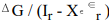
A) <strong>If domestic businesses become more pessimistic about the future, r would equal</strong> A)     I<sub>o</sub> x (I<sub>r</sub> + X<sub>     r</sub><sub> </sub>) B)     I<sub>o</sub> / (I<sub>r</sub> + X<sub>     r</sub><sub> </sub>) C)     I<sub>o</sub> x (I<sub>r</sub> - X<sub>     r</sub><sub> </sub>) D)     -I<sub>o</sub> / (I<sub>r</sub> + X<sub>     r</sub><sub> </sub>) <div style=padding-top: 35px> Io x (Ir + X <strong>If domestic businesses become more pessimistic about the future, r would equal</strong> A)     I<sub>o</sub> x (I<sub>r</sub> + X<sub>     r</sub><sub> </sub>) B)     I<sub>o</sub> / (I<sub>r</sub> + X<sub>     r</sub><sub> </sub>) C)     I<sub>o</sub> x (I<sub>r</sub> - X<sub>     r</sub><sub> </sub>) D)     -I<sub>o</sub> / (I<sub>r</sub> + X<sub>     r</sub><sub> </sub>) <div style=padding-top: 35px> r )
B) <strong>If domestic businesses become more pessimistic about the future, r would equal</strong> A)     I<sub>o</sub> x (I<sub>r</sub> + X<sub>     r</sub><sub> </sub>) B)     I<sub>o</sub> / (I<sub>r</sub> + X<sub>     r</sub><sub> </sub>) C)     I<sub>o</sub> x (I<sub>r</sub> - X<sub>     r</sub><sub> </sub>) D)     -I<sub>o</sub> / (I<sub>r</sub> + X<sub>     r</sub><sub> </sub>) <div style=padding-top: 35px> Io / (Ir + X <strong>If domestic businesses become more pessimistic about the future, r would equal</strong> A)     I<sub>o</sub> x (I<sub>r</sub> + X<sub>     r</sub><sub> </sub>) B)     I<sub>o</sub> / (I<sub>r</sub> + X<sub>     r</sub><sub> </sub>) C)     I<sub>o</sub> x (I<sub>r</sub> - X<sub>     r</sub><sub> </sub>) D)     -I<sub>o</sub> / (I<sub>r</sub> + X<sub>     r</sub><sub> </sub>) <div style=padding-top: 35px> r )
C) <strong>If domestic businesses become more pessimistic about the future, r would equal</strong> A)     I<sub>o</sub> x (I<sub>r</sub> + X<sub>     r</sub><sub> </sub>) B)     I<sub>o</sub> / (I<sub>r</sub> + X<sub>     r</sub><sub> </sub>) C)     I<sub>o</sub> x (I<sub>r</sub> - X<sub>     r</sub><sub> </sub>) D)     -I<sub>o</sub> / (I<sub>r</sub> + X<sub>     r</sub><sub> </sub>) <div style=padding-top: 35px> Io x (Ir - X <strong>If domestic businesses become more pessimistic about the future, r would equal</strong> A)     I<sub>o</sub> x (I<sub>r</sub> + X<sub>     r</sub><sub> </sub>) B)     I<sub>o</sub> / (I<sub>r</sub> + X<sub>     r</sub><sub> </sub>) C)     I<sub>o</sub> x (I<sub>r</sub> - X<sub>     r</sub><sub> </sub>) D)     -I<sub>o</sub> / (I<sub>r</sub> + X<sub>     r</sub><sub> </sub>) <div style=padding-top: 35px> r )
D) <strong>If domestic businesses become more pessimistic about the future, r would equal</strong> A)     I<sub>o</sub> x (I<sub>r</sub> + X<sub>     r</sub><sub> </sub>) B)     I<sub>o</sub> / (I<sub>r</sub> + X<sub>     r</sub><sub> </sub>) C)     I<sub>o</sub> x (I<sub>r</sub> - X<sub>     r</sub><sub> </sub>) D)     -I<sub>o</sub> / (I<sub>r</sub> + X<sub>     r</sub><sub> </sub>) <div style=padding-top: 35px> -Io / (Ir + X <strong>If domestic businesses become more pessimistic about the future, r would equal</strong> A)     I<sub>o</sub> x (I<sub>r</sub> + X<sub>     r</sub><sub> </sub>) B)     I<sub>o</sub> / (I<sub>r</sub> + X<sub>     r</sub><sub> </sub>) C)     I<sub>o</sub> x (I<sub>r</sub> - X<sub>     r</sub><sub> </sub>) D)     -I<sub>o</sub> / (I<sub>r</sub> + X<sub>     r</sub><sub> </sub>) <div style=padding-top: 35px> r )
سؤال
If domestic businesses become more optimistic about the future, r would equal

A) <strong>If domestic businesses become more optimistic about the future, r would equal</strong> A)    I<sub>o</sub> x (I<sub>r</sub> + X<sub>      r</sub><sub> </sub>) B)     I<sub>o</sub> / (I<sub>r</sub> + X<sub>     r</sub><sub> </sub>) C)     I<sub>o</sub> x (I<sub>r</sub> - X<sub>    r</sub><sub> </sub>) D)     -I<sub>o</sub> / (I<sub>r</sub> + X<sub>     r</sub><sub> </sub>) <div style=padding-top: 35px> Io x (Ir + X <strong>If domestic businesses become more optimistic about the future, r would equal</strong> A)    I<sub>o</sub> x (I<sub>r</sub> + X<sub>      r</sub><sub> </sub>) B)     I<sub>o</sub> / (I<sub>r</sub> + X<sub>     r</sub><sub> </sub>) C)     I<sub>o</sub> x (I<sub>r</sub> - X<sub>    r</sub><sub> </sub>) D)     -I<sub>o</sub> / (I<sub>r</sub> + X<sub>     r</sub><sub> </sub>) <div style=padding-top: 35px> r )
B) <strong>If domestic businesses become more optimistic about the future, r would equal</strong> A)    I<sub>o</sub> x (I<sub>r</sub> + X<sub>      r</sub><sub> </sub>) B)     I<sub>o</sub> / (I<sub>r</sub> + X<sub>     r</sub><sub> </sub>) C)     I<sub>o</sub> x (I<sub>r</sub> - X<sub>    r</sub><sub> </sub>) D)     -I<sub>o</sub> / (I<sub>r</sub> + X<sub>     r</sub><sub> </sub>) <div style=padding-top: 35px> Io / (Ir + X <strong>If domestic businesses become more optimistic about the future, r would equal</strong> A)    I<sub>o</sub> x (I<sub>r</sub> + X<sub>      r</sub><sub> </sub>) B)     I<sub>o</sub> / (I<sub>r</sub> + X<sub>     r</sub><sub> </sub>) C)     I<sub>o</sub> x (I<sub>r</sub> - X<sub>    r</sub><sub> </sub>) D)     -I<sub>o</sub> / (I<sub>r</sub> + X<sub>     r</sub><sub> </sub>) <div style=padding-top: 35px> r )
C) <strong>If domestic businesses become more optimistic about the future, r would equal</strong> A)    I<sub>o</sub> x (I<sub>r</sub> + X<sub>      r</sub><sub> </sub>) B)     I<sub>o</sub> / (I<sub>r</sub> + X<sub>     r</sub><sub> </sub>) C)     I<sub>o</sub> x (I<sub>r</sub> - X<sub>    r</sub><sub> </sub>) D)     -I<sub>o</sub> / (I<sub>r</sub> + X<sub>     r</sub><sub> </sub>) <div style=padding-top: 35px> Io x (Ir - X <strong>If domestic businesses become more optimistic about the future, r would equal</strong> A)    I<sub>o</sub> x (I<sub>r</sub> + X<sub>      r</sub><sub> </sub>) B)     I<sub>o</sub> / (I<sub>r</sub> + X<sub>     r</sub><sub> </sub>) C)     I<sub>o</sub> x (I<sub>r</sub> - X<sub>    r</sub><sub> </sub>) D)     -I<sub>o</sub> / (I<sub>r</sub> + X<sub>     r</sub><sub> </sub>) <div style=padding-top: 35px> r )
D) <strong>If domestic businesses become more optimistic about the future, r would equal</strong> A)    I<sub>o</sub> x (I<sub>r</sub> + X<sub>      r</sub><sub> </sub>) B)     I<sub>o</sub> / (I<sub>r</sub> + X<sub>     r</sub><sub> </sub>) C)     I<sub>o</sub> x (I<sub>r</sub> - X<sub>    r</sub><sub> </sub>) D)     -I<sub>o</sub> / (I<sub>r</sub> + X<sub>     r</sub><sub> </sub>) <div style=padding-top: 35px> -Io / (Ir + X <strong>If domestic businesses become more optimistic about the future, r would equal</strong> A)    I<sub>o</sub> x (I<sub>r</sub> + X<sub>      r</sub><sub> </sub>) B)     I<sub>o</sub> / (I<sub>r</sub> + X<sub>     r</sub><sub> </sub>) C)     I<sub>o</sub> x (I<sub>r</sub> - X<sub>    r</sub><sub> </sub>) D)     -I<sub>o</sub> / (I<sub>r</sub> + X<sub>     r</sub><sub> </sub>) <div style=padding-top: 35px> r )
سؤال
If there is a change in the foreign interest rate, r would equal

A) <strong>If there is a change in the foreign interest rate, r would equal </strong> A)    B)    C)    D)   <div style=padding-top: 35px>

B) <strong>If there is a change in the foreign interest rate, r would equal </strong> A)    B)    C)    D)   <div style=padding-top: 35px>

C) <strong>If there is a change in the foreign interest rate, r would equal </strong> A)    B)    C)    D)   <div style=padding-top: 35px>

D) <strong>If there is a change in the foreign interest rate, r would equal </strong> A)    B)    C)    D)   <div style=padding-top: 35px>
سؤال
If the foreign interest rate increases,

A) consumption spending and the domestic interest rate would increase.
B) the domestic interest rate would increase and investment spending would decrease.
C) the domestic interest rate would decrease and investment spending would increase.
D) net exports would decrease and the exchange rate would increase.
سؤال
If households increase their baseline consumption, r would equal

A) <strong>If households increase their baseline consumption, r would equal </strong> A)    B)    C)    D)   <div style=padding-top: 35px>

B) <strong>If households increase their baseline consumption, r would equal </strong> A)    B)    C)    D)   <div style=padding-top: 35px>

C) <strong>If households increase their baseline consumption, r would equal </strong> A)    B)    C)    D)   <div style=padding-top: 35px>

D) <strong>If households increase their baseline consumption, r would equal </strong> A)    B)    C)    D)   <div style=padding-top: 35px>
سؤال
The equilibrium interest rate will ________ if _________.

A) increase; foreign income decreases
B) decrease; foreign income decreases
C) increase; the foreign real interest rate decreases
D) stay the same; the foreign real interest rate increases and foreign income decreases
سؤال
The equilibrium interest rate will ________ if ___________.

A) increase; the foreign real interest rate increases
B) decrease; the foreign real interest rate increases
C) increases; foreign income decreases
D) decrease; foreign income and the foreign real interest rate increase
سؤال
The equilibrium interest rate will ________ if foreign income and the foreign real interest rate increase.

A) decrease
B) remain unchanged
C) increase
D) either increase or decrease, depending which effect dominates.
سؤال
The equilibrium interest rate will ________ if government spending increases and foreign income decreases.

A) decrease
B) remain unchanged
C) increase
D) either increase or decrease, depending which effect dominates.
سؤال
The equilibrium interest rate will ________ if the real foreign interest rate increases and the propensity to import increases.

A) decrease
B) remain unchanged
C) increase
D) either increase or decrease, depending which effect dominates.
سؤال
The equilibrium interest rate will ________ if foreign real income increases and the sensitivity of investment to the interest rate decreases.

A) decrease
B) remain unchanged
C) increase
D) either increase or decrease, depending which effect dominates.
فتح الحزمة
قم بالتسجيل لفتح البطاقات في هذه المجموعة!
Unlock Deck
Unlock Deck
1/71
auto play flashcards
العب
simple tutorial
ملء الشاشة (f)
exit full mode
Deck 7: Equilibrium in the Flexible-Price M Odel
1
The questions with which Chapter 7 is concerned include each of the following except:

A) In the flexible-price model, what keeps aggregate demand and the level of production equal to potential output?
B) In the flexible-price model, what makes the supply of funds - saving - equal to the demand for funds - . investment - in the financial markets?
C) When saving or investment demand changes, what happens in the flexible-price model to the real interest rate, and why?
D) As government policies, the international economic environment, or other features of policy change or the economic environment change, what happens in the fixed-price model to consumption, investment, government, and net export spending?
As government policies, the international economic environment, or other features of policy change or the economic environment change, what happens in the fixed-price model to consumption, investment, government, and net export spending?
2
The questions with which Chapter 7 is concerned include each of the following except:

A) In the flexible-price model, what keeps aggregate demand and the level of production equal to potential output?
B) In the flexible-price model, what makes the supply of funds - saving - equal to the demand for funds - . consumption - in the financial markets?
C) When saving or investment demand changes, what happens in the flexible-price model to the real interest rate, and why?
D) As government policies, the international economic environment, or other features of policy change or the economic environment change, what happens in the flexible-price model to consumption, investment, government, and net export spending?
In the flexible-price model, what makes the supply of funds - saving - equal to the demand for funds - . consumption - in the financial markets?
3
The questions with which Chapter 7 is concerned include each of the following except:

A) In the fixed-price model, what keeps aggregate demand and the level of production equal to potential output?
B) In the flexible-price model, what makes the supply of funds - saving - equal to the demand for funds - investment - in the financial markets?
C) When saving or investment demand changes, what happens in the flexible-price model to the real interest rate, and why?
D) As government policies, the international economic environment, or other features of policy change or the economic environment change, what happens in the flexible-price model to consumption, investment, government, and net export spending?
In the fixed-price model, what keeps aggregate demand and the level of production equal to potential output?
4
The questions with which Chapter 7 is concerned include each of the following except:

A) In the flexible-price model, what keeps aggregate demand and the level of production equal to potential output?
B) In the flexible-price model, what makes the supply of funds - saving - equal to the demand for funds - . investment - in the financial markets?
C) When saving or investment demand changes, what happens in the fixed-price model to the real output level, and why?
D) As government policies, the international economic environment, or other features of policy change or the economic environment change, what happens in the flexible-price model to consumption, investment, government, and net export spending?
فتح الحزمة
افتح القفل للوصول البطاقات البالغ عددها 71 في هذه المجموعة.
فتح الحزمة
k this deck
5
The ___________ ensures equilibrium in a flexible-price economy.

A) real exchange rate
B) nominal interest rate
C) nominal wage rate
D) real interest rate
فتح الحزمة
افتح القفل للوصول البطاقات البالغ عددها 71 في هذه المجموعة.
فتح الحزمة
k this deck
6
The _________ plays the key balancing role in making sure that the economy reaches and stays at equilibrium at the potential output level.

A) real exchange rate
B) real interest rate
C) real level of spending
D) the production function
فتح الحزمة
افتح القفل للوصول البطاقات البالغ عددها 71 في هذه المجموعة.
فتح الحزمة
k this deck
7
The flow-of-funds through __________ is key to understanding why the real interest rate brings the economy to equilibrium.

A) labor markets
B) goods and services markets
C) financial markets
D) foreign exchange
فتح الحزمة
افتح القفل للوصول البطاقات البالغ عددها 71 في هذه المجموعة.
فتح الحزمة
k this deck
8
People lend money because they

A) have no immediate spending use for it.
B) try to find cheap financing for their investment projects.
C) hope to make a profit by using the funds to invest in new plant and equipment.
D) have no immediate investment use for it.
فتح الحزمة
افتح القفل للوصول البطاقات البالغ عددها 71 في هذه المجموعة.
فتح الحزمة
k this deck
9
Businesses borrow money because they

A) have no immediate spending use for it.
B) try to find expensive financing for their investment projects.
C) hope to make a profit by using the funds to invest in new plant and equipment.
D) have no immediate investment use for it.
فتح الحزمة
افتح القفل للوصول البطاقات البالغ عددها 71 في هذه المجموعة.
فتح الحزمة
k this deck
10
The market in which the real interest rate functions as the price is called

A) the foreign exchange market.
B) the stock market.
C) the bond market.
D) the market for loanable funds.
فتح الحزمة
افتح القفل للوصول البطاقات البالغ عددها 71 في هذه المجموعة.
فتح الحزمة
k this deck
11
In the model developed in the text, demand for loanable funds is represented by

A) consumption spending.
B) government spending.
C) investment spending.
D) net exports.
فتح الحزمة
افتح القفل للوصول البطاقات البالغ عددها 71 في هذه المجموعة.
فتح الحزمة
k this deck
12
The price of loanable funds is

A) the real exchange rate.
B) the real wage.
C) the Consumer Price Index.
D) the real interest rate.
فتح الحزمة
افتح القفل للوصول البطاقات البالغ عددها 71 في هذه المجموعة.
فتح الحزمة
k this deck
13
If total saving increases,

A) the real interest rate will decrease and investment spending will increase.
B) the real interest rate will decrease and investment spending will decrease.
C) the real interest rate will increase and investment spending will decrease.
D) the real interest rate will increase and investment spending will increase.
فتح الحزمة
افتح القفل للوصول البطاقات البالغ عددها 71 في هذه المجموعة.
فتح الحزمة
k this deck
14
The circular flow principle guarantees that in equilibrium

A) the level of aggregate demand will be greater than output.
B) the level of investment spending will be equal to the level of household saving.
C) the level of aggregate demand will be equal to output.
D) the level of government spending will be equal to tax revenue.
فتح الحزمة
افتح القفل للوصول البطاقات البالغ عددها 71 في هذه المجموعة.
فتح الحزمة
k this deck
15
The equilibrium condition in the financial markets is

A) household saving equals investment spending.
B) household saving plus government saving minus net exports equals investment spending.
C) household saving plus government saving plus net exports equals investment spending.
D) government spending equals tax revenue.
فتح الحزمة
افتح القفل للوصول البطاقات البالغ عددها 71 في هذه المجموعة.
فتح الحزمة
k this deck
16
The equilibrium condition in the financial markets is

A) household saving minus investment spending plus tax revenue minus government spending equals net exports.
B) household saving plus government savings plus net exports equals investment spending.
C) tax revenue minus government spending equals net exports.
D) private saving plus investment spending plus tax revenue minus government spending equals net exports.
فتح الحزمة
افتح القفل للوصول البطاقات البالغ عددها 71 في هذه المجموعة.
فتح الحزمة
k this deck
17
The negative of net exports represents

A) the net flow of purchasing power that domestic spenders channel into domestic financial markets.
B) the net flow of purchasing power that foreigners channel into domestic financial markets.
C) the amount of exports minus depreciation that is channeled into domestic financial markets.
D) the amount of exports after taxes are paid that is channeled into domestic financial markets.
فتح الحزمة
افتح القفل للوصول البطاقات البالغ عددها 71 في هذه المجموعة.
فتح الحزمة
k this deck
18
If net exports are less than zero,

A) foreigners receive more dollars from us than they need to buy our exports, so they have a shortage of dollars.
B) foreigners receive less dollars from us than they need to buy our exports, so they have a shortage of dollars.
C) foreigners receive more dollars from us than they need to buy our exports, so they have a surplus of dollars.
D) foreigners receive less dollars from us than they need to buy our exports, so they have a surplus of dollars.
فتح الحزمة
افتح القفل للوصول البطاقات البالغ عددها 71 في هذه المجموعة.
فتح الحزمة
k this deck
19
If foreigners have more dollars than they need to buy our exports

A) they can use them to buy land in the United States.
B) they can use them to buy bonds issued by United States businesses.
C) they can them to buys stocks of United States businesses.
D) all of the above.
فتح الحزمة
افتح القفل للوصول البطاقات البالغ عددها 71 في هذه المجموعة.
فتح الحزمة
k this deck
20
The terms (Y*-C-T), (T-G), and NX in the flow of funds equation represent

A) investment demand in the economy.
B) total saving in the economy.
C) the level of total spending in the economy.
D) the level of government spending in the economy.
فتح الحزمة
افتح القفل للوصول البطاقات البالغ عددها 71 في هذه المجموعة.
فتح الحزمة
k this deck
21
The term (Y*-C-T) in the flow of funds equation represents

A) household saving in the economy.
B) public saving in the economy.
C) foreign saving in the economy.
D) total saving in the economy.
فتح الحزمة
افتح القفل للوصول البطاقات البالغ عددها 71 في هذه المجموعة.
فتح الحزمة
k this deck
22
The term (T-G) in the flow of funds equation represents

A) household saving in the economy.
B) public saving in the economy.
C) foreign saving in the economy.
D) total saving in the economy.
فتح الحزمة
افتح القفل للوصول البطاقات البالغ عددها 71 في هذه المجموعة.
فتح الحزمة
k this deck
23
The term -NX in the flow of funds equation represents

A) household saving in the economy.
B) public saving in the economy.
C) foreign saving in the economy.
D) total saving in the economy.
فتح الحزمة
افتح القفل للوصول البطاقات البالغ عددها 71 في هذه المجموعة.
فتح الحزمة
k this deck
24
If there is an excess supply of loanable funds in the financial markets

A) the real interest rate will increase.
B) the real exchange rate will decrease.
C) the real interest rate will decrease.
D) the real wage will increase.
فتح الحزمة
افتح القفل للوصول البطاقات البالغ عددها 71 في هذه المجموعة.
فتح الحزمة
k this deck
25
If there is an excess demand for loanable funds in the financial markets

A) the real interest rate will increase.
B) the real exchange rate will decrease.
C) the real interest rate will decrease.
D) the real wage will increase.
فتح الحزمة
افتح القفل للوصول البطاقات البالغ عددها 71 في هذه المجموعة.
فتح الحزمة
k this deck
26
If the real interest rate ________, household saving will _________.

A) decreases; increase
B) decreases; decrease
C) decreases; remain the same
D) increases; increase
فتح الحزمة
افتح القفل للوصول البطاقات البالغ عددها 71 في هذه المجموعة.
فتح الحزمة
k this deck
27
If the real interest rate ________, household saving will _________.

A) increases; decrease
B) decreases; decrease
C) increases; increase
D) increases; remain the same
فتح الحزمة
افتح القفل للوصول البطاقات البالغ عددها 71 في هذه المجموعة.
فتح الحزمة
k this deck
28
If the real interest rate ________, foreign saving will _________.

A) increases; decrease
B) decreases; decrease
C) decreases; increase
D) increases; remain the same
فتح الحزمة
افتح القفل للوصول البطاقات البالغ عددها 71 في هذه المجموعة.
فتح الحزمة
k this deck
29
If the real interest rate ________, foreign saving will _________.

A) increases; decrease
B) increases; remain the same
C) decreases; increase
D) increases; increase
فتح الحزمة
افتح القفل للوصول البطاقات البالغ عددها 71 في هذه المجموعة.
فتح الحزمة
k this deck
30
If the real interest rate ________, government saving will _________.

A) increases; remain the same
B) decreases; decrease
C) decreases; increase
D) increases; decrease
فتح الحزمة
افتح القفل للوصول البطاقات البالغ عددها 71 في هذه المجموعة.
فتح الحزمة
k this deck
31
If the real interest rate ________, government saving will _________.

A) increases; increase
B) decreases; increase
C) decreases; remain the same
D) increases; decrease
فتح الحزمة
افتح القفل للوصول البطاقات البالغ عددها 71 في هذه المجموعة.
فتح الحزمة
k this deck
32
If the real interest rate ________, total saving will _________ because ________.

A) increases; increase; household saving will increase
B) decreases; increase; foreign saving will increase
C) decreases; remain the same; government saving will remain the same
D) increases; increase; foreign saving will increase
فتح الحزمة
افتح القفل للوصول البطاقات البالغ عددها 71 في هذه المجموعة.
فتح الحزمة
k this deck
33
If the real interest rate ________, total saving will _________ because ________.

A) decreases; increase; government saving will increase
B) decreases; decrease; foreign saving will decrease
C) increases; increase; household saving will increase
D) decreases; remain the same; household saving will remain the same
فتح الحزمة
افتح القفل للوصول البطاقات البالغ عددها 71 في هذه المجموعة.
فتح الحزمة
k this deck
34
In the flexible-price model, an increase in government purchases will result in

A) an increase in potential output.
B) an increase in the interest rate.
C) an increase in total saving.
D) an increase in investment expenditures.
فتح الحزمة
افتح القفل للوصول البطاقات البالغ عددها 71 في هذه المجموعة.
فتح الحزمة
k this deck
35
In the flexible-price model, a decrease in government purchases will result in

A) a decrease in potential output.
B) an increase in the interest rate.
C) an increase in investment spending.
D) a decrease in total saving.
فتح الحزمة
افتح القفل للوصول البطاقات البالغ عددها 71 في هذه المجموعة.
فتح الحزمة
k this deck
36
In the flexible-price model, an increase in the tax rate will result in

A) an increase in the interest rate.
B) an increase in potential output.
C) an increase in household saving.
D) an increase in investment expenditures.
فتح الحزمة
افتح القفل للوصول البطاقات البالغ عددها 71 في هذه المجموعة.
فتح الحزمة
k this deck
37
In the flexible-price model, a decrease in the tax rate will result in

A) an increase in potential output.
B) an increase in household saving.
C) a increase in investment expenditures.
D) a decrease in the interest rate.
فتح الحزمة
افتح القفل للوصول البطاقات البالغ عددها 71 في هذه المجموعة.
فتح الحزمة
k this deck
38
In the flexible-price model, a decrease in the tax rate will result in

A) an increase in potential output.
B) a decrease in household saving.
C) an increase in investment expenditures.
D) an increase in the interest rate.
فتح الحزمة
افتح القفل للوصول البطاقات البالغ عددها 71 في هذه المجموعة.
فتح الحزمة
k this deck
39
In the flexible-price model, a decrease in the household or foreign saving will result in

A) an increase in the interest rate.
B) a increase in investment expenditures.
C) a decrease in the interest rate.
D) an increase in potential output.
فتح الحزمة
افتح القفل للوصول البطاقات البالغ عددها 71 في هذه المجموعة.
فتح الحزمة
k this deck
40
In the flexible-price model, an increase in the household or foreign saving will result in

A) an increase in the interest rate.
B) a decrease in investment expenditures.
C) a decrease in the interest rate.
D) an increase in potential output.
فتح الحزمة
افتح القفل للوصول البطاقات البالغ عددها 71 في هذه المجموعة.
فتح الحزمة
k this deck
41
The interest rate __________ in response to ________ in government purchases because

A) increases; an increase; more government purchases means more government savings.
B) increases; an increase; more government purchases means less government savings.
C) decreases; an increase; more government purchases means less government savings.
D) decreases; a decrease; less government purchases means less government savings.
فتح الحزمة
افتح القفل للوصول البطاقات البالغ عددها 71 في هذه المجموعة.
فتح الحزمة
k this deck
42
The interest rate will ________ if ________ shifts to the _______.

A) increase; the total saving curve; right
B) decrease; the investment demand curve; right
C) increase; the investment demand curve; right
D) decrease; the total saving curve; left
فتح الحزمة
افتح القفل للوصول البطاقات البالغ عددها 71 في هذه المجموعة.
فتح الحزمة
k this deck
43
The interest rate will ________ if ________ shifts to the _______.

A) increase; the total saving curve; right
B) decrease; the investment demand curve; right
C) decrease; the total saving curve; left
D) decrease; the investment demand curve; left
فتح الحزمة
افتح القفل للوصول البطاقات البالغ عددها 71 في هذه المجموعة.
فتح الحزمة
k this deck
44
The supply of private savings in the economy is equal to

A) tY* - G
B) Y* - C0 - Cy(1 - t)Y*.
C) (IMyY*) - (XyfYf) - <strong>The supply of private savings in the economy is equal to</strong> A) tY* - G B) Y* - C<sub>0</sub> - C<sub>y</sub>(1 - t)Y*. C) (IM<sub>y</sub>Y*) - (X<sub>yf</sub>Y<sup>f</sup>) -    D) I<sub>0</sub> - I<sub>r</sub> r.
D) I0 - Ir r.
فتح الحزمة
افتح القفل للوصول البطاقات البالغ عددها 71 في هذه المجموعة.
فتح الحزمة
k this deck
45
The supply of public savings in the economy is equal to

A) tY* - G
B) Y* - C0 - Cy(1 - t)Y*.
C) (IMyY*) - (XyfYf) - <strong>The supply of public savings in the economy is equal to</strong> A) tY* - G B) Y* - C<sub>0</sub> - C<sub>y</sub>(1 - t)Y*. C) (IM<sub>y</sub>Y*) - (X<sub>yf</sub>Y<sup>f</sup>) -     D) I<sub>0</sub> - I<sub>r</sub> r.
D) I0 - Ir r.
فتح الحزمة
افتح القفل للوصول البطاقات البالغ عددها 71 في هذه المجموعة.
فتح الحزمة
k this deck
46
The supply of international savings in the economy is equal to

A) tY*-G0.
B) (1-t-(1-t)Cy)Y*-C0.
C) (IMyY*) - (XyfYf) - <strong>The supply of international savings in the economy is equal to</strong> A) tY*-G<sub>0</sub>. B) (1-t-(1-t)C<sub>y</sub>)Y*-C<sub>0</sub>. C) (IM<sub>y</sub>Y*) - (X<sub>yf</sub>Y<sup>f</sup>) -     D) I<sub>0</sub> - I<sub>r</sub> r.
D) I0 - Ir r.
فتح الحزمة
افتح القفل للوصول البطاقات البالغ عددها 71 في هذه المجموعة.
فتح الحزمة
k this deck
47
The demand for funds is equal to

A) tY*-G0.
B) (1-t-(1-t)Cy)Y*-C0.
C) (IMyY*) - (XyfYf) - <strong>The demand for funds is equal to</strong> A) tY*-G<sub>0</sub>. B) (1-t-(1-t)C<sub>y</sub>)Y*-C<sub>0</sub>. C) (IM<sub>y</sub>Y*) - (X<sub>yf</sub>Y<sup>f</sup>) -     D) I<sub>0</sub> - I<sub>r</sub> r.
D) I0 - Ir r.
فتح الحزمة
افتح القفل للوصول البطاقات البالغ عددها 71 في هذه المجموعة.
فتح الحزمة
k this deck
48
If the change in government purchases is denoted by <strong>If the change in government purchases is denoted by   G, the resulting change in r (   r) would be equal to </strong> A)    B)    C)    D)   G, the resulting change in r ( <strong>If the change in government purchases is denoted by   G, the resulting change in r (   r) would be equal to </strong> A)    B)    C)    D)   r) would be equal to

A) <strong>If the change in government purchases is denoted by   G, the resulting change in r (   r) would be equal to </strong> A)    B)    C)    D)

B) <strong>If the change in government purchases is denoted by   G, the resulting change in r (   r) would be equal to </strong> A)    B)    C)    D)

C) <strong>If the change in government purchases is denoted by   G, the resulting change in r (   r) would be equal to </strong> A)    B)    C)    D)

D) <strong>If the change in government purchases is denoted by   G, the resulting change in r (   r) would be equal to </strong> A)    B)    C)    D)
فتح الحزمة
افتح القفل للوصول البطاقات البالغ عددها 71 في هذه المجموعة.
فتح الحزمة
k this deck
49
The change in investment spending ( <strong>The change in investment spending (   I) which occurs as a result of a change in government purchases (   G) is equal to </strong> A)    B)    C)    D)   I) which occurs as a result of a change in government purchases ( <strong>The change in investment spending (   I) which occurs as a result of a change in government purchases (   G) is equal to </strong> A)    B)    C)    D)   G) is equal to

A) <strong>The change in investment spending (   I) which occurs as a result of a change in government purchases (   G) is equal to </strong> A)    B)    C)    D)

B) <strong>The change in investment spending (   I) which occurs as a result of a change in government purchases (   G) is equal to </strong> A)    B)    C)    D)

C) <strong>The change in investment spending (   I) which occurs as a result of a change in government purchases (   G) is equal to </strong> A)    B)    C)    D)

D) <strong>The change in investment spending (   I) which occurs as a result of a change in government purchases (   G) is equal to </strong> A)    B)    C)    D)
فتح الحزمة
افتح القفل للوصول البطاقات البالغ عددها 71 في هذه المجموعة.
فتح الحزمة
k this deck
50
The change in investment spending ( <strong>The change in investment spending (     I) which occurs as a result of a change in government purchases (     G) is equal to</strong> A) I<sub>r</sub> x      r B) -I<sub>r</sub> x    r C) -I<sub>r</sub> x     G D) I<sub>r</sub> x     G I) which occurs as a result of a change in government purchases ( <strong>The change in investment spending (     I) which occurs as a result of a change in government purchases (     G) is equal to</strong> A) I<sub>r</sub> x      r B) -I<sub>r</sub> x    r C) -I<sub>r</sub> x     G D) I<sub>r</sub> x     G G) is equal to

A) Ir x <strong>The change in investment spending (     I) which occurs as a result of a change in government purchases (     G) is equal to</strong> A) I<sub>r</sub> x      r B) -I<sub>r</sub> x    r C) -I<sub>r</sub> x     G D) I<sub>r</sub> x     G r
B) -Ir x <strong>The change in investment spending (     I) which occurs as a result of a change in government purchases (     G) is equal to</strong> A) I<sub>r</sub> x      r B) -I<sub>r</sub> x    r C) -I<sub>r</sub> x     G D) I<sub>r</sub> x     G r
C) -Ir x <strong>The change in investment spending (     I) which occurs as a result of a change in government purchases (     G) is equal to</strong> A) I<sub>r</sub> x      r B) -I<sub>r</sub> x    r C) -I<sub>r</sub> x     G D) I<sub>r</sub> x     G G
D) Ir x <strong>The change in investment spending (     I) which occurs as a result of a change in government purchases (     G) is equal to</strong> A) I<sub>r</sub> x      r B) -I<sub>r</sub> x    r C) -I<sub>r</sub> x     G D) I<sub>r</sub> x     G G
فتح الحزمة
افتح القفل للوصول البطاقات البالغ عددها 71 في هذه المجموعة.
فتح الحزمة
k this deck
51
The change in consumption spending ( <strong>The change in consumption spending (     C) which occurs as a result of a change in government purchases (     G) is equal to</strong> A) C<sub>y</sub> x   G B) -C<sub>y</sub> x   G C) -C<sub>y</sub> x (1-t) x   Y D) 0 C) which occurs as a result of a change in government purchases ( <strong>The change in consumption spending (     C) which occurs as a result of a change in government purchases (     G) is equal to</strong> A) C<sub>y</sub> x   G B) -C<sub>y</sub> x   G C) -C<sub>y</sub> x (1-t) x   Y D) 0 G) is equal to

A) Cy x <strong>The change in consumption spending (     C) which occurs as a result of a change in government purchases (     G) is equal to</strong> A) C<sub>y</sub> x   G B) -C<sub>y</sub> x   G C) -C<sub>y</sub> x (1-t) x   Y D) 0 G
B) -Cy x <strong>The change in consumption spending (     C) which occurs as a result of a change in government purchases (     G) is equal to</strong> A) C<sub>y</sub> x   G B) -C<sub>y</sub> x   G C) -C<sub>y</sub> x (1-t) x   Y D) 0 G
C) -Cy x (1-t) x <strong>The change in consumption spending (     C) which occurs as a result of a change in government purchases (     G) is equal to</strong> A) C<sub>y</sub> x   G B) -C<sub>y</sub> x   G C) -C<sub>y</sub> x (1-t) x   Y D) 0 Y
D) 0
فتح الحزمة
افتح القفل للوصول البطاقات البالغ عددها 71 في هذه المجموعة.
فتح الحزمة
k this deck
52
The change in net exports ( <strong>The change in net exports (   NX) which occurs as a result of a change in government purchases (   G) is equal to </strong> A)    B)    C)    D)   NX) which occurs as a result of a change in government purchases ( <strong>The change in net exports (   NX) which occurs as a result of a change in government purchases (   G) is equal to </strong> A)    B)    C)    D)   G) is equal to

A) <strong>The change in net exports (   NX) which occurs as a result of a change in government purchases (   G) is equal to </strong> A)    B)    C)    D)

B) <strong>The change in net exports (   NX) which occurs as a result of a change in government purchases (   G) is equal to </strong> A)    B)    C)    D)

C) <strong>The change in net exports (   NX) which occurs as a result of a change in government purchases (   G) is equal to </strong> A)    B)    C)    D)

D) <strong>The change in net exports (   NX) which occurs as a result of a change in government purchases (   G) is equal to </strong> A)    B)    C)    D)
فتح الحزمة
افتح القفل للوصول البطاقات البالغ عددها 71 في هذه المجموعة.
فتح الحزمة
k this deck
53
The change in total saving ( <strong>The change in total saving (   S) which occurs as a result of a change in government purchases (   G ) is equal to </strong> A)    B)    C)    D)   S) which occurs as a result of a change in government purchases ( <strong>The change in total saving (   S) which occurs as a result of a change in government purchases (   G ) is equal to </strong> A)    B)    C)    D)   G ) is equal to

A) <strong>The change in total saving (   S) which occurs as a result of a change in government purchases (   G ) is equal to </strong> A)    B)    C)    D)

B) <strong>The change in total saving (   S) which occurs as a result of a change in government purchases (   G ) is equal to </strong> A)    B)    C)    D)

C) <strong>The change in total saving (   S) which occurs as a result of a change in government purchases (   G ) is equal to </strong> A)    B)    C)    D)

D) <strong>The change in total saving (   S) which occurs as a result of a change in government purchases (   G ) is equal to </strong> A)    B)    C)    D)
فتح الحزمة
افتح القفل للوصول البطاقات البالغ عددها 71 في هذه المجموعة.
فتح الحزمة
k this deck
54
Suppose there is an increase in government purchases of $300 billion. If Cy = .8; Ir = 9000; X = 600; t = .30; <strong>Suppose there is an increase in government purchases of $300 billion. If C<sub>y</sub> = .8; I<sub>r</sub> = 9000; X = 600; t = .30;   <sub> r</sub><sub> </sub>= 10,</strong> A)     r would equal 2%. B)     r would equal -2%. C)     r would equal .02%. D)     r would equal 3.27%. r = 10,

A) <strong>Suppose there is an increase in government purchases of $300 billion. If C<sub>y</sub> = .8; I<sub>r</sub> = 9000; X = 600; t = .30;   <sub> r</sub><sub> </sub>= 10,</strong> A)     r would equal 2%. B)     r would equal -2%. C)     r would equal .02%. D)     r would equal 3.27%. r would equal 2%.
B) <strong>Suppose there is an increase in government purchases of $300 billion. If C<sub>y</sub> = .8; I<sub>r</sub> = 9000; X = 600; t = .30;   <sub> r</sub><sub> </sub>= 10,</strong> A)     r would equal 2%. B)     r would equal -2%. C)     r would equal .02%. D)     r would equal 3.27%. r would equal -2%.
C) <strong>Suppose there is an increase in government purchases of $300 billion. If C<sub>y</sub> = .8; I<sub>r</sub> = 9000; X = 600; t = .30;   <sub> r</sub><sub> </sub>= 10,</strong> A)     r would equal 2%. B)     r would equal -2%. C)     r would equal .02%. D)     r would equal 3.27%. r would equal .02%.
D) <strong>Suppose there is an increase in government purchases of $300 billion. If C<sub>y</sub> = .8; I<sub>r</sub> = 9000; X = 600; t = .30;   <sub> r</sub><sub> </sub>= 10,</strong> A)     r would equal 2%. B)     r would equal -2%. C)     r would equal .02%. D)     r would equal 3.27%. r would equal 3.27%.
فتح الحزمة
افتح القفل للوصول البطاقات البالغ عددها 71 في هذه المجموعة.
فتح الحزمة
k this deck
55
Suppose there is an increase in government purchases of $300 billion. If Cy = .8; Ir = 9000; X = 600; t = .30; <strong>Suppose there is an increase in government purchases of $300 billion. If C<sub>y</sub> = .8; I<sub>r</sub> = 9000; X = 600; t = .30;   <sub> r</sub><sub> </sub>= 10,</strong> A)     I would equal $180 billion. B)     I would equal -$180 billion. C)     I would equal $1800 billion. D)     I would equal -$1800 billion. r = 10,

A) <strong>Suppose there is an increase in government purchases of $300 billion. If C<sub>y</sub> = .8; I<sub>r</sub> = 9000; X = 600; t = .30;   <sub> r</sub><sub> </sub>= 10,</strong> A)     I would equal $180 billion. B)     I would equal -$180 billion. C)     I would equal $1800 billion. D)     I would equal -$1800 billion. I would equal $180 billion.
B) <strong>Suppose there is an increase in government purchases of $300 billion. If C<sub>y</sub> = .8; I<sub>r</sub> = 9000; X = 600; t = .30;   <sub> r</sub><sub> </sub>= 10,</strong> A)     I would equal $180 billion. B)     I would equal -$180 billion. C)     I would equal $1800 billion. D)     I would equal -$1800 billion. I would equal -$180 billion.
C) <strong>Suppose there is an increase in government purchases of $300 billion. If C<sub>y</sub> = .8; I<sub>r</sub> = 9000; X = 600; t = .30;   <sub> r</sub><sub> </sub>= 10,</strong> A)     I would equal $180 billion. B)     I would equal -$180 billion. C)     I would equal $1800 billion. D)     I would equal -$1800 billion. I would equal $1800 billion.
D) <strong>Suppose there is an increase in government purchases of $300 billion. If C<sub>y</sub> = .8; I<sub>r</sub> = 9000; X = 600; t = .30;   <sub> r</sub><sub> </sub>= 10,</strong> A)     I would equal $180 billion. B)     I would equal -$180 billion. C)     I would equal $1800 billion. D)     I would equal -$1800 billion. I would equal -$1800 billion.
فتح الحزمة
افتح القفل للوصول البطاقات البالغ عددها 71 في هذه المجموعة.
فتح الحزمة
k this deck
56
Suppose there is an increase in government purchases of $300 billion. If Cy = .8; Ir = 9000; X = 600; t = .30; <strong>Suppose there is an increase in government purchases of $300 billion. If C<sub>y</sub> = .8; I<sub>r</sub> = 9000; X = 600; t = .30;   <sub> r</sub><sub> </sub>= 10,</strong> A)     C would equal $168 billion. B)     C would equal -$168 billion. C)     C would equal 0. D)     C would equal $180 billion. r = 10,

A) <strong>Suppose there is an increase in government purchases of $300 billion. If C<sub>y</sub> = .8; I<sub>r</sub> = 9000; X = 600; t = .30;   <sub> r</sub><sub> </sub>= 10,</strong> A)     C would equal $168 billion. B)     C would equal -$168 billion. C)     C would equal 0. D)     C would equal $180 billion. C would equal $168 billion.
B) <strong>Suppose there is an increase in government purchases of $300 billion. If C<sub>y</sub> = .8; I<sub>r</sub> = 9000; X = 600; t = .30;   <sub> r</sub><sub> </sub>= 10,</strong> A)     C would equal $168 billion. B)     C would equal -$168 billion. C)     C would equal 0. D)     C would equal $180 billion. C would equal -$168 billion.
C) <strong>Suppose there is an increase in government purchases of $300 billion. If C<sub>y</sub> = .8; I<sub>r</sub> = 9000; X = 600; t = .30;   <sub> r</sub><sub> </sub>= 10,</strong> A)     C would equal $168 billion. B)     C would equal -$168 billion. C)     C would equal 0. D)     C would equal $180 billion. C would equal 0.
D) <strong>Suppose there is an increase in government purchases of $300 billion. If C<sub>y</sub> = .8; I<sub>r</sub> = 9000; X = 600; t = .30;   <sub> r</sub><sub> </sub>= 10,</strong> A)     C would equal $168 billion. B)     C would equal -$168 billion. C)     C would equal 0. D)     C would equal $180 billion. C would equal $180 billion.
فتح الحزمة
افتح القفل للوصول البطاقات البالغ عددها 71 في هذه المجموعة.
فتح الحزمة
k this deck
57
Suppose there is an increase in government purchases of $300 billion. If Cy = .8; Ir = 9000; X = 600; t = .30; <strong>Suppose there is an increase in government purchases of $300 billion. If C<sub>y</sub> = .8; I<sub>r</sub> = 9000; X = 600; t = .30;   <sub> r</sub><sub> </sub>= 10,</strong> A)     NX would equal $120 billion. B)     NX would equal -$1200 billion. C)     NX would equal -$12 billion. D)     NX would equal -$120 billion. r = 10,

A) <strong>Suppose there is an increase in government purchases of $300 billion. If C<sub>y</sub> = .8; I<sub>r</sub> = 9000; X = 600; t = .30;   <sub> r</sub><sub> </sub>= 10,</strong> A)     NX would equal $120 billion. B)     NX would equal -$1200 billion. C)     NX would equal -$12 billion. D)     NX would equal -$120 billion. NX would equal $120 billion.
B) <strong>Suppose there is an increase in government purchases of $300 billion. If C<sub>y</sub> = .8; I<sub>r</sub> = 9000; X = 600; t = .30;   <sub> r</sub><sub> </sub>= 10,</strong> A)     NX would equal $120 billion. B)     NX would equal -$1200 billion. C)     NX would equal -$12 billion. D)     NX would equal -$120 billion. NX would equal -$1200 billion.
C) <strong>Suppose there is an increase in government purchases of $300 billion. If C<sub>y</sub> = .8; I<sub>r</sub> = 9000; X = 600; t = .30;   <sub> r</sub><sub> </sub>= 10,</strong> A)     NX would equal $120 billion. B)     NX would equal -$1200 billion. C)     NX would equal -$12 billion. D)     NX would equal -$120 billion. NX would equal -$12 billion.
D) <strong>Suppose there is an increase in government purchases of $300 billion. If C<sub>y</sub> = .8; I<sub>r</sub> = 9000; X = 600; t = .30;   <sub> r</sub><sub> </sub>= 10,</strong> A)     NX would equal $120 billion. B)     NX would equal -$1200 billion. C)     NX would equal -$12 billion. D)     NX would equal -$120 billion. NX would equal -$120 billion.
فتح الحزمة
افتح القفل للوصول البطاقات البالغ عددها 71 في هذه المجموعة.
فتح الحزمة
k this deck
58
Suppose there is an increase in government purchases of $300 billion. If Cy = .8; Ir = 9000; X = 600; t = .30; <strong>Suppose there is an increase in government purchases of $300 billion. If C<sub>y</sub> = .8; I<sub>r</sub> = 9000; X = 600; t = .30;   <sub> r</sub><sub> </sub>= 10,</strong> A)     S would equal $180 billion. B)     S would equal -$180 billion. C)     S would equal $1800 billion. D)     S would equal -$1800 billion. r = 10,

A) <strong>Suppose there is an increase in government purchases of $300 billion. If C<sub>y</sub> = .8; I<sub>r</sub> = 9000; X = 600; t = .30;   <sub> r</sub><sub> </sub>= 10,</strong> A)     S would equal $180 billion. B)     S would equal -$180 billion. C)     S would equal $1800 billion. D)     S would equal -$1800 billion. S would equal $180 billion.
B) <strong>Suppose there is an increase in government purchases of $300 billion. If C<sub>y</sub> = .8; I<sub>r</sub> = 9000; X = 600; t = .30;   <sub> r</sub><sub> </sub>= 10,</strong> A)     S would equal $180 billion. B)     S would equal -$180 billion. C)     S would equal $1800 billion. D)     S would equal -$1800 billion. S would equal -$180 billion.
C) <strong>Suppose there is an increase in government purchases of $300 billion. If C<sub>y</sub> = .8; I<sub>r</sub> = 9000; X = 600; t = .30;   <sub> r</sub><sub> </sub>= 10,</strong> A)     S would equal $180 billion. B)     S would equal -$180 billion. C)     S would equal $1800 billion. D)     S would equal -$1800 billion. S would equal $1800 billion.
D) <strong>Suppose there is an increase in government purchases of $300 billion. If C<sub>y</sub> = .8; I<sub>r</sub> = 9000; X = 600; t = .30;   <sub> r</sub><sub> </sub>= 10,</strong> A)     S would equal $180 billion. B)     S would equal -$180 billion. C)     S would equal $1800 billion. D)     S would equal -$1800 billion. S would equal -$1800 billion.
فتح الحزمة
افتح القفل للوصول البطاقات البالغ عددها 71 في هذه المجموعة.
فتح الحزمة
k this deck
59
If domestic businesses become more pessimistic about the future,

A) Io would increase and r would decrease.
B) Io would increase and r would increase.
C) Io would decrease and r would decrease.
D) Io would decrease and r would increase.
فتح الحزمة
افتح القفل للوصول البطاقات البالغ عددها 71 في هذه المجموعة.
فتح الحزمة
k this deck
60
If domestic businesses become more optimistic about the future,

A) Io would increase and r would decrease.
B) Io would increase and r would increase.
C) Io would decrease and r would decrease.
D) Io would decrease and r would increase.
فتح الحزمة
افتح القفل للوصول البطاقات البالغ عددها 71 في هذه المجموعة.
فتح الحزمة
k this deck
61
If domestic businesses become more pessimistic about the future, r would equal

A) <strong>If domestic businesses become more pessimistic about the future, r would equal</strong> A)     I<sub>o</sub> x (I<sub>r</sub> + X<sub>     r</sub><sub> </sub>) B)     I<sub>o</sub> / (I<sub>r</sub> + X<sub>     r</sub><sub> </sub>) C)     I<sub>o</sub> x (I<sub>r</sub> - X<sub>     r</sub><sub> </sub>) D)     -I<sub>o</sub> / (I<sub>r</sub> + X<sub>     r</sub><sub> </sub>) Io x (Ir + X <strong>If domestic businesses become more pessimistic about the future, r would equal</strong> A)     I<sub>o</sub> x (I<sub>r</sub> + X<sub>     r</sub><sub> </sub>) B)     I<sub>o</sub> / (I<sub>r</sub> + X<sub>     r</sub><sub> </sub>) C)     I<sub>o</sub> x (I<sub>r</sub> - X<sub>     r</sub><sub> </sub>) D)     -I<sub>o</sub> / (I<sub>r</sub> + X<sub>     r</sub><sub> </sub>) r )
B) <strong>If domestic businesses become more pessimistic about the future, r would equal</strong> A)     I<sub>o</sub> x (I<sub>r</sub> + X<sub>     r</sub><sub> </sub>) B)     I<sub>o</sub> / (I<sub>r</sub> + X<sub>     r</sub><sub> </sub>) C)     I<sub>o</sub> x (I<sub>r</sub> - X<sub>     r</sub><sub> </sub>) D)     -I<sub>o</sub> / (I<sub>r</sub> + X<sub>     r</sub><sub> </sub>) Io / (Ir + X <strong>If domestic businesses become more pessimistic about the future, r would equal</strong> A)     I<sub>o</sub> x (I<sub>r</sub> + X<sub>     r</sub><sub> </sub>) B)     I<sub>o</sub> / (I<sub>r</sub> + X<sub>     r</sub><sub> </sub>) C)     I<sub>o</sub> x (I<sub>r</sub> - X<sub>     r</sub><sub> </sub>) D)     -I<sub>o</sub> / (I<sub>r</sub> + X<sub>     r</sub><sub> </sub>) r )
C) <strong>If domestic businesses become more pessimistic about the future, r would equal</strong> A)     I<sub>o</sub> x (I<sub>r</sub> + X<sub>     r</sub><sub> </sub>) B)     I<sub>o</sub> / (I<sub>r</sub> + X<sub>     r</sub><sub> </sub>) C)     I<sub>o</sub> x (I<sub>r</sub> - X<sub>     r</sub><sub> </sub>) D)     -I<sub>o</sub> / (I<sub>r</sub> + X<sub>     r</sub><sub> </sub>) Io x (Ir - X <strong>If domestic businesses become more pessimistic about the future, r would equal</strong> A)     I<sub>o</sub> x (I<sub>r</sub> + X<sub>     r</sub><sub> </sub>) B)     I<sub>o</sub> / (I<sub>r</sub> + X<sub>     r</sub><sub> </sub>) C)     I<sub>o</sub> x (I<sub>r</sub> - X<sub>     r</sub><sub> </sub>) D)     -I<sub>o</sub> / (I<sub>r</sub> + X<sub>     r</sub><sub> </sub>) r )
D) <strong>If domestic businesses become more pessimistic about the future, r would equal</strong> A)     I<sub>o</sub> x (I<sub>r</sub> + X<sub>     r</sub><sub> </sub>) B)     I<sub>o</sub> / (I<sub>r</sub> + X<sub>     r</sub><sub> </sub>) C)     I<sub>o</sub> x (I<sub>r</sub> - X<sub>     r</sub><sub> </sub>) D)     -I<sub>o</sub> / (I<sub>r</sub> + X<sub>     r</sub><sub> </sub>) -Io / (Ir + X <strong>If domestic businesses become more pessimistic about the future, r would equal</strong> A)     I<sub>o</sub> x (I<sub>r</sub> + X<sub>     r</sub><sub> </sub>) B)     I<sub>o</sub> / (I<sub>r</sub> + X<sub>     r</sub><sub> </sub>) C)     I<sub>o</sub> x (I<sub>r</sub> - X<sub>     r</sub><sub> </sub>) D)     -I<sub>o</sub> / (I<sub>r</sub> + X<sub>     r</sub><sub> </sub>) r )
فتح الحزمة
افتح القفل للوصول البطاقات البالغ عددها 71 في هذه المجموعة.
فتح الحزمة
k this deck
62
If domestic businesses become more optimistic about the future, r would equal

A) <strong>If domestic businesses become more optimistic about the future, r would equal</strong> A)    I<sub>o</sub> x (I<sub>r</sub> + X<sub>      r</sub><sub> </sub>) B)     I<sub>o</sub> / (I<sub>r</sub> + X<sub>     r</sub><sub> </sub>) C)     I<sub>o</sub> x (I<sub>r</sub> - X<sub>    r</sub><sub> </sub>) D)     -I<sub>o</sub> / (I<sub>r</sub> + X<sub>     r</sub><sub> </sub>) Io x (Ir + X <strong>If domestic businesses become more optimistic about the future, r would equal</strong> A)    I<sub>o</sub> x (I<sub>r</sub> + X<sub>      r</sub><sub> </sub>) B)     I<sub>o</sub> / (I<sub>r</sub> + X<sub>     r</sub><sub> </sub>) C)     I<sub>o</sub> x (I<sub>r</sub> - X<sub>    r</sub><sub> </sub>) D)     -I<sub>o</sub> / (I<sub>r</sub> + X<sub>     r</sub><sub> </sub>) r )
B) <strong>If domestic businesses become more optimistic about the future, r would equal</strong> A)    I<sub>o</sub> x (I<sub>r</sub> + X<sub>      r</sub><sub> </sub>) B)     I<sub>o</sub> / (I<sub>r</sub> + X<sub>     r</sub><sub> </sub>) C)     I<sub>o</sub> x (I<sub>r</sub> - X<sub>    r</sub><sub> </sub>) D)     -I<sub>o</sub> / (I<sub>r</sub> + X<sub>     r</sub><sub> </sub>) Io / (Ir + X <strong>If domestic businesses become more optimistic about the future, r would equal</strong> A)    I<sub>o</sub> x (I<sub>r</sub> + X<sub>      r</sub><sub> </sub>) B)     I<sub>o</sub> / (I<sub>r</sub> + X<sub>     r</sub><sub> </sub>) C)     I<sub>o</sub> x (I<sub>r</sub> - X<sub>    r</sub><sub> </sub>) D)     -I<sub>o</sub> / (I<sub>r</sub> + X<sub>     r</sub><sub> </sub>) r )
C) <strong>If domestic businesses become more optimistic about the future, r would equal</strong> A)    I<sub>o</sub> x (I<sub>r</sub> + X<sub>      r</sub><sub> </sub>) B)     I<sub>o</sub> / (I<sub>r</sub> + X<sub>     r</sub><sub> </sub>) C)     I<sub>o</sub> x (I<sub>r</sub> - X<sub>    r</sub><sub> </sub>) D)     -I<sub>o</sub> / (I<sub>r</sub> + X<sub>     r</sub><sub> </sub>) Io x (Ir - X <strong>If domestic businesses become more optimistic about the future, r would equal</strong> A)    I<sub>o</sub> x (I<sub>r</sub> + X<sub>      r</sub><sub> </sub>) B)     I<sub>o</sub> / (I<sub>r</sub> + X<sub>     r</sub><sub> </sub>) C)     I<sub>o</sub> x (I<sub>r</sub> - X<sub>    r</sub><sub> </sub>) D)     -I<sub>o</sub> / (I<sub>r</sub> + X<sub>     r</sub><sub> </sub>) r )
D) <strong>If domestic businesses become more optimistic about the future, r would equal</strong> A)    I<sub>o</sub> x (I<sub>r</sub> + X<sub>      r</sub><sub> </sub>) B)     I<sub>o</sub> / (I<sub>r</sub> + X<sub>     r</sub><sub> </sub>) C)     I<sub>o</sub> x (I<sub>r</sub> - X<sub>    r</sub><sub> </sub>) D)     -I<sub>o</sub> / (I<sub>r</sub> + X<sub>     r</sub><sub> </sub>) -Io / (Ir + X <strong>If domestic businesses become more optimistic about the future, r would equal</strong> A)    I<sub>o</sub> x (I<sub>r</sub> + X<sub>      r</sub><sub> </sub>) B)     I<sub>o</sub> / (I<sub>r</sub> + X<sub>     r</sub><sub> </sub>) C)     I<sub>o</sub> x (I<sub>r</sub> - X<sub>    r</sub><sub> </sub>) D)     -I<sub>o</sub> / (I<sub>r</sub> + X<sub>     r</sub><sub> </sub>) r )
فتح الحزمة
افتح القفل للوصول البطاقات البالغ عددها 71 في هذه المجموعة.
فتح الحزمة
k this deck
63
If there is a change in the foreign interest rate, r would equal

A) <strong>If there is a change in the foreign interest rate, r would equal </strong> A)    B)    C)    D)

B) <strong>If there is a change in the foreign interest rate, r would equal </strong> A)    B)    C)    D)

C) <strong>If there is a change in the foreign interest rate, r would equal </strong> A)    B)    C)    D)

D) <strong>If there is a change in the foreign interest rate, r would equal </strong> A)    B)    C)    D)
فتح الحزمة
افتح القفل للوصول البطاقات البالغ عددها 71 في هذه المجموعة.
فتح الحزمة
k this deck
64
If the foreign interest rate increases,

A) consumption spending and the domestic interest rate would increase.
B) the domestic interest rate would increase and investment spending would decrease.
C) the domestic interest rate would decrease and investment spending would increase.
D) net exports would decrease and the exchange rate would increase.
فتح الحزمة
افتح القفل للوصول البطاقات البالغ عددها 71 في هذه المجموعة.
فتح الحزمة
k this deck
65
If households increase their baseline consumption, r would equal

A) <strong>If households increase their baseline consumption, r would equal </strong> A)    B)    C)    D)

B) <strong>If households increase their baseline consumption, r would equal </strong> A)    B)    C)    D)

C) <strong>If households increase their baseline consumption, r would equal </strong> A)    B)    C)    D)

D) <strong>If households increase their baseline consumption, r would equal </strong> A)    B)    C)    D)
فتح الحزمة
افتح القفل للوصول البطاقات البالغ عددها 71 في هذه المجموعة.
فتح الحزمة
k this deck
66
The equilibrium interest rate will ________ if _________.

A) increase; foreign income decreases
B) decrease; foreign income decreases
C) increase; the foreign real interest rate decreases
D) stay the same; the foreign real interest rate increases and foreign income decreases
فتح الحزمة
افتح القفل للوصول البطاقات البالغ عددها 71 في هذه المجموعة.
فتح الحزمة
k this deck
67
The equilibrium interest rate will ________ if ___________.

A) increase; the foreign real interest rate increases
B) decrease; the foreign real interest rate increases
C) increases; foreign income decreases
D) decrease; foreign income and the foreign real interest rate increase
فتح الحزمة
افتح القفل للوصول البطاقات البالغ عددها 71 في هذه المجموعة.
فتح الحزمة
k this deck
68
The equilibrium interest rate will ________ if foreign income and the foreign real interest rate increase.

A) decrease
B) remain unchanged
C) increase
D) either increase or decrease, depending which effect dominates.
فتح الحزمة
افتح القفل للوصول البطاقات البالغ عددها 71 في هذه المجموعة.

فتح الحزمة
k this deck
69
The equilibrium interest rate will ________ if government spending increases and foreign income decreases.

A) decrease
B) remain unchanged
C) increase
D) either increase or decrease, depending which effect dominates.
فتح الحزمة
افتح القفل للوصول البطاقات البالغ عددها 71 في هذه المجموعة.

فتح الحزمة
k this deck
70
The equilibrium interest rate will ________ if the real foreign interest rate increases and the propensity to import increases.

A) decrease
B) remain unchanged
C) increase
D) either increase or decrease, depending which effect dominates.
فتح الحزمة
افتح القفل للوصول البطاقات البالغ عددها 71 في هذه المجموعة.
فتح الحزمة
k this deck
71
The equilibrium interest rate will ________ if foreign real income increases and the sensitivity of investment to the interest rate decreases.

A) decrease
B) remain unchanged
C) increase
D) either increase or decrease, depending which effect dominates.
فتح الحزمة
افتح القفل للوصول البطاقات البالغ عددها 71 في هذه المجموعة.
فتح الحزمة
k this deck
locked card icon
فتح الحزمة
افتح القفل للوصول البطاقات البالغ عددها 71 في هذه المجموعة.