







 تكلم مع الذكاء الاصطناعي


Deck 7: The Reactions of Alkynes an Introduction Tomultistep Synthesis
ملء الشاشة (f)

سؤال
What is the systematic name for the following compound? ? 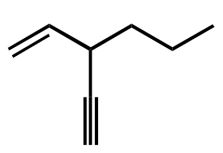
A) 3-ethynyl-1-hexene
B) 3-ethenyl-1-hexyne
C) 3-propyl-4-penten-1-yne
D) 3-propyl-1-penten-4-yne
E) 3-propyl-1,4-pentenyne
A) 3-ethynyl-1-hexene
B) 3-ethenyl-1-hexyne
C) 3-propyl-4-penten-1-yne
D) 3-propyl-1-penten-4-yne
E) 3-propyl-1,4-pentenyne

سؤال
What is the systematic name for the following compound? 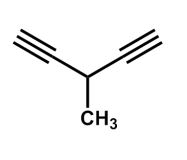
A) 1,1-diethynylethane
B) 3-ethynylbutyne
C) 3-butynylethyne
D) 3-ethynyl-1-butyne
E) 3-methyl-1,4-pentadiyne
A) 1,1-diethynylethane
B) 3-ethynylbutyne
C) 3-butynylethyne
D) 3-ethynyl-1-butyne
E) 3-methyl-1,4-pentadiyne
سؤال
سؤال
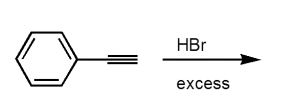
Which product is expected from the reaction shown here?
A)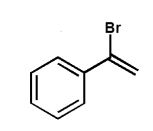
B)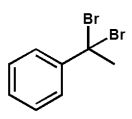
C)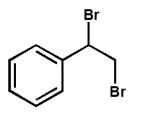
D)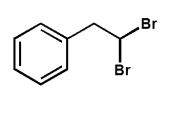
E)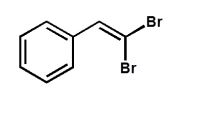
A)
B)
C)
D)
E)
سؤال
Which product would be isolated from the reaction shown?
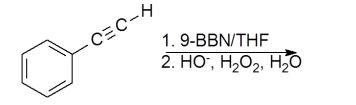
A)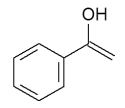
B)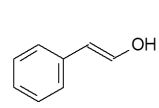
C)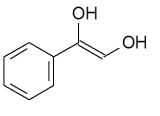
D)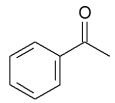
E)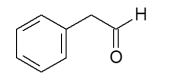
A)
B)
C)
D)
E)
سؤال
Which reagent is the best choice to complete the following transformation?

A) Na, NH3(liq)
B) NaNH2
C) 1. NaBH4, 2. H3O+
D) 1 mole H2/Pd/C
E) H2, Lindlar catalyst
A) Na, NH3(liq)
B) NaNH2
C) 1. NaBH4, 2. H3O+
D) 1 mole H2/Pd/C
E) H2, Lindlar catalyst
سؤال
سؤال
سؤال
Which of the following methods would give the product in reasonable yield? 
A) 1. NaNH2 2. CH2=CHCH2Br 3. H2O, H2SO4
B) 1. NaNH2 2. CH2=CHCH2Br 3. HCl
C) 1. NaNH2 2. CH2=CHCH2Br 3. R2BH/THF 4. HO?,H2O2, H2O
D) 1. NaNH2 2. HOCH2CHCH2Br 3. R2BH/THF 4. HO?, H2O2, H2O
E) all of the above
A) 1. NaNH2 2. CH2=CHCH2Br 3. H2O, H2SO4
B) 1. NaNH2 2. CH2=CHCH2Br 3. HCl
C) 1. NaNH2 2. CH2=CHCH2Br 3. R2BH/THF 4. HO?,H2O2, H2O
D) 1. NaNH2 2. HOCH2CHCH2Br 3. R2BH/THF 4. HO?, H2O2, H2O
E) all of the above
سؤال
Which of the following sets of reactions accomplish the synthesis shown below? 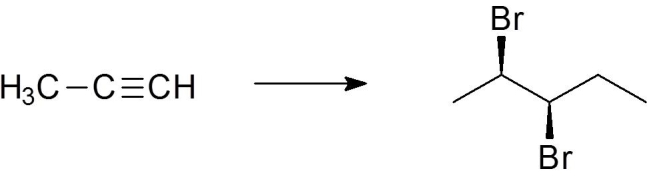
A) 1. NaNH2 2. CH3CH2CH2Br 3. Na/NH3(liq) 4. HBr
B) 1. NaOH 2. CH3CH2Br 3. H2, Lindlar cat 4. Br2/H2O
C) 1. NaNH2 2. CH3CH2I 3. H2, Lindlar cat 4. Br2
D) 1. H2, Lindlar cat 2. NaNH2 3. CH3CH2Br 4. Br2
E) 1. Na/NH3(liq) 2. NaNH2 3. CH3CH2I 4. HBr
A) 1. NaNH2 2. CH3CH2CH2Br 3. Na/NH3(liq) 4. HBr
B) 1. NaOH 2. CH3CH2Br 3. H2, Lindlar cat 4. Br2/H2O
C) 1. NaNH2 2. CH3CH2I 3. H2, Lindlar cat 4. Br2
D) 1. H2, Lindlar cat 2. NaNH2 3. CH3CH2Br 4. Br2
E) 1. Na/NH3(liq) 2. NaNH2 3. CH3CH2I 4. HBr
سؤال
Which of the following sets of reactions accomplishes the synthesis shown below? 
A) 1. NaNH2 2. CH2=CHCH2Br 3. H2, Lindlar 4. BH3/THF 5. HO?,H2O2, H2O
B) 1. NaNH2 2. CH2=CHCH2Br 3. MCPBA
C) 1. NaNH2 2. CH3CH2CH2Br 3. BH3/THF 4. HO?,H2O2, H2O
D) 1. NaNH2 2. CH2=CHCH2Br 3. Na/NH3(liq) 4. MCPBA
E) 1. NaNH2 2. CH3CH2CH2Br 4. 9-BBN-THF 5. HO-,H2O2, H2O
A) 1. NaNH2 2. CH2=CHCH2Br 3. H2, Lindlar 4. BH3/THF 5. HO?,H2O2, H2O
B) 1. NaNH2 2. CH2=CHCH2Br 3. MCPBA
C) 1. NaNH2 2. CH3CH2CH2Br 3. BH3/THF 4. HO?,H2O2, H2O
D) 1. NaNH2 2. CH2=CHCH2Br 3. Na/NH3(liq) 4. MCPBA
E) 1. NaNH2 2. CH3CH2CH2Br 4. 9-BBN-THF 5. HO-,H2O2, H2O
سؤال
Rank the following carbocations in order of decreasing stability.

A) 2 > 1 > 4 > 3
B) 2>1>3>4
C) 4>3>2>1
D) 3>4>2>1
E) 2>4>3>1
A) 2 > 1 > 4 > 3
B) 2>1>3>4
C) 4>3>2>1
D) 3>4>2>1
E) 2>4>3>1

فتح الحزمة
قم بالتسجيل لفتح البطاقات في هذه المجموعة!
Unlock Deck
Unlock Deck
1/12

العب

ملء الشاشة (f)
Deck 7: The Reactions of Alkynes an Introduction Tomultistep Synthesis
1
What is the systematic name for the following compound? ?
A) 3-ethynyl-1-hexene
B) 3-ethenyl-1-hexyne
C) 3-propyl-4-penten-1-yne
D) 3-propyl-1-penten-4-yne
E) 3-propyl-1,4-pentenyne
A) 3-ethynyl-1-hexene
B) 3-ethenyl-1-hexyne
C) 3-propyl-4-penten-1-yne
D) 3-propyl-1-penten-4-yne
E) 3-propyl-1,4-pentenyne
3-propyl-1-penten-4-yne
2
What is the systematic name for the following compound?
A) 1,1-diethynylethane
B) 3-ethynylbutyne
C) 3-butynylethyne
D) 3-ethynyl-1-butyne
E) 3-methyl-1,4-pentadiyne
A) 1,1-diethynylethane
B) 3-ethynylbutyne
C) 3-butynylethyne
D) 3-ethynyl-1-butyne
E) 3-methyl-1,4-pentadiyne
3-methyl-1,4-pentadiyne
3
Why are alkynes less reactive toward electrophilic addition?
A) Triple bonds are stronger than double bonds.
B) Only one ? bond must be broken in the addition of an electrophile to an alkene.
C) The ?-complex that is formed from an alkyne is less stable than the alkyl cation intermediate that is formed from an alkene.
D) Alkynes are less stable than alkenes.
E) Hyperconjugation stabilizes the intermediate from an alkyne more than the intermediate from an alkene.
A) Triple bonds are stronger than double bonds.
B) Only one ? bond must be broken in the addition of an electrophile to an alkene.
C) The ?-complex that is formed from an alkyne is less stable than the alkyl cation intermediate that is formed from an alkene.
D) Alkynes are less stable than alkenes.
E) Hyperconjugation stabilizes the intermediate from an alkyne more than the intermediate from an alkene.
The ?-complex that is formed from an alkyne is less stable than the alkyl cation intermediate that is formed from an alkene.
4
Which product is expected from the reaction shown here?
A)
B)
C)
D)
E)
A)
B)
C)
D)
E)
فتح الحزمة
افتح القفل للوصول البطاقات البالغ عددها 12 في هذه المجموعة.
فتح الحزمة
k this deck
5
Which product would be isolated from the reaction shown?
A)
B)
C)
D)
E)
A)
B)
C)
D)
E)
فتح الحزمة
افتح القفل للوصول البطاقات البالغ عددها 12 في هذه المجموعة.
فتح الحزمة
k this deck
6
Which reagent is the best choice to complete the following transformation?
A) Na, NH3(liq)
B) NaNH2
C) 1. NaBH4, 2. H3O+
D) 1 mole H2/Pd/C
E) H2, Lindlar catalyst
A) Na, NH3(liq)
B) NaNH2
C) 1. NaBH4, 2. H3O+
D) 1 mole H2/Pd/C
E) H2, Lindlar catalyst
فتح الحزمة
افتح القفل للوصول البطاقات البالغ عددها 12 في هذه المجموعة.
فتح الحزمة
k this deck
7
Which of the following statements is not true?
A) Alkynes undergo electrophilic addition reactions.
B) Alkynes are less reactive than alkenes in electrophilic addition reactions.
C) Sodium in liquid ammonia is used to form cis alkenes.
D) Catalytic hydrogenation of an alkyne in the presence of Pd/C gives complete reduction.
E) Reaction of an alkyne with water under acidic conditions gives an enol.
A) Alkynes undergo electrophilic addition reactions.
B) Alkynes are less reactive than alkenes in electrophilic addition reactions.
C) Sodium in liquid ammonia is used to form cis alkenes.
D) Catalytic hydrogenation of an alkyne in the presence of Pd/C gives complete reduction.
E) Reaction of an alkyne with water under acidic conditions gives an enol.
فتح الحزمة
افتح القفل للوصول البطاقات البالغ عددها 12 في هذه المجموعة.
فتح الحزمة
k this deck
8
Which base is strong enough to deprotonate 1-octyne completely?
A) NaF
B) NaOH
C) NH3
D) NaOCH3
E) NaNH2
A) NaF
B) NaOH
C) NH3
D) NaOCH3
E) NaNH2
فتح الحزمة
افتح القفل للوصول البطاقات البالغ عددها 12 في هذه المجموعة.
فتح الحزمة
k this deck
9
Which of the following methods would give the product in reasonable yield?
A) 1. NaNH2 2. CH2=CHCH2Br 3. H2O, H2SO4
B) 1. NaNH2 2. CH2=CHCH2Br 3. HCl
C) 1. NaNH2 2. CH2=CHCH2Br 3. R2BH/THF 4. HO?,H2O2, H2O
D) 1. NaNH2 2. HOCH2CHCH2Br 3. R2BH/THF 4. HO?, H2O2, H2O
E) all of the above
A) 1. NaNH2 2. CH2=CHCH2Br 3. H2O, H2SO4
B) 1. NaNH2 2. CH2=CHCH2Br 3. HCl
C) 1. NaNH2 2. CH2=CHCH2Br 3. R2BH/THF 4. HO?,H2O2, H2O
D) 1. NaNH2 2. HOCH2CHCH2Br 3. R2BH/THF 4. HO?, H2O2, H2O
E) all of the above
فتح الحزمة
افتح القفل للوصول البطاقات البالغ عددها 12 في هذه المجموعة.
فتح الحزمة
k this deck
10
Which of the following sets of reactions accomplish the synthesis shown below?
A) 1. NaNH2 2. CH3CH2CH2Br 3. Na/NH3(liq) 4. HBr
B) 1. NaOH 2. CH3CH2Br 3. H2, Lindlar cat 4. Br2/H2O
C) 1. NaNH2 2. CH3CH2I 3. H2, Lindlar cat 4. Br2
D) 1. H2, Lindlar cat 2. NaNH2 3. CH3CH2Br 4. Br2
E) 1. Na/NH3(liq) 2. NaNH2 3. CH3CH2I 4. HBr
A) 1. NaNH2 2. CH3CH2CH2Br 3. Na/NH3(liq) 4. HBr
B) 1. NaOH 2. CH3CH2Br 3. H2, Lindlar cat 4. Br2/H2O
C) 1. NaNH2 2. CH3CH2I 3. H2, Lindlar cat 4. Br2
D) 1. H2, Lindlar cat 2. NaNH2 3. CH3CH2Br 4. Br2
E) 1. Na/NH3(liq) 2. NaNH2 3. CH3CH2I 4. HBr
فتح الحزمة
افتح القفل للوصول البطاقات البالغ عددها 12 في هذه المجموعة.
فتح الحزمة
k this deck
11
Which of the following sets of reactions accomplishes the synthesis shown below?
A) 1. NaNH2 2. CH2=CHCH2Br 3. H2, Lindlar 4. BH3/THF 5. HO?,H2O2, H2O
B) 1. NaNH2 2. CH2=CHCH2Br 3. MCPBA
C) 1. NaNH2 2. CH3CH2CH2Br 3. BH3/THF 4. HO?,H2O2, H2O
D) 1. NaNH2 2. CH2=CHCH2Br 3. Na/NH3(liq) 4. MCPBA
E) 1. NaNH2 2. CH3CH2CH2Br 4. 9-BBN-THF 5. HO-,H2O2, H2O
A) 1. NaNH2 2. CH2=CHCH2Br 3. H2, Lindlar 4. BH3/THF 5. HO?,H2O2, H2O
B) 1. NaNH2 2. CH2=CHCH2Br 3. MCPBA
C) 1. NaNH2 2. CH3CH2CH2Br 3. BH3/THF 4. HO?,H2O2, H2O
D) 1. NaNH2 2. CH2=CHCH2Br 3. Na/NH3(liq) 4. MCPBA
E) 1. NaNH2 2. CH3CH2CH2Br 4. 9-BBN-THF 5. HO-,H2O2, H2O
فتح الحزمة
افتح القفل للوصول البطاقات البالغ عددها 12 في هذه المجموعة.
فتح الحزمة
k this deck
12
Rank the following carbocations in order of decreasing stability.
A) 2 > 1 > 4 > 3
B) 2>1>3>4
C) 4>3>2>1
D) 3>4>2>1
E) 2>4>3>1
A) 2 > 1 > 4 > 3
B) 2>1>3>4
C) 4>3>2>1
D) 3>4>2>1
E) 2>4>3>1
فتح الحزمة
افتح القفل للوصول البطاقات البالغ عددها 12 في هذه المجموعة.
فتح الحزمة
k this deck
فتح الحزمة
افتح القفل للوصول البطاقات البالغ عددها 12 في هذه المجموعة.






