







 تكلم مع الذكاء الاصطناعي


Deck 18: Reactions of Benzene and Substituted Benzenes
ملء الشاشة (f)

سؤال

سؤال
سؤال
Which set of reagents should be used to prepare n-propylbenzene? 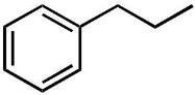
A) benzene, CH3CH2CH2Cl, AlCl3
B) benzene, CH3CH?CH2, HF
C) benzene,1.CH3CH2COCl/AlCl3 2.H2O 3.NH2NH2/HO-/?
D) benzene, CH3CH2CH2OH, H2SO4
E) chlorobenzene, CH3CH?CH2, AlCl3
A) benzene, CH3CH2CH2Cl, AlCl3
B) benzene, CH3CH?CH2, HF
C) benzene,1.CH3CH2COCl/AlCl3 2.H2O 3.NH2NH2/HO-/?
D) benzene, CH3CH2CH2OH, H2SO4
E) chlorobenzene, CH3CH?CH2, AlCl3
سؤال
Which is the preferred method for the synthesis of biphenyl? 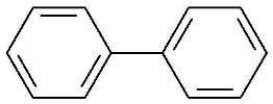
A) a Gilman reaction
B) a Heck reaction
C) a Friedel-Crafts acylation reaction
D) a Suzuki reaction
E) all of the above
A) a Gilman reaction
B) a Heck reaction
C) a Friedel-Crafts acylation reaction
D) a Suzuki reaction
E) all of the above
سؤال
Which set of reagents should be used to prepare benzaldehyde? 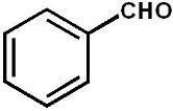
A) toluene, 1. H2CrO4 2. LiAlH4 3. H2O
B) toluene, 1. H2CrO4 2. NaBH4 3. H2O
C) toluene, 1. H2CrO4 2. NaBH4 3. PCC
D) toluene, 1. H2CrO4 2. LiAlH4 3. PCC
E) toluene, PCC
A) toluene, 1. H2CrO4 2. LiAlH4 3. H2O
B) toluene, 1. H2CrO4 2. NaBH4 3. H2O
C) toluene, 1. H2CrO4 2. NaBH4 3. PCC
D) toluene, 1. H2CrO4 2. LiAlH4 3. PCC
E) toluene, PCC
سؤال
What is the name of the compound shown here? 
A) 1-fluoro-3-methyl-6-nitrobenzene
B) 3-fluoro-4-nitro-1-methylbenzene
C) 3-fluoro-1-methyl-1-nitrobenzene
D) 2-fluoro-1-nitro-4-methylbenzene
E) 2-fluoro-4-methyl-1-nitrobenzene
A) 1-fluoro-3-methyl-6-nitrobenzene
B) 3-fluoro-4-nitro-1-methylbenzene
C) 3-fluoro-1-methyl-1-nitrobenzene
D) 2-fluoro-1-nitro-4-methylbenzene
E) 2-fluoro-4-methyl-1-nitrobenzene
سؤال
Which of the following activates a benzene ring toward electrophilic aromatic substitution?
A)
B)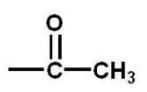
C)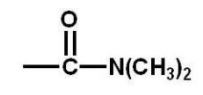
D)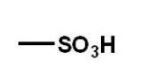
E)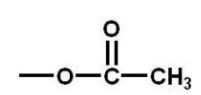
A)
B)
C)
D)
E)
سؤال
سؤال
Which compound is the major product of the following reaction?
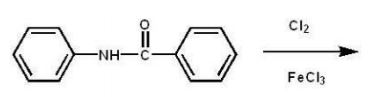
A)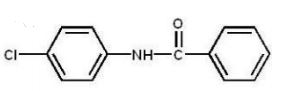
B)
C)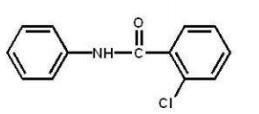
D)
E)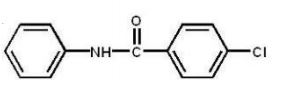
A)
B)
C)
D)
E)
سؤال
سؤال
Which of the following series of reactions will give the desired product?

A)
B)
C)
D)
E)
A)
B)
C)
D)
E)

فتح الحزمة
قم بالتسجيل لفتح البطاقات في هذه المجموعة!
Unlock Deck
Unlock Deck
1/11

العب

ملء الشاشة (f)
Deck 18: Reactions of Benzene and Substituted Benzenes
1
Which of the following reactions of benzene does not proceed by electrophilic aromatic substitution?
A) halogenation
B) nitration
C) sulfonation
D) Friedel-Crafts alkylation and acylation
E) All of these are electrophilic aromatic substitution reactions.
A) halogenation
B) nitration
C) sulfonation
D) Friedel-Crafts alkylation and acylation
E) All of these are electrophilic aromatic substitution reactions.
All of these are electrophilic aromatic substitution reactions.
2
Which of the following statements is not true about the sulfonation of benzene?
A) Heating sulfuric acid leads to formation of the +SO3H electrophile.
B) Sulfonation is irreversible.
C) Sulfonation occurs through an electrophilic aromatic substitution mechanism.
D) The rate limiting step is formation of a resonance stabilized carbocation intermediate.
E) All of these statements are true.
A) Heating sulfuric acid leads to formation of the +SO3H electrophile.
B) Sulfonation is irreversible.
C) Sulfonation occurs through an electrophilic aromatic substitution mechanism.
D) The rate limiting step is formation of a resonance stabilized carbocation intermediate.
E) All of these statements are true.
Sulfonation is irreversible.
3
Which set of reagents should be used to prepare n-propylbenzene?
A) benzene, CH3CH2CH2Cl, AlCl3
B) benzene, CH3CH?CH2, HF
C) benzene,1.CH3CH2COCl/AlCl3 2.H2O 3.NH2NH2/HO-/?
D) benzene, CH3CH2CH2OH, H2SO4
E) chlorobenzene, CH3CH?CH2, AlCl3
A) benzene, CH3CH2CH2Cl, AlCl3
B) benzene, CH3CH?CH2, HF
C) benzene,1.CH3CH2COCl/AlCl3 2.H2O 3.NH2NH2/HO-/?
D) benzene, CH3CH2CH2OH, H2SO4
E) chlorobenzene, CH3CH?CH2, AlCl3
benzene,1.CH3CH2COCl/AlCl3 2.H2O 3.NH2NH2/HO-/?
4
Which is the preferred method for the synthesis of biphenyl?
A) a Gilman reaction
B) a Heck reaction
C) a Friedel-Crafts acylation reaction
D) a Suzuki reaction
E) all of the above
A) a Gilman reaction
B) a Heck reaction
C) a Friedel-Crafts acylation reaction
D) a Suzuki reaction
E) all of the above
فتح الحزمة
افتح القفل للوصول البطاقات البالغ عددها 11 في هذه المجموعة.
فتح الحزمة
k this deck
5
Which set of reagents should be used to prepare benzaldehyde?
A) toluene, 1. H2CrO4 2. LiAlH4 3. H2O
B) toluene, 1. H2CrO4 2. NaBH4 3. H2O
C) toluene, 1. H2CrO4 2. NaBH4 3. PCC
D) toluene, 1. H2CrO4 2. LiAlH4 3. PCC
E) toluene, PCC
A) toluene, 1. H2CrO4 2. LiAlH4 3. H2O
B) toluene, 1. H2CrO4 2. NaBH4 3. H2O
C) toluene, 1. H2CrO4 2. NaBH4 3. PCC
D) toluene, 1. H2CrO4 2. LiAlH4 3. PCC
E) toluene, PCC
فتح الحزمة
افتح القفل للوصول البطاقات البالغ عددها 11 في هذه المجموعة.
فتح الحزمة
k this deck
6
What is the name of the compound shown here?
A) 1-fluoro-3-methyl-6-nitrobenzene
B) 3-fluoro-4-nitro-1-methylbenzene
C) 3-fluoro-1-methyl-1-nitrobenzene
D) 2-fluoro-1-nitro-4-methylbenzene
E) 2-fluoro-4-methyl-1-nitrobenzene
A) 1-fluoro-3-methyl-6-nitrobenzene
B) 3-fluoro-4-nitro-1-methylbenzene
C) 3-fluoro-1-methyl-1-nitrobenzene
D) 2-fluoro-1-nitro-4-methylbenzene
E) 2-fluoro-4-methyl-1-nitrobenzene
فتح الحزمة
افتح القفل للوصول البطاقات البالغ عددها 11 في هذه المجموعة.
فتح الحزمة
k this deck
7
Which of the following activates a benzene ring toward electrophilic aromatic substitution?
A)
B)
C)
D)
E)
A)
B)
C)
D)
E)
فتح الحزمة
افتح القفل للوصول البطاقات البالغ عددها 11 في هذه المجموعة.
فتح الحزمة
k this deck
8
Which of the following is an ortho-para director?
A) ?Cl
B) ?CHO
C) ?CN
D) ?NO2
E) none of the above
A) ?Cl
B) ?CHO
C) ?CN
D) ?NO2
E) none of the above
فتح الحزمة
افتح القفل للوصول البطاقات البالغ عددها 11 في هذه المجموعة.
فتح الحزمة
k this deck
9
Which compound is the major product of the following reaction?
A)
B)
C)
D)
E)
A)
B)
C)
D)
E)
فتح الحزمة
افتح القفل للوصول البطاقات البالغ عددها 11 في هذه المجموعة.
فتح الحزمة
k this deck
10
Which of the following groups most strongly activates an aromatic ring toward Friedel-Crafts acylation?
A) ?NH2
B) ?OCH3
C) ?O-C(?O)CH3
D) NO2
E) H
A) ?NH2
B) ?OCH3
C) ?O-C(?O)CH3
D) NO2
E) H
فتح الحزمة
افتح القفل للوصول البطاقات البالغ عددها 11 في هذه المجموعة.
فتح الحزمة
k this deck
11
Which of the following series of reactions will give the desired product?
A)
B)
C)
D)
E)
A)
B)
C)
D)
E)
فتح الحزمة
افتح القفل للوصول البطاقات البالغ عددها 11 في هذه المجموعة.
فتح الحزمة
k this deck
فتح الحزمة
افتح القفل للوصول البطاقات البالغ عددها 11 في هذه المجموعة.






