Deck 12: Radicals

ملء الشاشة (f)
exit full mode
سؤال
What is the first step in the radical halogenation of an alkane?

A) abstraction
B) initiation
C) propagation
D) combination
E) termination
استخدم زر المسافة أو
up arrow
down arrow
لقلب البطاقة.
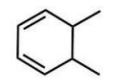
سؤال
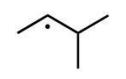
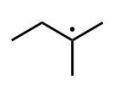
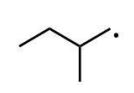
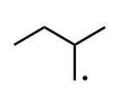
Which of the following radicals is the most stable?

A) <strong>Which of the following radicals is the most stable?</strong> A)   B)   C)   D)   E)   <div style=padding-top: 35px>
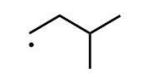
B) <strong>Which of the following radicals is the most stable?</strong> A)   B)   C)   D)   E)   <div style=padding-top: 35px>
C) <strong>Which of the following radicals is the most stable?</strong> A)   B)   C)   D)   E)   <div style=padding-top: 35px>
D) <strong>Which of the following radicals is the most stable?</strong> A)   B)   C)   D)   E)   <div style=padding-top: 35px>
E) <strong>Which of the following radicals is the most stable?</strong> A)   B)   C)   D)   E)   <div style=padding-top: 35px>
سؤال
Calculate the percentage yield of the product below formed by radical bromination. [Relative reactivities: 1°(1), 2°(82), 3°(1600)] <strong>Calculate the percentage yield of the product below formed by radical bromination. [Relative reactivities: 1°(1), 2°(82), 3°(1600)]  </strong> A) 5% B) 15% C) 29% D) 41% E) 71% <div style=padding-top: 35px>

A) 5%
B) 15%
C) 29%
D) 41%
E) 71%
سؤال
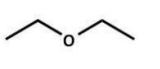
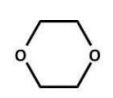
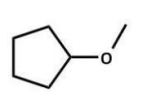
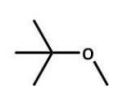
Of the following ethers, which would be least likely to form peroxides and hence be safer to use in a laboratory?

A) <strong>Of the following ethers, which would be least likely to form peroxides and hence be safer to use in a laboratory?</strong> A)   B)   C)   D)   E)   <div style=padding-top: 35px>
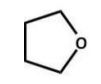
B) <strong>Of the following ethers, which would be least likely to form peroxides and hence be safer to use in a laboratory?</strong> A)   B)   C)   D)   E)   <div style=padding-top: 35px>
C) <strong>Of the following ethers, which would be least likely to form peroxides and hence be safer to use in a laboratory?</strong> A)   B)   C)   D)   E)   <div style=padding-top: 35px>
D) <strong>Of the following ethers, which would be least likely to form peroxides and hence be safer to use in a laboratory?</strong> A)   B)   C)   D)   E)   <div style=padding-top: 35px>
E) <strong>Of the following ethers, which would be least likely to form peroxides and hence be safer to use in a laboratory?</strong> A)   B)   C)   D)   E)   <div style=padding-top: 35px>
سؤال
Which compound will be the major product of the following radical
Addition reaction?
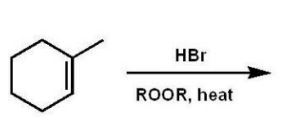
<strong>Which compound will be the major product of the following radical Addition reaction?  </strong> A)   B)   C)   D)   E)   <div style=padding-top: 35px>

A) <strong>Which compound will be the major product of the following radical Addition reaction?  </strong> A)   B)   C)   D)   E)   <div style=padding-top: 35px>
B) <strong>Which compound will be the major product of the following radical Addition reaction?  </strong> A)   B)   C)   D)   E)   <div style=padding-top: 35px>
C) <strong>Which compound will be the major product of the following radical Addition reaction?  </strong> A)   B)   C)   D)   E)   <div style=padding-top: 35px>
D) <strong>Which compound will be the major product of the following radical Addition reaction?  </strong> A)   B)   C)   D)   E)   <div style=padding-top: 35px>
E) <strong>Which compound will be the major product of the following radical Addition reaction?  </strong> A)   B)   C)   D)   E)   <div style=padding-top: 35px>
سؤال
How many isomers are formed in the radical addition of HBr to 1-methylcyclohexene?
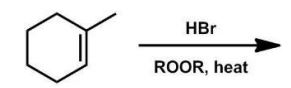
<strong>How many isomers are formed in the radical addition of HBr to 1-methylcyclohexene?  </strong> A) 1 B) 2 C) 3 D) 4 E) 6 Two new asymmetric centers are created in the product. <div style=padding-top: 35px>

A) 1
B) 2
C) 3
D) 4
E) 6
Two new asymmetric centers are created in the product.
سؤال
How many monobrominated constitutional isomers are possible for the following reaction? <strong>How many monobrominated constitutional isomers are possible for the following reaction?  </strong> A) 2 B) 3 C) 4 D)5 E) 6 <div style=padding-top: 35px>
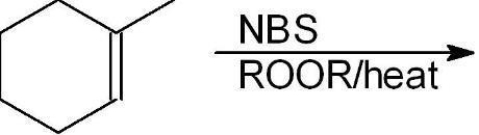
A) 2
B) 3
C) 4
D)5
E) 6
سؤال
Rank the radicals in order from most stable to least stable. <strong>Rank the radicals in order from most stable to least stable.  </strong> A) 1>2>3>4 B) 4>3>2>1 C) 3>4>2>1 D) 1>2>4>3 E) 4>2>3>1 <div style=padding-top: 35px>

A) 1>2>3>4
B) 4>3>2>1
C) 3>4>2>1
D) 1>2>4>3
E) 4>2>3>1
سؤال
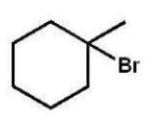
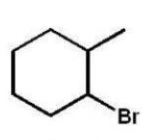
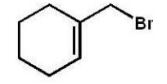
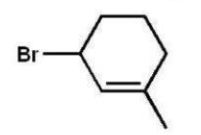
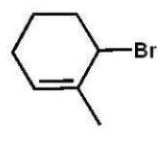
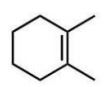
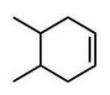
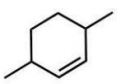
Which compound will give one product upon radical bromination using NBS, ROOR, and heat?

A) <strong>Which compound will give one product upon radical bromination using NBS, ROOR, and heat?</strong> A)   B)   C)   D)   E)   <div style=padding-top: 35px>
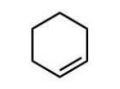
B) <strong>Which compound will give one product upon radical bromination using NBS, ROOR, and heat?</strong> A)   B)   C)   D)   E)   <div style=padding-top: 35px>
C) <strong>Which compound will give one product upon radical bromination using NBS, ROOR, and heat?</strong> A)   B)   C)   D)   E)   <div style=padding-top: 35px>
D) <strong>Which compound will give one product upon radical bromination using NBS, ROOR, and heat?</strong> A)   B)   C)   D)   E)   <div style=padding-top: 35px>
E) <strong>Which compound will give one product upon radical bromination using NBS, ROOR, and heat?</strong> A)   B)   C)   D)   E)   <div style=padding-top: 35px>
سؤال
Radical inhibitors ____________.

A) prevent oxidation reactions
B) form less reactive radicals
C) destroy reactive radicals
D) include hydroquinones and vitamins A and E
E) do all of the above
فتح الحزمة
قم بالتسجيل لفتح البطاقات في هذه المجموعة!
Unlock Deck
Unlock Deck
1/10
auto play flashcards
العب
simple tutorial
ملء الشاشة (f)
exit full mode
Deck 12: Radicals
1
What is the first step in the radical halogenation of an alkane?

A) abstraction
B) initiation
C) propagation
D) combination
E) termination
initiation
2
Which of the following radicals is the most stable?

A) <strong>Which of the following radicals is the most stable?</strong> A)   B)   C)   D)   E)
B) <strong>Which of the following radicals is the most stable?</strong> A)   B)   C)   D)   E)
C) <strong>Which of the following radicals is the most stable?</strong> A)   B)   C)   D)   E)
D) <strong>Which of the following radicals is the most stable?</strong> A)   B)   C)   D)   E)
E) <strong>Which of the following radicals is the most stable?</strong> A)   B)   C)   D)   E)

3
Calculate the percentage yield of the product below formed by radical bromination. [Relative reactivities: 1°(1), 2°(82), 3°(1600)] <strong>Calculate the percentage yield of the product below formed by radical bromination. [Relative reactivities: 1°(1), 2°(82), 3°(1600)]  </strong> A) 5% B) 15% C) 29% D) 41% E) 71%

A) 5%
B) 15%
C) 29%
D) 41%
E) 71%
71%
4
Of the following ethers, which would be least likely to form peroxides and hence be safer to use in a laboratory?

A) <strong>Of the following ethers, which would be least likely to form peroxides and hence be safer to use in a laboratory?</strong> A)   B)   C)   D)   E)
B) <strong>Of the following ethers, which would be least likely to form peroxides and hence be safer to use in a laboratory?</strong> A)   B)   C)   D)   E)
C) <strong>Of the following ethers, which would be least likely to form peroxides and hence be safer to use in a laboratory?</strong> A)   B)   C)   D)   E)
D) <strong>Of the following ethers, which would be least likely to form peroxides and hence be safer to use in a laboratory?</strong> A)   B)   C)   D)   E)
E) <strong>Of the following ethers, which would be least likely to form peroxides and hence be safer to use in a laboratory?</strong> A)   B)   C)   D)   E)
فتح الحزمة
افتح القفل للوصول البطاقات البالغ عددها 10 في هذه المجموعة.
فتح الحزمة
k this deck
5
Which compound will be the major product of the following radical
Addition reaction?
<strong>Which compound will be the major product of the following radical Addition reaction?  </strong> A)   B)   C)   D)   E)

A) <strong>Which compound will be the major product of the following radical Addition reaction?  </strong> A)   B)   C)   D)   E)
B) <strong>Which compound will be the major product of the following radical Addition reaction?  </strong> A)   B)   C)   D)   E)
C) <strong>Which compound will be the major product of the following radical Addition reaction?  </strong> A)   B)   C)   D)   E)
D) <strong>Which compound will be the major product of the following radical Addition reaction?  </strong> A)   B)   C)   D)   E)
E) <strong>Which compound will be the major product of the following radical Addition reaction?  </strong> A)   B)   C)   D)   E)
فتح الحزمة
افتح القفل للوصول البطاقات البالغ عددها 10 في هذه المجموعة.
فتح الحزمة
k this deck
6
How many isomers are formed in the radical addition of HBr to 1-methylcyclohexene?
<strong>How many isomers are formed in the radical addition of HBr to 1-methylcyclohexene?  </strong> A) 1 B) 2 C) 3 D) 4 E) 6 Two new asymmetric centers are created in the product.

A) 1
B) 2
C) 3
D) 4
E) 6
Two new asymmetric centers are created in the product.
فتح الحزمة
افتح القفل للوصول البطاقات البالغ عددها 10 في هذه المجموعة.
فتح الحزمة
k this deck
7
How many monobrominated constitutional isomers are possible for the following reaction? <strong>How many monobrominated constitutional isomers are possible for the following reaction?  </strong> A) 2 B) 3 C) 4 D)5 E) 6

A) 2
B) 3
C) 4
D)5
E) 6
فتح الحزمة
افتح القفل للوصول البطاقات البالغ عددها 10 في هذه المجموعة.

فتح الحزمة
k this deck
8
Rank the radicals in order from most stable to least stable. <strong>Rank the radicals in order from most stable to least stable.  </strong> A) 1>2>3>4 B) 4>3>2>1 C) 3>4>2>1 D) 1>2>4>3 E) 4>2>3>1

A) 1>2>3>4
B) 4>3>2>1
C) 3>4>2>1
D) 1>2>4>3
E) 4>2>3>1
فتح الحزمة
افتح القفل للوصول البطاقات البالغ عددها 10 في هذه المجموعة.

فتح الحزمة
k this deck
9
Which compound will give one product upon radical bromination using NBS, ROOR, and heat?

A) <strong>Which compound will give one product upon radical bromination using NBS, ROOR, and heat?</strong> A)   B)   C)   D)   E)
B) <strong>Which compound will give one product upon radical bromination using NBS, ROOR, and heat?</strong> A)   B)   C)   D)   E)
C) <strong>Which compound will give one product upon radical bromination using NBS, ROOR, and heat?</strong> A)   B)   C)   D)   E)
D) <strong>Which compound will give one product upon radical bromination using NBS, ROOR, and heat?</strong> A)   B)   C)   D)   E)
E) <strong>Which compound will give one product upon radical bromination using NBS, ROOR, and heat?</strong> A)   B)   C)   D)   E)
فتح الحزمة
افتح القفل للوصول البطاقات البالغ عددها 10 في هذه المجموعة.
فتح الحزمة
k this deck
10
Radical inhibitors ____________.

A) prevent oxidation reactions
B) form less reactive radicals
C) destroy reactive radicals
D) include hydroquinones and vitamins A and E
E) do all of the above
فتح الحزمة
افتح القفل للوصول البطاقات البالغ عددها 10 في هذه المجموعة.
فتح الحزمة
k this deck
locked card icon
فتح الحزمة
افتح القفل للوصول البطاقات البالغ عددها 10 في هذه المجموعة.