







 تكلم مع الذكاء الاصطناعي


Deck 7: The Skeleton
ملء الشاشة (f)

سؤال

سؤال
سؤال
سؤال
سؤال
سؤال
سؤال
سؤال
سؤال
سؤال
سؤال
سؤال
سؤال
سؤال
سؤال
سؤال
سؤال
سؤال
سؤال
سؤال
سؤال
سؤال
سؤال
سؤال
سؤال
سؤال
سؤال

Figure 7-1 Floor of the Cranial Cavity
Use Figure 7-1 to answer the following questions:
Identify the internal occipital crest.
A) 1
B) 2
C) 3
D) 4
E) 5
سؤال
سؤال
سؤال
سؤال
Figure 7-1 Floor of the Cranial Cavity
Use Figure 7-1 to answer the following questions:
Identify the sphenoid bone.
A) 1
B) 2
C) 3
D) 4
E) 5
سؤال
سؤال
Figure 7-1 Floor of the Cranial Cavity
Use Figure 7-1 to answer the following questions:
Which structure encloses the pituitary gland?
A) 4
B) 5
C) 6
D) 7
E) 8
سؤال
سؤال
سؤال
سؤال
سؤال
Figure 7-1 Floor of the Cranial Cavity
Use Figure 7-1 to answer the following questions:
Which structure has foramina for the olfactory nerves?
A) 1
B) 2
C) 3
D) 4
E) 5
سؤال
سؤال
سؤال
سؤال
سؤال
سؤال
سؤال
سؤال
سؤال
سؤال
سؤال
سؤال
سؤال
سؤال
سؤال
سؤال
سؤال
سؤال
سؤال
سؤال
سؤال
سؤال
سؤال
سؤال
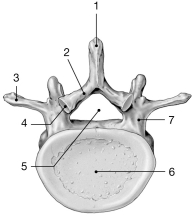
Figure 7-2 Typical Vertebra (inferior view)
Use Figure 7-2 to answer the following questions:
Where is the spinal cord located?
A) 3
B) 4
C) 5
D) 6
E) 7
سؤال
سؤال
سؤال
Figure 7-2 Typical Vertebra (inferior view)
Use Figure 7-2 to answer the following questions:
Identify the structure labeled "2."
A) transverse process
B) superior articular process
C) pedicle
D) inferior articular process
E) lamina
سؤال
سؤال
سؤال
سؤال
سؤال
سؤال
سؤال
سؤال
سؤال
سؤال
سؤال
سؤال
Figure 7-2 Typical Vertebra (inferior view)
Use Figure 7-2 to answer the following questions:
Which structure contacts the intervertebral disc?
A) 2
B) 3
C) 4
D) 5
E) 6
سؤال
Figure 7-2 Typical Vertebra (inferior view)
Use Figure 7-2 to answer the following questions:
Identify the structure labeled "7."
A) transverse process
B) lamina
C) pedicle
D) vertebral body
E) spinous process
سؤال
سؤال
Figure 7-2 Typical Vertebra (inferior view)
Use Figure 7-2 to answer the following questions:
Identify the structure labeled " 1."
A) pedicle
B) transverse process
C) lamina
D) spinous process
E) transverse articular facet

فتح الحزمة
قم بالتسجيل لفتح البطاقات في هذه المجموعة!
Unlock Deck
Unlock Deck
1/205

العب

ملء الشاشة (f)
Deck 7: The Skeleton
1
Ligaments that support the hyoid bone are attached to the
A) styloid process.
B) mastoid process.
C) articular tubercle.
D) posterior clinoid process.
E) middle concha.
A) styloid process.
B) mastoid process.
C) articular tubercle.
D) posterior clinoid process.
E) middle concha.
A
2
The alveolar process of the mandible
A) supports the upper teeth.
B) supports the lower teeth.
C) anchors the tongue.
D) all of the above
E) none of the above
A) supports the upper teeth.
B) supports the lower teeth.
C) anchors the tongue.
D) all of the above
E) none of the above
B
3
Premature closure of the sagittal suture would result in
A) a long and narrow head.
B) a very broad head.
C) an unusually small head.
D) a distorted head with one side being longer than the other.
E) death.
A) a long and narrow head.
B) a very broad head.
C) an unusually small head.
D) a distorted head with one side being longer than the other.
E) death.
A
4
The cranium (or braincase) is formed by the ________ bones.
A) frontal, temporal, and maxillary
B) frontal, parietal, and zygomatic
C) temporal, parietal, and mandible
D) frontal, temporal, and maxillary
E) frontal, temporal, parietal, and occipital
A) frontal, temporal, and maxillary
B) frontal, parietal, and zygomatic
C) temporal, parietal, and mandible
D) frontal, temporal, and maxillary
E) frontal, temporal, parietal, and occipital
فتح الحزمة
افتح القفل للوصول البطاقات البالغ عددها 205 في هذه المجموعة.
فتح الحزمة
k this deck
5
The suture that forms the articulation of the two parietal bones is the ________ suture.
A) lambdoidal
B) rostral
C) coronal
D) squamosal
E) sagittal
A) lambdoidal
B) rostral
C) coronal
D) squamosal
E) sagittal
فتح الحزمة
افتح القفل للوصول البطاقات البالغ عددها 205 في هذه المجموعة.
فتح الحزمة
k this deck
6
How many bones make up the axial skeleton?
A) 50
B) 60
C) 70
D) 80
E) 90
A) 50
B) 60
C) 70
D) 80
E) 90
فتح الحزمة
افتح القفل للوصول البطاقات البالغ عددها 205 في هذه المجموعة.
فتح الحزمة
k this deck
7
Of the following bones, which is unpaired?
A) vomer
B) maxillary
C) palatine
D) nasal
E) none of these
A) vomer
B) maxillary
C) palatine
D) nasal
E) none of these
فتح الحزمة
افتح القفل للوصول البطاقات البالغ عددها 205 في هذه المجموعة.
فتح الحزمة
k this deck
8
While playing softball, Gina is struck in the frontal squama by a wild pitch. Which of the following complaints would you expect her to have?
A) a broken jaw
B) a black eye
C) a headache
D) a sore chest
E) a sore back
A) a broken jaw
B) a black eye
C) a headache
D) a sore chest
E) a sore back
فتح الحزمة
افتح القفل للوصول البطاقات البالغ عددها 205 في هذه المجموعة.
فتح الحزمة
k this deck
9
The nasal conchae
A) attach muscles that move the eye.
B) contain the nerves for olfaction.
C) create turbulence in the nasal passageways.
D) protect the pituitary gland.
E) attach muscles that move the eyelids.
A) attach muscles that move the eye.
B) contain the nerves for olfaction.
C) create turbulence in the nasal passageways.
D) protect the pituitary gland.
E) attach muscles that move the eyelids.
فتح الحزمة
افتح القفل للوصول البطاقات البالغ عددها 205 في هذه المجموعة.
فتح الحزمة
k this deck
10
Which of these is not one of the bones of the face?
A) frontal
B) maxilla
C) vomer
D) mandible
E) zygomatic
A) frontal
B) maxilla
C) vomer
D) mandible
E) zygomatic
فتح الحزمة
افتح القفل للوصول البطاقات البالغ عددها 205 في هذه المجموعة.
فتح الحزمة
k this deck
11
The external acoustic meatus is a foramen in which skull bone?
A) zygomatic
B) vomer
C) temporal
D) parietal
E) auditory ossicles
A) zygomatic
B) vomer
C) temporal
D) parietal
E) auditory ossicles
فتح الحزمة
افتح القفل للوصول البطاقات البالغ عددها 205 في هذه المجموعة.
فتح الحزمة
k this deck
12
The skull contains ________ bones.
A) 32
B) 22
C) 42
D) 12
E) none of the above
A) 32
B) 22
C) 42
D) 12
E) none of the above
فتح الحزمة
افتح القفل للوصول البطاقات البالغ عددها 205 في هذه المجموعة.
فتح الحزمة
k this deck
13
Which of the following is a function of the axial skeleton?
A) provides an attachment for muscles that move the axial skeleton
B) provides an attachment for muscles that move the head, neck, and trunk
C) provides an attachment for muscles involved in respiration
D) all of the above
E) none of the above
A) provides an attachment for muscles that move the axial skeleton
B) provides an attachment for muscles that move the head, neck, and trunk
C) provides an attachment for muscles involved in respiration
D) all of the above
E) none of the above
فتح الحزمة
افتح القفل للوصول البطاقات البالغ عددها 205 في هذه المجموعة.
فتح الحزمة
k this deck
14
The zygomatic arch is formed by the union of processes from which two bones?
A) temporal and maxilla
B) frontal and temporal
C) sphenoid and temporal
D) zygomatic and maxilla
E) temporal and zygomatic
A) temporal and maxilla
B) frontal and temporal
C) sphenoid and temporal
D) zygomatic and maxilla
E) temporal and zygomatic
فتح الحزمة
افتح القفل للوصول البطاقات البالغ عددها 205 في هذه المجموعة.
فتح الحزمة
k this deck
15
The suture that forms the articulation of the parietal bones with the frontal bone is the ________ suture.
A) lambdoidal
B) rostral
C) coronal
D) squamosal
E) sagittal
A) lambdoidal
B) rostral
C) coronal
D) squamosal
E) sagittal
فتح الحزمة
افتح القفل للوصول البطاقات البالغ عددها 205 في هذه المجموعة.
فتح الحزمة
k this deck
16
Which of the following is not part of the axial division of the skeletal system?
A) skull
B) auditory ossicles
C) hyoid bone
D) pectoral girdle
E) vertebral column
A) skull
B) auditory ossicles
C) hyoid bone
D) pectoral girdle
E) vertebral column
فتح الحزمة
افتح القفل للوصول البطاقات البالغ عددها 205 في هذه المجموعة.
فتح الحزمة
k this deck
17
A point of attachment for muscles that rotate or extend the head is the
A) styloid process.
B) mastoid process.
C) articular tubercle.
D) posterior clinoid process.
E) medial concha.
A) styloid process.
B) mastoid process.
C) articular tubercle.
D) posterior clinoid process.
E) medial concha.
فتح الحزمة
افتح القفل للوصول البطاقات البالغ عددها 205 في هذه المجموعة.
فتح الحزمة
k this deck
18
The small bones that form the medial wall of the eye socket are the
A) ethmoid bones.
B) lacrimal bones.
C) lacerum bones.
D) nasal bones.
E) zygomatic bones.
A) ethmoid bones.
B) lacrimal bones.
C) lacerum bones.
D) nasal bones.
E) zygomatic bones.
فتح الحزمة
افتح القفل للوصول البطاقات البالغ عددها 205 في هذه المجموعة.
فتح الحزمة
k this deck
19
Sutures can be found at all of the joints of an adult skull, except between
A) the mandible and the cranium.
B) the zygomatic bone and the maxillary bone.
C) the occipital bone and the parietal bone.
D) the vomer and the zygomatic bone.
E) None of the above.they are all sutures.
A) the mandible and the cranium.
B) the zygomatic bone and the maxillary bone.
C) the occipital bone and the parietal bone.
D) the vomer and the zygomatic bone.
E) None of the above.they are all sutures.
فتح الحزمة
افتح القفل للوصول البطاقات البالغ عددها 205 في هذه المجموعة.
فتح الحزمة
k this deck
20
Jack gets into a fight and is punched in the nose. Which of the following bones might be fractured?
A) ethmoid bone
B) sphenoid bone
C) temporal bone
D) mandible
E) parietal bone
A) ethmoid bone
B) sphenoid bone
C) temporal bone
D) mandible
E) parietal bone
فتح الحزمة
افتح القفل للوصول البطاقات البالغ عددها 205 في هذه المجموعة.
فتح الحزمة
k this deck
21
What is the name of the structure labeled "8"?
A) sella turcica
B) foramen ovale
C) foramen rotundum
D) carotid canal
E) foramen spinosum
A) sella turcica
B) foramen ovale
C) foramen rotundum
D) carotid canal
E) foramen spinosum
فتح الحزمة
افتح القفل للوصول البطاقات البالغ عددها 205 في هذه المجموعة.
فتح الحزمة
k this deck
22
Each of the following landmarks is associated with the occipital bone, except the
A) superficial nuchal lines.
B) jugular foramen.
C) hypoglossal canals.
D) petrous process.
E) occipital crest.
A) superficial nuchal lines.
B) jugular foramen.
C) hypoglossal canals.
D) petrous process.
E) occipital crest.
فتح الحزمة
افتح القفل للوصول البطاقات البالغ عددها 205 في هذه المجموعة.
فتح الحزمة
k this deck
23
The prominent bulge just posterior and inferior to the external auditory meatus is the
A) mastoid process.
B) styloid process.
C) occipital condyle.
D) condyloid process.
E) temporal process.
A) mastoid process.
B) styloid process.
C) occipital condyle.
D) condyloid process.
E) temporal process.
فتح الحزمة
افتح القفل للوصول البطاقات البالغ عددها 205 في هذه المجموعة.
فتح الحزمة
k this deck
24
The styloid process, zygomatic process, and auditory ossicles are associated with the
A) parietal bone.
B) occipital bone.
C) sphenoid.
D) temporal bone.
E) ulna.
A) parietal bone.
B) occipital bone.
C) sphenoid.
D) temporal bone.
E) ulna.
فتح الحزمة
افتح القفل للوصول البطاقات البالغ عددها 205 في هذه المجموعة.
فتح الحزمة
k this deck
25
A skull bone that could be described as looking like a bat with wings extended is the
A) maxilla.
B) crista galli.
C) sphenoid.
D) ethmoid.
E) cribriform.
A) maxilla.
B) crista galli.
C) sphenoid.
D) ethmoid.
E) cribriform.
فتح الحزمة
افتح القفل للوصول البطاقات البالغ عددها 205 في هذه المجموعة.
فتح الحزمة
k this deck
26
The superior and inferior temporal lines mark the points of attachment for
A) muscles that stabilize the skull at the vertebral column.
B) muscles that open and close the eye.
C) muscles that close the mouth.
D) muscles that turn the head.
E) both muscles that stabilize the skull at the vertebral column and muscles that turn the head.
A) muscles that stabilize the skull at the vertebral column.
B) muscles that open and close the eye.
C) muscles that close the mouth.
D) muscles that turn the head.
E) both muscles that stabilize the skull at the vertebral column and muscles that turn the head.
فتح الحزمة
افتح القفل للوصول البطاقات البالغ عددها 205 في هذه المجموعة.
فتح الحزمة
k this deck
27
Figure 7-1 Floor of the Cranial Cavity
Use Figure 7-1 to answer the following questions:
Identify the internal occipital crest.
A) 1
B) 2
C) 3
D) 4
E) 5
فتح الحزمة
افتح القفل للوصول البطاقات البالغ عددها 205 في هذه المجموعة.
فتح الحزمة
k this deck
28
Ridges that anchor muscles that stabilize the head are the
A) anterior and posterior nuchal lines.
B) anterior and superior nuchal lines.
C) inferior and superior nuchal lines.
D) medial and lateral nuchal lines.
E) cranial and caudal nuchal lines.
A) anterior and posterior nuchal lines.
B) anterior and superior nuchal lines.
C) inferior and superior nuchal lines.
D) medial and lateral nuchal lines.
E) cranial and caudal nuchal lines.
فتح الحزمة
افتح القفل للوصول البطاقات البالغ عددها 205 في هذه المجموعة.
فتح الحزمة
k this deck
29
Each of the following is associated with the temporal bone, except the
A) mastoid process.
B) petrous portion.
C) sella turcica.
D) internal acoustic meatus.
E) mandibular fossa.
A) mastoid process.
B) petrous portion.
C) sella turcica.
D) internal acoustic meatus.
E) mandibular fossa.
فتح الحزمة
افتح القفل للوصول البطاقات البالغ عددها 205 في هذه المجموعة.
فتح الحزمة
k this deck
30
A membrane that stabilizes the position of the brain is attached to the
A) crista galli.
B) pterygoid processes.
C) styloid process.
D) perpendicular plate.
E) cribriform plate.
A) crista galli.
B) pterygoid processes.
C) styloid process.
D) perpendicular plate.
E) cribriform plate.
فتح الحزمة
افتح القفل للوصول البطاقات البالغ عددها 205 في هذه المجموعة.
فتح الحزمة
k this deck
31
Figure 7-1 Floor of the Cranial Cavity
Use Figure 7-1 to answer the following questions:
Identify the sphenoid bone.
A) 1
B) 2
C) 3
D) 4
E) 5
فتح الحزمة
افتح القفل للوصول البطاقات البالغ عددها 205 في هذه المجموعة.
فتح الحزمة
k this deck
32
The lower jaw articulates with the temporal bone at the
A) mandibular fossa.
B) mastoid process.
C) superior clinoid process.
D) lateral palatine process.
E) cribriform plate.
A) mandibular fossa.
B) mastoid process.
C) superior clinoid process.
D) lateral palatine process.
E) cribriform plate.
فتح الحزمة
افتح القفل للوصول البطاقات البالغ عددها 205 في هذه المجموعة.
فتح الحزمة
k this deck
33
Figure 7-1 Floor of the Cranial Cavity
Use Figure 7-1 to answer the following questions:
Which structure encloses the pituitary gland?
A) 4
B) 5
C) 6
D) 7
E) 8
فتح الحزمة
افتح القفل للوصول البطاقات البالغ عددها 205 في هذه المجموعة.
فتح الحزمة
k this deck
34
The foramen magnum is found in the ________ bone.
A) frontal
B) parietal
C) sphenoid
D) occipital
E) temporal
A) frontal
B) parietal
C) sphenoid
D) occipital
E) temporal
فتح الحزمة
افتح القفل للوصول البطاقات البالغ عددها 205 في هذه المجموعة.
فتح الحزمة
k this deck
35
The hypophyseal fossa of the sella turcica contains the ________ gland.
A) lacrimal
B) pituitary
C) olfactory
D) nasal
E) sellar
A) lacrimal
B) pituitary
C) olfactory
D) nasal
E) sellar
فتح الحزمة
افتح القفل للوصول البطاقات البالغ عددها 205 في هذه المجموعة.
فتح الحزمة
k this deck
36
Identify the opening surrounded by the occipital bone.
A) magnum maximus
B) foramen magnum
C) foramen magnus
D) foramina maximus
E) maximus minimus
A) magnum maximus
B) foramen magnum
C) foramen magnus
D) foramina maximus
E) maximus minimus
فتح الحزمة
افتح القفل للوصول البطاقات البالغ عددها 205 في هذه المجموعة.
فتح الحزمة
k this deck
37
Each of the following structures is associated with the sphenoid bone, except the
A) foramen ovale.
B) optic canals.
C) pterygoid processes.
D) sella turcica.
E) cribriform plate.
A) foramen ovale.
B) optic canals.
C) pterygoid processes.
D) sella turcica.
E) cribriform plate.
فتح الحزمة
افتح القفل للوصول البطاقات البالغ عددها 205 في هذه المجموعة.
فتح الحزمة
k this deck
38
Figure 7-1 Floor of the Cranial Cavity
Use Figure 7-1 to answer the following questions:
Which structure has foramina for the olfactory nerves?
A) 1
B) 2
C) 3
D) 4
E) 5
فتح الحزمة
افتح القفل للوصول البطاقات البالغ عددها 205 في هذه المجموعة.
فتح الحزمة
k this deck
39
The ________ passes through the ________.
A) vagus nerve; foramen magnum
B) trigeminal nerve; foramen ovale
C) acoustic nerve; external acoustic meatus
D) internal jugular vein; jugular foramen
E) internal carotid artery; jugular foramen
A) vagus nerve; foramen magnum
B) trigeminal nerve; foramen ovale
C) acoustic nerve; external acoustic meatus
D) internal jugular vein; jugular foramen
E) internal carotid artery; jugular foramen
فتح الحزمة
افتح القفل للوصول البطاقات البالغ عددها 205 في هذه المجموعة.
فتح الحزمة
k this deck
40
The bony roof of the mouth is formed by ________ bone(s).
A) the palatine
B) the vomer
C) the maxillary
D) the sphenoid
E) both the palatine and maxillary
A) the palatine
B) the vomer
C) the maxillary
D) the sphenoid
E) both the palatine and maxillary
فتح الحزمة
افتح القفل للوصول البطاقات البالغ عددها 205 في هذه المجموعة.
فتح الحزمة
k this deck
41
Which of the following statements about the functions of the paranasal sinuses is False ?
A) They provide an extensive area of mucous epithelium.
B) They make skull bones lighter.
C) The mucus they secrete enters the nasal cavities.
D) They support cilia that move the mucus.
E) None of the above.all are True .
A) They provide an extensive area of mucous epithelium.
B) They make skull bones lighter.
C) The mucus they secrete enters the nasal cavities.
D) They support cilia that move the mucus.
E) None of the above.all are True .
فتح الحزمة
افتح القفل للوصول البطاقات البالغ عددها 205 في هذه المجموعة.
فتح الحزمة
k this deck
42
What process is the insertion site for the temporalis muscle?
A) ramus of the mandible
B) condylar process
C) coronoid process
D) mastoid process
E) styloid process
A) ramus of the mandible
B) condylar process
C) coronoid process
D) mastoid process
E) styloid process
فتح الحزمة
افتح القفل للوصول البطاقات البالغ عددها 205 في هذه المجموعة.
فتح الحزمة
k this deck
43
The hyoid bone is suspended by ________.
A) other bones
B) adipose tissue
C) tendons
D) ligaments
E) muscles
A) other bones
B) adipose tissue
C) tendons
D) ligaments
E) muscles
فتح الحزمة
افتح القفل للوصول البطاقات البالغ عددها 205 في هذه المجموعة.
فتح الحزمة
k this deck
44
A bent nasal septum that slows or prevents sinus drainage is known clinically as a ________ septum.
A) deviated
B) crooked
C) obstructive
D) deviant
E) restrictive
A) deviated
B) crooked
C) obstructive
D) deviant
E) restrictive
فتح الحزمة
افتح القفل للوصول البطاقات البالغ عددها 205 في هذه المجموعة.
فتح الحزمة
k this deck
45
As the result of an accident, Bill suffers a dislocated jaw. This injury would involve the
A) stylohyoid ligaments.
B) hyoid bone.
C) condylar process of the mandible.
D) alveolar process of the mandible.
E) greater cornu of the hyoid bone.
A) stylohyoid ligaments.
B) hyoid bone.
C) condylar process of the mandible.
D) alveolar process of the mandible.
E) greater cornu of the hyoid bone.
فتح الحزمة
افتح القفل للوصول البطاقات البالغ عددها 205 في هذه المجموعة.
فتح الحزمة
k this deck
46
You witness one of your friends in a fight. Your friend Gregg is hit in the jaw and when looking at him, his face looks misaligned. You immediately take him to the emergency room and are not surprised to learn that he has a broken
A) temporal bone.
B) zygomatic bone.
C) mandible.
D) external auditory meatus.
E) clavicle.
A) temporal bone.
B) zygomatic bone.
C) mandible.
D) external auditory meatus.
E) clavicle.
فتح الحزمة
افتح القفل للوصول البطاقات البالغ عددها 205 في هذه المجموعة.
فتح الحزمة
k this deck
47
The hyoid bone
A) attaches to tongue muscles.
B) is linked to the styloid process by a ligament.
C) is superior to the larynx.
D) all of the above
E) none of the above
A) attaches to tongue muscles.
B) is linked to the styloid process by a ligament.
C) is superior to the larynx.
D) all of the above
E) none of the above
فتح الحزمة
افتح القفل للوصول البطاقات البالغ عددها 205 في هذه المجموعة.
فتح الحزمة
k this deck
48
If there were no paranasal sinuses, all of the following would be True , except
A) the skull would be heavier.
B) stronger neck muscles would be required.
C) less mucus in the nasal cavity.
D) reduced ability to trap dust and particles.
E) the ability to sneeze would be impaired.
A) the skull would be heavier.
B) stronger neck muscles would be required.
C) less mucus in the nasal cavity.
D) reduced ability to trap dust and particles.
E) the ability to sneeze would be impaired.
فتح الحزمة
افتح القفل للوصول البطاقات البالغ عددها 205 في هذه المجموعة.
فتح الحزمة
k this deck
49
The most significant skull growth occurs before the age of
A) 3.
B) 2.
C) 5.
D) 1.
E) 4.
A) 3.
B) 2.
C) 5.
D) 1.
E) 4.
فتح الحزمة
افتح القفل للوصول البطاقات البالغ عددها 205 في هذه المجموعة.
فتح الحزمة
k this deck
50
Each of the following bones is a component of the orbital complex, except the ________ bone.
A) lacrimal
B) nasal
C) sphenoid
D) ethmoid
E) frontal
A) lacrimal
B) nasal
C) sphenoid
D) ethmoid
E) frontal
فتح الحزمة
افتح القفل للوصول البطاقات البالغ عددها 205 في هذه المجموعة.
فتح الحزمة
k this deck
51
A nerve that carries sensory information from the teeth and gums of the lower jaw passes through the
A) ramus of the mandible.
B) condylar process.
C) mental foramen.
D) mandibular foramen.
E) maxillary foramen.
A) ramus of the mandible.
B) condylar process.
C) mental foramen.
D) mandibular foramen.
E) maxillary foramen.
فتح الحزمة
افتح القفل للوصول البطاقات البالغ عددها 205 في هذه المجموعة.
فتح الحزمة
k this deck
52
While volunteering in an outpatient clinic for underprivileged families in your neighborhood, you observe the nurse assessing an infant. The mother had complained about the baby not eating and having several episodes of diarrhea lasting three days. You know the nurse suspects possible dehydration when she
A) checks the anterior fontanel for depression.
B) points out the dryness of the infant's diaper.
C) checks the infant's reflexes.
D) questions the mother about normal feeding habits.
E) none of the above
A) checks the anterior fontanel for depression.
B) points out the dryness of the infant's diaper.
C) checks the infant's reflexes.
D) questions the mother about normal feeding habits.
E) none of the above
فتح الحزمة
افتح القفل للوصول البطاقات البالغ عددها 205 في هذه المجموعة.
فتح الحزمة
k this deck
53
What organ is located in the lacrimal fossa?
A) the pituitary gland
B) the inner ear
C) tear gland
D) the lacrimal ramus
E) the frontal sinus
A) the pituitary gland
B) the inner ear
C) tear gland
D) the lacrimal ramus
E) the frontal sinus
فتح الحزمة
افتح القفل للوصول البطاقات البالغ عددها 205 في هذه المجموعة.
فتح الحزمة
k this deck
54
The paranasal sinuses are located in all of the following bones, except the
A) frontal.
B) ethmoid.
C) sphenoid.
D) maxillae.
E) zygomatic.
A) frontal.
B) ethmoid.
C) sphenoid.
D) maxillae.
E) zygomatic.
فتح الحزمة
افتح القفل للوصول البطاقات البالغ عددها 205 في هذه المجموعة.
فتح الحزمة
k this deck
55
The bony portion of the nasal septum is formed by the
A) nasal bones.
B) perpendicular plate of the ethmoid bone.
C) perpendicular plate of the ethmoid and vomer bones.
D) vomer and sphenoid bone.
E) perpendicular plate of the ethmoid and sphenoid bones.
A) nasal bones.
B) perpendicular plate of the ethmoid bone.
C) perpendicular plate of the ethmoid and vomer bones.
D) vomer and sphenoid bone.
E) perpendicular plate of the ethmoid and sphenoid bones.
فتح الحزمة
افتح القفل للوصول البطاقات البالغ عددها 205 في هذه المجموعة.
فتح الحزمة
k this deck
56
While visiting your friend who recently gave birth, she comments on her infant's soft spot. You think to yourself that the correct term for the "soft spot" located at the intersection of the frontal, sagittal, and coronal sutures is the
A) sphenoidal fontanel.
B) anterior fontanel.
C) occipital fontanel.
D) mastoid fontanel.
E) cushion spot.
A) sphenoidal fontanel.
B) anterior fontanel.
C) occipital fontanel.
D) mastoid fontanel.
E) cushion spot.
فتح الحزمة
افتح القفل للوصول البطاقات البالغ عددها 205 في هذه المجموعة.
فتح الحزمة
k this deck
57
The nasal complex consists of all of the following bones, except the
A) zygomatic.
B) ethmoid.
C) sphenoid.
D) frontal.
E) maxillary.
A) zygomatic.
B) ethmoid.
C) sphenoid.
D) frontal.
E) maxillary.
فتح الحزمة
افتح القفل للوصول البطاقات البالغ عددها 205 في هذه المجموعة.
فتح الحزمة
k this deck
58
Each of the following statements concerning the development of the skull is True , except that
A) the bones of the skull develop from a single ossification focus.
B) at birth the cranial bones are connected by areas of fibrous connective tissue.
C) the growth of the cranium is usually coordinated with the growth of the brain.
D) the skulls of infants and adults differ in shape and structure of the skeletal elements.
E) the most significant growth of the skull occurs before the age of 5.
A) the bones of the skull develop from a single ossification focus.
B) at birth the cranial bones are connected by areas of fibrous connective tissue.
C) the growth of the cranium is usually coordinated with the growth of the brain.
D) the skulls of infants and adults differ in shape and structure of the skeletal elements.
E) the most significant growth of the skull occurs before the age of 5.
فتح الحزمة
افتح القفل للوصول البطاقات البالغ عددها 205 في هذه المجموعة.
فتح الحزمة
k this deck
59
Which of the following carries tears to the nasal cavity?
A) nasolacrimal canal
B) lacrimal fossa
C) infraorbital foramen
D) lacrimal sulcus
E) supraorbital notch
A) nasolacrimal canal
B) lacrimal fossa
C) infraorbital foramen
D) lacrimal sulcus
E) supraorbital notch
فتح الحزمة
افتح القفل للوصول البطاقات البالغ عددها 205 في هذه المجموعة.
فتح الحزمة
k this deck
60
The anterior fontanel is located
A) posterior to the frontal bone.
B) anterior to the parietal bones.
C) inferior to frontal bone.
D) posterior to the frontal bone and anterior to the parietal bones.
E) anterior to the parietal bones and inferior to frontal bone.
A) posterior to the frontal bone.
B) anterior to the parietal bones.
C) inferior to frontal bone.
D) posterior to the frontal bone and anterior to the parietal bones.
E) anterior to the parietal bones and inferior to frontal bone.
فتح الحزمة
افتح القفل للوصول البطاقات البالغ عددها 205 في هذه المجموعة.
فتح الحزمة
k this deck
61
As you proceed from the head down the vertebral column,
A) the vertebrae become larger and heavier.
B) the size of the vertebral foramen decreases.
C) the vertebral foramina vary in size.
D) all of the above
E) none of the above
A) the vertebrae become larger and heavier.
B) the size of the vertebral foramen decreases.
C) the vertebral foramina vary in size.
D) all of the above
E) none of the above
فتح الحزمة
افتح القفل للوصول البطاقات البالغ عددها 205 في هذه المجموعة.
فتح الحزمة
k this deck
62
Figure 7-2 Typical Vertebra (inferior view)
Use Figure 7-2 to answer the following questions:
Where is the spinal cord located?
A) 3
B) 4
C) 5
D) 6
E) 7
فتح الحزمة
افتح القفل للوصول البطاقات البالغ عددها 205 في هذه المجموعة.
فتح الحزمة
k this deck
63
Gesturing "no" with the head depends on the structure(s) of which cervical vertebrae?
A) atlas
B) axis
C) vertebra prominens
D) both atlas and axis
E) both atlas and vertebra prominens
A) atlas
B) axis
C) vertebra prominens
D) both atlas and axis
E) both atlas and vertebra prominens
فتح الحزمة
افتح القفل للوصول البطاقات البالغ عددها 205 في هذه المجموعة.
فتح الحزمة
k this deck
64
The odontoid process is found on the
A) atlas.
B) axis.
C) sacrum.
D) coccyx.
E) ribs.
A) atlas.
B) axis.
C) sacrum.
D) coccyx.
E) ribs.
فتح الحزمة
افتح القفل للوصول البطاقات البالغ عددها 205 في هذه المجموعة.
فتح الحزمة
k this deck
65
Figure 7-2 Typical Vertebra (inferior view)
Use Figure 7-2 to answer the following questions:
Identify the structure labeled "2."
A) transverse process
B) superior articular process
C) pedicle
D) inferior articular process
E) lamina
فتح الحزمة
افتح القفل للوصول البطاقات البالغ عددها 205 في هذه المجموعة.
فتح الحزمة
k this deck
66
The vertebral arch is formed by the pedicles and the
A) transverse processes.
B) spinous processes.
C) laminae.
D) transverse processes and spinous processes.
E) transverse processes, spinous processes, and laminae.
A) transverse processes.
B) spinous processes.
C) laminae.
D) transverse processes and spinous processes.
E) transverse processes, spinous processes, and laminae.
فتح الحزمة
افتح القفل للوصول البطاقات البالغ عددها 205 في هذه المجموعة.
فتح الحزمة
k this deck
67
Which of the following are distinctive features of thoracic vertebrae?
A) heart-shaped bodies
B) long spinous processes
C) rib articulations
D) all of the above
E) none of the above
A) heart-shaped bodies
B) long spinous processes
C) rib articulations
D) all of the above
E) none of the above
فتح الحزمة
افتح القفل للوصول البطاقات البالغ عددها 205 في هذه المجموعة.
فتح الحزمة
k this deck
68
The widest intervertebral discs are found in the ________ region.
A) cervical
B) thoracic
C) lumbar
D) sacral
E) coccygeal
A) cervical
B) thoracic
C) lumbar
D) sacral
E) coccygeal
فتح الحزمة
افتح القفل للوصول البطاقات البالغ عددها 205 في هذه المجموعة.
فتح الحزمة
k this deck
69
The vertebral column contains ________ thoracic vertebrae.
A) 4
B) 5
C) 7
D) 12
E) 31
A) 4
B) 5
C) 7
D) 12
E) 31
فتح الحزمة
افتح القفل للوصول البطاقات البالغ عددها 205 في هذه المجموعة.
فتح الحزمة
k this deck
70
The four spinal curves include all but one of the following. Identify the exception.
A) thoracic
B) cervical
C) lumbar
D) axial
E) sacral
A) thoracic
B) cervical
C) lumbar
D) axial
E) sacral
فتح الحزمة
افتح القفل للوصول البطاقات البالغ عددها 205 في هذه المجموعة.
فتح الحزمة
k this deck
71
The primary spinal curves
A) are also called compensation curves.
B) accommodate the thoracic and abdominopelvic viscera.
C) develop several months after birth.
D) all of the above
E) none of the above
A) are also called compensation curves.
B) accommodate the thoracic and abdominopelvic viscera.
C) develop several months after birth.
D) all of the above
E) none of the above
فتح الحزمة
افتح القفل للوصول البطاقات البالغ عددها 205 في هذه المجموعة.
فتح الحزمة
k this deck
72
The ribs articulate with the
A) cervical vertebrae.
B) thoracic vertebrae.
C) lumbar vertebrae.
D) all of the above
E) none of the above
A) cervical vertebrae.
B) thoracic vertebrae.
C) lumbar vertebrae.
D) all of the above
E) none of the above
فتح الحزمة
افتح القفل للوصول البطاقات البالغ عددها 205 في هذه المجموعة.
فتح الحزمة
k this deck
73
The four curves of the adult spinal column are not all present at birth. Which of the following are the secondary curves, those that do not appear until several months later?
A) cervical and lumbar
B) thoracic and lumbar
C) sacral and lumbar
D) thoracic and sacral
E) cervical and sacral
A) cervical and lumbar
B) thoracic and lumbar
C) sacral and lumbar
D) thoracic and sacral
E) cervical and sacral
فتح الحزمة
افتح القفل للوصول البطاقات البالغ عددها 205 في هذه المجموعة.
فتح الحزمة
k this deck
74
The vertebra prominens is another name for the ________ vertebra.
A) first cervical
B) second cervical
C) seventh cervical
D) first thoracic
E) fifth lumbar
A) first cervical
B) second cervical
C) seventh cervical
D) first thoracic
E) fifth lumbar
فتح الحزمة
افتح القفل للوصول البطاقات البالغ عددها 205 في هذه المجموعة.
فتح الحزمة
k this deck
75
The part of the vertebrae that transfers weight along the axis of the vertebral column is the
A) vertebral arch.
B) vertebral body.
C) articular processes.
D) intervertebral space.
E) none of the above
A) vertebral arch.
B) vertebral body.
C) articular processes.
D) intervertebral space.
E) none of the above
فتح الحزمة
افتح القفل للوصول البطاقات البالغ عددها 205 في هذه المجموعة.
فتح الحزمة
k this deck
76
________ curves of the spine develop late in fetal development.
A) Primary
B) Secondary
C) Compensation
D) Accommodation
E) all of the above
A) Primary
B) Secondary
C) Compensation
D) Accommodation
E) all of the above
فتح الحزمة
افتح القفل للوصول البطاقات البالغ عددها 205 في هذه المجموعة.
فتح الحزمة
k this deck
77
Figure 7-2 Typical Vertebra (inferior view)
Use Figure 7-2 to answer the following questions:
Which structure contacts the intervertebral disc?
A) 2
B) 3
C) 4
D) 5
E) 6
فتح الحزمة
افتح القفل للوصول البطاقات البالغ عددها 205 في هذه المجموعة.
فتح الحزمة
k this deck
78
Figure 7-2 Typical Vertebra (inferior view)
Use Figure 7-2 to answer the following questions:
Identify the structure labeled "7."
A) transverse process
B) lamina
C) pedicle
D) vertebral body
E) spinous process
فتح الحزمة
افتح القفل للوصول البطاقات البالغ عددها 205 في هذه المجموعة.
فتح الحزمة
k this deck
79
Thoracic vertebrae can be distinguished from other vertebrae by the presence of
A) transverse processes.
B) transverse foramina.
C) facets for the articulation of ribs.
D) notched spinous processes.
E) costal cartilages.
A) transverse processes.
B) transverse foramina.
C) facets for the articulation of ribs.
D) notched spinous processes.
E) costal cartilages.
فتح الحزمة
افتح القفل للوصول البطاقات البالغ عددها 205 في هذه المجموعة.
فتح الحزمة
k this deck
80
Figure 7-2 Typical Vertebra (inferior view)
Use Figure 7-2 to answer the following questions:
Identify the structure labeled " 1."
A) pedicle
B) transverse process
C) lamina
D) spinous process
E) transverse articular facet
فتح الحزمة
افتح القفل للوصول البطاقات البالغ عددها 205 في هذه المجموعة.
فتح الحزمة
k this deck
فتح الحزمة
افتح القفل للوصول البطاقات البالغ عددها 205 في هذه المجموعة.






