







 تكلم مع الذكاء الاصطناعي


Deck 2: Fundamentals of Chemistry
ملء الشاشة (f)

سؤال

سؤال
سؤال
سؤال
سؤال
سؤال
سؤال
سؤال
سؤال
سؤال
سؤال
سؤال
سؤال
سؤال
سؤال
سؤال
سؤال
سؤال
سؤال
سؤال
سؤال
سؤال
سؤال
سؤال
سؤال
سؤال
سؤال
سؤال
سؤال
سؤال
سؤال
سؤال
سؤال
سؤال
سؤال
سؤال
سؤال
سؤال
سؤال
سؤال
سؤال
سؤال
سؤال
سؤال
سؤال
Which of the following is a three carbon sugar alcohol? 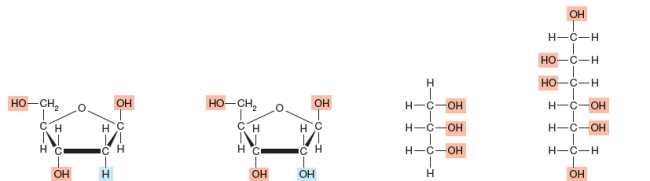
A)a
B)b
C)c
D)d
A)a
B)b
C)c
D)d
سؤال
Which of the following has the fewest hydrogen ions? 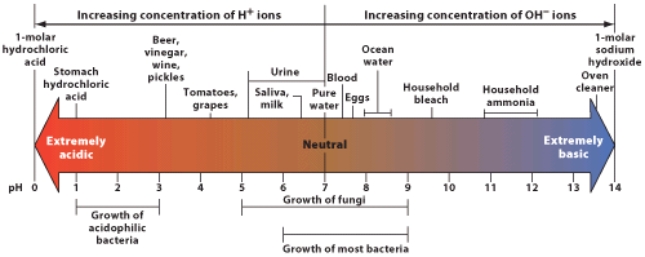
A)Stomach hydrochloric acid
B)Urine
C)Ocean water
D)Household ammonia
A)Stomach hydrochloric acid
B)Urine
C)Ocean water
D)Household ammonia
سؤال
How many electrons are in the second shell of the chlorine atom? 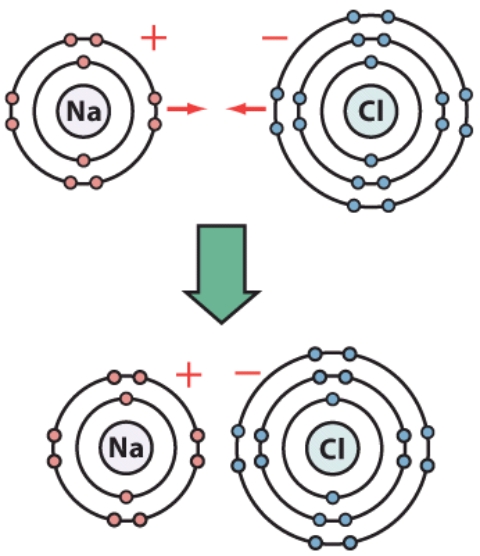
A)two
B)four
C)eight
D)ten
A)two
B)four
C)eight
D)ten
سؤال
سؤال
Which of the following has the fewest hydroxyl ions? 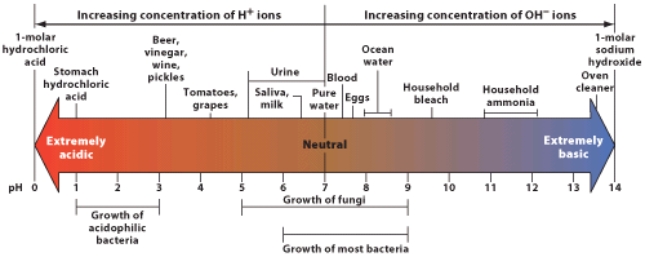
A)Oven cleaner
B)Household bleach
C)Saliva
D)Vinegar
A)Oven cleaner
B)Household bleach
C)Saliva
D)Vinegar
سؤال
سؤال
سؤال
سؤال
سؤال
سؤال
How many electrons are in the first shell of the sodium atom? 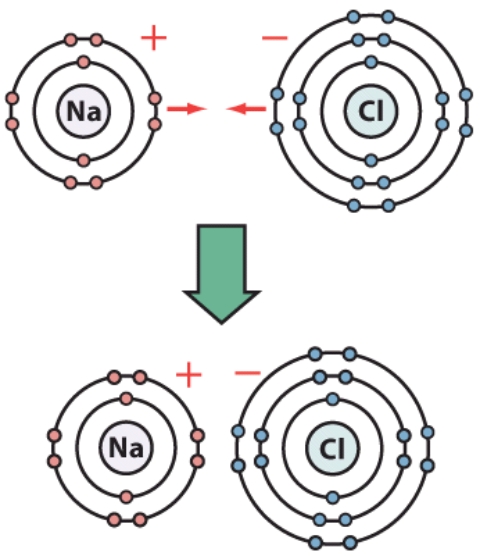
A)one
B)two
C)four
D)six
A)one
B)two
C)four
D)six
سؤال
سؤال
سؤال
سؤال
سؤال
سؤال
سؤال
سؤال

فتح الحزمة
قم بالتسجيل لفتح البطاقات في هذه المجموعة!
Unlock Deck
Unlock Deck
1/63

العب

ملء الشاشة (f)
Deck 2: Fundamentals of Chemistry
1
In order to become an ion,an atom of chlorine must _____.
A)gain an electron
B)form a covalent bond
C)lose an electron
D)form a hydrogen bond
A)gain an electron
B)form a covalent bond
C)lose an electron
D)form a hydrogen bond
A
2
When sodium hydroxide,a strong base,is added to water,the pH of the solution _____.
A)goes up.
B)remains the same.
C)goes down.
D)cannot be determined.
A)goes up.
B)remains the same.
C)goes down.
D)cannot be determined.
A
3
A nucleic acid has a "backbone" consisting of:
A)nitrogenous bases
B)sugars
C)phosphates
D)b and c are correct
A)nitrogenous bases
B)sugars
C)phosphates
D)b and c are correct
D
4
Chemical reactions occur:
A)between elements that have magnetic repulsion.
B)rarely as very few elements have electrons in their outer shell.
C)during metabolism as they are necessary for making the substance of cells.
D)only in eukaryotes as they require a nucleus.
A)between elements that have magnetic repulsion.
B)rarely as very few elements have electrons in their outer shell.
C)during metabolism as they are necessary for making the substance of cells.
D)only in eukaryotes as they require a nucleus.
فتح الحزمة
افتح القفل للوصول البطاقات البالغ عددها 63 في هذه المجموعة.
فتح الحزمة
k this deck
5
Chemically stable atoms are inert or less likely to form chemical bonds. A chemically stable element:
A)has l full outer electron shell
B)has the same number of protons as electrons
C)has an atomic number is equal to the atomic mass
D)forms hydrogen bonds
A)has l full outer electron shell
B)has the same number of protons as electrons
C)has an atomic number is equal to the atomic mass
D)forms hydrogen bonds
فتح الحزمة
افتح القفل للوصول البطاقات البالغ عددها 63 في هذه المجموعة.
فتح الحزمة
k this deck
6
The double helix is a structure associated with:
A)disaccharides
B)a compound with hydrogen bonds
C)lipids
D)DNA
A)disaccharides
B)a compound with hydrogen bonds
C)lipids
D)DNA
فتح الحزمة
افتح القفل للوصول البطاقات البالغ عددها 63 في هذه المجموعة.
فتح الحزمة
k this deck
7
Two or more atoms combine to form a/an:
A)cation.
B)molecule.
C)protein.
D)ion.
A)cation.
B)molecule.
C)protein.
D)ion.
فتح الحزمة
افتح القفل للوصول البطاقات البالغ عددها 63 في هذه المجموعة.
فتح الحزمة
k this deck
8
Which of the following pairs is mismatched?
A)Protein-amino acids
B)Nucleic acids-nucleotides
C)Polysaccharides - simple sugars
D)Fats-aldehyde
A)Protein-amino acids
B)Nucleic acids-nucleotides
C)Polysaccharides - simple sugars
D)Fats-aldehyde
فتح الحزمة
افتح القفل للوصول البطاقات البالغ عددها 63 في هذه المجموعة.
فتح الحزمة
k this deck
9
Proteins are chains of ______ that sometimes function as________.
A)disaccharides; cell wall
B)amino acids; enzymes
C)lipids; energy compounds
D)glycogen ; enzymes
A)disaccharides; cell wall
B)amino acids; enzymes
C)lipids; energy compounds
D)glycogen ; enzymes
فتح الحزمة
افتح القفل للوصول البطاقات البالغ عددها 63 في هذه المجموعة.
فتح الحزمة
k this deck
10
An ion is all of the following EXCEPT:
A)a charged atom
B)an atom that has lost or gained one or more electrons
C)either a cation or an anion
D)an atom with the same number of protons as electrons
A)a charged atom
B)an atom that has lost or gained one or more electrons
C)either a cation or an anion
D)an atom with the same number of protons as electrons
فتح الحزمة
افتح القفل للوصول البطاقات البالغ عددها 63 في هذه المجموعة.
فتح الحزمة
k this deck
11
Electrons have a _______ charge and are found in the _________.
A)positive; inner electron shell
B)positive; outer electron shell
C)negative; nucleus
D)negative; outer electron shell
A)positive; inner electron shell
B)positive; outer electron shell
C)negative; nucleus
D)negative; outer electron shell
فتح الحزمة
افتح القفل للوصول البطاقات البالغ عددها 63 في هذه المجموعة.
فتح الحزمة
k this deck
12
The total number of protons in an atom is equal to its _____.
A)atomic weight
B)molecular weight
C)chemical weight
D)atomic number
A)atomic weight
B)molecular weight
C)chemical weight
D)atomic number
فتح الحزمة
افتح القفل للوصول البطاقات البالغ عددها 63 في هذه المجموعة.
فتح الحزمة
k this deck
13
Charged atomswith electrostatic attraction are generally held together by _____.
A)covalent bonds
B)ionicbonds
C)hydrogen bonds
D)municipal bonds
A)covalent bonds
B)ionicbonds
C)hydrogen bonds
D)municipal bonds
فتح الحزمة
افتح القفل للوصول البطاقات البالغ عددها 63 في هذه المجموعة.
فتح الحزمة
k this deck
14
The three fundamental particles of the atom are _____.
A)elements, molecules, and compounds
B)ions, cations, and anions.
C)proteins, lipids, and sugars
D)protons, neutrons, and electrons.
A)elements, molecules, and compounds
B)ions, cations, and anions.
C)proteins, lipids, and sugars
D)protons, neutrons, and electrons.
فتح الحزمة
افتح القفل للوصول البطاقات البالغ عددها 63 في هذه المجموعة.
فتح الحزمة
k this deck
15
Atoms take part in bond formation to:
A)form polypeptides
B)attain a stable electron configuration
C)increase their charge density
D)increase their energy
A)form polypeptides
B)attain a stable electron configuration
C)increase their charge density
D)increase their energy
فتح الحزمة
افتح القفل للوصول البطاقات البالغ عددها 63 في هذه المجموعة.
فتح الحزمة
k this deck
16
The atomic nucleus consists of:
A)cations and anions
B)protons, electrons and neutrons
C)protons and neutrons
D)solutes and colloids
A)cations and anions
B)protons, electrons and neutrons
C)protons and neutrons
D)solutes and colloids
فتح الحزمة
افتح القفل للوصول البطاقات البالغ عددها 63 في هذه المجموعة.
فتح الحزمة
k this deck
17
When proteins are made up of several polypeptide chains,the arrangement of these chains is referred to as the:
A)primary structure
B)secondary structure
C)tertiary structure
D)quaternary structure
A)primary structure
B)secondary structure
C)tertiary structure
D)quaternary structure
فتح الحزمة
افتح القفل للوصول البطاقات البالغ عددها 63 في هذه المجموعة.
فتح الحزمة
k this deck
18
Which one of the following pairs is matched correctly?
A)carbon-organic compounds
B)glucose- hydrogen bonds
C)ions-covalent bonds
D)phosphate-enzyme
A)carbon-organic compounds
B)glucose- hydrogen bonds
C)ions-covalent bonds
D)phosphate-enzyme
فتح الحزمة
افتح القفل للوصول البطاقات البالغ عددها 63 في هذه المجموعة.
فتح الحزمة
k this deck
19
Molecules that contain mixtures of different elements are called _____.
A)isotopes
B)atoms
C)ions
D)compounds
A)isotopes
B)atoms
C)ions
D)compounds
فتح الحزمة
افتح القفل للوصول البطاقات البالغ عددها 63 في هذه المجموعة.
فتح الحزمة
k this deck
20
The smallest particle of matter that can take part in chemical reactions is:
A)glucose
B)compound
C)neutron
D)atom
A)glucose
B)compound
C)neutron
D)atom
فتح الحزمة
افتح القفل للوصول البطاقات البالغ عددها 63 في هذه المجموعة.
فتح الحزمة
k this deck
21
Which is a false statement about water?
A)Water molecules are polar.
B)Water has a high specific heat because of the extensive covalent bonding between molecules.
C)Hydrogen atoms in water form dipoles with a partial positive charge.
D)Water's polarity allows for many ionic compounds to be dissolved in it.
A)Water molecules are polar.
B)Water has a high specific heat because of the extensive covalent bonding between molecules.
C)Hydrogen atoms in water form dipoles with a partial positive charge.
D)Water's polarity allows for many ionic compounds to be dissolved in it.
فتح الحزمة
افتح القفل للوصول البطاقات البالغ عددها 63 في هذه المجموعة.
فتح الحزمة
k this deck
22
Polysaccharides:
A)include ribose, fructose and glucose.
B)include cholesterol and vitamin D.
C)are monosaccharides joined by glycosidic bonds.
D)are found only in eukaryotic cells.
A)include ribose, fructose and glucose.
B)include cholesterol and vitamin D.
C)are monosaccharides joined by glycosidic bonds.
D)are found only in eukaryotic cells.
فتح الحزمة
افتح القفل للوصول البطاقات البالغ عددها 63 في هذه المجموعة.
فتح الحزمة
k this deck
23
The pH scale is used to specify the acidity or alkalinity of a solution.Which of the following statements is true?
A)Stomach acid has a pH around 10.
B)Neutral solutions, like water, have a pH of 10.
C)A solution with a pH of 12 has 10 times less protons than a solution with a pH of 11.
D)A strong base will have a pH less than 10.
A)Stomach acid has a pH around 10.
B)Neutral solutions, like water, have a pH of 10.
C)A solution with a pH of 12 has 10 times less protons than a solution with a pH of 11.
D)A strong base will have a pH less than 10.
فتح الحزمة
افتح القفل للوصول البطاقات البالغ عددها 63 في هذه المجموعة.
فتح الحزمة
k this deck
24
What is true about oxidation?
A)The more oxidized a molecule, the less energy it contains.
B)Oxidation is the removal of oxygen or the addition of hydrogen or electrons to a substance.
C)Gasoline represents the extreme of energy-rich oxidized compounds.
D)Oxidation reactions only occur in polar compounds.
A)The more oxidized a molecule, the less energy it contains.
B)Oxidation is the removal of oxygen or the addition of hydrogen or electrons to a substance.
C)Gasoline represents the extreme of energy-rich oxidized compounds.
D)Oxidation reactions only occur in polar compounds.
فتح الحزمة
افتح القفل للوصول البطاقات البالغ عددها 63 في هذه المجموعة.
فتح الحزمة
k this deck
25
What is true about atomic weight?
A)It is the sum of the number of electrons and protons in an atom.
B)The higher the atomic weight the more likely an atom will form a chemical bond.
C)It is always a whole number.
D)Atoms of a particular element that have different atomic weights are called isotopes.
A)It is the sum of the number of electrons and protons in an atom.
B)The higher the atomic weight the more likely an atom will form a chemical bond.
C)It is always a whole number.
D)Atoms of a particular element that have different atomic weights are called isotopes.
فتح الحزمة
افتح القفل للوصول البطاقات البالغ عددها 63 في هذه المجموعة.
فتح الحزمة
k this deck
26
Glucose:
A)is abundant in milk and fruit
B)is a rare monosaccharide
C)is never produced within cells
D)none of the above
A)is abundant in milk and fruit
B)is a rare monosaccharide
C)is never produced within cells
D)none of the above
فتح الحزمة
افتح القفل للوصول البطاقات البالغ عددها 63 في هذه المجموعة.
فتح الحزمة
k this deck
27
Food consists of molecules with lots of energy stored in their chemical bonds. What is true about how microorganisms use nutrients?
A)When microorganisms break the chemical bonds in nutrients, they release energy.
B)It takes microorganisms more energy to break the bonds in nutrients than are released.
C)All energy that microorganisms receive from nutrients comes from anabolism.
D)Microorganisms break down hydrogen bonds to release electrons as energy.
A)When microorganisms break the chemical bonds in nutrients, they release energy.
B)It takes microorganisms more energy to break the bonds in nutrients than are released.
C)All energy that microorganisms receive from nutrients comes from anabolism.
D)Microorganisms break down hydrogen bonds to release electrons as energy.
فتح الحزمة
افتح القفل للوصول البطاقات البالغ عددها 63 في هذه المجموعة.
فتح الحزمة
k this deck
28
Which is a FALSE statement about chemical reactions?
A)Catabolic reactions are exergonic and release energy.
B)Polymerization and the building up of large molecules is a catabolic reaction.
C)Anabolic reactions require energy.
D)Energy is stored in the form of chemical bonds.
A)Catabolic reactions are exergonic and release energy.
B)Polymerization and the building up of large molecules is a catabolic reaction.
C)Anabolic reactions require energy.
D)Energy is stored in the form of chemical bonds.
فتح الحزمة
افتح القفل للوصول البطاقات البالغ عددها 63 في هذه المجموعة.
فتح الحزمة
k this deck
29
Carbohydrates:
A)are hydrophobic.
B)have a four ring structure.
C)are used primarily for energy and cellular structures.
D)have primary, secondary, tertiary and quaternary structure.
A)are hydrophobic.
B)have a four ring structure.
C)are used primarily for energy and cellular structures.
D)have primary, secondary, tertiary and quaternary structure.
فتح الحزمة
افتح القفل للوصول البطاقات البالغ عددها 63 في هذه المجموعة.
فتح الحزمة
k this deck
30
Solutions made up of molecules that are not chemically bonded and are not limited to specific proportions are called:
A)mixtures
B)elements
C)chemical compounds
D)polar compounds
A)mixtures
B)elements
C)chemical compounds
D)polar compounds
فتح الحزمة
افتح القفل للوصول البطاقات البالغ عددها 63 في هذه المجموعة.
فتح الحزمة
k this deck
31
Disaccharides,such as sucrose and lactose,are formed from:
A)two monosaccharides connected by a glycosidic bond.
B)chains of two amino acids.
C)long chain of carbon atoms and a carboxyl group at one end of chain.
D)three fatty acids combined with glycerol.
A)two monosaccharides connected by a glycosidic bond.
B)chains of two amino acids.
C)long chain of carbon atoms and a carboxyl group at one end of chain.
D)three fatty acids combined with glycerol.
فتح الحزمة
افتح القفل للوصول البطاقات البالغ عددها 63 في هذه المجموعة.
فتح الحزمة
k this deck
32
When glucose is dissolved in water,the water is the ________ and the glucose is the ________.
A)solvent, solute
B)solvent, solution
C)solute, solvent
D)solute, solution
A)solvent, solute
B)solvent, solution
C)solute, solvent
D)solute, solution
فتح الحزمة
افتح القفل للوصول البطاقات البالغ عددها 63 في هذه المجموعة.
فتح الحزمة
k this deck
33
Which statement is true for radioisotopes?
A)Radioisotopes have unstable nuclei that emit subatomic particles and radiation.
B)All radioisotopes have gained electrons.
C)Radioisotopes are useful to guard against radioactive elements.
D)Radioisotopes contain particles too large to form true solutions.
A)Radioisotopes have unstable nuclei that emit subatomic particles and radiation.
B)All radioisotopes have gained electrons.
C)Radioisotopes are useful to guard against radioactive elements.
D)Radioisotopes contain particles too large to form true solutions.
فتح الحزمة
افتح القفل للوصول البطاقات البالغ عددها 63 في هذه المجموعة.
فتح الحزمة
k this deck
34
Which of the following is not a colloid?
A)salt water
B)gelatin desserts
C)agar plates used to grow microorganisms
D)fluid in cells
A)salt water
B)gelatin desserts
C)agar plates used to grow microorganisms
D)fluid in cells
فتح الحزمة
افتح القفل للوصول البطاقات البالغ عددها 63 في هذه المجموعة.
فتح الحزمة
k this deck
35
In salt,a sodium atom loses an electron to a chlorine atom.What is true about the chloride ion found in salt?
A)It has one less electron than proton.
B)It is less chemically stable than a chlorine atom.
C)It is an anion.
D)It is in a covalent bond.
A)It has one less electron than proton.
B)It is less chemically stable than a chlorine atom.
C)It is an anion.
D)It is in a covalent bond.
فتح الحزمة
افتح القفل للوصول البطاقات البالغ عددها 63 في هذه المجموعة.
فتح الحزمة
k this deck
36
Which of the following statements about solutions is FALSE?
A)The solute is the substance dissolved in a solvent.
B)Left alone on a counter, a solution will separate out.
C)Solutes can consist of atoms, ions or molecules.
D)In cells, water is typically a solvent.
A)The solute is the substance dissolved in a solvent.
B)Left alone on a counter, a solution will separate out.
C)Solutes can consist of atoms, ions or molecules.
D)In cells, water is typically a solvent.
فتح الحزمة
افتح القفل للوصول البطاقات البالغ عددها 63 في هذه المجموعة.
فتح الحزمة
k this deck
37
Ketones,alcohols,aldehydes and organic acids are four of the organic compounds found in all living cells.What do these four classes of organic compounds share?
A)They contain the same atoms but differ in structure.
B)They are chains of carbon atoms with functional groups that contain oxygen.
C)They are all fully oxidized.
D)They can only be synthesized inside a cell.
A)They contain the same atoms but differ in structure.
B)They are chains of carbon atoms with functional groups that contain oxygen.
C)They are all fully oxidized.
D)They can only be synthesized inside a cell.
فتح الحزمة
افتح القفل للوصول البطاقات البالغ عددها 63 في هذه المجموعة.
فتح الحزمة
k this deck
38
Which statement about acids and bases is FALSE?
A)A hydrogen ion (H⁺)is a proton.
B)Acids are proton acceptors.
C)Bases are proton acceptors
D)A hydroxyl ion donor is also a proton acceptor
A)A hydrogen ion (H⁺)is a proton.
B)Acids are proton acceptors.
C)Bases are proton acceptors
D)A hydroxyl ion donor is also a proton acceptor
فتح الحزمة
افتح القفل للوصول البطاقات البالغ عددها 63 في هذه المجموعة.
فتح الحزمة
k this deck
39
Fatty acids that are _________ have ___________ .
A)saturated; lost their secondary structure
B)unsaturated, a double bond between two carbons that have lost hydrogen atoms
C)saturated, one or more double bonds
D)denatured, all the hydrogen it can.
A)saturated; lost their secondary structure
B)unsaturated, a double bond between two carbons that have lost hydrogen atoms
C)saturated, one or more double bonds
D)denatured, all the hydrogen it can.
فتح الحزمة
افتح القفل للوصول البطاقات البالغ عددها 63 في هذه المجموعة.
فتح الحزمة
k this deck
40
Water plays an important role in the chemical reactions in cells,including:
A)denaturing proteins
B)stabilizing the primary structure of a protein
C)forming covalent bonds with proteins
D)breaking down large proteins into amino acids in hydrolysis reactions
A)denaturing proteins
B)stabilizing the primary structure of a protein
C)forming covalent bonds with proteins
D)breaking down large proteins into amino acids in hydrolysis reactions
فتح الحزمة
افتح القفل للوصول البطاقات البالغ عددها 63 في هذه المجموعة.
فتح الحزمة
k this deck
41
Which of the following pH values would indicate the weakest acid?
A)2
B)3
C)4
D)5
A)2
B)3
C)4
D)5
فتح الحزمة
افتح القفل للوصول البطاقات البالغ عددها 63 في هذه المجموعة.
فتح الحزمة
k this deck
42
The specific sequence of amino acids in a protein is known as its:
A)primary structure
B)secondary structure
C)tertiary structure
D)quaternary structure
A)primary structure
B)secondary structure
C)tertiary structure
D)quaternary structure
فتح الحزمة
افتح القفل للوصول البطاقات البالغ عددها 63 في هذه المجموعة.
فتح الحزمة
k this deck
43
Anabolic reactions tend to:
A)use energy and break chemical bonds.
B)produce energy, and break chemical bonds.
C)produce energy and new chemical bonds.
D)use energy and produce new chemical bonds.
A)use energy and break chemical bonds.
B)produce energy, and break chemical bonds.
C)produce energy and new chemical bonds.
D)use energy and produce new chemical bonds.
فتح الحزمة
افتح القفل للوصول البطاقات البالغ عددها 63 في هذه المجموعة.
فتح الحزمة
k this deck
44
Organic molecules with the same molecular formula but different structures are:
A)elements
B)isotopes
C)isomers
D)anions
A)elements
B)isotopes
C)isomers
D)anions
فتح الحزمة
افتح القفل للوصول البطاقات البالغ عددها 63 في هذه المجموعة.
فتح الحزمة
k this deck
45
Which of the following is a three carbon sugar alcohol?
A)a
B)b
C)c
D)d
A)a
B)b
C)c
D)d
فتح الحزمة
افتح القفل للوصول البطاقات البالغ عددها 63 في هذه المجموعة.
فتح الحزمة
k this deck
46
Which of the following has the fewest hydrogen ions?
A)Stomach hydrochloric acid
B)Urine
C)Ocean water
D)Household ammonia
A)Stomach hydrochloric acid
B)Urine
C)Ocean water
D)Household ammonia
فتح الحزمة
افتح القفل للوصول البطاقات البالغ عددها 63 في هذه المجموعة.
فتح الحزمة
k this deck
47
How many electrons are in the second shell of the chlorine atom?
A)two
B)four
C)eight
D)ten
A)two
B)four
C)eight
D)ten
فتح الحزمة
افتح القفل للوصول البطاقات البالغ عددها 63 في هذه المجموعة.
فتح الحزمة
k this deck
48
When pairs of electrons are shared between two atoms,the result is a/an _______ bond.
A)ionic
B)covalent
C)hydrogen
D)carbonic
A)ionic
B)covalent
C)hydrogen
D)carbonic
فتح الحزمة
افتح القفل للوصول البطاقات البالغ عددها 63 في هذه المجموعة.
فتح الحزمة
k this deck
49
Which of the following has the fewest hydroxyl ions?
A)Oven cleaner
B)Household bleach
C)Saliva
D)Vinegar
A)Oven cleaner
B)Household bleach
C)Saliva
D)Vinegar
فتح الحزمة
افتح القفل للوصول البطاقات البالغ عددها 63 في هذه المجموعة.
فتح الحزمة
k this deck
50
In DNA,the nucleotide cytosine always base pairs to:
A)adenine
B)guanine
C)thymine
D)uracil
A)adenine
B)guanine
C)thymine
D)uracil
فتح الحزمة
افتح القفل للوصول البطاقات البالغ عددها 63 في هذه المجموعة.
فتح الحزمة
k this deck
51
Chemical bonds found in living organisms do not normally include:
A)ionic bonds
B)hydrogen bonds
C)covalent bonds
D)magnetic bonds
A)ionic bonds
B)hydrogen bonds
C)covalent bonds
D)magnetic bonds
فتح الحزمة
افتح القفل للوصول البطاقات البالغ عددها 63 في هذه المجموعة.
فتح الحزمة
k this deck
52
Chemical bonds usually form between atoms through the interaction of:
A)protons
B)neutrons
C)electrons
D)isotopes
A)protons
B)neutrons
C)electrons
D)isotopes
فتح الحزمة
افتح القفل للوصول البطاقات البالغ عددها 63 في هذه المجموعة.
فتح الحزمة
k this deck
53
Reactions in which molecules are degraded and energy is released are best termed _____.
A)anabolic
B)catabolic
C)metabolic
D)exerbolic
A)anabolic
B)catabolic
C)metabolic
D)exerbolic
فتح الحزمة
افتح القفل للوصول البطاقات البالغ عددها 63 في هذه المجموعة.
فتح الحزمة
k this deck
54
Atoms are most likely to form ions when they have:
A)an even number of electrons in their outer shells
B)a nearly empty outer shell
C)an odd number of electrons in their outer shells
D)four electrons in their outer shells
A)an even number of electrons in their outer shells
B)a nearly empty outer shell
C)an odd number of electrons in their outer shells
D)four electrons in their outer shells
فتح الحزمة
افتح القفل للوصول البطاقات البالغ عددها 63 في هذه المجموعة.
فتح الحزمة
k this deck
55
How many electrons are in the first shell of the sodium atom?
A)one
B)two
C)four
D)six
A)one
B)two
C)four
D)six
فتح الحزمة
افتح القفل للوصول البطاقات البالغ عددها 63 في هذه المجموعة.
فتح الحزمة
k this deck
56
Amino acids in a protein are joined together by _____.
A)peptide bonds
B)hydrogen bonds
C)phosphodiester bonds
D)tertiary bonds
A)peptide bonds
B)hydrogen bonds
C)phosphodiester bonds
D)tertiary bonds
فتح الحزمة
افتح القفل للوصول البطاقات البالغ عددها 63 في هذه المجموعة.
فتح الحزمة
k this deck
57
Chemical reactions that require energy are best termed _____.
A)catabolic
B)anabolic
C)exergonic
D)endergonic
A)catabolic
B)anabolic
C)exergonic
D)endergonic
فتح الحزمة
افتح القفل للوصول البطاقات البالغ عددها 63 في هذه المجموعة.
فتح الحزمة
k this deck
58
Phospholipids:
A)have a charged phosphate group that can mix with water and insoluble fatty acids.
B)can serve as hormones.
C)always remain liquid at room temperature.
D)form straight chains in water.
A)have a charged phosphate group that can mix with water and insoluble fatty acids.
B)can serve as hormones.
C)always remain liquid at room temperature.
D)form straight chains in water.
فتح الحزمة
افتح القفل للوصول البطاقات البالغ عددها 63 في هذه المجموعة.
فتح الحزمة
k this deck
59
Carbohydrates do not include which of the following?
A)Glucose
B)Starch
C)Cellulose
D)Sterols
A)Glucose
B)Starch
C)Cellulose
D)Sterols
فتح الحزمة
افتح القفل للوصول البطاقات البالغ عددها 63 في هذه المجموعة.
فتح الحزمة
k this deck
60
Hydrogen bonds are generally:
A)stronger than covalent bonds
B)stronger than ionic bonds but weaker than covalent bonds
C)present in large numbers
D)found in non-polar compounds
A)stronger than covalent bonds
B)stronger than ionic bonds but weaker than covalent bonds
C)present in large numbers
D)found in non-polar compounds
فتح الحزمة
افتح القفل للوصول البطاقات البالغ عددها 63 في هذه المجموعة.
فتح الحزمة
k this deck
61
Energy is an important chemical currency. How does energy affect electrons in the atom? What is the role of energy in a chemical bond? Name two complex organic molecules that are used by cells for energy.How does the cell release this energy?
فتح الحزمة
افتح القفل للوصول البطاقات البالغ عددها 63 في هذه المجموعة.
فتح الحزمة
k this deck
62
Describe the chemical composition,type/structure and function for the following complex organic molecules: carbohydrates,lipids,proteins,DNA and RNA
فتح الحزمة
افتح القفل للوصول البطاقات البالغ عددها 63 في هذه المجموعة.
فتح الحزمة
k this deck
63
Describe the formation and importance of a hydrogen bond. Why is water the universal dissolving medium (e.g.,solvent)of life? Name two roles water plays in cells.
فتح الحزمة
افتح القفل للوصول البطاقات البالغ عددها 63 في هذه المجموعة.
فتح الحزمة
k this deck
فتح الحزمة
افتح القفل للوصول البطاقات البالغ عددها 63 في هذه المجموعة.






