







 تكلم مع الذكاء الاصطناعي


Deck 9: The General and Special Senses
ملء الشاشة (f)

سؤال

سؤال
سؤال
سؤال
سؤال
سؤال
سؤال
سؤال
سؤال
سؤال
سؤال
سؤال
سؤال
سؤال
سؤال
سؤال
سؤال
سؤال
سؤال
سؤال
سؤال
سؤال
سؤال
سؤال
سؤال
سؤال
سؤال
سؤال
سؤال
سؤال
سؤال
سؤال
سؤال
سؤال
سؤال
سؤال
سؤال
سؤال
سؤال
سؤال
سؤال
سؤال
سؤال
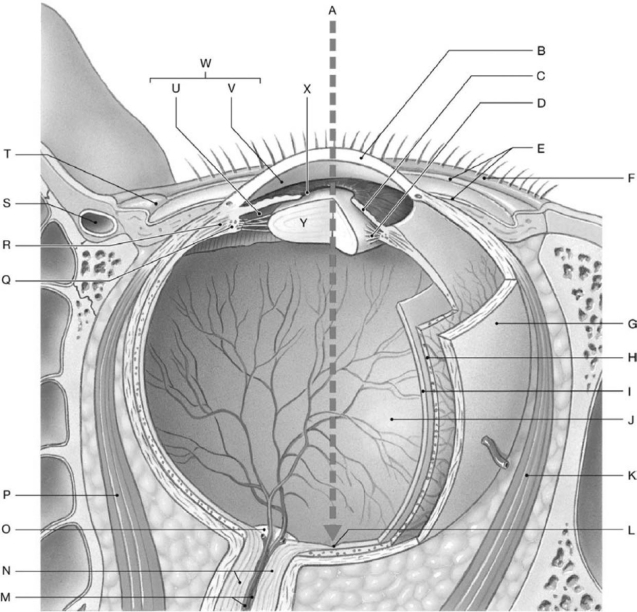 Figure 9-1 Horizontal Dissection of the Right Eye
Use Figure 9-1 to identify the labeled part.
Structure C is the
A) choroid.
B) iris.
C) sclera.
D) ciliary body.
E) lens.
سؤال
سؤال
سؤال
سؤال
سؤال
سؤال
Figure 9-1 Horizontal Dissection of the Right EyeUse Figure 9-1 to identify the labeled part.
Structure D is the
A) ciliary muscle.
B) ciliary body.
C) vitreous humor.
D) medial rectus muscle.
E) ciliary zonule.
سؤال
سؤال
سؤال
سؤال
سؤال
سؤال
Figure 9-1 Horizontal Dissection of the Right EyeUse Figure 9-1 to identify the labeled part.
Light rays refract or bend when they go through
A) J.
B) L.
C) B.
D) X.
E) R.
سؤال
سؤال
سؤال
سؤال
سؤال
سؤال
Figure 9-1 Horizontal Dissection of the Right EyeUse Figure 9-1 to identify the labeled part.
Which structure focuses light rays?
A) Y
B) D
C) L
D) O
E) X
سؤال
Figure 9-1 Horizontal Dissection of the Right EyeUse Figure 9-1 to identify the labeled part.
Structure E is the
A) iris.
B) fovea.
C) cornea.
D) conjunctiva.
E) sclera.
سؤال
Figure 9-1 Horizontal Dissection of the Right EyeUse Figure 9-1 to identify the labeled part.
When the muscle labeled P contracts,the eye moves
A) superiorly.
B) laterally.
C) medially.
D) inferiorly.
E) in a circular fashion.
سؤال
Figure 9-1 Horizontal Dissection of the Right EyeUse Figure 9-1 to identify the labeled part.
Structure L is the
A) optic nerve.
B) optic disc.
C) choroid.
D) fovea.
E) lacrimal pore.
سؤال
Figure 9-1 Horizontal Dissection of the Right EyeUse Figure 9-1 to identify the labeled part.
Structure R is the
A) lacrimal sac.
B) iris.
C) ciliary zonule.
D) ciliary muscle.
E) ciliary body.
سؤال
Figure 9-1 Horizontal Dissection of the Right EyeUse Figure 9-1 to identify the labeled part.
Structure Y is the
A) lens.
B) cornea.
C) pupil.
D) choroid.
E) optic canal.
سؤال
Figure 9-1 Horizontal Dissection of the Right EyeUse Figure 9-1 to identify the labeled part.
Aqueous humor fluid is produced at
A) Q.
B) V.
C) D.
D) I.
E) O.
سؤال
Figure 9-1 Horizontal Dissection of the Right EyeUse Figure 9-1 to identify the labeled part.
Structure L is the
A) ciliary body.
B) pupil.
C) lacrimal canal.
D) macula.
E) optic disc.
سؤال
Figure 9-1 Horizontal Dissection of the Right EyeUse Figure 9-1 to identify the labeled part.
Structure G is the
A) retina.
B) sclera.
C) choroid.
D) ciliary body.
E) cornea.
سؤال
Figure 9-1 Horizontal Dissection of the Right EyeUse Figure 9-1 to identify the labeled part.
Structure Q is the
A) lacrimal sac.
B) iris.
C) ciliary zonule.
D) ciliary muscle.
E) ciliary body.
سؤال
Figure 9-1 Horizontal Dissection of the Right EyeUse Figure 9-1 to identify the labeled part.
Structure S is the
A) nasolacrimal duct.
B) lacrimal pore.
C) lacrimal sac.
D) lacrimal gland.
E) lacrimal canal.
سؤال
Figure 9-1 Horizontal Dissection of the Right EyeUse Figure 9-1 to identify the labeled part.
Which structure contains neurons?
A) G
B) H
C) B
D) Y
E) N
سؤال
Figure 9-1 Horizontal Dissection of the Right EyeUse Figure 9-1 to identify the labeled part.
Structure K is the
A) lateral rectus muscle.
B) medial rectus muscle.
C) lateral oblique muscle.
D) medial oblique muscle.
E) lacrimal caruncle.
سؤال
Figure 9-1 Horizontal Dissection of the Right EyeUse Figure 9-1 to identify the labeled part.
Structure P is the
A) medial rectus muscle.
B) lateral rectus muscle.
C) retina.
D) choroid.
E) superior oblique muscle.
سؤال
Figure 9-1 Horizontal Dissection of the Right EyeUse Figure 9-1 to identify the labeled part.
What is located within this chamber marked U?
A) vitreous humor
B) aqueous humor
C) plasma
D) lymph
E) saline
سؤال
Figure 9-1 Horizontal Dissection of the Right EyeUse Figure 9-1 to identify the labeled part.
Structure O is the
A) optic disc.
B) fovea.
C) blood vessels.
D) ocular muscle.
E) optic nerve.
سؤال
Figure 9-1 Horizontal Dissection of the Right EyeUse Figure 9-1 to identify the labeled part.
What is located within the chamber marked J?
A) saline
B) aqueous humor
C) plasma
D) vitreous humor
E) lymph
سؤال
Figure 9-1 Horizontal Dissection of the Right EyeUse Figure 9-1 to identify the labeled part.
Structure H is the
A) retina.
B) sclera.
C) choroid.
D) ciliary body.
E) cornea.
سؤال
Figure 9-1 Horizontal Dissection of the Right EyeUse Figure 9-1 to identify the labeled part.
Photoreceptors are located in
A) G.
B) H.
C) I.
D) N.
E) O.
سؤال
Figure 9-1 Horizontal Dissection of the Right EyeUse Figure 9-1 to identify the labeled part.
Structure I is the
A) choroid.
B) sclera.
C) ciliary layer.
D) retina.
E) fovea.

فتح الحزمة
قم بالتسجيل لفتح البطاقات في هذه المجموعة!
Unlock Deck
Unlock Deck
1/118

العب

ملء الشاشة (f)
Deck 9: The General and Special Senses
1
The conscious awareness of a sensation is called
A) reception.
B) perception.
C) proprioception.
D) adaptation.
E) desensitization.
A) reception.
B) perception.
C) proprioception.
D) adaptation.
E) desensitization.
B
2
Sensory receptors that monitor the position of joints are called
A) nociceptors.
B) chemoreceptors.
C) thermoreceptors.
D) baroreceptors.
E) proprioceptors.
A) nociceptors.
B) chemoreceptors.
C) thermoreceptors.
D) baroreceptors.
E) proprioceptors.
E
3
Temperature senses use two types of
A) chemoreceptors.
B) free nerve endings.
C) proprioceptors.
D) tactile corpuscles.
E) lamellated corpuscles.
A) chemoreceptors.
B) free nerve endings.
C) proprioceptors.
D) tactile corpuscles.
E) lamellated corpuscles.
B
4
Proprioceptors
A) do not adapt to constant stimulation.
B) for the most part produce information that is processed consciously.
C) do not send information continuously to the CNS.
D) are free nerve endings that branch within the walls of a distensible organ.
E) are exemplified by receptors in the carotid and aortic sinus.
A) do not adapt to constant stimulation.
B) for the most part produce information that is processed consciously.
C) do not send information continuously to the CNS.
D) are free nerve endings that branch within the walls of a distensible organ.
E) are exemplified by receptors in the carotid and aortic sinus.
فتح الحزمة
افتح القفل للوصول البطاقات البالغ عددها 118 في هذه المجموعة.
فتح الحزمة
k this deck
5
The fading of a dominant odor sometime after one enters a room is an example of experiencing
A) sensory adaptation.
B) damage to receptors.
C) sensory deprivation.
D) a change in concentration of the odor.
E) proprioception.
A) sensory adaptation.
B) damage to receptors.
C) sensory deprivation.
D) a change in concentration of the odor.
E) proprioception.
فتح الحزمة
افتح القفل للوصول البطاقات البالغ عددها 118 في هذه المجموعة.
فتح الحزمة
k this deck
6
Olfactory glands
A) contain the neural receptors for the sense of smell.
B) form the basement membrane of the olfactory epithelium.
C) are sensitive to aromatic molecules in the air.
D) produce a pigmented mucus that covers the olfactory epithelium.
E) form structures called olfactory bulbs.
A) contain the neural receptors for the sense of smell.
B) form the basement membrane of the olfactory epithelium.
C) are sensitive to aromatic molecules in the air.
D) produce a pigmented mucus that covers the olfactory epithelium.
E) form structures called olfactory bulbs.
فتح الحزمة
افتح القفل للوصول البطاقات البالغ عددها 118 في هذه المجموعة.
فتح الحزمة
k this deck
7
Gustation refers to the special sense of
A) balance.
B) touch.
C) equilibrium.
D) vision.
E) taste.
A) balance.
B) touch.
C) equilibrium.
D) vision.
E) taste.
فتح الحزمة
افتح القفل للوصول البطاقات البالغ عددها 118 في هذه المجموعة.
فتح الحزمة
k this deck
8
Temperature sensations are relayed along the same pathways that carry sensations of
A) pressure.
B) low frequency vibration.
C) body position.
D) pH.
E) pain.
A) pressure.
B) low frequency vibration.
C) body position.
D) pH.
E) pain.
فتح الحزمة
افتح القفل للوصول البطاقات البالغ عددها 118 في هذه المجموعة.
فتح الحزمة
k this deck
9
The Golgi tendon organs are examples of which of the following?
A) mechanoreceptors
B) proprioceptors
C) baroreceptors
D) chemoreceptors
E) nociceptors
A) mechanoreceptors
B) proprioceptors
C) baroreceptors
D) chemoreceptors
E) nociceptors
فتح الحزمة
افتح القفل للوصول البطاقات البالغ عددها 118 في هذه المجموعة.
فتح الحزمة
k this deck
10
Nociceptors
A) are rare in joint capsules.
B) increase in sensitivity in the presence of a constant stimulus.
C) have large receptive fields.
D) carry fast pain sensations through unmyelinated fibers.
E) are widely distributed in all tissues.
A) are rare in joint capsules.
B) increase in sensitivity in the presence of a constant stimulus.
C) have large receptive fields.
D) carry fast pain sensations through unmyelinated fibers.
E) are widely distributed in all tissues.
فتح الحزمة
افتح القفل للوصول البطاقات البالغ عددها 118 في هذه المجموعة.
فتح الحزمة
k this deck
11
Ruffini corpuscles are examples of
A) tactile receptors.
B) baroreceptors.
C) chemoreceptors.
D) proprioceptors.
E) nociceptors.
A) tactile receptors.
B) baroreceptors.
C) chemoreceptors.
D) proprioceptors.
E) nociceptors.
فتح الحزمة
افتح القفل للوصول البطاقات البالغ عددها 118 في هذه المجموعة.
فتح الحزمة
k this deck
12
Lamellated corpuscles (Pacinian corpuscles)are
A) tactile receptors.
B) baroreceptors.
C) nociceptors.
D) thermoreceptors.
E) proprioceptors.
A) tactile receptors.
B) baroreceptors.
C) nociceptors.
D) thermoreceptors.
E) proprioceptors.
فتح الحزمة
افتح القفل للوصول البطاقات البالغ عددها 118 في هذه المجموعة.
فتح الحزمة
k this deck
13
The perception of pain coming from parts of the body that are not actually stimulated is called
A) preferential pain.
B) recalcitrant pain.
C) actual pain.
D) referred pain.
E) slow pain.
A) preferential pain.
B) recalcitrant pain.
C) actual pain.
D) referred pain.
E) slow pain.
فتح الحزمة
افتح القفل للوصول البطاقات البالغ عددها 118 في هذه المجموعة.
فتح الحزمة
k this deck
14
Olfactory receptors are examples of
A) pain receptors.
B) thermoreceptors.
C) mechanoreceptors.
D) chemoreceptors.
E) proprioceptors.
A) pain receptors.
B) thermoreceptors.
C) mechanoreceptors.
D) chemoreceptors.
E) proprioceptors.
فتح الحزمة
افتح القفل للوصول البطاقات البالغ عددها 118 في هذه المجموعة.
فتح الحزمة
k this deck
15
Which of the following arrives at the primary sensory cortex?
A) olfactory sensations
B) visual sensations
C) auditory sensations
D) motor efferents
E) touch sensations
A) olfactory sensations
B) visual sensations
C) auditory sensations
D) motor efferents
E) touch sensations
فتح الحزمة
افتح القفل للوصول البطاقات البالغ عددها 118 في هذه المجموعة.
فتح الحزمة
k this deck
16
Sensory receptors that respond to changes in blood pressure are called
A) thermoreceptors.
B) baroreceptors.
C) proprioceptors.
D) nociceptors.
E) chemoreceptors.
A) thermoreceptors.
B) baroreceptors.
C) proprioceptors.
D) nociceptors.
E) chemoreceptors.
فتح الحزمة
افتح القفل للوصول البطاقات البالغ عددها 118 في هذه المجموعة.
فتح الحزمة
k this deck
17
Nociceptors are sensitive to
A) pain.
B) light touch.
C) vibration.
D) osmotic pressure.
E) blood pressure.
A) pain.
B) light touch.
C) vibration.
D) osmotic pressure.
E) blood pressure.
فتح الحزمة
افتح القفل للوصول البطاقات البالغ عددها 118 في هذه المجموعة.
فتح الحزمة
k this deck
18
Axons leaving each olfactory bulb travel along the olfactory tract to reach the olfactory cerebral cortex,portions of the limbic system,and the
A) thalamus.
B) superior colliculus.
C) pineal body.
D) hypothalamus.
E) epithalamus.
A) thalamus.
B) superior colliculus.
C) pineal body.
D) hypothalamus.
E) epithalamus.
فتح الحزمة
افتح القفل للوصول البطاقات البالغ عددها 118 في هذه المجموعة.
فتح الحزمة
k this deck
19
Which statement regarding sensory reception is correct?
A) The larger the receptive field, the better is one's ability to localize a stimulus.
B) The CNS can tell the difference between a "true" sensation and a "false" one.
C) Output from higher centers can dampen receptor sensitivity.
D) The CNS interprets the nature of sensory information entirely on the basis of the area of the brain stimulated.
E) In general, the stronger the stimulus, the lower the frequency of action potentials.
A) The larger the receptive field, the better is one's ability to localize a stimulus.
B) The CNS can tell the difference between a "true" sensation and a "false" one.
C) Output from higher centers can dampen receptor sensitivity.
D) The CNS interprets the nature of sensory information entirely on the basis of the area of the brain stimulated.
E) In general, the stronger the stimulus, the lower the frequency of action potentials.
فتح الحزمة
افتح القفل للوصول البطاقات البالغ عددها 118 في هذه المجموعة.
فتح الحزمة
k this deck
20
Neurons in the respiratory centers of the brain that respond to pH are examples of
A) baroreceptors.
B) nociceptors.
C) thermoreceptors.
D) mechanoreceptors.
E) chemoreceptors.
A) baroreceptors.
B) nociceptors.
C) thermoreceptors.
D) mechanoreceptors.
E) chemoreceptors.
فتح الحزمة
افتح القفل للوصول البطاقات البالغ عددها 118 في هذه المجموعة.
فتح الحزمة
k this deck
21
Taste receptors are
A) found only on the tongue.
B) unable to divide.
C) modified neural cells.
D) specialized epithelial cells.
E) sensitive to pain.
A) found only on the tongue.
B) unable to divide.
C) modified neural cells.
D) specialized epithelial cells.
E) sensitive to pain.
فتح الحزمة
افتح القفل للوصول البطاقات البالغ عددها 118 في هذه المجموعة.
فتح الحزمة
k this deck
22
The transparent portion of the fibrous layer of the eye is the
A) conjunctiva.
B) cornea.
C) iris.
D) pupil.
E) canthus.
A) conjunctiva.
B) cornea.
C) iris.
D) pupil.
E) canthus.
فتح الحزمة
افتح القفل للوصول البطاقات البالغ عددها 118 في هذه المجموعة.
فتح الحزمة
k this deck
23
Within the olfactory epithelium,which of the following are regenerative stem cells?
A) olfactory bulbs
B) olfactory glands
C) odorant-binding proteins
D) basal cells
E) olfactory tracts
A) olfactory bulbs
B) olfactory glands
C) odorant-binding proteins
D) basal cells
E) olfactory tracts
فتح الحزمة
افتح القفل للوصول البطاقات البالغ عددها 118 في هذه المجموعة.
فتح الحزمة
k this deck
24
Which of the following concerning olfaction is true?
A) Olfactory receptors are highly modified neurons.
B) Molecules to be smelled cannot be dissolved first in mucus.
C) Humans have fewer than 10,000 olfactory receptors.
D) Human power of olfaction is as powerful as that of most other mammals.
E) Olfactory stimuli must pass through the thalamus before journeying to the olfactory cortex.
A) Olfactory receptors are highly modified neurons.
B) Molecules to be smelled cannot be dissolved first in mucus.
C) Humans have fewer than 10,000 olfactory receptors.
D) Human power of olfaction is as powerful as that of most other mammals.
E) Olfactory stimuli must pass through the thalamus before journeying to the olfactory cortex.
فتح الحزمة
افتح القفل للوصول البطاقات البالغ عددها 118 في هذه المجموعة.
فتح الحزمة
k this deck
25
Normal eye focusing is termed
A) hyperopia.
B) myopia.
C) presbyopia.
D) emmetropia.
E) refraction.
A) hyperopia.
B) myopia.
C) presbyopia.
D) emmetropia.
E) refraction.
فتح الحزمة
افتح القفل للوصول البطاقات البالغ عددها 118 في هذه المجموعة.
فتح الحزمة
k this deck
26
Which of the following is a primary taste sensation?
A) sweet
B) putrid
C) pungent
D) metallic
E) fruity
A) sweet
B) putrid
C) pungent
D) metallic
E) fruity
فتح الحزمة
افتح القفل للوصول البطاقات البالغ عددها 118 في هذه المجموعة.
فتح الحزمة
k this deck
27
Taste buds are monitored by cranial nerves
A) IX, X, and XI.
B) VII, VIII, and IX.
C) VII, IX, and X.
D) V, VII, and IX.
E) IX, XI, and XII.
A) IX, X, and XI.
B) VII, VIII, and IX.
C) VII, IX, and X.
D) V, VII, and IX.
E) IX, XI, and XII.
فتح الحزمة
افتح القفل للوصول البطاقات البالغ عددها 118 في هذه المجموعة.
فتح الحزمة
k this deck
28
The space between the suspensory ligaments and the iris is the
A) anterior chamber.
B) posterior chamber.
C) pupil.
D) vitreous body.
E) posterior cavity.
A) anterior chamber.
B) posterior chamber.
C) pupil.
D) vitreous body.
E) posterior cavity.
فتح الحزمة
افتح القفل للوصول البطاقات البالغ عددها 118 في هذه المجموعة.
فتح الحزمة
k this deck
29
The mechanism of gustatory reception seems to parallel that of
A) light receptors.
B) mechanoreceptors.
C) olfactory receptors.
D) nociceptors.
E) baroreceptors.
A) light receptors.
B) mechanoreceptors.
C) olfactory receptors.
D) nociceptors.
E) baroreceptors.
فتح الحزمة
افتح القفل للوصول البطاقات البالغ عددها 118 في هذه المجموعة.
فتح الحزمة
k this deck
30
The anterior cavity is
A) hollow.
B) filled with aqueous humor.
C) filled by the vitreous body.
D) filled with perilymph.
E) filled with endolymph.
A) hollow.
B) filled with aqueous humor.
C) filled by the vitreous body.
D) filled with perilymph.
E) filled with endolymph.
فتح الحزمة
افتح القفل للوصول البطاقات البالغ عددها 118 في هذه المجموعة.
فتح الحزمة
k this deck
31
The portion of the eye that contains blood vessels,pigment cells,loose connective tissue,and intrinsic muscle fibers is the
A) conjunctiva.
B) cornea.
C) iris.
D) pupil.
E) canthus.
A) conjunctiva.
B) cornea.
C) iris.
D) pupil.
E) canthus.
فتح الحزمة
افتح القفل للوصول البطاقات البالغ عددها 118 في هذه المجموعة.
فتح الحزمة
k this deck
32
Which structure of the eye contains blood vessels and lymphatic vessels?
A) retina
B) fibrous layer
C) sclera
D) vascular layer
E) neural layer
A) retina
B) fibrous layer
C) sclera
D) vascular layer
E) neural layer
فتح الحزمة
افتح القفل للوصول البطاقات البالغ عددها 118 في هذه المجموعة.
فتح الحزمة
k this deck
33
Loss of lens transparency is referred to as
A) a cataract.
B) glaucoma.
C) myopia.
D) accommodation.
E) corneal scarring.
A) a cataract.
B) glaucoma.
C) myopia.
D) accommodation.
E) corneal scarring.
فتح الحزمة
افتح القفل للوصول البطاقات البالغ عددها 118 في هذه المجموعة.
فتح الحزمة
k this deck
34
Changing the shape of the lens to keep the focal length constant is a process called
A) nearsightedness.
B) farsightedness.
C) myopia.
D) astigmatism.
E) accommodation.
A) nearsightedness.
B) farsightedness.
C) myopia.
D) astigmatism.
E) accommodation.
فتح الحزمة
افتح القفل للوصول البطاقات البالغ عددها 118 في هذه المجموعة.
فتح الحزمة
k this deck
35
Which of the following is part of the inner layer of the wall of the eye?
A) lateral rectus muscle
B) iris
C) retina
D) sclera
E) conjunctiva
A) lateral rectus muscle
B) iris
C) retina
D) sclera
E) conjunctiva
فتح الحزمة
افتح القفل للوصول البطاقات البالغ عددها 118 في هذه المجموعة.
فتح الحزمة
k this deck
36
Humans are most sensitive to which taste?
A) sweet
B) bitter
C) sour
D) salty
E) umami
A) sweet
B) bitter
C) sour
D) salty
E) umami
فتح الحزمة
افتح القفل للوصول البطاقات البالغ عددها 118 في هذه المجموعة.
فتح الحزمة
k this deck
37
There are ________ primary taste sensations.
A) 2
B) 4
C) 12
D) 20
E) more than 50
A) 2
B) 4
C) 12
D) 20
E) more than 50
فتح الحزمة
افتح القفل للوصول البطاقات البالغ عددها 118 في هذه المجموعة.
فتح الحزمة
k this deck
38
The space between the iris and the cornea is the
A) anterior chamber.
B) posterior chamber.
C) pupil.
D) aqueous humor.
E) vitreous body.
A) anterior chamber.
B) posterior chamber.
C) pupil.
D) aqueous humor.
E) vitreous body.
فتح الحزمة
افتح القفل للوصول البطاقات البالغ عددها 118 في هذه المجموعة.
فتح الحزمة
k this deck
39
Nearsightedness is more properly called
A) emmetropia.
B) myopia.
C) retinal detachment.
D) hyperopia.
E) glaucoma.
A) emmetropia.
B) myopia.
C) retinal detachment.
D) hyperopia.
E) glaucoma.
فتح الحزمة
افتح القفل للوصول البطاقات البالغ عددها 118 في هذه المجموعة.
فتح الحزمة
k this deck
40
Each gustatory cell extends a ________ into the surrounding fluids through a narrow taste pore.
A) taste bud
B) papilla
C) taste hair
D) basal cell
E) neuron
A) taste bud
B) papilla
C) taste hair
D) basal cell
E) neuron
فتح الحزمة
افتح القفل للوصول البطاقات البالغ عددها 118 في هذه المجموعة.
فتح الحزمة
k this deck
41
The transparent anterior portion of the eye is called the
A) cornea.
B) retina.
C) conjunctiva.
D) lens.
E) choroid.
A) cornea.
B) retina.
C) conjunctiva.
D) lens.
E) choroid.
فتح الحزمة
افتح القفل للوصول البطاقات البالغ عددها 118 في هذه المجموعة.
فتح الحزمة
k this deck
42
The ciliary muscle helps to
A) control the amount of light reaching the retina.
B) pull the lens into a more rounded shape.
C) control the production of aqueous humor.
D) move the eyeball.
E) produce the vitreous body.
A) control the amount of light reaching the retina.
B) pull the lens into a more rounded shape.
C) control the production of aqueous humor.
D) move the eyeball.
E) produce the vitreous body.
فتح الحزمة
افتح القفل للوصول البطاقات البالغ عددها 118 في هذه المجموعة.
فتح الحزمة
k this deck
43
Figure 9-1 Horizontal Dissection of the Right EyeUse Figure 9-1 to identify the labeled part.
Structure C is the
A) choroid.
B) iris.
C) sclera.
D) ciliary body.
E) lens.
فتح الحزمة
افتح القفل للوصول البطاقات البالغ عددها 118 في هذه المجموعة.
فتح الحزمة
k this deck
44
The lens focuses the visual image on the photoreceptors by
A) moving up and down.
B) moving in and out.
C) changing shape.
D) opening and closing.
E) dilating and constricting.
A) moving up and down.
B) moving in and out.
C) changing shape.
D) opening and closing.
E) dilating and constricting.
فتح الحزمة
افتح القفل للوصول البطاقات البالغ عددها 118 في هذه المجموعة.
فتح الحزمة
k this deck
45
A person suffering from ________ can see distant objects more clearly than those that are close.
A) myopia
B) hyperopia
C) glaucoma
D) emmetropia
E) cataracts
A) myopia
B) hyperopia
C) glaucoma
D) emmetropia
E) cataracts
فتح الحزمة
افتح القفل للوصول البطاقات البالغ عددها 118 في هذه المجموعة.
فتح الحزمة
k this deck
46
A blind spot in the retina occurs
A) at the fovea.
B) where ganglion cells synapse with bipolar cells.
C) at the optic disc.
D) where rod cells are clustered to form the macula.
E) where amacrine cells are located.
A) at the fovea.
B) where ganglion cells synapse with bipolar cells.
C) at the optic disc.
D) where rod cells are clustered to form the macula.
E) where amacrine cells are located.
فتح الحزمة
افتح القفل للوصول البطاقات البالغ عددها 118 في هذه المجموعة.
فتح الحزمة
k this deck
47
Which of the following extrinsic eye muscles is responsible for enabling the eye to roll,look up,and look laterally?
A) inferior rectus
B) superior oblique
C) inferior oblique
D) superior rectus
E) medial rectus
A) inferior rectus
B) superior oblique
C) inferior oblique
D) superior rectus
E) medial rectus
فتح الحزمة
افتح القفل للوصول البطاقات البالغ عددها 118 في هذه المجموعة.
فتح الحزمة
k this deck
48
Which statement is correct?
A) For distant vision, the ciliary muscle is relaxed and the lens is rounded.
B) For close vision, the ciliary muscle is relaxed and the lens is flattened.
C) For distant vision, the ciliary muscle is contracted and the lens is flattened.
D) The closer the light source, the shorter the focal distance.
E) For close vision, the ciliary muscle is contracted and the lens is rounded.
A) For distant vision, the ciliary muscle is relaxed and the lens is rounded.
B) For close vision, the ciliary muscle is relaxed and the lens is flattened.
C) For distant vision, the ciliary muscle is contracted and the lens is flattened.
D) The closer the light source, the shorter the focal distance.
E) For close vision, the ciliary muscle is contracted and the lens is rounded.
فتح الحزمة
افتح القفل للوصول البطاقات البالغ عددها 118 في هذه المجموعة.
فتح الحزمة
k this deck
49
Figure 9-1 Horizontal Dissection of the Right EyeUse Figure 9-1 to identify the labeled part.
Structure D is the
A) ciliary muscle.
B) ciliary body.
C) vitreous humor.
D) medial rectus muscle.
E) ciliary zonule.
فتح الحزمة
افتح القفل للوصول البطاقات البالغ عددها 118 في هذه المجموعة.
فتح الحزمة
k this deck
50
The fibrous layer of the eye
A) consists of the sclera and the cornea.
B) contains the intrinsic eye muscles.
C) regulates the amount of light entering the eye.
D) consists of the iris, ciliary body, and choroid.
E) consists of the retina.
A) consists of the sclera and the cornea.
B) contains the intrinsic eye muscles.
C) regulates the amount of light entering the eye.
D) consists of the iris, ciliary body, and choroid.
E) consists of the retina.
فتح الحزمة
افتح القفل للوصول البطاقات البالغ عددها 118 في هذه المجموعة.
فتح الحزمة
k this deck
51
The lacrimal glands
A) are located in pockets in the lacrimal bones.
B) produce only about 20% of the volume of tears.
C) produce a slightly acidic secretion that contains lysozyme.
D) have a dozen or more ducts.
E) function only intermittently.
A) are located in pockets in the lacrimal bones.
B) produce only about 20% of the volume of tears.
C) produce a slightly acidic secretion that contains lysozyme.
D) have a dozen or more ducts.
E) function only intermittently.
فتح الحزمة
افتح القفل للوصول البطاقات البالغ عددها 118 في هذه المجموعة.
فتح الحزمة
k this deck
52
You have been diagnosed with glaucoma.The doctor is worried that the pressure within the anterior cavity will damage the corneal cells,even with treatment.How is this explained?
A) The cornea is the location of the photoreceptor cells.
B) The damaged lens will stick to the cornea, affecting light refraction.
C) The glaucoma will cause the pupils to get smaller, allowing less light through the cornea.
D) The cornea cannot easily get nutrients and oxygen.
E) The cornea will be pushed inward toward the back of the eyeball, causing pressure increases on the retina.
A) The cornea is the location of the photoreceptor cells.
B) The damaged lens will stick to the cornea, affecting light refraction.
C) The glaucoma will cause the pupils to get smaller, allowing less light through the cornea.
D) The cornea cannot easily get nutrients and oxygen.
E) The cornea will be pushed inward toward the back of the eyeball, causing pressure increases on the retina.
فتح الحزمة
افتح القفل للوصول البطاقات البالغ عددها 118 في هذه المجموعة.
فتح الحزمة
k this deck
53
The vitreous body
A) contains the lens.
B) helps to stabilize the eye shape.
C) contains blood vessels that nourish the retina.
D) is located between the lens and the iris.
E) is found in the posterior chamber.
A) contains the lens.
B) helps to stabilize the eye shape.
C) contains blood vessels that nourish the retina.
D) is located between the lens and the iris.
E) is found in the posterior chamber.
فتح الحزمة
افتح القفل للوصول البطاقات البالغ عددها 118 في هذه المجموعة.
فتح الحزمة
k this deck
54
Treatment of a cataract usually involves removal of the
A) cornea.
B) iris.
C) lens.
D) sclera.
E) vitreous humor.
A) cornea.
B) iris.
C) lens.
D) sclera.
E) vitreous humor.
فتح الحزمة
افتح القفل للوصول البطاقات البالغ عددها 118 في هذه المجموعة.
فتح الحزمة
k this deck
55
Figure 9-1 Horizontal Dissection of the Right EyeUse Figure 9-1 to identify the labeled part.
Light rays refract or bend when they go through
A) J.
B) L.
C) B.
D) X.
E) R.
فتح الحزمة
افتح القفل للوصول البطاقات البالغ عددها 118 في هذه المجموعة.
فتح الحزمة
k this deck
56
The highest concentration of cones is in the
A) fibrous layer.
B) blind spot.
C) choroid.
D) optic disc.
E) fovea centralis.
A) fibrous layer.
B) blind spot.
C) choroid.
D) optic disc.
E) fovea centralis.
فتح الحزمة
افتح القفل للوصول البطاقات البالغ عددها 118 في هذه المجموعة.
فتح الحزمة
k this deck
57
The shape of the lens is controlled by the
A) pupillary constrictor muscles.
B) pupillary dilator muscles.
C) ciliary muscle.
D) conjunctiva.
E) aqueous body.
A) pupillary constrictor muscles.
B) pupillary dilator muscles.
C) ciliary muscle.
D) conjunctiva.
E) aqueous body.
فتح الحزمة
افتح القفل للوصول البطاقات البالغ عددها 118 في هذه المجموعة.
فتح الحزمة
k this deck
58
When viewing an object in close distance,the lens should be more
A) rounded.
B) flattened.
C) convex.
D) lateral.
E) medial.
A) rounded.
B) flattened.
C) convex.
D) lateral.
E) medial.
فتح الحزمة
افتح القفل للوصول البطاقات البالغ عددها 118 في هذه المجموعة.
فتح الحزمة
k this deck
59
The abducens nerve innervates which extrinsic eye muscle?
A) superior oblique
B) medial rectus
C) inferior oblique
D) superior rectus
E) lateral rectus
A) superior oblique
B) medial rectus
C) inferior oblique
D) superior rectus
E) lateral rectus
فتح الحزمة
افتح القفل للوصول البطاقات البالغ عددها 118 في هذه المجموعة.
فتح الحزمة
k this deck
60
Which of the following extrinsic eye muscles is responsible for the eye looking down?
A) lateral rectus
B) inferior oblique
C) inferior rectus
D) medial rectus
E) superior rectus
A) lateral rectus
B) inferior oblique
C) inferior rectus
D) medial rectus
E) superior rectus
فتح الحزمة
افتح القفل للوصول البطاقات البالغ عددها 118 في هذه المجموعة.
فتح الحزمة
k this deck
61
Figure 9-1 Horizontal Dissection of the Right EyeUse Figure 9-1 to identify the labeled part.
Which structure focuses light rays?
A) Y
B) D
C) L
D) O
E) X
فتح الحزمة
افتح القفل للوصول البطاقات البالغ عددها 118 في هذه المجموعة.
فتح الحزمة
k this deck
62
Figure 9-1 Horizontal Dissection of the Right EyeUse Figure 9-1 to identify the labeled part.
Structure E is the
A) iris.
B) fovea.
C) cornea.
D) conjunctiva.
E) sclera.
فتح الحزمة
افتح القفل للوصول البطاقات البالغ عددها 118 في هذه المجموعة.
فتح الحزمة
k this deck
63
Figure 9-1 Horizontal Dissection of the Right EyeUse Figure 9-1 to identify the labeled part.
When the muscle labeled P contracts,the eye moves
A) superiorly.
B) laterally.
C) medially.
D) inferiorly.
E) in a circular fashion.
فتح الحزمة
افتح القفل للوصول البطاقات البالغ عددها 118 في هذه المجموعة.
فتح الحزمة
k this deck
64
Figure 9-1 Horizontal Dissection of the Right EyeUse Figure 9-1 to identify the labeled part.
Structure L is the
A) optic nerve.
B) optic disc.
C) choroid.
D) fovea.
E) lacrimal pore.
فتح الحزمة
افتح القفل للوصول البطاقات البالغ عددها 118 في هذه المجموعة.
فتح الحزمة
k this deck
65
Figure 9-1 Horizontal Dissection of the Right EyeUse Figure 9-1 to identify the labeled part.
Structure R is the
A) lacrimal sac.
B) iris.
C) ciliary zonule.
D) ciliary muscle.
E) ciliary body.
فتح الحزمة
افتح القفل للوصول البطاقات البالغ عددها 118 في هذه المجموعة.
فتح الحزمة
k this deck
66
Figure 9-1 Horizontal Dissection of the Right EyeUse Figure 9-1 to identify the labeled part.
Structure Y is the
A) lens.
B) cornea.
C) pupil.
D) choroid.
E) optic canal.
فتح الحزمة
افتح القفل للوصول البطاقات البالغ عددها 118 في هذه المجموعة.
فتح الحزمة
k this deck
67
Figure 9-1 Horizontal Dissection of the Right EyeUse Figure 9-1 to identify the labeled part.
Aqueous humor fluid is produced at
A) Q.
B) V.
C) D.
D) I.
E) O.
فتح الحزمة
افتح القفل للوصول البطاقات البالغ عددها 118 في هذه المجموعة.
فتح الحزمة
k this deck
68
Figure 9-1 Horizontal Dissection of the Right EyeUse Figure 9-1 to identify the labeled part.
Structure L is the
A) ciliary body.
B) pupil.
C) lacrimal canal.
D) macula.
E) optic disc.
فتح الحزمة
افتح القفل للوصول البطاقات البالغ عددها 118 في هذه المجموعة.
فتح الحزمة
k this deck
69
Figure 9-1 Horizontal Dissection of the Right EyeUse Figure 9-1 to identify the labeled part.
Structure G is the
A) retina.
B) sclera.
C) choroid.
D) ciliary body.
E) cornea.
فتح الحزمة
افتح القفل للوصول البطاقات البالغ عددها 118 في هذه المجموعة.
فتح الحزمة
k this deck
70
Figure 9-1 Horizontal Dissection of the Right EyeUse Figure 9-1 to identify the labeled part.
Structure Q is the
A) lacrimal sac.
B) iris.
C) ciliary zonule.
D) ciliary muscle.
E) ciliary body.
فتح الحزمة
افتح القفل للوصول البطاقات البالغ عددها 118 في هذه المجموعة.
فتح الحزمة
k this deck
71
Figure 9-1 Horizontal Dissection of the Right EyeUse Figure 9-1 to identify the labeled part.
Structure S is the
A) nasolacrimal duct.
B) lacrimal pore.
C) lacrimal sac.
D) lacrimal gland.
E) lacrimal canal.
فتح الحزمة
افتح القفل للوصول البطاقات البالغ عددها 118 في هذه المجموعة.
فتح الحزمة
k this deck
72
Figure 9-1 Horizontal Dissection of the Right EyeUse Figure 9-1 to identify the labeled part.
Which structure contains neurons?
A) G
B) H
C) B
D) Y
E) N
فتح الحزمة
افتح القفل للوصول البطاقات البالغ عددها 118 في هذه المجموعة.
فتح الحزمة
k this deck
73
Figure 9-1 Horizontal Dissection of the Right EyeUse Figure 9-1 to identify the labeled part.
Structure K is the
A) lateral rectus muscle.
B) medial rectus muscle.
C) lateral oblique muscle.
D) medial oblique muscle.
E) lacrimal caruncle.
فتح الحزمة
افتح القفل للوصول البطاقات البالغ عددها 118 في هذه المجموعة.
فتح الحزمة
k this deck
74
Figure 9-1 Horizontal Dissection of the Right EyeUse Figure 9-1 to identify the labeled part.
Structure P is the
A) medial rectus muscle.
B) lateral rectus muscle.
C) retina.
D) choroid.
E) superior oblique muscle.
فتح الحزمة
افتح القفل للوصول البطاقات البالغ عددها 118 في هذه المجموعة.
فتح الحزمة
k this deck
75
Figure 9-1 Horizontal Dissection of the Right EyeUse Figure 9-1 to identify the labeled part.
What is located within this chamber marked U?
A) vitreous humor
B) aqueous humor
C) plasma
D) lymph
E) saline
فتح الحزمة
افتح القفل للوصول البطاقات البالغ عددها 118 في هذه المجموعة.
فتح الحزمة
k this deck
76
Figure 9-1 Horizontal Dissection of the Right EyeUse Figure 9-1 to identify the labeled part.
Structure O is the
A) optic disc.
B) fovea.
C) blood vessels.
D) ocular muscle.
E) optic nerve.
فتح الحزمة
افتح القفل للوصول البطاقات البالغ عددها 118 في هذه المجموعة.
فتح الحزمة
k this deck
77
Figure 9-1 Horizontal Dissection of the Right EyeUse Figure 9-1 to identify the labeled part.
What is located within the chamber marked J?
A) saline
B) aqueous humor
C) plasma
D) vitreous humor
E) lymph
فتح الحزمة
افتح القفل للوصول البطاقات البالغ عددها 118 في هذه المجموعة.
فتح الحزمة
k this deck
78
Figure 9-1 Horizontal Dissection of the Right EyeUse Figure 9-1 to identify the labeled part.
Structure H is the
A) retina.
B) sclera.
C) choroid.
D) ciliary body.
E) cornea.
فتح الحزمة
افتح القفل للوصول البطاقات البالغ عددها 118 في هذه المجموعة.
فتح الحزمة
k this deck
79
Figure 9-1 Horizontal Dissection of the Right EyeUse Figure 9-1 to identify the labeled part.
Photoreceptors are located in
A) G.
B) H.
C) I.
D) N.
E) O.
فتح الحزمة
افتح القفل للوصول البطاقات البالغ عددها 118 في هذه المجموعة.
فتح الحزمة
k this deck
80
Figure 9-1 Horizontal Dissection of the Right EyeUse Figure 9-1 to identify the labeled part.
Structure I is the
A) choroid.
B) sclera.
C) ciliary layer.
D) retina.
E) fovea.
فتح الحزمة
افتح القفل للوصول البطاقات البالغ عددها 118 في هذه المجموعة.
فتح الحزمة
k this deck
فتح الحزمة
افتح القفل للوصول البطاقات البالغ عددها 118 في هذه المجموعة.






