







 تكلم مع الذكاء الاصطناعي


Deck 34: Transport in Plants
ملء الشاشة (f)

سؤال

سؤال
سؤال
سؤال
سؤال
سؤال
سؤال
سؤال
سؤال
سؤال
سؤال
سؤال
سؤال
سؤال
سؤال
سؤال
سؤال
سؤال
سؤال
سؤال
سؤال
سؤال
سؤال
سؤال
سؤال
The following table shows measurements of water potential at various locations in a 100-foot-tall tree. 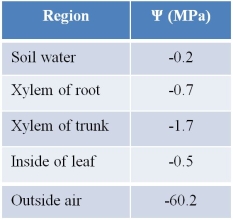 Based on this information, water in the xylem of this tree will
A) flow normally.
B) flow more slowly.
C) stop flowing.
D) flow toward the trunk.
E) reverse direction.
Based on this information, water in the xylem of this tree willA) flow normally.
B) flow more slowly.
C) stop flowing.
D) flow toward the trunk.
E) reverse direction.
سؤال
سؤال
سؤال
سؤال
سؤال
سؤال
سؤال
سؤال
سؤال
سؤال
سؤال
سؤال
سؤال
سؤال
سؤال
سؤال
سؤال
سؤال
سؤال
سؤال
سؤال
سؤال
سؤال
سؤال
سؤال
سؤال
سؤال
سؤال
سؤال
سؤال
سؤال
سؤال
سؤال
سؤال
سؤال
سؤال
سؤال
سؤال
سؤال
سؤال
سؤال
سؤال
سؤال
سؤال
سؤال
سؤال
سؤال
سؤال
سؤال
سؤال
سؤال
سؤال
سؤال
سؤال
سؤال

فتح الحزمة
قم بالتسجيل لفتح البطاقات في هذه المجموعة!
Unlock Deck
Unlock Deck
1/248

العب

ملء الشاشة (f)
Deck 34: Transport in Plants
1
Biotechnologists have isolated a single gene (HARDY) that plants use to regulate genes in response to stress.Scientists found that, when this gene is integrated into the genome of rice plants, the plants show a significant increase in water-use efficiency and become more tolerant of dry soil, relative to the wild type.This discovery is important because it has the potential to
A) limit the amount of pesticides needed to grow rice.
B) enable rice to grow in a wider range of environments.
C) enable rice plants to produce more grain per plant.
D) increase the vitamin A content of rice.
E) enable rice to grow under reduced amounts of sunlight.
A) limit the amount of pesticides needed to grow rice.
B) enable rice to grow in a wider range of environments.
C) enable rice plants to produce more grain per plant.
D) increase the vitamin A content of rice.
E) enable rice to grow under reduced amounts of sunlight.
B
2
Pure water is placed on either side of a semipermeable membrane through which water can pass.No net movement of water occurs because the water potential on each side has
A) a negative pressure potential.
B) a negative water potential.
C) positive water potential.
D) the same water potential as the other side.
E)an unstable pressure potential.
A) a negative pressure potential.
B) a negative water potential.
C) positive water potential.
D) the same water potential as the other side.
E)an unstable pressure potential.
D
3
A plant cell placed in distilled water will
A) expand until the solute potential reaches that of the distilled water.
B) become more turgid until the solute potential reaches that of the distilled water.
C) become less turgid until the solute potential reaches that of the distilled water.
D) become more turgid until the pressure potential of the cell reaches its solute potential.
E) become less turgid until the pressure potential of the cell reaches the outside water potential.
A) expand until the solute potential reaches that of the distilled water.
B) become more turgid until the solute potential reaches that of the distilled water.
C) become less turgid until the solute potential reaches that of the distilled water.
D) become more turgid until the pressure potential of the cell reaches its solute potential.
E) become less turgid until the pressure potential of the cell reaches the outside water potential.
D
4
Endodermal cells differ from other root cells in that endodermal cells
A) lack a symplast region.
B) are nonselective with regard to solute uptake.
C) have a high rate of water transport.
D) are completely surrounded by a waxy layer.
E) prevent the apoplastic movement of water and ions.
A) lack a symplast region.
B) are nonselective with regard to solute uptake.
C) have a high rate of water transport.
D) are completely surrounded by a waxy layer.
E) prevent the apoplastic movement of water and ions.
فتح الحزمة
افتح القفل للوصول البطاقات البالغ عددها 248 في هذه المجموعة.
فتح الحزمة
k this deck
5
Bulk flow moves solution from a region of _______ to a region of _______.
A) higher water potential; lower solute potential.
B) low turgor pressure; high turgor pressure.
C) higher pressure potential; lower pressure potential.
D) lower solute potential; higher solute potential.
E) lower pressure potential; higher pressure potential.
A) higher water potential; lower solute potential.
B) low turgor pressure; high turgor pressure.
C) higher pressure potential; lower pressure potential.
D) lower solute potential; higher solute potential.
E) lower pressure potential; higher pressure potential.
فتح الحزمة
افتح القفل للوصول البطاقات البالغ عددها 248 في هذه المجموعة.
فتح الحزمة
k this deck
6
The movement of water in plants caused by differences in pressure potential is called
A) osmosis.
B) passive transport.
C) diffusion.
D) active transport.
E) bulk flow.
A) osmosis.
B) passive transport.
C) diffusion.
D) active transport.
E) bulk flow.
فتح الحزمة
افتح القفل للوصول البطاقات البالغ عددها 248 في هذه المجموعة.
فتح الحزمة
k this deck
7
What happens when a large amount of water enters a plant cell?
A) Entry of water will increase as the water potential increases.
B) The cell will eventually become turgid, with no more net entry of water.
C) The water will move toward the region of more positive water potential.
D) The turgor pressure of the cell will be reduced.
E) The entry of the water will cause increased active transport into the cell.
A) Entry of water will increase as the water potential increases.
B) The cell will eventually become turgid, with no more net entry of water.
C) The water will move toward the region of more positive water potential.
D) The turgor pressure of the cell will be reduced.
E) The entry of the water will cause increased active transport into the cell.
فتح الحزمة
افتح القفل للوصول البطاقات البالغ عددها 248 في هذه المجموعة.
فتح الحزمة
k this deck
8
Water enters the xylem tissue from surrounding root cells via
A) active transport.
B) facilitated diffusion.
C) osmosis.
D) pressure pumping.
E) guttation.
A) active transport.
B) facilitated diffusion.
C) osmosis.
D) pressure pumping.
E) guttation.
فتح الحزمة
افتح القفل للوصول البطاقات البالغ عددها 248 في هذه المجموعة.
فتح الحزمة
k this deck
9
The pumping of protons (H+) out of a cell can trigger the movement of
A) K+ out of the cell and Cl- into the cell.
B) K+ into the cell and Cl- out of the cell.
C) both K+ and Cl- out of the cell.
D) both K+ and Cl- into the cell.
E) K+ into the cell, with no movement of Cl-.
A) K+ out of the cell and Cl- into the cell.
B) K+ into the cell and Cl- out of the cell.
C) both K+ and Cl- out of the cell.
D) both K+ and Cl- into the cell.
E) K+ into the cell, with no movement of Cl-.
فتح الحزمة
افتح القفل للوصول البطاقات البالغ عددها 248 في هذه المجموعة.
فتح الحزمة
k this deck
10
Active transport enables K+ ions to move again the concentration gradient because
A) they are coupled with H+ ions.
B) they are transported via proton pumps.
C) they are propelled by diffusion.
D) the electrical gradient causes them to enter the cell.
E) ATP-powered pumps move them into the cell.
A) they are coupled with H+ ions.
B) they are transported via proton pumps.
C) they are propelled by diffusion.
D) the electrical gradient causes them to enter the cell.
E) ATP-powered pumps move them into the cell.
فتح الحزمة
افتح القفل للوصول البطاقات البالغ عددها 248 في هذه المجموعة.
فتح الحزمة
k this deck
11
When the ion concentration inside root cells is higher than the concentration in the soil solution, ions in the soil solution can enter root cells by means of
A) simple diffusion.
B) active transport.
C) facilitated diffusion.
D) osmosis.
E) passive transport.
A) simple diffusion.
B) active transport.
C) facilitated diffusion.
D) osmosis.
E) passive transport.
فتح الحزمة
افتح القفل للوصول البطاقات البالغ عددها 248 في هذه المجموعة.
فتح الحزمة
k this deck
12
What gives plants the ability to effectively move water between cells?
A) Active transport
B) Gravity
C) Osmosis
D) Increasing turgor pressure
E) Decreasing permeability of cell membranes
A) Active transport
B) Gravity
C) Osmosis
D) Increasing turgor pressure
E) Decreasing permeability of cell membranes
فتح الحزمة
افتح القفل للوصول البطاقات البالغ عددها 248 في هذه المجموعة.
فتح الحزمة
k this deck
13
If the soil around a tall tree were contaminated by a large amount of salt, the tree would
A) continue to grow as before.
B) become stronger because of the increase in minerals.
C) require less water to maintain a water potential gradient.
D) likely die because the soil water potential would be lower than that of the root.
E) create more xylem to accommodate the extra mineral load in the soil around the tree.
A) continue to grow as before.
B) become stronger because of the increase in minerals.
C) require less water to maintain a water potential gradient.
D) likely die because the soil water potential would be lower than that of the root.
E) create more xylem to accommodate the extra mineral load in the soil around the tree.
فتح الحزمة
افتح القفل للوصول البطاقات البالغ عددها 248 في هذه المجموعة.
فتح الحزمة
k this deck
14
You spot a wilted impatiens plant on the windowsill.This wilting occurs when the _______ of a plant's cells is _______.
A) water potential; high
B) turgor pressure; high
C) interior solute concentration; high
D) solute potential; high
E) turgor pressure; low
A) water potential; high
B) turgor pressure; high
C) interior solute concentration; high
D) solute potential; high
E) turgor pressure; low
فتح الحزمة
افتح القفل للوصول البطاقات البالغ عددها 248 في هذه المجموعة.
فتح الحزمة
k this deck
15
Which of the following statements about aquaporins is true?
A) They are necessary to protect cells from toxins.
B) They are directly involved in mineral transport.
C) They increase water flow across cell membranes.
D) They block water from traveling between cells.
E) They contain transport proteins.
A) They are necessary to protect cells from toxins.
B) They are directly involved in mineral transport.
C) They increase water flow across cell membranes.
D) They block water from traveling between cells.
E) They contain transport proteins.
فتح الحزمة
افتح القفل للوصول البطاقات البالغ عددها 248 في هذه المجموعة.
فتح الحزمة
k this deck
16
Water potential, or the tendency of a solution to take up water from pure water (i.e., water with no solutes) is determined by both solute potential and pressure potential.Which of the following is true regarding the relationship between solute potential and pressure potential?
A) As solute potential increases, pressure potential also necessarily increases.
B) Pressure potential has little effect on water potential.
C) Water potential can be calculated by dividing solute potential by pressure potential.
D) Solute potential and pressure potential can vary independent of each other.
E) Water potential is ultimately determined more by solute potential than by pressure potential.
A) As solute potential increases, pressure potential also necessarily increases.
B) Pressure potential has little effect on water potential.
C) Water potential can be calculated by dividing solute potential by pressure potential.
D) Solute potential and pressure potential can vary independent of each other.
E) Water potential is ultimately determined more by solute potential than by pressure potential.
فتح الحزمة
افتح القفل للوصول البطاقات البالغ عددها 248 في هذه المجموعة.
فتح الحزمة
k this deck
17
In order to transport K+ ions into their cells, plants use
A) ATP to pump H+ out.
B) the sodium-potassium pump.
C) ATP to pump K+ in.
D) ATP to pump water in.
E) ATP to maintain the pressure gradient.
A) ATP to pump H+ out.
B) the sodium-potassium pump.
C) ATP to pump K+ in.
D) ATP to pump water in.
E) ATP to maintain the pressure gradient.
فتح الحزمة
افتح القفل للوصول البطاقات البالغ عددها 248 في هذه المجموعة.
فتح الحزمة
k this deck
18
Assume that two chambers of water are separated by a permeable membrane.The two chambers are under identical conditions, except that on one side of the membrane there is pure water, and on the other side there is a sucrose solution (i.e., sucrose dissolved in water).From measurements you determine that the side with the solution has a solute potential ( s) of -2.3 MPa.Which of the following is also likely to be true?
A) There will be no net movement of water.
B) For the side with the sucrose solution, p = 2.3 MPa.
C) For the side with the sucrose solution, total = -2.3 MPa.
D) For the side with the pure water, p = -2.3 MPa.
E) For the side with the pure water s = -2.3 MPa.
A) There will be no net movement of water.
B) For the side with the sucrose solution, p = 2.3 MPa.
C) For the side with the sucrose solution, total = -2.3 MPa.
D) For the side with the pure water, p = -2.3 MPa.
E) For the side with the pure water s = -2.3 MPa.
فتح الحزمة
افتح القفل للوصول البطاقات البالغ عددها 248 في هذه المجموعة.
فتح الحزمة
k this deck
19
Researchers conducting a study of leaf cell structure observe water beading up on the surface of a leaf.They conclude that the water in the leaf cells has
A) a high turgor pressure due to cell wall rigidity.
B) a high positive water potential.
C) an interior solute concentration like that of distilled water.
D) higher (or less negative) water potential than the water in the air surrounding the leaf.
E) reached equilibrium.
A) a high turgor pressure due to cell wall rigidity.
B) a high positive water potential.
C) an interior solute concentration like that of distilled water.
D) higher (or less negative) water potential than the water in the air surrounding the leaf.
E) reached equilibrium.
فتح الحزمة
افتح القفل للوصول البطاقات البالغ عددها 248 في هذه المجموعة.
فتح الحزمة
k this deck
20
In most cases, mineral nutrients enter the plant body directly from the environment by means of uptake
A) through the roots.
B) by the leaves.
C) from digested food molecules.
D) into vascular tissue.
E) through the stems.
A) through the roots.
B) by the leaves.
C) from digested food molecules.
D) into vascular tissue.
E) through the stems.
فتح الحزمة
افتح القفل للوصول البطاقات البالغ عددها 248 في هذه المجموعة.
فتح الحزمة
k this deck
21
Where would you look to find the Casparian strips in a prepared microscope slide of root tissue?
A) In the symplast
B) In the epidermis
C) In the apoplast
D) In the endodermis
E) In a layer of pericycle cells
A) In the symplast
B) In the epidermis
C) In the apoplast
D) In the endodermis
E) In a layer of pericycle cells
فتح الحزمة
افتح القفل للوصول البطاقات البالغ عددها 248 في هذه المجموعة.
فتح الحزمة
k this deck
22
Which comes first in the uptake and transport of water on a sunny day: cohesion or tension?
A) Cohesion
B) Tension
C) Both; they are simultaneous
D) Neither; adhesion can replace both
E) Neither; adhesion prevents both
A) Cohesion
B) Tension
C) Both; they are simultaneous
D) Neither; adhesion can replace both
E) Neither; adhesion prevents both
فتح الحزمة
افتح القفل للوصول البطاقات البالغ عددها 248 في هذه المجموعة.
فتح الحزمة
k this deck
23
Parenchyma cells within the stele facilitate movement of minerals from the _______ into the _______.
A) cell wall; cytoplasm
B) cytoplasm; apoplast
C) apoplast; cell wall of the neighboring cell
D) cytoplasm; cytoplasm of the neighboring cell
E) apoplast; cytoplasm of the neighboring cell
A) cell wall; cytoplasm
B) cytoplasm; apoplast
C) apoplast; cell wall of the neighboring cell
D) cytoplasm; cytoplasm of the neighboring cell
E) apoplast; cytoplasm of the neighboring cell
فتح الحزمة
افتح القفل للوصول البطاقات البالغ عددها 248 في هذه المجموعة.
فتح الحزمة
k this deck
24
Capillary action is propelled principally by
A) gravity.
B) water potential.
C) pressure potential.
D) adhesive forces between water and its container.
E) cohesive forces between water molecules.
A) gravity.
B) water potential.
C) pressure potential.
D) adhesive forces between water and its container.
E) cohesive forces between water molecules.
فتح الحزمة
افتح القفل للوصول البطاقات البالغ عددها 248 في هذه المجموعة.
فتح الحزمة
k this deck
25
The following table shows measurements of water potential at various locations in a 100-foot-tall tree. Based on this information, water in the xylem of this tree will
A) flow normally.
B) flow more slowly.
C) stop flowing.
D) flow toward the trunk.
E) reverse direction.
Based on this information, water in the xylem of this tree willA) flow normally.
B) flow more slowly.
C) stop flowing.
D) flow toward the trunk.
E) reverse direction.
فتح الحزمة
افتح القفل للوصول البطاقات البالغ عددها 248 في هذه المجموعة.
فتح الحزمة
k this deck
26
Which of the following statements about the apoplast (the transport route through intercellular spaces) is true?
A) Osmosis of water is involved.
B) Movement of materials is regulated by membranes.
C) Water and solutes can move by bulk flow.
D) Plasmodesmata are involved.
E) Water and solutes enter the stele via this channel.
A) Osmosis of water is involved.
B) Movement of materials is regulated by membranes.
C) Water and solutes can move by bulk flow.
D) Plasmodesmata are involved.
E) Water and solutes enter the stele via this channel.
فتح الحزمة
افتح القفل للوصول البطاقات البالغ عددها 248 في هذه المجموعة.
فتح الحزمة
k this deck
27
Cohesion is the tendency of water molecules to attract _______ molecules by means of _______ bonds.
A) other water; covalent
B) other water; hydrogen
C) cellulose; covalent
D) cellulose; hydrogen
E) lignin; covalent
A) other water; covalent
B) other water; hydrogen
C) cellulose; covalent
D) cellulose; hydrogen
E) lignin; covalent
فتح الحزمة
افتح القفل للوصول البطاقات البالغ عددها 248 في هذه المجموعة.
فتح الحزمة
k this deck
28
In which plant might capillary action be enough to sufficiently transport water?
A) A very short plant with large xylem vessels
B) A very short plant with very narrow xylem vessels
C) A tall tree with large xylem vessels
D) A tall tree with narrow xylem vessels
E) A flowering plant
A) A very short plant with large xylem vessels
B) A very short plant with very narrow xylem vessels
C) A tall tree with large xylem vessels
D) A tall tree with narrow xylem vessels
E) A flowering plant
فتح الحزمة
افتح القفل للوصول البطاقات البالغ عددها 248 في هذه المجموعة.
فتح الحزمة
k this deck
29
The uptake of ions in plant cells is influenced by all of the following except
A) electrical gradient.
B) concentration gradient.
C) ionic balance.
D) the pumping of H+.
E) cell wall rigidity.
A) electrical gradient.
B) concentration gradient.
C) ionic balance.
D) the pumping of H+.
E) cell wall rigidity.
فتح الحزمة
افتح القفل للوصول البطاقات البالغ عددها 248 في هذه المجموعة.
فتح الحزمة
k this deck
30
At one point it was thought that capillary action was responsible for the flow of water through tree xylem.It was later found that capillary action could not account for the flow of water because
A) xylem vessels are too large to be able to draw water through capillary action.
B) xylem vessels are too narrow to be able to draw water through capillary action.
C) capillary action is not strong enough to draw water mixed with solutes.
D) xylem breaks water surface tension, making capillary action impossible.
E) capillary action is not strong enough to move water more than a short distance.
A) xylem vessels are too large to be able to draw water through capillary action.
B) xylem vessels are too narrow to be able to draw water through capillary action.
C) capillary action is not strong enough to draw water mixed with solutes.
D) xylem breaks water surface tension, making capillary action impossible.
E) capillary action is not strong enough to move water more than a short distance.
فتح الحزمة
افتح القفل للوصول البطاقات البالغ عددها 248 في هذه المجموعة.
فتح الحزمة
k this deck
31
Cell walls impregnated with water-repellent suberin are found in the cells of the
A) root hairs.
B) cortex.
C) tracheids.
D) pericycle.
E) endodermis.
A) root hairs.
B) cortex.
C) tracheids.
D) pericycle.
E) endodermis.
فتح الحزمة
افتح القفل للوصول البطاقات البالغ عددها 248 في هذه المجموعة.
فتح الحزمة
k this deck
32
The fact that there is one continuous column of water within the xylem is best explained by
A) transpiration.
B) differences in pressure potential.
C) the force of gravity pushing down on the water column.
D) the force of cohesion.
E) osmosis drawing water into the xylem.
A) transpiration.
B) differences in pressure potential.
C) the force of gravity pushing down on the water column.
D) the force of cohesion.
E) osmosis drawing water into the xylem.
فتح الحزمة
افتح القفل للوصول البطاقات البالغ عددها 248 في هذه المجموعة.
فتح الحزمة
k this deck
33
Which process accounts for the movement of water upward through a narrow tube?
A) Adhesion of water molecules to the tube via hydrogen bonding
B) Negative water potential in the xylem
C) Active transport of water molecules
D) Passive osmosis of water following ion movement
E) Pumping of water into the phloem
A) Adhesion of water molecules to the tube via hydrogen bonding
B) Negative water potential in the xylem
C) Active transport of water molecules
D) Passive osmosis of water following ion movement
E) Pumping of water into the phloem
فتح الحزمة
افتح القفل للوصول البطاقات البالغ عددها 248 في هذه المجموعة.
فتح الحزمة
k this deck
34
The unbroken column of water from the roots to the highest leaves is kept intact by
A) tension.
B) transpiration.
C) atmospheric pressure.
D) cohesion.
E) evaporation.
A) tension.
B) transpiration.
C) atmospheric pressure.
D) cohesion.
E) evaporation.
فتح الحزمة
افتح القفل للوصول البطاقات البالغ عددها 248 في هذه المجموعة.
فتح الحزمة
k this deck
35
Water potential is the highest (i.e., least negative)
A) in the xylem of the roots.
B) in the xylem of the trunk.
C) inside the leaf.
D) just outside the leaf.
E) nowhere; water potential is constant throughout.
A) in the xylem of the roots.
B) in the xylem of the trunk.
C) inside the leaf.
D) just outside the leaf.
E) nowhere; water potential is constant throughout.
فتح الحزمة
افتح القفل للوصول البطاقات البالغ عددها 248 في هذه المجموعة.
فتح الحزمة
k this deck
36
Without a Casparian strip, which of the following would likely take place?
A) Water and solutes would pass freely from endodermal cells to cortex cells.
B) Water would not be taken up by the roots.
C) Active transport would cease.
D) Water and solutes from the apoplast would not be able to reach the endodermis.
E) Solutes would remain in the symplast.
A) Water and solutes would pass freely from endodermal cells to cortex cells.
B) Water would not be taken up by the roots.
C) Active transport would cease.
D) Water and solutes from the apoplast would not be able to reach the endodermis.
E) Solutes would remain in the symplast.
فتح الحزمة
افتح القفل للوصول البطاقات البالغ عددها 248 في هذه المجموعة.
فتح الحزمة
k this deck
37
In an experiment investigating the flow of water through xylem, scientists removed the roots from a tree and then placed the base in a vat of poison.The poison moved up the tree, killing all living cells as it went.How would the results differ if scientists had also removed the leaves of the tree?
A) The results would have been the same.
B) The poison would have flowed more forcefully.
C) The poison would have flowed in the same direction, but much more slowly.
D) The poison would not have flowed at all.
E) The flow rate would gradually slow.
A) The results would have been the same.
B) The poison would have flowed more forcefully.
C) The poison would have flowed in the same direction, but much more slowly.
D) The poison would not have flowed at all.
E) The flow rate would gradually slow.
فتح الحزمة
افتح القفل للوصول البطاقات البالغ عددها 248 في هذه المجموعة.
فتح الحزمة
k this deck
38
A newly developed fluorescent stain only stains the plasmodesmata.It is therefore marketed to plant physiologists as a product that will be useful for tracking movement through part of the _______ transport route.
A) apoplastic
B) symplastic
C) cohesive
D) bulk
E) electrical gradient
A) apoplastic
B) symplastic
C) cohesive
D) bulk
E) electrical gradient
فتح الحزمة
افتح القفل للوصول البطاقات البالغ عددها 248 في هذه المجموعة.
فتح الحزمة
k this deck
39
Were it not for leaves, which of the following would most likely happen to water in the xylem?
A) It would be drawn upward in the xylem but would not evaporate.
B) It would flow normally up the xylem but at a decreased rate.
C) It would flow more quickly upward through the xylem.
D) It would flow upward in the trunk but no farther.
E) It would move into the xylem at the roots but not progress any farther.
A) It would be drawn upward in the xylem but would not evaporate.
B) It would flow normally up the xylem but at a decreased rate.
C) It would flow more quickly upward through the xylem.
D) It would flow upward in the trunk but no farther.
E) It would move into the xylem at the roots but not progress any farther.
فتح الحزمة
افتح القفل للوصول البطاقات البالغ عددها 248 في هذه المجموعة.
فتح الحزمة
k this deck
40
You are working on a self-directed lab for an online-only general biology course.The instructions say to apply a stain to a section of spinach leaf, and that this stain will form color only in the apoplast.Which of the following will be colored?
A) Cell walls
B) Plasma membranes
C) Plasmodesmata
D) Cytoplasm
E) Vacuoles
A) Cell walls
B) Plasma membranes
C) Plasmodesmata
D) Cytoplasm
E) Vacuoles
فتح الحزمة
افتح القفل للوصول البطاقات البالغ عددها 248 في هذه المجموعة.
فتح الحزمة
k this deck
41
All of the following play a role in the closing of stomata except
A) abscisic acid.
B) the diffusion of K+ and Cl- ions.
C) the absence of light.
D) the pumping out of protons from the guard cell.
E) the outward flow of water from the guard cell.
A) abscisic acid.
B) the diffusion of K+ and Cl- ions.
C) the absence of light.
D) the pumping out of protons from the guard cell.
E) the outward flow of water from the guard cell.
فتح الحزمة
افتح القفل للوصول البطاقات البالغ عددها 248 في هذه المجموعة.
فتح الحزمة
k this deck
42
Which statement is true regarding the distinction between monocots and eudicots?
A) Monocots lack guard cells.
B) Monocots typically have fewer stomata.
C) Monocots typically have specialized epidermal cells associated with guard cells.
D) Monocots lack proton pumps in their guard cells.
E) Monocots are not as sensitive to changes in light levels.
A) Monocots lack guard cells.
B) Monocots typically have fewer stomata.
C) Monocots typically have specialized epidermal cells associated with guard cells.
D) Monocots lack proton pumps in their guard cells.
E) Monocots are not as sensitive to changes in light levels.
فتح الحزمة
افتح القفل للوصول البطاقات البالغ عددها 248 في هذه المجموعة.
فتح الحزمة
k this deck
43
When Marcello Malpighi removed the bark from a tree to examine the flow of solutes, he discovered that over time _______ indicating that _______.
A) the bark below the girdle swelled; a solution coming from the roots had been trapped
B) the bark below the girdle shrank; the flow of water in the xylem had ceased
C) the bark above the girdle swelled; the flow of solutes in the phloem had stopped
D) there was no noticeable change; solutes are transported in the xylem
E) the region above and below the girdle swelled; the flow of solutes is bidirectional
A) the bark below the girdle swelled; a solution coming from the roots had been trapped
B) the bark below the girdle shrank; the flow of water in the xylem had ceased
C) the bark above the girdle swelled; the flow of solutes in the phloem had stopped
D) there was no noticeable change; solutes are transported in the xylem
E) the region above and below the girdle swelled; the flow of solutes is bidirectional
فتح الحزمة
افتح القفل للوصول البطاقات البالغ عددها 248 في هذه المجموعة.
فتح الحزمة
k this deck
44
In which of the following conditions do plants close their stomata?
A) Bright sunlight
B) Water stress
C) Low CO2
D) Lack of wind
E) Warm temperatures
A) Bright sunlight
B) Water stress
C) Low CO2
D) Lack of wind
E) Warm temperatures
فتح الحزمة
افتح القفل للوصول البطاقات البالغ عددها 248 في هذه المجموعة.
فتح الحزمة
k this deck
45
Which structure of the leaf most minimizes water loss?
A) Cortex
B) Epidermis
C) Cuticle
D) Phloem
E) Xylem
A) Cortex
B) Epidermis
C) Cuticle
D) Phloem
E) Xylem
فتح الحزمة
افتح القفل للوصول البطاقات البالغ عددها 248 في هذه المجموعة.
فتح الحزمة
k this deck
46
The transpiration-cohesion-tension mechanism explains how
A) water is lost from leaf openings.
B) water is transported in the xylem.
C) water and minerals enter the root.
D) solutes are translocated within the phloem.
E) leaf epidermal cells minimize water loss.
A) water is lost from leaf openings.
B) water is transported in the xylem.
C) water and minerals enter the root.
D) solutes are translocated within the phloem.
E) leaf epidermal cells minimize water loss.
فتح الحزمة
افتح القفل للوصول البطاقات البالغ عددها 248 في هذه المجموعة.
فتح الحزمة
k this deck
47
What is the primary reason for plants closing their stomata when it gets dark?
A) This prevents the acquisition of excessive moisture.
B) The plant is able to seal in CO2 when its stomata are closed.
C) This prevents loss of oxygen while the plant is "resting."
D) This protects the plant against predation by microscopic pests.
E) CO2 is not needed when photosynthesis is not taking place.
A) This prevents the acquisition of excessive moisture.
B) The plant is able to seal in CO2 when its stomata are closed.
C) This prevents loss of oxygen while the plant is "resting."
D) This protects the plant against predation by microscopic pests.
E) CO2 is not needed when photosynthesis is not taking place.
فتح الحزمة
افتح القفل للوصول البطاقات البالغ عددها 248 في هذه المجموعة.
فتح الحزمة
k this deck
48
Guard cells respond to changes in
A) water potential.
B) temperature and sucrose concentration.
C) light levels and CO2 concentration.
D) K+ levels and temperature.
E) K+ levels and light level.
A) water potential.
B) temperature and sucrose concentration.
C) light levels and CO2 concentration.
D) K+ levels and temperature.
E) K+ levels and light level.
فتح الحزمة
افتح القفل للوصول البطاقات البالغ عددها 248 في هذه المجموعة.
فتح الحزمة
k this deck
49
Which of the following statements about the movement of potassium ions is true?
A) K+ enters guard cells, water follows, and the cells become turgid.
B) K+ leaves guard cells, and they become less turgid.
C) K+ enters guard cells, and they become less turgid.
D) K+ leaves guard cells, and they become turgid.
E) K+ reaches equilibrium in guard cells and their surroundings.
A) K+ enters guard cells, water follows, and the cells become turgid.
B) K+ leaves guard cells, and they become less turgid.
C) K+ enters guard cells, and they become less turgid.
D) K+ leaves guard cells, and they become turgid.
E) K+ reaches equilibrium in guard cells and their surroundings.
فتح الحزمة
افتح القفل للوصول البطاقات البالغ عددها 248 في هذه المجموعة.
فتح الحزمة
k this deck
50
Mineral ions dissolved in water move within the stem xylem
A) by means of the pumping action of various cells.
B) by means of active transport.
C) because of root pressure.
D) by osmosis.
E) by bulk flow.
A) by means of the pumping action of various cells.
B) by means of active transport.
C) because of root pressure.
D) by osmosis.
E) by bulk flow.
فتح الحزمة
افتح القفل للوصول البطاقات البالغ عددها 248 في هذه المجموعة.
فتح الحزمة
k this deck
51
Which of the following could be considered a strong piece of evidence for the theory that cohesion plays an important role in the movement of water through the xylem?
A) There is a continuous column of water in the xylem.
B) There is a significant difference in water potential between the soil and the air.
C) Removing leaves from a tree stops the flow of water.
D) Measurements of xylem pressure in cut stems show negative pressure potentials.
E) Water enters the roots from the soil through osmosis.
A) There is a continuous column of water in the xylem.
B) There is a significant difference in water potential between the soil and the air.
C) Removing leaves from a tree stops the flow of water.
D) Measurements of xylem pressure in cut stems show negative pressure potentials.
E) Water enters the roots from the soil through osmosis.
فتح الحزمة
افتح القفل للوصول البطاقات البالغ عددها 248 في هذه المجموعة.
فتح الحزمة
k this deck
52
Stomata are
A) unique to monocots.
B) unique to eudicots.
C) unique to vascular plants.
D) unique to desert plants.
E) ancient structures found among nearly all plant species.
A) unique to monocots.
B) unique to eudicots.
C) unique to vascular plants.
D) unique to desert plants.
E) ancient structures found among nearly all plant species.
فتح الحزمة
افتح القفل للوصول البطاقات البالغ عددها 248 في هذه المجموعة.
فتح الحزمة
k this deck
53
The plant cells that lose large amounts of water most directly and thus generate the low water potential that pulls water up from the roots are the
A) mesophyll cells.
B) guard cells.
C) root hairs.
D) epidermal cells.
E) xylem cells.
A) mesophyll cells.
B) guard cells.
C) root hairs.
D) epidermal cells.
E) xylem cells.
فتح الحزمة
افتح القفل للوصول البطاقات البالغ عددها 248 في هذه المجموعة.
فتح الحزمة
k this deck
54
The evaporative loss of water from the leaf is called
A) translocation.
B) transformation.
C) transportation.
D) transpiration.
E) transfection.
A) translocation.
B) transformation.
C) transportation.
D) transpiration.
E) transfection.
فتح الحزمة
افتح القفل للوصول البطاقات البالغ عددها 248 في هذه المجموعة.
فتح الحزمة
k this deck
55
Which process can take place without the presence of living cells?
A) Osmosis
B) Transpiration
C) Translocation
D) Active transport
E) Facilitated diffusion
A) Osmosis
B) Transpiration
C) Translocation
D) Active transport
E) Facilitated diffusion
فتح الحزمة
افتح القفل للوصول البطاقات البالغ عددها 248 في هذه المجموعة.
فتح الحزمة
k this deck
56
When are stomata most likely to be closed?
A) When rates of photosynthesis are high
B) During the day
C) During periods of high water loss
D) During times of high CO2 demand
E) At all times; stomata are always closed
A) When rates of photosynthesis are high
B) During the day
C) During periods of high water loss
D) During times of high CO2 demand
E) At all times; stomata are always closed
فتح الحزمة
افتح القفل للوصول البطاقات البالغ عددها 248 في هذه المجموعة.
فتح الحزمة
k this deck
57
Transpiration is principally due to
A) the flow of water into the roots by osmosis.
B) xylem pressure in the stem.
C) capillary action.
D) the continuity of the water column.
E) a large, negative water potential difference between water in the leaf and water in the atmosphere.
A) the flow of water into the roots by osmosis.
B) xylem pressure in the stem.
C) capillary action.
D) the continuity of the water column.
E) a large, negative water potential difference between water in the leaf and water in the atmosphere.
فتح الحزمة
افتح القفل للوصول البطاقات البالغ عددها 248 في هذه المجموعة.
فتح الحزمة
k this deck
58
Tension in the xylem is essentially
A) negative pressure.
B) cohesion.
C) adhesion.
D) osmosis.
E) turgor.
A) negative pressure.
B) cohesion.
C) adhesion.
D) osmosis.
E) turgor.
فتح الحزمة
افتح القفل للوصول البطاقات البالغ عددها 248 في هذه المجموعة.
فتح الحزمة
k this deck
59
The tension required to move water up the stem is generated from the
A) stem.
B) root hairs.
C) leaves.
D) roots.
E) guard cells.
A) stem.
B) root hairs.
C) leaves.
D) roots.
E) guard cells.
فتح الحزمة
افتح القفل للوصول البطاقات البالغ عددها 248 في هذه المجموعة.
فتح الحزمة
k this deck
60
As a tree begins transpiring in the morning, tension occurs first in the
A) branches.
B) leaves.
C) trunk.
D) roots.
E) bark.
A) branches.
B) leaves.
C) trunk.
D) roots.
E) bark.
فتح الحزمة
افتح القفل للوصول البطاقات البالغ عددها 248 في هذه المجموعة.
فتح الحزمة
k this deck
61
The increase in pressure potential at the source end of the sieve tube is caused by the uptake of water.The water enters the sieve tubes through
A) osmosis.
B) active transport.
C) gravity.
D) translocation.
E) bulk flow.
A) osmosis.
B) active transport.
C) gravity.
D) translocation.
E) bulk flow.
فتح الحزمة
افتح القفل للوصول البطاقات البالغ عددها 248 في هذه المجموعة.
فتح الحزمة
k this deck
62
Bulk flow of water through xylem is stopped by
A) metabolic inhibitors.
B) closed stomata.
C) accumulation of K+ in guard cells.
D) blue light.
E) surface tension.
A) metabolic inhibitors.
B) closed stomata.
C) accumulation of K+ in guard cells.
D) blue light.
E) surface tension.
فتح الحزمة
افتح القفل للوصول البطاقات البالغ عددها 248 في هذه المجموعة.
فتح الحزمة
k this deck
63
Which statement about the use of aphids and the use of dye to study transport in plants is true?
A) Only the former process makes use of living organisms.
B) The former process involves penetration of the stem without the need for cutting, whereas the latter requires a cut.
C) Aphids stay permanently attached to the stem, whereas the dye does not.
D) Aphids can be used to study both phloem and xylem, whereas dye can be used only to study xylem.
E) Neither of these methods gives reliable data about transport in plants.
A) Only the former process makes use of living organisms.
B) The former process involves penetration of the stem without the need for cutting, whereas the latter requires a cut.
C) Aphids stay permanently attached to the stem, whereas the dye does not.
D) Aphids can be used to study both phloem and xylem, whereas dye can be used only to study xylem.
E) Neither of these methods gives reliable data about transport in plants.
فتح الحزمة
افتح القفل للوصول البطاقات البالغ عددها 248 في هذه المجموعة.
فتح الحزمة
k this deck
64
The general purpose of a sink (for a plant) is to
A) produce energy.
B) store water.
C) store carbohydrates.
D) store K+ ions.
E) transport water.
A) produce energy.
B) store water.
C) store carbohydrates.
D) store K+ ions.
E) transport water.
فتح الحزمة
افتح القفل للوصول البطاقات البالغ عددها 248 في هذه المجموعة.
فتح الحزمة
k this deck
65
Sieve tube elements lose most of their contents (Golgi apparatus, nucleus, etc.) as they develop.Which of the following makes this possible?
A) They get all the nutrients they need through the phloem.
B) They are effectively cared for by companion cells.
C) They are able to regenerate these structures as necessary.
D) They rely on their neighboring sieve tube elements to transport nutrients necessary for survival.
E) Sieve tube elements die shortly after they develop, but this does not prevent them from functioning.
A) They get all the nutrients they need through the phloem.
B) They are effectively cared for by companion cells.
C) They are able to regenerate these structures as necessary.
D) They rely on their neighboring sieve tube elements to transport nutrients necessary for survival.
E) Sieve tube elements die shortly after they develop, but this does not prevent them from functioning.
فتح الحزمة
افتح القفل للوصول البطاقات البالغ عددها 248 في هذه المجموعة.
فتح الحزمة
k this deck
66
A researcher injects tritium-labeled water low on the stem of a plant to follow transport activity.When this tritium-labeled water is found in the sap of mature leaf phloem, it can be traced back to its injection site in the stem
A) epidermis.
B) pith.
C) xylem.
D) phloem.
E) cortex.
A) epidermis.
B) pith.
C) xylem.
D) phloem.
E) cortex.
فتح الحزمة
افتح القفل للوصول البطاقات البالغ عددها 248 في هذه المجموعة.
فتح الحزمة
k this deck
67
Companion cells are linked with their sieve tube elements through
A) sieve plates.
B) plasmodesmata.
C) xylem vessels.
D) mesophyll cells.
E) bulk flow.
A) sieve plates.
B) plasmodesmata.
C) xylem vessels.
D) mesophyll cells.
E) bulk flow.
فتح الحزمة
افتح القفل للوصول البطاقات البالغ عددها 248 في هذه المجموعة.
فتح الحزمة
k this deck
68
If a tree is girdled when its leaves are expanded and photosynthetically active, the bark will swell in the region _______ the girdle, and the _______ will die before the rest of the tree.
A) below; roots
B) below; branches
C) below; leaves
D) above; roots
E) above; branches
A) below; roots
B) below; branches
C) below; leaves
D) above; roots
E) above; branches
فتح الحزمة
افتح القفل للوصول البطاقات البالغ عددها 248 في هذه المجموعة.
فتح الحزمة
k this deck
69
Which statement regarding sinks and sources is false?
A) Certain plant structures can potentially be either sinks or sources, depending on the circumstances.
B) Translocation connects sources to sinks.
C) Fruits can be considered either sinks or sources.
D) Bulk flow connects sources to sinks.
E) A flower can be considered a sink as well as a source.
A) Certain plant structures can potentially be either sinks or sources, depending on the circumstances.
B) Translocation connects sources to sinks.
C) Fruits can be considered either sinks or sources.
D) Bulk flow connects sources to sinks.
E) A flower can be considered a sink as well as a source.
فتح الحزمة
افتح القفل للوصول البطاقات البالغ عددها 248 في هذه المجموعة.
فتح الحزمة
k this deck
70
What happens to the guard cells as K+ and Cl- enter the cell?
A) The water potential goes up (i.e., becomes less negative).
B) The water potential goes down (i.e., becomes more negative).
C) Water leaves by osmosis.
D) The stoma closes.
E) The guard cells shrink.
A) The water potential goes up (i.e., becomes less negative).
B) The water potential goes down (i.e., becomes more negative).
C) Water leaves by osmosis.
D) The stoma closes.
E) The guard cells shrink.
فتح الحزمة
افتح القفل للوصول البطاقات البالغ عددها 248 في هذه المجموعة.
فتح الحزمة
k this deck
71
An aphid is found drinking sugars and amino acids from a melon plant.Its stylet must have entered the
A) phloem.
B) xylem.
C) pericycle.
D) endodermis.
E) guard cells.
A) phloem.
B) xylem.
C) pericycle.
D) endodermis.
E) guard cells.
فتح الحزمة
افتح القفل للوصول البطاقات البالغ عددها 248 في هذه المجموعة.
فتح الحزمة
k this deck
72
K+ ions initiate stomatal closing by means of
A) active transport into the guard cells.
B) active transport out of the guard cells.
C) active transport from one guard cell to another.
D) diffusion into the guard cells.
E) diffusion out of the guard cells.
A) active transport into the guard cells.
B) active transport out of the guard cells.
C) active transport from one guard cell to another.
D) diffusion into the guard cells.
E) diffusion out of the guard cells.
فتح الحزمة
افتح القفل للوصول البطاقات البالغ عددها 248 في هذه المجموعة.
فتح الحزمة
k this deck
73
A newly discovered kind of coconut plant has leaves with increased uptake of CO2 compared to leaves of other types of coconuts.What modification might best account for the difference?
A) Thicker waxy cuticle
B) Lower rate of water vapor loss
C) Lack of response to darkness
D) Electric imbalance in guard cells
E) Stomata that are more open
A) Thicker waxy cuticle
B) Lower rate of water vapor loss
C) Lack of response to darkness
D) Electric imbalance in guard cells
E) Stomata that are more open
فتح الحزمة
افتح القفل للوصول البطاقات البالغ عددها 248 في هذه المجموعة.
فتح الحزمة
k this deck
74
When faced with significant water loss over an extended period of time, a plant's likely survival strategy is to
A) shed leaves.
B) increase the number of stomata.
C) decrease the number of stomata.
D) increase the concentration of K+ ions.
E) lower the concentration of abscisic acid.
A) shed leaves.
B) increase the number of stomata.
C) decrease the number of stomata.
D) increase the concentration of K+ ions.
E) lower the concentration of abscisic acid.
فتح الحزمة
افتح القفل للوصول البطاقات البالغ عددها 248 في هذه المجموعة.
فتح الحزمة
k this deck
75
A researcher uses aphid stylets to collect the phloem sap from 27 different families of flowering plants.The most commonly found sugar in the phloem is likely to be
A) glucose.
B) xylose.
C) sucrose.
D) ribulose.
E) ribose.
A) glucose.
B) xylose.
C) sucrose.
D) ribulose.
E) ribose.
فتح الحزمة
افتح القفل للوصول البطاقات البالغ عددها 248 في هذه المجموعة.
فتح الحزمة
k this deck
76
What happens to a plant's stomata at night, and why?
A) They open to take in water.
B) They open to take in CO2.
C) They close to prevent water loss.
D) They close to prevent CO2 loss.
E) They close to exclude O2.
A) They open to take in water.
B) They open to take in CO2.
C) They close to prevent water loss.
D) They close to prevent CO2 loss.
E) They close to exclude O2.
فتح الحزمة
افتح القفل للوصول البطاقات البالغ عددها 248 في هذه المجموعة.
فتح الحزمة
k this deck
77
To initiate stomatal opening, K+ ions
A) are actively transported into guard cells.
B) passively diffuse out of guard cells.
C) are driven into guard cells by a charge gradient.
D) are actively transported out of guard cells.
E) bond to receptor sites on guard cell walls.
A) are actively transported into guard cells.
B) passively diffuse out of guard cells.
C) are driven into guard cells by a charge gradient.
D) are actively transported out of guard cells.
E) bond to receptor sites on guard cell walls.
فتح الحزمة
افتح القفل للوصول البطاقات البالغ عددها 248 في هذه المجموعة.
فتح الحزمة
k this deck
78
The flow rate in the phloem of a maple tree can be as high as _______ cm per hour.
A) 0.01
B) 0.1
C) 1
D) 10
E) 100
A) 0.01
B) 0.1
C) 1
D) 10
E) 100
فتح الحزمة
افتح القفل للوصول البطاقات البالغ عددها 248 في هذه المجموعة.
فتح الحزمة
k this deck
79
Cells in the leaf release abscisic acid in response to
A) an excessively negative water potential.
B) a reduction in CO2.
C) the reduction in light at night.
D) an increase of Cl- in the guard cells.
E) an increase in K+ in the guard cells.
A) an excessively negative water potential.
B) a reduction in CO2.
C) the reduction in light at night.
D) an increase of Cl- in the guard cells.
E) an increase in K+ in the guard cells.
فتح الحزمة
افتح القفل للوصول البطاقات البالغ عددها 248 في هذه المجموعة.
فتح الحزمة
k this deck
80
A botanist is curious about the contents of the phloem in a newly discovered relative of limes.The best way to obtain this information is to
A) use tiny drills and capillary pipettes.
B) collect material from stylets of aphids that are infecting the tree.
C) obtain liquids oozing from cut lime stem surfaces.
D) collect droplets formed by guttation.
E) gather the tree's mycorrhizal fungi for subsequent analysis.
A) use tiny drills and capillary pipettes.
B) collect material from stylets of aphids that are infecting the tree.
C) obtain liquids oozing from cut lime stem surfaces.
D) collect droplets formed by guttation.
E) gather the tree's mycorrhizal fungi for subsequent analysis.
فتح الحزمة
افتح القفل للوصول البطاقات البالغ عددها 248 في هذه المجموعة.
فتح الحزمة
k this deck
فتح الحزمة
افتح القفل للوصول البطاقات البالغ عددها 248 في هذه المجموعة.






