







 تكلم مع الذكاء الاصطناعي


Deck 11: Displacement Reactions on Saturated Carbons
ملء الشاشة (f)

سؤال
Which of the following is the stronger nucleophile and why? 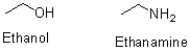
A)Ethanol is stronger because oxygen is more electronegative than nitrogen.
B)Ethanamine is stronger because nitrogen is less electronegative than oxygen.
C)Ethanol is stronger because oxygen has a smaller atomic radius than nitrogen.
D)Ethanamine is stronger because nitrogen has a larger atomic radius than oxygen.
A)Ethanol is stronger because oxygen is more electronegative than nitrogen.
B)Ethanamine is stronger because nitrogen is less electronegative than oxygen.
C)Ethanol is stronger because oxygen has a smaller atomic radius than nitrogen.
D)Ethanamine is stronger because nitrogen has a larger atomic radius than oxygen.

سؤال
سؤال
سؤال
سؤال
سؤال
سؤال
سؤال
سؤال
Which of the following electrophiles would have the greatest rate in an SN2 reaction?
A)
B)
C)
D)
A)
B)
C)
D)
سؤال
سؤال
سؤال
سؤال
Given the conditions provided in the reaction scheme below,what would be the expected product? 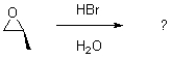
A)
B)
C)
D)
A)
B)
C)
D)
سؤال
سؤال
Which of the following would NOT form a stabilized carbocation in an SN1 reaction mechanism?
A)
B)
C)
D)
A)
B)
C)
D)
سؤال
سؤال
Which of the following would act as the leaving group in the reaction shown below? 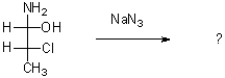
A)(-OH)
B)(-NH2)
C)(-CH3)
D)(-Cl)
A)(-OH)
B)(-NH2)
C)(-CH3)
D)(-Cl)
سؤال
Which is the stronger nucleophile shown below and why? 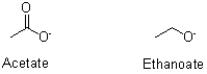
A)Acetate is stronger because the charge is delocalized.
B)Ethanoate is stronger because the charge is not delocalized.
C)Ethanoate is stronger because it is less sterically hindered.
D)Both acetate and ethanoate are equally strong nucleophiles.
A)Acetate is stronger because the charge is delocalized.
B)Ethanoate is stronger because the charge is not delocalized.
C)Ethanoate is stronger because it is less sterically hindered.
D)Both acetate and ethanoate are equally strong nucleophiles.
سؤال
سؤال
سؤال
Which of the following would be the most stable carbocation?
A)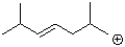
B)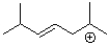
C)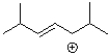
D)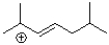
A)
B)
C)
D)
سؤال
سؤال
سؤال
Which of the following would be the major product of the reaction shown below? 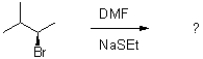
A)
B)
C)
D)
A)
B)
C)
D)
سؤال
How would you best describe the alkyl halide shown below? 
A)primary
B)secondary
C)tertiary
D)quaternary
A)primary
B)secondary
C)tertiary
D)quaternary
سؤال
Which of the following electrophiles would undergo the slowest rate of reaction?
A)
B)
C)
D)
A)
B)
C)
D)
سؤال
What is the product of the epoxide opening reaction under basic conditions shown below? 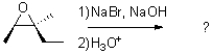
A)
B)
C)
D)
A)
B)
C)
D)
سؤال
سؤال
Which of the following is the strongest nucleophile?
A)
B)
C)
D)
A)
B)
C)
D)
سؤال
Which of the following mechanisms is preferred for the electrophile shown below? 
A)SN1
B)SN2
C)Both SN1 and SN2
D)Neither SN1 nor SN2
A)SN1
B)SN2
C)Both SN1 and SN2
D)Neither SN1 nor SN2
سؤال
سؤال
سؤال
Which of the following mechanisms is preferred for the electrophile shown below? 
A)SN1
B)SN2
C)both SN1 and SN2
D)neither SN1 nor SN2
A)SN1
B)SN2
C)both SN1 and SN2
D)neither SN1 nor SN2
سؤال
سؤال
Which of the following is the best electrophile?
A)
B)
C)
D)
A)
B)
C)
D)
سؤال
Which of the following mechanisms is preferred for the electrophile shown below? 
A)SN1
B)SN2
C)both SN1 and SN2
D)neither SN1 nor SN2
A)SN1
B)SN2
C)both SN1 and SN2
D)neither SN1 nor SN2
سؤال
سؤال
سؤال
Which of the following electrophiles is most likely to go through an SN1 reaction?
A)
B)
C)
D)
A)
B)
C)
D)
سؤال
Which of the following mechanisms is preferred for the electrophile shown below? 
A)SN1
B)SN2
C)both SN1 and SN2
D)neither SN1 nor SN2
A)SN1
B)SN2
C)both SN1 and SN2
D)neither SN1 nor SN2
سؤال
سؤال
سؤال
سؤال
سؤال
سؤال
سؤال
سؤال
سؤال
سؤال
سؤال
سؤال
سؤال
سؤال
سؤال
سؤال
سؤال
سؤال
سؤال
سؤال
سؤال
سؤال
سؤال
سؤال
Provide a mechanism for the transformation shown below. 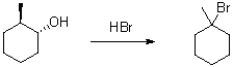
سؤال
Provide a mechanism for the transformation shown below. 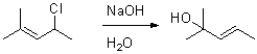
سؤال
Under the following reaction conditions,a mixture of three products were formed.Draw the three products. 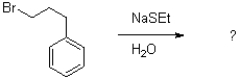
سؤال
Propose a mechanism for the transformation shown below. 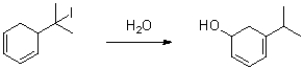
سؤال
سؤال
سؤال
سؤال
سؤال
Provide a mechanism for the following transformation. 
سؤال
سؤال
سؤال
سؤال
Draw two different sets of reactants that form the product in the following SN1 reaction.One should contain an aromatic nucleophile and one should contain an aromatic electrophile.Which set is a better set of electrophiles and why? 
سؤال
Predict the product of the following reaction under both SN1 and SN2 conditions. 

فتح الحزمة
قم بالتسجيل لفتح البطاقات في هذه المجموعة!
Unlock Deck
Unlock Deck
1/77

العب

ملء الشاشة (f)
Deck 11: Displacement Reactions on Saturated Carbons
1
Which of the following is the stronger nucleophile and why?
A)Ethanol is stronger because oxygen is more electronegative than nitrogen.
B)Ethanamine is stronger because nitrogen is less electronegative than oxygen.
C)Ethanol is stronger because oxygen has a smaller atomic radius than nitrogen.
D)Ethanamine is stronger because nitrogen has a larger atomic radius than oxygen.
A)Ethanol is stronger because oxygen is more electronegative than nitrogen.
B)Ethanamine is stronger because nitrogen is less electronegative than oxygen.
C)Ethanol is stronger because oxygen has a smaller atomic radius than nitrogen.
D)Ethanamine is stronger because nitrogen has a larger atomic radius than oxygen.
Ethanamine is stronger because nitrogen is less electronegative than oxygen.
2
Which of the following best describes an SN1 reaction?
A)It is unimolecular and occurs in a single step.
B)It is unimolecular and occurs in two steps.
C)It is bimolecular and occurs in a single step.
D)It is bimolecular and occurs in two steps.
A)It is unimolecular and occurs in a single step.
B)It is unimolecular and occurs in two steps.
C)It is bimolecular and occurs in a single step.
D)It is bimolecular and occurs in two steps.
It is unimolecular and occurs in two steps.
3
Which of the following equations best describes the rate of an SN2 reaction?
A)Rate = k[A]
B)Rate = k[A][B]
C)Rate = k[A]2
D)Rate = k
A)Rate = k[A]
B)Rate = k[A][B]
C)Rate = k[A]2
D)Rate = k
Rate = k[A][B]
4
How do polar protic solvents improve the rate of SN1 reactions?
A)They protonate the leaving group.
B)They stabilize the charge of the transition state.
C)They stabilize the charge of the nucleophile.
D)They stabilized the charge on the generated carbocation.
A)They protonate the leaving group.
B)They stabilize the charge of the transition state.
C)They stabilize the charge of the nucleophile.
D)They stabilized the charge on the generated carbocation.
فتح الحزمة
افتح القفل للوصول البطاقات البالغ عددها 77 في هذه المجموعة.
فتح الحزمة
k this deck
5
Which of the following best describes an SN2 reaction?
A)It is unimolecular and occurs in a single step.
B)It is unimolecular and occurs in two steps.
C)It is bimolecular and occurs in a single step.
D)It is bimolecular and occurs in two steps.
A)It is unimolecular and occurs in a single step.
B)It is unimolecular and occurs in two steps.
C)It is bimolecular and occurs in a single step.
D)It is bimolecular and occurs in two steps.
فتح الحزمة
افتح القفل للوصول البطاقات البالغ عددها 77 في هذه المجموعة.
فتح الحزمة
k this deck
6
Which of the following has the smallest effect on an SN1 rate of reaction?
A)strength of the nucleophile
B)quality of leaving group
C)electrophile substituents
D)solvent
A)strength of the nucleophile
B)quality of leaving group
C)electrophile substituents
D)solvent
فتح الحزمة
افتح القفل للوصول البطاقات البالغ عددها 77 في هذه المجموعة.
فتح الحزمة
k this deck
7
Which of the following nucleophiles would have the greatest rate of reaction in an SN2 reaction?
A)(-NH2)
B)(-OH)
C)(-F)
D)(H2O)
A)(-NH2)
B)(-OH)
C)(-F)
D)(H2O)
فتح الحزمة
افتح القفل للوصول البطاقات البالغ عددها 77 في هذه المجموعة.
فتح الحزمة
k this deck
8
In an SN2 reaction,what orbital of the electrophile is approached by the nucleophile?
A)ó
B)ó*
C)ð
D)ð*
A)ó
B)ó*
C)ð
D)ð*
فتح الحزمة
افتح القفل للوصول البطاقات البالغ عددها 77 في هذه المجموعة.
فتح الحزمة
k this deck
9
Which of the following electrophiles would have the greatest rate in an SN2 reaction?
A)
B)
C)
D)
A)
B)
C)
D)
فتح الحزمة
افتح القفل للوصول البطاقات البالغ عددها 77 في هذه المجموعة.
فتح الحزمة
k this deck
10
Which of the following best describes the mechanism of an SN2 reaction?
A)The nucleophile attacks and the leaving group leaves in a concerted fashion.
B)The nucleophile forms a bond with the electrophile first,followed by the loss of a leaving group.
C)The leaving group leaves first,followed by the attack of a nucleophile.
D)The electrophile attacks and the leaving group leaves in a concerted fashion.
A)The nucleophile attacks and the leaving group leaves in a concerted fashion.
B)The nucleophile forms a bond with the electrophile first,followed by the loss of a leaving group.
C)The leaving group leaves first,followed by the attack of a nucleophile.
D)The electrophile attacks and the leaving group leaves in a concerted fashion.
فتح الحزمة
افتح القفل للوصول البطاقات البالغ عددها 77 في هذه المجموعة.
فتح الحزمة
k this deck
11
Which of the following best describes the mechanism of an SN2 reaction?
A)The LUMO of a nucleophile interacts with the HOMO of an electrophile.
B)The LUMO of a nucleophile interacts with the LUMO of an electrophile.
C)The HOMO of a nucleophile interacts with the HOMO of an electrophile.
D)The HOMO of a nucleophile interacts with the LUMO of an electrophile.
A)The LUMO of a nucleophile interacts with the HOMO of an electrophile.
B)The LUMO of a nucleophile interacts with the LUMO of an electrophile.
C)The HOMO of a nucleophile interacts with the HOMO of an electrophile.
D)The HOMO of a nucleophile interacts with the LUMO of an electrophile.
فتح الحزمة
افتح القفل للوصول البطاقات البالغ عددها 77 في هذه المجموعة.
فتح الحزمة
k this deck
12
Which of the following conditions would most favour an SN2 reaction with a secondary á-carbon?
A)strong nucleophile and protic solvent
B)weak nucleophile and protic solvent
C)strong nucleophile and aprotic solvent
D)weak nucleophile and aprotic solvent
A)strong nucleophile and protic solvent
B)weak nucleophile and protic solvent
C)strong nucleophile and aprotic solvent
D)weak nucleophile and aprotic solvent
فتح الحزمة
افتح القفل للوصول البطاقات البالغ عددها 77 في هذه المجموعة.
فتح الحزمة
k this deck
13
Given the conditions provided in the reaction scheme below,what would be the expected product?
A)
B)
C)
D)
A)
B)
C)
D)
فتح الحزمة
افتح القفل للوصول البطاقات البالغ عددها 77 في هذه المجموعة.
فتح الحزمة
k this deck
14
What is the predicted geometry of an SN2 reaction transition state?
A)trigonal planar
B)tetrahedral
C)trigonal bipyramidal
D)trigonal pyramidal
A)trigonal planar
B)tetrahedral
C)trigonal bipyramidal
D)trigonal pyramidal
فتح الحزمة
افتح القفل للوصول البطاقات البالغ عددها 77 في هذه المجموعة.
فتح الحزمة
k this deck
15
Which of the following would NOT form a stabilized carbocation in an SN1 reaction mechanism?
A)
B)
C)
D)
A)
B)
C)
D)
فتح الحزمة
افتح القفل للوصول البطاقات البالغ عددها 77 في هذه المجموعة.
فتح الحزمة
k this deck
16
Which of the following statements best describes the nucleophilicity and leaving group capabilities of halogens?
A)I- is both a worse nucleophile and leaving group compared to Cl-.
B)I- is a worse nucleophile and a better leaving group compared to Cl-.
C)I- is a better nucleophile and a worse leaving group compared to Cl-.
D)I- is both a better nucleophile and leaving group compared to Cl-.
A)I- is both a worse nucleophile and leaving group compared to Cl-.
B)I- is a worse nucleophile and a better leaving group compared to Cl-.
C)I- is a better nucleophile and a worse leaving group compared to Cl-.
D)I- is both a better nucleophile and leaving group compared to Cl-.
فتح الحزمة
افتح القفل للوصول البطاقات البالغ عددها 77 في هذه المجموعة.
فتح الحزمة
k this deck
17
Which of the following would act as the leaving group in the reaction shown below?
A)(-OH)
B)(-NH2)
C)(-CH3)
D)(-Cl)
A)(-OH)
B)(-NH2)
C)(-CH3)
D)(-Cl)
فتح الحزمة
افتح القفل للوصول البطاقات البالغ عددها 77 في هذه المجموعة.
فتح الحزمة
k this deck
18
Which is the stronger nucleophile shown below and why?
A)Acetate is stronger because the charge is delocalized.
B)Ethanoate is stronger because the charge is not delocalized.
C)Ethanoate is stronger because it is less sterically hindered.
D)Both acetate and ethanoate are equally strong nucleophiles.
A)Acetate is stronger because the charge is delocalized.
B)Ethanoate is stronger because the charge is not delocalized.
C)Ethanoate is stronger because it is less sterically hindered.
D)Both acetate and ethanoate are equally strong nucleophiles.
فتح الحزمة
افتح القفل للوصول البطاقات البالغ عددها 77 في هذه المجموعة.
فتح الحزمة
k this deck
19
In an SN1 reaction,what sort of stereochemistry is observed in the product?
A)inversion of stereochemistry
B)retention of stereochemistry
C)a racemic mixture
D)Stereochemistry plays no role in SN1 reactions.
A)inversion of stereochemistry
B)retention of stereochemistry
C)a racemic mixture
D)Stereochemistry plays no role in SN1 reactions.
فتح الحزمة
افتح القفل للوصول البطاقات البالغ عددها 77 في هذه المجموعة.
فتح الحزمة
k this deck
20
What is the predicted geometry of an SN2 reaction intermediate?
A)trigonal planar
B)tetrahedral
C)trigonal bipyramidal
D)trigonal pyramidal
A)trigonal planar
B)tetrahedral
C)trigonal bipyramidal
D)trigonal pyramidal
فتح الحزمة
افتح القفل للوصول البطاقات البالغ عددها 77 في هذه المجموعة.
فتح الحزمة
k this deck
21
Which of the following would be the most stable carbocation?
A)
B)
C)
D)
A)
B)
C)
D)
فتح الحزمة
افتح القفل للوصول البطاقات البالغ عددها 77 في هذه المجموعة.
فتح الحزمة
k this deck
22
Which of the following is considered a polar solvent?
A)dimethylsulfoxide
B)dimethylformamide
C)ethanol
D)acetonitrile
A)dimethylsulfoxide
B)dimethylformamide
C)ethanol
D)acetonitrile
فتح الحزمة
افتح القفل للوصول البطاقات البالغ عددها 77 في هذه المجموعة.
فتح الحزمة
k this deck
23
Polar protic solvents increase the rate of SN1 reactions.
فتح الحزمة
افتح القفل للوصول البطاقات البالغ عددها 77 في هذه المجموعة.
فتح الحزمة
k this deck
24
Which of the following would be the major product of the reaction shown below?
A)
B)
C)
D)
A)
B)
C)
D)
فتح الحزمة
افتح القفل للوصول البطاقات البالغ عددها 77 في هذه المجموعة.
فتح الحزمة
k this deck
25
How would you best describe the alkyl halide shown below?
A)primary
B)secondary
C)tertiary
D)quaternary
A)primary
B)secondary
C)tertiary
D)quaternary
فتح الحزمة
افتح القفل للوصول البطاقات البالغ عددها 77 في هذه المجموعة.
فتح الحزمة
k this deck
26
Which of the following electrophiles would undergo the slowest rate of reaction?
A)
B)
C)
D)
A)
B)
C)
D)
فتح الحزمة
افتح القفل للوصول البطاقات البالغ عددها 77 في هذه المجموعة.
فتح الحزمة
k this deck
27
What is the product of the epoxide opening reaction under basic conditions shown below?
A)
B)
C)
D)
A)
B)
C)
D)
فتح الحزمة
افتح القفل للوصول البطاقات البالغ عددها 77 في هذه المجموعة.
فتح الحزمة
k this deck
28
Strength of a nucleophile has no effect in an SN1 reaction.
فتح الحزمة
افتح القفل للوصول البطاقات البالغ عددها 77 في هذه المجموعة.
فتح الحزمة
k this deck
29
Which of the following is the strongest nucleophile?
A)
B)
C)
D)
A)
B)
C)
D)
فتح الحزمة
افتح القفل للوصول البطاقات البالغ عددها 77 في هذه المجموعة.
فتح الحزمة
k this deck
30
Which of the following mechanisms is preferred for the electrophile shown below?
A)SN1
B)SN2
C)Both SN1 and SN2
D)Neither SN1 nor SN2
A)SN1
B)SN2
C)Both SN1 and SN2
D)Neither SN1 nor SN2
فتح الحزمة
افتح القفل للوصول البطاقات البالغ عددها 77 في هذه المجموعة.
فتح الحزمة
k this deck
31
SN2 reactions lead to an inversion of stereochemistry.
فتح الحزمة
افتح القفل للوصول البطاقات البالغ عددها 77 في هذه المجموعة.
فتح الحزمة
k this deck
32
Which of the following equations best describes the rate of an SN2 reaction?
A)Rate = k[A]
B)Rate = k[A][B]
C)Rate = k[A]2
D)Rate = k
A)Rate = k[A]
B)Rate = k[A][B]
C)Rate = k[A]2
D)Rate = k
فتح الحزمة
افتح القفل للوصول البطاقات البالغ عددها 77 في هذه المجموعة.
فتح الحزمة
k this deck
33
Which of the following mechanisms is preferred for the electrophile shown below?
A)SN1
B)SN2
C)both SN1 and SN2
D)neither SN1 nor SN2
A)SN1
B)SN2
C)both SN1 and SN2
D)neither SN1 nor SN2
فتح الحزمة
افتح القفل للوصول البطاقات البالغ عددها 77 في هذه المجموعة.
فتح الحزمة
k this deck
34
Which of the following conditions would most favour an SN1 reaction with a secondary á-carbon?
A)strong nucleophile and protic solvent
B)weak nucleophile and protic solvent
C)strong nucleophile and aprotic solvent
D)weak nucleophile and aprotic solvent
A)strong nucleophile and protic solvent
B)weak nucleophile and protic solvent
C)strong nucleophile and aprotic solvent
D)weak nucleophile and aprotic solvent
فتح الحزمة
افتح القفل للوصول البطاقات البالغ عددها 77 في هذه المجموعة.
فتح الحزمة
k this deck
35
Which of the following is the best electrophile?
A)
B)
C)
D)
A)
B)
C)
D)
فتح الحزمة
افتح القفل للوصول البطاقات البالغ عددها 77 في هذه المجموعة.
فتح الحزمة
k this deck
36
Which of the following mechanisms is preferred for the electrophile shown below?
A)SN1
B)SN2
C)both SN1 and SN2
D)neither SN1 nor SN2
A)SN1
B)SN2
C)both SN1 and SN2
D)neither SN1 nor SN2
فتح الحزمة
افتح القفل للوصول البطاقات البالغ عددها 77 في هذه المجموعة.
فتح الحزمة
k this deck
37
SN2 reactions lead to a racemic mixture of products.
فتح الحزمة
افتح القفل للوصول البطاقات البالغ عددها 77 في هذه المجموعة.
فتح الحزمة
k this deck
38
Electrophiles act as electron donors.
فتح الحزمة
افتح القفل للوصول البطاقات البالغ عددها 77 في هذه المجموعة.
فتح الحزمة
k this deck
39
Which of the following electrophiles is most likely to go through an SN1 reaction?
A)
B)
C)
D)
A)
B)
C)
D)
فتح الحزمة
افتح القفل للوصول البطاقات البالغ عددها 77 في هذه المجموعة.
فتح الحزمة
k this deck
40
Which of the following mechanisms is preferred for the electrophile shown below?
A)SN1
B)SN2
C)both SN1 and SN2
D)neither SN1 nor SN2
A)SN1
B)SN2
C)both SN1 and SN2
D)neither SN1 nor SN2
فتح الحزمة
افتح القفل للوصول البطاقات البالغ عددها 77 في هذه المجموعة.
فتح الحزمة
k this deck
41
Primary substrates react faster than secondary substrates through the SN2 mechanism.
فتح الحزمة
افتح القفل للوصول البطاقات البالغ عددها 77 في هذه المجموعة.
فتح الحزمة
k this deck
42
Delocalization of electrons increases the nucleophilicity of a molecule.
فتح الحزمة
افتح القفل للوصول البطاقات البالغ عددها 77 في هذه المجموعة.
فتح الحزمة
k this deck
43
The more electronegative an atom is,the better a leaving group it is.
فتح الحزمة
افتح القفل للوصول البطاقات البالغ عددها 77 في هذه المجموعة.
فتح الحزمة
k this deck
44
Identity of the leaving group is important in SN1 reactions but not SN2.
فتح الحزمة
افتح القفل للوصول البطاقات البالغ عددها 77 في هذه المجموعة.
فتح الحزمة
k this deck
45
Amines are more nucleophilic than alcohols.
فتح الحزمة
افتح القفل للوصول البطاقات البالغ عددها 77 في هذه المجموعة.
فتح الحزمة
k this deck
46
A thiol is a stronger nucleophile than an alcohol.
فتح الحزمة
افتح القفل للوصول البطاقات البالغ عددها 77 في هذه المجموعة.
فتح الحزمة
k this deck
47
A benzylic halide is more electrophilic then an allylic halide.
فتح الحزمة
افتح القفل للوصول البطاقات البالغ عددها 77 في هذه المجموعة.
فتح الحزمة
k this deck
48
The higher the electronegativity of an atom,the more nucleophilic it is.
فتح الحزمة
افتح القفل للوصول البطاقات البالغ عددها 77 في هذه المجموعة.
فتح الحزمة
k this deck
49
The Gabriel synthesis involves the use of an azide to make an amine.
فتح الحزمة
افتح القفل للوصول البطاقات البالغ عددها 77 في هذه المجموعة.
فتح الحزمة
k this deck
50
Basic conditions promote nucleophillic attack on the more substituted position of an epoxide.
فتح الحزمة
افتح القفل للوصول البطاقات البالغ عددها 77 في هذه المجموعة.
فتح الحزمة
k this deck
51
Formation of a carbocation intermediate is the rate determining step in SN1 reactions.
فتح الحزمة
افتح القفل للوصول البطاقات البالغ عددها 77 في هذه المجموعة.
فتح الحزمة
k this deck
52
In substitution reactions,the leaving group always takes a pair of electrons with it.
فتح الحزمة
افتح القفل للوصول البطاقات البالغ عددها 77 في هذه المجموعة.
فتح الحزمة
k this deck
53
Concerted reactions are those whereupon the steps of a reaction occur separately from each other.
فتح الحزمة
افتح القفل للوصول البطاقات البالغ عددها 77 في هذه المجموعة.
فتح الحزمة
k this deck
54
Increase in atomic size leads to decreased nucleophilicity.
فتح الحزمة
افتح القفل للوصول البطاقات البالغ عددها 77 في هذه المجموعة.
فتح الحزمة
k this deck
55
Cl- is a better leaving group than I-.
فتح الحزمة
افتح القفل للوصول البطاقات البالغ عددها 77 في هذه المجموعة.
فتح الحزمة
k this deck
56
Acetate is a stronger nucleophile than hydroxide.
فتح الحزمة
افتح القفل للوصول البطاقات البالغ عددها 77 في هذه المجموعة.
فتح الحزمة
k this deck
57
Weak nucleophiles will promote the SN1 mechanism.
فتح الحزمة
افتح القفل للوصول البطاقات البالغ عددها 77 في هذه المجموعة.
فتح الحزمة
k this deck
58
An SN1 reaction goes through a carbocation intermediate.
فتح الحزمة
افتح القفل للوصول البطاقات البالغ عددها 77 في هذه المجموعة.
فتح الحزمة
k this deck
59
Neighbouring inductive electron withdrawing groups can speed up an SN2 reaction.
فتح الحزمة
افتح القفل للوصول البطاقات البالغ عددها 77 في هذه المجموعة.
فتح الحزمة
k this deck
60
Delocalization can stabilize a carbocation in SN1 reactions.
فتح الحزمة
افتح القفل للوصول البطاقات البالغ عددها 77 في هذه المجموعة.
فتح الحزمة
k this deck
61
Another name for the electron donor in the substitution reaction is the _______________ .
فتح الحزمة
افتح القفل للوصول البطاقات البالغ عددها 77 في هذه المجموعة.
فتح الحزمة
k this deck
62
The Gabriel synthesis used _______________ as a source of nitrogen.
فتح الحزمة
افتح القفل للوصول البطاقات البالغ عددها 77 في هذه المجموعة.
فتح الحزمة
k this deck
63
DMSO is an example of a(n)_______________ solvent.
فتح الحزمة
افتح القفل للوصول البطاقات البالغ عددها 77 في هذه المجموعة.
فتح الحزمة
k this deck
64
Provide a mechanism for the transformation shown below.
فتح الحزمة
افتح القفل للوصول البطاقات البالغ عددها 77 في هذه المجموعة.
فتح الحزمة
k this deck
65
Provide a mechanism for the transformation shown below.
فتح الحزمة
افتح القفل للوصول البطاقات البالغ عددها 77 في هذه المجموعة.
فتح الحزمة
k this deck
66
Under the following reaction conditions,a mixture of three products were formed.Draw the three products.
فتح الحزمة
افتح القفل للوصول البطاقات البالغ عددها 77 في هذه المجموعة.
فتح الحزمة
k this deck
67
Propose a mechanism for the transformation shown below.
فتح الحزمة
افتح القفل للوصول البطاقات البالغ عددها 77 في هذه المجموعة.
فتح الحزمة
k this deck
68
SN2 reactions lead to _______________ of stereochemistry.
فتح الحزمة
افتح القفل للوصول البطاقات البالغ عددها 77 في هذه المجموعة.
فتح الحزمة
k this deck
69
Nucleophilicity is _______________ in aprotic solvents.
فتح الحزمة
افتح القفل للوصول البطاقات البالغ عددها 77 في هذه المجموعة.
فتح الحزمة
k this deck
70
The transition state of an SN2 reaction has a(n)_______________ geometry.
فتح الحزمة
افتح القفل للوصول البطاقات البالغ عددها 77 في هذه المجموعة.
فتح الحزمة
k this deck
71
Substitution reactions that go through the _______________ run the risk of carbocation rearrangements.
فتح الحزمة
افتح القفل للوصول البطاقات البالغ عددها 77 في هذه المجموعة.
فتح الحزمة
k this deck
72
Provide a mechanism for the following transformation.
فتح الحزمة
افتح القفل للوصول البطاقات البالغ عددها 77 في هذه المجموعة.
فتح الحزمة
k this deck
73
A tertiary á carbon structure will more likely undergo a(n)_______________ reaction mechanism.
فتح الحزمة
افتح القفل للوصول البطاقات البالغ عددها 77 في هذه المجموعة.
فتح الحزمة
k this deck
74
Neighbouring alkyl groups stabilize carbocations through _______________ .
فتح الحزمة
افتح القفل للوصول البطاقات البالغ عددها 77 في هذه المجموعة.
فتح الحزمة
k this deck
75
The intermediate of an SN1 reaction has a(n)_______________ geometry.
فتح الحزمة
افتح القفل للوصول البطاقات البالغ عددها 77 في هذه المجموعة.
فتح الحزمة
k this deck
76
Draw two different sets of reactants that form the product in the following SN1 reaction.One should contain an aromatic nucleophile and one should contain an aromatic electrophile.Which set is a better set of electrophiles and why?
فتح الحزمة
افتح القفل للوصول البطاقات البالغ عددها 77 في هذه المجموعة.
فتح الحزمة
k this deck
77
Predict the product of the following reaction under both SN1 and SN2 conditions.
فتح الحزمة
افتح القفل للوصول البطاقات البالغ عددها 77 في هذه المجموعة.
فتح الحزمة
k this deck
فتح الحزمة
افتح القفل للوصول البطاقات البالغ عددها 77 في هذه المجموعة.






