







 تكلم مع الذكاء الاصطناعي


Deck 8: Alkyl Halides and Elimination Reactions
ملء الشاشة (f)

سؤال
What is the major elimination product obtained from the following reaction? 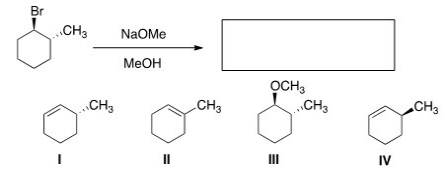
A)I
B)II
C)III
D)IV
A)I
B)II
C)III
D)IV

سؤال
Which of the following is the least reactive substrate in an E2 reaction? 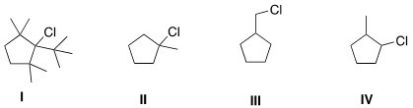
A)I
B)II
C)III
D)IV
A)I
B)II
C)III
D)IV
سؤال
سؤال
How many unique β carbons are found in the alkyl halide below? 
A)1
B)2
C)3
D)4
A)1
B)2
C)3
D)4
سؤال
سؤال
What is the major elimination product obtained from the following reaction? 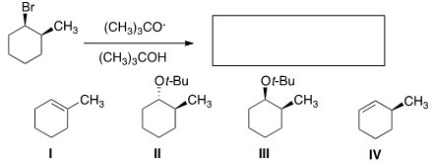
A)I
B)II
C)III
D)IV
A)I
B)II
C)III
D)IV
سؤال
Which of the following is the most reactive substrate in an E1 reaction? 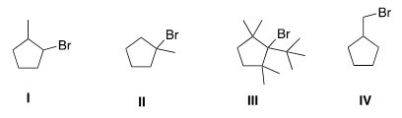
A)I
B)II
C)III
D)IV
A)I
B)II
C)III
D)IV
سؤال
Which of the following is the most reactive substrate in an E2 reaction? 
A)I
B)II
C)III
D)IV
A)I
B)II
C)III
D)IV
سؤال
سؤال
سؤال
What is the major elimination product obtained from the following reaction? 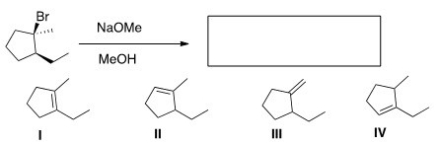
A)I
B)II
C)III
D)IV
A)I
B)II
C)III
D)IV
سؤال
سؤال
What is the major product of the following reaction? 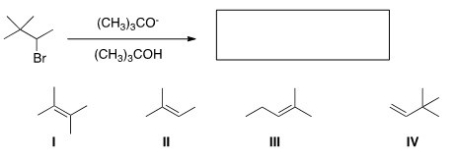
A)I
B)II
C)III
D)IV
A)I
B)II
C)III
D)IV
سؤال
What is the major elimination product obtained from the following reaction? 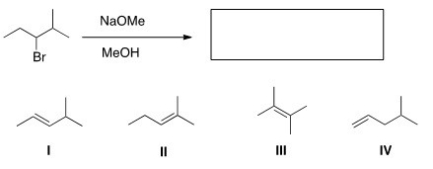
A)I
B)II
C)III
D)IV
A)I
B)II
C)III
D)IV
سؤال
Classify each alkene in vitamin D3 labeled I,II,III by the number of carbon substituents bonded to the double bond. 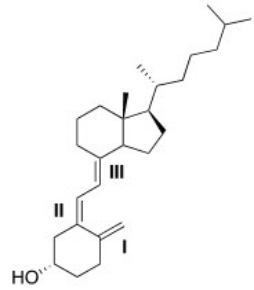
A)I = Disubstituted; II = trisubstituted; III = trisubstituted
B)I = Monosubstituted; II = disubstituted; III = trisubstituted
C)I = Disubstituted; II = disubstituted; III = trisubstituted
D)I = Disubstituted; II = trisubstituted; III = disubstituted
A)I = Disubstituted; II = trisubstituted; III = trisubstituted
B)I = Monosubstituted; II = disubstituted; III = trisubstituted
C)I = Disubstituted; II = disubstituted; III = trisubstituted
D)I = Disubstituted; II = trisubstituted; III = disubstituted
سؤال
سؤال
سؤال
سؤال
Which of the following is the major elimination product of the following reaction? 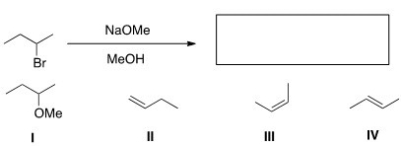
A)I
B)II
C)III
D)IV
A)I
B)II
C)III
D)IV
سؤال
How many unique β carbons are found in the alkyl halide below? 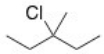
A)1
B)2
C)3
D)4
A)1
B)2
C)3
D)4
سؤال
Which of the following alkyl halides will afford the product below as the major product in an E2 reaction? 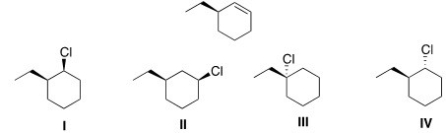
A)I
B)II
C)III
D)IV
A)I
B)II
C)III
D)IV
سؤال
Select the elimination product(s)formed by treating the indicated alkyl halide with a base. 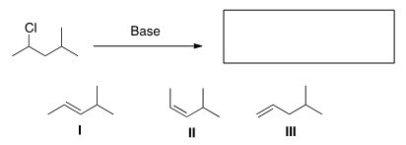
A)Only I
B)Only II
C)Only III
D)I,II,and III
A)Only I
B)Only II
C)Only III
D)I,II,and III
سؤال
Which of the following is most likely to react as a nucleophile rather than a base? 
A)I
B)II
C)III
D)IV
A)I
B)II
C)III
D)IV
سؤال
What is the product of the following reaction? 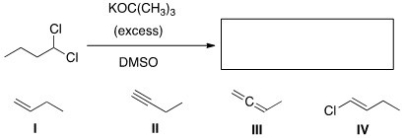
A)I
B)II
C)III
D)IV
A)I
B)II
C)III
D)IV
سؤال
What is the product of the following reaction? 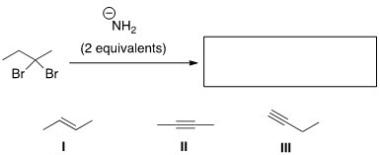
A)Only I
B)Only II
C)Only III
D)II and III
A)Only I
B)Only II
C)Only III
D)II and III
سؤال
What is (are)the product(s)of the following reaction? 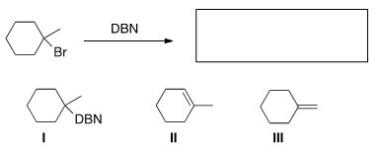
A)Only I
B)Only II
C)Only III
D)II and III
A)Only I
B)Only II
C)Only III
D)II and III
سؤال
Which of the following is the dihalide that can be used to prepare the alkyne below? 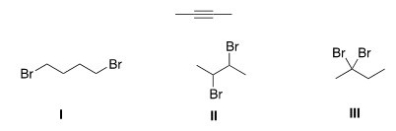
A)Only I
B)Only II
C)Only III
D)II and III
A)Only I
B)Only II
C)Only III
D)II and III
سؤال
Which of the following is the major E2 product formed from the following alkyl halide? 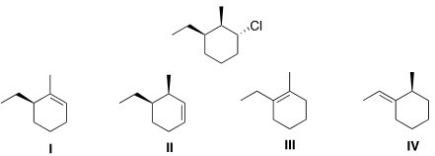
A)I
B)II
C)III
D)IV
A)I
B)II
C)III
D)IV
سؤال
Which of the following is most likely to react as a base rather than a nucleophile? 
A)I
B)II
C)III
D)IV
A)I
B)II
C)III
D)IV
سؤال
What is (are)the product(s)of the following reaction? 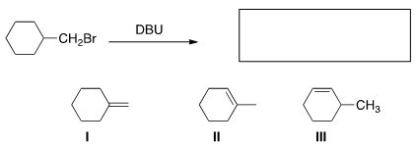
A)Only I
B)Only II
C)Only III
D)I and II
A)Only I
B)Only II
C)Only III
D)I and II
سؤال
What is (are)the elimination product(s)of the following reaction? 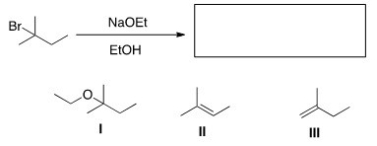
A)Only I
B)Only II
C)Only III
D)II and III
A)Only I
B)Only II
C)Only III
D)II and III
سؤال
What is (are)the elimination product(s)of the following reaction? 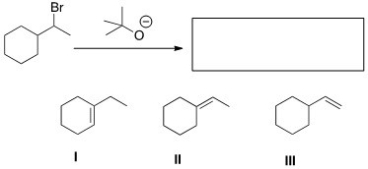
A)Only I
B)Only II
C)Only III
D)II and III
A)Only I
B)Only II
C)Only III
D)II and III
سؤال
What is (are)the starting material(s)in the reaction below? 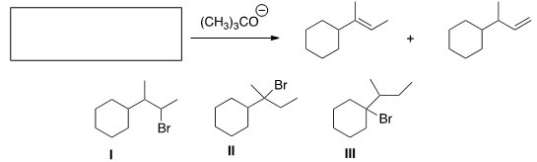
A)Only I
B)Only II
C)Only III
D)II and III
A)Only I
B)Only II
C)Only III
D)II and III
سؤال
What is (are)the product(s)of the following reaction? 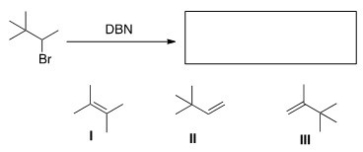
A)Only I
B)Only II
C)Only III
D)I and II
A)Only I
B)Only II
C)Only III
D)I and II
سؤال
What is the product of the following reaction? 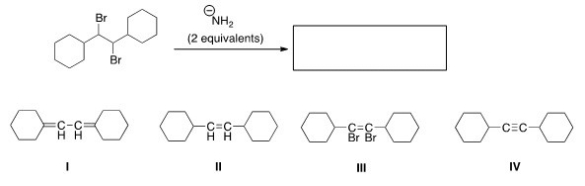
A)I
B)II
C)III
D)IV
A)I
B)II
C)III
D)IV
سؤال
Which of the following alkyl halides would afford the indicated product upon reaction with sodium methoxide? 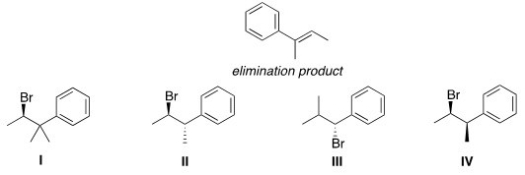
A)I
B)II
C)III
D)IV
A)I
B)II
C)III
D)IV
سؤال
Which of the labeled protons in the compound below is most readily abstracted under E2 conditions? 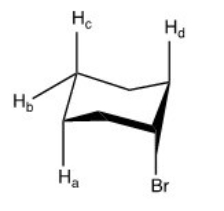
A)Ha
B)Hb
C)Hc
D)Hd
A)Ha
B)Hb
C)Hc
D)Hd
سؤال
What is the product of the following reaction? 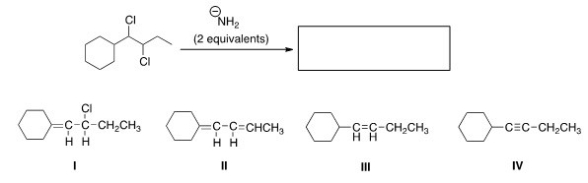
A)I
B)II
C)III
D)IV
A)I
B)II
C)III
D)IV
سؤال
What is (are)the product(s)of the following reaction? 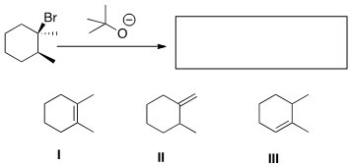
A)I and II
B)II and III
C)I and III
D)I,II,and III
A)I and II
B)II and III
C)I and III
D)I,II,and III
سؤال
Which of the following is the dihalide that can be used to prepare the alkyne below? 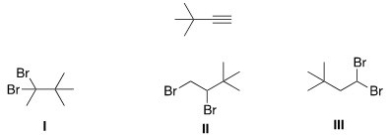
A)I and II
B)II and III
C)I and III
D)I,II,and III
A)I and II
B)II and III
C)I and III
D)I,II,and III
سؤال
Which is the most likely mechanism for the following reaction? 
A)SN1
B)SN2
C)E1
D)E2
A)SN1
B)SN2
C)E1
D)E2
سؤال
Which of the following alkyl halide would react the fastest with -OH in E2 reaction? 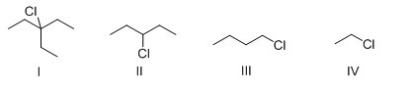
A)I
B)II
C)III
D)IV
A)I
B)II
C)III
D)IV
سؤال
What is the most likely mechanism for the reaction below? 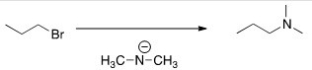
A)SN1
B)SN2
C)E1
D)E2
A)SN1
B)SN2
C)E1
D)E2
سؤال
Which of the following alkenes is the most stable? 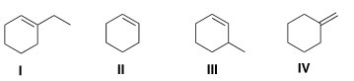
A)I
B)II
C)III
D)IV
A)I
B)II
C)III
D)IV
سؤال
What is the most likely mechanism for the reaction below? 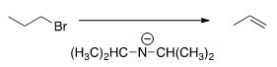
A)SN1
B)SN2
C)E1
D)E2
A)SN1
B)SN2
C)E1
D)E2
سؤال
What is the major product and likely mechanism for the following reaction? 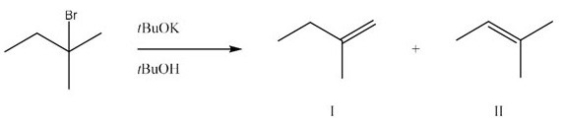
A)I,E1
B)I,E2
C)II,E1
D)II,E2
A)I,E1
B)I,E2
C)II,E1
D)II,E2
سؤال
Which of the following is the most stable alkene? 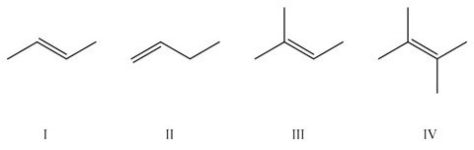
A)I
B)II
C)III
D)IV
A)I
B)II
C)III
D)IV
سؤال
Which alkyl halide(s)would give the following alkene as the only product in an elimination reaction? 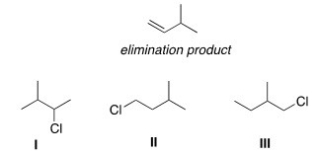
A)Only I
B)Only II
C)Only III
D)I and II
A)Only I
B)Only II
C)Only III
D)I and II
سؤال
What is the most likely mechanism for the following reaction? 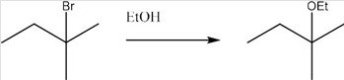
A)SN1
B)SN2
C)E1
D)E2
A)SN1
B)SN2
C)E1
D)E2
سؤال
Consider the following E2 reaction.What rate equation would be observed for this reaction? ![<strong>Consider the following E2 reaction.What rate equation would be observed for this reaction? </strong> A)Rate = k[CH<sub>3</sub>CH<sub>2</sub>CH<sub>2</sub>Br] B)Rate = k[CH<sub>3</sub>CH<sub>2</sub>CH<sub>2</sub>Br][KOC(CH<sub>3</sub>)<sub>3</sub>] C)Rate = k[CH<sub>3</sub>CH<sub>2</sub>CH<sub>2</sub>Br][KOC(CH<sub>3</sub>)<sub>3</sub>]<sup>2</sup> D)Rate = k[CH<sub>3</sub>CH<sub>2</sub>CH<sub>2</sub>Br]<sup>2</sup>[KOC(CH<sub>3</sub>)<sub>3</sub>] <div style=padding-top: 35px>](https://d2lvgg3v3hfg70.cloudfront.net/TB7662/11eac43c_f7e9_877f_a9af_332f0b95f3e4_TB7662_00.jpg)
A)Rate = k[CH3CH2CH2Br]
B)Rate = k[CH3CH2CH2Br][KOC(CH3)3]
C)Rate = k[CH3CH2CH2Br][KOC(CH3)3]2
D)Rate = k[CH3CH2CH2Br]2[KOC(CH3)3]
A)Rate = k[CH3CH2CH2Br]
B)Rate = k[CH3CH2CH2Br][KOC(CH3)3]
C)Rate = k[CH3CH2CH2Br][KOC(CH3)3]2
D)Rate = k[CH3CH2CH2Br]2[KOC(CH3)3]
سؤال
Which of the following alkyl halide reacts the fastest in an E2 reaction? 
A)I
B)II
C)III
D)IV
A)I
B)II
C)III
D)IV
سؤال
Which of the following alkyl chloride affords alkene A exclusively under E2 reaction condition? 
A)I
B)II
C)III
D)IV
A)I
B)II
C)III
D)IV

فتح الحزمة
قم بالتسجيل لفتح البطاقات في هذه المجموعة!
Unlock Deck
Unlock Deck
1/52

العب

ملء الشاشة (f)
Deck 8: Alkyl Halides and Elimination Reactions
1
What is the major elimination product obtained from the following reaction?
A)I
B)II
C)III
D)IV
A)I
B)II
C)III
D)IV
I
2
Which of the following is the least reactive substrate in an E2 reaction?
A)I
B)II
C)III
D)IV
A)I
B)II
C)III
D)IV
I
3
How many different E2 products can form from the dehydrohalogenation of 2-bromobutane?
A)1
B)2
C)3
D)4
A)1
B)2
C)3
D)4
3
4
How many unique β carbons are found in the alkyl halide below?
A)1
B)2
C)3
D)4
A)1
B)2
C)3
D)4
فتح الحزمة
افتح القفل للوصول البطاقات البالغ عددها 52 في هذه المجموعة.
فتح الحزمة
k this deck
5
Which of the following statements about an E1 mechanism is true?
A)The identity of the leaving group affects the rate of reaction.
B)The reaction follows second-order kinetics.
C)The reaction is slowest with tertiary substrates.
D)Polar aprotic solvents favor the E1 mechanism.
A)The identity of the leaving group affects the rate of reaction.
B)The reaction follows second-order kinetics.
C)The reaction is slowest with tertiary substrates.
D)Polar aprotic solvents favor the E1 mechanism.
فتح الحزمة
افتح القفل للوصول البطاقات البالغ عددها 52 في هذه المجموعة.
فتح الحزمة
k this deck
6
What is the major elimination product obtained from the following reaction?
A)I
B)II
C)III
D)IV
A)I
B)II
C)III
D)IV
فتح الحزمة
افتح القفل للوصول البطاقات البالغ عددها 52 في هذه المجموعة.
فتح الحزمة
k this deck
7
Which of the following is the most reactive substrate in an E1 reaction?
A)I
B)II
C)III
D)IV
A)I
B)II
C)III
D)IV
فتح الحزمة
افتح القفل للوصول البطاقات البالغ عددها 52 في هذه المجموعة.
فتح الحزمة
k this deck
8
Which of the following is the most reactive substrate in an E2 reaction?
A)I
B)II
C)III
D)IV
A)I
B)II
C)III
D)IV
فتح الحزمة
افتح القفل للوصول البطاقات البالغ عددها 52 في هذه المجموعة.
فتح الحزمة
k this deck
9
Which of the following represents the rate law for an E2 reaction?
A)Rate = k[alkyl halide]
B)Rate = k[alkyl halide][base]
C)Rate = k[alkyl halide]2
D)Rate = k[base]2
A)Rate = k[alkyl halide]
B)Rate = k[alkyl halide][base]
C)Rate = k[alkyl halide]2
D)Rate = k[base]2
فتح الحزمة
افتح القفل للوصول البطاقات البالغ عددها 52 في هذه المجموعة.
فتح الحزمة
k this deck
10
Which of the following statements about the mechanism of an E2 reaction is true?
A)All bonds are broken and formed in multiple steps.
B)The reaction is not concerted.
C)Entropy favors the reactants of an E2 reaction.
D)Entropy favors the products of an E2 reaction.
A)All bonds are broken and formed in multiple steps.
B)The reaction is not concerted.
C)Entropy favors the reactants of an E2 reaction.
D)Entropy favors the products of an E2 reaction.
فتح الحزمة
افتح القفل للوصول البطاقات البالغ عددها 52 في هذه المجموعة.
فتح الحزمة
k this deck
11
What is the major elimination product obtained from the following reaction?
A)I
B)II
C)III
D)IV
A)I
B)II
C)III
D)IV
فتح الحزمة
افتح القفل للوصول البطاقات البالغ عددها 52 في هذه المجموعة.
فتح الحزمة
k this deck
12
What is the major elimination product in the reaction of 1-bromobutane with potassium tert-butoxide in tert-butanol?
A)cis-2-Butene
B)1-Butene
C)trans-2-Butene
D)Butanol
A)cis-2-Butene
B)1-Butene
C)trans-2-Butene
D)Butanol
فتح الحزمة
افتح القفل للوصول البطاقات البالغ عددها 52 في هذه المجموعة.
فتح الحزمة
k this deck
13
What is the major product of the following reaction?
A)I
B)II
C)III
D)IV
A)I
B)II
C)III
D)IV
فتح الحزمة
افتح القفل للوصول البطاقات البالغ عددها 52 في هذه المجموعة.
فتح الحزمة
k this deck
14
What is the major elimination product obtained from the following reaction?
A)I
B)II
C)III
D)IV
A)I
B)II
C)III
D)IV
فتح الحزمة
افتح القفل للوصول البطاقات البالغ عددها 52 في هذه المجموعة.
فتح الحزمة
k this deck
15
Classify each alkene in vitamin D3 labeled I,II,III by the number of carbon substituents bonded to the double bond.
A)I = Disubstituted; II = trisubstituted; III = trisubstituted
B)I = Monosubstituted; II = disubstituted; III = trisubstituted
C)I = Disubstituted; II = disubstituted; III = trisubstituted
D)I = Disubstituted; II = trisubstituted; III = disubstituted
A)I = Disubstituted; II = trisubstituted; III = trisubstituted
B)I = Monosubstituted; II = disubstituted; III = trisubstituted
C)I = Disubstituted; II = disubstituted; III = trisubstituted
D)I = Disubstituted; II = trisubstituted; III = disubstituted
فتح الحزمة
افتح القفل للوصول البطاقات البالغ عددها 52 في هذه المجموعة.
فتح الحزمة
k this deck
16
Which of the following statements about the mechanism of an E2 reaction is not true?
A)It is fastest with tertiary halides.
B)It exhibits first-order kinetics.
C)A better leaving group should make a faster reaction.
D)All bonds are broken and formed in a single step.
A)It is fastest with tertiary halides.
B)It exhibits first-order kinetics.
C)A better leaving group should make a faster reaction.
D)All bonds are broken and formed in a single step.
فتح الحزمة
افتح القفل للوصول البطاقات البالغ عددها 52 في هذه المجموعة.
فتح الحزمة
k this deck
17
Which of the following statements about an E1 mechanism is not true?
A)It is a two-step process and has the same first step as an SN1 mechanism.
B)It involves the formation of a carbocation from eliminating a good leaving group.
C)A common competing reaction is rearrangement of a less stable carbocation to a more stable carbocation.
D)The loss of a proton by the carbocation is a slow step.
A)It is a two-step process and has the same first step as an SN1 mechanism.
B)It involves the formation of a carbocation from eliminating a good leaving group.
C)A common competing reaction is rearrangement of a less stable carbocation to a more stable carbocation.
D)The loss of a proton by the carbocation is a slow step.
فتح الحزمة
افتح القفل للوصول البطاقات البالغ عددها 52 في هذه المجموعة.
فتح الحزمة
k this deck
18
Which of the following statements about an E1 mechanism is not true?
A)The reaction is fastest with tertiary alkyl halides.
B)A better leaving group makes the reaction rate increase.
C)The reaction follows first-order kinetics.
D)Stronger bases favor the E1 reaction.
A)The reaction is fastest with tertiary alkyl halides.
B)A better leaving group makes the reaction rate increase.
C)The reaction follows first-order kinetics.
D)Stronger bases favor the E1 reaction.
فتح الحزمة
افتح القفل للوصول البطاقات البالغ عددها 52 في هذه المجموعة.
فتح الحزمة
k this deck
19
Which of the following is the major elimination product of the following reaction?
A)I
B)II
C)III
D)IV
A)I
B)II
C)III
D)IV
فتح الحزمة
افتح القفل للوصول البطاقات البالغ عددها 52 في هذه المجموعة.
فتح الحزمة
k this deck
20
How many unique β carbons are found in the alkyl halide below?
A)1
B)2
C)3
D)4
A)1
B)2
C)3
D)4
فتح الحزمة
افتح القفل للوصول البطاقات البالغ عددها 52 في هذه المجموعة.
فتح الحزمة
k this deck
21
Which of the following alkyl halides will afford the product below as the major product in an E2 reaction?
A)I
B)II
C)III
D)IV
A)I
B)II
C)III
D)IV
فتح الحزمة
افتح القفل للوصول البطاقات البالغ عددها 52 في هذه المجموعة.
فتح الحزمة
k this deck
22
Select the elimination product(s)formed by treating the indicated alkyl halide with a base.
A)Only I
B)Only II
C)Only III
D)I,II,and III
A)Only I
B)Only II
C)Only III
D)I,II,and III
فتح الحزمة
افتح القفل للوصول البطاقات البالغ عددها 52 في هذه المجموعة.
فتح الحزمة
k this deck
23
Which of the following is most likely to react as a nucleophile rather than a base?
A)I
B)II
C)III
D)IV
A)I
B)II
C)III
D)IV
فتح الحزمة
افتح القفل للوصول البطاقات البالغ عددها 52 في هذه المجموعة.
فتح الحزمة
k this deck
24
What is the product of the following reaction?
A)I
B)II
C)III
D)IV
A)I
B)II
C)III
D)IV
فتح الحزمة
افتح القفل للوصول البطاقات البالغ عددها 52 في هذه المجموعة.
فتح الحزمة
k this deck
25
What is the product of the following reaction?
A)Only I
B)Only II
C)Only III
D)II and III
A)Only I
B)Only II
C)Only III
D)II and III
فتح الحزمة
افتح القفل للوصول البطاقات البالغ عددها 52 في هذه المجموعة.
فتح الحزمة
k this deck
26
What is (are)the product(s)of the following reaction?
A)Only I
B)Only II
C)Only III
D)II and III
A)Only I
B)Only II
C)Only III
D)II and III
فتح الحزمة
افتح القفل للوصول البطاقات البالغ عددها 52 في هذه المجموعة.
فتح الحزمة
k this deck
27
Which of the following is the dihalide that can be used to prepare the alkyne below?
A)Only I
B)Only II
C)Only III
D)II and III
A)Only I
B)Only II
C)Only III
D)II and III
فتح الحزمة
افتح القفل للوصول البطاقات البالغ عددها 52 في هذه المجموعة.
فتح الحزمة
k this deck
28
Which of the following is the major E2 product formed from the following alkyl halide?
A)I
B)II
C)III
D)IV
A)I
B)II
C)III
D)IV
فتح الحزمة
افتح القفل للوصول البطاقات البالغ عددها 52 في هذه المجموعة.
فتح الحزمة
k this deck
29
Which of the following is most likely to react as a base rather than a nucleophile?
A)I
B)II
C)III
D)IV
A)I
B)II
C)III
D)IV
فتح الحزمة
افتح القفل للوصول البطاقات البالغ عددها 52 في هذه المجموعة.
فتح الحزمة
k this deck
30
What is (are)the product(s)of the following reaction?
A)Only I
B)Only II
C)Only III
D)I and II
A)Only I
B)Only II
C)Only III
D)I and II
فتح الحزمة
افتح القفل للوصول البطاقات البالغ عددها 52 في هذه المجموعة.
فتح الحزمة
k this deck
31
What is (are)the elimination product(s)of the following reaction?
A)Only I
B)Only II
C)Only III
D)II and III
A)Only I
B)Only II
C)Only III
D)II and III
فتح الحزمة
افتح القفل للوصول البطاقات البالغ عددها 52 في هذه المجموعة.
فتح الحزمة
k this deck
32
What is (are)the elimination product(s)of the following reaction?
A)Only I
B)Only II
C)Only III
D)II and III
A)Only I
B)Only II
C)Only III
D)II and III
فتح الحزمة
افتح القفل للوصول البطاقات البالغ عددها 52 في هذه المجموعة.
فتح الحزمة
k this deck
33
What is (are)the starting material(s)in the reaction below?
A)Only I
B)Only II
C)Only III
D)II and III
A)Only I
B)Only II
C)Only III
D)II and III
فتح الحزمة
افتح القفل للوصول البطاقات البالغ عددها 52 في هذه المجموعة.
فتح الحزمة
k this deck
34
What is (are)the product(s)of the following reaction?
A)Only I
B)Only II
C)Only III
D)I and II
A)Only I
B)Only II
C)Only III
D)I and II
فتح الحزمة
افتح القفل للوصول البطاقات البالغ عددها 52 في هذه المجموعة.
فتح الحزمة
k this deck
35
What is the product of the following reaction?
A)I
B)II
C)III
D)IV
A)I
B)II
C)III
D)IV
فتح الحزمة
افتح القفل للوصول البطاقات البالغ عددها 52 في هذه المجموعة.
فتح الحزمة
k this deck
36
Which of the following alkyl halides would afford the indicated product upon reaction with sodium methoxide?
A)I
B)II
C)III
D)IV
A)I
B)II
C)III
D)IV
فتح الحزمة
افتح القفل للوصول البطاقات البالغ عددها 52 في هذه المجموعة.
فتح الحزمة
k this deck
37
Which of the labeled protons in the compound below is most readily abstracted under E2 conditions?
A)Ha
B)Hb
C)Hc
D)Hd
A)Ha
B)Hb
C)Hc
D)Hd
فتح الحزمة
افتح القفل للوصول البطاقات البالغ عددها 52 في هذه المجموعة.
فتح الحزمة
k this deck
38
What is the product of the following reaction?
A)I
B)II
C)III
D)IV
A)I
B)II
C)III
D)IV
فتح الحزمة
افتح القفل للوصول البطاقات البالغ عددها 52 في هذه المجموعة.
فتح الحزمة
k this deck
39
What is (are)the product(s)of the following reaction?
A)I and II
B)II and III
C)I and III
D)I,II,and III
A)I and II
B)II and III
C)I and III
D)I,II,and III
فتح الحزمة
افتح القفل للوصول البطاقات البالغ عددها 52 في هذه المجموعة.
فتح الحزمة
k this deck
40
Which of the following is the dihalide that can be used to prepare the alkyne below?
A)I and II
B)II and III
C)I and III
D)I,II,and III
A)I and II
B)II and III
C)I and III
D)I,II,and III
فتح الحزمة
افتح القفل للوصول البطاقات البالغ عددها 52 في هذه المجموعة.
فتح الحزمة
k this deck
41
Which is the most likely mechanism for the following reaction?
A)SN1
B)SN2
C)E1
D)E2
A)SN1
B)SN2
C)E1
D)E2
فتح الحزمة
افتح القفل للوصول البطاقات البالغ عددها 52 في هذه المجموعة.
فتح الحزمة
k this deck
42
Which of the following alkyl halide would react the fastest with -OH in E2 reaction?
A)I
B)II
C)III
D)IV
A)I
B)II
C)III
D)IV
فتح الحزمة
افتح القفل للوصول البطاقات البالغ عددها 52 في هذه المجموعة.
فتح الحزمة
k this deck
43
What is the most likely mechanism for the reaction below?
A)SN1
B)SN2
C)E1
D)E2
A)SN1
B)SN2
C)E1
D)E2
فتح الحزمة
افتح القفل للوصول البطاقات البالغ عددها 52 في هذه المجموعة.
فتح الحزمة
k this deck
44
Which of the following alkenes is the most stable?
A)I
B)II
C)III
D)IV
A)I
B)II
C)III
D)IV
فتح الحزمة
افتح القفل للوصول البطاقات البالغ عددها 52 في هذه المجموعة.
فتح الحزمة
k this deck
45
What is the most likely mechanism for the reaction below?
A)SN1
B)SN2
C)E1
D)E2
A)SN1
B)SN2
C)E1
D)E2
فتح الحزمة
افتح القفل للوصول البطاقات البالغ عددها 52 في هذه المجموعة.
فتح الحزمة
k this deck
46
What is the major product and likely mechanism for the following reaction?
A)I,E1
B)I,E2
C)II,E1
D)II,E2
A)I,E1
B)I,E2
C)II,E1
D)II,E2
فتح الحزمة
افتح القفل للوصول البطاقات البالغ عددها 52 في هذه المجموعة.
فتح الحزمة
k this deck
47
Which of the following is the most stable alkene?
A)I
B)II
C)III
D)IV
A)I
B)II
C)III
D)IV
فتح الحزمة
افتح القفل للوصول البطاقات البالغ عددها 52 في هذه المجموعة.
فتح الحزمة
k this deck
48
Which alkyl halide(s)would give the following alkene as the only product in an elimination reaction?
A)Only I
B)Only II
C)Only III
D)I and II
A)Only I
B)Only II
C)Only III
D)I and II
فتح الحزمة
افتح القفل للوصول البطاقات البالغ عددها 52 في هذه المجموعة.
فتح الحزمة
k this deck
49
What is the most likely mechanism for the following reaction?
A)SN1
B)SN2
C)E1
D)E2
A)SN1
B)SN2
C)E1
D)E2
فتح الحزمة
افتح القفل للوصول البطاقات البالغ عددها 52 في هذه المجموعة.
فتح الحزمة
k this deck
50
Consider the following E2 reaction.What rate equation would be observed for this reaction?
A)Rate = k[CH3CH2CH2Br]
B)Rate = k[CH3CH2CH2Br][KOC(CH3)3]
C)Rate = k[CH3CH2CH2Br][KOC(CH3)3]2
D)Rate = k[CH3CH2CH2Br]2[KOC(CH3)3]
A)Rate = k[CH3CH2CH2Br]
B)Rate = k[CH3CH2CH2Br][KOC(CH3)3]
C)Rate = k[CH3CH2CH2Br][KOC(CH3)3]2
D)Rate = k[CH3CH2CH2Br]2[KOC(CH3)3]
فتح الحزمة
افتح القفل للوصول البطاقات البالغ عددها 52 في هذه المجموعة.
فتح الحزمة
k this deck
51
Which of the following alkyl halide reacts the fastest in an E2 reaction?
A)I
B)II
C)III
D)IV
A)I
B)II
C)III
D)IV
فتح الحزمة
افتح القفل للوصول البطاقات البالغ عددها 52 في هذه المجموعة.
فتح الحزمة
k this deck
52
Which of the following alkyl chloride affords alkene A exclusively under E2 reaction condition?
A)I
B)II
C)III
D)IV
A)I
B)II
C)III
D)IV
فتح الحزمة
افتح القفل للوصول البطاقات البالغ عددها 52 في هذه المجموعة.
فتح الحزمة
k this deck
فتح الحزمة
افتح القفل للوصول البطاقات البالغ عددها 52 في هذه المجموعة.






