Deck 4: Demand Relationships Among Goods

ملء الشاشة (f)
exit full mode
سؤال
The primary additional insight provided by expanding the theory of demand from two to three goods is that a pair of goods may now be:

A)gross substitutes.
B)gross complements.
C)net substitutes.
D)net complements.
استخدم زر المسافة أو
up arrow
down arrow
لقلب البطاقة.
سؤال
Use the following definitions for an individual who consumes only two goods,x and y:
sx = share of income spent on x.
sy = 1-sx.​ <strong>Use the following definitions for an individual who consumes only two goods,x and y: s<sub>x</sub> = share of income spent on x. s<sub>y</sub> = 1-s<sub>x</sub>.​   = price elasticity of demand for x.​   = price elasticity of demand for y. ​e<sub>x,I</sub> = income elasticity of demand for x. ​ e<sub>y,I</sub> = income elasticity of demand for y.​   = cross price elasticity of demand for x.​   = cross price elasticity of demand for y. A generalization of Engel's Law is given by:</strong> A)   B)   C)   D)   <div style=padding-top: 35px> = price elasticity of demand for x.​ <strong>Use the following definitions for an individual who consumes only two goods,x and y: s<sub>x</sub> = share of income spent on x. s<sub>y</sub> = 1-s<sub>x</sub>.​   = price elasticity of demand for x.​   = price elasticity of demand for y. ​e<sub>x,I</sub> = income elasticity of demand for x. ​ e<sub>y,I</sub> = income elasticity of demand for y.​   = cross price elasticity of demand for x.​   = cross price elasticity of demand for y. A generalization of Engel's Law is given by:</strong> A)   B)   C)   D)   <div style=padding-top: 35px> = price elasticity of demand for y.
​ex,I = income elasticity of demand for x.

ey,I = income elasticity of demand for y.​ <strong>Use the following definitions for an individual who consumes only two goods,x and y: s<sub>x</sub> = share of income spent on x. s<sub>y</sub> = 1-s<sub>x</sub>.​   = price elasticity of demand for x.​   = price elasticity of demand for y. ​e<sub>x,I</sub> = income elasticity of demand for x. ​ e<sub>y,I</sub> = income elasticity of demand for y.​   = cross price elasticity of demand for x.​   = cross price elasticity of demand for y. A generalization of Engel's Law is given by:</strong> A)   B)   C)   D)   <div style=padding-top: 35px> = cross price elasticity of demand for x.​ <strong>Use the following definitions for an individual who consumes only two goods,x and y: s<sub>x</sub> = share of income spent on x. s<sub>y</sub> = 1-s<sub>x</sub>.​   = price elasticity of demand for x.​   = price elasticity of demand for y. ​e<sub>x,I</sub> = income elasticity of demand for x. ​ e<sub>y,I</sub> = income elasticity of demand for y.​   = cross price elasticity of demand for x.​   = cross price elasticity of demand for y. A generalization of Engel's Law is given by:</strong> A)   B)   C)   D)   <div style=padding-top: 35px> = cross price elasticity of demand for y.
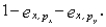
A generalization of Engel's Law is given by:

A) <strong>Use the following definitions for an individual who consumes only two goods,x and y: s<sub>x</sub> = share of income spent on x. s<sub>y</sub> = 1-s<sub>x</sub>.​   = price elasticity of demand for x.​   = price elasticity of demand for y. ​e<sub>x,I</sub> = income elasticity of demand for x. ​ e<sub>y,I</sub> = income elasticity of demand for y.​   = cross price elasticity of demand for x.​   = cross price elasticity of demand for y. A generalization of Engel's Law is given by:</strong> A)   B)   C)   D)   <div style=padding-top: 35px>

B) <strong>Use the following definitions for an individual who consumes only two goods,x and y: s<sub>x</sub> = share of income spent on x. s<sub>y</sub> = 1-s<sub>x</sub>.​   = price elasticity of demand for x.​   = price elasticity of demand for y. ​e<sub>x,I</sub> = income elasticity of demand for x. ​ e<sub>y,I</sub> = income elasticity of demand for y.​   = cross price elasticity of demand for x.​   = cross price elasticity of demand for y. A generalization of Engel's Law is given by:</strong> A)   B)   C)   D)   <div style=padding-top: 35px>
C) <strong>Use the following definitions for an individual who consumes only two goods,x and y: s<sub>x</sub> = share of income spent on x. s<sub>y</sub> = 1-s<sub>x</sub>.​   = price elasticity of demand for x.​   = price elasticity of demand for y. ​e<sub>x,I</sub> = income elasticity of demand for x. ​ e<sub>y,I</sub> = income elasticity of demand for y.​   = cross price elasticity of demand for x.​   = cross price elasticity of demand for y. A generalization of Engel's Law is given by:</strong> A)   B)   C)   D)   <div style=padding-top: 35px>
D) <strong>Use the following definitions for an individual who consumes only two goods,x and y: s<sub>x</sub> = share of income spent on x. s<sub>y</sub> = 1-s<sub>x</sub>.​   = price elasticity of demand for x.​   = price elasticity of demand for y. ​e<sub>x,I</sub> = income elasticity of demand for x. ​ e<sub>y,I</sub> = income elasticity of demand for y.​   = cross price elasticity of demand for x.​   = cross price elasticity of demand for y. A generalization of Engel's Law is given by:</strong> A)   B)   C)   D)   <div style=padding-top: 35px>
سؤال
Use the following definitions for an individual who consumes only two goods,x and y:
sx = share of income spent on x.
sy = 1-sx.​ <strong>Use the following definitions for an individual who consumes only two goods,x and y: s<sub>x</sub> = share of income spent on x. s<sub>y</sub> = 1-s<sub>x</sub>.​   = price elasticity of demand for x.​   = price elasticity of demand for y. ​e<sub>x,I</sub> = income elasticity of demand for x. ​ e<sub>y,I</sub> = income elasticity of demand for y.​   = cross price elasticity of demand for x.​   = cross price elasticity of demand for y. Homogeneity of the demand function is shown by:</strong> A)   B)   C)   D)   <div style=padding-top: 35px> = price elasticity of demand for x.​ <strong>Use the following definitions for an individual who consumes only two goods,x and y: s<sub>x</sub> = share of income spent on x. s<sub>y</sub> = 1-s<sub>x</sub>.​   = price elasticity of demand for x.​   = price elasticity of demand for y. ​e<sub>x,I</sub> = income elasticity of demand for x. ​ e<sub>y,I</sub> = income elasticity of demand for y.​   = cross price elasticity of demand for x.​   = cross price elasticity of demand for y. Homogeneity of the demand function is shown by:</strong> A)   B)   C)   D)   <div style=padding-top: 35px> = price elasticity of demand for y.
​ex,I = income elasticity of demand for x.

ey,I = income elasticity of demand for y.​ <strong>Use the following definitions for an individual who consumes only two goods,x and y: s<sub>x</sub> = share of income spent on x. s<sub>y</sub> = 1-s<sub>x</sub>.​   = price elasticity of demand for x.​   = price elasticity of demand for y. ​e<sub>x,I</sub> = income elasticity of demand for x. ​ e<sub>y,I</sub> = income elasticity of demand for y.​   = cross price elasticity of demand for x.​   = cross price elasticity of demand for y. Homogeneity of the demand function is shown by:</strong> A)   B)   C)   D)   <div style=padding-top: 35px> = cross price elasticity of demand for x.​ <strong>Use the following definitions for an individual who consumes only two goods,x and y: s<sub>x</sub> = share of income spent on x. s<sub>y</sub> = 1-s<sub>x</sub>.​   = price elasticity of demand for x.​   = price elasticity of demand for y. ​e<sub>x,I</sub> = income elasticity of demand for x. ​ e<sub>y,I</sub> = income elasticity of demand for y.​   = cross price elasticity of demand for x.​   = cross price elasticity of demand for y. Homogeneity of the demand function is shown by:</strong> A)   B)   C)   D)   <div style=padding-top: 35px> = cross price elasticity of demand for y.
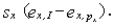
Homogeneity of the demand function is shown by:

A) <strong>Use the following definitions for an individual who consumes only two goods,x and y: s<sub>x</sub> = share of income spent on x. s<sub>y</sub> = 1-s<sub>x</sub>.​   = price elasticity of demand for x.​   = price elasticity of demand for y. ​e<sub>x,I</sub> = income elasticity of demand for x. ​ e<sub>y,I</sub> = income elasticity of demand for y.​   = cross price elasticity of demand for x.​   = cross price elasticity of demand for y. Homogeneity of the demand function is shown by:</strong> A)   B)   C)   D)   <div style=padding-top: 35px>

B) <strong>Use the following definitions for an individual who consumes only two goods,x and y: s<sub>x</sub> = share of income spent on x. s<sub>y</sub> = 1-s<sub>x</sub>.​   = price elasticity of demand for x.​   = price elasticity of demand for y. ​e<sub>x,I</sub> = income elasticity of demand for x. ​ e<sub>y,I</sub> = income elasticity of demand for y.​   = cross price elasticity of demand for x.​   = cross price elasticity of demand for y. Homogeneity of the demand function is shown by:</strong> A)   B)   C)   D)   <div style=padding-top: 35px>
C) <strong>Use the following definitions for an individual who consumes only two goods,x and y: s<sub>x</sub> = share of income spent on x. s<sub>y</sub> = 1-s<sub>x</sub>.​   = price elasticity of demand for x.​   = price elasticity of demand for y. ​e<sub>x,I</sub> = income elasticity of demand for x. ​ e<sub>y,I</sub> = income elasticity of demand for y.​   = cross price elasticity of demand for x.​   = cross price elasticity of demand for y. Homogeneity of the demand function is shown by:</strong> A)   B)   C)   D)   <div style=padding-top: 35px>
D) <strong>Use the following definitions for an individual who consumes only two goods,x and y: s<sub>x</sub> = share of income spent on x. s<sub>y</sub> = 1-s<sub>x</sub>.​   = price elasticity of demand for x.​   = price elasticity of demand for y. ​e<sub>x,I</sub> = income elasticity of demand for x. ​ e<sub>y,I</sub> = income elasticity of demand for y.​   = cross price elasticity of demand for x.​   = cross price elasticity of demand for y. Homogeneity of the demand function is shown by:</strong> A)   B)   C)   D)   <div style=padding-top: 35px>
سؤال
If utility is separable in a three-good utility function x3

<strong>If utility is separable in a three-good utility function x<sub>3 </sub> <sub> </sub>   Then for changes in   Must:</strong> A)both be gross substitutes for x<sub>1</sub>. B)both be gross complements for x<sub>1</sub>. C)be such that if one is a gross substitute for x<sub>1</sub>,the other is a gross complement for x<sub>1</sub>. D)both be gross substitutes or both be gross complements for x<sub>1</sub>. <div style=padding-top: 35px>
Then for changes in <strong>If utility is separable in a three-good utility function x<sub>3 </sub> <sub> </sub>   Then for changes in   Must:</strong> A)both be gross substitutes for x<sub>1</sub>. B)both be gross complements for x<sub>1</sub>. C)be such that if one is a gross substitute for x<sub>1</sub>,the other is a gross complement for x<sub>1</sub>. D)both be gross substitutes or both be gross complements for x<sub>1</sub>. <div style=padding-top: 35px>
Must:

A)both be gross substitutes for x1.
B)both be gross complements for x1.
C)be such that if one is a gross substitute for x1,the other is a gross complement for x1.
D)both be gross substitutes or both be gross complements for x1.
سؤال
"Hicks' Third Law of Demand" states that "most" goods must be:

A)gross substitutes.
B)gross complements.
C)net substitutes.
D)net complements.
سؤال
Use the following definitions for an individual who consumes only two goods,x and y:
sx = share of income spent on x.
sy = 1-sx.​ <strong>Use the following definitions for an individual who consumes only two goods,x and y: s<sub>x</sub> = share of income spent on x. s<sub>y</sub> = 1-s<sub>x</sub>.​   = price elasticity of demand for x.​   = price elasticity of demand for y. ​e<sub>x,I</sub> = income elasticity of demand for x. ​ e<sub>y,I</sub> = income elasticity of demand for y.​   = cross price elasticity of demand for x.​   = cross price elasticity of demand for y. If the demand for x is given by   ,which of parameter values hold?</strong> A)   B)   C)   D)None of these relations hold since the demand function is not homogeneous of degree zero in   <div style=padding-top: 35px> = price elasticity of demand for x.​ <strong>Use the following definitions for an individual who consumes only two goods,x and y: s<sub>x</sub> = share of income spent on x. s<sub>y</sub> = 1-s<sub>x</sub>.​   = price elasticity of demand for x.​   = price elasticity of demand for y. ​e<sub>x,I</sub> = income elasticity of demand for x. ​ e<sub>y,I</sub> = income elasticity of demand for y.​   = cross price elasticity of demand for x.​   = cross price elasticity of demand for y. If the demand for x is given by   ,which of parameter values hold?</strong> A)   B)   C)   D)None of these relations hold since the demand function is not homogeneous of degree zero in   <div style=padding-top: 35px> = price elasticity of demand for y.
​ex,I = income elasticity of demand for x.

ey,I = income elasticity of demand for y.​ <strong>Use the following definitions for an individual who consumes only two goods,x and y: s<sub>x</sub> = share of income spent on x. s<sub>y</sub> = 1-s<sub>x</sub>.​   = price elasticity of demand for x.​   = price elasticity of demand for y. ​e<sub>x,I</sub> = income elasticity of demand for x. ​ e<sub>y,I</sub> = income elasticity of demand for y.​   = cross price elasticity of demand for x.​   = cross price elasticity of demand for y. If the demand for x is given by   ,which of parameter values hold?</strong> A)   B)   C)   D)None of these relations hold since the demand function is not homogeneous of degree zero in   <div style=padding-top: 35px> = cross price elasticity of demand for x.​ <strong>Use the following definitions for an individual who consumes only two goods,x and y: s<sub>x</sub> = share of income spent on x. s<sub>y</sub> = 1-s<sub>x</sub>.​   = price elasticity of demand for x.​   = price elasticity of demand for y. ​e<sub>x,I</sub> = income elasticity of demand for x. ​ e<sub>y,I</sub> = income elasticity of demand for y.​   = cross price elasticity of demand for x.​   = cross price elasticity of demand for y. If the demand for x is given by   ,which of parameter values hold?</strong> A)   B)   C)   D)None of these relations hold since the demand function is not homogeneous of degree zero in   <div style=padding-top: 35px> = cross price elasticity of demand for y.
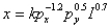
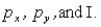
If the demand for x is given by <strong>Use the following definitions for an individual who consumes only two goods,x and y: s<sub>x</sub> = share of income spent on x. s<sub>y</sub> = 1-s<sub>x</sub>.​   = price elasticity of demand for x.​   = price elasticity of demand for y. ​e<sub>x,I</sub> = income elasticity of demand for x. ​ e<sub>y,I</sub> = income elasticity of demand for y.​   = cross price elasticity of demand for x.​   = cross price elasticity of demand for y. If the demand for x is given by   ,which of parameter values hold?</strong> A)   B)   C)   D)None of these relations hold since the demand function is not homogeneous of degree zero in   <div style=padding-top: 35px> ,which of parameter values hold?

A) <strong>Use the following definitions for an individual who consumes only two goods,x and y: s<sub>x</sub> = share of income spent on x. s<sub>y</sub> = 1-s<sub>x</sub>.​   = price elasticity of demand for x.​   = price elasticity of demand for y. ​e<sub>x,I</sub> = income elasticity of demand for x. ​ e<sub>y,I</sub> = income elasticity of demand for y.​   = cross price elasticity of demand for x.​   = cross price elasticity of demand for y. If the demand for x is given by   ,which of parameter values hold?</strong> A)   B)   C)   D)None of these relations hold since the demand function is not homogeneous of degree zero in   <div style=padding-top: 35px>
B) <strong>Use the following definitions for an individual who consumes only two goods,x and y: s<sub>x</sub> = share of income spent on x. s<sub>y</sub> = 1-s<sub>x</sub>.​   = price elasticity of demand for x.​   = price elasticity of demand for y. ​e<sub>x,I</sub> = income elasticity of demand for x. ​ e<sub>y,I</sub> = income elasticity of demand for y.​   = cross price elasticity of demand for x.​   = cross price elasticity of demand for y. If the demand for x is given by   ,which of parameter values hold?</strong> A)   B)   C)   D)None of these relations hold since the demand function is not homogeneous of degree zero in   <div style=padding-top: 35px>
C) <strong>Use the following definitions for an individual who consumes only two goods,x and y: s<sub>x</sub> = share of income spent on x. s<sub>y</sub> = 1-s<sub>x</sub>.​   = price elasticity of demand for x.​   = price elasticity of demand for y. ​e<sub>x,I</sub> = income elasticity of demand for x. ​ e<sub>y,I</sub> = income elasticity of demand for y.​   = cross price elasticity of demand for x.​   = cross price elasticity of demand for y. If the demand for x is given by   ,which of parameter values hold?</strong> A)   B)   C)   D)None of these relations hold since the demand function is not homogeneous of degree zero in   <div style=padding-top: 35px>
D)None of these relations hold since the demand function is not homogeneous of degree zero in <strong>Use the following definitions for an individual who consumes only two goods,x and y: s<sub>x</sub> = share of income spent on x. s<sub>y</sub> = 1-s<sub>x</sub>.​   = price elasticity of demand for x.​   = price elasticity of demand for y. ​e<sub>x,I</sub> = income elasticity of demand for x. ​ e<sub>y,I</sub> = income elasticity of demand for y.​   = cross price elasticity of demand for x.​   = cross price elasticity of demand for y. If the demand for x is given by   ,which of parameter values hold?</strong> A)   B)   C)   D)None of these relations hold since the demand function is not homogeneous of degree zero in   <div style=padding-top: 35px>
سؤال
Quasi-concavity of utility functions insures that with only two goods,these goods must be:

A)gross substitutes.
B)gross complements.
C)net substitutes.
D)net complements.
سؤال
Two goods are Hicks (net)substitutes if a rise in the price of one causes a(n):

A)decline in the quantity demanded of the other holding nominal income constant.
B)increase in the quantity demanded of the other holding nominal income constant.
C)decline in the quantity demanded of the other holding utility constant.
D)increase in the quantity demanded of the other holding utility constant.
سؤال
With the Cobb-Douglas utility function <strong>With the Cobb-Douglas utility function   ,x and y are:</strong> A)net and gross substitutes. B)net substitutes and gross complements. C)net substitutes and neither gross substitutes or complements. D)net and gross complements. <div style=padding-top: 35px>
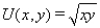
,x and y are:

A)net and gross substitutes.
B)net substitutes and gross complements.
C)net substitutes and neither gross substitutes or complements.
D)net and gross complements.
سؤال
Symmetry of net substitution effects is one of the principal conclusions of the theory of utility maximization.Which two mathematical theorems are used to prove this symmetry?

A)Taylor's Theorem and Fundamental Theorem of Calculus
B)Cauchy's Theorem and DeMoivre's Theorem
C)Lagrangian Theorem and Fundamental Theorem of Calculus
D)Envelope Theorem and Young's Theorem
سؤال
For the "Composite Commodity Theorem" to hold,all goods in the composite must:

A)have constant prices.
B)have constant relative prices.
C)be used in fixed proportions.
D)be net complements.
سؤال
For the Cobb-Douglas utility function with two goods,the sum of the own price elasticities of demand must be:

A)0.
B)-1.
C)-2.
D)any number between 0 and -4.
سؤال
In the Slutsky equation for <strong>In the Slutsky equation for   ,the income effect is given by:</strong> A)   B)   C)   D)   <div style=padding-top: 35px> ,the income effect is given by:

A) <strong>In the Slutsky equation for   ,the income effect is given by:</strong> A)   B)   C)   D)   <div style=padding-top: 35px>
B) <strong>In the Slutsky equation for   ,the income effect is given by:</strong> A)   B)   C)   D)   <div style=padding-top: 35px>
C) <strong>In the Slutsky equation for   ,the income effect is given by:</strong> A)   B)   C)   D)   <div style=padding-top: 35px>
D) <strong>In the Slutsky equation for   ,the income effect is given by:</strong> A)   B)   C)   D)   <div style=padding-top: 35px>
سؤال
Use the following definitions for an individual who consumes only two goods,x and y:
sx = share of income spent on x.
sy = 1-sx.​ <strong>Use the following definitions for an individual who consumes only two goods,x and y: s<sub>x</sub> = share of income spent on x. s<sub>y</sub> = 1-s<sub>x</sub>.​   = price elasticity of demand for x.​   = price elasticity of demand for y. ​e<sub>x,I</sub> = income elasticity of demand for x. ​ e<sub>y,I</sub> = income elasticity of demand for y.​   = cross price elasticity of demand for x.​   = cross price elasticity of demand for y. The elasticity of the compensated demand curve   Can be computed as:</strong> A)   B)   C)   D)   <div style=padding-top: 35px> = price elasticity of demand for x.​ <strong>Use the following definitions for an individual who consumes only two goods,x and y: s<sub>x</sub> = share of income spent on x. s<sub>y</sub> = 1-s<sub>x</sub>.​   = price elasticity of demand for x.​   = price elasticity of demand for y. ​e<sub>x,I</sub> = income elasticity of demand for x. ​ e<sub>y,I</sub> = income elasticity of demand for y.​   = cross price elasticity of demand for x.​   = cross price elasticity of demand for y. The elasticity of the compensated demand curve   Can be computed as:</strong> A)   B)   C)   D)   <div style=padding-top: 35px> = price elasticity of demand for y.
​ex,I = income elasticity of demand for x.

ey,I = income elasticity of demand for y.​ <strong>Use the following definitions for an individual who consumes only two goods,x and y: s<sub>x</sub> = share of income spent on x. s<sub>y</sub> = 1-s<sub>x</sub>.​   = price elasticity of demand for x.​   = price elasticity of demand for y. ​e<sub>x,I</sub> = income elasticity of demand for x. ​ e<sub>y,I</sub> = income elasticity of demand for y.​   = cross price elasticity of demand for x.​   = cross price elasticity of demand for y. The elasticity of the compensated demand curve   Can be computed as:</strong> A)   B)   C)   D)   <div style=padding-top: 35px> = cross price elasticity of demand for x.​ <strong>Use the following definitions for an individual who consumes only two goods,x and y: s<sub>x</sub> = share of income spent on x. s<sub>y</sub> = 1-s<sub>x</sub>.​   = price elasticity of demand for x.​   = price elasticity of demand for y. ​e<sub>x,I</sub> = income elasticity of demand for x. ​ e<sub>y,I</sub> = income elasticity of demand for y.​   = cross price elasticity of demand for x.​   = cross price elasticity of demand for y. The elasticity of the compensated demand curve   Can be computed as:</strong> A)   B)   C)   D)   <div style=padding-top: 35px> = cross price elasticity of demand for y.
The elasticity of the compensated demand curve <strong>Use the following definitions for an individual who consumes only two goods,x and y: s<sub>x</sub> = share of income spent on x. s<sub>y</sub> = 1-s<sub>x</sub>.​   = price elasticity of demand for x.​   = price elasticity of demand for y. ​e<sub>x,I</sub> = income elasticity of demand for x. ​ e<sub>y,I</sub> = income elasticity of demand for y.​   = cross price elasticity of demand for x.​   = cross price elasticity of demand for y. The elasticity of the compensated demand curve   Can be computed as:</strong> A)   B)   C)   D)   <div style=padding-top: 35px>
Can be computed as:

A) <strong>Use the following definitions for an individual who consumes only two goods,x and y: s<sub>x</sub> = share of income spent on x. s<sub>y</sub> = 1-s<sub>x</sub>.​   = price elasticity of demand for x.​   = price elasticity of demand for y. ​e<sub>x,I</sub> = income elasticity of demand for x. ​ e<sub>y,I</sub> = income elasticity of demand for y.​   = cross price elasticity of demand for x.​   = cross price elasticity of demand for y. The elasticity of the compensated demand curve   Can be computed as:</strong> A)   B)   C)   D)   <div style=padding-top: 35px>
B) <strong>Use the following definitions for an individual who consumes only two goods,x and y: s<sub>x</sub> = share of income spent on x. s<sub>y</sub> = 1-s<sub>x</sub>.​   = price elasticity of demand for x.​   = price elasticity of demand for y. ​e<sub>x,I</sub> = income elasticity of demand for x. ​ e<sub>y,I</sub> = income elasticity of demand for y.​   = cross price elasticity of demand for x.​   = cross price elasticity of demand for y. The elasticity of the compensated demand curve   Can be computed as:</strong> A)   B)   C)   D)   <div style=padding-top: 35px>
C) <strong>Use the following definitions for an individual who consumes only two goods,x and y: s<sub>x</sub> = share of income spent on x. s<sub>y</sub> = 1-s<sub>x</sub>.​   = price elasticity of demand for x.​   = price elasticity of demand for y. ​e<sub>x,I</sub> = income elasticity of demand for x. ​ e<sub>y,I</sub> = income elasticity of demand for y.​   = cross price elasticity of demand for x.​   = cross price elasticity of demand for y. The elasticity of the compensated demand curve   Can be computed as:</strong> A)   B)   C)   D)   <div style=padding-top: 35px>
D) <strong>Use the following definitions for an individual who consumes only two goods,x and y: s<sub>x</sub> = share of income spent on x. s<sub>y</sub> = 1-s<sub>x</sub>.​   = price elasticity of demand for x.​   = price elasticity of demand for y. ​e<sub>x,I</sub> = income elasticity of demand for x. ​ e<sub>y,I</sub> = income elasticity of demand for y.​   = cross price elasticity of demand for x.​   = cross price elasticity of demand for y. The elasticity of the compensated demand curve   Can be computed as:</strong> A)   B)   C)   D)   <div style=padding-top: 35px>
سؤال
If goods x and y are complements,then the cross price elasticity of demand between them will be:

A)positive.
B)negative.
C)zero.
D)infinity.
سؤال
With only two goods,x and y,if x and y are gross substitutes,a rise in px must necessarily:

A)increase spending in x.
B)reduce spending in x.
C)increase spending in y.
D)reduce spending in y.
سؤال
The attributes model of consumer choice explains the possibility that an individual does not purchase a particular good,z by assuming:

A)the person's preferences do not favor z.
B)linear combinations of other goods dominate z.
C)that <strong>The attributes model of consumer choice explains the possibility that an individual does not purchase a particular good,z by assuming:</strong> A)the person's preferences do not favor z. B)linear combinations of other goods dominate z. C)that   Is less than the marginal utility of income. D)z is inferior. <div style=padding-top: 35px>
Is less than the marginal utility of income.
D)z is inferior.
سؤال
If a rise in the price x causes less y to be demanded:

A)x and y are gross complements.
B)x and y are gross substitutes.
C)x and y are net complements.
D)x and y are net substitutes.
فتح الحزمة
قم بالتسجيل لفتح البطاقات في هذه المجموعة!
Unlock Deck
Unlock Deck
1/18
auto play flashcards
العب
simple tutorial
ملء الشاشة (f)
exit full mode
Deck 4: Demand Relationships Among Goods
1
The primary additional insight provided by expanding the theory of demand from two to three goods is that a pair of goods may now be:

A)gross substitutes.
B)gross complements.
C)net substitutes.
D)net complements.
net complements.
2
Use the following definitions for an individual who consumes only two goods,x and y:
sx = share of income spent on x.
sy = 1-sx.​ <strong>Use the following definitions for an individual who consumes only two goods,x and y: s<sub>x</sub> = share of income spent on x. s<sub>y</sub> = 1-s<sub>x</sub>.​   = price elasticity of demand for x.​   = price elasticity of demand for y. ​e<sub>x,I</sub> = income elasticity of demand for x. ​ e<sub>y,I</sub> = income elasticity of demand for y.​   = cross price elasticity of demand for x.​   = cross price elasticity of demand for y. A generalization of Engel's Law is given by:</strong> A)   B)   C)   D)   = price elasticity of demand for x.​ <strong>Use the following definitions for an individual who consumes only two goods,x and y: s<sub>x</sub> = share of income spent on x. s<sub>y</sub> = 1-s<sub>x</sub>.​   = price elasticity of demand for x.​   = price elasticity of demand for y. ​e<sub>x,I</sub> = income elasticity of demand for x. ​ e<sub>y,I</sub> = income elasticity of demand for y.​   = cross price elasticity of demand for x.​   = cross price elasticity of demand for y. A generalization of Engel's Law is given by:</strong> A)   B)   C)   D)   = price elasticity of demand for y.
​ex,I = income elasticity of demand for x.

ey,I = income elasticity of demand for y.​ <strong>Use the following definitions for an individual who consumes only two goods,x and y: s<sub>x</sub> = share of income spent on x. s<sub>y</sub> = 1-s<sub>x</sub>.​   = price elasticity of demand for x.​   = price elasticity of demand for y. ​e<sub>x,I</sub> = income elasticity of demand for x. ​ e<sub>y,I</sub> = income elasticity of demand for y.​   = cross price elasticity of demand for x.​   = cross price elasticity of demand for y. A generalization of Engel's Law is given by:</strong> A)   B)   C)   D)   = cross price elasticity of demand for x.​ <strong>Use the following definitions for an individual who consumes only two goods,x and y: s<sub>x</sub> = share of income spent on x. s<sub>y</sub> = 1-s<sub>x</sub>.​   = price elasticity of demand for x.​   = price elasticity of demand for y. ​e<sub>x,I</sub> = income elasticity of demand for x. ​ e<sub>y,I</sub> = income elasticity of demand for y.​   = cross price elasticity of demand for x.​   = cross price elasticity of demand for y. A generalization of Engel's Law is given by:</strong> A)   B)   C)   D)   = cross price elasticity of demand for y.
A generalization of Engel's Law is given by:

A) <strong>Use the following definitions for an individual who consumes only two goods,x and y: s<sub>x</sub> = share of income spent on x. s<sub>y</sub> = 1-s<sub>x</sub>.​   = price elasticity of demand for x.​   = price elasticity of demand for y. ​e<sub>x,I</sub> = income elasticity of demand for x. ​ e<sub>y,I</sub> = income elasticity of demand for y.​   = cross price elasticity of demand for x.​   = cross price elasticity of demand for y. A generalization of Engel's Law is given by:</strong> A)   B)   C)   D)
B) <strong>Use the following definitions for an individual who consumes only two goods,x and y: s<sub>x</sub> = share of income spent on x. s<sub>y</sub> = 1-s<sub>x</sub>.​   = price elasticity of demand for x.​   = price elasticity of demand for y. ​e<sub>x,I</sub> = income elasticity of demand for x. ​ e<sub>y,I</sub> = income elasticity of demand for y.​   = cross price elasticity of demand for x.​   = cross price elasticity of demand for y. A generalization of Engel's Law is given by:</strong> A)   B)   C)   D)
C) <strong>Use the following definitions for an individual who consumes only two goods,x and y: s<sub>x</sub> = share of income spent on x. s<sub>y</sub> = 1-s<sub>x</sub>.​   = price elasticity of demand for x.​   = price elasticity of demand for y. ​e<sub>x,I</sub> = income elasticity of demand for x. ​ e<sub>y,I</sub> = income elasticity of demand for y.​   = cross price elasticity of demand for x.​   = cross price elasticity of demand for y. A generalization of Engel's Law is given by:</strong> A)   B)   C)   D)
D) <strong>Use the following definitions for an individual who consumes only two goods,x and y: s<sub>x</sub> = share of income spent on x. s<sub>y</sub> = 1-s<sub>x</sub>.​   = price elasticity of demand for x.​   = price elasticity of demand for y. ​e<sub>x,I</sub> = income elasticity of demand for x. ​ e<sub>y,I</sub> = income elasticity of demand for y.​   = cross price elasticity of demand for x.​   = cross price elasticity of demand for y. A generalization of Engel's Law is given by:</strong> A)   B)   C)   D)
3
Use the following definitions for an individual who consumes only two goods,x and y:
sx = share of income spent on x.
sy = 1-sx.​ <strong>Use the following definitions for an individual who consumes only two goods,x and y: s<sub>x</sub> = share of income spent on x. s<sub>y</sub> = 1-s<sub>x</sub>.​   = price elasticity of demand for x.​   = price elasticity of demand for y. ​e<sub>x,I</sub> = income elasticity of demand for x. ​ e<sub>y,I</sub> = income elasticity of demand for y.​   = cross price elasticity of demand for x.​   = cross price elasticity of demand for y. Homogeneity of the demand function is shown by:</strong> A)   B)   C)   D)   = price elasticity of demand for x.​ <strong>Use the following definitions for an individual who consumes only two goods,x and y: s<sub>x</sub> = share of income spent on x. s<sub>y</sub> = 1-s<sub>x</sub>.​   = price elasticity of demand for x.​   = price elasticity of demand for y. ​e<sub>x,I</sub> = income elasticity of demand for x. ​ e<sub>y,I</sub> = income elasticity of demand for y.​   = cross price elasticity of demand for x.​   = cross price elasticity of demand for y. Homogeneity of the demand function is shown by:</strong> A)   B)   C)   D)   = price elasticity of demand for y.
​ex,I = income elasticity of demand for x.

ey,I = income elasticity of demand for y.​ <strong>Use the following definitions for an individual who consumes only two goods,x and y: s<sub>x</sub> = share of income spent on x. s<sub>y</sub> = 1-s<sub>x</sub>.​   = price elasticity of demand for x.​   = price elasticity of demand for y. ​e<sub>x,I</sub> = income elasticity of demand for x. ​ e<sub>y,I</sub> = income elasticity of demand for y.​   = cross price elasticity of demand for x.​   = cross price elasticity of demand for y. Homogeneity of the demand function is shown by:</strong> A)   B)   C)   D)   = cross price elasticity of demand for x.​ <strong>Use the following definitions for an individual who consumes only two goods,x and y: s<sub>x</sub> = share of income spent on x. s<sub>y</sub> = 1-s<sub>x</sub>.​   = price elasticity of demand for x.​   = price elasticity of demand for y. ​e<sub>x,I</sub> = income elasticity of demand for x. ​ e<sub>y,I</sub> = income elasticity of demand for y.​   = cross price elasticity of demand for x.​   = cross price elasticity of demand for y. Homogeneity of the demand function is shown by:</strong> A)   B)   C)   D)   = cross price elasticity of demand for y.
Homogeneity of the demand function is shown by:

A) <strong>Use the following definitions for an individual who consumes only two goods,x and y: s<sub>x</sub> = share of income spent on x. s<sub>y</sub> = 1-s<sub>x</sub>.​   = price elasticity of demand for x.​   = price elasticity of demand for y. ​e<sub>x,I</sub> = income elasticity of demand for x. ​ e<sub>y,I</sub> = income elasticity of demand for y.​   = cross price elasticity of demand for x.​   = cross price elasticity of demand for y. Homogeneity of the demand function is shown by:</strong> A)   B)   C)   D)
B) <strong>Use the following definitions for an individual who consumes only two goods,x and y: s<sub>x</sub> = share of income spent on x. s<sub>y</sub> = 1-s<sub>x</sub>.​   = price elasticity of demand for x.​   = price elasticity of demand for y. ​e<sub>x,I</sub> = income elasticity of demand for x. ​ e<sub>y,I</sub> = income elasticity of demand for y.​   = cross price elasticity of demand for x.​   = cross price elasticity of demand for y. Homogeneity of the demand function is shown by:</strong> A)   B)   C)   D)
C) <strong>Use the following definitions for an individual who consumes only two goods,x and y: s<sub>x</sub> = share of income spent on x. s<sub>y</sub> = 1-s<sub>x</sub>.​   = price elasticity of demand for x.​   = price elasticity of demand for y. ​e<sub>x,I</sub> = income elasticity of demand for x. ​ e<sub>y,I</sub> = income elasticity of demand for y.​   = cross price elasticity of demand for x.​   = cross price elasticity of demand for y. Homogeneity of the demand function is shown by:</strong> A)   B)   C)   D)
D) <strong>Use the following definitions for an individual who consumes only two goods,x and y: s<sub>x</sub> = share of income spent on x. s<sub>y</sub> = 1-s<sub>x</sub>.​   = price elasticity of demand for x.​   = price elasticity of demand for y. ​e<sub>x,I</sub> = income elasticity of demand for x. ​ e<sub>y,I</sub> = income elasticity of demand for y.​   = cross price elasticity of demand for x.​   = cross price elasticity of demand for y. Homogeneity of the demand function is shown by:</strong> A)   B)   C)   D)
4
If utility is separable in a three-good utility function x3

<strong>If utility is separable in a three-good utility function x<sub>3 </sub> <sub> </sub>   Then for changes in   Must:</strong> A)both be gross substitutes for x<sub>1</sub>. B)both be gross complements for x<sub>1</sub>. C)be such that if one is a gross substitute for x<sub>1</sub>,the other is a gross complement for x<sub>1</sub>. D)both be gross substitutes or both be gross complements for x<sub>1</sub>.
Then for changes in <strong>If utility is separable in a three-good utility function x<sub>3 </sub> <sub> </sub>   Then for changes in   Must:</strong> A)both be gross substitutes for x<sub>1</sub>. B)both be gross complements for x<sub>1</sub>. C)be such that if one is a gross substitute for x<sub>1</sub>,the other is a gross complement for x<sub>1</sub>. D)both be gross substitutes or both be gross complements for x<sub>1</sub>.
Must:

A)both be gross substitutes for x1.
B)both be gross complements for x1.
C)be such that if one is a gross substitute for x1,the other is a gross complement for x1.
D)both be gross substitutes or both be gross complements for x1.
فتح الحزمة
افتح القفل للوصول البطاقات البالغ عددها 18 في هذه المجموعة.
فتح الحزمة
k this deck
5
"Hicks' Third Law of Demand" states that "most" goods must be:

A)gross substitutes.
B)gross complements.
C)net substitutes.
D)net complements.
فتح الحزمة
افتح القفل للوصول البطاقات البالغ عددها 18 في هذه المجموعة.
فتح الحزمة
k this deck
6
Use the following definitions for an individual who consumes only two goods,x and y:
sx = share of income spent on x.
sy = 1-sx.​ <strong>Use the following definitions for an individual who consumes only two goods,x and y: s<sub>x</sub> = share of income spent on x. s<sub>y</sub> = 1-s<sub>x</sub>.​   = price elasticity of demand for x.​   = price elasticity of demand for y. ​e<sub>x,I</sub> = income elasticity of demand for x. ​ e<sub>y,I</sub> = income elasticity of demand for y.​   = cross price elasticity of demand for x.​   = cross price elasticity of demand for y. If the demand for x is given by   ,which of parameter values hold?</strong> A)   B)   C)   D)None of these relations hold since the demand function is not homogeneous of degree zero in   = price elasticity of demand for x.​ <strong>Use the following definitions for an individual who consumes only two goods,x and y: s<sub>x</sub> = share of income spent on x. s<sub>y</sub> = 1-s<sub>x</sub>.​   = price elasticity of demand for x.​   = price elasticity of demand for y. ​e<sub>x,I</sub> = income elasticity of demand for x. ​ e<sub>y,I</sub> = income elasticity of demand for y.​   = cross price elasticity of demand for x.​   = cross price elasticity of demand for y. If the demand for x is given by   ,which of parameter values hold?</strong> A)   B)   C)   D)None of these relations hold since the demand function is not homogeneous of degree zero in   = price elasticity of demand for y.
​ex,I = income elasticity of demand for x.

ey,I = income elasticity of demand for y.​ <strong>Use the following definitions for an individual who consumes only two goods,x and y: s<sub>x</sub> = share of income spent on x. s<sub>y</sub> = 1-s<sub>x</sub>.​   = price elasticity of demand for x.​   = price elasticity of demand for y. ​e<sub>x,I</sub> = income elasticity of demand for x. ​ e<sub>y,I</sub> = income elasticity of demand for y.​   = cross price elasticity of demand for x.​   = cross price elasticity of demand for y. If the demand for x is given by   ,which of parameter values hold?</strong> A)   B)   C)   D)None of these relations hold since the demand function is not homogeneous of degree zero in   = cross price elasticity of demand for x.​ <strong>Use the following definitions for an individual who consumes only two goods,x and y: s<sub>x</sub> = share of income spent on x. s<sub>y</sub> = 1-s<sub>x</sub>.​   = price elasticity of demand for x.​   = price elasticity of demand for y. ​e<sub>x,I</sub> = income elasticity of demand for x. ​ e<sub>y,I</sub> = income elasticity of demand for y.​   = cross price elasticity of demand for x.​   = cross price elasticity of demand for y. If the demand for x is given by   ,which of parameter values hold?</strong> A)   B)   C)   D)None of these relations hold since the demand function is not homogeneous of degree zero in   = cross price elasticity of demand for y.
If the demand for x is given by <strong>Use the following definitions for an individual who consumes only two goods,x and y: s<sub>x</sub> = share of income spent on x. s<sub>y</sub> = 1-s<sub>x</sub>.​   = price elasticity of demand for x.​   = price elasticity of demand for y. ​e<sub>x,I</sub> = income elasticity of demand for x. ​ e<sub>y,I</sub> = income elasticity of demand for y.​   = cross price elasticity of demand for x.​   = cross price elasticity of demand for y. If the demand for x is given by   ,which of parameter values hold?</strong> A)   B)   C)   D)None of these relations hold since the demand function is not homogeneous of degree zero in   ,which of parameter values hold?

A) <strong>Use the following definitions for an individual who consumes only two goods,x and y: s<sub>x</sub> = share of income spent on x. s<sub>y</sub> = 1-s<sub>x</sub>.​   = price elasticity of demand for x.​   = price elasticity of demand for y. ​e<sub>x,I</sub> = income elasticity of demand for x. ​ e<sub>y,I</sub> = income elasticity of demand for y.​   = cross price elasticity of demand for x.​   = cross price elasticity of demand for y. If the demand for x is given by   ,which of parameter values hold?</strong> A)   B)   C)   D)None of these relations hold since the demand function is not homogeneous of degree zero in
B) <strong>Use the following definitions for an individual who consumes only two goods,x and y: s<sub>x</sub> = share of income spent on x. s<sub>y</sub> = 1-s<sub>x</sub>.​   = price elasticity of demand for x.​   = price elasticity of demand for y. ​e<sub>x,I</sub> = income elasticity of demand for x. ​ e<sub>y,I</sub> = income elasticity of demand for y.​   = cross price elasticity of demand for x.​   = cross price elasticity of demand for y. If the demand for x is given by   ,which of parameter values hold?</strong> A)   B)   C)   D)None of these relations hold since the demand function is not homogeneous of degree zero in
C) <strong>Use the following definitions for an individual who consumes only two goods,x and y: s<sub>x</sub> = share of income spent on x. s<sub>y</sub> = 1-s<sub>x</sub>.​   = price elasticity of demand for x.​   = price elasticity of demand for y. ​e<sub>x,I</sub> = income elasticity of demand for x. ​ e<sub>y,I</sub> = income elasticity of demand for y.​   = cross price elasticity of demand for x.​   = cross price elasticity of demand for y. If the demand for x is given by   ,which of parameter values hold?</strong> A)   B)   C)   D)None of these relations hold since the demand function is not homogeneous of degree zero in
D)None of these relations hold since the demand function is not homogeneous of degree zero in <strong>Use the following definitions for an individual who consumes only two goods,x and y: s<sub>x</sub> = share of income spent on x. s<sub>y</sub> = 1-s<sub>x</sub>.​   = price elasticity of demand for x.​   = price elasticity of demand for y. ​e<sub>x,I</sub> = income elasticity of demand for x. ​ e<sub>y,I</sub> = income elasticity of demand for y.​   = cross price elasticity of demand for x.​   = cross price elasticity of demand for y. If the demand for x is given by   ,which of parameter values hold?</strong> A)   B)   C)   D)None of these relations hold since the demand function is not homogeneous of degree zero in
فتح الحزمة
افتح القفل للوصول البطاقات البالغ عددها 18 في هذه المجموعة.
فتح الحزمة
k this deck
7
Quasi-concavity of utility functions insures that with only two goods,these goods must be:

A)gross substitutes.
B)gross complements.
C)net substitutes.
D)net complements.
فتح الحزمة
افتح القفل للوصول البطاقات البالغ عددها 18 في هذه المجموعة.

فتح الحزمة
k this deck
8
Two goods are Hicks (net)substitutes if a rise in the price of one causes a(n):

A)decline in the quantity demanded of the other holding nominal income constant.
B)increase in the quantity demanded of the other holding nominal income constant.
C)decline in the quantity demanded of the other holding utility constant.
D)increase in the quantity demanded of the other holding utility constant.
فتح الحزمة
افتح القفل للوصول البطاقات البالغ عددها 18 في هذه المجموعة.

فتح الحزمة
k this deck
9
With the Cobb-Douglas utility function <strong>With the Cobb-Douglas utility function   ,x and y are:</strong> A)net and gross substitutes. B)net substitutes and gross complements. C)net substitutes and neither gross substitutes or complements. D)net and gross complements.
,x and y are:

A)net and gross substitutes.
B)net substitutes and gross complements.
C)net substitutes and neither gross substitutes or complements.
D)net and gross complements.
فتح الحزمة
افتح القفل للوصول البطاقات البالغ عددها 18 في هذه المجموعة.
فتح الحزمة
k this deck
10
Symmetry of net substitution effects is one of the principal conclusions of the theory of utility maximization.Which two mathematical theorems are used to prove this symmetry?

A)Taylor's Theorem and Fundamental Theorem of Calculus
B)Cauchy's Theorem and DeMoivre's Theorem
C)Lagrangian Theorem and Fundamental Theorem of Calculus
D)Envelope Theorem and Young's Theorem
فتح الحزمة
افتح القفل للوصول البطاقات البالغ عددها 18 في هذه المجموعة.
فتح الحزمة
k this deck
11
For the "Composite Commodity Theorem" to hold,all goods in the composite must:

A)have constant prices.
B)have constant relative prices.
C)be used in fixed proportions.
D)be net complements.
فتح الحزمة
افتح القفل للوصول البطاقات البالغ عددها 18 في هذه المجموعة.
فتح الحزمة
k this deck
12
For the Cobb-Douglas utility function with two goods,the sum of the own price elasticities of demand must be:

A)0.
B)-1.
C)-2.
D)any number between 0 and -4.
فتح الحزمة
افتح القفل للوصول البطاقات البالغ عددها 18 في هذه المجموعة.
فتح الحزمة
k this deck
13
In the Slutsky equation for <strong>In the Slutsky equation for   ,the income effect is given by:</strong> A)   B)   C)   D)   ,the income effect is given by:

A) <strong>In the Slutsky equation for   ,the income effect is given by:</strong> A)   B)   C)   D)
B) <strong>In the Slutsky equation for   ,the income effect is given by:</strong> A)   B)   C)   D)
C) <strong>In the Slutsky equation for   ,the income effect is given by:</strong> A)   B)   C)   D)
D) <strong>In the Slutsky equation for   ,the income effect is given by:</strong> A)   B)   C)   D)
فتح الحزمة
افتح القفل للوصول البطاقات البالغ عددها 18 في هذه المجموعة.
فتح الحزمة
k this deck
14
Use the following definitions for an individual who consumes only two goods,x and y:
sx = share of income spent on x.
sy = 1-sx.​ <strong>Use the following definitions for an individual who consumes only two goods,x and y: s<sub>x</sub> = share of income spent on x. s<sub>y</sub> = 1-s<sub>x</sub>.​   = price elasticity of demand for x.​   = price elasticity of demand for y. ​e<sub>x,I</sub> = income elasticity of demand for x. ​ e<sub>y,I</sub> = income elasticity of demand for y.​   = cross price elasticity of demand for x.​   = cross price elasticity of demand for y. The elasticity of the compensated demand curve   Can be computed as:</strong> A)   B)   C)   D)   = price elasticity of demand for x.​ <strong>Use the following definitions for an individual who consumes only two goods,x and y: s<sub>x</sub> = share of income spent on x. s<sub>y</sub> = 1-s<sub>x</sub>.​   = price elasticity of demand for x.​   = price elasticity of demand for y. ​e<sub>x,I</sub> = income elasticity of demand for x. ​ e<sub>y,I</sub> = income elasticity of demand for y.​   = cross price elasticity of demand for x.​   = cross price elasticity of demand for y. The elasticity of the compensated demand curve   Can be computed as:</strong> A)   B)   C)   D)   = price elasticity of demand for y.
​ex,I = income elasticity of demand for x.

ey,I = income elasticity of demand for y.​ <strong>Use the following definitions for an individual who consumes only two goods,x and y: s<sub>x</sub> = share of income spent on x. s<sub>y</sub> = 1-s<sub>x</sub>.​   = price elasticity of demand for x.​   = price elasticity of demand for y. ​e<sub>x,I</sub> = income elasticity of demand for x. ​ e<sub>y,I</sub> = income elasticity of demand for y.​   = cross price elasticity of demand for x.​   = cross price elasticity of demand for y. The elasticity of the compensated demand curve   Can be computed as:</strong> A)   B)   C)   D)   = cross price elasticity of demand for x.​ <strong>Use the following definitions for an individual who consumes only two goods,x and y: s<sub>x</sub> = share of income spent on x. s<sub>y</sub> = 1-s<sub>x</sub>.​   = price elasticity of demand for x.​   = price elasticity of demand for y. ​e<sub>x,I</sub> = income elasticity of demand for x. ​ e<sub>y,I</sub> = income elasticity of demand for y.​   = cross price elasticity of demand for x.​   = cross price elasticity of demand for y. The elasticity of the compensated demand curve   Can be computed as:</strong> A)   B)   C)   D)   = cross price elasticity of demand for y.
The elasticity of the compensated demand curve <strong>Use the following definitions for an individual who consumes only two goods,x and y: s<sub>x</sub> = share of income spent on x. s<sub>y</sub> = 1-s<sub>x</sub>.​   = price elasticity of demand for x.​   = price elasticity of demand for y. ​e<sub>x,I</sub> = income elasticity of demand for x. ​ e<sub>y,I</sub> = income elasticity of demand for y.​   = cross price elasticity of demand for x.​   = cross price elasticity of demand for y. The elasticity of the compensated demand curve   Can be computed as:</strong> A)   B)   C)   D)
Can be computed as:

A) <strong>Use the following definitions for an individual who consumes only two goods,x and y: s<sub>x</sub> = share of income spent on x. s<sub>y</sub> = 1-s<sub>x</sub>.​   = price elasticity of demand for x.​   = price elasticity of demand for y. ​e<sub>x,I</sub> = income elasticity of demand for x. ​ e<sub>y,I</sub> = income elasticity of demand for y.​   = cross price elasticity of demand for x.​   = cross price elasticity of demand for y. The elasticity of the compensated demand curve   Can be computed as:</strong> A)   B)   C)   D)
B) <strong>Use the following definitions for an individual who consumes only two goods,x and y: s<sub>x</sub> = share of income spent on x. s<sub>y</sub> = 1-s<sub>x</sub>.​   = price elasticity of demand for x.​   = price elasticity of demand for y. ​e<sub>x,I</sub> = income elasticity of demand for x. ​ e<sub>y,I</sub> = income elasticity of demand for y.​   = cross price elasticity of demand for x.​   = cross price elasticity of demand for y. The elasticity of the compensated demand curve   Can be computed as:</strong> A)   B)   C)   D)
C) <strong>Use the following definitions for an individual who consumes only two goods,x and y: s<sub>x</sub> = share of income spent on x. s<sub>y</sub> = 1-s<sub>x</sub>.​   = price elasticity of demand for x.​   = price elasticity of demand for y. ​e<sub>x,I</sub> = income elasticity of demand for x. ​ e<sub>y,I</sub> = income elasticity of demand for y.​   = cross price elasticity of demand for x.​   = cross price elasticity of demand for y. The elasticity of the compensated demand curve   Can be computed as:</strong> A)   B)   C)   D)
D) <strong>Use the following definitions for an individual who consumes only two goods,x and y: s<sub>x</sub> = share of income spent on x. s<sub>y</sub> = 1-s<sub>x</sub>.​   = price elasticity of demand for x.​   = price elasticity of demand for y. ​e<sub>x,I</sub> = income elasticity of demand for x. ​ e<sub>y,I</sub> = income elasticity of demand for y.​   = cross price elasticity of demand for x.​   = cross price elasticity of demand for y. The elasticity of the compensated demand curve   Can be computed as:</strong> A)   B)   C)   D)
فتح الحزمة
افتح القفل للوصول البطاقات البالغ عددها 18 في هذه المجموعة.
فتح الحزمة
k this deck
15
If goods x and y are complements,then the cross price elasticity of demand between them will be:

A)positive.
B)negative.
C)zero.
D)infinity.
فتح الحزمة
افتح القفل للوصول البطاقات البالغ عددها 18 في هذه المجموعة.
فتح الحزمة
k this deck
16
With only two goods,x and y,if x and y are gross substitutes,a rise in px must necessarily:

A)increase spending in x.
B)reduce spending in x.
C)increase spending in y.
D)reduce spending in y.
فتح الحزمة
افتح القفل للوصول البطاقات البالغ عددها 18 في هذه المجموعة.
فتح الحزمة
k this deck
17
The attributes model of consumer choice explains the possibility that an individual does not purchase a particular good,z by assuming:

A)the person's preferences do not favor z.
B)linear combinations of other goods dominate z.
C)that <strong>The attributes model of consumer choice explains the possibility that an individual does not purchase a particular good,z by assuming:</strong> A)the person's preferences do not favor z. B)linear combinations of other goods dominate z. C)that   Is less than the marginal utility of income. D)z is inferior.
Is less than the marginal utility of income.
D)z is inferior.
فتح الحزمة
افتح القفل للوصول البطاقات البالغ عددها 18 في هذه المجموعة.
فتح الحزمة
k this deck
18
If a rise in the price x causes less y to be demanded:

A)x and y are gross complements.
B)x and y are gross substitutes.
C)x and y are net complements.
D)x and y are net substitutes.
فتح الحزمة
افتح القفل للوصول البطاقات البالغ عددها 18 في هذه المجموعة.
فتح الحزمة
k this deck
locked card icon
فتح الحزمة
افتح القفل للوصول البطاقات البالغ عددها 18 في هذه المجموعة.