Deck 13: Electrophilic Addition to Nonpolar Π Bonds 1: Addition of a Brønsted Acid

ملء الشاشة (f)
exit full mode
سؤال
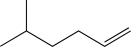
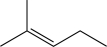
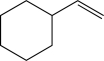
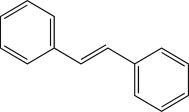
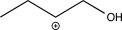
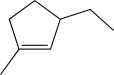
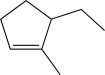
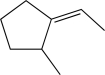
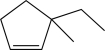
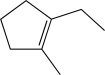
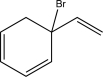
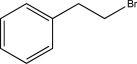
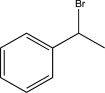
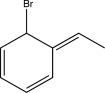
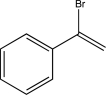
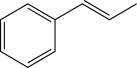
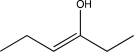
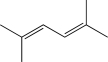
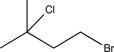
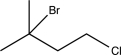
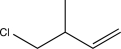
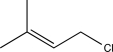
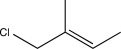
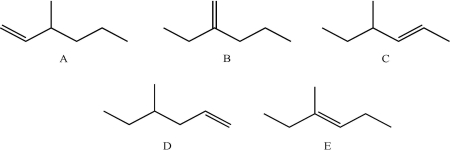
Which of the following alkenes would be susceptible to a carbocation rearrangement after the electrophilic addition step when treated with HBr?

A) <strong>Which of the following alkenes would be susceptible to a carbocation rearrangement after the electrophilic addition step when treated with HBr?</strong> A)   B)   C)   D)   E)   <div style=padding-top: 35px>
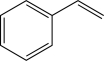
B) <strong>Which of the following alkenes would be susceptible to a carbocation rearrangement after the electrophilic addition step when treated with HBr?</strong> A)   B)   C)   D)   E)   <div style=padding-top: 35px>
C) <strong>Which of the following alkenes would be susceptible to a carbocation rearrangement after the electrophilic addition step when treated with HBr?</strong> A)   B)   C)   D)   E)   <div style=padding-top: 35px>
D) <strong>Which of the following alkenes would be susceptible to a carbocation rearrangement after the electrophilic addition step when treated with HBr?</strong> A)   B)   C)   D)   E)   <div style=padding-top: 35px>
E) <strong>Which of the following alkenes would be susceptible to a carbocation rearrangement after the electrophilic addition step when treated with HBr?</strong> A)   B)   C)   D)   E)   <div style=padding-top: 35px>
استخدم زر المسافة أو
up arrow
down arrow
لقلب البطاقة.
سؤال
Identify the reagent(s)needed to carry out the reaction below. <strong>Identify the reagent(s)needed to carry out the reaction below.  </strong> A)H<sub>2</sub>O B)HBr C)H<sub>2</sub>O / H<sub>2</sub>SO<sub>4</sub> D)H<sub>2</sub>SO<sub>4</sub> E)CH<sub>3</sub>OH / H<sub>2</sub>SO<sub>4</sub> <div style=padding-top: 35px>

A)H2O
B)HBr
C)H2O / H2SO4
D)H2SO4
E)CH3OH / H2SO4
سؤال
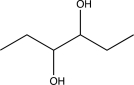
Which of the following would not produce a racemic mixture of enantiomers when treated with HBr?

A) <strong>Which of the following would not produce a racemic mixture of enantiomers when treated with HBr?</strong> A)   B)   C)   D)   E)   <div style=padding-top: 35px>
B) <strong>Which of the following would not produce a racemic mixture of enantiomers when treated with HBr?</strong> A)   B)   C)   D)   E)   <div style=padding-top: 35px>
C) <strong>Which of the following would not produce a racemic mixture of enantiomers when treated with HBr?</strong> A)   B)   C)   D)   E)   <div style=padding-top: 35px>
D) <strong>Which of the following would not produce a racemic mixture of enantiomers when treated with HBr?</strong> A)   B)   C)   D)   E)   <div style=padding-top: 35px>
E) <strong>Which of the following would not produce a racemic mixture of enantiomers when treated with HBr?</strong> A)   B)   C)   D)   E)   <div style=padding-top: 35px>
سؤال
What is the rate-determining step in the reaction shown below? <strong>What is the rate-determining step in the reaction shown below?  </strong> A)Nucleophilic addition B)Coordination C)Proton transfer D)Electrophilic addition E)Bimolecular nucleophilic substitution <div style=padding-top: 35px>

A)Nucleophilic addition
B)Coordination
C)Proton transfer
D)Electrophilic addition
E)Bimolecular nucleophilic substitution
سؤال
How many possible stereoisomers could be produced in the reaction below? <strong>How many possible stereoisomers could be produced in the reaction below?  </strong> A)One B)Two C)Three D)Four E)Six <div style=padding-top: 35px>

A)One
B)Two
C)Three
D)Four
E)Six
سؤال
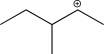
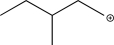
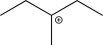
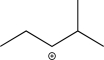
Which of the following is an intermediate in the reaction shown below? <strong>Which of the following is an intermediate in the reaction shown below?  </strong> A)   B)   C)   D)   E)   <div style=padding-top: 35px>

A) <strong>Which of the following is an intermediate in the reaction shown below?  </strong> A)   B)   C)   D)   E)   <div style=padding-top: 35px>
B) <strong>Which of the following is an intermediate in the reaction shown below?  </strong> A)   B)   C)   D)   E)   <div style=padding-top: 35px>
C) <strong>Which of the following is an intermediate in the reaction shown below?  </strong> A)   B)   C)   D)   E)   <div style=padding-top: 35px>
D) <strong>Which of the following is an intermediate in the reaction shown below?  </strong> A)   B)   C)   D)   E)   <div style=padding-top: 35px>
E) <strong>Which of the following is an intermediate in the reaction shown below?  </strong> A)   B)   C)   D)   E)   <div style=padding-top: 35px>
سؤال
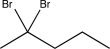
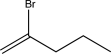
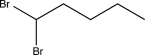
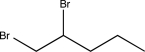
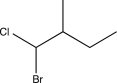
Which of the following alkenes would produce the molecule below when treated with DCl? <strong>Which of the following alkenes would produce the molecule below when treated with DCl?  </strong> A)   B)   C)   D)   E)   <div style=padding-top: 35px>
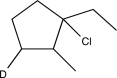
A) <strong>Which of the following alkenes would produce the molecule below when treated with DCl?  </strong> A)   B)   C)   D)   E)   <div style=padding-top: 35px>
B) <strong>Which of the following alkenes would produce the molecule below when treated with DCl?  </strong> A)   B)   C)   D)   E)   <div style=padding-top: 35px>
C) <strong>Which of the following alkenes would produce the molecule below when treated with DCl?  </strong> A)   B)   C)   D)   E)   <div style=padding-top: 35px>
D) <strong>Which of the following alkenes would produce the molecule below when treated with DCl?  </strong> A)   B)   C)   D)   E)   <div style=padding-top: 35px>
E) <strong>Which of the following alkenes would produce the molecule below when treated with DCl?  </strong> A)   B)   C)   D)   E)   <div style=padding-top: 35px>
سؤال
Predict the major product of the reaction below. <strong>Predict the major product of the reaction below.  </strong> A)   B)   C)   D)   E)   <div style=padding-top: 35px>
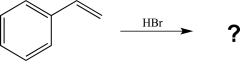
A) <strong>Predict the major product of the reaction below.  </strong> A)   B)   C)   D)   E)   <div style=padding-top: 35px>
B) <strong>Predict the major product of the reaction below.  </strong> A)   B)   C)   D)   E)   <div style=padding-top: 35px>
C) <strong>Predict the major product of the reaction below.  </strong> A)   B)   C)   D)   E)   <div style=padding-top: 35px>
D) <strong>Predict the major product of the reaction below.  </strong> A)   B)   C)   D)   E)   <div style=padding-top: 35px>
E) <strong>Predict the major product of the reaction below.  </strong> A)   B)   C)   D)   E)   <div style=padding-top: 35px>
سؤال
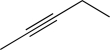
Which of the following is unlikely to undergo an electrophilic addition reaction?

A) <strong>Which of the following is unlikely to undergo an electrophilic addition reaction?</strong> A)   B)   C)   D)   E)   <div style=padding-top: 35px>
B) <strong>Which of the following is unlikely to undergo an electrophilic addition reaction?</strong> A)   B)   C)   D)   E)   <div style=padding-top: 35px>
C) <strong>Which of the following is unlikely to undergo an electrophilic addition reaction?</strong> A)   B)   C)   D)   E)   <div style=padding-top: 35px>
D) <strong>Which of the following is unlikely to undergo an electrophilic addition reaction?</strong> A)   B)   C)   D)   E)   <div style=padding-top: 35px>
E) <strong>Which of the following is unlikely to undergo an electrophilic addition reaction?</strong> A)   B)   C)   D)   E)   <div style=padding-top: 35px>
سؤال
What will be the major product of the reaction below? <strong>What will be the major product of the reaction below?  </strong> A)   B)   C)   D)   E)   <div style=padding-top: 35px>

A) <strong>What will be the major product of the reaction below?  </strong> A)   B)   C)   D)   E)   <div style=padding-top: 35px>
B) <strong>What will be the major product of the reaction below?  </strong> A)   B)   C)   D)   E)   <div style=padding-top: 35px>
C) <strong>What will be the major product of the reaction below?  </strong> A)   B)   C)   D)   E)   <div style=padding-top: 35px>
D) <strong>What will be the major product of the reaction below?  </strong> A)   B)   C)   D)   E)   <div style=padding-top: 35px>
E) <strong>What will be the major product of the reaction below?  </strong> A)   B)   C)   D)   E)   <div style=padding-top: 35px>
سؤال
Which of the following compounds would not produce the same major product as the others when treated with HCl? <strong>Which of the following compounds would not produce the same major product as the others when treated with HCl?  </strong> A)A B)B C)C D)D E)E <div style=padding-top: 35px>
A)A
B)B
C)C
D)D
E)E
سؤال
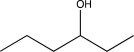
Which of the following contains a nonpolar π bond likely to participate in an electrophilic addition reaction?

A) <strong>Which of the following contains a nonpolar π bond likely to participate in an electrophilic addition reaction?</strong> A)   B)   C)   D)   E)   <div style=padding-top: 35px>
B) <strong>Which of the following contains a nonpolar π bond likely to participate in an electrophilic addition reaction?</strong> A)   B)   C)   D)   E)   <div style=padding-top: 35px>
C) <strong>Which of the following contains a nonpolar π bond likely to participate in an electrophilic addition reaction?</strong> A)   B)   C)   D)   E)   <div style=padding-top: 35px>
D) <strong>Which of the following contains a nonpolar π bond likely to participate in an electrophilic addition reaction?</strong> A)   B)   C)   D)   E)   <div style=padding-top: 35px>
E) <strong>Which of the following contains a nonpolar π bond likely to participate in an electrophilic addition reaction?</strong> A)   B)   C)   D)   E)   <div style=padding-top: 35px>
سؤال
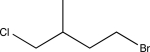
Which starting material would produce the mixture of products shown below? <strong>Which starting material would produce the mixture of products shown below?  </strong> A)   B)   C)   D)   E)   <div style=padding-top: 35px>
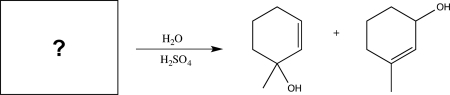
A) <strong>Which starting material would produce the mixture of products shown below?  </strong> A)   B)   C)   D)   E)   <div style=padding-top: 35px>
B) <strong>Which starting material would produce the mixture of products shown below?  </strong> A)   B)   C)   D)   E)   <div style=padding-top: 35px>
C) <strong>Which starting material would produce the mixture of products shown below?  </strong> A)   B)   C)   D)   E)   <div style=padding-top: 35px>
D) <strong>Which starting material would produce the mixture of products shown below?  </strong> A)   B)   C)   D)   E)   <div style=padding-top: 35px>
E) <strong>Which starting material would produce the mixture of products shown below?  </strong> A)   B)   C)   D)   E)   <div style=padding-top: 35px>
سؤال
Predict the major product of the reaction below. <strong>Predict the major product of the reaction below.  </strong> A)   B)   C)   D)   E)   <div style=padding-top: 35px>
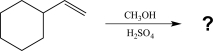
A) <strong>Predict the major product of the reaction below.  </strong> A)   B)   C)   D)   E)   <div style=padding-top: 35px>
B) <strong>Predict the major product of the reaction below.  </strong> A)   B)   C)   D)   E)   <div style=padding-top: 35px>
C) <strong>Predict the major product of the reaction below.  </strong> A)   B)   C)   D)   E)   <div style=padding-top: 35px>
D) <strong>Predict the major product of the reaction below.  </strong> A)   B)   C)   D)   E)   <div style=padding-top: 35px>
E) <strong>Predict the major product of the reaction below.  </strong> A)   B)   C)   D)   E)   <div style=padding-top: 35px>
سؤال
Identify the two elementary steps (in order)in the mechanism below. <strong>Identify the two elementary steps (in order)in the mechanism below.  </strong> A)Electrophilic addition, proton transfer B)Electrophilic elimination, coordination C)Nucleophilic addition, electrophilic addition D)Coordination, nucleophilic addition E)Electrophilic addition, coordination <div style=padding-top: 35px>

A)Electrophilic addition, proton transfer
B)Electrophilic elimination, coordination
C)Nucleophilic addition, electrophilic addition
D)Coordination, nucleophilic addition
E)Electrophilic addition, coordination
سؤال
Identify the electron-poor species that participates in the electrophilic addition step in the reaction below. <strong>Identify the electron-poor species that participates in the electrophilic addition step in the reaction below.  </strong> A)H<sub>2</sub>SO<sub>4</sub> B)CH<sub>3</sub>CH<sub>2</sub>OH<sub>2</sub><sup>+</sup> C)H<sub>3</sub>O<sup>+</sup> D)CH<sub>3</sub>CH<sub>2</sub>OH E)H<sub>3</sub>SO<sub>4</sub><sup>+</sup> <div style=padding-top: 35px>

A)H2SO4
B)CH3CH2OH2+
C)H3O+
D)CH3CH2OH
E)H3SO4+
سؤال
Which of the following would yield a mixture of constitutional isomers as products when treated with HBr?

A) <strong>Which of the following would yield a mixture of constitutional isomers as products when treated with HBr?</strong> A)   B)   C)   D)   E)   <div style=padding-top: 35px>
B) <strong>Which of the following would yield a mixture of constitutional isomers as products when treated with HBr?</strong> A)   B)   C)   D)   E)   <div style=padding-top: 35px>
C) <strong>Which of the following would yield a mixture of constitutional isomers as products when treated with HBr?</strong> A)   B)   C)   D)   E)   <div style=padding-top: 35px>
D) <strong>Which of the following would yield a mixture of constitutional isomers as products when treated with HBr?</strong> A)   B)   C)   D)   E)   <div style=padding-top: 35px>
E) <strong>Which of the following would yield a mixture of constitutional isomers as products when treated with HBr?</strong> A)   B)   C)   D)   E)   <div style=padding-top: 35px>
سؤال
The electrophilic addition step in the reaction below can result in three carbocation intermediates.Rank these carbocation intermediates in order of increasing stability. <strong>The electrophilic addition step in the reaction below can result in three carbocation intermediates.Rank these carbocation intermediates in order of increasing stability.  </strong> A)2 < 3 < 1 B)2 < 1 < 3 C)1 < 2 < 3 D)3 < 2 < 1 E)1 < 3 < 2 <div style=padding-top: 35px>
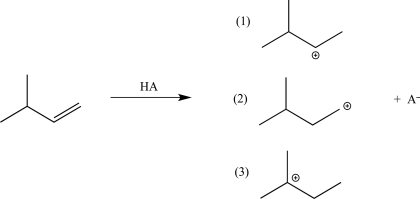
A)2 < 3 < 1
B)2 < 1 < 3
C)1 < 2 < 3
D)3 < 2 < 1
E)1 < 3 < 2
سؤال
Predict the major product of the following reaction. <strong>Predict the major product of the following reaction.  </strong> A)   B)   C)   D)   E)   <div style=padding-top: 35px>

A) <strong>Predict the major product of the following reaction.  </strong> A)   B)   C)   D)   E)   <div style=padding-top: 35px>
B) <strong>Predict the major product of the following reaction.  </strong> A)   B)   C)   D)   E)   <div style=padding-top: 35px>
C) <strong>Predict the major product of the following reaction.  </strong> A)   B)   C)   D)   E)   <div style=padding-top: 35px>
D) <strong>Predict the major product of the following reaction.  </strong> A)   B)   C)   D)   E)   <div style=padding-top: 35px>
E) <strong>Predict the major product of the following reaction.  </strong> A)   B)   C)   D)   E)   <div style=padding-top: 35px>
سؤال
What is the most stable carbocation intermediate that can be formed in the reaction below? <strong>What is the most stable carbocation intermediate that can be formed in the reaction below?  </strong> A)   B)   C)   D)   E)   <div style=padding-top: 35px>
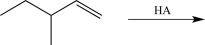
A) <strong>What is the most stable carbocation intermediate that can be formed in the reaction below?  </strong> A)   B)   C)   D)   E)   <div style=padding-top: 35px>
B) <strong>What is the most stable carbocation intermediate that can be formed in the reaction below?  </strong> A)   B)   C)   D)   E)   <div style=padding-top: 35px>
C) <strong>What is the most stable carbocation intermediate that can be formed in the reaction below?  </strong> A)   B)   C)   D)   E)   <div style=padding-top: 35px>
D) <strong>What is the most stable carbocation intermediate that can be formed in the reaction below?  </strong> A)   B)   C)   D)   E)   <div style=padding-top: 35px>
E) <strong>What is the most stable carbocation intermediate that can be formed in the reaction below?  </strong> A)   B)   C)   D)   E)   <div style=padding-top: 35px>
سؤال
Predict the major product of the following reaction and draw the mechanism for the reaction. Predict the major product of the following reaction and draw the mechanism for the reaction.  <div style=padding-top: 35px>
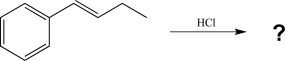
سؤال
Briefly explain why the hypothetical reaction below does not occur. Briefly explain why the hypothetical reaction below does not occur.  <div style=padding-top: 35px>
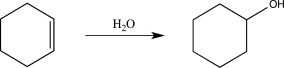
سؤال
Label the electron-rich and electron-poor species in the elementary step below,and draw arrows to complete the mechanism. Label the electron-rich and electron-poor species in the elementary step below,and draw arrows to complete the mechanism.  <div style=padding-top: 35px>

سؤال
When the following molecule is treated with acid,it undergoes a reaction yielding a cyclic ether with the molecular formula C6H12O.Determine the structure of this product,and draw a mechanism to account for its formation. When the following molecule is treated with acid,it undergoes a reaction yielding a cyclic ether with the molecular formula C<sub>6</sub>H<sub>12</sub>O.Determine the structure of this product,and draw a mechanism to account for its formation.  <div style=padding-top: 35px>

سؤال
What would be the major product of the following reaction sequence? <strong>What would be the major product of the following reaction sequence?  </strong> A)   B)   C)   D)   E)   <div style=padding-top: 35px>
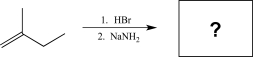
A) <strong>What would be the major product of the following reaction sequence?  </strong> A)   B)   C)   D)   E)   <div style=padding-top: 35px>
B) <strong>What would be the major product of the following reaction sequence?  </strong> A)   B)   C)   D)   E)   <div style=padding-top: 35px>
C) <strong>What would be the major product of the following reaction sequence?  </strong> A)   B)   C)   D)   E)   <div style=padding-top: 35px>
D) <strong>What would be the major product of the following reaction sequence?  </strong> A)   B)   C)   D)   E)   <div style=padding-top: 35px>
E) <strong>What would be the major product of the following reaction sequence?  </strong> A)   B)   C)   D)   E)   <div style=padding-top: 35px>
سؤال
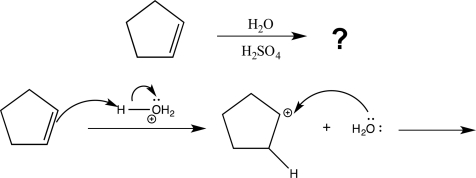
Draw a complete,detailed mechanism for the reaction below,and determine the structure of the product. Draw a complete,detailed mechanism for the reaction below,and determine the structure of the product.  <div style=padding-top: 35px>
سؤال
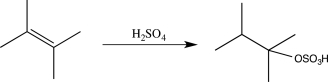
Draw a complete,detailed mechanism for the reaction below.Label the electron-rich and electron-poor sites in each step. Draw a complete,detailed mechanism for the reaction below.Label the electron-rich and electron-poor sites in each step.  <div style=padding-top: 35px>
سؤال
Which of the following,when treated with HBr,would result in the formation of the same major product at both low and high temperatures?

A) <strong>Which of the following,when treated with HBr,would result in the formation of the same major product at both low and high temperatures?</strong> A)   B)   C)   D)   E)   <div style=padding-top: 35px>
B) <strong>Which of the following,when treated with HBr,would result in the formation of the same major product at both low and high temperatures?</strong> A)   B)   C)   D)   E)   <div style=padding-top: 35px>
C) <strong>Which of the following,when treated with HBr,would result in the formation of the same major product at both low and high temperatures?</strong> A)   B)   C)   D)   E)   <div style=padding-top: 35px>
D) <strong>Which of the following,when treated with HBr,would result in the formation of the same major product at both low and high temperatures?</strong> A)   B)   C)   D)   E)   <div style=padding-top: 35px>
E) <strong>Which of the following,when treated with HBr,would result in the formation of the same major product at both low and high temperatures?</strong> A)   B)   C)   D)   E)   <div style=padding-top: 35px>
سؤال
Give an example of a compound containing a nonpolar π bond that would be likely to participate in an electrophilic addition reaction.
سؤال
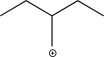
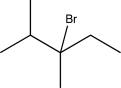
Draw three different alkenes that would produce the compound below when treated with HBr-one alkene that would undergo a 1,2-hydride shift,one that would undergo a 1,2-methyl shift,and one that would not undergo any carbocation rearrangements.Indicate which one falls into each category. Draw three different alkenes that would produce the compound below when treated with HBr-one alkene that would undergo a 1,2-hydride shift,one that would undergo a 1,2-methyl shift,and one that would not undergo any carbocation rearrangements.Indicate which one falls into each category.  <div style=padding-top: 35px>
سؤال
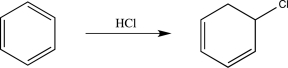
Briefly explain why the hypothetical reaction shown below is unlikely to occur. Briefly explain why the hypothetical reaction shown below is unlikely to occur.  <div style=padding-top: 35px>
سؤال
Predict the major product of the following reaction sequence. <strong>Predict the major product of the following reaction sequence.  </strong> A)   B)   C)   D)   E)   <div style=padding-top: 35px>

A) <strong>Predict the major product of the following reaction sequence.  </strong> A)   B)   C)   D)   E)   <div style=padding-top: 35px>
B) <strong>Predict the major product of the following reaction sequence.  </strong> A)   B)   C)   D)   E)   <div style=padding-top: 35px>
C) <strong>Predict the major product of the following reaction sequence.  </strong> A)   B)   C)   D)   E)   <div style=padding-top: 35px>
D) <strong>Predict the major product of the following reaction sequence.  </strong> A)   B)   C)   D)   E)   <div style=padding-top: 35px>
E) <strong>Predict the major product of the following reaction sequence.  </strong> A)   B)   C)   D)   E)   <div style=padding-top: 35px>
سؤال
What would be the expected major product of the reaction below at a low temperature? <strong>What would be the expected major product of the reaction below at a low temperature?  </strong> A)   B)   C)   D)   E)   <div style=padding-top: 35px>
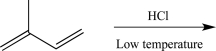
A) <strong>What would be the expected major product of the reaction below at a low temperature?  </strong> A)   B)   C)   D)   E)   <div style=padding-top: 35px>
B) <strong>What would be the expected major product of the reaction below at a low temperature?  </strong> A)   B)   C)   D)   E)   <div style=padding-top: 35px>
C) <strong>What would be the expected major product of the reaction below at a low temperature?  </strong> A)   B)   C)   D)   E)   <div style=padding-top: 35px>
D) <strong>What would be the expected major product of the reaction below at a low temperature?  </strong> A)   B)   C)   D)   E)   <div style=padding-top: 35px>
E) <strong>What would be the expected major product of the reaction below at a low temperature?  </strong> A)   B)   C)   D)   E)   <div style=padding-top: 35px>
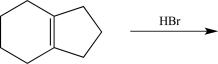
سؤال
Draw the complete,detailed mechanism for the reaction below,and predict the product.Label each elementary step. Draw the complete,detailed mechanism for the reaction below,and predict the product.Label each elementary step.  <div style=padding-top: 35px>
سؤال
Which of the following is true regarding the addition of a strong acid to a conjugated diene?

A)The major product formed at low temperatures is the most stable product.
B)The major product formed at high temperatures is the kinetic product.
C)The product of a 1,4-addition is always more stable than the product of a 1,2-addition.
D)The major product formed under thermodynamic control is the most stable product.
E)The major product formed the most rapidly is also the most stable product.
سؤال
Draw all possible products that could be formed in the reaction below,including stereoisomers. Draw all possible products that could be formed in the reaction below,including stereoisomers.  <div style=padding-top: 35px>

سؤال
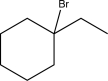
Show how the following compound could be synthesized from two different alkenes. Show how the following compound could be synthesized from two different alkenes.  <div style=padding-top: 35px>
سؤال
Give an example of a compound containing a nonpolar π bond that would be unlikely to participate in an electrophilic addition reaction.
سؤال
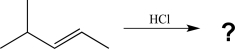
Predict the major product of the reaction below,and draw the mechanism for its formation. Predict the major product of the reaction below,and draw the mechanism for its formation.  <div style=padding-top: 35px>
سؤال
Draw the most stable carbocation intermediate formed after the electrophilic addition step in the reaction below. Draw the most stable carbocation intermediate formed after the electrophilic addition step in the reaction below.  <div style=padding-top: 35px>
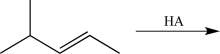
سؤال
Show how you could carry out the following transformation,using more than one reaction if necessary. Show how you could carry out the following transformation,using more than one reaction if necessary.  <div style=padding-top: 35px>

سؤال
Fill in the missing starting material needed to complete the reaction below. Fill in the missing starting material needed to complete the reaction below.  <div style=padding-top: 35px>
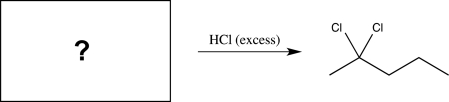
سؤال
Draw the major product that would be obtained if the reaction below were run at a high temperature,and draw the mechanism for its formation. Draw the major product that would be obtained if the reaction below were run at a high temperature,and draw the mechanism for its formation.  <div style=padding-top: 35px>
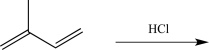
سؤال
Draw the enol intermediate that would be formed in the reaction below. Draw the enol intermediate that would be formed in the reaction below.  <div style=padding-top: 35px>
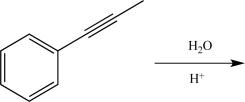
سؤال
Draw a complete,detailed mechanism for the reaction below,and predict the major product. Draw a complete,detailed mechanism for the reaction below,and predict the major product.  <div style=padding-top: 35px>

سؤال
Draw the major 1,2-addition product and the major 1,4-addition product of the following reaction,and label each. Draw the major 1,2-addition product and the major 1,4-addition product of the following reaction,and label each.  <div style=padding-top: 35px>
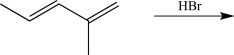
سؤال
Choose the more stable carbocation intermediate formed in the following step,and explain why it is more stable. Choose the more stable carbocation intermediate formed in the following step,and explain why it is more stable.  <div style=padding-top: 35px>
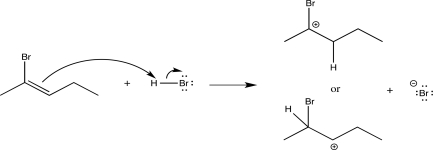
سؤال
Show how the compound below can be synthesized from two different alkenes. Show how the compound below can be synthesized from two different alkenes.  <div style=padding-top: 35px>
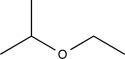
سؤال
Label the thermodynamic product and the kinetic product formed in the reaction below. Label the thermodynamic product and the kinetic product formed in the reaction below.  <div style=padding-top: 35px>

سؤال
When certain compounds are treated with HCl,the resulting thermodynamic and kinetic products are identical.Give an example of such a compound.
فتح الحزمة
قم بالتسجيل لفتح البطاقات في هذه المجموعة!
Unlock Deck
Unlock Deck
1/50
auto play flashcards
العب
simple tutorial
ملء الشاشة (f)
exit full mode
Deck 13: Electrophilic Addition to Nonpolar Π Bonds 1: Addition of a Brønsted Acid
1
Which of the following alkenes would be susceptible to a carbocation rearrangement after the electrophilic addition step when treated with HBr?

A) <strong>Which of the following alkenes would be susceptible to a carbocation rearrangement after the electrophilic addition step when treated with HBr?</strong> A)   B)   C)   D)   E)
B) <strong>Which of the following alkenes would be susceptible to a carbocation rearrangement after the electrophilic addition step when treated with HBr?</strong> A)   B)   C)   D)   E)
C) <strong>Which of the following alkenes would be susceptible to a carbocation rearrangement after the electrophilic addition step when treated with HBr?</strong> A)   B)   C)   D)   E)
D) <strong>Which of the following alkenes would be susceptible to a carbocation rearrangement after the electrophilic addition step when treated with HBr?</strong> A)   B)   C)   D)   E)
E) <strong>Which of the following alkenes would be susceptible to a carbocation rearrangement after the electrophilic addition step when treated with HBr?</strong> A)   B)   C)   D)   E)
2
Identify the reagent(s)needed to carry out the reaction below. <strong>Identify the reagent(s)needed to carry out the reaction below.  </strong> A)H<sub>2</sub>O B)HBr C)H<sub>2</sub>O / H<sub>2</sub>SO<sub>4</sub> D)H<sub>2</sub>SO<sub>4</sub> E)CH<sub>3</sub>OH / H<sub>2</sub>SO<sub>4</sub>

A)H2O
B)HBr
C)H2O / H2SO4
D)H2SO4
E)CH3OH / H2SO4
H2O / H2SO4
3
Which of the following would not produce a racemic mixture of enantiomers when treated with HBr?

A) <strong>Which of the following would not produce a racemic mixture of enantiomers when treated with HBr?</strong> A)   B)   C)   D)   E)
B) <strong>Which of the following would not produce a racemic mixture of enantiomers when treated with HBr?</strong> A)   B)   C)   D)   E)
C) <strong>Which of the following would not produce a racemic mixture of enantiomers when treated with HBr?</strong> A)   B)   C)   D)   E)
D) <strong>Which of the following would not produce a racemic mixture of enantiomers when treated with HBr?</strong> A)   B)   C)   D)   E)
E) <strong>Which of the following would not produce a racemic mixture of enantiomers when treated with HBr?</strong> A)   B)   C)   D)   E)
4
What is the rate-determining step in the reaction shown below? <strong>What is the rate-determining step in the reaction shown below?  </strong> A)Nucleophilic addition B)Coordination C)Proton transfer D)Electrophilic addition E)Bimolecular nucleophilic substitution

A)Nucleophilic addition
B)Coordination
C)Proton transfer
D)Electrophilic addition
E)Bimolecular nucleophilic substitution
فتح الحزمة
افتح القفل للوصول البطاقات البالغ عددها 50 في هذه المجموعة.
فتح الحزمة
k this deck
5
How many possible stereoisomers could be produced in the reaction below? <strong>How many possible stereoisomers could be produced in the reaction below?  </strong> A)One B)Two C)Three D)Four E)Six

A)One
B)Two
C)Three
D)Four
E)Six
فتح الحزمة
افتح القفل للوصول البطاقات البالغ عددها 50 في هذه المجموعة.
فتح الحزمة
k this deck
6
Which of the following is an intermediate in the reaction shown below? <strong>Which of the following is an intermediate in the reaction shown below?  </strong> A)   B)   C)   D)   E)

A) <strong>Which of the following is an intermediate in the reaction shown below?  </strong> A)   B)   C)   D)   E)
B) <strong>Which of the following is an intermediate in the reaction shown below?  </strong> A)   B)   C)   D)   E)
C) <strong>Which of the following is an intermediate in the reaction shown below?  </strong> A)   B)   C)   D)   E)
D) <strong>Which of the following is an intermediate in the reaction shown below?  </strong> A)   B)   C)   D)   E)
E) <strong>Which of the following is an intermediate in the reaction shown below?  </strong> A)   B)   C)   D)   E)
فتح الحزمة
افتح القفل للوصول البطاقات البالغ عددها 50 في هذه المجموعة.
فتح الحزمة
k this deck
7
Which of the following alkenes would produce the molecule below when treated with DCl? <strong>Which of the following alkenes would produce the molecule below when treated with DCl?  </strong> A)   B)   C)   D)   E)

A) <strong>Which of the following alkenes would produce the molecule below when treated with DCl?  </strong> A)   B)   C)   D)   E)
B) <strong>Which of the following alkenes would produce the molecule below when treated with DCl?  </strong> A)   B)   C)   D)   E)
C) <strong>Which of the following alkenes would produce the molecule below when treated with DCl?  </strong> A)   B)   C)   D)   E)
D) <strong>Which of the following alkenes would produce the molecule below when treated with DCl?  </strong> A)   B)   C)   D)   E)
E) <strong>Which of the following alkenes would produce the molecule below when treated with DCl?  </strong> A)   B)   C)   D)   E)
فتح الحزمة
افتح القفل للوصول البطاقات البالغ عددها 50 في هذه المجموعة.

فتح الحزمة
k this deck
8
Predict the major product of the reaction below. <strong>Predict the major product of the reaction below.  </strong> A)   B)   C)   D)   E)

A) <strong>Predict the major product of the reaction below.  </strong> A)   B)   C)   D)   E)
B) <strong>Predict the major product of the reaction below.  </strong> A)   B)   C)   D)   E)
C) <strong>Predict the major product of the reaction below.  </strong> A)   B)   C)   D)   E)
D) <strong>Predict the major product of the reaction below.  </strong> A)   B)   C)   D)   E)
E) <strong>Predict the major product of the reaction below.  </strong> A)   B)   C)   D)   E)
فتح الحزمة
افتح القفل للوصول البطاقات البالغ عددها 50 في هذه المجموعة.

فتح الحزمة
k this deck
9
Which of the following is unlikely to undergo an electrophilic addition reaction?

A) <strong>Which of the following is unlikely to undergo an electrophilic addition reaction?</strong> A)   B)   C)   D)   E)
B) <strong>Which of the following is unlikely to undergo an electrophilic addition reaction?</strong> A)   B)   C)   D)   E)
C) <strong>Which of the following is unlikely to undergo an electrophilic addition reaction?</strong> A)   B)   C)   D)   E)
D) <strong>Which of the following is unlikely to undergo an electrophilic addition reaction?</strong> A)   B)   C)   D)   E)
E) <strong>Which of the following is unlikely to undergo an electrophilic addition reaction?</strong> A)   B)   C)   D)   E)
فتح الحزمة
افتح القفل للوصول البطاقات البالغ عددها 50 في هذه المجموعة.
فتح الحزمة
k this deck
10
What will be the major product of the reaction below? <strong>What will be the major product of the reaction below?  </strong> A)   B)   C)   D)   E)

A) <strong>What will be the major product of the reaction below?  </strong> A)   B)   C)   D)   E)
B) <strong>What will be the major product of the reaction below?  </strong> A)   B)   C)   D)   E)
C) <strong>What will be the major product of the reaction below?  </strong> A)   B)   C)   D)   E)
D) <strong>What will be the major product of the reaction below?  </strong> A)   B)   C)   D)   E)
E) <strong>What will be the major product of the reaction below?  </strong> A)   B)   C)   D)   E)
فتح الحزمة
افتح القفل للوصول البطاقات البالغ عددها 50 في هذه المجموعة.
فتح الحزمة
k this deck
11
Which of the following compounds would not produce the same major product as the others when treated with HCl? <strong>Which of the following compounds would not produce the same major product as the others when treated with HCl?  </strong> A)A B)B C)C D)D E)E

A)A
B)B
C)C
D)D
E)E
فتح الحزمة
افتح القفل للوصول البطاقات البالغ عددها 50 في هذه المجموعة.
فتح الحزمة
k this deck
12
Which of the following contains a nonpolar π bond likely to participate in an electrophilic addition reaction?

A) <strong>Which of the following contains a nonpolar π bond likely to participate in an electrophilic addition reaction?</strong> A)   B)   C)   D)   E)
B) <strong>Which of the following contains a nonpolar π bond likely to participate in an electrophilic addition reaction?</strong> A)   B)   C)   D)   E)
C) <strong>Which of the following contains a nonpolar π bond likely to participate in an electrophilic addition reaction?</strong> A)   B)   C)   D)   E)
D) <strong>Which of the following contains a nonpolar π bond likely to participate in an electrophilic addition reaction?</strong> A)   B)   C)   D)   E)
E) <strong>Which of the following contains a nonpolar π bond likely to participate in an electrophilic addition reaction?</strong> A)   B)   C)   D)   E)
فتح الحزمة
افتح القفل للوصول البطاقات البالغ عددها 50 في هذه المجموعة.
فتح الحزمة
k this deck
13
Which starting material would produce the mixture of products shown below? <strong>Which starting material would produce the mixture of products shown below?  </strong> A)   B)   C)   D)   E)

A) <strong>Which starting material would produce the mixture of products shown below?  </strong> A)   B)   C)   D)   E)
B) <strong>Which starting material would produce the mixture of products shown below?  </strong> A)   B)   C)   D)   E)
C) <strong>Which starting material would produce the mixture of products shown below?  </strong> A)   B)   C)   D)   E)
D) <strong>Which starting material would produce the mixture of products shown below?  </strong> A)   B)   C)   D)   E)
E) <strong>Which starting material would produce the mixture of products shown below?  </strong> A)   B)   C)   D)   E)
فتح الحزمة
افتح القفل للوصول البطاقات البالغ عددها 50 في هذه المجموعة.
فتح الحزمة
k this deck
14
Predict the major product of the reaction below. <strong>Predict the major product of the reaction below.  </strong> A)   B)   C)   D)   E)

A) <strong>Predict the major product of the reaction below.  </strong> A)   B)   C)   D)   E)
B) <strong>Predict the major product of the reaction below.  </strong> A)   B)   C)   D)   E)
C) <strong>Predict the major product of the reaction below.  </strong> A)   B)   C)   D)   E)
D) <strong>Predict the major product of the reaction below.  </strong> A)   B)   C)   D)   E)
E) <strong>Predict the major product of the reaction below.  </strong> A)   B)   C)   D)   E)
فتح الحزمة
افتح القفل للوصول البطاقات البالغ عددها 50 في هذه المجموعة.
فتح الحزمة
k this deck
15
Identify the two elementary steps (in order)in the mechanism below. <strong>Identify the two elementary steps (in order)in the mechanism below.  </strong> A)Electrophilic addition, proton transfer B)Electrophilic elimination, coordination C)Nucleophilic addition, electrophilic addition D)Coordination, nucleophilic addition E)Electrophilic addition, coordination

A)Electrophilic addition, proton transfer
B)Electrophilic elimination, coordination
C)Nucleophilic addition, electrophilic addition
D)Coordination, nucleophilic addition
E)Electrophilic addition, coordination
فتح الحزمة
افتح القفل للوصول البطاقات البالغ عددها 50 في هذه المجموعة.
فتح الحزمة
k this deck
16
Identify the electron-poor species that participates in the electrophilic addition step in the reaction below. <strong>Identify the electron-poor species that participates in the electrophilic addition step in the reaction below.  </strong> A)H<sub>2</sub>SO<sub>4</sub> B)CH<sub>3</sub>CH<sub>2</sub>OH<sub>2</sub><sup>+</sup> C)H<sub>3</sub>O<sup>+</sup> D)CH<sub>3</sub>CH<sub>2</sub>OH E)H<sub>3</sub>SO<sub>4</sub><sup>+</sup>

A)H2SO4
B)CH3CH2OH2+
C)H3O+
D)CH3CH2OH
E)H3SO4+
فتح الحزمة
افتح القفل للوصول البطاقات البالغ عددها 50 في هذه المجموعة.
فتح الحزمة
k this deck
17
Which of the following would yield a mixture of constitutional isomers as products when treated with HBr?

A) <strong>Which of the following would yield a mixture of constitutional isomers as products when treated with HBr?</strong> A)   B)   C)   D)   E)
B) <strong>Which of the following would yield a mixture of constitutional isomers as products when treated with HBr?</strong> A)   B)   C)   D)   E)
C) <strong>Which of the following would yield a mixture of constitutional isomers as products when treated with HBr?</strong> A)   B)   C)   D)   E)
D) <strong>Which of the following would yield a mixture of constitutional isomers as products when treated with HBr?</strong> A)   B)   C)   D)   E)
E) <strong>Which of the following would yield a mixture of constitutional isomers as products when treated with HBr?</strong> A)   B)   C)   D)   E)
فتح الحزمة
افتح القفل للوصول البطاقات البالغ عددها 50 في هذه المجموعة.
فتح الحزمة
k this deck
18
The electrophilic addition step in the reaction below can result in three carbocation intermediates.Rank these carbocation intermediates in order of increasing stability. <strong>The electrophilic addition step in the reaction below can result in three carbocation intermediates.Rank these carbocation intermediates in order of increasing stability.  </strong> A)2 < 3 < 1 B)2 < 1 < 3 C)1 < 2 < 3 D)3 < 2 < 1 E)1 < 3 < 2

A)2 < 3 < 1
B)2 < 1 < 3
C)1 < 2 < 3
D)3 < 2 < 1
E)1 < 3 < 2
فتح الحزمة
افتح القفل للوصول البطاقات البالغ عددها 50 في هذه المجموعة.
فتح الحزمة
k this deck
19
Predict the major product of the following reaction. <strong>Predict the major product of the following reaction.  </strong> A)   B)   C)   D)   E)

A) <strong>Predict the major product of the following reaction.  </strong> A)   B)   C)   D)   E)
B) <strong>Predict the major product of the following reaction.  </strong> A)   B)   C)   D)   E)
C) <strong>Predict the major product of the following reaction.  </strong> A)   B)   C)   D)   E)
D) <strong>Predict the major product of the following reaction.  </strong> A)   B)   C)   D)   E)
E) <strong>Predict the major product of the following reaction.  </strong> A)   B)   C)   D)   E)
فتح الحزمة
افتح القفل للوصول البطاقات البالغ عددها 50 في هذه المجموعة.
فتح الحزمة
k this deck
20
What is the most stable carbocation intermediate that can be formed in the reaction below? <strong>What is the most stable carbocation intermediate that can be formed in the reaction below?  </strong> A)   B)   C)   D)   E)

A) <strong>What is the most stable carbocation intermediate that can be formed in the reaction below?  </strong> A)   B)   C)   D)   E)
B) <strong>What is the most stable carbocation intermediate that can be formed in the reaction below?  </strong> A)   B)   C)   D)   E)
C) <strong>What is the most stable carbocation intermediate that can be formed in the reaction below?  </strong> A)   B)   C)   D)   E)
D) <strong>What is the most stable carbocation intermediate that can be formed in the reaction below?  </strong> A)   B)   C)   D)   E)
E) <strong>What is the most stable carbocation intermediate that can be formed in the reaction below?  </strong> A)   B)   C)   D)   E)
فتح الحزمة
افتح القفل للوصول البطاقات البالغ عددها 50 في هذه المجموعة.
فتح الحزمة
k this deck
21
Predict the major product of the following reaction and draw the mechanism for the reaction. Predict the major product of the following reaction and draw the mechanism for the reaction.
فتح الحزمة
افتح القفل للوصول البطاقات البالغ عددها 50 في هذه المجموعة.
فتح الحزمة
k this deck
22
Briefly explain why the hypothetical reaction below does not occur. Briefly explain why the hypothetical reaction below does not occur.
فتح الحزمة
افتح القفل للوصول البطاقات البالغ عددها 50 في هذه المجموعة.
فتح الحزمة
k this deck
23
Label the electron-rich and electron-poor species in the elementary step below,and draw arrows to complete the mechanism. Label the electron-rich and electron-poor species in the elementary step below,and draw arrows to complete the mechanism.
فتح الحزمة
افتح القفل للوصول البطاقات البالغ عددها 50 في هذه المجموعة.
فتح الحزمة
k this deck
24
When the following molecule is treated with acid,it undergoes a reaction yielding a cyclic ether with the molecular formula C6H12O.Determine the structure of this product,and draw a mechanism to account for its formation. When the following molecule is treated with acid,it undergoes a reaction yielding a cyclic ether with the molecular formula C<sub>6</sub>H<sub>12</sub>O.Determine the structure of this product,and draw a mechanism to account for its formation.
فتح الحزمة
افتح القفل للوصول البطاقات البالغ عددها 50 في هذه المجموعة.
فتح الحزمة
k this deck
25
What would be the major product of the following reaction sequence? <strong>What would be the major product of the following reaction sequence?  </strong> A)   B)   C)   D)   E)

A) <strong>What would be the major product of the following reaction sequence?  </strong> A)   B)   C)   D)   E)
B) <strong>What would be the major product of the following reaction sequence?  </strong> A)   B)   C)   D)   E)
C) <strong>What would be the major product of the following reaction sequence?  </strong> A)   B)   C)   D)   E)
D) <strong>What would be the major product of the following reaction sequence?  </strong> A)   B)   C)   D)   E)
E) <strong>What would be the major product of the following reaction sequence?  </strong> A)   B)   C)   D)   E)
فتح الحزمة
افتح القفل للوصول البطاقات البالغ عددها 50 في هذه المجموعة.
فتح الحزمة
k this deck
26
Draw a complete,detailed mechanism for the reaction below,and determine the structure of the product. Draw a complete,detailed mechanism for the reaction below,and determine the structure of the product.
فتح الحزمة
افتح القفل للوصول البطاقات البالغ عددها 50 في هذه المجموعة.
فتح الحزمة
k this deck
27
Draw a complete,detailed mechanism for the reaction below.Label the electron-rich and electron-poor sites in each step. Draw a complete,detailed mechanism for the reaction below.Label the electron-rich and electron-poor sites in each step.
فتح الحزمة
افتح القفل للوصول البطاقات البالغ عددها 50 في هذه المجموعة.
فتح الحزمة
k this deck
28
Which of the following,when treated with HBr,would result in the formation of the same major product at both low and high temperatures?

A) <strong>Which of the following,when treated with HBr,would result in the formation of the same major product at both low and high temperatures?</strong> A)   B)   C)   D)   E)
B) <strong>Which of the following,when treated with HBr,would result in the formation of the same major product at both low and high temperatures?</strong> A)   B)   C)   D)   E)
C) <strong>Which of the following,when treated with HBr,would result in the formation of the same major product at both low and high temperatures?</strong> A)   B)   C)   D)   E)
D) <strong>Which of the following,when treated with HBr,would result in the formation of the same major product at both low and high temperatures?</strong> A)   B)   C)   D)   E)
E) <strong>Which of the following,when treated with HBr,would result in the formation of the same major product at both low and high temperatures?</strong> A)   B)   C)   D)   E)
فتح الحزمة
افتح القفل للوصول البطاقات البالغ عددها 50 في هذه المجموعة.
فتح الحزمة
k this deck
29
Give an example of a compound containing a nonpolar π bond that would be likely to participate in an electrophilic addition reaction.
فتح الحزمة
افتح القفل للوصول البطاقات البالغ عددها 50 في هذه المجموعة.
فتح الحزمة
k this deck
30
Draw three different alkenes that would produce the compound below when treated with HBr-one alkene that would undergo a 1,2-hydride shift,one that would undergo a 1,2-methyl shift,and one that would not undergo any carbocation rearrangements.Indicate which one falls into each category. Draw three different alkenes that would produce the compound below when treated with HBr-one alkene that would undergo a 1,2-hydride shift,one that would undergo a 1,2-methyl shift,and one that would not undergo any carbocation rearrangements.Indicate which one falls into each category.
فتح الحزمة
افتح القفل للوصول البطاقات البالغ عددها 50 في هذه المجموعة.
فتح الحزمة
k this deck
31
Briefly explain why the hypothetical reaction shown below is unlikely to occur. Briefly explain why the hypothetical reaction shown below is unlikely to occur.
فتح الحزمة
افتح القفل للوصول البطاقات البالغ عددها 50 في هذه المجموعة.
فتح الحزمة
k this deck
32
Predict the major product of the following reaction sequence. <strong>Predict the major product of the following reaction sequence.  </strong> A)   B)   C)   D)   E)

A) <strong>Predict the major product of the following reaction sequence.  </strong> A)   B)   C)   D)   E)
B) <strong>Predict the major product of the following reaction sequence.  </strong> A)   B)   C)   D)   E)
C) <strong>Predict the major product of the following reaction sequence.  </strong> A)   B)   C)   D)   E)
D) <strong>Predict the major product of the following reaction sequence.  </strong> A)   B)   C)   D)   E)
E) <strong>Predict the major product of the following reaction sequence.  </strong> A)   B)   C)   D)   E)
فتح الحزمة
افتح القفل للوصول البطاقات البالغ عددها 50 في هذه المجموعة.
فتح الحزمة
k this deck
33
What would be the expected major product of the reaction below at a low temperature? <strong>What would be the expected major product of the reaction below at a low temperature?  </strong> A)   B)   C)   D)   E)

A) <strong>What would be the expected major product of the reaction below at a low temperature?  </strong> A)   B)   C)   D)   E)
B) <strong>What would be the expected major product of the reaction below at a low temperature?  </strong> A)   B)   C)   D)   E)
C) <strong>What would be the expected major product of the reaction below at a low temperature?  </strong> A)   B)   C)   D)   E)
D) <strong>What would be the expected major product of the reaction below at a low temperature?  </strong> A)   B)   C)   D)   E)
E) <strong>What would be the expected major product of the reaction below at a low temperature?  </strong> A)   B)   C)   D)   E)
فتح الحزمة
افتح القفل للوصول البطاقات البالغ عددها 50 في هذه المجموعة.
فتح الحزمة
k this deck
34
Draw the complete,detailed mechanism for the reaction below,and predict the product.Label each elementary step. Draw the complete,detailed mechanism for the reaction below,and predict the product.Label each elementary step.
فتح الحزمة
افتح القفل للوصول البطاقات البالغ عددها 50 في هذه المجموعة.
فتح الحزمة
k this deck
35
Which of the following is true regarding the addition of a strong acid to a conjugated diene?

A)The major product formed at low temperatures is the most stable product.
B)The major product formed at high temperatures is the kinetic product.
C)The product of a 1,4-addition is always more stable than the product of a 1,2-addition.
D)The major product formed under thermodynamic control is the most stable product.
E)The major product formed the most rapidly is also the most stable product.
فتح الحزمة
افتح القفل للوصول البطاقات البالغ عددها 50 في هذه المجموعة.
فتح الحزمة
k this deck
36
Draw all possible products that could be formed in the reaction below,including stereoisomers. Draw all possible products that could be formed in the reaction below,including stereoisomers.
فتح الحزمة
افتح القفل للوصول البطاقات البالغ عددها 50 في هذه المجموعة.
فتح الحزمة
k this deck
37
Show how the following compound could be synthesized from two different alkenes. Show how the following compound could be synthesized from two different alkenes.
فتح الحزمة
افتح القفل للوصول البطاقات البالغ عددها 50 في هذه المجموعة.
فتح الحزمة
k this deck
38
Give an example of a compound containing a nonpolar π bond that would be unlikely to participate in an electrophilic addition reaction.
فتح الحزمة
افتح القفل للوصول البطاقات البالغ عددها 50 في هذه المجموعة.
فتح الحزمة
k this deck
39
Predict the major product of the reaction below,and draw the mechanism for its formation. Predict the major product of the reaction below,and draw the mechanism for its formation.
فتح الحزمة
افتح القفل للوصول البطاقات البالغ عددها 50 في هذه المجموعة.
فتح الحزمة
k this deck
40
Draw the most stable carbocation intermediate formed after the electrophilic addition step in the reaction below. Draw the most stable carbocation intermediate formed after the electrophilic addition step in the reaction below.
فتح الحزمة
افتح القفل للوصول البطاقات البالغ عددها 50 في هذه المجموعة.
فتح الحزمة
k this deck
41
Show how you could carry out the following transformation,using more than one reaction if necessary. Show how you could carry out the following transformation,using more than one reaction if necessary.
فتح الحزمة
افتح القفل للوصول البطاقات البالغ عددها 50 في هذه المجموعة.
فتح الحزمة
k this deck
42
Fill in the missing starting material needed to complete the reaction below. Fill in the missing starting material needed to complete the reaction below.
فتح الحزمة
افتح القفل للوصول البطاقات البالغ عددها 50 في هذه المجموعة.
فتح الحزمة
k this deck
43
Draw the major product that would be obtained if the reaction below were run at a high temperature,and draw the mechanism for its formation. Draw the major product that would be obtained if the reaction below were run at a high temperature,and draw the mechanism for its formation.
فتح الحزمة
افتح القفل للوصول البطاقات البالغ عددها 50 في هذه المجموعة.
فتح الحزمة
k this deck
44
Draw the enol intermediate that would be formed in the reaction below. Draw the enol intermediate that would be formed in the reaction below.
فتح الحزمة
افتح القفل للوصول البطاقات البالغ عددها 50 في هذه المجموعة.
فتح الحزمة
k this deck
45
Draw a complete,detailed mechanism for the reaction below,and predict the major product. Draw a complete,detailed mechanism for the reaction below,and predict the major product.
فتح الحزمة
افتح القفل للوصول البطاقات البالغ عددها 50 في هذه المجموعة.
فتح الحزمة
k this deck
46
Draw the major 1,2-addition product and the major 1,4-addition product of the following reaction,and label each. Draw the major 1,2-addition product and the major 1,4-addition product of the following reaction,and label each.
فتح الحزمة
افتح القفل للوصول البطاقات البالغ عددها 50 في هذه المجموعة.
فتح الحزمة
k this deck
47
Choose the more stable carbocation intermediate formed in the following step,and explain why it is more stable. Choose the more stable carbocation intermediate formed in the following step,and explain why it is more stable.
فتح الحزمة
افتح القفل للوصول البطاقات البالغ عددها 50 في هذه المجموعة.
فتح الحزمة
k this deck
48
Show how the compound below can be synthesized from two different alkenes. Show how the compound below can be synthesized from two different alkenes.
فتح الحزمة
افتح القفل للوصول البطاقات البالغ عددها 50 في هذه المجموعة.
فتح الحزمة
k this deck
49
Label the thermodynamic product and the kinetic product formed in the reaction below. Label the thermodynamic product and the kinetic product formed in the reaction below.
فتح الحزمة
افتح القفل للوصول البطاقات البالغ عددها 50 في هذه المجموعة.
فتح الحزمة
k this deck
50
When certain compounds are treated with HCl,the resulting thermodynamic and kinetic products are identical.Give an example of such a compound.
فتح الحزمة
افتح القفل للوصول البطاقات البالغ عددها 50 في هذه المجموعة.
فتح الحزمة
k this deck
locked card icon
فتح الحزمة
افتح القفل للوصول البطاقات البالغ عددها 50 في هذه المجموعة.