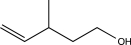
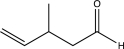
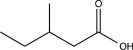
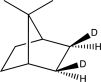
Deck 21: Organic Synthesis 2: Intermediate Topics in Synthesis Design,and Useful Reduction and Oxidation Reactions

ملء الشاشة (f)
exit full mode
سؤال
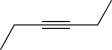
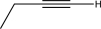
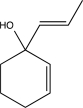
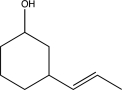
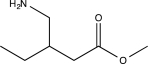
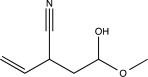
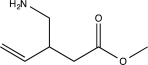
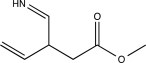
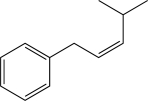
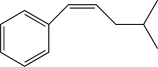
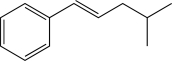
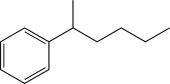
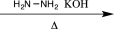
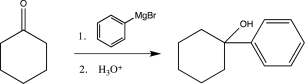
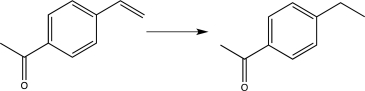
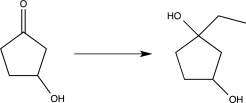
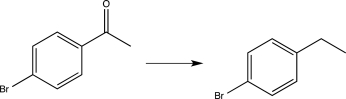
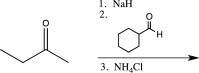
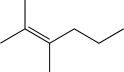
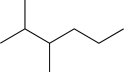
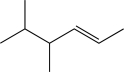
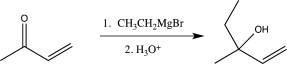
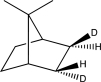
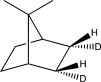
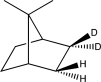
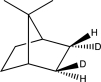
What is the starting material for the following reaction? <strong>What is the starting material for the following reaction?  </strong> A)   B)   C)   D)   E)   <div style=padding-top: 35px>
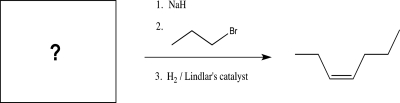
A) <strong>What is the starting material for the following reaction?  </strong> A)   B)   C)   D)   E)   <div style=padding-top: 35px>
B) <strong>What is the starting material for the following reaction?  </strong> A)   B)   C)   D)   E)   <div style=padding-top: 35px>
C) <strong>What is the starting material for the following reaction?  </strong> A)   B)   C)   D)   E)   <div style=padding-top: 35px>
D) <strong>What is the starting material for the following reaction?  </strong> A)   B)   C)   D)   E)   <div style=padding-top: 35px>
E) <strong>What is the starting material for the following reaction?  </strong> A)   B)   C)   D)   E)   <div style=padding-top: 35px>
استخدم زر المسافة أو
up arrow
down arrow
لقلب البطاقة.
سؤال
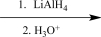
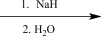
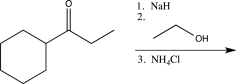
What is the product of the following reaction sequence? <strong>What is the product of the following reaction sequence?  </strong> A)   B)   C)   D)   E)   <div style=padding-top: 35px>
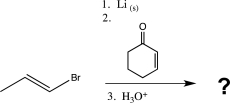
A) <strong>What is the product of the following reaction sequence?  </strong> A)   B)   C)   D)   E)   <div style=padding-top: 35px>
B) <strong>What is the product of the following reaction sequence?  </strong> A)   B)   C)   D)   E)   <div style=padding-top: 35px>
C) <strong>What is the product of the following reaction sequence?  </strong> A)   B)   C)   D)   E)   <div style=padding-top: 35px>
D) <strong>What is the product of the following reaction sequence?  </strong> A)   B)   C)   D)   E)   <div style=padding-top: 35px>
E) <strong>What is the product of the following reaction sequence?  </strong> A)   B)   C)   D)   E)   <div style=padding-top: 35px>
سؤال
Which of the following is not part of the mechanism for the catalytic hydrogenation of an alkene?

A)Adsorption of hydrogen gas onto metal surface.
B)Formation of C-H bond and liberation of C atom from surface.
C)Adsorption of alkene onto metal surface.
D)Proton transfer from metal to carbon.
E)Liberation of alkane from surface.
سؤال
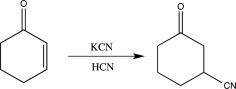
Which of the following steps involves umpolung?

A) <strong>Which of the following steps involves umpolung?</strong> A)   B)   C)   D)   E)   <div style=padding-top: 35px>

B) <strong>Which of the following steps involves umpolung?</strong> A)   B)   C)   D)   E)   <div style=padding-top: 35px>
C) <strong>Which of the following steps involves umpolung?</strong> A)   B)   C)   D)   E)   <div style=padding-top: 35px>
D) <strong>Which of the following steps involves umpolung?</strong> A)   B)   C)   D)   E)   <div style=padding-top: 35px>
E) <strong>Which of the following steps involves umpolung?</strong> A)   B)   C)   D)   E)   <div style=padding-top: 35px>
سؤال
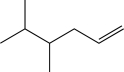
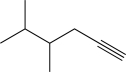
Predict the major product of the following reaction (assume one equivalent of H2 is present). <strong>Predict the major product of the following reaction (assume one equivalent of H<sub>2</sub> is present).  </strong> A)   B)   C)   D)   E)   <div style=padding-top: 35px>
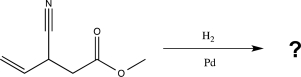
A) <strong>Predict the major product of the following reaction (assume one equivalent of H<sub>2</sub> is present).  </strong> A)   B)   C)   D)   E)   <div style=padding-top: 35px>
B) <strong>Predict the major product of the following reaction (assume one equivalent of H<sub>2</sub> is present).  </strong> A)   B)   C)   D)   E)   <div style=padding-top: 35px>
C) <strong>Predict the major product of the following reaction (assume one equivalent of H<sub>2</sub> is present).  </strong> A)   B)   C)   D)   E)   <div style=padding-top: 35px>
D) <strong>Predict the major product of the following reaction (assume one equivalent of H<sub>2</sub> is present).  </strong> A)   B)   C)   D)   E)   <div style=padding-top: 35px>
E) <strong>Predict the major product of the following reaction (assume one equivalent of H<sub>2</sub> is present).  </strong> A)   B)   C)   D)   E)   <div style=padding-top: 35px>
سؤال
Which of the following reactions would not function as an effective protection reaction for an alcohol?

A) <strong>Which of the following reactions would not function as an effective protection reaction for an alcohol?</strong> A)   B)   C)   D)   E)   <div style=padding-top: 35px>

B) <strong>Which of the following reactions would not function as an effective protection reaction for an alcohol?</strong> A)   B)   C)   D)   E)   <div style=padding-top: 35px>
C) <strong>Which of the following reactions would not function as an effective protection reaction for an alcohol?</strong> A)   B)   C)   D)   E)   <div style=padding-top: 35px>
D) <strong>Which of the following reactions would not function as an effective protection reaction for an alcohol?</strong> A)   B)   C)   D)   E)   <div style=padding-top: 35px>
E) <strong>Which of the following reactions would not function as an effective protection reaction for an alcohol?</strong> A)   B)   C)   D)   E)   <div style=padding-top: 35px>
سؤال
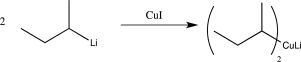
What is the major product of the following reaction? <strong>What is the major product of the following reaction?  </strong> A)   B)   C)   D)   E)   <div style=padding-top: 35px>
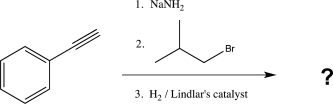
A) <strong>What is the major product of the following reaction?  </strong> A)   B)   C)   D)   E)   <div style=padding-top: 35px>
B) <strong>What is the major product of the following reaction?  </strong> A)   B)   C)   D)   E)   <div style=padding-top: 35px>
C) <strong>What is the major product of the following reaction?  </strong> A)   B)   C)   D)   E)   <div style=padding-top: 35px>
D) <strong>What is the major product of the following reaction?  </strong> A)   B)   C)   D)   E)   <div style=padding-top: 35px>
E) <strong>What is the major product of the following reaction?  </strong> A)   B)   C)   D)   E)   <div style=padding-top: 35px>
سؤال
Which of the following reagents would be the best choice to carry out the synthetic step shown below? <strong>Which of the following reagents would be the best choice to carry out the synthetic step shown below?  </strong> A)   B)   C)   D)   E)   <div style=padding-top: 35px>

A) <strong>Which of the following reagents would be the best choice to carry out the synthetic step shown below?  </strong> A)   B)   C)   D)   E)   <div style=padding-top: 35px>
B) <strong>Which of the following reagents would be the best choice to carry out the synthetic step shown below?  </strong> A)   B)   C)   D)   E)   <div style=padding-top: 35px>
C) <strong>Which of the following reagents would be the best choice to carry out the synthetic step shown below?  </strong> A)   B)   C)   D)   E)   <div style=padding-top: 35px>
D) <strong>Which of the following reagents would be the best choice to carry out the synthetic step shown below?  </strong> A)   B)   C)   D)   E)   <div style=padding-top: 35px>
E) <strong>Which of the following reagents would be the best choice to carry out the synthetic step shown below?  </strong> A)   B)   C)   D)   E)   <div style=padding-top: 35px>
سؤال
In which of the following reactions does a reversal of polarity at a carbon atom take place?

A) <strong>In which of the following reactions does a reversal of polarity at a carbon atom take place?</strong> A)   B)   C)   D)   E)   <div style=padding-top: 35px>

B) <strong>In which of the following reactions does a reversal of polarity at a carbon atom take place?</strong> A)   B)   C)   D)   E)   <div style=padding-top: 35px>
C) <strong>In which of the following reactions does a reversal of polarity at a carbon atom take place?</strong> A)   B)   C)   D)   E)   <div style=padding-top: 35px>
D) <strong>In which of the following reactions does a reversal of polarity at a carbon atom take place?</strong> A)   B)   C)   D)   E)   <div style=padding-top: 35px>
E) <strong>In which of the following reactions does a reversal of polarity at a carbon atom take place?</strong> A)   B)   C)   D)   E)   <div style=padding-top: 35px>
سؤال
Fill in the starting material for the following reaction. <strong>Fill in the starting material for the following reaction.  </strong> A)   B)   C)   D)   E)   <div style=padding-top: 35px>

A) <strong>Fill in the starting material for the following reaction.  </strong> A)   B)   C)   D)   E)   <div style=padding-top: 35px>
B) <strong>Fill in the starting material for the following reaction.  </strong> A)   B)   C)   D)   E)   <div style=padding-top: 35px>
C) <strong>Fill in the starting material for the following reaction.  </strong> A)   B)   C)   D)   E)   <div style=padding-top: 35px>
D) <strong>Fill in the starting material for the following reaction.  </strong> A)   B)   C)   D)   E)   <div style=padding-top: 35px>
E) <strong>Fill in the starting material for the following reaction.  </strong> A)   B)   C)   D)   E)   <div style=padding-top: 35px>
سؤال
Predict the product of the following reaction. <strong>Predict the product of the following reaction.  </strong> A)   B)   C)   D)   E)   <div style=padding-top: 35px>
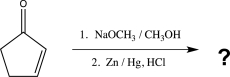
A) <strong>Predict the product of the following reaction.  </strong> A)   B)   C)   D)   E)   <div style=padding-top: 35px>
B) <strong>Predict the product of the following reaction.  </strong> A)   B)   C)   D)   E)   <div style=padding-top: 35px>
C) <strong>Predict the product of the following reaction.  </strong> A)   B)   C)   D)   E)   <div style=padding-top: 35px>
D) <strong>Predict the product of the following reaction.  </strong> A)   B)   C)   D)   E)   <div style=padding-top: 35px>
E) <strong>Predict the product of the following reaction.  </strong> A)   B)   C)   D)   E)   <div style=padding-top: 35px>
سؤال
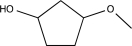
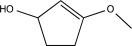
Which of the following transformations would require the use of a protecting group? (Reagents are not shown.)

A) <strong>Which of the following transformations would require the use of a protecting group? (Reagents are not shown.)</strong> A)   B)   C)   D)   E)   <div style=padding-top: 35px>
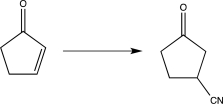
B) <strong>Which of the following transformations would require the use of a protecting group? (Reagents are not shown.)</strong> A)   B)   C)   D)   E)   <div style=padding-top: 35px>
C) <strong>Which of the following transformations would require the use of a protecting group? (Reagents are not shown.)</strong> A)   B)   C)   D)   E)   <div style=padding-top: 35px>
D) <strong>Which of the following transformations would require the use of a protecting group? (Reagents are not shown.)</strong> A)   B)   C)   D)   E)   <div style=padding-top: 35px>
E) <strong>Which of the following transformations would require the use of a protecting group? (Reagents are not shown.)</strong> A)   B)   C)   D)   E)   <div style=padding-top: 35px>
سؤال
What is the missing starting material for the synthesis shown below? <strong>What is the missing starting material for the synthesis shown below?  </strong> A)   B)   C)   D)   E)   <div style=padding-top: 35px>
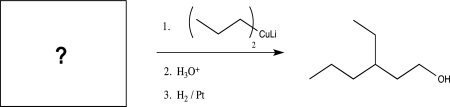
A) <strong>What is the missing starting material for the synthesis shown below?  </strong> A)   B)   C)   D)   E)   <div style=padding-top: 35px>
B) <strong>What is the missing starting material for the synthesis shown below?  </strong> A)   B)   C)   D)   E)   <div style=padding-top: 35px>
C) <strong>What is the missing starting material for the synthesis shown below?  </strong> A)   B)   C)   D)   E)   <div style=padding-top: 35px>
D) <strong>What is the missing starting material for the synthesis shown below?  </strong> A)   B)   C)   D)   E)   <div style=padding-top: 35px>
E) <strong>What is the missing starting material for the synthesis shown below?  </strong> A)   B)   C)   D)   E)   <div style=padding-top: 35px>
سؤال
What is the major product of the following reaction? <strong>What is the major product of the following reaction?  </strong> A)   B)   C)   D)   E)   <div style=padding-top: 35px>
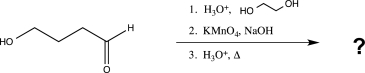
A) <strong>What is the major product of the following reaction?  </strong> A)   B)   C)   D)   E)   <div style=padding-top: 35px>
B) <strong>What is the major product of the following reaction?  </strong> A)   B)   C)   D)   E)   <div style=padding-top: 35px>
C) <strong>What is the major product of the following reaction?  </strong> A)   B)   C)   D)   E)   <div style=padding-top: 35px>
D) <strong>What is the major product of the following reaction?  </strong> A)   B)   C)   D)   E)   <div style=padding-top: 35px>
E) <strong>What is the major product of the following reaction?  </strong> A)   B)   C)   D)   E)   <div style=padding-top: 35px>
سؤال
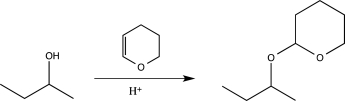
Which mechanism step is involved in the protection reaction shown below? <strong>Which mechanism step is involved in the protection reaction shown below?  </strong> A)Bimolecular elimination B)Carbocation rearrangement C)Electrophilic addition D)Bimolecular nucleophilic substitution E)Nucleophilic addition <div style=padding-top: 35px>
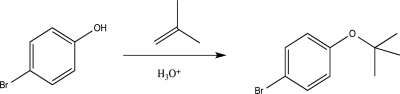
A)Bimolecular elimination
B)Carbocation rearrangement
C)Electrophilic addition
D)Bimolecular nucleophilic substitution
E)Nucleophilic addition
سؤال
Which of the following reaction sequences could be used to synthesize the molecule shown below? <strong>Which of the following reaction sequences could be used to synthesize the molecule shown below?  </strong> A)   B)   C)   D)   E)   <div style=padding-top: 35px>
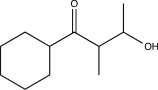
A) <strong>Which of the following reaction sequences could be used to synthesize the molecule shown below?  </strong> A)   B)   C)   D)   E)   <div style=padding-top: 35px>
B) <strong>Which of the following reaction sequences could be used to synthesize the molecule shown below?  </strong> A)   B)   C)   D)   E)   <div style=padding-top: 35px>
C) <strong>Which of the following reaction sequences could be used to synthesize the molecule shown below?  </strong> A)   B)   C)   D)   E)   <div style=padding-top: 35px>
D) <strong>Which of the following reaction sequences could be used to synthesize the molecule shown below?  </strong> A)   B)   C)   D)   E)   <div style=padding-top: 35px>
E) <strong>Which of the following reaction sequences could be used to synthesize the molecule shown below?  </strong> A)   B)   C)   D)   E)   <div style=padding-top: 35px>
سؤال
Which of the following alkyl halides will not form a Grignard reagent when reacted with magnesium? <strong>Which of the following alkyl halides will not form a Grignard reagent when reacted with magnesium?  </strong> A)A B)B C)C D)D E)E <div style=padding-top: 35px>
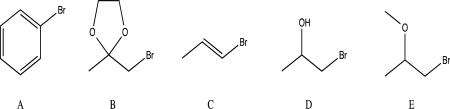
A)A
B)B
C)C
D)D
E)E
سؤال
Predict the major product of the following reaction (assume one equivalent of H2 is present). <strong>Predict the major product of the following reaction (assume one equivalent of H<sub>2</sub> is present).  </strong> A)   B)   C)   D)   E)   <div style=padding-top: 35px>
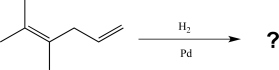
A) <strong>Predict the major product of the following reaction (assume one equivalent of H<sub>2</sub> is present).  </strong> A)   B)   C)   D)   E)   <div style=padding-top: 35px>
B) <strong>Predict the major product of the following reaction (assume one equivalent of H<sub>2</sub> is present).  </strong> A)   B)   C)   D)   E)   <div style=padding-top: 35px>
C) <strong>Predict the major product of the following reaction (assume one equivalent of H<sub>2</sub> is present).  </strong> A)   B)   C)   D)   E)   <div style=padding-top: 35px>
D) <strong>Predict the major product of the following reaction (assume one equivalent of H<sub>2</sub> is present).  </strong> A)   B)   C)   D)   E)   <div style=padding-top: 35px>
E) <strong>Predict the major product of the following reaction (assume one equivalent of H<sub>2</sub> is present).  </strong> A)   B)   C)   D)   E)   <div style=padding-top: 35px>
سؤال
Which of the following reactions does not utilize a selective reagent?

A) <strong>Which of the following reactions does not utilize a selective reagent?</strong> A)   B)   C)   D)   E)   <div style=padding-top: 35px>
B) <strong>Which of the following reactions does not utilize a selective reagent?</strong> A)   B)   C)   D)   E)   <div style=padding-top: 35px>
C) <strong>Which of the following reactions does not utilize a selective reagent?</strong> A)   B)   C)   D)   E)   <div style=padding-top: 35px>
D) <strong>Which of the following reactions does not utilize a selective reagent?</strong> A)   B)   C)   D)   E)   <div style=padding-top: 35px>
E) <strong>Which of the following reactions does not utilize a selective reagent?</strong> A)   B)   C)   D)   E)   <div style=padding-top: 35px>
سؤال
Predict the product of the following reaction sequence. <strong>Predict the product of the following reaction sequence.  </strong> A)   B)   C)   D)   E)   <div style=padding-top: 35px>

A) <strong>Predict the product of the following reaction sequence.  </strong> A)   B)   C)   D)   E)   <div style=padding-top: 35px>
B) <strong>Predict the product of the following reaction sequence.  </strong> A)   B)   C)   D)   E)   <div style=padding-top: 35px>
C) <strong>Predict the product of the following reaction sequence.  </strong> A)   B)   C)   D)   E)   <div style=padding-top: 35px>
D) <strong>Predict the product of the following reaction sequence.  </strong> A)   B)   C)   D)   E)   <div style=padding-top: 35px>
E) <strong>Predict the product of the following reaction sequence.  </strong> A)   B)   C)   D)   E)   <div style=padding-top: 35px>
سؤال
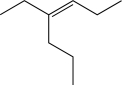
Show how you would synthesize the molecule below using propionaldehyde as the only source
of carbon present in the final product. Show how you would synthesize the molecule below using propionaldehyde as the only source of carbon present in the final product.  <div style=padding-top: 35px>
سؤال
What is the expected product of the reaction below? <strong>What is the expected product of the reaction below?  </strong> A)   B)   C)   D)   E)   <div style=padding-top: 35px>

A) <strong>What is the expected product of the reaction below?  </strong> A)   B)   C)   D)   E)   <div style=padding-top: 35px>
B) <strong>What is the expected product of the reaction below?  </strong> A)   B)   C)   D)   E)   <div style=padding-top: 35px>
C) <strong>What is the expected product of the reaction below?  </strong> A)   B)   C)   D)   E)   <div style=padding-top: 35px>
D) <strong>What is the expected product of the reaction below?  </strong> A)   B)   C)   D)   E)   <div style=padding-top: 35px>
E) <strong>What is the expected product of the reaction below?  </strong> A)   B)   C)   D)   E)   <div style=padding-top: 35px>
سؤال
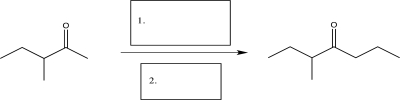
Fill in the missing reagent to carry out the following synthetic step. Fill in the missing reagent to carry out the following synthetic step.  <div style=padding-top: 35px>
سؤال
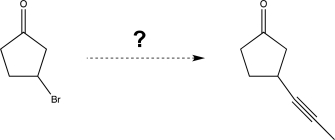
Propose a way to carry out the following transformation beginning with the starting material shown and using any other reagents necessary. Propose a way to carry out the following transformation beginning with the starting material shown and using any other reagents necessary.  <div style=padding-top: 35px>
سؤال
Determine the product of the following reaction sequence. <strong>Determine the product of the following reaction sequence.  </strong> A)   B)   C)   D)   E)   <div style=padding-top: 35px>
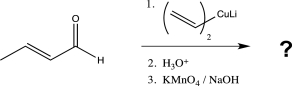
A) <strong>Determine the product of the following reaction sequence.  </strong> A)   B)   C)   D)   E)   <div style=padding-top: 35px>
B) <strong>Determine the product of the following reaction sequence.  </strong> A)   B)   C)   D)   E)   <div style=padding-top: 35px>
C) <strong>Determine the product of the following reaction sequence.  </strong> A)   B)   C)   D)   E)   <div style=padding-top: 35px>
D) <strong>Determine the product of the following reaction sequence.  </strong> A)   B)   C)   D)   E)   <div style=padding-top: 35px>
E) <strong>Determine the product of the following reaction sequence.  </strong> A)   B)   C)   D)   E)   <div style=padding-top: 35px>
سؤال
A student proposes the following reaction.Explain the issue that this student may encounter,and suggest an alternative route to achieve the same synthetic transformation. A student proposes the following reaction.Explain the issue that this student may encounter,and suggest an alternative route to achieve the same synthetic transformation.  <div style=padding-top: 35px>

سؤال
Show how you would carry out the following transformation,using any reagents necessary (requires more than one step). Show how you would carry out the following transformation,using any reagents necessary (requires more than one step).  <div style=padding-top: 35px>

سؤال
Show how to convert the starting material at the left to the desired product at the right. Show how to convert the starting material at the left to the desired product at the right.  <div style=padding-top: 35px>

سؤال
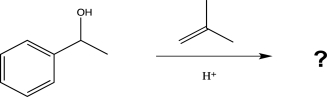
Draw a complete,detailed mechanism for the protection step shown below,and predict the product. Draw a complete,detailed mechanism for the protection step shown below,and predict the product.  <div style=padding-top: 35px>
سؤال
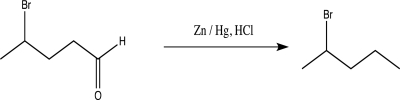
Briefly explain why the following reaction would be a poor choice as a way to protect the aldehyde. Briefly explain why the following reaction would be a poor choice as a way to protect the aldehyde.  <div style=padding-top: 35px>
سؤال
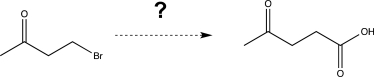
Show how you would carry out the following transformation,using any reagents necessary. Show how you would carry out the following transformation,using any reagents necessary.  <div style=padding-top: 35px>
سؤال
Fill in the boxes with a starting material and reagents to complete the synthetic scheme below. Fill in the boxes with a starting material and reagents to complete the synthetic scheme below.  <div style=padding-top: 35px>
سؤال
Which would be the best reagent to carry out the reaction shown below? <strong>Which would be the best reagent to carry out the reaction shown below?  </strong> A)KMnO<sub>4</sub>/NaOH B)H<sub>2</sub>CrO<sub>4</sub>/H<sub>2</sub>SO<sub>4</sub> C)Zn/Hg, HCl D)NaBH<sub>4</sub>/H<sub>2</sub>O E)PCC <div style=padding-top: 35px>
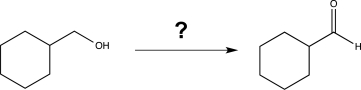
A)KMnO4/NaOH
B)H2CrO4/H2SO4
C)Zn/Hg, HCl
D)NaBH4/H2O
E)PCC
سؤال
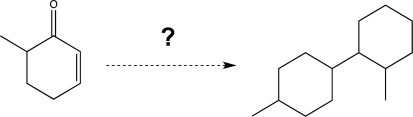
Using the molecule shown at the left as your only source of carbon,propose a synthesis of the product shown at the right. Using the molecule shown at the left as your only source of carbon,propose a synthesis of the product shown at the right.  <div style=padding-top: 35px>
سؤال
What is the product of the following reaction? <strong>What is the product of the following reaction?  </strong> A)   B)   C)   D)   E)   <div style=padding-top: 35px>
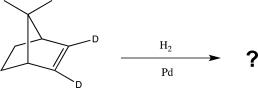
A) <strong>What is the product of the following reaction?  </strong> A)   B)   C)   D)   E)   <div style=padding-top: 35px>
B) <strong>What is the product of the following reaction?  </strong> A)   B)   C)   D)   E)   <div style=padding-top: 35px>
C) <strong>What is the product of the following reaction?  </strong> A)   B)   C)   D)   E)   <div style=padding-top: 35px>
D) <strong>What is the product of the following reaction?  </strong> A)   B)   C)   D)   E)   <div style=padding-top: 35px>
E) <strong>What is the product of the following reaction?  </strong> A)   B)   C)   D)   E)   <div style=padding-top: 35px>
سؤال
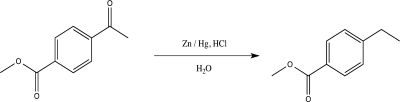
Explain why the following reaction would be unsuccessful,and suggest a better alternative synthetic route. Explain why the following reaction would be unsuccessful,and suggest a better alternative synthetic route.  <div style=padding-top: 35px>
سؤال
Which of the following alcohols cannot be oxidized by H2CrO4?

A) <strong>Which of the following alcohols cannot be oxidized by H<sub>2</sub>CrO<sub>4</sub>?</strong> A)   B)   C)   D)   E)   <div style=padding-top: 35px>
B) <strong>Which of the following alcohols cannot be oxidized by H<sub>2</sub>CrO<sub>4</sub>?</strong> A)   B)   C)   D)   E)   <div style=padding-top: 35px>
C) <strong>Which of the following alcohols cannot be oxidized by H<sub>2</sub>CrO<sub>4</sub>?</strong> A)   B)   C)   D)   E)   <div style=padding-top: 35px>
D) <strong>Which of the following alcohols cannot be oxidized by H<sub>2</sub>CrO<sub>4</sub>?</strong> A)   B)   C)   D)   E)   <div style=padding-top: 35px>
E) <strong>Which of the following alcohols cannot be oxidized by H<sub>2</sub>CrO<sub>4</sub>?</strong> A)   B)   C)   D)   E)   <div style=padding-top: 35px>
سؤال
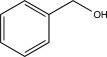
Show how the following molecule could be synthesized from an α,β-unsaturated ketone or aldehyde. Show how the following molecule could be synthesized from an α,β-unsaturated ketone or aldehyde.  <div style=padding-top: 35px>
سؤال
Give an example of an umpolung reaction,and indicate the carbon atom at which polarity reversal is occurring.
سؤال
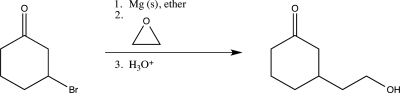
A student attempted the following synthetic step but did not obtain the desired major product.Explain why the reaction was unsuccessful,and suggest a better synthetic route. A student attempted the following synthetic step but did not obtain the desired major product.Explain why the reaction was unsuccessful,and suggest a better synthetic route.  <div style=padding-top: 35px>
سؤال
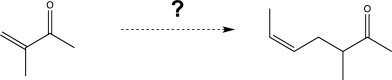
Propose a synthetic route to carry out the transformation shown below. Propose a synthetic route to carry out the transformation shown below.  <div style=padding-top: 35px>
سؤال
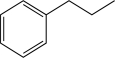
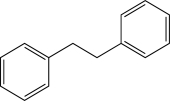
Propose a synthesis of the following molecule using benzaldehyde as your only source of carbon.Additional inorganic reagents may be utilized. Propose a synthesis of the following molecule using benzaldehyde as your only source of carbon.Additional inorganic reagents may be utilized.  <div style=padding-top: 35px>
سؤال
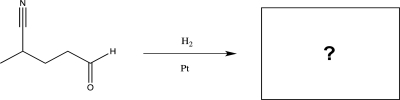
Predict the major product of the following reaction. Predict the major product of the following reaction.  <div style=padding-top: 35px>
سؤال
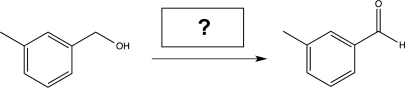
Fill in the reagent needed to carry out the following reaction. Fill in the reagent needed to carry out the following reaction.  <div style=padding-top: 35px>
سؤال
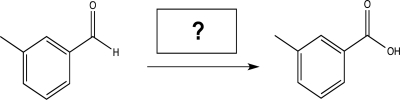
Fill in the reagent needed to carry out the following reaction. Fill in the reagent needed to carry out the following reaction.  <div style=padding-top: 35px>
سؤال
Fill in the missing reagents and intermediates to complete the synthetic scheme below. Fill in the missing reagents and intermediates to complete the synthetic scheme below.  <div style=padding-top: 35px>

سؤال
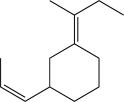
Design a synthesis of the following molecule using organic precursors with no more than six carbons.Additional inorganic reagents may be utilized. Design a synthesis of the following molecule using organic precursors with no more than six carbons.Additional inorganic reagents may be utilized.  <div style=padding-top: 35px>
سؤال
Propose a synthesis of the following molecule using reagents with five or fewer carbon atoms. Propose a synthesis of the following molecule using reagents with five or fewer carbon atoms.  <div style=padding-top: 35px>

سؤال
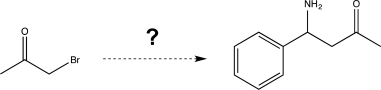
Propose a synthesis of the product at the right using the given starting material and any other reagents necessary. Propose a synthesis of the product at the right using the given starting material and any other reagents necessary.  <div style=padding-top: 35px>
سؤال
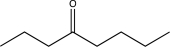
Propose a synthesis of the following molecule using butyraldehyde as your only source of carbon. Propose a synthesis of the following molecule using butyraldehyde as your only source of carbon.  <div style=padding-top: 35px>
فتح الحزمة
قم بالتسجيل لفتح البطاقات في هذه المجموعة!
Unlock Deck
Unlock Deck
1/50
auto play flashcards
العب
simple tutorial
ملء الشاشة (f)
exit full mode
Deck 21: Organic Synthesis 2: Intermediate Topics in Synthesis Design,and Useful Reduction and Oxidation Reactions
1
What is the starting material for the following reaction? <strong>What is the starting material for the following reaction?  </strong> A)   B)   C)   D)   E)

A) <strong>What is the starting material for the following reaction?  </strong> A)   B)   C)   D)   E)
B) <strong>What is the starting material for the following reaction?  </strong> A)   B)   C)   D)   E)
C) <strong>What is the starting material for the following reaction?  </strong> A)   B)   C)   D)   E)
D) <strong>What is the starting material for the following reaction?  </strong> A)   B)   C)   D)   E)
E) <strong>What is the starting material for the following reaction?  </strong> A)   B)   C)   D)   E)
2
What is the product of the following reaction sequence? <strong>What is the product of the following reaction sequence?  </strong> A)   B)   C)   D)   E)

A) <strong>What is the product of the following reaction sequence?  </strong> A)   B)   C)   D)   E)
B) <strong>What is the product of the following reaction sequence?  </strong> A)   B)   C)   D)   E)
C) <strong>What is the product of the following reaction sequence?  </strong> A)   B)   C)   D)   E)
D) <strong>What is the product of the following reaction sequence?  </strong> A)   B)   C)   D)   E)
E) <strong>What is the product of the following reaction sequence?  </strong> A)   B)   C)   D)   E)
3
Which of the following is not part of the mechanism for the catalytic hydrogenation of an alkene?

A)Adsorption of hydrogen gas onto metal surface.
B)Formation of C-H bond and liberation of C atom from surface.
C)Adsorption of alkene onto metal surface.
D)Proton transfer from metal to carbon.
E)Liberation of alkane from surface.
Proton transfer from metal to carbon.
4
Which of the following steps involves umpolung?

A) <strong>Which of the following steps involves umpolung?</strong> A)   B)   C)   D)   E)
B) <strong>Which of the following steps involves umpolung?</strong> A)   B)   C)   D)   E)
C) <strong>Which of the following steps involves umpolung?</strong> A)   B)   C)   D)   E)
D) <strong>Which of the following steps involves umpolung?</strong> A)   B)   C)   D)   E)
E) <strong>Which of the following steps involves umpolung?</strong> A)   B)   C)   D)   E)
فتح الحزمة
افتح القفل للوصول البطاقات البالغ عددها 50 في هذه المجموعة.
فتح الحزمة
k this deck
5
Predict the major product of the following reaction (assume one equivalent of H2 is present). <strong>Predict the major product of the following reaction (assume one equivalent of H<sub>2</sub> is present).  </strong> A)   B)   C)   D)   E)

A) <strong>Predict the major product of the following reaction (assume one equivalent of H<sub>2</sub> is present).  </strong> A)   B)   C)   D)   E)
B) <strong>Predict the major product of the following reaction (assume one equivalent of H<sub>2</sub> is present).  </strong> A)   B)   C)   D)   E)
C) <strong>Predict the major product of the following reaction (assume one equivalent of H<sub>2</sub> is present).  </strong> A)   B)   C)   D)   E)
D) <strong>Predict the major product of the following reaction (assume one equivalent of H<sub>2</sub> is present).  </strong> A)   B)   C)   D)   E)
E) <strong>Predict the major product of the following reaction (assume one equivalent of H<sub>2</sub> is present).  </strong> A)   B)   C)   D)   E)
فتح الحزمة
افتح القفل للوصول البطاقات البالغ عددها 50 في هذه المجموعة.
فتح الحزمة
k this deck
6
Which of the following reactions would not function as an effective protection reaction for an alcohol?

A) <strong>Which of the following reactions would not function as an effective protection reaction for an alcohol?</strong> A)   B)   C)   D)   E)
B) <strong>Which of the following reactions would not function as an effective protection reaction for an alcohol?</strong> A)   B)   C)   D)   E)
C) <strong>Which of the following reactions would not function as an effective protection reaction for an alcohol?</strong> A)   B)   C)   D)   E)
D) <strong>Which of the following reactions would not function as an effective protection reaction for an alcohol?</strong> A)   B)   C)   D)   E)
E) <strong>Which of the following reactions would not function as an effective protection reaction for an alcohol?</strong> A)   B)   C)   D)   E)
فتح الحزمة
افتح القفل للوصول البطاقات البالغ عددها 50 في هذه المجموعة.
فتح الحزمة
k this deck
7
What is the major product of the following reaction? <strong>What is the major product of the following reaction?  </strong> A)   B)   C)   D)   E)

A) <strong>What is the major product of the following reaction?  </strong> A)   B)   C)   D)   E)
B) <strong>What is the major product of the following reaction?  </strong> A)   B)   C)   D)   E)
C) <strong>What is the major product of the following reaction?  </strong> A)   B)   C)   D)   E)
D) <strong>What is the major product of the following reaction?  </strong> A)   B)   C)   D)   E)
E) <strong>What is the major product of the following reaction?  </strong> A)   B)   C)   D)   E)
فتح الحزمة
افتح القفل للوصول البطاقات البالغ عددها 50 في هذه المجموعة.

فتح الحزمة
k this deck
8
Which of the following reagents would be the best choice to carry out the synthetic step shown below? <strong>Which of the following reagents would be the best choice to carry out the synthetic step shown below?  </strong> A)   B)   C)   D)   E)

A) <strong>Which of the following reagents would be the best choice to carry out the synthetic step shown below?  </strong> A)   B)   C)   D)   E)
B) <strong>Which of the following reagents would be the best choice to carry out the synthetic step shown below?  </strong> A)   B)   C)   D)   E)
C) <strong>Which of the following reagents would be the best choice to carry out the synthetic step shown below?  </strong> A)   B)   C)   D)   E)
D) <strong>Which of the following reagents would be the best choice to carry out the synthetic step shown below?  </strong> A)   B)   C)   D)   E)
E) <strong>Which of the following reagents would be the best choice to carry out the synthetic step shown below?  </strong> A)   B)   C)   D)   E)
فتح الحزمة
افتح القفل للوصول البطاقات البالغ عددها 50 في هذه المجموعة.

فتح الحزمة
k this deck
9
In which of the following reactions does a reversal of polarity at a carbon atom take place?

A) <strong>In which of the following reactions does a reversal of polarity at a carbon atom take place?</strong> A)   B)   C)   D)   E)
B) <strong>In which of the following reactions does a reversal of polarity at a carbon atom take place?</strong> A)   B)   C)   D)   E)
C) <strong>In which of the following reactions does a reversal of polarity at a carbon atom take place?</strong> A)   B)   C)   D)   E)
D) <strong>In which of the following reactions does a reversal of polarity at a carbon atom take place?</strong> A)   B)   C)   D)   E)
E) <strong>In which of the following reactions does a reversal of polarity at a carbon atom take place?</strong> A)   B)   C)   D)   E)
فتح الحزمة
افتح القفل للوصول البطاقات البالغ عددها 50 في هذه المجموعة.
فتح الحزمة
k this deck
10
Fill in the starting material for the following reaction. <strong>Fill in the starting material for the following reaction.  </strong> A)   B)   C)   D)   E)

A) <strong>Fill in the starting material for the following reaction.  </strong> A)   B)   C)   D)   E)
B) <strong>Fill in the starting material for the following reaction.  </strong> A)   B)   C)   D)   E)
C) <strong>Fill in the starting material for the following reaction.  </strong> A)   B)   C)   D)   E)
D) <strong>Fill in the starting material for the following reaction.  </strong> A)   B)   C)   D)   E)
E) <strong>Fill in the starting material for the following reaction.  </strong> A)   B)   C)   D)   E)
فتح الحزمة
افتح القفل للوصول البطاقات البالغ عددها 50 في هذه المجموعة.
فتح الحزمة
k this deck
11
Predict the product of the following reaction. <strong>Predict the product of the following reaction.  </strong> A)   B)   C)   D)   E)

A) <strong>Predict the product of the following reaction.  </strong> A)   B)   C)   D)   E)
B) <strong>Predict the product of the following reaction.  </strong> A)   B)   C)   D)   E)
C) <strong>Predict the product of the following reaction.  </strong> A)   B)   C)   D)   E)
D) <strong>Predict the product of the following reaction.  </strong> A)   B)   C)   D)   E)
E) <strong>Predict the product of the following reaction.  </strong> A)   B)   C)   D)   E)
فتح الحزمة
افتح القفل للوصول البطاقات البالغ عددها 50 في هذه المجموعة.
فتح الحزمة
k this deck
12
Which of the following transformations would require the use of a protecting group? (Reagents are not shown.)

A) <strong>Which of the following transformations would require the use of a protecting group? (Reagents are not shown.)</strong> A)   B)   C)   D)   E)
B) <strong>Which of the following transformations would require the use of a protecting group? (Reagents are not shown.)</strong> A)   B)   C)   D)   E)
C) <strong>Which of the following transformations would require the use of a protecting group? (Reagents are not shown.)</strong> A)   B)   C)   D)   E)
D) <strong>Which of the following transformations would require the use of a protecting group? (Reagents are not shown.)</strong> A)   B)   C)   D)   E)
E) <strong>Which of the following transformations would require the use of a protecting group? (Reagents are not shown.)</strong> A)   B)   C)   D)   E)
فتح الحزمة
افتح القفل للوصول البطاقات البالغ عددها 50 في هذه المجموعة.
فتح الحزمة
k this deck
13
What is the missing starting material for the synthesis shown below? <strong>What is the missing starting material for the synthesis shown below?  </strong> A)   B)   C)   D)   E)

A) <strong>What is the missing starting material for the synthesis shown below?  </strong> A)   B)   C)   D)   E)
B) <strong>What is the missing starting material for the synthesis shown below?  </strong> A)   B)   C)   D)   E)
C) <strong>What is the missing starting material for the synthesis shown below?  </strong> A)   B)   C)   D)   E)
D) <strong>What is the missing starting material for the synthesis shown below?  </strong> A)   B)   C)   D)   E)
E) <strong>What is the missing starting material for the synthesis shown below?  </strong> A)   B)   C)   D)   E)
فتح الحزمة
افتح القفل للوصول البطاقات البالغ عددها 50 في هذه المجموعة.
فتح الحزمة
k this deck
14
What is the major product of the following reaction? <strong>What is the major product of the following reaction?  </strong> A)   B)   C)   D)   E)

A) <strong>What is the major product of the following reaction?  </strong> A)   B)   C)   D)   E)
B) <strong>What is the major product of the following reaction?  </strong> A)   B)   C)   D)   E)
C) <strong>What is the major product of the following reaction?  </strong> A)   B)   C)   D)   E)
D) <strong>What is the major product of the following reaction?  </strong> A)   B)   C)   D)   E)
E) <strong>What is the major product of the following reaction?  </strong> A)   B)   C)   D)   E)
فتح الحزمة
افتح القفل للوصول البطاقات البالغ عددها 50 في هذه المجموعة.
فتح الحزمة
k this deck
15
Which mechanism step is involved in the protection reaction shown below? <strong>Which mechanism step is involved in the protection reaction shown below?  </strong> A)Bimolecular elimination B)Carbocation rearrangement C)Electrophilic addition D)Bimolecular nucleophilic substitution E)Nucleophilic addition

A)Bimolecular elimination
B)Carbocation rearrangement
C)Electrophilic addition
D)Bimolecular nucleophilic substitution
E)Nucleophilic addition
فتح الحزمة
افتح القفل للوصول البطاقات البالغ عددها 50 في هذه المجموعة.
فتح الحزمة
k this deck
16
Which of the following reaction sequences could be used to synthesize the molecule shown below? <strong>Which of the following reaction sequences could be used to synthesize the molecule shown below?  </strong> A)   B)   C)   D)   E)

A) <strong>Which of the following reaction sequences could be used to synthesize the molecule shown below?  </strong> A)   B)   C)   D)   E)
B) <strong>Which of the following reaction sequences could be used to synthesize the molecule shown below?  </strong> A)   B)   C)   D)   E)
C) <strong>Which of the following reaction sequences could be used to synthesize the molecule shown below?  </strong> A)   B)   C)   D)   E)
D) <strong>Which of the following reaction sequences could be used to synthesize the molecule shown below?  </strong> A)   B)   C)   D)   E)
E) <strong>Which of the following reaction sequences could be used to synthesize the molecule shown below?  </strong> A)   B)   C)   D)   E)
فتح الحزمة
افتح القفل للوصول البطاقات البالغ عددها 50 في هذه المجموعة.
فتح الحزمة
k this deck
17
Which of the following alkyl halides will not form a Grignard reagent when reacted with magnesium? <strong>Which of the following alkyl halides will not form a Grignard reagent when reacted with magnesium?  </strong> A)A B)B C)C D)D E)E

A)A
B)B
C)C
D)D
E)E
فتح الحزمة
افتح القفل للوصول البطاقات البالغ عددها 50 في هذه المجموعة.
فتح الحزمة
k this deck
18
Predict the major product of the following reaction (assume one equivalent of H2 is present). <strong>Predict the major product of the following reaction (assume one equivalent of H<sub>2</sub> is present).  </strong> A)   B)   C)   D)   E)

A) <strong>Predict the major product of the following reaction (assume one equivalent of H<sub>2</sub> is present).  </strong> A)   B)   C)   D)   E)
B) <strong>Predict the major product of the following reaction (assume one equivalent of H<sub>2</sub> is present).  </strong> A)   B)   C)   D)   E)
C) <strong>Predict the major product of the following reaction (assume one equivalent of H<sub>2</sub> is present).  </strong> A)   B)   C)   D)   E)
D) <strong>Predict the major product of the following reaction (assume one equivalent of H<sub>2</sub> is present).  </strong> A)   B)   C)   D)   E)
E) <strong>Predict the major product of the following reaction (assume one equivalent of H<sub>2</sub> is present).  </strong> A)   B)   C)   D)   E)
فتح الحزمة
افتح القفل للوصول البطاقات البالغ عددها 50 في هذه المجموعة.
فتح الحزمة
k this deck
19
Which of the following reactions does not utilize a selective reagent?

A) <strong>Which of the following reactions does not utilize a selective reagent?</strong> A)   B)   C)   D)   E)
B) <strong>Which of the following reactions does not utilize a selective reagent?</strong> A)   B)   C)   D)   E)
C) <strong>Which of the following reactions does not utilize a selective reagent?</strong> A)   B)   C)   D)   E)
D) <strong>Which of the following reactions does not utilize a selective reagent?</strong> A)   B)   C)   D)   E)
E) <strong>Which of the following reactions does not utilize a selective reagent?</strong> A)   B)   C)   D)   E)
فتح الحزمة
افتح القفل للوصول البطاقات البالغ عددها 50 في هذه المجموعة.
فتح الحزمة
k this deck
20
Predict the product of the following reaction sequence. <strong>Predict the product of the following reaction sequence.  </strong> A)   B)   C)   D)   E)

A) <strong>Predict the product of the following reaction sequence.  </strong> A)   B)   C)   D)   E)
B) <strong>Predict the product of the following reaction sequence.  </strong> A)   B)   C)   D)   E)
C) <strong>Predict the product of the following reaction sequence.  </strong> A)   B)   C)   D)   E)
D) <strong>Predict the product of the following reaction sequence.  </strong> A)   B)   C)   D)   E)
E) <strong>Predict the product of the following reaction sequence.  </strong> A)   B)   C)   D)   E)
فتح الحزمة
افتح القفل للوصول البطاقات البالغ عددها 50 في هذه المجموعة.
فتح الحزمة
k this deck
21
Show how you would synthesize the molecule below using propionaldehyde as the only source
of carbon present in the final product. Show how you would synthesize the molecule below using propionaldehyde as the only source of carbon present in the final product.
فتح الحزمة
افتح القفل للوصول البطاقات البالغ عددها 50 في هذه المجموعة.
فتح الحزمة
k this deck
22
What is the expected product of the reaction below? <strong>What is the expected product of the reaction below?  </strong> A)   B)   C)   D)   E)

A) <strong>What is the expected product of the reaction below?  </strong> A)   B)   C)   D)   E)
B) <strong>What is the expected product of the reaction below?  </strong> A)   B)   C)   D)   E)
C) <strong>What is the expected product of the reaction below?  </strong> A)   B)   C)   D)   E)
D) <strong>What is the expected product of the reaction below?  </strong> A)   B)   C)   D)   E)
E) <strong>What is the expected product of the reaction below?  </strong> A)   B)   C)   D)   E)
فتح الحزمة
افتح القفل للوصول البطاقات البالغ عددها 50 في هذه المجموعة.
فتح الحزمة
k this deck
23
Fill in the missing reagent to carry out the following synthetic step. Fill in the missing reagent to carry out the following synthetic step.
فتح الحزمة
افتح القفل للوصول البطاقات البالغ عددها 50 في هذه المجموعة.
فتح الحزمة
k this deck
24
Propose a way to carry out the following transformation beginning with the starting material shown and using any other reagents necessary. Propose a way to carry out the following transformation beginning with the starting material shown and using any other reagents necessary.
فتح الحزمة
افتح القفل للوصول البطاقات البالغ عددها 50 في هذه المجموعة.
فتح الحزمة
k this deck
25
Determine the product of the following reaction sequence. <strong>Determine the product of the following reaction sequence.  </strong> A)   B)   C)   D)   E)

A) <strong>Determine the product of the following reaction sequence.  </strong> A)   B)   C)   D)   E)
B) <strong>Determine the product of the following reaction sequence.  </strong> A)   B)   C)   D)   E)
C) <strong>Determine the product of the following reaction sequence.  </strong> A)   B)   C)   D)   E)
D) <strong>Determine the product of the following reaction sequence.  </strong> A)   B)   C)   D)   E)
E) <strong>Determine the product of the following reaction sequence.  </strong> A)   B)   C)   D)   E)
فتح الحزمة
افتح القفل للوصول البطاقات البالغ عددها 50 في هذه المجموعة.
فتح الحزمة
k this deck
26
A student proposes the following reaction.Explain the issue that this student may encounter,and suggest an alternative route to achieve the same synthetic transformation. A student proposes the following reaction.Explain the issue that this student may encounter,and suggest an alternative route to achieve the same synthetic transformation.
فتح الحزمة
افتح القفل للوصول البطاقات البالغ عددها 50 في هذه المجموعة.
فتح الحزمة
k this deck
27
Show how you would carry out the following transformation,using any reagents necessary (requires more than one step). Show how you would carry out the following transformation,using any reagents necessary (requires more than one step).
فتح الحزمة
افتح القفل للوصول البطاقات البالغ عددها 50 في هذه المجموعة.
فتح الحزمة
k this deck
28
Show how to convert the starting material at the left to the desired product at the right. Show how to convert the starting material at the left to the desired product at the right.
فتح الحزمة
افتح القفل للوصول البطاقات البالغ عددها 50 في هذه المجموعة.
فتح الحزمة
k this deck
29
Draw a complete,detailed mechanism for the protection step shown below,and predict the product. Draw a complete,detailed mechanism for the protection step shown below,and predict the product.
فتح الحزمة
افتح القفل للوصول البطاقات البالغ عددها 50 في هذه المجموعة.
فتح الحزمة
k this deck
30
Briefly explain why the following reaction would be a poor choice as a way to protect the aldehyde. Briefly explain why the following reaction would be a poor choice as a way to protect the aldehyde.
فتح الحزمة
افتح القفل للوصول البطاقات البالغ عددها 50 في هذه المجموعة.
فتح الحزمة
k this deck
31
Show how you would carry out the following transformation,using any reagents necessary. Show how you would carry out the following transformation,using any reagents necessary.
فتح الحزمة
افتح القفل للوصول البطاقات البالغ عددها 50 في هذه المجموعة.
فتح الحزمة
k this deck
32
Fill in the boxes with a starting material and reagents to complete the synthetic scheme below. Fill in the boxes with a starting material and reagents to complete the synthetic scheme below.
فتح الحزمة
افتح القفل للوصول البطاقات البالغ عددها 50 في هذه المجموعة.
فتح الحزمة
k this deck
33
Which would be the best reagent to carry out the reaction shown below? <strong>Which would be the best reagent to carry out the reaction shown below?  </strong> A)KMnO<sub>4</sub>/NaOH B)H<sub>2</sub>CrO<sub>4</sub>/H<sub>2</sub>SO<sub>4</sub> C)Zn/Hg, HCl D)NaBH<sub>4</sub>/H<sub>2</sub>O E)PCC

A)KMnO4/NaOH
B)H2CrO4/H2SO4
C)Zn/Hg, HCl
D)NaBH4/H2O
E)PCC
فتح الحزمة
افتح القفل للوصول البطاقات البالغ عددها 50 في هذه المجموعة.
فتح الحزمة
k this deck
34
Using the molecule shown at the left as your only source of carbon,propose a synthesis of the product shown at the right. Using the molecule shown at the left as your only source of carbon,propose a synthesis of the product shown at the right.
فتح الحزمة
افتح القفل للوصول البطاقات البالغ عددها 50 في هذه المجموعة.
فتح الحزمة
k this deck
35
What is the product of the following reaction? <strong>What is the product of the following reaction?  </strong> A)   B)   C)   D)   E)

A) <strong>What is the product of the following reaction?  </strong> A)   B)   C)   D)   E)
B) <strong>What is the product of the following reaction?  </strong> A)   B)   C)   D)   E)
C) <strong>What is the product of the following reaction?  </strong> A)   B)   C)   D)   E)
D) <strong>What is the product of the following reaction?  </strong> A)   B)   C)   D)   E)
E) <strong>What is the product of the following reaction?  </strong> A)   B)   C)   D)   E)
فتح الحزمة
افتح القفل للوصول البطاقات البالغ عددها 50 في هذه المجموعة.
فتح الحزمة
k this deck
36
Explain why the following reaction would be unsuccessful,and suggest a better alternative synthetic route. Explain why the following reaction would be unsuccessful,and suggest a better alternative synthetic route.
فتح الحزمة
افتح القفل للوصول البطاقات البالغ عددها 50 في هذه المجموعة.
فتح الحزمة
k this deck
37
Which of the following alcohols cannot be oxidized by H2CrO4?

A) <strong>Which of the following alcohols cannot be oxidized by H<sub>2</sub>CrO<sub>4</sub>?</strong> A)   B)   C)   D)   E)
B) <strong>Which of the following alcohols cannot be oxidized by H<sub>2</sub>CrO<sub>4</sub>?</strong> A)   B)   C)   D)   E)
C) <strong>Which of the following alcohols cannot be oxidized by H<sub>2</sub>CrO<sub>4</sub>?</strong> A)   B)   C)   D)   E)
D) <strong>Which of the following alcohols cannot be oxidized by H<sub>2</sub>CrO<sub>4</sub>?</strong> A)   B)   C)   D)   E)
E) <strong>Which of the following alcohols cannot be oxidized by H<sub>2</sub>CrO<sub>4</sub>?</strong> A)   B)   C)   D)   E)
فتح الحزمة
افتح القفل للوصول البطاقات البالغ عددها 50 في هذه المجموعة.
فتح الحزمة
k this deck
38
Show how the following molecule could be synthesized from an α,β-unsaturated ketone or aldehyde. Show how the following molecule could be synthesized from an α,β-unsaturated ketone or aldehyde.
فتح الحزمة
افتح القفل للوصول البطاقات البالغ عددها 50 في هذه المجموعة.
فتح الحزمة
k this deck
39
Give an example of an umpolung reaction,and indicate the carbon atom at which polarity reversal is occurring.
فتح الحزمة
افتح القفل للوصول البطاقات البالغ عددها 50 في هذه المجموعة.
فتح الحزمة
k this deck
40
A student attempted the following synthetic step but did not obtain the desired major product.Explain why the reaction was unsuccessful,and suggest a better synthetic route. A student attempted the following synthetic step but did not obtain the desired major product.Explain why the reaction was unsuccessful,and suggest a better synthetic route.
فتح الحزمة
افتح القفل للوصول البطاقات البالغ عددها 50 في هذه المجموعة.
فتح الحزمة
k this deck
41
Propose a synthetic route to carry out the transformation shown below. Propose a synthetic route to carry out the transformation shown below.
فتح الحزمة
افتح القفل للوصول البطاقات البالغ عددها 50 في هذه المجموعة.
فتح الحزمة
k this deck
42
Propose a synthesis of the following molecule using benzaldehyde as your only source of carbon.Additional inorganic reagents may be utilized. Propose a synthesis of the following molecule using benzaldehyde as your only source of carbon.Additional inorganic reagents may be utilized.
فتح الحزمة
افتح القفل للوصول البطاقات البالغ عددها 50 في هذه المجموعة.
فتح الحزمة
k this deck
43
Predict the major product of the following reaction. Predict the major product of the following reaction.
فتح الحزمة
افتح القفل للوصول البطاقات البالغ عددها 50 في هذه المجموعة.
فتح الحزمة
k this deck
44
Fill in the reagent needed to carry out the following reaction. Fill in the reagent needed to carry out the following reaction.
فتح الحزمة
افتح القفل للوصول البطاقات البالغ عددها 50 في هذه المجموعة.
فتح الحزمة
k this deck
45
Fill in the reagent needed to carry out the following reaction. Fill in the reagent needed to carry out the following reaction.
فتح الحزمة
افتح القفل للوصول البطاقات البالغ عددها 50 في هذه المجموعة.
فتح الحزمة
k this deck
46
Fill in the missing reagents and intermediates to complete the synthetic scheme below. Fill in the missing reagents and intermediates to complete the synthetic scheme below.
فتح الحزمة
افتح القفل للوصول البطاقات البالغ عددها 50 في هذه المجموعة.
فتح الحزمة
k this deck
47
Design a synthesis of the following molecule using organic precursors with no more than six carbons.Additional inorganic reagents may be utilized. Design a synthesis of the following molecule using organic precursors with no more than six carbons.Additional inorganic reagents may be utilized.
فتح الحزمة
افتح القفل للوصول البطاقات البالغ عددها 50 في هذه المجموعة.
فتح الحزمة
k this deck
48
Propose a synthesis of the following molecule using reagents with five or fewer carbon atoms. Propose a synthesis of the following molecule using reagents with five or fewer carbon atoms.
فتح الحزمة
افتح القفل للوصول البطاقات البالغ عددها 50 في هذه المجموعة.
فتح الحزمة
k this deck
49
Propose a synthesis of the product at the right using the given starting material and any other reagents necessary. Propose a synthesis of the product at the right using the given starting material and any other reagents necessary.
فتح الحزمة
افتح القفل للوصول البطاقات البالغ عددها 50 في هذه المجموعة.
فتح الحزمة
k this deck
50
Propose a synthesis of the following molecule using butyraldehyde as your only source of carbon. Propose a synthesis of the following molecule using butyraldehyde as your only source of carbon.
فتح الحزمة
افتح القفل للوصول البطاقات البالغ عددها 50 في هذه المجموعة.
فتح الحزمة
k this deck
locked card icon
فتح الحزمة
افتح القفل للوصول البطاقات البالغ عددها 50 في هذه المجموعة.