







 تكلم مع الذكاء الاصطناعي


Deck 3: The Development of Greek Society and Culture
ملء الشاشة (f)

سؤال

سؤال
سؤال
سؤال
سؤال
سؤال
سؤال
سؤال
سؤال
سؤال
سؤال
سؤال
سؤال
سؤال
سؤال
سؤال
سؤال
سؤال
سؤال
سؤال
سؤال
سؤال
سؤال
سؤال
سؤال
سؤال
سؤال
سؤال
سؤال
سؤال
سؤال
سؤال
سؤال
سؤال
سؤال
سؤال
سؤال
سؤال
سؤال
سؤال
سؤال
According to Map 3.1: Classical Greece, 500-338 B.C.E., which city-state's location helped it to dominate commerce and trade by sea? 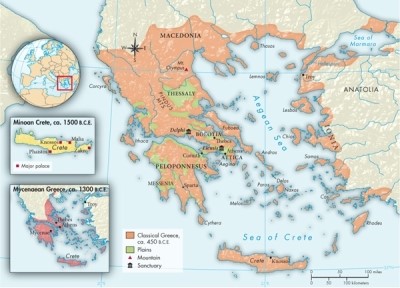
A)Sparta
B)Thebes
C)Athens
D)Macedonia
A)Sparta
B)Thebes
C)Athens
D)Macedonia
سؤال
سؤال
سؤال
سؤال
سؤال
سؤال
سؤال
سؤال
سؤال
سؤال
سؤال
سؤال
سؤال
سؤال
سؤال
سؤال
سؤال
سؤال
سؤال
سؤال
سؤال
سؤال
سؤال
سؤال
سؤال
سؤال
سؤال
سؤال
سؤال
سؤال
سؤال
سؤال
سؤال
سؤال
سؤال
سؤال
سؤال

فتح الحزمة
قم بالتسجيل لفتح البطاقات في هذه المجموعة!
Unlock Deck
Unlock Deck
1/78

العب

ملء الشاشة (f)
Deck 3: The Development of Greek Society and Culture
1
What was a notable feature of the Mycenaean Greeks?
A)They formed the earliest known version of democratic society.
B)They built palaces that served as economic centers in which artisans crafted fine objects and ornaments.
C)They outlawed slavery as a violation of the Mycenaean communal ethic.
D)They withdrew from trade in the Aegean for fear that foreign ideas and practices were undermining their society.
A)They formed the earliest known version of democratic society.
B)They built palaces that served as economic centers in which artisans crafted fine objects and ornaments.
C)They outlawed slavery as a violation of the Mycenaean communal ethic.
D)They withdrew from trade in the Aegean for fear that foreign ideas and practices were undermining their society.
They built palaces that served as economic centers in which artisans crafted fine objects and ornaments.
2
What was the main goal of Athenian dramatists?
A)To examine questions such as the rights of the individual and the nature of good and evil
B)To focus on the lives of the gods and their conflicts on Mount Olympus
C)To develop fine dramas and to stamp out comedy as a theatrical genre
D)To adopt nationalist themes in order to show unquestioning loyalty to Athens during the Persian and Peloponnesian wars.
A)To examine questions such as the rights of the individual and the nature of good and evil
B)To focus on the lives of the gods and their conflicts on Mount Olympus
C)To develop fine dramas and to stamp out comedy as a theatrical genre
D)To adopt nationalist themes in order to show unquestioning loyalty to Athens during the Persian and Peloponnesian wars.
To examine questions such as the rights of the individual and the nature of good and evil
3
What did Greek city-states rely on for protection?
A)Large, professional standing armies
B)A militia of citizens
C)Slave armies
D)Persian mercenaries
A)Large, professional standing armies
B)A militia of citizens
C)Slave armies
D)Persian mercenaries
A militia of citizens
4
What was the typical view on sexuality in Greek society?
A)Greek society placed little value on the marital fidelity of wives.
B)Greek society celebrated homosexual relationships between older men and adolescent boys as part of an adolescent citizen's training into adulthood.
C)Greek society accepted male prostitution as a healthy expression of male desire.
D)Greek society rejected all female prostitution as a threat to the legitimacy of family relationships.
A)Greek society placed little value on the marital fidelity of wives.
B)Greek society celebrated homosexual relationships between older men and adolescent boys as part of an adolescent citizen's training into adulthood.
C)Greek society accepted male prostitution as a healthy expression of male desire.
D)Greek society rejected all female prostitution as a threat to the legitimacy of family relationships.
فتح الحزمة
افتح القفل للوصول البطاقات البالغ عددها 78 في هذه المجموعة.
فتح الحزمة
k this deck
5
What was the result of the Lycurgan regime in Sparta?
A)A society ruled by an aristocratic, warrior elite
B)A tyrannical overthrow of the old constitution
C)The erosion of Spartan military power
D)An absolute monarchy
A)A society ruled by an aristocratic, warrior elite
B)A tyrannical overthrow of the old constitution
C)The erosion of Spartan military power
D)An absolute monarchy
فتح الحزمة
افتح القفل للوصول البطاقات البالغ عددها 78 في هذه المجموعة.
فتح الحزمة
k this deck
6
The most important impetus for Greek overseas expansion was
A)the need for precious metals such as gold to expand the economy.
B)the need for key territories to use in defense against the Persians.
C)social and political tensions caused by a growing population with inadequate land.
D)the need to obtain more slaves as existing slave supplies diminished.
A)the need for precious metals such as gold to expand the economy.
B)the need for key territories to use in defense against the Persians.
C)social and political tensions caused by a growing population with inadequate land.
D)the need to obtain more slaves as existing slave supplies diminished.
فتح الحزمة
افتح القفل للوصول البطاقات البالغ عددها 78 في هذه المجموعة.
فتح الحزمة
k this deck
7
Which of the following was true of Periclean Athens?
A)The Athenians had relatively few material possessions.
B)Even elite Athenians lived in single-room dwellings.
C)All Athenians enjoyed highly diverse diets.
D)Athenian women enjoyed more freedom than their Spartan counterparts.
A)The Athenians had relatively few material possessions.
B)Even elite Athenians lived in single-room dwellings.
C)All Athenians enjoyed highly diverse diets.
D)Athenian women enjoyed more freedom than their Spartan counterparts.
فتح الحزمة
افتح القفل للوصول البطاقات البالغ عددها 78 في هذه المجموعة.
فتح الحزمة
k this deck
8
Which of the following characterizes gender relations in Athens?
A)Women were frequent figures in historical accounts as the promoters of political and military action.
B)The public arena was freely and commonly open to both men and women to express their concerns about issues affecting the city.
C)Laws concerning the seduction of free women were primarily concerned with ensuring the legitimacy of children and the security of family property.
D)Greek male physicians gave significant attention to childbirth in order to help families continue their lines of inheritance.
A)Women were frequent figures in historical accounts as the promoters of political and military action.
B)The public arena was freely and commonly open to both men and women to express their concerns about issues affecting the city.
C)Laws concerning the seduction of free women were primarily concerned with ensuring the legitimacy of children and the security of family property.
D)Greek male physicians gave significant attention to childbirth in order to help families continue their lines of inheritance.
فتح الحزمة
افتح القفل للوصول البطاقات البالغ عددها 78 في هذه المجموعة.
فتح الحزمة
k this deck
9
What was the result of the growth of Athenian power following the defeat of the Persians?
A)It caused Athenian democracy to be spread across most of Greece.
B)It led Athens to increasingly force its Greek allies to become subjects of Athens, required to pay tribute.
C)It caused Sparta to turn its efforts toward building an empire and avoiding conflict with Athens.
D)It provided an opportunity for Sparta and Athens to agree to divide Greece between them.
A)It caused Athenian democracy to be spread across most of Greece.
B)It led Athens to increasingly force its Greek allies to become subjects of Athens, required to pay tribute.
C)It caused Sparta to turn its efforts toward building an empire and avoiding conflict with Athens.
D)It provided an opportunity for Sparta and Athens to agree to divide Greece between them.
فتح الحزمة
افتح القفل للوصول البطاقات البالغ عددها 78 في هذه المجموعة.
فتح الحزمة
k this deck
10
The development of Athenian democracy
A)was sparked by a massive slave revolt that undermined the power of the landowners.
B)was encouraged by the rise of tyrants who had support from the common people.
C)led to rule by all Greek adults.
D)led to a relaxation of Greek gender norms.
A)was sparked by a massive slave revolt that undermined the power of the landowners.
B)was encouraged by the rise of tyrants who had support from the common people.
C)led to rule by all Greek adults.
D)led to a relaxation of Greek gender norms.
فتح الحزمة
افتح القفل للوصول البطاقات البالغ عددها 78 في هذه المجموعة.
فتح الحزمة
k this deck
11
Notable about the Minoans was that they
A)served as a central trade link as they voyaged throughout the eastern Mediterranean region.
B)developed a culture focused on small village life without any central cities or structures.
C)suffered from frequent invasions and rebellions, as evidenced by the massive defensive fortifications on the island.
D)kept women in seclusion, forbidding them from any participation in public life.
A)served as a central trade link as they voyaged throughout the eastern Mediterranean region.
B)developed a culture focused on small village life without any central cities or structures.
C)suffered from frequent invasions and rebellions, as evidenced by the massive defensive fortifications on the island.
D)kept women in seclusion, forbidding them from any participation in public life.
فتح الحزمة
افتح القفل للوصول البطاقات البالغ عددها 78 في هذه المجموعة.
فتح الحزمة
k this deck
12
The geographic divisions of Greece encouraged
A)political fragmentation.
B)extensively organized and maintained road systems.
C)the formation of empires based on models from the Near East.
D)effective communication networks to secure political alliances.
A)political fragmentation.
B)extensively organized and maintained road systems.
C)the formation of empires based on models from the Near East.
D)effective communication networks to secure political alliances.
فتح الحزمة
افتح القفل للوصول البطاقات البالغ عددها 78 في هذه المجموعة.
فتح الحزمة
k this deck
13
What was a notable feature of Spartan society?
A)The primacy of clan loyalty permitted the polis to use clans as part of the military hierarchy.
B)Spartan boys lived pampered lives of leisure and were taught to disdain physical labor.
C)The emphasis on physical strength and courage led to an identification of individualism as a primary virtue.
D)Women enjoyed more active and public lives than most other Greek women, often managing their own financial affairs and owning land.
A)The primacy of clan loyalty permitted the polis to use clans as part of the military hierarchy.
B)Spartan boys lived pampered lives of leisure and were taught to disdain physical labor.
C)The emphasis on physical strength and courage led to an identification of individualism as a primary virtue.
D)Women enjoyed more active and public lives than most other Greek women, often managing their own financial affairs and owning land.
فتح الحزمة
افتح القفل للوصول البطاقات البالغ عددها 78 في هذه المجموعة.
فتح الحزمة
k this deck
14
The greatest weakness of the Greek city-states was
A)their difficulty in cooperating with one another.
B)the loose requirements of citizenship.
C)the rigidity of their political constitutions.
D)the poor quality of soil for agriculture.
A)their difficulty in cooperating with one another.
B)the loose requirements of citizenship.
C)the rigidity of their political constitutions.
D)the poor quality of soil for agriculture.
فتح الحزمة
افتح القفل للوصول البطاقات البالغ عددها 78 في هذه المجموعة.
فتح الحزمة
k this deck
15
The works of Homer
A)provided realistic accounts of Greek history.
B)contained poetic tales of legendary heroes in an idealized past.
C)provided a blueprint for future political development.
D)derived from Mesopotamian myths.
A)provided realistic accounts of Greek history.
B)contained poetic tales of legendary heroes in an idealized past.
C)provided a blueprint for future political development.
D)derived from Mesopotamian myths.
فتح الحزمة
افتح القفل للوصول البطاقات البالغ عددها 78 في هذه المجموعة.
فتح الحزمة
k this deck
16
What was the Parthenon?
A)The company of soldiers who guarded the city gates of Athens
B)The annual celebration in Athens of the defeat of the Persians
C)An oracle in the Athenian countryside that prophesied about the future of the world
D)The temple on the Acropolis dedicated to Athena
A)The company of soldiers who guarded the city gates of Athens
B)The annual celebration in Athens of the defeat of the Persians
C)An oracle in the Athenian countryside that prophesied about the future of the world
D)The temple on the Acropolis dedicated to Athena
فتح الحزمة
افتح القفل للوصول البطاقات البالغ عددها 78 في هذه المجموعة.
فتح الحزمة
k this deck
17
What was the result of the Greeks' defeat of the Persians?
A)It motivated Greek city-states to forge political unity.
B)It saved Greece and Greek culture from Persian domination.
C)It weakened Athens politically and economically.
D)It opened the way for Egyptian domination of the Near East.
A)It motivated Greek city-states to forge political unity.
B)It saved Greece and Greek culture from Persian domination.
C)It weakened Athens politically and economically.
D)It opened the way for Egyptian domination of the Near East.
فتح الحزمة
افتح القفل للوصول البطاقات البالغ عددها 78 في هذه المجموعة.
فتح الحزمة
k this deck
18
What did the Athenians do when the island of Melos refused to submit to Athens during a period of truce in the Peloponnesian War?
A)They offered tax concessions to win over the merchants of Melos.
B)They bribed the military commanders of Melos to open the city gates.
C)They placed a naval blockade around the city, starving its population into submission.
D)They conquered the city, killing all men of military age and selling the women and children into slavery.
A)They offered tax concessions to win over the merchants of Melos.
B)They bribed the military commanders of Melos to open the city gates.
C)They placed a naval blockade around the city, starving its population into submission.
D)They conquered the city, killing all men of military age and selling the women and children into slavery.
فتح الحزمة
افتح القفل للوصول البطاقات البالغ عددها 78 في هذه المجموعة.
فتح الحزمة
k this deck
19
The Greek polis can be characterized as
A)a political institution with a defined, constitutional structure.
B)a community of citizens whose customs comprised its laws.
C)a rural religious shrine that represented the authority of a deity.
D)a marketplace in which a city's public fountains and springs provided water.
A)a political institution with a defined, constitutional structure.
B)a community of citizens whose customs comprised its laws.
C)a rural religious shrine that represented the authority of a deity.
D)a marketplace in which a city's public fountains and springs provided water.
فتح الحزمة
افتح القفل للوصول البطاقات البالغ عددها 78 في هذه المجموعة.
فتح الحزمة
k this deck
20
The system of slavery in Greece
A)permitted slaves to buy their freedom.
B)forbade masters from mistreating and neglecting their slaves.
C)forbade slaves from working in households in order to segregate slaves from women and children.
D)did not permit slaves to learn skills that could compete with the work of free men.
A)permitted slaves to buy their freedom.
B)forbade masters from mistreating and neglecting their slaves.
C)forbade slaves from working in households in order to segregate slaves from women and children.
D)did not permit slaves to learn skills that could compete with the work of free men.
فتح الحزمة
افتح القفل للوصول البطاقات البالغ عددها 78 في هذه المجموعة.
فتح الحزمة
k this deck
21
The culmination of pre-Socratic thought was the theory that
A)four substances-air, fire, earth, and water-make up the universe.
B)one god had created the world.
C)the universe was complex and unknowable.
D)humans had achieved physical perfection.
A)four substances-air, fire, earth, and water-make up the universe.
B)one god had created the world.
C)the universe was complex and unknowable.
D)humans had achieved physical perfection.
فتح الحزمة
افتح القفل للوصول البطاقات البالغ عددها 78 في هذه المجموعة.
فتح الحزمة
k this deck
22
What is was the name of the Greek form of government that translates as "the power of the people"?
A)Oligarchy
B)Monarchy
C)Democracy
D)Plutocracy
A)Oligarchy
B)Monarchy
C)Democracy
D)Plutocracy
فتح الحزمة
افتح القفل للوصول البطاقات البالغ عددها 78 في هذه المجموعة.
فتح الحزمة
k this deck
23
Euripides believed that
A)the universe was made up of a single substance.
B)emotion was a powerful force for good.
C)the gods were far less important than human beings.
D)the gods did not exist.
A)the universe was made up of a single substance.
B)emotion was a powerful force for good.
C)the gods were far less important than human beings.
D)the gods did not exist.
فتح الحزمة
افتح القفل للوصول البطاقات البالغ عددها 78 في هذه المجموعة.
فتح الحزمة
k this deck
24
What 490 B.C.E. battle resulted in an Athenian victory against an overwhelming Persian force?
A)Leuctra
B)Marathon
C)Thermopylae
D)Gaugamela
A)Leuctra
B)Marathon
C)Thermopylae
D)Gaugamela
فتح الحزمة
افتح القفل للوصول البطاقات البالغ عددها 78 في هذه المجموعة.
فتح الحزمة
k this deck
25
How did Greek politics change by the end of the Peloponnesian War?
A)The polis had reached the limits of its success as an effective political institution.
B)The Greek city-states were united under the domination of Athens.
C)The Greek city-states were united under the domination of Sparta.
D)Greek political inventiveness had burned itself out.
A)The polis had reached the limits of its success as an effective political institution.
B)The Greek city-states were united under the domination of Athens.
C)The Greek city-states were united under the domination of Sparta.
D)Greek political inventiveness had burned itself out.
فتح الحزمة
افتح القفل للوصول البطاقات البالغ عددها 78 في هذه المجموعة.
فتح الحزمة
k this deck
26
What best defines the Mycenaean society of mainland Greece during the Bronze Age?
A)An early Greek-speaking warrior society dominated by various kingdoms
B)A society of philosophers and thinkers
C)A tribal society with chieftains
D)A nomadic society
A)An early Greek-speaking warrior society dominated by various kingdoms
B)A society of philosophers and thinkers
C)A tribal society with chieftains
D)A nomadic society
فتح الحزمة
افتح القفل للوصول البطاقات البالغ عددها 78 في هذه المجموعة.
فتح الحزمة
k this deck
27
What was a key attribute of Greek mystery cults?
A)They broadly proclaimed their beliefs in order to gain adherents.
B)They foreshadowed many aspects of early Christianity.
C)They rejected religion in order to seek pure reason.
D)They actively sent members across Greece to teach the beliefs of the cult.
A)They broadly proclaimed their beliefs in order to gain adherents.
B)They foreshadowed many aspects of early Christianity.
C)They rejected religion in order to seek pure reason.
D)They actively sent members across Greece to teach the beliefs of the cult.
فتح الحزمة
افتح القفل للوصول البطاقات البالغ عددها 78 في هذه المجموعة.
فتح الحزمة
k this deck
28
What defined the "Helladic period" of Greek history?
A)Macedonian domination
B)Athens and Sparta domination
C)Early Bronze Age settlement of Minoan and Mycenaean societies
D)Sophist philosophers
A)Macedonian domination
B)Athens and Sparta domination
C)Early Bronze Age settlement of Minoan and Mycenaean societies
D)Sophist philosophers
فتح الحزمة
افتح القفل للوصول البطاقات البالغ عددها 78 في هذه المجموعة.
فتح الحزمة
k this deck
29
The signal achievement of Greek philosophy was
A)the recognition that natural laws could not explain human actions.
B)the willingness to treat questions about the origins of the universe in rational rather than mythological terms.
C)the creation of laws of logic to which all phenomena are subject.
D)the rejection of the Olympian gods.
A)the recognition that natural laws could not explain human actions.
B)the willingness to treat questions about the origins of the universe in rational rather than mythological terms.
C)the creation of laws of logic to which all phenomena are subject.
D)the rejection of the Olympian gods.
فتح الحزمة
افتح القفل للوصول البطاقات البالغ عددها 78 في هذه المجموعة.
فتح الحزمة
k this deck
30
The Mycenaean civilization was destroyed by which of the following?
A)Plague
B)Egyptian domination
C)Internal wars and foreign invasions
D)Increasing cold and climate change
A)Plague
B)Egyptian domination
C)Internal wars and foreign invasions
D)Increasing cold and climate change
فتح الحزمة
افتح القفل للوصول البطاقات البالغ عددها 78 في هذه المجموعة.
فتح الحزمة
k this deck
31
Which of the following characterizes the role of religion among the Greeks?
A)The Greeks had no uniform faith or creed, even though the same gods and goddesses were worshiped in various cities.
B)The Greeks followed an idealized set of beliefs set out in a series of holy books known as The Oresteia.
C)The Greeks followed a series of religious and ethical codes that directed the individual to lead a decent, moral life.
D)The Greeks gathered together every ten days in towns and villages in order to sacrifice animals to their deity.
A)The Greeks had no uniform faith or creed, even though the same gods and goddesses were worshiped in various cities.
B)The Greeks followed an idealized set of beliefs set out in a series of holy books known as The Oresteia.
C)The Greeks followed a series of religious and ethical codes that directed the individual to lead a decent, moral life.
D)The Greeks gathered together every ten days in towns and villages in order to sacrifice animals to their deity.
فتح الحزمة
افتح القفل للوصول البطاقات البالغ عددها 78 في هذه المجموعة.
فتح الحزمة
k this deck
32
The heavily armored Greek infantry who fought in a phalanx-a close rectangular formation-were called what?
A)Tyrants
B)Hoplites
C)Argonauts
D)Helots
A)Tyrants
B)Hoplites
C)Argonauts
D)Helots
فتح الحزمة
افتح القفل للوصول البطاقات البالغ عددها 78 في هذه المجموعة.
فتح الحزمة
k this deck
33
What was the identified form of writing used by the Minoans circa 1900 B.C.E. on the island of Crete?
A)Phoenician
B)Linear A
C)Hieroglyphics
D)Cuneiform
A)Phoenician
B)Linear A
C)Hieroglyphics
D)Cuneiform
فتح الحزمة
افتح القفل للوصول البطاقات البالغ عددها 78 في هذه المجموعة.
فتح الحزمة
k this deck
34
What are the Iliad and the Odyssey?
A)City-states on the Greek mainland
B)Bronze Age Minoan cities
C)Homeric epics about the siege of Troy and its aftermath
D)Platonic stories of ancient Greece
A)City-states on the Greek mainland
B)Bronze Age Minoan cities
C)Homeric epics about the siege of Troy and its aftermath
D)Platonic stories of ancient Greece
فتح الحزمة
افتح القفل للوصول البطاقات البالغ عددها 78 في هذه المجموعة.
فتح الحزمة
k this deck
35
The Sophists argued that
A)belief in traditional Olympian gods was more legitimate than the new philosophy of Plato.
B)spiritual truth must remain a secret to anyone outside of a mystery cult.
C)nothing is absolute and everything is relative.
D)a uniform and consistent religious creed is necessary to society.
A)belief in traditional Olympian gods was more legitimate than the new philosophy of Plato.
B)spiritual truth must remain a secret to anyone outside of a mystery cult.
C)nothing is absolute and everything is relative.
D)a uniform and consistent religious creed is necessary to society.
فتح الحزمة
افتح القفل للوصول البطاقات البالغ عددها 78 في هذه المجموعة.
فتح الحزمة
k this deck
36
During what period of Greek history did population decline and trade decrease?
A)Bronze Age
B)Greek Dark Age
C)Paleolithic Age
D)Homeric Age
A)Bronze Age
B)Greek Dark Age
C)Paleolithic Age
D)Homeric Age
فتح الحزمة
افتح القفل للوصول البطاقات البالغ عددها 78 في هذه المجموعة.
فتح الحزمة
k this deck
37
What was Plato's great contribution to philosophy?
A)His founding of the Academy
B)His emphasis on the limits of human knowledge
C)His atheist beliefs
D)His theory of eternal forms
A)His founding of the Academy
B)His emphasis on the limits of human knowledge
C)His atheist beliefs
D)His theory of eternal forms
فتح الحزمة
افتح القفل للوصول البطاقات البالغ عددها 78 في هذه المجموعة.
فتح الحزمة
k this deck
38
What was the most important factor in the success of Philip II of Macedon in Greece?
A)Internecine warfare among the Greeks
B)Superior military technology
C)The treachery of Athens and Sparta
D)Persian financial support
A)Internecine warfare among the Greeks
B)Superior military technology
C)The treachery of Athens and Sparta
D)Persian financial support
فتح الحزمة
افتح القفل للوصول البطاقات البالغ عددها 78 في هذه المجموعة.
فتح الحزمة
k this deck
39
What Greek-speaking people came from the north and into prominence after the decline of the Minoan and Mycenae societies?
A)Helots
B)Phoenicians
C)Trojans
D)Dorians
A)Helots
B)Phoenicians
C)Trojans
D)Dorians
فتح الحزمة
افتح القفل للوصول البطاقات البالغ عددها 78 في هذه المجموعة.
فتح الحزمة
k this deck
40
Spartan society, under the recommendations of the lawgiver Lycurgus, altered itself in what way?
A)Non-noble males were granted equal status with nobles.
B)Women were granted equal status.
C)The polis assimilated Helots into equal status.
D)Athenians were granted citizenship.
A)Non-noble males were granted equal status with nobles.
B)Women were granted equal status.
C)The polis assimilated Helots into equal status.
D)Athenians were granted citizenship.
فتح الحزمة
افتح القفل للوصول البطاقات البالغ عددها 78 في هذه المجموعة.
فتح الحزمة
k this deck
41
According to Map 3.1: Classical Greece, 500-338 B.C.E., which city-state's location helped it to dominate commerce and trade by sea?
A)Sparta
B)Thebes
C)Athens
D)Macedonia
A)Sparta
B)Thebes
C)Athens
D)Macedonia
فتح الحزمة
افتح القفل للوصول البطاقات البالغ عددها 78 في هذه المجموعة.
فتح الحزمة
k this deck
42
Greek poleis developed from
A)older kingdoms.
B)Dark Age towns.
C)Persian satraps.
D)temple complexes.
A)older kingdoms.
B)Dark Age towns.
C)Persian satraps.
D)temple complexes.
فتح الحزمة
افتح القفل للوصول البطاقات البالغ عددها 78 في هذه المجموعة.
فتح الحزمة
k this deck
43
Which of the following was true of the Greek polis?
A)It was primarily a religious institution.
B)It was organized around the idea of race.
C)It was the first form of city-state to emerge in world history.
D)Its physical, religious, and political forms varied.
A)It was primarily a religious institution.
B)It was organized around the idea of race.
C)It was the first form of city-state to emerge in world history.
D)Its physical, religious, and political forms varied.
فتح الحزمة
افتح القفل للوصول البطاقات البالغ عددها 78 في هذه المجموعة.
فتح الحزمة
k this deck
44
How did the rise of the tyrants in Athens encourage the development of democracy?
فتح الحزمة
افتح القفل للوصول البطاقات البالغ عددها 78 في هذه المجموعة.
فتح الحزمة
k this deck
45
Describe the military forces of the typical Greek polis.
فتح الحزمة
افتح القفل للوصول البطاقات البالغ عددها 78 في هذه المجموعة.
فتح الحزمة
k this deck
46
How did the roles of religion and priests in ancient Greece differ from those in Egypt and Mesopotamia?
فتح الحزمة
افتح القفل للوصول البطاقات البالغ عددها 78 في هذه المجموعة.
فتح الحزمة
k this deck
47
In Greek domestic life, how were gender roles apportioned?
فتح الحزمة
افتح القفل للوصول البطاقات البالغ عددها 78 في هذه المجموعة.
فتح الحزمة
k this deck
48
Describe the role the polis played in the production of Greek dramas.
فتح الحزمة
افتح القفل للوصول البطاقات البالغ عددها 78 في هذه المجموعة.
فتح الحزمة
k this deck
49
How did Philip II of Macedonia adopt Greek political practices in establishing his dominance?
فتح الحزمة
افتح القفل للوصول البطاقات البالغ عددها 78 في هذه المجموعة.
فتح الحزمة
k this deck
50
How did the Greeks' practice of democracy compare to the practice of oligarchy?
فتح الحزمة
افتح القفل للوصول البطاقات البالغ عددها 78 في هذه المجموعة.
فتح الحزمة
k this deck
51
Who of the following turned Athens into a showplace of Greek culture and architecture?
A)Pericles
B)Solon
C)Creon
D)Alcibiades
A)Pericles
B)Solon
C)Creon
D)Alcibiades
فتح الحزمة
افتح القفل للوصول البطاقات البالغ عددها 78 في هذه المجموعة.
فتح الحزمة
k this deck
52
The Persian wars were sparked by
A)Spartan unwillingness to trade with Persia.
B)Persian efforts to dominate regional trade.
C)Athenian support for the Ionian rebellion.
D)conflicts over Delian League funds.
A)Spartan unwillingness to trade with Persia.
B)Persian efforts to dominate regional trade.
C)Athenian support for the Ionian rebellion.
D)conflicts over Delian League funds.
فتح الحزمة
افتح القفل للوصول البطاقات البالغ عددها 78 في هذه المجموعة.
فتح الحزمة
k this deck
53
What impact did Greek geography have on the development of Greek politics?
فتح الحزمة
افتح القفل للوصول البطاقات البالغ عددها 78 في هذه المجموعة.
فتح الحزمة
k this deck
54
Identify the significance of the works of Athenian philosopher Socrates.
فتح الحزمة
افتح القفل للوصول البطاقات البالغ عددها 78 في هذه المجموعة.
فتح الحزمة
k this deck
55
"For it is a shameful thing indeed When the foremost fighters
An elder falling in front of the young men
Lies outstretched,
Having white hair and grey beard,
Breathing forth his stout soul in the dust."
What aspect of war was the Spartan poet Tyrtaeus describing in this passage?
A)Honor
B)Violence
C)Courage
D)Cowardice
An elder falling in front of the young men
Lies outstretched,
Having white hair and grey beard,
Breathing forth his stout soul in the dust."
What aspect of war was the Spartan poet Tyrtaeus describing in this passage?
A)Honor
B)Violence
C)Courage
D)Cowardice
فتح الحزمة
افتح القفل للوصول البطاقات البالغ عددها 78 في هذه المجموعة.
فتح الحزمة
k this deck
56
The defeat of the Persians by the Greeks
A)signaled the rise of Ionia as a major power.
B)was of little long-term importance.
C)created a power vacuum in the Aegean.
D)led directly to the collapse of the Persian Empire.
A)signaled the rise of Ionia as a major power.
B)was of little long-term importance.
C)created a power vacuum in the Aegean.
D)led directly to the collapse of the Persian Empire.
فتح الحزمة
افتح القفل للوصول البطاقات البالغ عددها 78 في هذه المجموعة.
فتح الحزمة
k this deck
57
When Creon chastised Antigone for violating his laws, she responded as follows (Evaluating the Evidence 3.3): "For me it was not Zeus who made that order.
Nor did that Justice who lives with the gods below
Mark out such laws to hold among mankind."
What point was she trying to make in this passage?
A)That Creon was not a legitimate ruler
B)That Creon's laws could overturn those of the gods
C)That hers was an act of civil disobedience
D)That she was a law unto herself
Nor did that Justice who lives with the gods below
Mark out such laws to hold among mankind."
What point was she trying to make in this passage?
A)That Creon was not a legitimate ruler
B)That Creon's laws could overturn those of the gods
C)That hers was an act of civil disobedience
D)That she was a law unto herself
فتح الحزمة
افتح القفل للوصول البطاقات البالغ عددها 78 في هذه المجموعة.
فتح الحزمة
k this deck
58
"[Lycurgus had] insisted on the training of the body as incumbent no less on the female than the male; and in pursuit of the same idea instituted rival contests in running and feats of strength for women as for men." This excerpt from the writings of Xenophon sheds light on which of the following?
A)The role of women in Spartan society
B)Greek gender norms in general
C)The role of women in Athenian society
D)Athenian misconceptions about Sparta
A)The role of women in Spartan society
B)Greek gender norms in general
C)The role of women in Athenian society
D)Athenian misconceptions about Sparta
فتح الحزمة
افتح القفل للوصول البطاقات البالغ عددها 78 في هذه المجموعة.
فتح الحزمة
k this deck
59
"Sing, O goddess, the anger of Achilles son of Peleus, that brought countless ills upon the Achaeans." Who wrote these lines?
A)Homer
B)Socrates
C)Plato
D)Hesiod
A)Homer
B)Socrates
C)Plato
D)Hesiod
فتح الحزمة
افتح القفل للوصول البطاقات البالغ عددها 78 في هذه المجموعة.
فتح الحزمة
k this deck
60
How did the practice of colonization affect the Greek polis?
فتح الحزمة
افتح القفل للوصول البطاقات البالغ عددها 78 في هذه المجموعة.
فتح الحزمة
k this deck
61
Answer the following questions:
mystery religions
A)A Bronze Age culture that flourished in Greece from about 1650 B.C.E. to 1100 B.C.E., building fortified palaces and cities.
B)In Plato's thought, the eternal unchanging ideal forms that are the essence of true reality.
C)Generally translated as "city-state," it was the basic political and institutional unit of Greece in the Hellenic period.
D)Unfree residents of Sparta forced to work state lands.
E)A wealthy and vibrant culture on Crete from around 1900 B.C.E. to 1450 B.C.E., ruled by a king with a large palace at Knossos.
F)Heavily armed citizens who served as infantrymen and fought to defend the polis.
G)A method of inquiry used by Socrates and based on asking questions; through it, participants developed their critical-thinking skills and explored ethical issues.
H)A type of Greek government in which all citizens administered the workings of government.
I)A type of Greek government in which citizens who owned a certain amount of property ruled.
J)Rule by one man who took over an existing government, generally by using his wealth to gain a political following.
K)Women's quarters at the back of an Athenian house where the women of the family and the female slaves worked, ate, and slept.
L)A group of thinkers in fifth-century B.C.E. Athens who applied philosophical speculation to politics and language and were accused of deceit.
M)Belief systems that were characterized by secret doctrines, rituals of initiation, and sometimes the promise of rebirth or an afterlife.
mystery religions
A)A Bronze Age culture that flourished in Greece from about 1650 B.C.E. to 1100 B.C.E., building fortified palaces and cities.
B)In Plato's thought, the eternal unchanging ideal forms that are the essence of true reality.
C)Generally translated as "city-state," it was the basic political and institutional unit of Greece in the Hellenic period.
D)Unfree residents of Sparta forced to work state lands.
E)A wealthy and vibrant culture on Crete from around 1900 B.C.E. to 1450 B.C.E., ruled by a king with a large palace at Knossos.
F)Heavily armed citizens who served as infantrymen and fought to defend the polis.
G)A method of inquiry used by Socrates and based on asking questions; through it, participants developed their critical-thinking skills and explored ethical issues.
H)A type of Greek government in which all citizens administered the workings of government.
I)A type of Greek government in which citizens who owned a certain amount of property ruled.
J)Rule by one man who took over an existing government, generally by using his wealth to gain a political following.
K)Women's quarters at the back of an Athenian house where the women of the family and the female slaves worked, ate, and slept.
L)A group of thinkers in fifth-century B.C.E. Athens who applied philosophical speculation to politics and language and were accused of deceit.
M)Belief systems that were characterized by secret doctrines, rituals of initiation, and sometimes the promise of rebirth or an afterlife.
فتح الحزمة
افتح القفل للوصول البطاقات البالغ عددها 78 في هذه المجموعة.
فتح الحزمة
k this deck
62
Answer the following questions:
Platonic ideals
A)A Bronze Age culture that flourished in Greece from about 1650 B.C.E. to 1100 B.C.E., building fortified palaces and cities.
B)In Plato's thought, the eternal unchanging ideal forms that are the essence of true reality.
C)Generally translated as "city-state," it was the basic political and institutional unit of Greece in the Hellenic period.
D)Unfree residents of Sparta forced to work state lands.
E)A wealthy and vibrant culture on Crete from around 1900 B.C.E. to 1450 B.C.E., ruled by a king with a large palace at Knossos.
F)Heavily armed citizens who served as infantrymen and fought to defend the polis.
G)A method of inquiry used by Socrates and based on asking questions; through it, participants developed their critical-thinking skills and explored ethical issues.
H)A type of Greek government in which all citizens administered the workings of government.
I)A type of Greek government in which citizens who owned a certain amount of property ruled.
J)Rule by one man who took over an existing government, generally by using his wealth to gain a political following.
K)Women's quarters at the back of an Athenian house where the women of the family and the female slaves worked, ate, and slept.
L)A group of thinkers in fifth-century B.C.E. Athens who applied philosophical speculation to politics and language and were accused of deceit.
M)Belief systems that were characterized by secret doctrines, rituals of initiation, and sometimes the promise of rebirth or an afterlife.
Platonic ideals
A)A Bronze Age culture that flourished in Greece from about 1650 B.C.E. to 1100 B.C.E., building fortified palaces and cities.
B)In Plato's thought, the eternal unchanging ideal forms that are the essence of true reality.
C)Generally translated as "city-state," it was the basic political and institutional unit of Greece in the Hellenic period.
D)Unfree residents of Sparta forced to work state lands.
E)A wealthy and vibrant culture on Crete from around 1900 B.C.E. to 1450 B.C.E., ruled by a king with a large palace at Knossos.
F)Heavily armed citizens who served as infantrymen and fought to defend the polis.
G)A method of inquiry used by Socrates and based on asking questions; through it, participants developed their critical-thinking skills and explored ethical issues.
H)A type of Greek government in which all citizens administered the workings of government.
I)A type of Greek government in which citizens who owned a certain amount of property ruled.
J)Rule by one man who took over an existing government, generally by using his wealth to gain a political following.
K)Women's quarters at the back of an Athenian house where the women of the family and the female slaves worked, ate, and slept.
L)A group of thinkers in fifth-century B.C.E. Athens who applied philosophical speculation to politics and language and were accused of deceit.
M)Belief systems that were characterized by secret doctrines, rituals of initiation, and sometimes the promise of rebirth or an afterlife.
فتح الحزمة
افتح القفل للوصول البطاقات البالغ عددها 78 في هذه المجموعة.
فتح الحزمة
k this deck
63
Answer the following questions:
Socratic method
A)A Bronze Age culture that flourished in Greece from about 1650 B.C.E. to 1100 B.C.E., building fortified palaces and cities.
B)In Plato's thought, the eternal unchanging ideal forms that are the essence of true reality.
C)Generally translated as "city-state," it was the basic political and institutional unit of Greece in the Hellenic period.
D)Unfree residents of Sparta forced to work state lands.
E)A wealthy and vibrant culture on Crete from around 1900 B.C.E. to 1450 B.C.E., ruled by a king with a large palace at Knossos.
F)Heavily armed citizens who served as infantrymen and fought to defend the polis.
G)A method of inquiry used by Socrates and based on asking questions; through it, participants developed their critical-thinking skills and explored ethical issues.
H)A type of Greek government in which all citizens administered the workings of government.
I)A type of Greek government in which citizens who owned a certain amount of property ruled.
J)Rule by one man who took over an existing government, generally by using his wealth to gain a political following.
K)Women's quarters at the back of an Athenian house where the women of the family and the female slaves worked, ate, and slept.
L)A group of thinkers in fifth-century B.C.E. Athens who applied philosophical speculation to politics and language and were accused of deceit.
M)Belief systems that were characterized by secret doctrines, rituals of initiation, and sometimes the promise of rebirth or an afterlife.
Socratic method
A)A Bronze Age culture that flourished in Greece from about 1650 B.C.E. to 1100 B.C.E., building fortified palaces and cities.
B)In Plato's thought, the eternal unchanging ideal forms that are the essence of true reality.
C)Generally translated as "city-state," it was the basic political and institutional unit of Greece in the Hellenic period.
D)Unfree residents of Sparta forced to work state lands.
E)A wealthy and vibrant culture on Crete from around 1900 B.C.E. to 1450 B.C.E., ruled by a king with a large palace at Knossos.
F)Heavily armed citizens who served as infantrymen and fought to defend the polis.
G)A method of inquiry used by Socrates and based on asking questions; through it, participants developed their critical-thinking skills and explored ethical issues.
H)A type of Greek government in which all citizens administered the workings of government.
I)A type of Greek government in which citizens who owned a certain amount of property ruled.
J)Rule by one man who took over an existing government, generally by using his wealth to gain a political following.
K)Women's quarters at the back of an Athenian house where the women of the family and the female slaves worked, ate, and slept.
L)A group of thinkers in fifth-century B.C.E. Athens who applied philosophical speculation to politics and language and were accused of deceit.
M)Belief systems that were characterized by secret doctrines, rituals of initiation, and sometimes the promise of rebirth or an afterlife.
فتح الحزمة
افتح القفل للوصول البطاقات البالغ عددها 78 في هذه المجموعة.
فتح الحزمة
k this deck
64
Answer the following questions:
Mycenaean
A)A Bronze Age culture that flourished in Greece from about 1650 B.C.E. to 1100 B.C.E., building fortified palaces and cities.
B)In Plato's thought, the eternal unchanging ideal forms that are the essence of true reality.
C)Generally translated as "city-state," it was the basic political and institutional unit of Greece in the Hellenic period.
D)Unfree residents of Sparta forced to work state lands.
E)A wealthy and vibrant culture on Crete from around 1900 B.C.E. to 1450 B.C.E., ruled by a king with a large palace at Knossos.
F)Heavily armed citizens who served as infantrymen and fought to defend the polis.
G)A method of inquiry used by Socrates and based on asking questions; through it, participants developed their critical-thinking skills and explored ethical issues.
H)A type of Greek government in which all citizens administered the workings of government.
I)A type of Greek government in which citizens who owned a certain amount of property ruled.
J)Rule by one man who took over an existing government, generally by using his wealth to gain a political following.
K)Women's quarters at the back of an Athenian house where the women of the family and the female slaves worked, ate, and slept.
L)A group of thinkers in fifth-century B.C.E. Athens who applied philosophical speculation to politics and language and were accused of deceit.
M)Belief systems that were characterized by secret doctrines, rituals of initiation, and sometimes the promise of rebirth or an afterlife.
Mycenaean
A)A Bronze Age culture that flourished in Greece from about 1650 B.C.E. to 1100 B.C.E., building fortified palaces and cities.
B)In Plato's thought, the eternal unchanging ideal forms that are the essence of true reality.
C)Generally translated as "city-state," it was the basic political and institutional unit of Greece in the Hellenic period.
D)Unfree residents of Sparta forced to work state lands.
E)A wealthy and vibrant culture on Crete from around 1900 B.C.E. to 1450 B.C.E., ruled by a king with a large palace at Knossos.
F)Heavily armed citizens who served as infantrymen and fought to defend the polis.
G)A method of inquiry used by Socrates and based on asking questions; through it, participants developed their critical-thinking skills and explored ethical issues.
H)A type of Greek government in which all citizens administered the workings of government.
I)A type of Greek government in which citizens who owned a certain amount of property ruled.
J)Rule by one man who took over an existing government, generally by using his wealth to gain a political following.
K)Women's quarters at the back of an Athenian house where the women of the family and the female slaves worked, ate, and slept.
L)A group of thinkers in fifth-century B.C.E. Athens who applied philosophical speculation to politics and language and were accused of deceit.
M)Belief systems that were characterized by secret doctrines, rituals of initiation, and sometimes the promise of rebirth or an afterlife.
فتح الحزمة
افتح القفل للوصول البطاقات البالغ عددها 78 في هذه المجموعة.
فتح الحزمة
k this deck
65
The Greek city-state has been called a "community of citizens." How does this definition reflect the reality of the situation in Greek city-states? Who were the citizens, and what rights and responsibilities did they possess? What segments of the population were not considered citizens? What rights and duties did these people have?
فتح الحزمة
افتح القفل للوصول البطاقات البالغ عددها 78 في هذه المجموعة.
فتح الحزمة
k this deck
66
It can be argued that the greatest legacy of Greece is intellectual. Trace the development of Greek philosophy and science from its pre-Socratic origins through Aristotle. What were the most significant developments? Explain which specific elements of Greek thought have had the most influence on contemporary culture in the West.
فتح الحزمة
افتح القفل للوصول البطاقات البالغ عددها 78 في هذه المجموعة.
فتح الحزمة
k this deck
67
Answer the following questions:
sophists
A)A Bronze Age culture that flourished in Greece from about 1650 B.C.E. to 1100 B.C.E., building fortified palaces and cities.
B)In Plato's thought, the eternal unchanging ideal forms that are the essence of true reality.
C)Generally translated as "city-state," it was the basic political and institutional unit of Greece in the Hellenic period.
D)Unfree residents of Sparta forced to work state lands.
E)A wealthy and vibrant culture on Crete from around 1900 B.C.E. to 1450 B.C.E., ruled by a king with a large palace at Knossos.
F)Heavily armed citizens who served as infantrymen and fought to defend the polis.
G)A method of inquiry used by Socrates and based on asking questions; through it, participants developed their critical-thinking skills and explored ethical issues.
H)A type of Greek government in which all citizens administered the workings of government.
I)A type of Greek government in which citizens who owned a certain amount of property ruled.
J)Rule by one man who took over an existing government, generally by using his wealth to gain a political following.
K)Women's quarters at the back of an Athenian house where the women of the family and the female slaves worked, ate, and slept.
L)A group of thinkers in fifth-century B.C.E. Athens who applied philosophical speculation to politics and language and were accused of deceit.
M)Belief systems that were characterized by secret doctrines, rituals of initiation, and sometimes the promise of rebirth or an afterlife.
sophists
A)A Bronze Age culture that flourished in Greece from about 1650 B.C.E. to 1100 B.C.E., building fortified palaces and cities.
B)In Plato's thought, the eternal unchanging ideal forms that are the essence of true reality.
C)Generally translated as "city-state," it was the basic political and institutional unit of Greece in the Hellenic period.
D)Unfree residents of Sparta forced to work state lands.
E)A wealthy and vibrant culture on Crete from around 1900 B.C.E. to 1450 B.C.E., ruled by a king with a large palace at Knossos.
F)Heavily armed citizens who served as infantrymen and fought to defend the polis.
G)A method of inquiry used by Socrates and based on asking questions; through it, participants developed their critical-thinking skills and explored ethical issues.
H)A type of Greek government in which all citizens administered the workings of government.
I)A type of Greek government in which citizens who owned a certain amount of property ruled.
J)Rule by one man who took over an existing government, generally by using his wealth to gain a political following.
K)Women's quarters at the back of an Athenian house where the women of the family and the female slaves worked, ate, and slept.
L)A group of thinkers in fifth-century B.C.E. Athens who applied philosophical speculation to politics and language and were accused of deceit.
M)Belief systems that were characterized by secret doctrines, rituals of initiation, and sometimes the promise of rebirth or an afterlife.
فتح الحزمة
افتح القفل للوصول البطاقات البالغ عددها 78 في هذه المجموعة.
فتح الحزمة
k this deck
68
Describe the political development of Athens from the reforms of Solon through Pericles's reign. What factors motivated reformers? To what extent was Athens a real democracy?
فتح الحزمة
افتح القفل للوصول البطاقات البالغ عددها 78 في هذه المجموعة.
فتح الحزمة
k this deck
69
Answer the following questions:
Minoan
A)A Bronze Age culture that flourished in Greece from about 1650 B.C.E. to 1100 B.C.E., building fortified palaces and cities.
B)In Plato's thought, the eternal unchanging ideal forms that are the essence of true reality.
C)Generally translated as "city-state," it was the basic political and institutional unit of Greece in the Hellenic period.
D)Unfree residents of Sparta forced to work state lands.
E)A wealthy and vibrant culture on Crete from around 1900 B.C.E. to 1450 B.C.E., ruled by a king with a large palace at Knossos.
F)Heavily armed citizens who served as infantrymen and fought to defend the polis.
G)A method of inquiry used by Socrates and based on asking questions; through it, participants developed their critical-thinking skills and explored ethical issues.
H)A type of Greek government in which all citizens administered the workings of government.
I)A type of Greek government in which citizens who owned a certain amount of property ruled.
J)Rule by one man who took over an existing government, generally by using his wealth to gain a political following.
K)Women's quarters at the back of an Athenian house where the women of the family and the female slaves worked, ate, and slept.
L)A group of thinkers in fifth-century B.C.E. Athens who applied philosophical speculation to politics and language and were accused of deceit.
M)Belief systems that were characterized by secret doctrines, rituals of initiation, and sometimes the promise of rebirth or an afterlife.
Minoan
A)A Bronze Age culture that flourished in Greece from about 1650 B.C.E. to 1100 B.C.E., building fortified palaces and cities.
B)In Plato's thought, the eternal unchanging ideal forms that are the essence of true reality.
C)Generally translated as "city-state," it was the basic political and institutional unit of Greece in the Hellenic period.
D)Unfree residents of Sparta forced to work state lands.
E)A wealthy and vibrant culture on Crete from around 1900 B.C.E. to 1450 B.C.E., ruled by a king with a large palace at Knossos.
F)Heavily armed citizens who served as infantrymen and fought to defend the polis.
G)A method of inquiry used by Socrates and based on asking questions; through it, participants developed their critical-thinking skills and explored ethical issues.
H)A type of Greek government in which all citizens administered the workings of government.
I)A type of Greek government in which citizens who owned a certain amount of property ruled.
J)Rule by one man who took over an existing government, generally by using his wealth to gain a political following.
K)Women's quarters at the back of an Athenian house where the women of the family and the female slaves worked, ate, and slept.
L)A group of thinkers in fifth-century B.C.E. Athens who applied philosophical speculation to politics and language and were accused of deceit.
M)Belief systems that were characterized by secret doctrines, rituals of initiation, and sometimes the promise of rebirth or an afterlife.
فتح الحزمة
افتح القفل للوصول البطاقات البالغ عددها 78 في هذه المجموعة.
فتح الحزمة
k this deck
70
Answer the following questions:
hoplites
A)A Bronze Age culture that flourished in Greece from about 1650 B.C.E. to 1100 B.C.E., building fortified palaces and cities.
B)In Plato's thought, the eternal unchanging ideal forms that are the essence of true reality.
C)Generally translated as "city-state," it was the basic political and institutional unit of Greece in the Hellenic period.
D)Unfree residents of Sparta forced to work state lands.
E)A wealthy and vibrant culture on Crete from around 1900 B.C.E. to 1450 B.C.E., ruled by a king with a large palace at Knossos.
F)Heavily armed citizens who served as infantrymen and fought to defend the polis.
G)A method of inquiry used by Socrates and based on asking questions; through it, participants developed their critical-thinking skills and explored ethical issues.
H)A type of Greek government in which all citizens administered the workings of government.
I)A type of Greek government in which citizens who owned a certain amount of property ruled.
J)Rule by one man who took over an existing government, generally by using his wealth to gain a political following.
K)Women's quarters at the back of an Athenian house where the women of the family and the female slaves worked, ate, and slept.
L)A group of thinkers in fifth-century B.C.E. Athens who applied philosophical speculation to politics and language and were accused of deceit.
M)Belief systems that were characterized by secret doctrines, rituals of initiation, and sometimes the promise of rebirth or an afterlife.
hoplites
A)A Bronze Age culture that flourished in Greece from about 1650 B.C.E. to 1100 B.C.E., building fortified palaces and cities.
B)In Plato's thought, the eternal unchanging ideal forms that are the essence of true reality.
C)Generally translated as "city-state," it was the basic political and institutional unit of Greece in the Hellenic period.
D)Unfree residents of Sparta forced to work state lands.
E)A wealthy and vibrant culture on Crete from around 1900 B.C.E. to 1450 B.C.E., ruled by a king with a large palace at Knossos.
F)Heavily armed citizens who served as infantrymen and fought to defend the polis.
G)A method of inquiry used by Socrates and based on asking questions; through it, participants developed their critical-thinking skills and explored ethical issues.
H)A type of Greek government in which all citizens administered the workings of government.
I)A type of Greek government in which citizens who owned a certain amount of property ruled.
J)Rule by one man who took over an existing government, generally by using his wealth to gain a political following.
K)Women's quarters at the back of an Athenian house where the women of the family and the female slaves worked, ate, and slept.
L)A group of thinkers in fifth-century B.C.E. Athens who applied philosophical speculation to politics and language and were accused of deceit.
M)Belief systems that were characterized by secret doctrines, rituals of initiation, and sometimes the promise of rebirth or an afterlife.
فتح الحزمة
افتح القفل للوصول البطاقات البالغ عددها 78 في هذه المجموعة.
فتح الحزمة
k this deck
71
Answer the following questions:
oligarchy
A)A Bronze Age culture that flourished in Greece from about 1650 B.C.E. to 1100 B.C.E., building fortified palaces and cities.
B)In Plato's thought, the eternal unchanging ideal forms that are the essence of true reality.
C)Generally translated as "city-state," it was the basic political and institutional unit of Greece in the Hellenic period.
D)Unfree residents of Sparta forced to work state lands.
E)A wealthy and vibrant culture on Crete from around 1900 B.C.E. to 1450 B.C.E., ruled by a king with a large palace at Knossos.
F)Heavily armed citizens who served as infantrymen and fought to defend the polis.
G)A method of inquiry used by Socrates and based on asking questions; through it, participants developed their critical-thinking skills and explored ethical issues.
H)A type of Greek government in which all citizens administered the workings of government.
I)A type of Greek government in which citizens who owned a certain amount of property ruled.
J)Rule by one man who took over an existing government, generally by using his wealth to gain a political following.
K)Women's quarters at the back of an Athenian house where the women of the family and the female slaves worked, ate, and slept.
L)A group of thinkers in fifth-century B.C.E. Athens who applied philosophical speculation to politics and language and were accused of deceit.
M)Belief systems that were characterized by secret doctrines, rituals of initiation, and sometimes the promise of rebirth or an afterlife.
oligarchy
A)A Bronze Age culture that flourished in Greece from about 1650 B.C.E. to 1100 B.C.E., building fortified palaces and cities.
B)In Plato's thought, the eternal unchanging ideal forms that are the essence of true reality.
C)Generally translated as "city-state," it was the basic political and institutional unit of Greece in the Hellenic period.
D)Unfree residents of Sparta forced to work state lands.
E)A wealthy and vibrant culture on Crete from around 1900 B.C.E. to 1450 B.C.E., ruled by a king with a large palace at Knossos.
F)Heavily armed citizens who served as infantrymen and fought to defend the polis.
G)A method of inquiry used by Socrates and based on asking questions; through it, participants developed their critical-thinking skills and explored ethical issues.
H)A type of Greek government in which all citizens administered the workings of government.
I)A type of Greek government in which citizens who owned a certain amount of property ruled.
J)Rule by one man who took over an existing government, generally by using his wealth to gain a political following.
K)Women's quarters at the back of an Athenian house where the women of the family and the female slaves worked, ate, and slept.
L)A group of thinkers in fifth-century B.C.E. Athens who applied philosophical speculation to politics and language and were accused of deceit.
M)Belief systems that were characterized by secret doctrines, rituals of initiation, and sometimes the promise of rebirth or an afterlife.
فتح الحزمة
افتح القفل للوصول البطاقات البالغ عددها 78 في هذه المجموعة.
فتح الحزمة
k this deck
72
Greek civilization was rocked continually by destructive wars. Using specific examples from the Peloponnesian and Persian wars, discuss and analyze the causes and consequences of this pattern. In general, how did warfare affect the development of Greek civilization?
فتح الحزمة
افتح القفل للوصول البطاقات البالغ عددها 78 في هذه المجموعة.
فتح الحزمة
k this deck
73
Answer the following questions:
tyranny
A)A Bronze Age culture that flourished in Greece from about 1650 B.C.E. to 1100 B.C.E., building fortified palaces and cities.
B)In Plato's thought, the eternal unchanging ideal forms that are the essence of true reality.
C)Generally translated as "city-state," it was the basic political and institutional unit of Greece in the Hellenic period.
D)Unfree residents of Sparta forced to work state lands.
E)A wealthy and vibrant culture on Crete from around 1900 B.C.E. to 1450 B.C.E., ruled by a king with a large palace at Knossos.
F)Heavily armed citizens who served as infantrymen and fought to defend the polis.
G)A method of inquiry used by Socrates and based on asking questions; through it, participants developed their critical-thinking skills and explored ethical issues.
H)A type of Greek government in which all citizens administered the workings of government.
I)A type of Greek government in which citizens who owned a certain amount of property ruled.
J)Rule by one man who took over an existing government, generally by using his wealth to gain a political following.
K)Women's quarters at the back of an Athenian house where the women of the family and the female slaves worked, ate, and slept.
L)A group of thinkers in fifth-century B.C.E. Athens who applied philosophical speculation to politics and language and were accused of deceit.
M)Belief systems that were characterized by secret doctrines, rituals of initiation, and sometimes the promise of rebirth or an afterlife.
tyranny
A)A Bronze Age culture that flourished in Greece from about 1650 B.C.E. to 1100 B.C.E., building fortified palaces and cities.
B)In Plato's thought, the eternal unchanging ideal forms that are the essence of true reality.
C)Generally translated as "city-state," it was the basic political and institutional unit of Greece in the Hellenic period.
D)Unfree residents of Sparta forced to work state lands.
E)A wealthy and vibrant culture on Crete from around 1900 B.C.E. to 1450 B.C.E., ruled by a king with a large palace at Knossos.
F)Heavily armed citizens who served as infantrymen and fought to defend the polis.
G)A method of inquiry used by Socrates and based on asking questions; through it, participants developed their critical-thinking skills and explored ethical issues.
H)A type of Greek government in which all citizens administered the workings of government.
I)A type of Greek government in which citizens who owned a certain amount of property ruled.
J)Rule by one man who took over an existing government, generally by using his wealth to gain a political following.
K)Women's quarters at the back of an Athenian house where the women of the family and the female slaves worked, ate, and slept.
L)A group of thinkers in fifth-century B.C.E. Athens who applied philosophical speculation to politics and language and were accused of deceit.
M)Belief systems that were characterized by secret doctrines, rituals of initiation, and sometimes the promise of rebirth or an afterlife.
فتح الحزمة
افتح القفل للوصول البطاقات البالغ عددها 78 في هذه المجموعة.
فتح الحزمة
k this deck
74
Answer the following questions:
polis
A)A Bronze Age culture that flourished in Greece from about 1650 B.C.E. to 1100 B.C.E., building fortified palaces and cities.
B)In Plato's thought, the eternal unchanging ideal forms that are the essence of true reality.
C)Generally translated as "city-state," it was the basic political and institutional unit of Greece in the Hellenic period.
D)Unfree residents of Sparta forced to work state lands.
E)A wealthy and vibrant culture on Crete from around 1900 B.C.E. to 1450 B.C.E., ruled by a king with a large palace at Knossos.
F)Heavily armed citizens who served as infantrymen and fought to defend the polis.
G)A method of inquiry used by Socrates and based on asking questions; through it, participants developed their critical-thinking skills and explored ethical issues.
H)A type of Greek government in which all citizens administered the workings of government.
I)A type of Greek government in which citizens who owned a certain amount of property ruled.
J)Rule by one man who took over an existing government, generally by using his wealth to gain a political following.
K)Women's quarters at the back of an Athenian house where the women of the family and the female slaves worked, ate, and slept.
L)A group of thinkers in fifth-century B.C.E. Athens who applied philosophical speculation to politics and language and were accused of deceit.
M)Belief systems that were characterized by secret doctrines, rituals of initiation, and sometimes the promise of rebirth or an afterlife.
polis
A)A Bronze Age culture that flourished in Greece from about 1650 B.C.E. to 1100 B.C.E., building fortified palaces and cities.
B)In Plato's thought, the eternal unchanging ideal forms that are the essence of true reality.
C)Generally translated as "city-state," it was the basic political and institutional unit of Greece in the Hellenic period.
D)Unfree residents of Sparta forced to work state lands.
E)A wealthy and vibrant culture on Crete from around 1900 B.C.E. to 1450 B.C.E., ruled by a king with a large palace at Knossos.
F)Heavily armed citizens who served as infantrymen and fought to defend the polis.
G)A method of inquiry used by Socrates and based on asking questions; through it, participants developed their critical-thinking skills and explored ethical issues.
H)A type of Greek government in which all citizens administered the workings of government.
I)A type of Greek government in which citizens who owned a certain amount of property ruled.
J)Rule by one man who took over an existing government, generally by using his wealth to gain a political following.
K)Women's quarters at the back of an Athenian house where the women of the family and the female slaves worked, ate, and slept.
L)A group of thinkers in fifth-century B.C.E. Athens who applied philosophical speculation to politics and language and were accused of deceit.
M)Belief systems that were characterized by secret doctrines, rituals of initiation, and sometimes the promise of rebirth or an afterlife.
فتح الحزمة
افتح القفل للوصول البطاقات البالغ عددها 78 في هذه المجموعة.
فتح الحزمة
k this deck
75
Answer the following questions:
gynaeceum
A)A Bronze Age culture that flourished in Greece from about 1650 B.C.E. to 1100 B.C.E., building fortified palaces and cities.
B)In Plato's thought, the eternal unchanging ideal forms that are the essence of true reality.
C)Generally translated as "city-state," it was the basic political and institutional unit of Greece in the Hellenic period.
D)Unfree residents of Sparta forced to work state lands.
E)A wealthy and vibrant culture on Crete from around 1900 B.C.E. to 1450 B.C.E., ruled by a king with a large palace at Knossos.
F)Heavily armed citizens who served as infantrymen and fought to defend the polis.
G)A method of inquiry used by Socrates and based on asking questions; through it, participants developed their critical-thinking skills and explored ethical issues.
H)A type of Greek government in which all citizens administered the workings of government.
I)A type of Greek government in which citizens who owned a certain amount of property ruled.
J)Rule by one man who took over an existing government, generally by using his wealth to gain a political following.
K)Women's quarters at the back of an Athenian house where the women of the family and the female slaves worked, ate, and slept.
L)A group of thinkers in fifth-century B.C.E. Athens who applied philosophical speculation to politics and language and were accused of deceit.
M)Belief systems that were characterized by secret doctrines, rituals of initiation, and sometimes the promise of rebirth or an afterlife.
gynaeceum
A)A Bronze Age culture that flourished in Greece from about 1650 B.C.E. to 1100 B.C.E., building fortified palaces and cities.
B)In Plato's thought, the eternal unchanging ideal forms that are the essence of true reality.
C)Generally translated as "city-state," it was the basic political and institutional unit of Greece in the Hellenic period.
D)Unfree residents of Sparta forced to work state lands.
E)A wealthy and vibrant culture on Crete from around 1900 B.C.E. to 1450 B.C.E., ruled by a king with a large palace at Knossos.
F)Heavily armed citizens who served as infantrymen and fought to defend the polis.
G)A method of inquiry used by Socrates and based on asking questions; through it, participants developed their critical-thinking skills and explored ethical issues.
H)A type of Greek government in which all citizens administered the workings of government.
I)A type of Greek government in which citizens who owned a certain amount of property ruled.
J)Rule by one man who took over an existing government, generally by using his wealth to gain a political following.
K)Women's quarters at the back of an Athenian house where the women of the family and the female slaves worked, ate, and slept.
L)A group of thinkers in fifth-century B.C.E. Athens who applied philosophical speculation to politics and language and were accused of deceit.
M)Belief systems that were characterized by secret doctrines, rituals of initiation, and sometimes the promise of rebirth or an afterlife.
فتح الحزمة
افتح القفل للوصول البطاقات البالغ عددها 78 في هذه المجموعة.
فتح الحزمة
k this deck
76
Athens and Sparta are often presented as the models of Greek political development: one militaristic and aristocratic, the other intellectual and democratic. How accurate is this appraisal? To answer this question, begin with a description of the social and political evolution of both city-states. What similarities and differences do you find? How do you account for the differences?
فتح الحزمة
افتح القفل للوصول البطاقات البالغ عددها 78 في هذه المجموعة.
فتح الحزمة
k this deck
77
Answer the following questions:
helots
A)A Bronze Age culture that flourished in Greece from about 1650 B.C.E. to 1100 B.C.E., building fortified palaces and cities.
B)In Plato's thought, the eternal unchanging ideal forms that are the essence of true reality.
C)Generally translated as "city-state," it was the basic political and institutional unit of Greece in the Hellenic period.
D)Unfree residents of Sparta forced to work state lands.
E)A wealthy and vibrant culture on Crete from around 1900 B.C.E. to 1450 B.C.E., ruled by a king with a large palace at Knossos.
F)Heavily armed citizens who served as infantrymen and fought to defend the polis.
G)A method of inquiry used by Socrates and based on asking questions; through it, participants developed their critical-thinking skills and explored ethical issues.
H)A type of Greek government in which all citizens administered the workings of government.
I)A type of Greek government in which citizens who owned a certain amount of property ruled.
J)Rule by one man who took over an existing government, generally by using his wealth to gain a political following.
K)Women's quarters at the back of an Athenian house where the women of the family and the female slaves worked, ate, and slept.
L)A group of thinkers in fifth-century B.C.E. Athens who applied philosophical speculation to politics and language and were accused of deceit.
M)Belief systems that were characterized by secret doctrines, rituals of initiation, and sometimes the promise of rebirth or an afterlife.
helots
A)A Bronze Age culture that flourished in Greece from about 1650 B.C.E. to 1100 B.C.E., building fortified palaces and cities.
B)In Plato's thought, the eternal unchanging ideal forms that are the essence of true reality.
C)Generally translated as "city-state," it was the basic political and institutional unit of Greece in the Hellenic period.
D)Unfree residents of Sparta forced to work state lands.
E)A wealthy and vibrant culture on Crete from around 1900 B.C.E. to 1450 B.C.E., ruled by a king with a large palace at Knossos.
F)Heavily armed citizens who served as infantrymen and fought to defend the polis.
G)A method of inquiry used by Socrates and based on asking questions; through it, participants developed their critical-thinking skills and explored ethical issues.
H)A type of Greek government in which all citizens administered the workings of government.
I)A type of Greek government in which citizens who owned a certain amount of property ruled.
J)Rule by one man who took over an existing government, generally by using his wealth to gain a political following.
K)Women's quarters at the back of an Athenian house where the women of the family and the female slaves worked, ate, and slept.
L)A group of thinkers in fifth-century B.C.E. Athens who applied philosophical speculation to politics and language and were accused of deceit.
M)Belief systems that were characterized by secret doctrines, rituals of initiation, and sometimes the promise of rebirth or an afterlife.
فتح الحزمة
افتح القفل للوصول البطاقات البالغ عددها 78 في هذه المجموعة.
فتح الحزمة
k this deck
78
Answer the following questions:
democracy
A)A Bronze Age culture that flourished in Greece from about 1650 B.C.E. to 1100 B.C.E., building fortified palaces and cities.
B)In Plato's thought, the eternal unchanging ideal forms that are the essence of true reality.
C)Generally translated as "city-state," it was the basic political and institutional unit of Greece in the Hellenic period.
D)Unfree residents of Sparta forced to work state lands.
E)A wealthy and vibrant culture on Crete from around 1900 B.C.E. to 1450 B.C.E., ruled by a king with a large palace at Knossos.
F)Heavily armed citizens who served as infantrymen and fought to defend the polis.
G)A method of inquiry used by Socrates and based on asking questions; through it, participants developed their critical-thinking skills and explored ethical issues.
H)A type of Greek government in which all citizens administered the workings of government.
I)A type of Greek government in which citizens who owned a certain amount of property ruled.
J)Rule by one man who took over an existing government, generally by using his wealth to gain a political following.
K)Women's quarters at the back of an Athenian house where the women of the family and the female slaves worked, ate, and slept.
L)A group of thinkers in fifth-century B.C.E. Athens who applied philosophical speculation to politics and language and were accused of deceit.
M)Belief systems that were characterized by secret doctrines, rituals of initiation, and sometimes the promise of rebirth or an afterlife.
democracy
A)A Bronze Age culture that flourished in Greece from about 1650 B.C.E. to 1100 B.C.E., building fortified palaces and cities.
B)In Plato's thought, the eternal unchanging ideal forms that are the essence of true reality.
C)Generally translated as "city-state," it was the basic political and institutional unit of Greece in the Hellenic period.
D)Unfree residents of Sparta forced to work state lands.
E)A wealthy and vibrant culture on Crete from around 1900 B.C.E. to 1450 B.C.E., ruled by a king with a large palace at Knossos.
F)Heavily armed citizens who served as infantrymen and fought to defend the polis.
G)A method of inquiry used by Socrates and based on asking questions; through it, participants developed their critical-thinking skills and explored ethical issues.
H)A type of Greek government in which all citizens administered the workings of government.
I)A type of Greek government in which citizens who owned a certain amount of property ruled.
J)Rule by one man who took over an existing government, generally by using his wealth to gain a political following.
K)Women's quarters at the back of an Athenian house where the women of the family and the female slaves worked, ate, and slept.
L)A group of thinkers in fifth-century B.C.E. Athens who applied philosophical speculation to politics and language and were accused of deceit.
M)Belief systems that were characterized by secret doctrines, rituals of initiation, and sometimes the promise of rebirth or an afterlife.
فتح الحزمة
افتح القفل للوصول البطاقات البالغ عددها 78 في هذه المجموعة.
فتح الحزمة
k this deck
فتح الحزمة
افتح القفل للوصول البطاقات البالغ عددها 78 في هذه المجموعة.






