







 تكلم مع الذكاء الاصطناعي


Deck 15: Star Formation and the Interstellar Medium
ملء الشاشة (f)

سؤال

سؤال
سؤال
سؤال
سؤال
سؤال
سؤال
سؤال
سؤال
سؤال
سؤال
سؤال
سؤال
سؤال
سؤال
سؤال
سؤال
سؤال
سؤال
سؤال
سؤال
سؤال
What is the most likely explanation for the dark area in the image below? 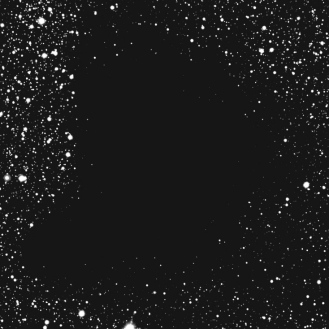
A) It is a region where there are no stars.
B) It is a region with lots of dark matter.
C) It is a super-massive black hole.
D) It is a region with thick dust blocking the starlight coming from behind.
E) It is a dark star cluster.
A) It is a region where there are no stars.
B) It is a region with lots of dark matter.
C) It is a super-massive black hole.
D) It is a region with thick dust blocking the starlight coming from behind.
E) It is a dark star cluster.
سؤال
سؤال
سؤال
The red emission in the photo below is due to: 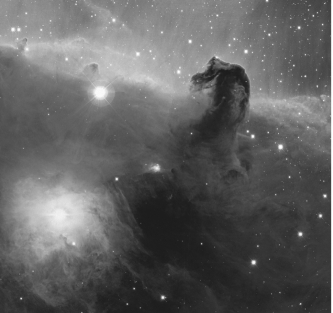
A) carbon monoxide (CO)
B) warm, neutral hydrogen
C) molecular hydrogen (H2)
D) ionized hydrogen (H II region)
E) dust
A) carbon monoxide (CO)
B) warm, neutral hydrogen
C) molecular hydrogen (H2)
D) ionized hydrogen (H II region)
E) dust
سؤال
سؤال
سؤال
The figures below show the spectrum of a star, along with five other spectra labeled A through E. 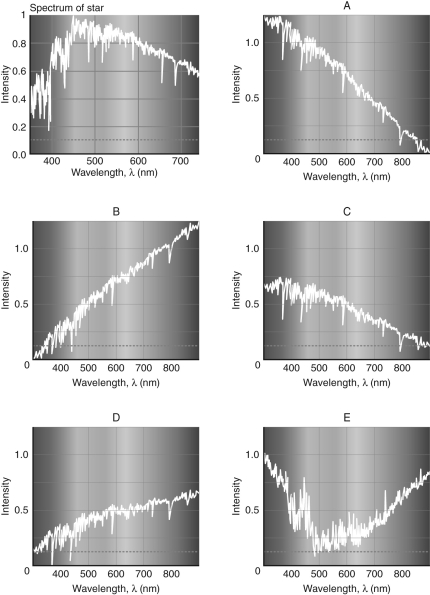 Which one of the labeled spectra shows what the spectrum of that star would look like if it were viewed through a significant amount of interstellar dust?
A) A
B) B
C) C
D) D
E) E
Which one of the labeled spectra shows what the spectrum of that star would look like if it were viewed through a significant amount of interstellar dust?A) A
B) B
C) C
D) D
E) E
سؤال
سؤال
سؤال
سؤال
سؤال
Below are three pictures of the disk of the Milky Way, taken in three different wavelength ranges. 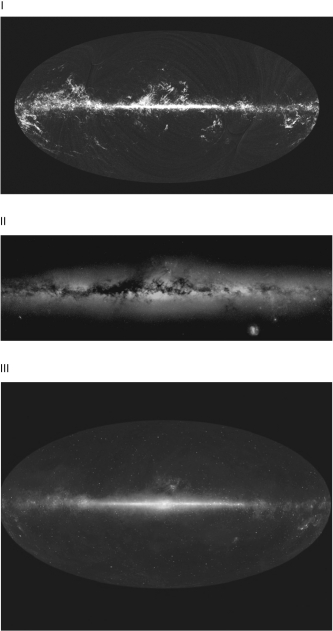 Put the three pictures in order from shortest to longest wavelength.
A) I, II, III
B) II, III, I
C) I, III, II
D) II, I, III
E) III, I, II
Put the three pictures in order from shortest to longest wavelength.A) I, II, III
B) II, III, I
C) I, III, II
D) II, I, III
E) III, I, II
سؤال
سؤال
سؤال
سؤال
سؤال
سؤال
سؤال
سؤال
سؤال
سؤال
سؤال
سؤال
سؤال
سؤال
سؤال
سؤال
سؤال
سؤال
سؤال
سؤال
سؤال
سؤال
سؤال
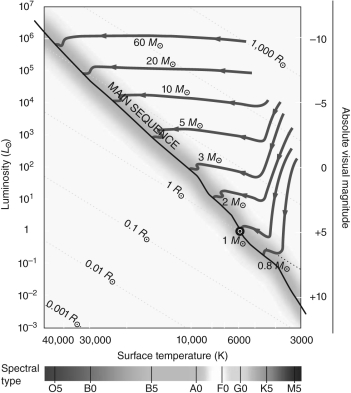 Figure 1
Use Figure 1 to complete the following statement. A high-mass protostar remains roughly constant in _________ and increases in _________ as it follows its evolutionary track.
A) temperature; luminosity
B) radius; temperature
C) luminosity; radius
D) luminosity; temperature
E) radius; luminosity
سؤال
سؤال
سؤال
سؤال
سؤال
سؤال
Figure 1Use Figure 1 to complete the following statement. As a protostar contracts:
A) the luminosity decreases
B) the luminosity increases
C) the temperature increases
D) the temperature decreases
E) either the luminosity decreases or the temperature increases
سؤال
سؤال
سؤال
سؤال
سؤال
Figure 1Use Figure 1 to complete the following statement. A low-mass protostar remains roughly constant in _________ and decreases in _________ as it follows its evolutionary track.
A) temperature; luminosity
B) radius; temperature
C) luminosity; radius
D) luminosity; temperature
E) radius; luminosity
سؤال
سؤال
سؤال
سؤال
سؤال
سؤال
سؤال
سؤال
Figure 1-Use Figure 1 to complete the following statement. At the start of the evolution of a protostar, the radius of a 60 M protostar is roughly _________ a 1 M main-sequence star.
A) 10 times bigger than
B) 100 times bigger than
C) 10 times smaller than
D) 100 time smaller than
E) the same as
سؤال
سؤال
سؤال
سؤال
سؤال

فتح الحزمة
قم بالتسجيل لفتح البطاقات في هذه المجموعة!
Unlock Deck
Unlock Deck
1/89

العب

ملء الشاشة (f)
Deck 15: Star Formation and the Interstellar Medium
1
If you could watch stars forming out of a gas cloud, which stars would form first?
A) low-mass stars
B) medium-mass stars
C) high-mass stars
D) stars with low temperatures
E) stars with more heavy elements
A) low-mass stars
B) medium-mass stars
C) high-mass stars
D) stars with low temperatures
E) stars with more heavy elements
high-mass stars
2
The coldest molecular clouds in our galaxy have temperatures of approximately 1000 K.
False
3
A protostar is usually in hydrostatic equilibrium as its collapses.
True
4
The lowest-density gas in the interstellar medium is also the coldest.
فتح الحزمة
افتح القفل للوصول البطاقات البالغ عددها 89 في هذه المجموعة.
فتح الحزمة
k this deck
5
The average density of the interstellar medium is many times less dense than the best vacuum on Earth.
فتح الحزمة
افتح القفل للوصول البطاقات البالغ عددها 89 في هذه المجموعة.
فتح الحزمة
k this deck
6
Star formation in a molecular cloud can be slowed by the strength of its magnetic field and turbulence caused by supernovae and stellar winds from massive stars.
فتح الحزمة
افتح القفل للوصول البطاقات البالغ عددها 89 في هذه المجموعة.
فتح الحزمة
k this deck
7
The H- atom is important in protostars because it acts as a powerful temperature regulator.
فتح الحزمة
افتح القفل للوصول البطاقات البالغ عددها 89 في هذه المجموعة.
فتح الحزمة
k this deck
8
The interstellar medium is divided up into three different kinds of gas clouds: cold gas at 10 K, warm gas at 8000 K, and hot gas at about 1 million K.
فتح الحزمة
افتح القفل للوصول البطاقات البالغ عددها 89 في هذه المجموعة.
فتح الحزمة
k this deck
9
The dust in the interstellar medium comes primarily from the stellar winds of main-sequence stars.
فتح الحزمة
افتح القفل للوصول البطاقات البالغ عددها 89 في هذه المجموعة.
فتح الحزمة
k this deck
10
Molecular hydrogen atoms are found only inside dense clouds where they are shielded from stellar radiation.
فتح الحزمة
افتح القفل للوصول البطاقات البالغ عددها 89 في هذه المجموعة.
فتح الحزمة
k this deck
11
When radiation from an object passes through the interstellar medium:
A) the object appears dimmer
B) the object appears bluer
C) the object appears bluer and dimmer
D) the object appears redder and dimmer
E) the object's apparent velocity changes
A) the object appears dimmer
B) the object appears bluer
C) the object appears bluer and dimmer
D) the object appears redder and dimmer
E) the object's apparent velocity changes
فتح الحزمة
افتح القفل للوصول البطاقات البالغ عددها 89 في هذه المجموعة.
فتح الحزمة
k this deck
12
Stars forming in molecular clouds tend to form first in the low-density periphery.
فتح الحزمة
افتح القفل للوصول البطاقات البالغ عددها 89 في هذه المجموعة.
فتح الحزمة
k this deck
13
When winds blow the gas away from a forming protostar it becomes visible as a T Tauri star.
فتح الحزمة
افتح القفل للوصول البطاقات البالغ عددها 89 في هذه المجموعة.
فتح الحزمة
k this deck
14
Electronic transitions from the H2 molecule are easily seen at radio wavelengths.
فتح الحزمة
افتح القفل للوصول البطاقات البالغ عددها 89 في هذه المجموعة.
فتح الحزمة
k this deck
15
We observe neutral hydrogen gas using 21-cm emission.
فتح الحزمة
افتح القفل للوصول البطاقات البالغ عددها 89 في هذه المجموعة.
فتح الحزمة
k this deck
16
The average density of the interstellar medium is:
A) 1 atom/cm3
B) 1,000 atom/cm3
C) 104 atom/cm3
D) 106 atom/cm3
E) 1012 atom/cm3
A) 1 atom/cm3
B) 1,000 atom/cm3
C) 104 atom/cm3
D) 106 atom/cm3
E) 1012 atom/cm3
فتح الحزمة
افتح القفل للوصول البطاقات البالغ عددها 89 في هذه المجموعة.
فتح الحزمة
k this deck
17
When a molecular cloud fragments and stars form, the least massive stars are the first to form while the most massive stars take longer to form.
فتح الحزمة
افتح القفل للوصول البطاقات البالغ عددها 89 في هذه المجموعة.
فتح الحزمة
k this deck
18
Herbig-Haro objects are almost always found in pairs on either side of a young protostar.
فتح الحزمة
افتح القفل للوصول البطاقات البالغ عددها 89 في هذه المجموعة.
فتح الحزمة
k this deck
19
If you wanted to observe heavy elements in the interstellar medium, where would be the best place to look?
A) dust grains
B) cold gas
C) hot gas
D) warm gas
A) dust grains
B) cold gas
C) hot gas
D) warm gas
فتح الحزمة
افتح القفل للوصول البطاقات البالغ عددها 89 في هذه المجموعة.
فتح الحزمة
k this deck
20
When looking at the space between stars, what might you see?
A) Nothing; it is empty.
B) spacecraft
C) gas
D) dark matter
E) none of the above
A) Nothing; it is empty.
B) spacecraft
C) gas
D) dark matter
E) none of the above
فتح الحزمة
افتح القفل للوصول البطاقات البالغ عددها 89 في هذه المجموعة.
فتح الحزمة
k this deck
21
Sitting in a 100°F hot tub feels much hotter than standing outside on a 100°F day. This analogy illustrates why:
A) interstellar dust is dark at optical wavelengths, but bright in the infrared
B) supernovae can heat their shells to such high temperatures
C) an astronaut would feel cold standing in the 106 K intercloud gas
D) the Solar System is immersed in a hot bubble of gas
E) fusion only occurs in the cores of stars
A) interstellar dust is dark at optical wavelengths, but bright in the infrared
B) supernovae can heat their shells to such high temperatures
C) an astronaut would feel cold standing in the 106 K intercloud gas
D) the Solar System is immersed in a hot bubble of gas
E) fusion only occurs in the cores of stars
فتح الحزمة
افتح القفل للوصول البطاقات البالغ عددها 89 في هذه المجموعة.
فتح الحزمة
k this deck
22
What is the most likely explanation for the dark area in the image below?
A) It is a region where there are no stars.
B) It is a region with lots of dark matter.
C) It is a super-massive black hole.
D) It is a region with thick dust blocking the starlight coming from behind.
E) It is a dark star cluster.
A) It is a region where there are no stars.
B) It is a region with lots of dark matter.
C) It is a super-massive black hole.
D) It is a region with thick dust blocking the starlight coming from behind.
E) It is a dark star cluster.
فتح الحزمة
افتح القفل للوصول البطاقات البالغ عددها 89 في هذه المجموعة.
فتح الحزمة
k this deck
23
Interstellar clouds are:
A) hydrogen gas, condensed out of the interstellar medium, like water clouds in the Earth's atmosphere
B) regions where hydrogen tends to be denser than the surrounding gas
C) regions where water condenses out of the interstellar medium
D) oxygen gas, condensed out of the interstellar medium, like water clouds in the Earth's atmosphere
E) regions where hydrogen combines with oxygen to create water molecules
A) hydrogen gas, condensed out of the interstellar medium, like water clouds in the Earth's atmosphere
B) regions where hydrogen tends to be denser than the surrounding gas
C) regions where water condenses out of the interstellar medium
D) oxygen gas, condensed out of the interstellar medium, like water clouds in the Earth's atmosphere
E) regions where hydrogen combines with oxygen to create water molecules
فتح الحزمة
افتح القفل للوصول البطاقات البالغ عددها 89 في هذه المجموعة.
فتح الحزمة
k this deck
24
"Weather" in the interstellar medium is produced:
A) only by supernovae
B) by supernovae and strong winds from luminous stars
C) by supernovae, strong winds from luminous stars, and fast-moving stars
D) by supernovae, strong winds from luminous stars, fast-moving stars, and exploding planets
E) by supernovae, strong winds from luminous stars, fast-moving stars, exploding planets, and black holes
A) only by supernovae
B) by supernovae and strong winds from luminous stars
C) by supernovae, strong winds from luminous stars, and fast-moving stars
D) by supernovae, strong winds from luminous stars, fast-moving stars, and exploding planets
E) by supernovae, strong winds from luminous stars, fast-moving stars, exploding planets, and black holes
فتح الحزمة
افتح القفل للوصول البطاقات البالغ عددها 89 في هذه المجموعة.
فتح الحزمة
k this deck
25
The red emission in the photo below is due to:
A) carbon monoxide (CO)
B) warm, neutral hydrogen
C) molecular hydrogen (H2)
D) ionized hydrogen (H II region)
E) dust
A) carbon monoxide (CO)
B) warm, neutral hydrogen
C) molecular hydrogen (H2)
D) ionized hydrogen (H II region)
E) dust
فتح الحزمة
افتح القفل للوصول البطاقات البالغ عددها 89 في هذه المجموعة.
فتح الحزمة
k this deck
26
Dust reddens starlight because:
A) it re-emits the light it absorbs at red wavelengths
B) it emits mostly in the infrared due to its cold temperature
C) it is made mostly of hydrogen, which produces the red H-alpha emission line
D) it preferentially affects light at visible and shorter wavelengths
E) it primarily moves away from Earth
A) it re-emits the light it absorbs at red wavelengths
B) it emits mostly in the infrared due to its cold temperature
C) it is made mostly of hydrogen, which produces the red H-alpha emission line
D) it preferentially affects light at visible and shorter wavelengths
E) it primarily moves away from Earth
فتح الحزمة
افتح القفل للوصول البطاقات البالغ عددها 89 في هذه المجموعة.
فتح الحزمة
k this deck
27
An H II region signals the presence of:
A) newly formed stars
B) young stars
C) ionized hydrogen gas
D) O- and B-type stars
E) all of the above
A) newly formed stars
B) young stars
C) ionized hydrogen gas
D) O- and B-type stars
E) all of the above
فتح الحزمة
افتح القفل للوصول البطاقات البالغ عددها 89 في هذه المجموعة.
فتح الحزمة
k this deck
28
The figures below show the spectrum of a star, along with five other spectra labeled A through E. Which one of the labeled spectra shows what the spectrum of that star would look like if it were viewed through a significant amount of interstellar dust?
A) A
B) B
C) C
D) D
E) E
Which one of the labeled spectra shows what the spectrum of that star would look like if it were viewed through a significant amount of interstellar dust?A) A
B) B
C) C
D) D
E) E
فتح الحزمة
افتح القفل للوصول البطاقات البالغ عددها 89 في هذه المجموعة.
فتح الحزمة
k this deck
29
Dust that is heated to 30 K will emit a blackbody spectrum that peaks at:
A) 1 m
B) 30 m
C) 50 m
D) 100 m
E) 500 m
A) 1 m
B) 30 m
C) 50 m
D) 100 m
E) 500 m
فتح الحزمة
افتح القفل للوصول البطاقات البالغ عددها 89 في هذه المجموعة.
فتح الحزمة
k this deck
30
Warm ionized gas in the interstellar medium appears _________ when imaged in the optical region of the electromagnetic spectrum.
A) red
B) yellow
C) white
D) blue
E) dark
A) red
B) yellow
C) white
D) blue
E) dark
فتح الحزمة
افتح القفل للوصول البطاقات البالغ عددها 89 في هذه المجموعة.
فتح الحزمة
k this deck
31
If you wanted to study regions where star formation is currently happening you could use:
A) H-alpha emission to look for O and B stars
B) 21 cm radiation to find neutral hydrogen clouds
C) radio emission from carbon monoxide (CO) to find molecular cloud cores
D) infrared emission to identify T Tauri stars
E) all of the above
A) H-alpha emission to look for O and B stars
B) 21 cm radiation to find neutral hydrogen clouds
C) radio emission from carbon monoxide (CO) to find molecular cloud cores
D) infrared emission to identify T Tauri stars
E) all of the above
فتح الحزمة
افتح القفل للوصول البطاقات البالغ عددها 89 في هذه المجموعة.
فتح الحزمة
k this deck
32
Which of the following is responsible for heating the bulk of the very hot intercloud gas?
A) high-energy radiation from stars
B) supernovae
C) young O and B stars
D) planetary nebulae
E) The heating is an even mix of all of the sources above.
A) high-energy radiation from stars
B) supernovae
C) young O and B stars
D) planetary nebulae
E) The heating is an even mix of all of the sources above.
فتح الحزمة
افتح القفل للوصول البطاقات البالغ عددها 89 في هذه المجموعة.
فتح الحزمة
k this deck
33
Below are three pictures of the disk of the Milky Way, taken in three different wavelength ranges. Put the three pictures in order from shortest to longest wavelength.
A) I, II, III
B) II, III, I
C) I, III, II
D) II, I, III
E) III, I, II
Put the three pictures in order from shortest to longest wavelength.A) I, II, III
B) II, III, I
C) I, III, II
D) II, I, III
E) III, I, II
فتح الحزمة
افتح القفل للوصول البطاقات البالغ عددها 89 في هذه المجموعة.
فتح الحزمة
k this deck
34
For an object in hydrostatic equilibrium, if the temperature inside the object were to increase, the object would:
A) expand
B) contract
C) implode
D) remain the same size
E) explode
A) expand
B) contract
C) implode
D) remain the same size
E) explode
فتح الحزمة
افتح القفل للوصول البطاقات البالغ عددها 89 في هذه المجموعة.
فتح الحزمة
k this deck
35
In the interstellar medium, molecules survive only in regions with:
A) low temperatures
B) high densities
C) lots of dust
D) all of the above
A) low temperatures
B) high densities
C) lots of dust
D) all of the above
فتح الحزمة
افتح القفل للوصول البطاقات البالغ عددها 89 في هذه المجموعة.
فتح الحزمة
k this deck
36
A typical molecular cloud has a temperature of approximately:
A) 0.3 K
B) 10 K
C) 80 K
D) 300 K
E) 1000 K
A) 0.3 K
B) 10 K
C) 80 K
D) 300 K
E) 1000 K
فتح الحزمة
افتح القفل للوصول البطاقات البالغ عددها 89 في هذه المجموعة.
فتح الحزمة
k this deck
37
Molecular cloud cores are places where you might find:
A) protostars
B) Herbig-Haro objects
C) molecular hydrogen (H2)
D) carbon monoxide (CO)
E) all of the above
A) protostars
B) Herbig-Haro objects
C) molecular hydrogen (H2)
D) carbon monoxide (CO)
E) all of the above
فتح الحزمة
افتح القفل للوصول البطاقات البالغ عددها 89 في هذه المجموعة.
فتح الحزمة
k this deck
38
Dust in the ISM appears dark in _________ wavelengths and bright in _________ wavelengths.
A) visible; ultraviolet
B) infrared; radio
C) infrared; visible
D) radio; ultraviolet
E) visible; infrared
A) visible; ultraviolet
B) infrared; radio
C) infrared; visible
D) radio; ultraviolet
E) visible; infrared
فتح الحزمة
افتح القفل للوصول البطاقات البالغ عددها 89 في هذه المجموعة.
فتح الحزمة
k this deck
39
We detect neutral gas in the interstellar medium by looking for radiation at 21 cm that arises when:
A) an electron moves from the n = 1 to n = 2 state in a hydrogen atom
B) an electron is ionized from a hydrogen atom
C) carbon monoxide (CO) gas is excited by stellar radiation
D) the spin of an electron flips and aligns with the spin of a proton in a hydrogen atom
E) an electron combines with a proton to make a hydrogen atom
A) an electron moves from the n = 1 to n = 2 state in a hydrogen atom
B) an electron is ionized from a hydrogen atom
C) carbon monoxide (CO) gas is excited by stellar radiation
D) the spin of an electron flips and aligns with the spin of a proton in a hydrogen atom
E) an electron combines with a proton to make a hydrogen atom
فتح الحزمة
افتح القفل للوصول البطاقات البالغ عددها 89 في هذه المجموعة.
فتح الحزمة
k this deck
40
Molecular clouds, which have temperatures of around 10 K, are best observed at _________ wavelengths.
A) X-ray
B) ultraviolet
C) optical
D) infrared
E) radio
A) X-ray
B) ultraviolet
C) optical
D) infrared
E) radio
فتح الحزمة
افتح القفل للوصول البطاقات البالغ عددها 89 في هذه المجموعة.
فتح الحزمة
k this deck
41
Of the following processes at work in molecular clouds, which is the one that inevitably dominates the clouds' evolution?
A) magnetic fields
B) conservation of angular momentum
C) pressure
D) gravity
E) turbulence
A) magnetic fields
B) conservation of angular momentum
C) pressure
D) gravity
E) turbulence
فتح الحزمة
افتح القفل للوصول البطاقات البالغ عددها 89 في هذه المجموعة.
فتح الحزمة
k this deck
42
As a protostar evolves, its temperature:
A) decreases because it is radiating
B) decreases because of gravitational contraction
C) decreases because of angular momentum
D) increases because of nuclear fusion
E) increases due to the kinetic energy of infalling material
A) decreases because it is radiating
B) decreases because of gravitational contraction
C) decreases because of angular momentum
D) increases because of nuclear fusion
E) increases due to the kinetic energy of infalling material
فتح الحزمة
افتح القفل للوصول البطاقات البالغ عددها 89 في هذه المجموعة.
فتح الحزمة
k this deck
43
The entire process of star formation is really just an evolving balance between:
A) heat and rotation
B) core temperature and surface temperature
C) pressure and gravity
D) radiation and heat
E) luminosity and distance
A) heat and rotation
B) core temperature and surface temperature
C) pressure and gravity
D) radiation and heat
E) luminosity and distance
فتح الحزمة
افتح القفل للوصول البطاقات البالغ عددها 89 في هذه المجموعة.
فتح الحزمة
k this deck
44
The Hayashi track of a low-mass protostar in the H-R diagram is a path of approximately constant:
A) density
B) luminosity
C) age
D) temperature
E) radius
A) density
B) luminosity
C) age
D) temperature
E) radius
فتح الحزمة
افتح القفل للوصول البطاقات البالغ عددها 89 في هذه المجموعة.
فتح الحزمة
k this deck
45
What happens as a protostar contracts?
A) Its density rises.
B) Its temperature rises.
C) Its radius decreases.
D) Its pressure rises.
E) All of the above are true.
A) Its density rises.
B) Its temperature rises.
C) Its radius decreases.
D) Its pressure rises.
E) All of the above are true.
فتح الحزمة
افتح القفل للوصول البطاقات البالغ عددها 89 في هذه المجموعة.
فتح الحزمة
k this deck
46
A young protostar is _________ than the Sun even though its surface temperature is _________.
A) less luminous; hotter
B) larger; cooler
C) smaller; the same
D) more luminous; cooler
E) smaller; hotter
A) less luminous; hotter
B) larger; cooler
C) smaller; the same
D) more luminous; cooler
E) smaller; hotter
فتح الحزمة
افتح القفل للوصول البطاقات البالغ عددها 89 في هذه المجموعة.
فتح الحزمة
k this deck
47
Because angular momentum must be conserved, as a gas cloud contracts due to gravity it will also:
A) spin slower
B) spin faster
C) increase in temperature
D) decrease in temperature
E) stay the same temperature
A) spin slower
B) spin faster
C) increase in temperature
D) decrease in temperature
E) stay the same temperature
فتح الحزمة
افتح القفل للوصول البطاقات البالغ عددها 89 في هذه المجموعة.
فتح الحزمة
k this deck
48
A protostar's evolutionary "track" in the H-R diagram traces out:
A) only how the protostar's radius changes with time
B) how the protostar's luminosity, temperature, and radius change with time
C) only how the protostar's luminosity changes with time
D) only how the protostar's spectral type changes with time
E) the protostar's location in the molecular cloud
A) only how the protostar's radius changes with time
B) how the protostar's luminosity, temperature, and radius change with time
C) only how the protostar's luminosity changes with time
D) only how the protostar's spectral type changes with time
E) the protostar's location in the molecular cloud
فتح الحزمة
افتح القفل للوصول البطاقات البالغ عددها 89 في هذه المجموعة.
فتح الحزمة
k this deck
49
What critical event transforms a protostar into a normal main-sequence star?
A) Planets form in the accretion disk.
B) The star grows suddenly larger in radius.
C) Triple alpha reactions begin in the core.
D) Nuclear fusion begins in the core.
E) Convection begins throughout the star's interior.
A) Planets form in the accretion disk.
B) The star grows suddenly larger in radius.
C) Triple alpha reactions begin in the core.
D) Nuclear fusion begins in the core.
E) Convection begins throughout the star's interior.
فتح الحزمة
افتح القفل للوصول البطاقات البالغ عددها 89 في هذه المجموعة.
فتح الحزمة
k this deck
50
Brown dwarfs are considered failed stars because:
A) they never reach masses larger than 50 Jupiter masses
B) hydrogen fusion never begins in their cores
C) convection never plays a role in their energy transport
D) they primarily shine at infrared wavelengths
E) they are never as luminous as the Sun
A) they never reach masses larger than 50 Jupiter masses
B) hydrogen fusion never begins in their cores
C) convection never plays a role in their energy transport
D) they primarily shine at infrared wavelengths
E) they are never as luminous as the Sun
فتح الحزمة
افتح القفل للوصول البطاقات البالغ عددها 89 في هذه المجموعة.
فتح الحزمة
k this deck
51
Magnetic fields inside a molecular cloud act to:
A) inhibit gravitational collapse
B) fragment the cloud into numerous cores
C) modulate the temperature of the molecules
D) increase the formation of dust grains
E) increase the formation of protostars
A) inhibit gravitational collapse
B) fragment the cloud into numerous cores
C) modulate the temperature of the molecules
D) increase the formation of dust grains
E) increase the formation of protostars
فتح الحزمة
افتح القفل للوصول البطاقات البالغ عددها 89 في هذه المجموعة.
فتح الحزمة
k this deck
52
What primarily makes it difficult to observe protostars?
A) They occur in dusty regions.
B) They have low luminosities.
C) They do not shine at any wavelength until they become T Tauri stars.
D) The star formation process happens so quickly.
E) They are too small to be seen.
A) They occur in dusty regions.
B) They have low luminosities.
C) They do not shine at any wavelength until they become T Tauri stars.
D) The star formation process happens so quickly.
E) They are too small to be seen.
فتح الحزمة
افتح القفل للوصول البطاقات البالغ عددها 89 في هذه المجموعة.
فتح الحزمة
k this deck
53
A _________ is a failed star that shines primarily because of energy derived from its gravitational collapse rather than nuclear burning.
A) black hole
B) brown dwarf
C) Herbig-Haro object
D) protostar
E) T Tauri star
A) black hole
B) brown dwarf
C) Herbig-Haro object
D) protostar
E) T Tauri star
فتح الحزمة
افتح القفل للوصول البطاقات البالغ عددها 89 في هذه المجموعة.
فتح الحزمة
k this deck
54
A surprising fact about a 1 M protostar is that, even though nuclear reactions have not yet started in their cores, they are _________ than the Sun.
A) hotter
B) rotating faster
C) smaller
D) denser
E) more luminous
A) hotter
B) rotating faster
C) smaller
D) denser
E) more luminous
فتح الحزمة
افتح القفل للوصول البطاقات البالغ عددها 89 في هذه المجموعة.
فتح الحزمة
k this deck
55
Stars with a mass from 0.01 M to 0.08 M are very different from the Sun because they:
A) do not have strong enough gravity to form planets
B) have much higher temperatures than the Sun
C) cannot successfully execute the proton-proton chain reactions
D) form much faster than the Sun did
E) do not exhibit sunspots
A) do not have strong enough gravity to form planets
B) have much higher temperatures than the Sun
C) cannot successfully execute the proton-proton chain reactions
D) form much faster than the Sun did
E) do not exhibit sunspots
فتح الحزمة
افتح القفل للوصول البطاقات البالغ عددها 89 في هذه المجموعة.
فتح الحزمة
k this deck
56
Figure 1Use Figure 1 to complete the following statement. A high-mass protostar remains roughly constant in _________ and increases in _________ as it follows its evolutionary track.
A) temperature; luminosity
B) radius; temperature
C) luminosity; radius
D) luminosity; temperature
E) radius; luminosity
فتح الحزمة
افتح القفل للوصول البطاقات البالغ عددها 89 في هذه المجموعة.
فتح الحزمة
k this deck
57
Which of the following traits does NOT help slow or prevent the collapse of a gas cloud?
A) high mass
B) high temperature
C) turbulence
D) magnetic fields
E) angular momentum
A) high mass
B) high temperature
C) turbulence
D) magnetic fields
E) angular momentum
فتح الحزمة
افتح القفل للوصول البطاقات البالغ عددها 89 في هذه المجموعة.
فتح الحزمة
k this deck
58
The H- ion is very important in protostars because it:
A) reacts with oxygen to produce water
B) undergoes fusion and produces energy
C) helps make the protostars denser
D) acts as a temperature regulator
E) reduces angular momentum
A) reacts with oxygen to produce water
B) undergoes fusion and produces energy
C) helps make the protostars denser
D) acts as a temperature regulator
E) reduces angular momentum
فتح الحزمة
افتح القفل للوصول البطاقات البالغ عددها 89 في هذه المجموعة.
فتح الحزمة
k this deck
59
An accretion disk forms around a collapsing protostar because infalling material must conserve:
A) energy
B) centrifugal force
C) gravity
D) velocity
E) angular momentum
A) energy
B) centrifugal force
C) gravity
D) velocity
E) angular momentum
فتح الحزمة
افتح القفل للوصول البطاقات البالغ عددها 89 في هذه المجموعة.
فتح الحزمة
k this deck
60
The source of energy for a contracting protostar comes from:
A) thermonuclear energy
B) kinetic energy
C) chemical energy
D) gravitational potential energy
E) radiation energy
A) thermonuclear energy
B) kinetic energy
C) chemical energy
D) gravitational potential energy
E) radiation energy
فتح الحزمة
افتح القفل للوصول البطاقات البالغ عددها 89 في هذه المجموعة.
فتح الحزمة
k this deck
61
How are typical interstellar gas clouds different from the clouds that we see in the Earth's sky?
فتح الحزمة
افتح القفل للوصول البطاقات البالغ عددها 89 في هذه المجموعة.
فتح الحزمة
k this deck
62
Figure 1Use Figure 1 to complete the following statement. As a protostar contracts:
A) the luminosity decreases
B) the luminosity increases
C) the temperature increases
D) the temperature decreases
E) either the luminosity decreases or the temperature increases
فتح الحزمة
افتح القفل للوصول البطاقات البالغ عددها 89 في هذه المجموعة.
فتح الحزمة
k this deck
63
Why is it possible for self-gravity to dominate pressure in molecular clouds but not in most interstellar clouds?
فتح الحزمة
افتح القفل للوصول البطاقات البالغ عددها 89 في هذه المجموعة.
فتح الحزمة
k this deck
64
How are each of the following types of ISM detected by astronomers: hot intercloud gas, H II regions, neutral hydrogen gas, and molecular clouds.
فتح الحزمة
افتح القفل للوصول البطاقات البالغ عددها 89 في هذه المجموعة.
فتح الحزمة
k this deck
65
Why can we see dust in the interstellar medium better at far-infrared wavelengths than we can at optical wavelengths?
فتح الحزمة
افتح القفل للوصول البطاقات البالغ عددها 89 في هذه المجموعة.
فتح الحزمة
k this deck
66
How are H II regions and the hot intercloud gas heated?
فتح الحزمة
افتح القفل للوصول البطاقات البالغ عددها 89 في هذه المجموعة.
فتح الحزمة
k this deck
67
Figure 1Use Figure 1 to complete the following statement. A low-mass protostar remains roughly constant in _________ and decreases in _________ as it follows its evolutionary track.
A) temperature; luminosity
B) radius; temperature
C) luminosity; radius
D) luminosity; temperature
E) radius; luminosity
فتح الحزمة
افتح القفل للوصول البطاقات البالغ عددها 89 في هذه المجموعة.
فتح الحزمة
k this deck
68
The most common types of stars in our galaxy are:
A) high-mass stars
B) low-mass stars
C) an equal mix of high- and low-mass stars
D) low-mass stars near the Sun and high-mass stars far away
E) We do not yet know which types of stars are most common in our galaxy.
A) high-mass stars
B) low-mass stars
C) an equal mix of high- and low-mass stars
D) low-mass stars near the Sun and high-mass stars far away
E) We do not yet know which types of stars are most common in our galaxy.
فتح الحزمة
افتح القفل للوصول البطاقات البالغ عددها 89 في هذه المجموعة.
فتح الحزمة
k this deck
69
Why do H II regions mark the regions where new stars are currently being formed?
فتح الحزمة
افتح القفل للوصول البطاقات البالغ عددها 89 في هذه المجموعة.
فتح الحزمة
k this deck
70
What is the interstellar medium made of? Give rough percentages of each.
فتح الحزمة
افتح القفل للوصول البطاقات البالغ عددها 89 في هذه المجموعة.
فتح الحزمة
k this deck
71
Some molecular clouds have so much internal pressure that it exceeds their self-gravity. What keeps them from expanding and dissipating?
فتح الحزمة
افتح القفل للوصول البطاقات البالغ عددها 89 في هذه المجموعة.
فتح الحزمة
k this deck
72
If a 1 M protostar starts out on the Hayashi track with a temperature of 3300 K and a luminosity of 320 L , what is its approximate radius?
A) 25 R
B) 55 R
C) 75 R
D) 105 R
E) 125 R
A) 25 R
B) 55 R
C) 75 R
D) 105 R
E) 125 R
فتح الحزمة
افتح القفل للوصول البطاقات البالغ عددها 89 في هذه المجموعة.
فتح الحزمة
k this deck
73
Compare the volume of the Sun with the volume of interstellar space it occupies. Is the occupied percentage large or small? Consider the volume around the Sun to be a sphere whose radius is equal to the distance to the nearest star, which is equal to 5 light-years. (Note: the radius of the Sun is 7 * 105 km, and 1 light-year = 9.5 * 1012 km.)
فتح الحزمة
افتح القفل للوصول البطاقات البالغ عددها 89 في هذه المجموعة.
فتح الحزمة
k this deck
74
Given the low efficiency of the star formation process, the initial mass of a molecular cloud fragment that formed a 2 M star was probably close to:
A) 10 M
B) 50 M
C) 100 M
D) 500 M
E) 1,000 M
A) 10 M
B) 50 M
C) 100 M
D) 500 M
E) 1,000 M
فتح الحزمة
افتح القفل للوصول البطاقات البالغ عددها 89 في هذه المجموعة.
فتح الحزمة
k this deck
75
Figure 1-Use Figure 1 to complete the following statement. At the start of the evolution of a protostar, the radius of a 60 M protostar is roughly _________ a 1 M main-sequence star.
A) 10 times bigger than
B) 100 times bigger than
C) 10 times smaller than
D) 100 time smaller than
E) the same as
فتح الحزمة
افتح القفل للوصول البطاقات البالغ عددها 89 في هذه المجموعة.
فتح الحزمة
k this deck
76
Which of the following stars spend the longest time on their Hayashi tracks?
A) 100 M stars
B) 10 M stars
C) 1 M stars
D) 0.1 M stars
E) 0.08 M stars
A) 100 M stars
B) 10 M stars
C) 1 M stars
D) 0.1 M stars
E) 0.08 M stars
فتح الحزمة
افتح القفل للوصول البطاقات البالغ عددها 89 في هذه المجموعة.
فتح الحزمة
k this deck
77
How long does it typically take for a protostar to form a 1 M star?
A) 3 * 107 years
B) 3 *105 years
C) 3,000 years
D) 300 years
E) 30 years
A) 3 * 107 years
B) 3 *105 years
C) 3,000 years
D) 300 years
E) 30 years
فتح الحزمة
افتح القفل للوصول البطاقات البالغ عددها 89 في هذه المجموعة.
فتح الحزمة
k this deck
78
At what wavelength are H II regions most clearly visible, and why do H II regions mark the regions where new stars are currently being formed?
فتح الحزمة
افتح القفل للوصول البطاقات البالغ عددها 89 في هذه المجموعة.
فتح الحزمة
k this deck
79
Where have astronomers observed the existence of planets?
A) in our Solar System
B) orbiting stars other than the Sun
C) orbiting stars in binary systems
D) traveling on their own through the Milky Way, not orbiting a star
E) all of the above
A) in our Solar System
B) orbiting stars other than the Sun
C) orbiting stars in binary systems
D) traveling on their own through the Milky Way, not orbiting a star
E) all of the above
فتح الحزمة
افتح القفل للوصول البطاقات البالغ عددها 89 في هذه المجموعة.
فتح الحزمة
k this deck
80
In the densest molecular clouds, the average density is approximately 300 atoms/cm3. If a cube of molecular cloud gas with this density contained 100 M of material (the amount needed to make a 1 M star), what would be the length of a side of the cube in units of AU? For reference, the mass of the Sun is 2 * 1030 kg, the mass of a hydrogen atom is 1.7 *10 - 27 kg, and 1 AU = 1.5 * 1011 m.
فتح الحزمة
افتح القفل للوصول البطاقات البالغ عددها 89 في هذه المجموعة.
فتح الحزمة
k this deck
فتح الحزمة
افتح القفل للوصول البطاقات البالغ عددها 89 في هذه المجموعة.






