







 تكلم مع الذكاء الاصطناعي


Deck 23: Metabolism and Energy Production
ملء الشاشة (f)

سؤال

سؤال
سؤال
سؤال
Which coenzyme is the electron acceptor in the following reaction? 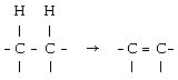
A) FAD
B) NAD+
C) FMN
D) NADH
E) FADH₂
A) FAD
B) NAD+
C) FMN
D) NADH
E) FADH₂
سؤال
سؤال
سؤال
سؤال
سؤال
سؤال
سؤال
سؤال
سؤال
Which coenzyme is the electron acceptor in the following reaction? 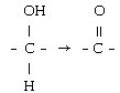
A) FAD
B) NAD+
C) FMN
D) NADH
E) FADH₂
A) FAD
B) NAD+
C) FMN
D) NADH
E) FADH₂
سؤال
سؤال
سؤال
سؤال
سؤال
سؤال
سؤال
سؤال
سؤال
سؤال
سؤال
سؤال
سؤال
سؤال
سؤال
سؤال
سؤال
سؤال
سؤال
سؤال
سؤال
سؤال
سؤال
سؤال
سؤال
سؤال
سؤال
سؤال
In this figure depicting the Stages of Metabolism taken from your text, identify the metabolic substance numbered. 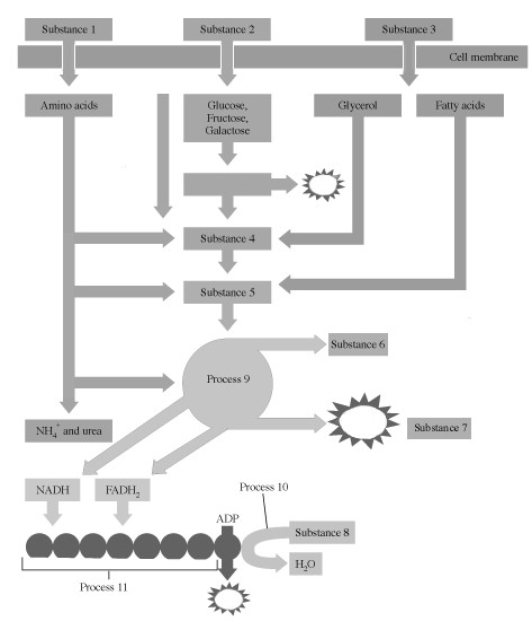
substance 8
substance 8
سؤال
سؤال
In this figure depicting the Stages of Metabolism taken from your text, identify the metabolic substance numbered.
substance 6
substance 6
سؤال
In this figure depicting the Stages of Metabolism taken from your text, identify the metabolic substance numbered.
substance 1
substance 1
سؤال
Which is the best choice for the box labeled "Answer" in the illustration below? 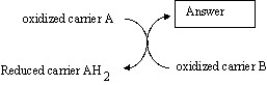
A) oxidized carrier B
B) carbon dioxide
C) OH-
D) reduced carrier BH₂
E) energy
A) oxidized carrier B
B) carbon dioxide
C) OH-
D) reduced carrier BH₂
E) energy
سؤال
In this figure depicting the Stages of Metabolism taken from your text, identify the metabolic substance numbered.
substance 7
substance 7
سؤال
In this figure depicting the Stages of Metabolism taken from your text, identify the metabolic substance numbered.
substance 2
substance 2
سؤال
سؤال
سؤال
سؤال
سؤال
سؤال
سؤال
سؤال
In this figure depicting the Stages of Metabolism taken from your text, identify the metabolic substance numbered.
substance 5
substance 5
سؤال
In this figure depicting the Stages of Metabolism taken from your text, identify the metabolic substance numbered.
substance 4
substance 4
سؤال
In this figure depicting the Stages of Metabolism taken from your text, identify the metabolic substance numbered.
substance 3
substance 3
سؤال
سؤال
سؤال
سؤال
سؤال
سؤال
In this figure, depicting part 1 of the Citric Acid Cycle, taken from your text, identify the substances numbered. 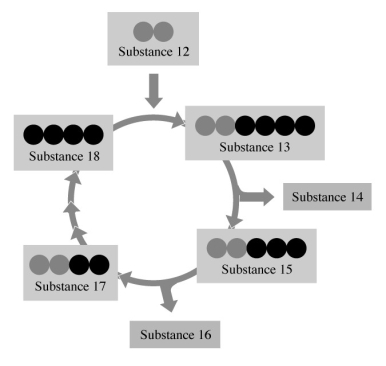
substance 13
substance 13
سؤال
In this figure, depicting part 1 of the Citric Acid Cycle, taken from your text, identify the substances numbered.
substance 15
substance 15
سؤال
سؤال
In this figure, depicting part 1 of the Citric Acid Cycle, taken from your text, identify the substances numbered.
substance 17
substance 17
سؤال
سؤال
سؤال
سؤال
In this figure, depicting part 1 of the Citric Acid Cycle, taken from your text, identify the substances numbered.
substance 18
substance 18
سؤال
In this figure depicting the Stages of Metabolism taken from your text, identify the metabolic substance numbered.
process 10
process 10
سؤال
سؤال
In this figure, depicting part 1 of the Citric Acid Cycle, taken from your text, identify the substances numbered.
substance 14
substance 14
سؤال
In this figure depicting the Stages of Metabolism taken from your text, identify the metabolic substance numbered.
process 11
process 11
سؤال
In this figure depicting the Stages of Metabolism taken from your text, identify the metabolic substance numbered.
process 9
process 9
سؤال
In this figure, depicting part 1 of the Citric Acid Cycle, taken from your text, identify the substances numbered.
substance 16
substance 16
سؤال
In this figure, depicting part 1 of the Citric Acid Cycle, taken from your text, identify the substances numbered.
substance 12
substance 12
سؤال
سؤال
سؤال

فتح الحزمة
قم بالتسجيل لفتح البطاقات في هذه المجموعة!
Unlock Deck
Unlock Deck
1/86

العب

ملء الشاشة (f)
Deck 23: Metabolism and Energy Production
1
The citric acid cycle is used in the oxidation of
A) glucose only.
B) glucose and fatty acids only.
C) fatty acids only.
D) glucose, fatty acids, and proteins.
E) proteins only.
A) glucose only.
B) glucose and fatty acids only.
C) fatty acids only.
D) glucose, fatty acids, and proteins.
E) proteins only.
glucose, fatty acids, and proteins.
2
Which of the following compounds in the citric acid cycle undergoes oxidative decarboxylation?
A) citrate
B) isocitrate
C) succinate
D) fumarate
E) succinyl CoA
A) citrate
B) isocitrate
C) succinate
D) fumarate
E) succinyl CoA
isocitrate
3
FAD is a coenzyme which usually participates in
A) oxidation of alcohols to aldehydes.
B) formation of carbon-carbon double bonds.
C) decarboxylation reactions.
D) phosphorylation reactions.
E) β-oxidation reactions.
A) oxidation of alcohols to aldehydes.
B) formation of carbon-carbon double bonds.
C) decarboxylation reactions.
D) phosphorylation reactions.
E) β-oxidation reactions.
formation of carbon-carbon double bonds.
4
Which coenzyme is the electron acceptor in the following reaction?
A) FAD
B) NAD+
C) FMN
D) NADH
E) FADH₂
A) FAD
B) NAD+
C) FMN
D) NADH
E) FADH₂
فتح الحزمة
افتح القفل للوصول البطاقات البالغ عددها 86 في هذه المجموعة.
فتح الحزمة
k this deck
5
The transformation of citrate to isocitrate in the citric acid cycle requires two __________ reactions.
A) oxidation
B) reduction
C) hydrolysis
D) decarboxylation
E) dehydration-hydration
A) oxidation
B) reduction
C) hydrolysis
D) decarboxylation
E) dehydration-hydration
فتح الحزمة
افتح القفل للوصول البطاقات البالغ عددها 86 في هذه المجموعة.
فتح الحزمة
k this deck
6
Another name for the citric acid cycle is
A) the Krebs cycle.
B) gluconeogenesis.
C) glucose hydrolysis.
D) oxidative phosphorylation.
E) the chemiosmotic pump.
A) the Krebs cycle.
B) gluconeogenesis.
C) glucose hydrolysis.
D) oxidative phosphorylation.
E) the chemiosmotic pump.
فتح الحزمة
افتح القفل للوصول البطاقات البالغ عددها 86 في هذه المجموعة.
فتح الحزمة
k this deck
7
Most of the energy released in the citric acid cycle is used to produce
A) glucose.
B) acetyl CoA.
C) NADH and FADH₂.
D) carbon dioxide and water.
E) citric acid.
A) glucose.
B) acetyl CoA.
C) NADH and FADH₂.
D) carbon dioxide and water.
E) citric acid.
فتح الحزمة
افتح القفل للوصول البطاقات البالغ عددها 86 في هذه المجموعة.
فتح الحزمة
k this deck
8
In the first reaction of the citric acid cycle
A) glucose becomes pyruvate.
B) ATP is produced.
C) NADH is produced.
D) acetyl CoA reacts with oxaloacetate to give citrate.
E) pyruvate becomes CO₂ and H₂O.
A) glucose becomes pyruvate.
B) ATP is produced.
C) NADH is produced.
D) acetyl CoA reacts with oxaloacetate to give citrate.
E) pyruvate becomes CO₂ and H₂O.
فتح الحزمة
افتح القفل للوصول البطاقات البالغ عددها 86 في هذه المجموعة.
فتح الحزمة
k this deck
9
During the first reaction in the citric acid cycle,
A) free CoA is released.
B) acetyl CoA is made.
C) a decarboxylation occurs.
D) a decomposition occurs.
E) ATP is synthesized.
A) free CoA is released.
B) acetyl CoA is made.
C) a decarboxylation occurs.
D) a decomposition occurs.
E) ATP is synthesized.
فتح الحزمة
افتح القفل للوصول البطاقات البالغ عددها 86 في هذه المجموعة.
فتح الحزمة
k this deck
10
NAD+ participates in reactions that produce
A) a CH₂ group.
B) a C=O bond.
C) phosphorylation.
D) ADP from ATP.
E) a C-C bond.
A) a CH₂ group.
B) a C=O bond.
C) phosphorylation.
D) ADP from ATP.
E) a C-C bond.
فتح الحزمة
افتح القفل للوصول البطاقات البالغ عددها 86 في هذه المجموعة.
فتح الحزمة
k this deck
11
The citric acid cycle operates only under aerobic conditions because
A) oxygen is a reactant in the citric acid cycle.
B) oxygen is a product of the citric acid cycle.
C) CO₂ is a product of the citric acid cycle.
D) the NADH and FADH₂ produced by the citric acid cycle can only be reoxidized by the electron transport chain.
E) the NAD+ and FAD produced by the citric acid cycle can only be reduced by the electron transport chain.
A) oxygen is a reactant in the citric acid cycle.
B) oxygen is a product of the citric acid cycle.
C) CO₂ is a product of the citric acid cycle.
D) the NADH and FADH₂ produced by the citric acid cycle can only be reoxidized by the electron transport chain.
E) the NAD+ and FAD produced by the citric acid cycle can only be reduced by the electron transport chain.
فتح الحزمة
افتح القفل للوصول البطاقات البالغ عددها 86 في هذه المجموعة.
فتح الحزمة
k this deck
12
Which of the following is the net reaction for one turn of the citric acid cycle?
A) Acetyl-S-CoA + 3 NAD+ + FAD + GDP + Pi + 2H₂O → 2 CO₂ + 3 NADH + 3 H+ + FADH₂ + HS-CoA + GTP
B) Pyruvate + 3 NAD+ + FAD + GDP + Pi + 2H₂O → 3 CO₂ + 3 NADH + 3 H+ + FADH₂ + GTP
C) Acetyl-S-CoA + NAD+ + FAD + GDP + Pi → 2 CO₂ + NADH + H+ + FADH₂ + HS-CoA + GTP
D) Glucose + 2 NAD+ + 2GDP + 2 Pi + 2H₂O → 2Pyruvate + 2 NADH + 2 H+ + GTP
E) Glucose + 2GDP + 2Pi → 2Lactate + 2GTP
A) Acetyl-S-CoA + 3 NAD+ + FAD + GDP + Pi + 2H₂O → 2 CO₂ + 3 NADH + 3 H+ + FADH₂ + HS-CoA + GTP
B) Pyruvate + 3 NAD+ + FAD + GDP + Pi + 2H₂O → 3 CO₂ + 3 NADH + 3 H+ + FADH₂ + GTP
C) Acetyl-S-CoA + NAD+ + FAD + GDP + Pi → 2 CO₂ + NADH + H+ + FADH₂ + HS-CoA + GTP
D) Glucose + 2 NAD+ + 2GDP + 2 Pi + 2H₂O → 2Pyruvate + 2 NADH + 2 H+ + GTP
E) Glucose + 2GDP + 2Pi → 2Lactate + 2GTP
فتح الحزمة
افتح القفل للوصول البطاقات البالغ عددها 86 في هذه المجموعة.
فتح الحزمة
k this deck
13
Which coenzyme is the electron acceptor in the following reaction?
A) FAD
B) NAD+
C) FMN
D) NADH
E) FADH₂
A) FAD
B) NAD+
C) FMN
D) NADH
E) FADH₂
فتح الحزمة
افتح القفل للوصول البطاقات البالغ عددها 86 في هذه المجموعة.
فتح الحزمة
k this deck
14
What electron acceptor(s) is(are) used in the citric acid cycle?
A) FAD only
B) NAD+ only
C) NADH + FADH₂ + CoASH
D) FMN
E) NAD+ + FAD
A) FAD only
B) NAD+ only
C) NADH + FADH₂ + CoASH
D) FMN
E) NAD+ + FAD
فتح الحزمة
افتح القفل للوصول البطاقات البالغ عددها 86 في هذه المجموعة.
فتح الحزمة
k this deck
15
Which of the three major stages of metabolism includes the citric acid cycle?
A) Stage one
B) Stage two
C) Stage three
A) Stage one
B) Stage two
C) Stage three
فتح الحزمة
افتح القفل للوصول البطاقات البالغ عددها 86 في هذه المجموعة.
فتح الحزمة
k this deck
16
Another name for the citric acid cycle is
A) electron transport.
B) glycolysis.
C) the tricarboxylic acid (TCA) cycle.
D) glucolysis.
E) the transamination pathway.
A) electron transport.
B) glycolysis.
C) the tricarboxylic acid (TCA) cycle.
D) glucolysis.
E) the transamination pathway.
فتح الحزمة
افتح القفل للوصول البطاقات البالغ عددها 86 في هذه المجموعة.
فتح الحزمة
k this deck
17
In order to enter the citric acid cycle, pyruvate is first converted to
A) ate.
B) acetaldehyde.
C) citrate.
D) acetyl CoA.
E) ethanol.
A) ate.
B) acetaldehyde.
C) citrate.
D) acetyl CoA.
E) ethanol.
فتح الحزمة
افتح القفل للوصول البطاقات البالغ عددها 86 في هذه المجموعة.
فتح الحزمة
k this deck
18
The citric acid cycle takes place in the
A) mitochondria.
B) cytosol.
C) cytoplasm.
D) Golgi apparatus.
E) endoplasmic reticulum.
A) mitochondria.
B) cytosol.
C) cytoplasm.
D) Golgi apparatus.
E) endoplasmic reticulum.
فتح الحزمة
افتح القفل للوصول البطاقات البالغ عددها 86 في هذه المجموعة.
فتح الحزمة
k this deck
19
When oxygen is in plentiful supply in the cell, pyruvate is converted to
A) CoA.
B) acetyl CoA.
C) glucose.
D) lactate.
E) fructose.
A) CoA.
B) acetyl CoA.
C) glucose.
D) lactate.
E) fructose.
فتح الحزمة
افتح القفل للوصول البطاقات البالغ عددها 86 في هذه المجموعة.
فتح الحزمة
k this deck
20
When combined with electron transport, one turn of the citric acid cycle produces __________ ATP.
A) 24
B) 12
C) 11
D) 14
E) 2
A) 24
B) 12
C) 11
D) 14
E) 2
فتح الحزمة
افتح القفل للوصول البطاقات البالغ عددها 86 في هذه المجموعة.
فتح الحزمة
k this deck
21
The citric acid cycle step that removes the first CO₂ molecule is a(n)
A) oxidative decarboxylation.
B) reduction.
C) carbonylation.
D) hydrolysis.
E) combination.
A) oxidative decarboxylation.
B) reduction.
C) carbonylation.
D) hydrolysis.
E) combination.
فتح الحزمة
افتح القفل للوصول البطاقات البالغ عددها 86 في هذه المجموعة.
فتح الحزمة
k this deck
22
Under anaerobic conditions, there is a net production of __________ ATP during glycolysis.
A) zero
B) two
C) four
D) six
E) eight
A) zero
B) two
C) four
D) six
E) eight
فتح الحزمة
افتح القفل للوصول البطاقات البالغ عددها 86 في هذه المجموعة.
فتح الحزمة
k this deck
23
In the chemiosmotic model, protons circulate through a protein complex called
A) iron-sulfur clusters.
B) FMA.
C) CoA.
D) CoQ.
E) ATP synthase.
A) iron-sulfur clusters.
B) FMA.
C) CoA.
D) CoQ.
E) ATP synthase.
فتح الحزمة
افتح القفل للوصول البطاقات البالغ عددها 86 في هذه المجموعة.
فتح الحزمة
k this deck
24
In electron transport, the oxidized product from the reaction of FMN + NADH + H+ is
A) CoQ.
B) FMNH₂.
C) FADH.
D) FAD.
E) NAD+.
A) CoQ.
B) FMNH₂.
C) FADH.
D) FAD.
E) NAD+.
فتح الحزمة
افتح القفل للوصول البطاقات البالغ عددها 86 في هذه المجموعة.
فتح الحزمة
k this deck
25
Step 5 of the citric acid cycle is the hydrolysis of succinyl CoA. In this reaction
A) the energy released is used to make GTP.
B) the energy released is used to make ATP.
C) carbon dioxide is released.
D) α-ketoglutarate is released.
E) the enzyme aconitase is needed.
A) the energy released is used to make GTP.
B) the energy released is used to make ATP.
C) carbon dioxide is released.
D) α-ketoglutarate is released.
E) the enzyme aconitase is needed.
فتح الحزمة
افتح القفل للوصول البطاقات البالغ عددها 86 في هذه المجموعة.
فتح الحزمة
k this deck
26
In the chemiosmotic model of oxidative phosphorylation, ATP is synthesized as
A) OH- flows through ATP synthase.
B) electrons flow through ATP synthase.
C) Ca2+ flows through ATP synthase.
D) H+ flows through ATP synthase.
E) Na+ flows through ATP synthase.
A) OH- flows through ATP synthase.
B) electrons flow through ATP synthase.
C) Ca2+ flows through ATP synthase.
D) H+ flows through ATP synthase.
E) Na+ flows through ATP synthase.
فتح الحزمة
افتح القفل للوصول البطاقات البالغ عددها 86 في هذه المجموعة.
فتح الحزمة
k this deck
27
The electron carrier __________ provides two ATP via electron transport.
A) FADH₂
B) NADH
C) NADPH
D) CoASH
E) FNMH₂
A) FADH₂
B) NADH
C) NADPH
D) CoASH
E) FNMH₂
فتح الحزمة
افتح القفل للوصول البطاقات البالغ عددها 86 في هذه المجموعة.
فتح الحزمة
k this deck
28
In electron transport, the three protein complexes (I, III, and IV)
A) act as proton pumps, which generate a proton gradient.
B) transfer electrons from NAD+ to O₂.
C) transfer electrons from FAD to O₂.
D) act as electron pumps, which generate an electron gradient.
E) act as Ca2+ pumps, which generate a Ca2+ gradient.
A) act as proton pumps, which generate a proton gradient.
B) transfer electrons from NAD+ to O₂.
C) transfer electrons from FAD to O₂.
D) act as electron pumps, which generate an electron gradient.
E) act as Ca2+ pumps, which generate a Ca2+ gradient.
فتح الحزمة
افتح القفل للوصول البطاقات البالغ عددها 86 في هذه المجموعة.
فتح الحزمة
k this deck
29
In the dehydration of succinate to fumarate in the citric acid cycle, the coenzyme used is
A) CoA.
B) acetyl CoA.
C) NAD+.
D) NADH.
E) FAD.
A) CoA.
B) acetyl CoA.
C) NAD+.
D) NADH.
E) FAD.
فتح الحزمة
افتح القفل للوصول البطاقات البالغ عددها 86 في هذه المجموعة.
فتح الحزمة
k this deck
30
The GTP formed in step 5 of the citric acid cycle is used to make
A) carbon dioxide.
B) oxygen.
C) water.
D) CoA.
E) ATP.
A) carbon dioxide.
B) oxygen.
C) water.
D) CoA.
E) ATP.
فتح الحزمة
افتح القفل للوصول البطاقات البالغ عددها 86 في هذه المجموعة.
فتح الحزمة
k this deck
31
In the hydrolysis of succinyl CoA in step 5 of the citric acid cycle, CoA is released as
A) CoA-SH.
B) CoA-OH.
C) CoA-O-.
D) CoA- S-
E) CoA- COO-.
A) CoA-SH.
B) CoA-OH.
C) CoA-O-.
D) CoA- S-
E) CoA- COO-.
فتح الحزمة
افتح القفل للوصول البطاقات البالغ عددها 86 في هذه المجموعة.
فتح الحزمة
k this deck
32
The last step in the citric acid cycle converts malate to
A) citrate.
B) isocitrate.
C) succinate.
D) fumarate.
E) oxaloacetate.
A) citrate.
B) isocitrate.
C) succinate.
D) fumarate.
E) oxaloacetate.
فتح الحزمة
افتح القفل للوصول البطاقات البالغ عددها 86 في هذه المجموعة.
فتح الحزمة
k this deck
33
The process which requires oxygen to produce carbon dioxide and water is called
A) fermentation.
B) reduction.
C) decomposition.
D) oxidation.
E) respiration.
A) fermentation.
B) reduction.
C) decomposition.
D) oxidation.
E) respiration.
فتح الحزمة
افتح القفل للوصول البطاقات البالغ عددها 86 في هذه المجموعة.
فتح الحزمة
k this deck
34
Cyanide ion and carbon monoxide inhibit
A) cytochrome c oxidase.
B) ATP production.
C) antibiotic activity.
D) CoQ formation.
E) CoA formation.
A) cytochrome c oxidase.
B) ATP production.
C) antibiotic activity.
D) CoQ formation.
E) CoA formation.
فتح الحزمة
افتح القفل للوصول البطاقات البالغ عددها 86 في هذه المجموعة.
فتح الحزمة
k this deck
35
The components of the electron transport chain do NOT include
A) oxygen (O₂).
B) cytochromes.
C) FMN.
D) CoQ.
E) acetyl CoA.
A) oxygen (O₂).
B) cytochromes.
C) FMN.
D) CoQ.
E) acetyl CoA.
فتح الحزمة
افتح القفل للوصول البطاقات البالغ عددها 86 في هذه المجموعة.
فتح الحزمة
k this deck
36
In electron transport, the synthesis of ATP from ADP + Pi is called
A) glycolysis.
B) fermentation.
C) oxidative phosphorylation.
D) isomerization.
E) hydrolysis.
A) glycolysis.
B) fermentation.
C) oxidative phosphorylation.
D) isomerization.
E) hydrolysis.
فتح الحزمة
افتح القفل للوصول البطاقات البالغ عددها 86 في هذه المجموعة.
فتح الحزمة
k this deck
37
One method of regulation of the citric acid cycle is
A) allosteric control.
B) osmosis.
C) temperature control.
D) carbon dioxide production.
E) water concentration.
A) allosteric control.
B) osmosis.
C) temperature control.
D) carbon dioxide production.
E) water concentration.
فتح الحزمة
افتح القفل للوصول البطاقات البالغ عددها 86 في هذه المجموعة.
فتح الحزمة
k this deck
38
In the third major step of the citric acid cycle, NAD+ is converted to
A) NAS-.
B) NAD2+.
C) NADH₂
D) NAD.
E) NADH.
A) NAS-.
B) NAD2+.
C) NADH₂
D) NAD.
E) NADH.
فتح الحزمة
افتح القفل للوصول البطاقات البالغ عددها 86 في هذه المجموعة.
فتح الحزمة
k this deck
39
In step 7 of the citric acid cycle, fumarate is converted to malate by a __________ reaction.
A) hydrolysis
B) dehydrogenation
C) hydrogenation
D) hydration
E) dehydration
A) hydrolysis
B) dehydrogenation
C) hydrogenation
D) hydration
E) dehydration
فتح الحزمة
افتح القفل للوصول البطاقات البالغ عددها 86 في هذه المجموعة.
فتح الحزمة
k this deck
40
Which of the following metabolic pathways can occur in the absence of oxygen?
A) electron transport
B) oxidative phosphorylation
C) citric acid cycle
D) glycolysis
E) β-oxidation
A) electron transport
B) oxidative phosphorylation
C) citric acid cycle
D) glycolysis
E) β-oxidation
فتح الحزمة
افتح القفل للوصول البطاقات البالغ عددها 86 في هذه المجموعة.
فتح الحزمة
k this deck
41
In this figure depicting the Stages of Metabolism taken from your text, identify the metabolic substance numbered.
substance 8
substance 8
فتح الحزمة
افتح القفل للوصول البطاقات البالغ عددها 86 في هذه المجموعة.
فتح الحزمة
k this deck
42
Overall, one turn of the citric acid cycle produces
A) three CO₂ molecules.
B) three NADH molecules.
C) two FADH₂ molecules.
D) 6 ATP.
E) 2 GTP.
A) three CO₂ molecules.
B) three NADH molecules.
C) two FADH₂ molecules.
D) 6 ATP.
E) 2 GTP.
فتح الحزمة
افتح القفل للوصول البطاقات البالغ عددها 86 في هذه المجموعة.
فتح الحزمة
k this deck
43
In this figure depicting the Stages of Metabolism taken from your text, identify the metabolic substance numbered.
substance 6
substance 6
فتح الحزمة
افتح القفل للوصول البطاقات البالغ عددها 86 في هذه المجموعة.
فتح الحزمة
k this deck
44
In this figure depicting the Stages of Metabolism taken from your text, identify the metabolic substance numbered.
substance 1
substance 1
فتح الحزمة
افتح القفل للوصول البطاقات البالغ عددها 86 في هذه المجموعة.
فتح الحزمة
k this deck
45
Which is the best choice for the box labeled "Answer" in the illustration below?
A) oxidized carrier B
B) carbon dioxide
C) OH-
D) reduced carrier BH₂
E) energy
A) oxidized carrier B
B) carbon dioxide
C) OH-
D) reduced carrier BH₂
E) energy
فتح الحزمة
افتح القفل للوصول البطاقات البالغ عددها 86 في هذه المجموعة.
فتح الحزمة
k this deck
46
In this figure depicting the Stages of Metabolism taken from your text, identify the metabolic substance numbered.
substance 7
substance 7
فتح الحزمة
افتح القفل للوصول البطاقات البالغ عددها 86 في هذه المجموعة.
فتح الحزمة
k this deck
47
In this figure depicting the Stages of Metabolism taken from your text, identify the metabolic substance numbered.
substance 2
substance 2
فتح الحزمة
افتح القفل للوصول البطاقات البالغ عددها 86 في هذه المجموعة.
فتح الحزمة
k this deck
48
What is the correct coefficient for ATP in the complete combustion of glucose? C6H12O6 + 6O₂ → 6CO₂ + _____ ATP + 6H₂O
A) 6
B) 12
C) 18
D) 24
E) 36
A) 6
B) 12
C) 18
D) 24
E) 36
فتح الحزمة
افتح القفل للوصول البطاقات البالغ عددها 86 في هذه المجموعة.
فتح الحزمة
k this deck
49
The energy released during electron transport is used to produce
A) glucose.
B) citric acid.
C) carbon dioxide.
D) ATP.
E) NADH.
A) glucose.
B) citric acid.
C) carbon dioxide.
D) ATP.
E) NADH.
فتح الحزمة
افتح القفل للوصول البطاقات البالغ عددها 86 في هذه المجموعة.
فتح الحزمة
k this deck
50
In glycolysis, glucose produces 2 pyruvate ions and a total of __________ ATP molecules.
A) 2
B) 4
C) 6
D) 8
E) 12
A) 2
B) 4
C) 6
D) 8
E) 12
فتح الحزمة
افتح القفل للوصول البطاقات البالغ عددها 86 في هذه المجموعة.
فتح الحزمة
k this deck
51
One example of an electron carrier in the respiratory chain is
A) ATP.
B) GTP.
C) coenzyme Q.
D) citrate.
E) water.
A) ATP.
B) GTP.
C) coenzyme Q.
D) citrate.
E) water.
فتح الحزمة
افتح القفل للوصول البطاقات البالغ عددها 86 في هذه المجموعة.
فتح الحزمة
k this deck
52
Electron transport is also called
A) the citric acid cycle.
B) β-oxidation.
C) transamination.
D) the respiratory chain.
E) fermentation.
A) the citric acid cycle.
B) β-oxidation.
C) transamination.
D) the respiratory chain.
E) fermentation.
فتح الحزمة
افتح القفل للوصول البطاقات البالغ عددها 86 في هذه المجموعة.
فتح الحزمة
k this deck
53
The complete oxidation of glucose produces __________ ATP molecules.
A) 2
B) 8
C) 12
D) 24
E) 36
A) 2
B) 8
C) 12
D) 24
E) 36
فتح الحزمة
افتح القفل للوصول البطاقات البالغ عددها 86 في هذه المجموعة.
فتح الحزمة
k this deck
54
In stage three of metabolism, the overall result is to release
A) glucose and water.
B) lactate and acetyl CoA.
C) lactate and glucose.
D) glycogen and water.
E) carbon dioxide and energy.
A) glucose and water.
B) lactate and acetyl CoA.
C) lactate and glucose.
D) glycogen and water.
E) carbon dioxide and energy.
فتح الحزمة
افتح القفل للوصول البطاقات البالغ عددها 86 في هذه المجموعة.
فتح الحزمة
k this deck
55
In this figure depicting the Stages of Metabolism taken from your text, identify the metabolic substance numbered.
substance 5
substance 5
فتح الحزمة
افتح القفل للوصول البطاقات البالغ عددها 86 في هذه المجموعة.
فتح الحزمة
k this deck
56
In this figure depicting the Stages of Metabolism taken from your text, identify the metabolic substance numbered.
substance 4
substance 4
فتح الحزمة
افتح القفل للوصول البطاقات البالغ عددها 86 في هذه المجموعة.
فتح الحزمة
k this deck
57
In this figure depicting the Stages of Metabolism taken from your text, identify the metabolic substance numbered.
substance 3
substance 3
فتح الحزمة
افتح القفل للوصول البطاقات البالغ عددها 86 في هذه المجموعة.
فتح الحزمة
k this deck
58
Which of the following is NOT a possible product of pyruvate under anaerobic conditions?
A) lactate
B) acetaldehyde
C) fumarate
D) ethanol
E) CO₂
A) lactate
B) acetaldehyde
C) fumarate
D) ethanol
E) CO₂
فتح الحزمة
افتح القفل للوصول البطاقات البالغ عددها 86 في هذه المجموعة.
فتح الحزمة
k this deck
59
In electron transport, NADH and FADH₂ are used to provide
A) oxygen.
B) electrons and hydrogen ions.
C) carbon atoms.
D) water and carbon dioxide.
E) thiol groups.
A) oxygen.
B) electrons and hydrogen ions.
C) carbon atoms.
D) water and carbon dioxide.
E) thiol groups.
فتح الحزمة
افتح القفل للوصول البطاقات البالغ عددها 86 في هذه المجموعة.
فتح الحزمة
k this deck
60
The compounds in the respiratory chain that remove hydrogen ions and electrons from NADH are classified as
A) oxidative transporters.
B) osmotic carriers.
C) electron carriers.
D) phosphorylators.
E) citrates.
A) oxidative transporters.
B) osmotic carriers.
C) electron carriers.
D) phosphorylators.
E) citrates.
فتح الحزمة
افتح القفل للوصول البطاقات البالغ عددها 86 في هذه المجموعة.
فتح الحزمة
k this deck
61
The conversion of ATP to ADP and inorganic phosphate produces 7.3 kcal/mole of energy.
فتح الحزمة
افتح القفل للوصول البطاقات البالغ عددها 86 في هذه المجموعة.
فتح الحزمة
k this deck
62
Indicate the amount of ATP produced when each of the following reactions occurs.
complete oxidation of glucose
A)6 ATP
B)2 ATP
C)36 ATP
D)12 ATP
E)3 ATP
complete oxidation of glucose
A)6 ATP
B)2 ATP
C)36 ATP
D)12 ATP
E)3 ATP
فتح الحزمة
افتح القفل للوصول البطاقات البالغ عددها 86 في هذه المجموعة.
فتح الحزمة
k this deck
63
In this figure, depicting part 1 of the Citric Acid Cycle, taken from your text, identify the substances numbered.
substance 13
substance 13
فتح الحزمة
افتح القفل للوصول البطاقات البالغ عددها 86 في هذه المجموعة.
فتح الحزمة
k this deck
64
In this figure, depicting part 1 of the Citric Acid Cycle, taken from your text, identify the substances numbered.
substance 15
substance 15
فتح الحزمة
افتح القفل للوصول البطاقات البالغ عددها 86 في هذه المجموعة.
فتح الحزمة
k this deck
65
NAD+ acts as a hydrogen acceptor in metabolic reactions.
فتح الحزمة
افتح القفل للوصول البطاقات البالغ عددها 86 في هذه المجموعة.
فتح الحزمة
k this deck
66
In this figure, depicting part 1 of the Citric Acid Cycle, taken from your text, identify the substances numbered.
substance 17
substance 17
فتح الحزمة
افتح القفل للوصول البطاقات البالغ عددها 86 في هذه المجموعة.
فتح الحزمة
k this deck
67
In reaction 4 of the citric acid cycle, α-ketoglutarase , a five-carbon keto acid, is decarboxylated.
فتح الحزمة
افتح القفل للوصول البطاقات البالغ عددها 86 في هذه المجموعة.
فتح الحزمة
k this deck
68
12 ATP are produced when glucose is oxidized to CO₂ and H₂O.
فتح الحزمة
افتح القفل للوصول البطاقات البالغ عددها 86 في هذه المجموعة.
فتح الحزمة
k this deck
69
Indicate the amount of ATP produced when each of the following reactions occurs.
glucose → 2 pyruvate under aerobic conditions
A)6 ATP
B)2 ATP
C)36 ATP
D)12 ATP
E)3 ATP
glucose → 2 pyruvate under aerobic conditions
A)6 ATP
B)2 ATP
C)36 ATP
D)12 ATP
E)3 ATP
فتح الحزمة
افتح القفل للوصول البطاقات البالغ عددها 86 في هذه المجموعة.
فتح الحزمة
k this deck
70
In this figure, depicting part 1 of the Citric Acid Cycle, taken from your text, identify the substances numbered.
substance 18
substance 18
فتح الحزمة
افتح القفل للوصول البطاقات البالغ عددها 86 في هذه المجموعة.
فتح الحزمة
k this deck
71
In this figure depicting the Stages of Metabolism taken from your text, identify the metabolic substance numbered.
process 10
process 10
فتح الحزمة
افتح القفل للوصول البطاقات البالغ عددها 86 في هذه المجموعة.
فتح الحزمة
k this deck
72
Indicate the amount of ATP produced when each of the following reactions occurs.
Acetyl CoA → 2CO₂
A)6 ATP
B)2 ATP
C)36 ATP
D)12 ATP
E)3 ATP
Acetyl CoA → 2CO₂
A)6 ATP
B)2 ATP
C)36 ATP
D)12 ATP
E)3 ATP
فتح الحزمة
افتح القفل للوصول البطاقات البالغ عددها 86 في هذه المجموعة.
فتح الحزمة
k this deck
73
In this figure, depicting part 1 of the Citric Acid Cycle, taken from your text, identify the substances numbered.
substance 14
substance 14
فتح الحزمة
افتح القفل للوصول البطاقات البالغ عددها 86 في هذه المجموعة.
فتح الحزمة
k this deck
74
In this figure depicting the Stages of Metabolism taken from your text, identify the metabolic substance numbered.
process 11
process 11
فتح الحزمة
افتح القفل للوصول البطاقات البالغ عددها 86 في هذه المجموعة.
فتح الحزمة
k this deck
75
In this figure depicting the Stages of Metabolism taken from your text, identify the metabolic substance numbered.
process 9
process 9
فتح الحزمة
افتح القفل للوصول البطاقات البالغ عددها 86 في هذه المجموعة.
فتح الحزمة
k this deck
76
In this figure, depicting part 1 of the Citric Acid Cycle, taken from your text, identify the substances numbered.
substance 16
substance 16
فتح الحزمة
افتح القفل للوصول البطاقات البالغ عددها 86 في هذه المجموعة.
فتح الحزمة
k this deck
77
In this figure, depicting part 1 of the Citric Acid Cycle, taken from your text, identify the substances numbered.
substance 12
substance 12
فتح الحزمة
افتح القفل للوصول البطاقات البالغ عددها 86 في هذه المجموعة.
فتح الحزمة
k this deck
78
FADH₂ is the oxidized form of FAD.
فتح الحزمة
افتح القفل للوصول البطاقات البالغ عددها 86 في هذه المجموعة.
فتح الحزمة
k this deck
79
Cyt c is a component of complex IV.
فتح الحزمة
افتح القفل للوصول البطاقات البالغ عددها 86 في هذه المجموعة.
فتح الحزمة
k this deck
80
The energy levels of complexes decrease as electron transport progresses.
فتح الحزمة
افتح القفل للوصول البطاقات البالغ عددها 86 في هذه المجموعة.
فتح الحزمة
k this deck
فتح الحزمة
افتح القفل للوصول البطاقات البالغ عددها 86 في هذه المجموعة.






