Deck 23: Ester Enolates and the Claisen Condensation: Synthesis of B-Dicarbonyl Compounds; Acyl Anion Equivalents

ملء الشاشة (f)
exit full mode
سؤال
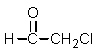
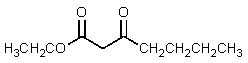
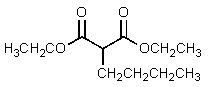
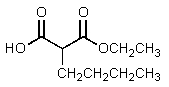
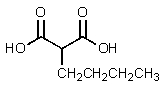
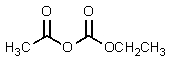
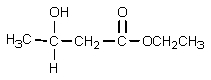
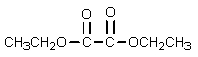
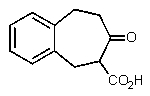
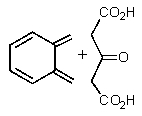
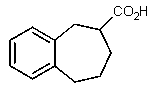
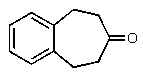
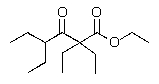
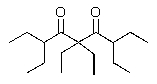
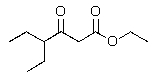
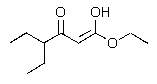
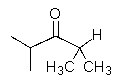
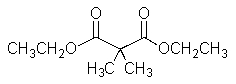
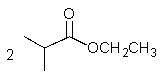
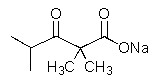
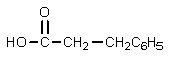
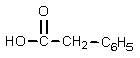
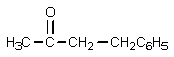
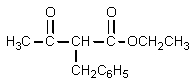
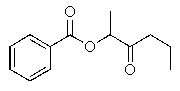
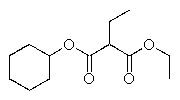
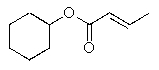
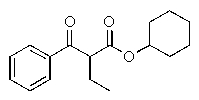
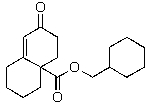
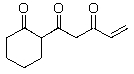
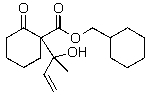
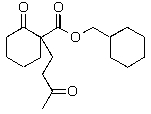
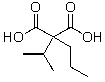
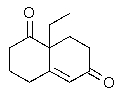
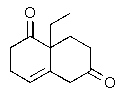
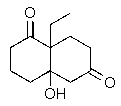
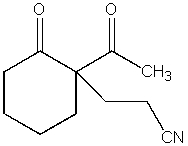
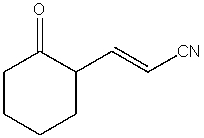
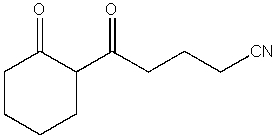
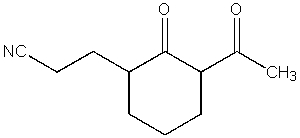
What missing reactant would be required to provide the product shown? <strong>What missing reactant would be required to provide the product shown?  </strong> A)   B)   C)   D)   E) None of these would work. <div style=padding-top: 35px>

A)
<strong>What missing reactant would be required to provide the product shown?  </strong> A)   B)   C)   D)   E) None of these would work. <div style=padding-top: 35px>
B)
<strong>What missing reactant would be required to provide the product shown?  </strong> A)   B)   C)   D)   E) None of these would work. <div style=padding-top: 35px>
C)
<strong>What missing reactant would be required to provide the product shown?  </strong> A)   B)   C)   D)   E) None of these would work. <div style=padding-top: 35px>
D)
<strong>What missing reactant would be required to provide the product shown?  </strong> A)   B)   C)   D)   E) None of these would work. <div style=padding-top: 35px>
E) None of these would work.
استخدم زر المسافة أو
up arrow
down arrow
لقلب البطاقة.
سؤال
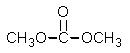
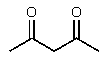
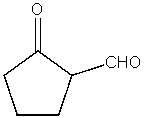
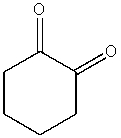
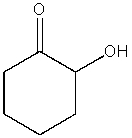
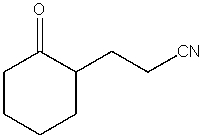
Which of the following would be the most acidic?

A)
<strong>Which of the following would be the most acidic?</strong> A)   B) CH<sub>3</sub>CH<sub>2</sub>CO<sub>2</sub>CH<sub>3</sub> C)   D)   E)   <div style=padding-top: 35px>
B) CH3CH2CO2CH3
C)
<strong>Which of the following would be the most acidic?</strong> A)   B) CH<sub>3</sub>CH<sub>2</sub>CO<sub>2</sub>CH<sub>3</sub> C)   D)   E)   <div style=padding-top: 35px>
D)
<strong>Which of the following would be the most acidic?</strong> A)   B) CH<sub>3</sub>CH<sub>2</sub>CO<sub>2</sub>CH<sub>3</sub> C)   D)   E)   <div style=padding-top: 35px>
E)
<strong>Which of the following would be the most acidic?</strong> A)   B) CH<sub>3</sub>CH<sub>2</sub>CO<sub>2</sub>CH<sub>3</sub> C)   D)   E)   <div style=padding-top: 35px>
سؤال
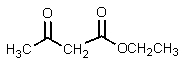
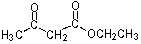
What problem is encountered in the synthesis of ethyl acetoacetate (shown below)if sodium methoxide is used rather than sodium ethoxide? <strong>What problem is encountered in the synthesis of ethyl acetoacetate (shown below)if sodium methoxide is used rather than sodium ethoxide?  </strong> A) Sodium methoxide is too weak a base to cause this reaction to occur. B) The condensation proceeds further to give tri-carbonyl products. C) The reaction would produce some of both the methyl ester and the ethyl ester. D) Sodium methoxide is too insoluble in methanol to promote the reaction. E) Sodium methoxide is not basic enough to drive the reaction to completion. <div style=padding-top: 35px>
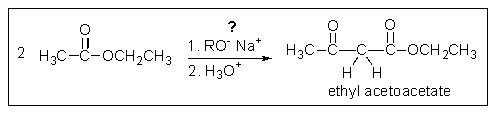
A) Sodium methoxide is too weak a base to cause this reaction to occur.
B) The condensation proceeds further to give tri-carbonyl products.
C) The reaction would produce some of both the methyl ester and the ethyl ester.
D) Sodium methoxide is too insoluble in methanol to promote the reaction.
E) Sodium methoxide is not basic enough to drive the reaction to completion.
سؤال
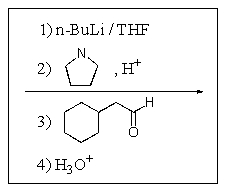
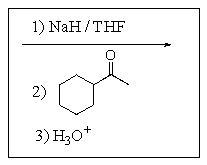
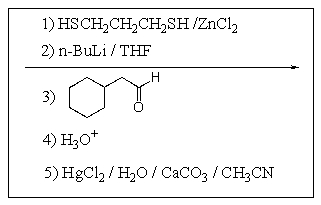
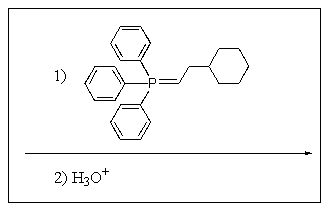
Which of the following reaction sequences will affect the following transformation? <strong>Which of the following reaction sequences will affect the following transformation?  </strong> A)   B)   C)   D)   E)   <div style=padding-top: 35px>
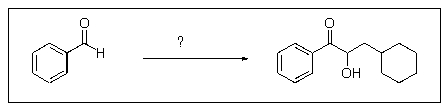
A)
<strong>Which of the following reaction sequences will affect the following transformation?  </strong> A)   B)   C)   D)   E)   <div style=padding-top: 35px>
B)
<strong>Which of the following reaction sequences will affect the following transformation?  </strong> A)   B)   C)   D)   E)   <div style=padding-top: 35px>
C)
<strong>Which of the following reaction sequences will affect the following transformation?  </strong> A)   B)   C)   D)   E)   <div style=padding-top: 35px>
D)
<strong>Which of the following reaction sequences will affect the following transformation?  </strong> A)   B)   C)   D)   E)   <div style=padding-top: 35px>
E)
<strong>Which of the following reaction sequences will affect the following transformation?  </strong> A)   B)   C)   D)   E)   <div style=padding-top: 35px>
سؤال
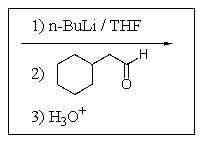
What product would be expected to result from the reaction sequence shown? <strong>What product would be expected to result from the reaction sequence shown?  </strong> A)   B)   C)   D)   E)   <div style=padding-top: 35px>
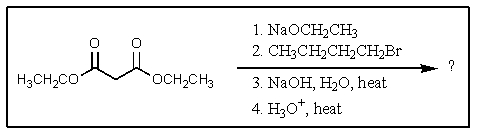
A)
<strong>What product would be expected to result from the reaction sequence shown?  </strong> A)   B)   C)   D)   E)   <div style=padding-top: 35px>
B)
<strong>What product would be expected to result from the reaction sequence shown?  </strong> A)   B)   C)   D)   E)   <div style=padding-top: 35px>
C)
<strong>What product would be expected to result from the reaction sequence shown?  </strong> A)   B)   C)   D)   E)   <div style=padding-top: 35px>
D)
<strong>What product would be expected to result from the reaction sequence shown?  </strong> A)   B)   C)   D)   E)   <div style=padding-top: 35px>
E)
<strong>What product would be expected to result from the reaction sequence shown?  </strong> A)   B)   C)   D)   E)   <div style=padding-top: 35px>
سؤال
What would be the expected product of the following reaction sequence? <strong>What would be the expected product of the following reaction sequence?  </strong> A)   <sup> </sup> B)   C)   D)   E)   <div style=padding-top: 35px>
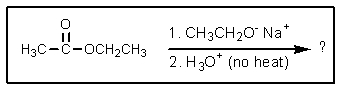
A)
<strong>What would be the expected product of the following reaction sequence?  </strong> A)   <sup> </sup> B)   C)   D)   E)   <div style=padding-top: 35px>
B)
<strong>What would be the expected product of the following reaction sequence?  </strong> A)   <sup> </sup> B)   C)   D)   E)   <div style=padding-top: 35px>
C)
<strong>What would be the expected product of the following reaction sequence?  </strong> A)   <sup> </sup> B)   C)   D)   E)   <div style=padding-top: 35px>
D)
<strong>What would be the expected product of the following reaction sequence?  </strong> A)   <sup> </sup> B)   C)   D)   E)   <div style=padding-top: 35px>
E)
<strong>What would be the expected product of the following reaction sequence?  </strong> A)   <sup> </sup> B)   C)   D)   E)   <div style=padding-top: 35px>
سؤال
Predict the products of the following reaction. <strong>Predict the products of the following reaction.  </strong> A)   B)   C)   D)   E) None of these. <div style=padding-top: 35px>
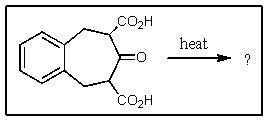
A)
<strong>Predict the products of the following reaction.  </strong> A)   B)   C)   D)   E) None of these. <div style=padding-top: 35px>
B)
<strong>Predict the products of the following reaction.  </strong> A)   B)   C)   D)   E) None of these. <div style=padding-top: 35px>
C)
<strong>Predict the products of the following reaction.  </strong> A)   B)   C)   D)   E) None of these. <div style=padding-top: 35px>
D)
<strong>Predict the products of the following reaction.  </strong> A)   B)   C)   D)   E) None of these. <div style=padding-top: 35px>
E) None of these.
سؤال
Predict the major product of the following reaction? <strong>Predict the major product of the following reaction?  </strong> A)   B)   C)   D)   E) No significant reaction occurs. <div style=padding-top: 35px>
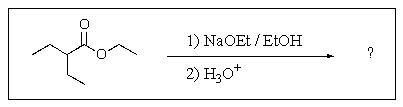
A)
<strong>Predict the major product of the following reaction?  </strong> A)   B)   C)   D)   E) No significant reaction occurs. <div style=padding-top: 35px>
B)
<strong>Predict the major product of the following reaction?  </strong> A)   B)   C)   D)   E) No significant reaction occurs. <div style=padding-top: 35px>
C)
<strong>Predict the major product of the following reaction?  </strong> A)   B)   C)   D)   E) No significant reaction occurs. <div style=padding-top: 35px>
D)
<strong>Predict the major product of the following reaction?  </strong> A)   B)   C)   D)   E) No significant reaction occurs. <div style=padding-top: 35px>
E) No significant reaction occurs.
سؤال
What factors contribute to the stability of the following structure?  <strong>What factors contribute to the stability of the following structure?  </strong> A) structure has a 6  \pi  electron aromatic system B) stabilized by conjugation between C=C and C=O C) C=C is generally more stable than C=O D) structure has intramolecular hydrogen bonding E) More than one of the above are true. <div style=padding-top: 35px>
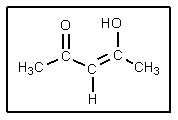
A) structure has a 6 π\pi electron aromatic system
B) stabilized by conjugation between C=C and C=O
C) C=C is generally more stable than C=O
D) structure has intramolecular hydrogen bonding
E) More than one of the above are true.
سؤال
What would result from the reaction shown below? <strong>What would result from the reaction shown below?  </strong> A)   B)   C)   D)   E)   <div style=padding-top: 35px>
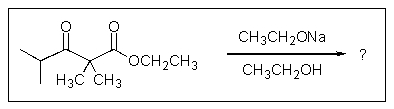
A)
<strong>What would result from the reaction shown below?  </strong> A)   B)   C)   D)   E)   <div style=padding-top: 35px>
B)
<strong>What would result from the reaction shown below?  </strong> A)   B)   C)   D)   E)   <div style=padding-top: 35px>
C)
<strong>What would result from the reaction shown below?  </strong> A)   B)   C)   D)   E)   <div style=padding-top: 35px>
D)
<strong>What would result from the reaction shown below?  </strong> A)   B)   C)   D)   E)   <div style=padding-top: 35px>
E)
<strong>What would result from the reaction shown below?  </strong> A)   B)   C)   D)   E)   <div style=padding-top: 35px>
سؤال
Which of the following compounds will not readily undergo decarboxylation (loss of CO2)upon heating in an appropriate solvent?

A)
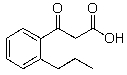
<strong>Which of the following compounds will not readily undergo decarboxylation (loss of CO<sub>2</sub>)upon heating in an appropriate solvent?</strong> A)   B)   C)   D)   E)   <div style=padding-top: 35px>
B)
<strong>Which of the following compounds will not readily undergo decarboxylation (loss of CO<sub>2</sub>)upon heating in an appropriate solvent?</strong> A)   B)   C)   D)   E)   <div style=padding-top: 35px>
C)
<strong>Which of the following compounds will not readily undergo decarboxylation (loss of CO<sub>2</sub>)upon heating in an appropriate solvent?</strong> A)   B)   C)   D)   E)   <div style=padding-top: 35px>
D)
<strong>Which of the following compounds will not readily undergo decarboxylation (loss of CO<sub>2</sub>)upon heating in an appropriate solvent?</strong> A)   B)   C)   D)   E)   <div style=padding-top: 35px>
E)
<strong>Which of the following compounds will not readily undergo decarboxylation (loss of CO<sub>2</sub>)upon heating in an appropriate solvent?</strong> A)   B)   C)   D)   E)   <div style=padding-top: 35px>
سؤال
What product would result from the following reaction sequence? <strong>What product would result from the following reaction sequence?  </strong> A)   <sup> </sup> B)   C)   D)   E)   <div style=padding-top: 35px>
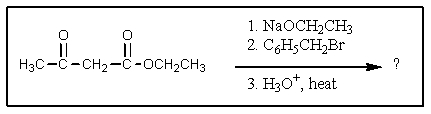
A)
<strong>What product would result from the following reaction sequence?  </strong> A)   <sup> </sup> B)   C)   D)   E)   <div style=padding-top: 35px>
B)
<strong>What product would result from the following reaction sequence?  </strong> A)   <sup> </sup> B)   C)   D)   E)   <div style=padding-top: 35px>
C)
<strong>What product would result from the following reaction sequence?  </strong> A)   <sup> </sup> B)   C)   D)   E)   <div style=padding-top: 35px>
D)
<strong>What product would result from the following reaction sequence?  </strong> A)   <sup> </sup> B)   C)   D)   E)   <div style=padding-top: 35px>
E)
<strong>What product would result from the following reaction sequence?  </strong> A)   <sup> </sup> B)   C)   D)   E)   <div style=padding-top: 35px>
سؤال
Predict the major organic product of the following reaction. <strong>Predict the major organic product of the following reaction.  </strong> A)   B)   C)   D)   E) The reaction does not occur. <div style=padding-top: 35px>
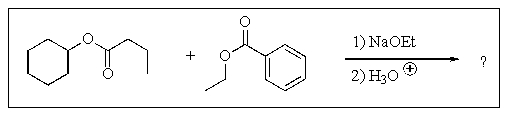
A)
<strong>Predict the major organic product of the following reaction.  </strong> A)   B)   C)   D)   E) The reaction does not occur. <div style=padding-top: 35px>
B)
<strong>Predict the major organic product of the following reaction.  </strong> A)   B)   C)   D)   E) The reaction does not occur. <div style=padding-top: 35px>
C)
<strong>Predict the major organic product of the following reaction.  </strong> A)   B)   C)   D)   E) The reaction does not occur. <div style=padding-top: 35px>
D)
<strong>Predict the major organic product of the following reaction.  </strong> A)   B)   C)   D)   E) The reaction does not occur. <div style=padding-top: 35px>
E) The reaction does not occur.
سؤال
Predict the major product of the following reaction. <strong>Predict the major product of the following reaction.  </strong> A)   B)   C)   D)   E)   <div style=padding-top: 35px>
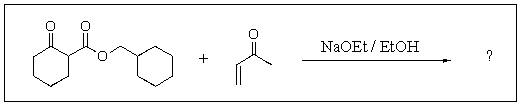
A)
<strong>Predict the major product of the following reaction.  </strong> A)   B)   C)   D)   E)   <div style=padding-top: 35px>
B)
<strong>Predict the major product of the following reaction.  </strong> A)   B)   C)   D)   E)   <div style=padding-top: 35px>
C)
<strong>Predict the major product of the following reaction.  </strong> A)   B)   C)   D)   E)   <div style=padding-top: 35px>
D)
<strong>Predict the major product of the following reaction.  </strong> A)   B)   C)   D)   E)   <div style=padding-top: 35px>
E)
<strong>Predict the major product of the following reaction.  </strong> A)   B)   C)   D)   E)   <div style=padding-top: 35px>
سؤال
The Dieckmann reaction is best described by which of the following statements?

A) Intermolecular Aldol Condensation
B) Intramolecular Aldol Condensation
C) Intermolecular Claisen Condensation
D) Intramolecular Claisen Condensation
E) Michael Addition followed by intramolecular Aldol
سؤال
To which side,if any,would the following equilibrium lie? <strong>To which side,if any,would the following equilibrium lie?  </strong> A) To the left B) To the right C) Equally to the left and right D) Reaction cannot occur at all E) Equilibrium favors a different product <div style=padding-top: 35px>
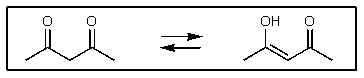
A) To the left
B) To the right
C) Equally to the left and right
D) Reaction cannot occur at all
E) Equilibrium favors a different product
سؤال
Why is the following reaction typically done? <strong>Why is the following reaction typically done?  </strong> A) To protect the aldehyde against oxidation B) To render the molecule inert to organometallic reagents C) To make the aldehyde CH more acidic D) To render the molecule more fragrant E) To protect the aldehyde against reduction <div style=padding-top: 35px>
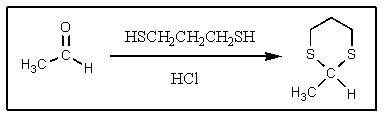
A) To protect the aldehyde against oxidation
B) To render the molecule inert to organometallic reagents
C) To make the aldehyde CH more acidic
D) To render the molecule more fragrant
E) To protect the aldehyde against reduction
سؤال
What would be the organic product of the following reaction? <strong>What would be the organic product of the following reaction?  </strong> A) 2 HO<sub>2</sub>CCH<sub>2</sub>CO<sub>2</sub>H B) 2 CH<sub>3</sub>C(=O)CH<sub>3</sub> C) 2 CH<sub>3</sub>CO<sub>2</sub>H D) HO<sub>2</sub>CCH<sub>2</sub>C(=O)O<sub>2</sub>CCH<sub>2</sub>C(=O)O<sub>2</sub>CCH<sub>2</sub>CO<sub>2</sub>H E) No reaction occurs. <div style=padding-top: 35px>
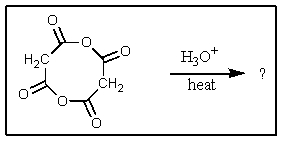
A) 2 HO2CCH2CO2H
B) 2 CH3C(=O)CH3
C) 2 CH3CO2H
D) HO2CCH2C(=O)O2CCH2C(=O)O2CCH2CO2H
E) No reaction occurs.
سؤال
Predict the major product of the following reaction. <strong>Predict the major product of the following reaction.  </strong> A)   B)   C)   D)   E)   <div style=padding-top: 35px>
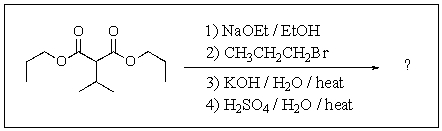
A)
<strong>Predict the major product of the following reaction.  </strong> A)   B)   C)   D)   E)   <div style=padding-top: 35px>
B)
<strong>Predict the major product of the following reaction.  </strong> A)   B)   C)   D)   E)   <div style=padding-top: 35px>
C)
<strong>Predict the major product of the following reaction.  </strong> A)   B)   C)   D)   E)   <div style=padding-top: 35px>
D)
<strong>Predict the major product of the following reaction.  </strong> A)   B)   C)   D)   E)   <div style=padding-top: 35px>
E)
<strong>Predict the major product of the following reaction.  </strong> A)   B)   C)   D)   E)   <div style=padding-top: 35px>
سؤال
Predict the major organic product of the following reaction. <strong>Predict the major organic product of the following reaction.  </strong> A)   B)   C)   D)   E)   <div style=padding-top: 35px>
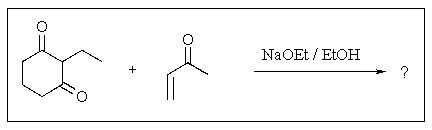
A)
<strong>Predict the major organic product of the following reaction.  </strong> A)   B)   C)   D)   E)   <div style=padding-top: 35px>
B)
<strong>Predict the major organic product of the following reaction.  </strong> A)   B)   C)   D)   E)   <div style=padding-top: 35px>
C)
<strong>Predict the major organic product of the following reaction.  </strong> A)   B)   C)   D)   E)   <div style=padding-top: 35px>
D)
<strong>Predict the major organic product of the following reaction.  </strong> A)   B)   C)   D)   E)   <div style=padding-top: 35px>
E)
<strong>Predict the major organic product of the following reaction.  </strong> A)   B)   C)   D)   E)   <div style=padding-top: 35px>
سؤال
Which of the following processes involves loss of one carbon as carbon dioxide?

A) Claisen condensation
B) Michael addition
C) Malonic ester synthesis
D) None involve loss of CO2.
E) All involve loss of CO2.
سؤال
Which of the indicated hydrogens would be the most acidic? <strong>Which of the indicated hydrogens would be the most acidic?  </strong> A) Hydrogens a B) Hydrogens b C) Hydrogens c D) Hydrogens d E) Hydrogens e <div style=padding-top: 35px>
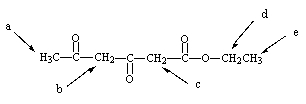
A) Hydrogens a
B) Hydrogens b
C) Hydrogens c
D) Hydrogens d
E) Hydrogens e
سؤال
What product do you expect from the following reaction? <strong>What product do you expect from the following reaction?  </strong> A)   B)   C)   D)   E)   <div style=padding-top: 35px>

A)
<strong>What product do you expect from the following reaction?  </strong> A)   B)   C)   D)   E)   <div style=padding-top: 35px>
B)
<strong>What product do you expect from the following reaction?  </strong> A)   B)   C)   D)   E)   <div style=padding-top: 35px>
C)
<strong>What product do you expect from the following reaction?  </strong> A)   B)   C)   D)   E)   <div style=padding-top: 35px>
D)
<strong>What product do you expect from the following reaction?  </strong> A)   B)   C)   D)   E)   <div style=padding-top: 35px>
E)
<strong>What product do you expect from the following reaction?  </strong> A)   B)   C)   D)   E)   <div style=padding-top: 35px>
سؤال
After treatment with aqueous base + heat,followed by acidification to pH 2 followed by heating,which carbon in the molecule below would be lost as carbon dioxide? <strong>After treatment with aqueous base + heat,followed by acidification to pH 2 followed by heating,which carbon in the molecule below would be lost as carbon dioxide?  </strong> A) Carbon a B) Carbon b C) Carbon c D) Carbon d E) Carbon e <div style=padding-top: 35px>
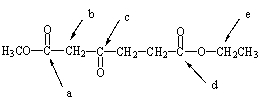
A) Carbon a
B) Carbon b
C) Carbon c
D) Carbon d
E) Carbon e
سؤال
What product do you expect from the following reaction? <strong>What product do you expect from the following reaction?  </strong> A)   B)   C)   D)   E) no reaction <div style=padding-top: 35px>
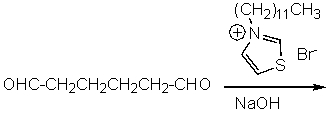
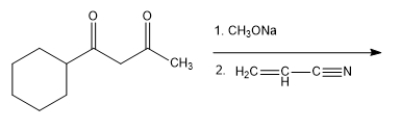
A)
<strong>What product do you expect from the following reaction?  </strong> A)   B)   C)   D)   E) no reaction <div style=padding-top: 35px>
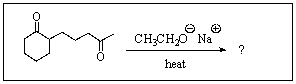
B)
<strong>What product do you expect from the following reaction?  </strong> A)   B)   C)   D)   E) no reaction <div style=padding-top: 35px>
C)
<strong>What product do you expect from the following reaction?  </strong> A)   B)   C)   D)   E) no reaction <div style=padding-top: 35px>
D)
<strong>What product do you expect from the following reaction?  </strong> A)   B)   C)   D)   E) no reaction <div style=padding-top: 35px>
E) no reaction
سؤال
What product do you expect from the following reaction? <strong>What product do you expect from the following reaction?  </strong> A)   B)   C)   D)   E)   <div style=padding-top: 35px>

A)
<strong>What product do you expect from the following reaction?  </strong> A)   B)   C)   D)   E)   <div style=padding-top: 35px>
B)
<strong>What product do you expect from the following reaction?  </strong> A)   B)   C)   D)   E)   <div style=padding-top: 35px>
C)
<strong>What product do you expect from the following reaction?  </strong> A)   B)   C)   D)   E)   <div style=padding-top: 35px>
D)
<strong>What product do you expect from the following reaction?  </strong> A)   B)   C)   D)   E)   <div style=padding-top: 35px>
E)
<strong>What product do you expect from the following reaction?  </strong> A)   B)   C)   D)   E)   <div style=padding-top: 35px>
سؤال
What product do you expect from the following reaction? <strong>What product do you expect from the following reaction?  </strong> A)   B)   C)   D) Some of these would be formed. E) None of these would be formed. <div style=padding-top: 35px>

A)
<strong>What product do you expect from the following reaction?  </strong> A)   B)   C)   D) Some of these would be formed. E) None of these would be formed. <div style=padding-top: 35px>
B)
<strong>What product do you expect from the following reaction?  </strong> A)   B)   C)   D) Some of these would be formed. E) None of these would be formed. <div style=padding-top: 35px>
C)
<strong>What product do you expect from the following reaction?  </strong> A)   B)   C)   D) Some of these would be formed. E) None of these would be formed. <div style=padding-top: 35px>
D) Some of these would be formed.
E) None of these would be formed.
سؤال
Which would be the most acidic proton in the molecule below? <strong>Which would be the most acidic proton in the molecule below?  </strong> A) Protons a B) Proton b C) Proton c D) Protons d E) Protons e <div style=padding-top: 35px>
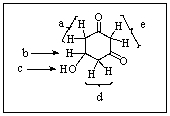
A) Protons a
B) Proton b
C) Proton c
D) Protons d
E) Protons e
سؤال
What would be the expected product of the following reaction sequence? <strong>What would be the expected product of the following reaction sequence?  </strong> A)   B)   C)   D)   E)   <div style=padding-top: 35px>

A)
<strong>What would be the expected product of the following reaction sequence?  </strong> A)   B)   C)   D)   E)   <div style=padding-top: 35px>
B)
<strong>What would be the expected product of the following reaction sequence?  </strong> A)   B)   C)   D)   E)   <div style=padding-top: 35px>
C)
<strong>What would be the expected product of the following reaction sequence?  </strong> A)   B)   C)   D)   E)   <div style=padding-top: 35px>
D)
<strong>What would be the expected product of the following reaction sequence?  </strong> A)   B)   C)   D)   E)   <div style=padding-top: 35px>
E)
<strong>What would be the expected product of the following reaction sequence?  </strong> A)   B)   C)   D)   E)   <div style=padding-top: 35px>
فتح الحزمة
قم بالتسجيل لفتح البطاقات في هذه المجموعة!
Unlock Deck
Unlock Deck
1/29
auto play flashcards
العب
simple tutorial
ملء الشاشة (f)
exit full mode
Deck 23: Ester Enolates and the Claisen Condensation: Synthesis of B-Dicarbonyl Compounds; Acyl Anion Equivalents
1
What missing reactant would be required to provide the product shown? <strong>What missing reactant would be required to provide the product shown?  </strong> A)   B)   C)   D)   E) None of these would work.

A)
<strong>What missing reactant would be required to provide the product shown?  </strong> A)   B)   C)   D)   E) None of these would work.
B)
<strong>What missing reactant would be required to provide the product shown?  </strong> A)   B)   C)   D)   E) None of these would work.
C)
<strong>What missing reactant would be required to provide the product shown?  </strong> A)   B)   C)   D)   E) None of these would work.
D)
<strong>What missing reactant would be required to provide the product shown?  </strong> A)   B)   C)   D)   E) None of these would work.
E) None of these would work.
2
Which of the following would be the most acidic?

A)
<strong>Which of the following would be the most acidic?</strong> A)   B) CH<sub>3</sub>CH<sub>2</sub>CO<sub>2</sub>CH<sub>3</sub> C)   D)   E)
B) CH3CH2CO2CH3
C)
<strong>Which of the following would be the most acidic?</strong> A)   B) CH<sub>3</sub>CH<sub>2</sub>CO<sub>2</sub>CH<sub>3</sub> C)   D)   E)
D)
<strong>Which of the following would be the most acidic?</strong> A)   B) CH<sub>3</sub>CH<sub>2</sub>CO<sub>2</sub>CH<sub>3</sub> C)   D)   E)
E)
<strong>Which of the following would be the most acidic?</strong> A)   B) CH<sub>3</sub>CH<sub>2</sub>CO<sub>2</sub>CH<sub>3</sub> C)   D)   E)
3
What problem is encountered in the synthesis of ethyl acetoacetate (shown below)if sodium methoxide is used rather than sodium ethoxide? <strong>What problem is encountered in the synthesis of ethyl acetoacetate (shown below)if sodium methoxide is used rather than sodium ethoxide?  </strong> A) Sodium methoxide is too weak a base to cause this reaction to occur. B) The condensation proceeds further to give tri-carbonyl products. C) The reaction would produce some of both the methyl ester and the ethyl ester. D) Sodium methoxide is too insoluble in methanol to promote the reaction. E) Sodium methoxide is not basic enough to drive the reaction to completion.

A) Sodium methoxide is too weak a base to cause this reaction to occur.
B) The condensation proceeds further to give tri-carbonyl products.
C) The reaction would produce some of both the methyl ester and the ethyl ester.
D) Sodium methoxide is too insoluble in methanol to promote the reaction.
E) Sodium methoxide is not basic enough to drive the reaction to completion.
The reaction would produce some of both the methyl ester and the ethyl ester.
4
Which of the following reaction sequences will affect the following transformation? <strong>Which of the following reaction sequences will affect the following transformation?  </strong> A)   B)   C)   D)   E)

A)
<strong>Which of the following reaction sequences will affect the following transformation?  </strong> A)   B)   C)   D)   E)
B)
<strong>Which of the following reaction sequences will affect the following transformation?  </strong> A)   B)   C)   D)   E)
C)
<strong>Which of the following reaction sequences will affect the following transformation?  </strong> A)   B)   C)   D)   E)
D)
<strong>Which of the following reaction sequences will affect the following transformation?  </strong> A)   B)   C)   D)   E)
E)
<strong>Which of the following reaction sequences will affect the following transformation?  </strong> A)   B)   C)   D)   E)
فتح الحزمة
افتح القفل للوصول البطاقات البالغ عددها 29 في هذه المجموعة.
فتح الحزمة
k this deck
5
What product would be expected to result from the reaction sequence shown? <strong>What product would be expected to result from the reaction sequence shown?  </strong> A)   B)   C)   D)   E)

A)
<strong>What product would be expected to result from the reaction sequence shown?  </strong> A)   B)   C)   D)   E)
B)
<strong>What product would be expected to result from the reaction sequence shown?  </strong> A)   B)   C)   D)   E)
C)
<strong>What product would be expected to result from the reaction sequence shown?  </strong> A)   B)   C)   D)   E)
D)
<strong>What product would be expected to result from the reaction sequence shown?  </strong> A)   B)   C)   D)   E)
E)
<strong>What product would be expected to result from the reaction sequence shown?  </strong> A)   B)   C)   D)   E)
فتح الحزمة
افتح القفل للوصول البطاقات البالغ عددها 29 في هذه المجموعة.
فتح الحزمة
k this deck
6
What would be the expected product of the following reaction sequence? <strong>What would be the expected product of the following reaction sequence?  </strong> A)   <sup> </sup> B)   C)   D)   E)

A)
<strong>What would be the expected product of the following reaction sequence?  </strong> A)   <sup> </sup> B)   C)   D)   E)
B)
<strong>What would be the expected product of the following reaction sequence?  </strong> A)   <sup> </sup> B)   C)   D)   E)
C)
<strong>What would be the expected product of the following reaction sequence?  </strong> A)   <sup> </sup> B)   C)   D)   E)
D)
<strong>What would be the expected product of the following reaction sequence?  </strong> A)   <sup> </sup> B)   C)   D)   E)
E)
<strong>What would be the expected product of the following reaction sequence?  </strong> A)   <sup> </sup> B)   C)   D)   E)
فتح الحزمة
افتح القفل للوصول البطاقات البالغ عددها 29 في هذه المجموعة.
فتح الحزمة
k this deck
7
Predict the products of the following reaction. <strong>Predict the products of the following reaction.  </strong> A)   B)   C)   D)   E) None of these.

A)
<strong>Predict the products of the following reaction.  </strong> A)   B)   C)   D)   E) None of these.
B)
<strong>Predict the products of the following reaction.  </strong> A)   B)   C)   D)   E) None of these.
C)
<strong>Predict the products of the following reaction.  </strong> A)   B)   C)   D)   E) None of these.
D)
<strong>Predict the products of the following reaction.  </strong> A)   B)   C)   D)   E) None of these.
E) None of these.
فتح الحزمة
افتح القفل للوصول البطاقات البالغ عددها 29 في هذه المجموعة.

فتح الحزمة
k this deck
8
Predict the major product of the following reaction? <strong>Predict the major product of the following reaction?  </strong> A)   B)   C)   D)   E) No significant reaction occurs.

A)
<strong>Predict the major product of the following reaction?  </strong> A)   B)   C)   D)   E) No significant reaction occurs.
B)
<strong>Predict the major product of the following reaction?  </strong> A)   B)   C)   D)   E) No significant reaction occurs.
C)
<strong>Predict the major product of the following reaction?  </strong> A)   B)   C)   D)   E) No significant reaction occurs.
D)
<strong>Predict the major product of the following reaction?  </strong> A)   B)   C)   D)   E) No significant reaction occurs.
E) No significant reaction occurs.
فتح الحزمة
افتح القفل للوصول البطاقات البالغ عددها 29 في هذه المجموعة.

فتح الحزمة
k this deck
9
What factors contribute to the stability of the following structure?  <strong>What factors contribute to the stability of the following structure?  </strong> A) structure has a 6  \pi  electron aromatic system B) stabilized by conjugation between C=C and C=O C) C=C is generally more stable than C=O D) structure has intramolecular hydrogen bonding E) More than one of the above are true.

A) structure has a 6 π\pi electron aromatic system
B) stabilized by conjugation between C=C and C=O
C) C=C is generally more stable than C=O
D) structure has intramolecular hydrogen bonding
E) More than one of the above are true.
فتح الحزمة
افتح القفل للوصول البطاقات البالغ عددها 29 في هذه المجموعة.
فتح الحزمة
k this deck
10
What would result from the reaction shown below? <strong>What would result from the reaction shown below?  </strong> A)   B)   C)   D)   E)

A)
<strong>What would result from the reaction shown below?  </strong> A)   B)   C)   D)   E)
B)
<strong>What would result from the reaction shown below?  </strong> A)   B)   C)   D)   E)
C)
<strong>What would result from the reaction shown below?  </strong> A)   B)   C)   D)   E)
D)
<strong>What would result from the reaction shown below?  </strong> A)   B)   C)   D)   E)
E)
<strong>What would result from the reaction shown below?  </strong> A)   B)   C)   D)   E)
فتح الحزمة
افتح القفل للوصول البطاقات البالغ عددها 29 في هذه المجموعة.
فتح الحزمة
k this deck
11
Which of the following compounds will not readily undergo decarboxylation (loss of CO2)upon heating in an appropriate solvent?

A)
<strong>Which of the following compounds will not readily undergo decarboxylation (loss of CO<sub>2</sub>)upon heating in an appropriate solvent?</strong> A)   B)   C)   D)   E)
B)
<strong>Which of the following compounds will not readily undergo decarboxylation (loss of CO<sub>2</sub>)upon heating in an appropriate solvent?</strong> A)   B)   C)   D)   E)
C)
<strong>Which of the following compounds will not readily undergo decarboxylation (loss of CO<sub>2</sub>)upon heating in an appropriate solvent?</strong> A)   B)   C)   D)   E)
D)
<strong>Which of the following compounds will not readily undergo decarboxylation (loss of CO<sub>2</sub>)upon heating in an appropriate solvent?</strong> A)   B)   C)   D)   E)
E)
<strong>Which of the following compounds will not readily undergo decarboxylation (loss of CO<sub>2</sub>)upon heating in an appropriate solvent?</strong> A)   B)   C)   D)   E)
فتح الحزمة
افتح القفل للوصول البطاقات البالغ عددها 29 في هذه المجموعة.
فتح الحزمة
k this deck
12
What product would result from the following reaction sequence? <strong>What product would result from the following reaction sequence?  </strong> A)   <sup> </sup> B)   C)   D)   E)

A)
<strong>What product would result from the following reaction sequence?  </strong> A)   <sup> </sup> B)   C)   D)   E)
B)
<strong>What product would result from the following reaction sequence?  </strong> A)   <sup> </sup> B)   C)   D)   E)
C)
<strong>What product would result from the following reaction sequence?  </strong> A)   <sup> </sup> B)   C)   D)   E)
D)
<strong>What product would result from the following reaction sequence?  </strong> A)   <sup> </sup> B)   C)   D)   E)
E)
<strong>What product would result from the following reaction sequence?  </strong> A)   <sup> </sup> B)   C)   D)   E)
فتح الحزمة
افتح القفل للوصول البطاقات البالغ عددها 29 في هذه المجموعة.
فتح الحزمة
k this deck
13
Predict the major organic product of the following reaction. <strong>Predict the major organic product of the following reaction.  </strong> A)   B)   C)   D)   E) The reaction does not occur.

A)
<strong>Predict the major organic product of the following reaction.  </strong> A)   B)   C)   D)   E) The reaction does not occur.
B)
<strong>Predict the major organic product of the following reaction.  </strong> A)   B)   C)   D)   E) The reaction does not occur.
C)
<strong>Predict the major organic product of the following reaction.  </strong> A)   B)   C)   D)   E) The reaction does not occur.
D)
<strong>Predict the major organic product of the following reaction.  </strong> A)   B)   C)   D)   E) The reaction does not occur.
E) The reaction does not occur.
فتح الحزمة
افتح القفل للوصول البطاقات البالغ عددها 29 في هذه المجموعة.
فتح الحزمة
k this deck
14
Predict the major product of the following reaction. <strong>Predict the major product of the following reaction.  </strong> A)   B)   C)   D)   E)

A)
<strong>Predict the major product of the following reaction.  </strong> A)   B)   C)   D)   E)
B)
<strong>Predict the major product of the following reaction.  </strong> A)   B)   C)   D)   E)
C)
<strong>Predict the major product of the following reaction.  </strong> A)   B)   C)   D)   E)
D)
<strong>Predict the major product of the following reaction.  </strong> A)   B)   C)   D)   E)
E)
<strong>Predict the major product of the following reaction.  </strong> A)   B)   C)   D)   E)
فتح الحزمة
افتح القفل للوصول البطاقات البالغ عددها 29 في هذه المجموعة.
فتح الحزمة
k this deck
15
The Dieckmann reaction is best described by which of the following statements?

A) Intermolecular Aldol Condensation
B) Intramolecular Aldol Condensation
C) Intermolecular Claisen Condensation
D) Intramolecular Claisen Condensation
E) Michael Addition followed by intramolecular Aldol
فتح الحزمة
افتح القفل للوصول البطاقات البالغ عددها 29 في هذه المجموعة.
فتح الحزمة
k this deck
16
To which side,if any,would the following equilibrium lie? <strong>To which side,if any,would the following equilibrium lie?  </strong> A) To the left B) To the right C) Equally to the left and right D) Reaction cannot occur at all E) Equilibrium favors a different product

A) To the left
B) To the right
C) Equally to the left and right
D) Reaction cannot occur at all
E) Equilibrium favors a different product
فتح الحزمة
افتح القفل للوصول البطاقات البالغ عددها 29 في هذه المجموعة.
فتح الحزمة
k this deck
17
Why is the following reaction typically done? <strong>Why is the following reaction typically done?  </strong> A) To protect the aldehyde against oxidation B) To render the molecule inert to organometallic reagents C) To make the aldehyde CH more acidic D) To render the molecule more fragrant E) To protect the aldehyde against reduction

A) To protect the aldehyde against oxidation
B) To render the molecule inert to organometallic reagents
C) To make the aldehyde CH more acidic
D) To render the molecule more fragrant
E) To protect the aldehyde against reduction
فتح الحزمة
افتح القفل للوصول البطاقات البالغ عددها 29 في هذه المجموعة.
فتح الحزمة
k this deck
18
What would be the organic product of the following reaction? <strong>What would be the organic product of the following reaction?  </strong> A) 2 HO<sub>2</sub>CCH<sub>2</sub>CO<sub>2</sub>H B) 2 CH<sub>3</sub>C(=O)CH<sub>3</sub> C) 2 CH<sub>3</sub>CO<sub>2</sub>H D) HO<sub>2</sub>CCH<sub>2</sub>C(=O)O<sub>2</sub>CCH<sub>2</sub>C(=O)O<sub>2</sub>CCH<sub>2</sub>CO<sub>2</sub>H E) No reaction occurs.

A) 2 HO2CCH2CO2H
B) 2 CH3C(=O)CH3
C) 2 CH3CO2H
D) HO2CCH2C(=O)O2CCH2C(=O)O2CCH2CO2H
E) No reaction occurs.
فتح الحزمة
افتح القفل للوصول البطاقات البالغ عددها 29 في هذه المجموعة.
فتح الحزمة
k this deck
19
Predict the major product of the following reaction. <strong>Predict the major product of the following reaction.  </strong> A)   B)   C)   D)   E)

A)
<strong>Predict the major product of the following reaction.  </strong> A)   B)   C)   D)   E)
B)
<strong>Predict the major product of the following reaction.  </strong> A)   B)   C)   D)   E)
C)
<strong>Predict the major product of the following reaction.  </strong> A)   B)   C)   D)   E)
D)
<strong>Predict the major product of the following reaction.  </strong> A)   B)   C)   D)   E)
E)
<strong>Predict the major product of the following reaction.  </strong> A)   B)   C)   D)   E)
فتح الحزمة
افتح القفل للوصول البطاقات البالغ عددها 29 في هذه المجموعة.
فتح الحزمة
k this deck
20
Predict the major organic product of the following reaction. <strong>Predict the major organic product of the following reaction.  </strong> A)   B)   C)   D)   E)

A)
<strong>Predict the major organic product of the following reaction.  </strong> A)   B)   C)   D)   E)
B)
<strong>Predict the major organic product of the following reaction.  </strong> A)   B)   C)   D)   E)
C)
<strong>Predict the major organic product of the following reaction.  </strong> A)   B)   C)   D)   E)
D)
<strong>Predict the major organic product of the following reaction.  </strong> A)   B)   C)   D)   E)
E)
<strong>Predict the major organic product of the following reaction.  </strong> A)   B)   C)   D)   E)
فتح الحزمة
افتح القفل للوصول البطاقات البالغ عددها 29 في هذه المجموعة.
فتح الحزمة
k this deck
21
Which of the following processes involves loss of one carbon as carbon dioxide?

A) Claisen condensation
B) Michael addition
C) Malonic ester synthesis
D) None involve loss of CO2.
E) All involve loss of CO2.
فتح الحزمة
افتح القفل للوصول البطاقات البالغ عددها 29 في هذه المجموعة.
فتح الحزمة
k this deck
22
Which of the indicated hydrogens would be the most acidic? <strong>Which of the indicated hydrogens would be the most acidic?  </strong> A) Hydrogens a B) Hydrogens b C) Hydrogens c D) Hydrogens d E) Hydrogens e

A) Hydrogens a
B) Hydrogens b
C) Hydrogens c
D) Hydrogens d
E) Hydrogens e
فتح الحزمة
افتح القفل للوصول البطاقات البالغ عددها 29 في هذه المجموعة.
فتح الحزمة
k this deck
23
What product do you expect from the following reaction? <strong>What product do you expect from the following reaction?  </strong> A)   B)   C)   D)   E)

A)
<strong>What product do you expect from the following reaction?  </strong> A)   B)   C)   D)   E)
B)
<strong>What product do you expect from the following reaction?  </strong> A)   B)   C)   D)   E)
C)
<strong>What product do you expect from the following reaction?  </strong> A)   B)   C)   D)   E)
D)
<strong>What product do you expect from the following reaction?  </strong> A)   B)   C)   D)   E)
E)
<strong>What product do you expect from the following reaction?  </strong> A)   B)   C)   D)   E)
فتح الحزمة
افتح القفل للوصول البطاقات البالغ عددها 29 في هذه المجموعة.
فتح الحزمة
k this deck
24
After treatment with aqueous base + heat,followed by acidification to pH 2 followed by heating,which carbon in the molecule below would be lost as carbon dioxide? <strong>After treatment with aqueous base + heat,followed by acidification to pH 2 followed by heating,which carbon in the molecule below would be lost as carbon dioxide?  </strong> A) Carbon a B) Carbon b C) Carbon c D) Carbon d E) Carbon e

A) Carbon a
B) Carbon b
C) Carbon c
D) Carbon d
E) Carbon e
فتح الحزمة
افتح القفل للوصول البطاقات البالغ عددها 29 في هذه المجموعة.
فتح الحزمة
k this deck
25
What product do you expect from the following reaction? <strong>What product do you expect from the following reaction?  </strong> A)   B)   C)   D)   E) no reaction

A)
<strong>What product do you expect from the following reaction?  </strong> A)   B)   C)   D)   E) no reaction
B)
<strong>What product do you expect from the following reaction?  </strong> A)   B)   C)   D)   E) no reaction
C)
<strong>What product do you expect from the following reaction?  </strong> A)   B)   C)   D)   E) no reaction
D)
<strong>What product do you expect from the following reaction?  </strong> A)   B)   C)   D)   E) no reaction
E) no reaction
فتح الحزمة
افتح القفل للوصول البطاقات البالغ عددها 29 في هذه المجموعة.
فتح الحزمة
k this deck
26
What product do you expect from the following reaction? <strong>What product do you expect from the following reaction?  </strong> A)   B)   C)   D)   E)

A)
<strong>What product do you expect from the following reaction?  </strong> A)   B)   C)   D)   E)
B)
<strong>What product do you expect from the following reaction?  </strong> A)   B)   C)   D)   E)
C)
<strong>What product do you expect from the following reaction?  </strong> A)   B)   C)   D)   E)
D)
<strong>What product do you expect from the following reaction?  </strong> A)   B)   C)   D)   E)
E)
<strong>What product do you expect from the following reaction?  </strong> A)   B)   C)   D)   E)
فتح الحزمة
افتح القفل للوصول البطاقات البالغ عددها 29 في هذه المجموعة.
فتح الحزمة
k this deck
27
What product do you expect from the following reaction? <strong>What product do you expect from the following reaction?  </strong> A)   B)   C)   D) Some of these would be formed. E) None of these would be formed.

A)
<strong>What product do you expect from the following reaction?  </strong> A)   B)   C)   D) Some of these would be formed. E) None of these would be formed.
B)
<strong>What product do you expect from the following reaction?  </strong> A)   B)   C)   D) Some of these would be formed. E) None of these would be formed.
C)
<strong>What product do you expect from the following reaction?  </strong> A)   B)   C)   D) Some of these would be formed. E) None of these would be formed.
D) Some of these would be formed.
E) None of these would be formed.
فتح الحزمة
افتح القفل للوصول البطاقات البالغ عددها 29 في هذه المجموعة.
فتح الحزمة
k this deck
28
Which would be the most acidic proton in the molecule below? <strong>Which would be the most acidic proton in the molecule below?  </strong> A) Protons a B) Proton b C) Proton c D) Protons d E) Protons e

A) Protons a
B) Proton b
C) Proton c
D) Protons d
E) Protons e
فتح الحزمة
افتح القفل للوصول البطاقات البالغ عددها 29 في هذه المجموعة.
فتح الحزمة
k this deck
29
What would be the expected product of the following reaction sequence? <strong>What would be the expected product of the following reaction sequence?  </strong> A)   B)   C)   D)   E)

A)
<strong>What would be the expected product of the following reaction sequence?  </strong> A)   B)   C)   D)   E)
B)
<strong>What would be the expected product of the following reaction sequence?  </strong> A)   B)   C)   D)   E)
C)
<strong>What would be the expected product of the following reaction sequence?  </strong> A)   B)   C)   D)   E)
D)
<strong>What would be the expected product of the following reaction sequence?  </strong> A)   B)   C)   D)   E)
E)
<strong>What would be the expected product of the following reaction sequence?  </strong> A)   B)   C)   D)   E)
فتح الحزمة
افتح القفل للوصول البطاقات البالغ عددها 29 في هذه المجموعة.
فتح الحزمة
k this deck
locked card icon
فتح الحزمة
افتح القفل للوصول البطاقات البالغ عددها 29 في هذه المجموعة.