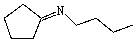
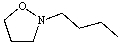
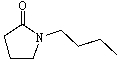
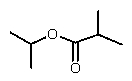
Deck 20: Carboxylic Acid Derivatives

ملء الشاشة (f)
exit full mode
سؤال
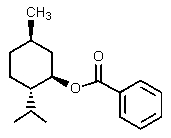
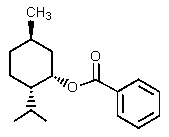
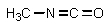
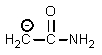
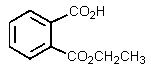
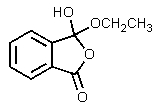
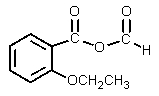
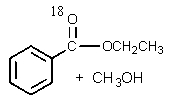
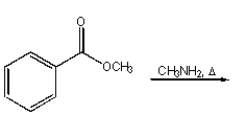
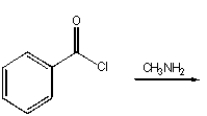
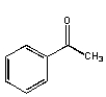
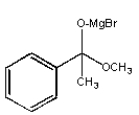
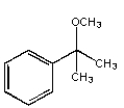
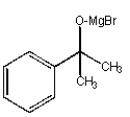
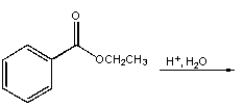
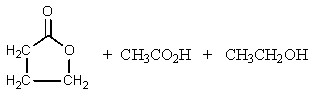
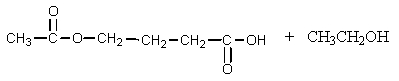
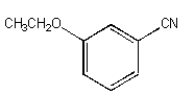
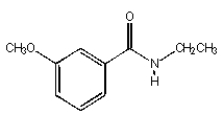
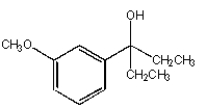
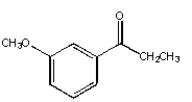
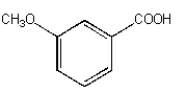
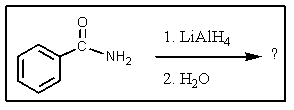
What would be the major organic product of the following reaction? <strong>What would be the major organic product of the following reaction?  </strong> A)   <sup> </sup> B)   C)   D)   E)   <div style=padding-top: 35px>
A)
<strong>What would be the major organic product of the following reaction?  </strong> A)   <sup> </sup> B)   C)   D)   E)   <div style=padding-top: 35px>
B)
<strong>What would be the major organic product of the following reaction?  </strong> A)   <sup> </sup> B)   C)   D)   E)   <div style=padding-top: 35px>
C)
<strong>What would be the major organic product of the following reaction?  </strong> A)   <sup> </sup> B)   C)   D)   E)   <div style=padding-top: 35px>
D)
<strong>What would be the major organic product of the following reaction?  </strong> A)   <sup> </sup> B)   C)   D)   E)   <div style=padding-top: 35px>
E)
<strong>What would be the major organic product of the following reaction?  </strong> A)   <sup> </sup> B)   C)   D)   E)   <div style=padding-top: 35px>
استخدم زر المسافة أو
up arrow
down arrow
لقلب البطاقة.
سؤال
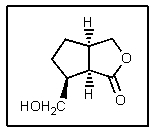
What would account for the fact that the molecule below racemizes easily,despite having three chiral centers? <strong>What would account for the fact that the molecule below racemizes easily,despite having three chiral centers?  </strong> A) Lactones are configurationally unstable B) Molecule loses CO<sub>2</sub> easily C) Enolization occurs easily D) Intramolecular transesterification occurs easily E) This molecule is not chiral. <div style=padding-top: 35px>
A) Lactones are configurationally unstable
B) Molecule loses CO2 easily
C) Enolization occurs easily
D) Intramolecular transesterification occurs easily
E) This molecule is not chiral.
سؤال
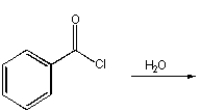
What would be the organic product of the following reaction? <strong>What would be the organic product of the following reaction?  </strong> A)   <sup> </sup> B)   C)   D)   E) None of these. <div style=padding-top: 35px>

A)
<strong>What would be the organic product of the following reaction?  </strong> A)   <sup> </sup> B)   C)   D)   E) None of these. <div style=padding-top: 35px>
B)
<strong>What would be the organic product of the following reaction?  </strong> A)   <sup> </sup> B)   C)   D)   E) None of these. <div style=padding-top: 35px>
C)
<strong>What would be the organic product of the following reaction?  </strong> A)   <sup> </sup> B)   C)   D)   E) None of these. <div style=padding-top: 35px>
D)
<strong>What would be the organic product of the following reaction?  </strong> A)   <sup> </sup> B)   C)   D)   E) None of these. <div style=padding-top: 35px>
E) None of these.
سؤال
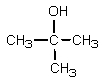
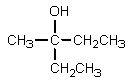
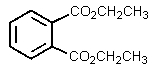
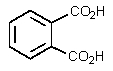
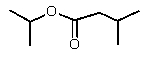
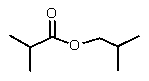
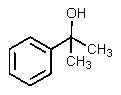
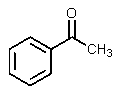
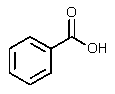
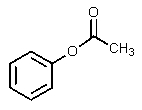
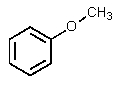
Rank the following carboxylic acid derivatives in order of decreasing reactivity toward hydrolysis (most reactive on left): <strong>Rank the following carboxylic acid derivatives in order of decreasing reactivity toward hydrolysis (most reactive on left):  </strong> A) D > B > A > C B) C > A > B > D C) B > D > A > C D) A > B > D > C E) D > B > C > A <div style=padding-top: 35px>

A) D > B > A > C
B) C > A > B > D
C) B > D > A > C
D) A > B > D > C
E) D > B > C > A
سؤال
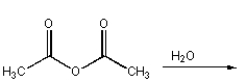
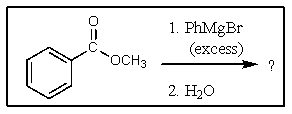
What would be the major expected product from the reaction shown below? <strong>What would be the major expected product from the reaction shown below?  </strong> A)   B)   C)   D)   E)   <div style=padding-top: 35px>
A)
<strong>What would be the major expected product from the reaction shown below?  </strong> A)   B)   C)   D)   E)   <div style=padding-top: 35px>
B)
<strong>What would be the major expected product from the reaction shown below?  </strong> A)   B)   C)   D)   E)   <div style=padding-top: 35px>
C)
<strong>What would be the major expected product from the reaction shown below?  </strong> A)   B)   C)   D)   E)   <div style=padding-top: 35px>
D)
<strong>What would be the major expected product from the reaction shown below?  </strong> A)   B)   C)   D)   E)   <div style=padding-top: 35px>
E)
<strong>What would be the major expected product from the reaction shown below?  </strong> A)   B)   C)   D)   E)   <div style=padding-top: 35px>
سؤال
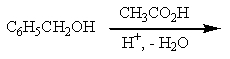
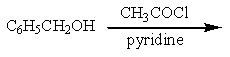
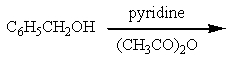
Which of the reactions listed below would produce benzyl acetate (= benzyl ethanoate)?

A)
<strong>Which of the reactions listed below would produce benzyl acetate (= benzyl ethanoate)?</strong> A)   B)   C)   D) two of these E) all of these <div style=padding-top: 35px>
B)
<strong>Which of the reactions listed below would produce benzyl acetate (= benzyl ethanoate)?</strong> A)   B)   C)   D) two of these E) all of these <div style=padding-top: 35px>
C)
<strong>Which of the reactions listed below would produce benzyl acetate (= benzyl ethanoate)?</strong> A)   B)   C)   D) two of these E) all of these <div style=padding-top: 35px>
D) two of these
E) all of these
سؤال
What type of functional group do the natural products known as waxes have?

A) Ester
B) Amide
C) Carboxylic acid
D) Alcohol
E) Amine
سؤال
What would be the organic product of the following reaction? <strong>What would be the organic product of the following reaction?  </strong> A)   <sup> </sup> B)   C) mixture of A and B D) None of these. E) No reaction occurs. <div style=padding-top: 35px>
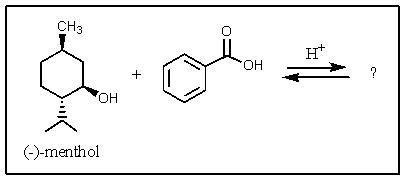
A)
<strong>What would be the organic product of the following reaction?  </strong> A)   <sup> </sup> B)   C) mixture of A and B D) None of these. E) No reaction occurs. <div style=padding-top: 35px>
B)
<strong>What would be the organic product of the following reaction?  </strong> A)   <sup> </sup> B)   C) mixture of A and B D) None of these. E) No reaction occurs. <div style=padding-top: 35px>
C) mixture of A and B
D) None of these.
E) No reaction occurs.
سؤال
What would be the name of the following cyclic ester?  <strong>What would be the name of the following cyclic ester?  </strong> A) ( \gamma -valerolactone) B) ( \beta -butyrolactone) C) 2-methyl- \gamma -butyrolactone D) 2-methyl- \beta -butyrolactone E) 2-methyl- \gamma -valerolactone <div style=padding-top: 35px>
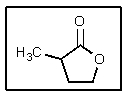
A) ( γ\gamma -valerolactone)
B) ( β\beta -butyrolactone)
C) 2-methyl- γ\gamma -butyrolactone
D) 2-methyl- β\beta -butyrolactone
E) 2-methyl- γ\gamma -valerolactone
سؤال
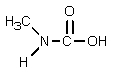
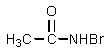
Which of the following is not an intermediate in the Hofmann rearrangement of ethanamide to methylamine? <strong>Which of the following is not an intermediate in the Hofmann rearrangement of ethanamide to methylamine?  </strong> A)   B)   C)   D)   E)   <div style=padding-top: 35px>
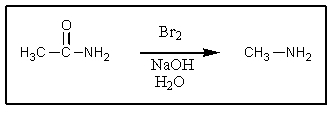
A)
<strong>Which of the following is not an intermediate in the Hofmann rearrangement of ethanamide to methylamine?  </strong> A)   B)   C)   D)   E)   <div style=padding-top: 35px>
B)
<strong>Which of the following is not an intermediate in the Hofmann rearrangement of ethanamide to methylamine?  </strong> A)   B)   C)   D)   E)   <div style=padding-top: 35px>
C)
<strong>Which of the following is not an intermediate in the Hofmann rearrangement of ethanamide to methylamine?  </strong> A)   B)   C)   D)   E)   <div style=padding-top: 35px>
D)
<strong>Which of the following is not an intermediate in the Hofmann rearrangement of ethanamide to methylamine?  </strong> A)   B)   C)   D)   E)   <div style=padding-top: 35px>
E)
<strong>Which of the following is not an intermediate in the Hofmann rearrangement of ethanamide to methylamine?  </strong> A)   B)   C)   D)   E)   <div style=padding-top: 35px>
سؤال
Lactones are:

A) Cyclic amides
B) Cyclic anhydrides
C) Cyclic esters
D) Cyclic acids
E) Cyclic ketones
سؤال
Which reagent(s)would accomplish the following transformation? <strong>Which reagent(s)would accomplish the following transformation?  </strong> A) CH<sub>3</sub>Li B) CH<sub>3</sub>I,NaOH C) CH<sub>3</sub>MgBr D) (CH<sub>3</sub>)<sub>2</sub>CuLi E) either A or C <div style=padding-top: 35px>
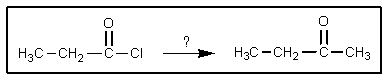
A) CH3Li
B) CH3I,NaOH
C) CH3MgBr
D) (CH3)2CuLi
E) either A or C
سؤال
In the reaction shown below,which product(s)would be formed? <strong>In the reaction shown below,which product(s)would be formed?  </strong> A)   <sup> </sup> B)   C)   D)   E) both A and B <div style=padding-top: 35px>
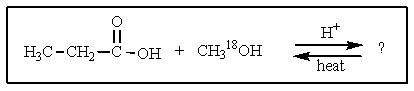
A)
<strong>In the reaction shown below,which product(s)would be formed?  </strong> A)   <sup> </sup> B)   C)   D)   E) both A and B <div style=padding-top: 35px>
B)
<strong>In the reaction shown below,which product(s)would be formed?  </strong> A)   <sup> </sup> B)   C)   D)   E) both A and B <div style=padding-top: 35px>
C)
<strong>In the reaction shown below,which product(s)would be formed?  </strong> A)   <sup> </sup> B)   C)   D)   E) both A and B <div style=padding-top: 35px>
D)
<strong>In the reaction shown below,which product(s)would be formed?  </strong> A)   <sup> </sup> B)   C)   D)   E) both A and B <div style=padding-top: 35px>
E) both A and B
سؤال
How many different CH3 signals would you expect in the room-temperature proton NMR spectrum of the molecule below? <strong>How many different CH<sub>3</sub> signals would you expect in the room-temperature proton NMR spectrum of the molecule below?  </strong> A) One B) Two C) Three D) Four E) Five <div style=padding-top: 35px>
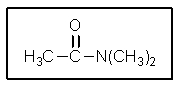
A) One
B) Two
C) Three
D) Four
E) Five
سؤال
What would be the proper name of the following? <strong>What would be the proper name of the following?  </strong> A) 3-nitro-methylbenzoate B) methyl 3-nitrobenzoate C) 3-nitro-methoxybenzoate D) 5-nitro-methylbenzoate E) 3-nitrocarboxymethylbenzene <div style=padding-top: 35px>
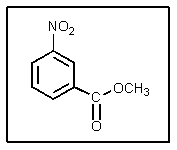
A) 3-nitro-methylbenzoate
B) methyl 3-nitrobenzoate
C) 3-nitro-methoxybenzoate
D) 5-nitro-methylbenzoate
E) 3-nitrocarboxymethylbenzene
سؤال
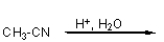
What would be the product of the following reaction? <strong>What would be the product of the following reaction?  </strong> A) C<sub>6</sub>H<sub>5</sub>CO<sub>2</sub>H B) C<sub>6</sub>H<sub>5</sub>CH<sub>2</sub>CO<sub>2</sub>H C) C<sub>6</sub>H<sub>5</sub>CH<sub>2</sub>OH D) C<sub>6</sub>H<sub>5</sub>CH<sub>2</sub>CH<sub>2</sub>NH<sub>2</sub> E) C<sub>6</sub>H<sub>5</sub>CH<sub>3</sub> <div style=padding-top: 35px>
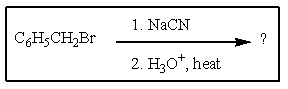
A) C6H5CO2H
B) C6H5CH2CO2H
C) C6H5CH2OH
D) C6H5CH2CH2NH2
E) C6H5CH3
سؤال
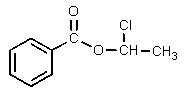
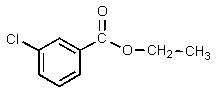
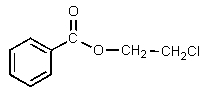
Which of the following would be properly named as 2-chloroethyl benzoate?

A)
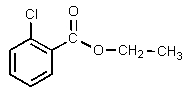
<strong>Which of the following would be properly named as 2-chloroethyl benzoate?</strong> A)   B)   C)   D)   E)   <div style=padding-top: 35px>
B)
<strong>Which of the following would be properly named as 2-chloroethyl benzoate?</strong> A)   B)   C)   D)   E)   <div style=padding-top: 35px>
C)
<strong>Which of the following would be properly named as 2-chloroethyl benzoate?</strong> A)   B)   C)   D)   E)   <div style=padding-top: 35px>
D)
<strong>Which of the following would be properly named as 2-chloroethyl benzoate?</strong> A)   B)   C)   D)   E)   <div style=padding-top: 35px>
E)
<strong>Which of the following would be properly named as 2-chloroethyl benzoate?</strong> A)   B)   C)   D)   E)   <div style=padding-top: 35px>
سؤال
What would be the major organic product expected from the following reaction? <strong>What would be the major organic product expected from the following reaction?  </strong> A)   B)   C)   D)   E)   <div style=padding-top: 35px>
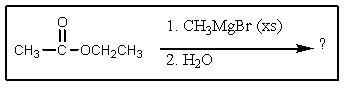
A)
<strong>What would be the major organic product expected from the following reaction?  </strong> A)   B)   C)   D)   E)   <div style=padding-top: 35px>
B)
<strong>What would be the major organic product expected from the following reaction?  </strong> A)   B)   C)   D)   E)   <div style=padding-top: 35px>
C)
<strong>What would be the major organic product expected from the following reaction?  </strong> A)   B)   C)   D)   E)   <div style=padding-top: 35px>
D)
<strong>What would be the major organic product expected from the following reaction?  </strong> A)   B)   C)   D)   E)   <div style=padding-top: 35px>
E)
<strong>What would be the major organic product expected from the following reaction?  </strong> A)   B)   C)   D)   E)   <div style=padding-top: 35px>
سؤال
The product of the following reaction would be: <strong>The product of the following reaction would be:  </strong> A)   <sup> </sup> B)   C)   D)   E)   <div style=padding-top: 35px>
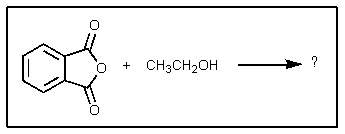
A)
<strong>The product of the following reaction would be:  </strong> A)   <sup> </sup> B)   C)   D)   E)   <div style=padding-top: 35px>
B)
<strong>The product of the following reaction would be:  </strong> A)   <sup> </sup> B)   C)   D)   E)   <div style=padding-top: 35px>
C)
<strong>The product of the following reaction would be:  </strong> A)   <sup> </sup> B)   C)   D)   E)   <div style=padding-top: 35px>
D)
<strong>The product of the following reaction would be:  </strong> A)   <sup> </sup> B)   C)   D)   E)   <div style=padding-top: 35px>
E)
<strong>The product of the following reaction would be:  </strong> A)   <sup> </sup> B)   C)   D)   E)   <div style=padding-top: 35px>
سؤال
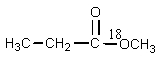
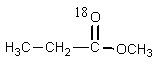
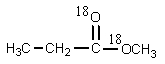
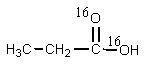
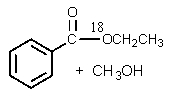
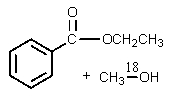
What would be the organic product of the following reaction? (18O is a rare oxygen isotope.) <strong>What would be the organic product of the following reaction? (<sup>18</sup>O is a rare oxygen isotope.)  </strong> A)   <sup> </sup> B)   C)   D) More than one of these. E) None of these. <div style=padding-top: 35px>
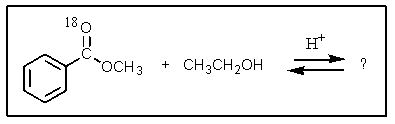
A)
<strong>What would be the organic product of the following reaction? (<sup>18</sup>O is a rare oxygen isotope.)  </strong> A)   <sup> </sup> B)   C)   D) More than one of these. E) None of these. <div style=padding-top: 35px>
B)
<strong>What would be the organic product of the following reaction? (<sup>18</sup>O is a rare oxygen isotope.)  </strong> A)   <sup> </sup> B)   C)   D) More than one of these. E) None of these. <div style=padding-top: 35px>
C)
<strong>What would be the organic product of the following reaction? (<sup>18</sup>O is a rare oxygen isotope.)  </strong> A)   <sup> </sup> B)   C)   D) More than one of these. E) None of these. <div style=padding-top: 35px>
D) More than one of these.
E) None of these.
سؤال
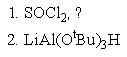
What reagent(s)would be required to achieve the following conversion? <strong>What reagent(s)would be required to achieve the following conversion?  </strong> A)   <sup> </sup> B)   C)   D)   E) both A and C <div style=padding-top: 35px>
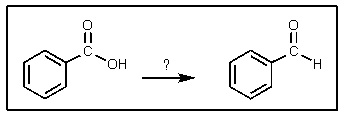
A)
<strong>What reagent(s)would be required to achieve the following conversion?  </strong> A)   <sup> </sup> B)   C)   D)   E) both A and C <div style=padding-top: 35px>
B)
<strong>What reagent(s)would be required to achieve the following conversion?  </strong> A)   <sup> </sup> B)   C)   D)   E) both A and C <div style=padding-top: 35px>
C)
<strong>What reagent(s)would be required to achieve the following conversion?  </strong> A)   <sup> </sup> B)   C)   D)   E) both A and C <div style=padding-top: 35px>
D)
<strong>What reagent(s)would be required to achieve the following conversion?  </strong> A)   <sup> </sup> B)   C)   D)   E) both A and C <div style=padding-top: 35px>
E) both A and C
سؤال
How can the importance of the following resonance be evaluated? <strong>How can the importance of the following resonance be evaluated?  </strong> A) Charged resonance structures are always more important. B) The C=O IR stretch for amides is significantly different than for other C=O groups. C) The water solubility of amides implicates charged structures. D) The C-N rotational barrier can be determined by NMR. E) More than one of the above are correct. <div style=padding-top: 35px>
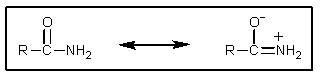
A) Charged resonance structures are always more important.
B) The C=O IR stretch for amides is significantly different than for other C=O groups.
C) The water solubility of amides implicates charged structures.
D) The C-N rotational barrier can be determined by NMR.
E) More than one of the above are correct.
سؤال
Predict the product of the following reaction: <strong>Predict the product of the following reaction:  </strong> A)   B)   C)   D)   E) None of these. <div style=padding-top: 35px>
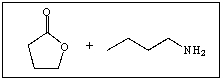
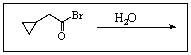
A)
<strong>Predict the product of the following reaction:  </strong> A)   B)   C)   D)   E) None of these. <div style=padding-top: 35px>
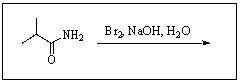
B)
<strong>Predict the product of the following reaction:  </strong> A)   B)   C)   D)   E) None of these. <div style=padding-top: 35px>
C)
<strong>Predict the product of the following reaction:  </strong> A)   B)   C)   D)   E) None of these. <div style=padding-top: 35px>
D)
<strong>Predict the product of the following reaction:  </strong> A)   B)   C)   D)   E) None of these. <div style=padding-top: 35px>
E) None of these.
سؤال
Predict the product of the following reaction: <strong>Predict the product of the following reaction:  </strong> A)   B)   C)   D)   E) no reaction occurs <div style=padding-top: 35px>

A)
<strong>Predict the product of the following reaction:  </strong> A)   B)   C)   D)   E) no reaction occurs <div style=padding-top: 35px>
B)
<strong>Predict the product of the following reaction:  </strong> A)   B)   C)   D)   E) no reaction occurs <div style=padding-top: 35px>
C)
<strong>Predict the product of the following reaction:  </strong> A)   B)   C)   D)   E) no reaction occurs <div style=padding-top: 35px>
D)
<strong>Predict the product of the following reaction:  </strong> A)   B)   C)   D)   E) no reaction occurs <div style=padding-top: 35px>
E) no reaction occurs
سؤال
Predict the product of the following reaction: <strong>Predict the product of the following reaction:  </strong> A)   B)   C)   D)   E)   <div style=padding-top: 35px>

A)
<strong>Predict the product of the following reaction:  </strong> A)   B)   C)   D)   E)   <div style=padding-top: 35px>
B)
<strong>Predict the product of the following reaction:  </strong> A)   B)   C)   D)   E)   <div style=padding-top: 35px>
C)
<strong>Predict the product of the following reaction:  </strong> A)   B)   C)   D)   E)   <div style=padding-top: 35px>
D)
<strong>Predict the product of the following reaction:  </strong> A)   B)   C)   D)   E)   <div style=padding-top: 35px>
E)
<strong>Predict the product of the following reaction:  </strong> A)   B)   C)   D)   E)   <div style=padding-top: 35px>
سؤال
Which of the following would be most likely to result from saponification of a natural triglyceride? <strong>Which of the following would be most likely to result from saponification of a natural triglyceride?  </strong> A)   <sup> </sup> B)   C)   D)   E)   <div style=padding-top: 35px>
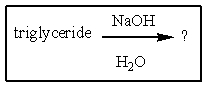
A)
<strong>Which of the following would be most likely to result from saponification of a natural triglyceride?  </strong> A)   <sup> </sup> B)   C)   D)   E)   <div style=padding-top: 35px>
B)
<strong>Which of the following would be most likely to result from saponification of a natural triglyceride?  </strong> A)   <sup> </sup> B)   C)   D)   E)   <div style=padding-top: 35px>
C)
<strong>Which of the following would be most likely to result from saponification of a natural triglyceride?  </strong> A)   <sup> </sup> B)   C)   D)   E)   <div style=padding-top: 35px>
D)
<strong>Which of the following would be most likely to result from saponification of a natural triglyceride?  </strong> A)   <sup> </sup> B)   C)   D)   E)   <div style=padding-top: 35px>
E)
<strong>Which of the following would be most likely to result from saponification of a natural triglyceride?  </strong> A)   <sup> </sup> B)   C)   D)   E)   <div style=padding-top: 35px>
سؤال
Reduction of which of the following esters with lithium aluminum hydride would yield two molecules of the same alcohol?

A)
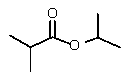
<strong>Reduction of which of the following esters with lithium aluminum hydride would yield two molecules of the same alcohol?</strong> A)   B)   C)   D)   E) None of these. <div style=padding-top: 35px>
B)
<strong>Reduction of which of the following esters with lithium aluminum hydride would yield two molecules of the same alcohol?</strong> A)   B)   C)   D)   E) None of these. <div style=padding-top: 35px>
C)
<strong>Reduction of which of the following esters with lithium aluminum hydride would yield two molecules of the same alcohol?</strong> A)   B)   C)   D)   E) None of these. <div style=padding-top: 35px>
D)
<strong>Reduction of which of the following esters with lithium aluminum hydride would yield two molecules of the same alcohol?</strong> A)   B)   C)   D)   E) None of these. <div style=padding-top: 35px>
E) None of these.
سؤال
A multistep preparation of propylpropanoate from only 1-propanol would require the use of how many of the reagents below (i.e.,what reagents would you need to use if you only had 1-propanol to start with)? <strong>A multistep preparation of propylpropanoate from only 1-propanol would require the use of how many of the reagents below (i.e.,what reagents would you need to use if you only had 1-propanol to start with)?    </strong> A) Two of the above. B) Three of the above. C) Four of the above. D) All of the above. E) The preparation cannot be done with only these reagents. <div style=padding-top: 35px> <strong>A multistep preparation of propylpropanoate from only 1-propanol would require the use of how many of the reagents below (i.e.,what reagents would you need to use if you only had 1-propanol to start with)?    </strong> A) Two of the above. B) Three of the above. C) Four of the above. D) All of the above. E) The preparation cannot be done with only these reagents. <div style=padding-top: 35px>
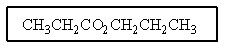

A) Two of the above.
B) Three of the above.
C) Four of the above.
D) All of the above.
E) The preparation cannot be done with only these reagents.
سؤال
When compound X is heated with aqueous acid,acetic acid and acetaldehyde (ethanal)are formed.The proton NMR spectrum of X is shown below.What is the structure of X? <strong>When compound X is heated with aqueous acid,acetic acid and acetaldehyde (ethanal)are formed.The proton NMR spectrum of X is shown below.What is the structure of X?  </strong> A) CH<sub>2</sub>=CHO<sub>2</sub>CCH<sub>3</sub> B) CH<sub>2</sub>=CHOCH<sub>2</sub>CH<sub>3</sub> C) CH<sub>2</sub>=C(CH<sub>3</sub>)O<sub>2</sub>CH D) CH<sub>3</sub>CH=CHO<sub>2</sub>CH E) CH<sub>2</sub>=CHCH<sub>2</sub>CO<sub>2</sub>H <div style=padding-top: 35px>
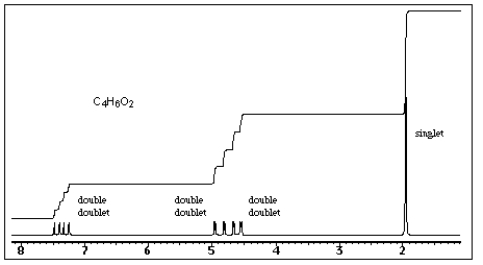
A) CH2=CHO2CCH3
B) CH2=CHOCH2CH3
C) CH2=C(CH3)O2CH
D) CH3CH=CHO2CH
E) CH2=CHCH2CO2H
سؤال
What is the product of combining pentanoic acid with thionyl chloride,followed by propanol and base?

A) pentanol
B) pentyl propanoate
C) propyl pentanoate
D) 1-tosyl pentanol
E) 1-chloropentanol
سؤال
What would be the other product of the following reaction? <strong>What would be the other product of the following reaction?  </strong> A)   <sup> </sup> B)   C)   D)   E)   <div style=padding-top: 35px>

A)
<strong>What would be the other product of the following reaction?  </strong> A)   <sup> </sup> B)   C)   D)   E)   <div style=padding-top: 35px>
B)
<strong>What would be the other product of the following reaction?  </strong> A)   <sup> </sup> B)   C)   D)   E)   <div style=padding-top: 35px>
C)
<strong>What would be the other product of the following reaction?  </strong> A)   <sup> </sup> B)   C)   D)   E)   <div style=padding-top: 35px>
D)
<strong>What would be the other product of the following reaction?  </strong> A)   <sup> </sup> B)   C)   D)   E)   <div style=padding-top: 35px>
E)
<strong>What would be the other product of the following reaction?  </strong> A)   <sup> </sup> B)   C)   D)   E)   <div style=padding-top: 35px>
سؤال
Which of the following reactions will produce N-methyl benzamide?

A)
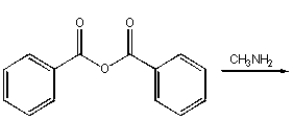
<strong>Which of the following reactions will produce N-methyl benzamide?</strong> A)   B)   C)   D) both A and C E) All of the above. <div style=padding-top: 35px>
B)
<strong>Which of the following reactions will produce N-methyl benzamide?</strong> A)   B)   C)   D) both A and C E) All of the above. <div style=padding-top: 35px>
C)
<strong>Which of the following reactions will produce N-methyl benzamide?</strong> A)   B)   C)   D) both A and C E) All of the above. <div style=padding-top: 35px>
D) both A and C
E) All of the above.
سؤال
Which of the following is a lactam?

A)
<strong>Which of the following is a lactam?</strong> A)   B)   C)   D)   E) Two of these can be considered lactams. <div style=padding-top: 35px>
B)
<strong>Which of the following is a lactam?</strong> A)   B)   C)   D)   E) Two of these can be considered lactams. <div style=padding-top: 35px>
C)
<strong>Which of the following is a lactam?</strong> A)   B)   C)   D)   E) Two of these can be considered lactams. <div style=padding-top: 35px>
D)
<strong>Which of the following is a lactam?</strong> A)   B)   C)   D)   E) Two of these can be considered lactams. <div style=padding-top: 35px>
E) Two of these can be considered lactams.
سؤال
Substitutions at sp2 carbons do not occur by an SN2 mechanism,but rather by way of a "tetrahedral intermediate." The tetrahedral intermediate shown could occur in which reaction? <strong>Substitutions at sp<sup>2</sup> carbons do not occur by an S<sub>N</sub>2 mechanism,but rather by way of a tetrahedral intermediate. The tetrahedral intermediate shown could occur in which reaction?  </strong> A) methyl propanoate + ammonia B) propanamide + hydroxide C) propanoic acid + methanol D) propanamide + ethanol E) None of these. <div style=padding-top: 35px>
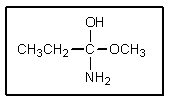
A) methyl propanoate + ammonia
B) propanamide + hydroxide
C) propanoic acid + methanol
D) propanamide + ethanol
E) None of these.
سؤال
What is the relative reactivity of carboxylic acid derivatives toward hydrolysis (left = least reactive)?

A) ester < amide < acid chloride < anhydride
B) amide < ester < acid chloride < anhydride
C) ester < amide < anhydride < acid chloride
D) amide < ester < anhydride < acid chloride
E) The relative reactivities really cannot be compared.
سؤال
What structure is not an intermediate in the following reaction? <strong>What structure is not an intermediate in the following reaction?  </strong> A)   B)   C)   D)   E) None of the above. <div style=padding-top: 35px>
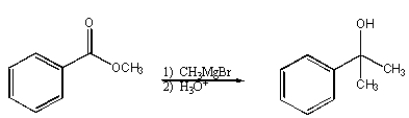
A)
<strong>What structure is not an intermediate in the following reaction?  </strong> A)   B)   C)   D)   E) None of the above. <div style=padding-top: 35px>
B)
<strong>What structure is not an intermediate in the following reaction?  </strong> A)   B)   C)   D)   E) None of the above. <div style=padding-top: 35px>
C)
<strong>What structure is not an intermediate in the following reaction?  </strong> A)   B)   C)   D)   E) None of the above. <div style=padding-top: 35px>
D)
<strong>What structure is not an intermediate in the following reaction?  </strong> A)   B)   C)   D)   E) None of the above. <div style=padding-top: 35px>
E) None of the above.
سؤال
Place the following compounds in order of increasing rate of hydrolysis. <strong>Place the following compounds in order of increasing rate of hydrolysis.  </strong> A) I,III,IV,II B) IV,II,III,I C) III,I,II,IV D) I,II,IV,III E) All carboxylic derivatives exhibit similar reactivities with H<sub>2</sub>O. <div style=padding-top: 35px>
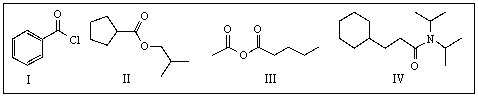
A) I,III,IV,II
B) IV,II,III,I
C) III,I,II,IV
D) I,II,IV,III
E) All carboxylic derivatives exhibit similar reactivities with H2O.
سؤال
Which of the following reactions will not give a carboxylic acid as a product?

A)
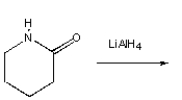
<strong>Which of the following reactions will not give a carboxylic acid as a product?</strong> A)   B)   C)   D)   E)   <div style=padding-top: 35px>
B)
<strong>Which of the following reactions will not give a carboxylic acid as a product?</strong> A)   B)   C)   D)   E)   <div style=padding-top: 35px>
C)
<strong>Which of the following reactions will not give a carboxylic acid as a product?</strong> A)   B)   C)   D)   E)   <div style=padding-top: 35px>
D)
<strong>Which of the following reactions will not give a carboxylic acid as a product?</strong> A)   B)   C)   D)   E)   <div style=padding-top: 35px>
E)
<strong>Which of the following reactions will not give a carboxylic acid as a product?</strong> A)   B)   C)   D)   E)   <div style=padding-top: 35px>
سؤال
What would be the products of the following reaction? <strong>What would be the products of the following reaction?  </strong> A) CH<sub>3</sub>CH<sub>2</sub>CH<sub>2</sub>CH<sub>2</sub>NH(CH<sub>3</sub>)+ H<sub>2</sub>O B) CH<sub>3</sub>NHC(=O)CH<sub>2</sub>CH<sub>2</sub>CH<sub>3</sub> + CH<sub>3</sub>OH C) CH<sub>3</sub>CH<sub>2</sub>CH<sub>2</sub>CONH<sub>2 </sub> + CH<sub>3</sub>CH<sub>2</sub>OH D) CH<sub>3</sub>OH + CH<sub>3</sub>CH<sub>2</sub>CH<sub>2</sub>OC(=O)NHCH<sub>3</sub> E) CH<sub>3</sub>CH<sub>2</sub>CH<sub>2</sub>NH(CH<sub>3</sub>)COCH<sub>3</sub> + H<sub>2</sub>O <div style=padding-top: 35px>

A) CH3CH2CH2CH2NH(CH3)+ H2O
B) CH3NHC(=O)CH2CH2CH3 + CH3OH
C) CH3CH2CH2CONH2 + CH3CH2OH
D) CH3OH + CH3CH2CH2OC(=O)NHCH3
E) CH3CH2CH2NH(CH3)COCH3 + H2O
سؤال
What would be the product of the following reaction? <strong>What would be the product of the following reaction?  </strong> A)   B)   C)   D)   E) None of these. <div style=padding-top: 35px>
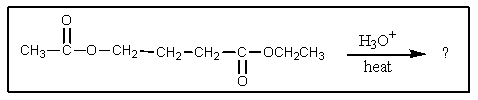
A)
<strong>What would be the product of the following reaction?  </strong> A)   B)   C)   D)   E) None of these. <div style=padding-top: 35px>
B)
<strong>What would be the product of the following reaction?  </strong> A)   B)   C)   D)   E) None of these. <div style=padding-top: 35px>
C)
<strong>What would be the product of the following reaction?  </strong> A)   B)   C)   D)   E) None of these. <div style=padding-top: 35px>
D)
<strong>What would be the product of the following reaction?  </strong> A)   B)   C)   D)   E) None of these. <div style=padding-top: 35px>
E) None of these.
سؤال
Which,if any,functional group in the molecule below would undergo basic hydrolysis most easily? <strong>Which,if any,functional group in the molecule below would undergo basic hydrolysis most easily?  </strong> A) A B) B C) C D) D E) None of these groups would react. <div style=padding-top: 35px>
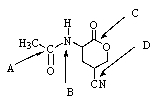
A) A
B) B
C) C
D) D
E) None of these groups would react.
سؤال
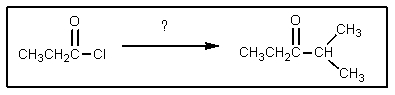
What reagent is needed to complete the reaction shown? <strong>What reagent is needed to complete the reaction shown?  </strong> A) ((CH<sub>3</sub>)<sub>2</sub>CH)<sub>2</sub>CuLi B) KCN/NaOH C) HOCH(CH<sub>3</sub>)<sub>2</sub> D) BrMgCH(CH<sub>3</sub>)<sub>2</sub> E) (CH<sub>3</sub>)<sub>2</sub>CHLi <div style=padding-top: 35px>
A) ((CH3)2CH)2CuLi
B) KCN/NaOH
C) HOCH(CH3)2
D) BrMgCH(CH3)2
E) (CH3)2CHLi
سؤال
Which functional group has the lowest IR absorption frequency?

A)
<strong>Which functional group has the lowest IR absorption frequency?</strong> A)   B)   C)   D)   E)   <div style=padding-top: 35px>
B)
<strong>Which functional group has the lowest IR absorption frequency?</strong> A)   B)   C)   D)   E)   <div style=padding-top: 35px>
C)
<strong>Which functional group has the lowest IR absorption frequency?</strong> A)   B)   C)   D)   E)   <div style=padding-top: 35px>
D)
<strong>Which functional group has the lowest IR absorption frequency?</strong> A)   B)   C)   D)   E)   <div style=padding-top: 35px>
E)
<strong>Which functional group has the lowest IR absorption frequency?</strong> A)   B)   C)   D)   E)   <div style=padding-top: 35px>
سؤال
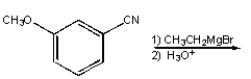
What is the product from the following reaction? <strong>What is the product from the following reaction?  </strong> A)   B)   C)   D)   E)   <div style=padding-top: 35px>
A)
<strong>What is the product from the following reaction?  </strong> A)   B)   C)   D)   E)   <div style=padding-top: 35px>
B)
<strong>What is the product from the following reaction?  </strong> A)   B)   C)   D)   E)   <div style=padding-top: 35px>
C)
<strong>What is the product from the following reaction?  </strong> A)   B)   C)   D)   E)   <div style=padding-top: 35px>
D)
<strong>What is the product from the following reaction?  </strong> A)   B)   C)   D)   E)   <div style=padding-top: 35px>
E)
<strong>What is the product from the following reaction?  </strong> A)   B)   C)   D)   E)   <div style=padding-top: 35px>
فتح الحزمة
قم بالتسجيل لفتح البطاقات في هذه المجموعة!
Unlock Deck
Unlock Deck
1/44
auto play flashcards
العب
simple tutorial
ملء الشاشة (f)
exit full mode
Deck 20: Carboxylic Acid Derivatives
1
What would be the major organic product of the following reaction? <strong>What would be the major organic product of the following reaction?  </strong> A)   <sup> </sup> B)   C)   D)   E)

A)
<strong>What would be the major organic product of the following reaction?  </strong> A)   <sup> </sup> B)   C)   D)   E)
B)
<strong>What would be the major organic product of the following reaction?  </strong> A)   <sup> </sup> B)   C)   D)   E)
C)
<strong>What would be the major organic product of the following reaction?  </strong> A)   <sup> </sup> B)   C)   D)   E)
D)
<strong>What would be the major organic product of the following reaction?  </strong> A)   <sup> </sup> B)   C)   D)   E)
E)
<strong>What would be the major organic product of the following reaction?  </strong> A)   <sup> </sup> B)   C)   D)   E)
2
What would account for the fact that the molecule below racemizes easily,despite having three chiral centers? <strong>What would account for the fact that the molecule below racemizes easily,despite having three chiral centers?  </strong> A) Lactones are configurationally unstable B) Molecule loses CO<sub>2</sub> easily C) Enolization occurs easily D) Intramolecular transesterification occurs easily E) This molecule is not chiral.

A) Lactones are configurationally unstable
B) Molecule loses CO2 easily
C) Enolization occurs easily
D) Intramolecular transesterification occurs easily
E) This molecule is not chiral.
Intramolecular transesterification occurs easily
3
What would be the organic product of the following reaction? <strong>What would be the organic product of the following reaction?  </strong> A)   <sup> </sup> B)   C)   D)   E) None of these.

A)
<strong>What would be the organic product of the following reaction?  </strong> A)   <sup> </sup> B)   C)   D)   E) None of these.
B)
<strong>What would be the organic product of the following reaction?  </strong> A)   <sup> </sup> B)   C)   D)   E) None of these.
C)
<strong>What would be the organic product of the following reaction?  </strong> A)   <sup> </sup> B)   C)   D)   E) None of these.
D)
<strong>What would be the organic product of the following reaction?  </strong> A)   <sup> </sup> B)   C)   D)   E) None of these.
E) None of these.
  <sup> </sup>
4
Rank the following carboxylic acid derivatives in order of decreasing reactivity toward hydrolysis (most reactive on left): <strong>Rank the following carboxylic acid derivatives in order of decreasing reactivity toward hydrolysis (most reactive on left):  </strong> A) D > B > A > C B) C > A > B > D C) B > D > A > C D) A > B > D > C E) D > B > C > A

A) D > B > A > C
B) C > A > B > D
C) B > D > A > C
D) A > B > D > C
E) D > B > C > A
فتح الحزمة
افتح القفل للوصول البطاقات البالغ عددها 44 في هذه المجموعة.
فتح الحزمة
k this deck
5
What would be the major expected product from the reaction shown below? <strong>What would be the major expected product from the reaction shown below?  </strong> A)   B)   C)   D)   E)

A)
<strong>What would be the major expected product from the reaction shown below?  </strong> A)   B)   C)   D)   E)
B)
<strong>What would be the major expected product from the reaction shown below?  </strong> A)   B)   C)   D)   E)
C)
<strong>What would be the major expected product from the reaction shown below?  </strong> A)   B)   C)   D)   E)
D)
<strong>What would be the major expected product from the reaction shown below?  </strong> A)   B)   C)   D)   E)
E)
<strong>What would be the major expected product from the reaction shown below?  </strong> A)   B)   C)   D)   E)
فتح الحزمة
افتح القفل للوصول البطاقات البالغ عددها 44 في هذه المجموعة.
فتح الحزمة
k this deck
6
Which of the reactions listed below would produce benzyl acetate (= benzyl ethanoate)?

A)
<strong>Which of the reactions listed below would produce benzyl acetate (= benzyl ethanoate)?</strong> A)   B)   C)   D) two of these E) all of these
B)
<strong>Which of the reactions listed below would produce benzyl acetate (= benzyl ethanoate)?</strong> A)   B)   C)   D) two of these E) all of these
C)
<strong>Which of the reactions listed below would produce benzyl acetate (= benzyl ethanoate)?</strong> A)   B)   C)   D) two of these E) all of these
D) two of these
E) all of these
فتح الحزمة
افتح القفل للوصول البطاقات البالغ عددها 44 في هذه المجموعة.
فتح الحزمة
k this deck
7
What type of functional group do the natural products known as waxes have?

A) Ester
B) Amide
C) Carboxylic acid
D) Alcohol
E) Amine
فتح الحزمة
افتح القفل للوصول البطاقات البالغ عددها 44 في هذه المجموعة.

فتح الحزمة
k this deck
8
What would be the organic product of the following reaction? <strong>What would be the organic product of the following reaction?  </strong> A)   <sup> </sup> B)   C) mixture of A and B D) None of these. E) No reaction occurs.

A)
<strong>What would be the organic product of the following reaction?  </strong> A)   <sup> </sup> B)   C) mixture of A and B D) None of these. E) No reaction occurs.
B)
<strong>What would be the organic product of the following reaction?  </strong> A)   <sup> </sup> B)   C) mixture of A and B D) None of these. E) No reaction occurs.
C) mixture of A and B
D) None of these.
E) No reaction occurs.
فتح الحزمة
افتح القفل للوصول البطاقات البالغ عددها 44 في هذه المجموعة.

فتح الحزمة
k this deck
9
What would be the name of the following cyclic ester?  <strong>What would be the name of the following cyclic ester?  </strong> A) ( \gamma -valerolactone) B) ( \beta -butyrolactone) C) 2-methyl- \gamma -butyrolactone D) 2-methyl- \beta -butyrolactone E) 2-methyl- \gamma -valerolactone

A) ( γ\gamma -valerolactone)
B) ( β\beta -butyrolactone)
C) 2-methyl- γ\gamma -butyrolactone
D) 2-methyl- β\beta -butyrolactone
E) 2-methyl- γ\gamma -valerolactone
فتح الحزمة
افتح القفل للوصول البطاقات البالغ عددها 44 في هذه المجموعة.
فتح الحزمة
k this deck
10
Which of the following is not an intermediate in the Hofmann rearrangement of ethanamide to methylamine? <strong>Which of the following is not an intermediate in the Hofmann rearrangement of ethanamide to methylamine?  </strong> A)   B)   C)   D)   E)

A)
<strong>Which of the following is not an intermediate in the Hofmann rearrangement of ethanamide to methylamine?  </strong> A)   B)   C)   D)   E)
B)
<strong>Which of the following is not an intermediate in the Hofmann rearrangement of ethanamide to methylamine?  </strong> A)   B)   C)   D)   E)
C)
<strong>Which of the following is not an intermediate in the Hofmann rearrangement of ethanamide to methylamine?  </strong> A)   B)   C)   D)   E)
D)
<strong>Which of the following is not an intermediate in the Hofmann rearrangement of ethanamide to methylamine?  </strong> A)   B)   C)   D)   E)
E)
<strong>Which of the following is not an intermediate in the Hofmann rearrangement of ethanamide to methylamine?  </strong> A)   B)   C)   D)   E)
فتح الحزمة
افتح القفل للوصول البطاقات البالغ عددها 44 في هذه المجموعة.
فتح الحزمة
k this deck
11
Lactones are:

A) Cyclic amides
B) Cyclic anhydrides
C) Cyclic esters
D) Cyclic acids
E) Cyclic ketones
فتح الحزمة
افتح القفل للوصول البطاقات البالغ عددها 44 في هذه المجموعة.
فتح الحزمة
k this deck
12
Which reagent(s)would accomplish the following transformation? <strong>Which reagent(s)would accomplish the following transformation?  </strong> A) CH<sub>3</sub>Li B) CH<sub>3</sub>I,NaOH C) CH<sub>3</sub>MgBr D) (CH<sub>3</sub>)<sub>2</sub>CuLi E) either A or C

A) CH3Li
B) CH3I,NaOH
C) CH3MgBr
D) (CH3)2CuLi
E) either A or C
فتح الحزمة
افتح القفل للوصول البطاقات البالغ عددها 44 في هذه المجموعة.
فتح الحزمة
k this deck
13
In the reaction shown below,which product(s)would be formed? <strong>In the reaction shown below,which product(s)would be formed?  </strong> A)   <sup> </sup> B)   C)   D)   E) both A and B

A)
<strong>In the reaction shown below,which product(s)would be formed?  </strong> A)   <sup> </sup> B)   C)   D)   E) both A and B
B)
<strong>In the reaction shown below,which product(s)would be formed?  </strong> A)   <sup> </sup> B)   C)   D)   E) both A and B
C)
<strong>In the reaction shown below,which product(s)would be formed?  </strong> A)   <sup> </sup> B)   C)   D)   E) both A and B
D)
<strong>In the reaction shown below,which product(s)would be formed?  </strong> A)   <sup> </sup> B)   C)   D)   E) both A and B
E) both A and B
فتح الحزمة
افتح القفل للوصول البطاقات البالغ عددها 44 في هذه المجموعة.
فتح الحزمة
k this deck
14
How many different CH3 signals would you expect in the room-temperature proton NMR spectrum of the molecule below? <strong>How many different CH<sub>3</sub> signals would you expect in the room-temperature proton NMR spectrum of the molecule below?  </strong> A) One B) Two C) Three D) Four E) Five

A) One
B) Two
C) Three
D) Four
E) Five
فتح الحزمة
افتح القفل للوصول البطاقات البالغ عددها 44 في هذه المجموعة.
فتح الحزمة
k this deck
15
What would be the proper name of the following? <strong>What would be the proper name of the following?  </strong> A) 3-nitro-methylbenzoate B) methyl 3-nitrobenzoate C) 3-nitro-methoxybenzoate D) 5-nitro-methylbenzoate E) 3-nitrocarboxymethylbenzene

A) 3-nitro-methylbenzoate
B) methyl 3-nitrobenzoate
C) 3-nitro-methoxybenzoate
D) 5-nitro-methylbenzoate
E) 3-nitrocarboxymethylbenzene
فتح الحزمة
افتح القفل للوصول البطاقات البالغ عددها 44 في هذه المجموعة.
فتح الحزمة
k this deck
16
What would be the product of the following reaction? <strong>What would be the product of the following reaction?  </strong> A) C<sub>6</sub>H<sub>5</sub>CO<sub>2</sub>H B) C<sub>6</sub>H<sub>5</sub>CH<sub>2</sub>CO<sub>2</sub>H C) C<sub>6</sub>H<sub>5</sub>CH<sub>2</sub>OH D) C<sub>6</sub>H<sub>5</sub>CH<sub>2</sub>CH<sub>2</sub>NH<sub>2</sub> E) C<sub>6</sub>H<sub>5</sub>CH<sub>3</sub>

A) C6H5CO2H
B) C6H5CH2CO2H
C) C6H5CH2OH
D) C6H5CH2CH2NH2
E) C6H5CH3
فتح الحزمة
افتح القفل للوصول البطاقات البالغ عددها 44 في هذه المجموعة.
فتح الحزمة
k this deck
17
Which of the following would be properly named as 2-chloroethyl benzoate?

A)
<strong>Which of the following would be properly named as 2-chloroethyl benzoate?</strong> A)   B)   C)   D)   E)
B)
<strong>Which of the following would be properly named as 2-chloroethyl benzoate?</strong> A)   B)   C)   D)   E)
C)
<strong>Which of the following would be properly named as 2-chloroethyl benzoate?</strong> A)   B)   C)   D)   E)
D)
<strong>Which of the following would be properly named as 2-chloroethyl benzoate?</strong> A)   B)   C)   D)   E)
E)
<strong>Which of the following would be properly named as 2-chloroethyl benzoate?</strong> A)   B)   C)   D)   E)
فتح الحزمة
افتح القفل للوصول البطاقات البالغ عددها 44 في هذه المجموعة.
فتح الحزمة
k this deck
18
What would be the major organic product expected from the following reaction? <strong>What would be the major organic product expected from the following reaction?  </strong> A)   B)   C)   D)   E)

A)
<strong>What would be the major organic product expected from the following reaction?  </strong> A)   B)   C)   D)   E)
B)
<strong>What would be the major organic product expected from the following reaction?  </strong> A)   B)   C)   D)   E)
C)
<strong>What would be the major organic product expected from the following reaction?  </strong> A)   B)   C)   D)   E)
D)
<strong>What would be the major organic product expected from the following reaction?  </strong> A)   B)   C)   D)   E)
E)
<strong>What would be the major organic product expected from the following reaction?  </strong> A)   B)   C)   D)   E)
فتح الحزمة
افتح القفل للوصول البطاقات البالغ عددها 44 في هذه المجموعة.
فتح الحزمة
k this deck
19
The product of the following reaction would be: <strong>The product of the following reaction would be:  </strong> A)   <sup> </sup> B)   C)   D)   E)

A)
<strong>The product of the following reaction would be:  </strong> A)   <sup> </sup> B)   C)   D)   E)
B)
<strong>The product of the following reaction would be:  </strong> A)   <sup> </sup> B)   C)   D)   E)
C)
<strong>The product of the following reaction would be:  </strong> A)   <sup> </sup> B)   C)   D)   E)
D)
<strong>The product of the following reaction would be:  </strong> A)   <sup> </sup> B)   C)   D)   E)
E)
<strong>The product of the following reaction would be:  </strong> A)   <sup> </sup> B)   C)   D)   E)
فتح الحزمة
افتح القفل للوصول البطاقات البالغ عددها 44 في هذه المجموعة.
فتح الحزمة
k this deck
20
What would be the organic product of the following reaction? (18O is a rare oxygen isotope.) <strong>What would be the organic product of the following reaction? (<sup>18</sup>O is a rare oxygen isotope.)  </strong> A)   <sup> </sup> B)   C)   D) More than one of these. E) None of these.

A)
<strong>What would be the organic product of the following reaction? (<sup>18</sup>O is a rare oxygen isotope.)  </strong> A)   <sup> </sup> B)   C)   D) More than one of these. E) None of these.
B)
<strong>What would be the organic product of the following reaction? (<sup>18</sup>O is a rare oxygen isotope.)  </strong> A)   <sup> </sup> B)   C)   D) More than one of these. E) None of these.
C)
<strong>What would be the organic product of the following reaction? (<sup>18</sup>O is a rare oxygen isotope.)  </strong> A)   <sup> </sup> B)   C)   D) More than one of these. E) None of these.
D) More than one of these.
E) None of these.
فتح الحزمة
افتح القفل للوصول البطاقات البالغ عددها 44 في هذه المجموعة.
فتح الحزمة
k this deck
21
What reagent(s)would be required to achieve the following conversion? <strong>What reagent(s)would be required to achieve the following conversion?  </strong> A)   <sup> </sup> B)   C)   D)   E) both A and C

A)
<strong>What reagent(s)would be required to achieve the following conversion?  </strong> A)   <sup> </sup> B)   C)   D)   E) both A and C
B)
<strong>What reagent(s)would be required to achieve the following conversion?  </strong> A)   <sup> </sup> B)   C)   D)   E) both A and C
C)
<strong>What reagent(s)would be required to achieve the following conversion?  </strong> A)   <sup> </sup> B)   C)   D)   E) both A and C
D)
<strong>What reagent(s)would be required to achieve the following conversion?  </strong> A)   <sup> </sup> B)   C)   D)   E) both A and C
E) both A and C
فتح الحزمة
افتح القفل للوصول البطاقات البالغ عددها 44 في هذه المجموعة.
فتح الحزمة
k this deck
22
How can the importance of the following resonance be evaluated? <strong>How can the importance of the following resonance be evaluated?  </strong> A) Charged resonance structures are always more important. B) The C=O IR stretch for amides is significantly different than for other C=O groups. C) The water solubility of amides implicates charged structures. D) The C-N rotational barrier can be determined by NMR. E) More than one of the above are correct.

A) Charged resonance structures are always more important.
B) The C=O IR stretch for amides is significantly different than for other C=O groups.
C) The water solubility of amides implicates charged structures.
D) The C-N rotational barrier can be determined by NMR.
E) More than one of the above are correct.
فتح الحزمة
افتح القفل للوصول البطاقات البالغ عددها 44 في هذه المجموعة.
فتح الحزمة
k this deck
23
Predict the product of the following reaction: <strong>Predict the product of the following reaction:  </strong> A)   B)   C)   D)   E) None of these.

A)
<strong>Predict the product of the following reaction:  </strong> A)   B)   C)   D)   E) None of these.
B)
<strong>Predict the product of the following reaction:  </strong> A)   B)   C)   D)   E) None of these.
C)
<strong>Predict the product of the following reaction:  </strong> A)   B)   C)   D)   E) None of these.
D)
<strong>Predict the product of the following reaction:  </strong> A)   B)   C)   D)   E) None of these.
E) None of these.
فتح الحزمة
افتح القفل للوصول البطاقات البالغ عددها 44 في هذه المجموعة.
فتح الحزمة
k this deck
24
Predict the product of the following reaction: <strong>Predict the product of the following reaction:  </strong> A)   B)   C)   D)   E) no reaction occurs

A)
<strong>Predict the product of the following reaction:  </strong> A)   B)   C)   D)   E) no reaction occurs
B)
<strong>Predict the product of the following reaction:  </strong> A)   B)   C)   D)   E) no reaction occurs
C)
<strong>Predict the product of the following reaction:  </strong> A)   B)   C)   D)   E) no reaction occurs
D)
<strong>Predict the product of the following reaction:  </strong> A)   B)   C)   D)   E) no reaction occurs
E) no reaction occurs
فتح الحزمة
افتح القفل للوصول البطاقات البالغ عددها 44 في هذه المجموعة.
فتح الحزمة
k this deck
25
Predict the product of the following reaction: <strong>Predict the product of the following reaction:  </strong> A)   B)   C)   D)   E)

A)
<strong>Predict the product of the following reaction:  </strong> A)   B)   C)   D)   E)
B)
<strong>Predict the product of the following reaction:  </strong> A)   B)   C)   D)   E)
C)
<strong>Predict the product of the following reaction:  </strong> A)   B)   C)   D)   E)
D)
<strong>Predict the product of the following reaction:  </strong> A)   B)   C)   D)   E)
E)
<strong>Predict the product of the following reaction:  </strong> A)   B)   C)   D)   E)
فتح الحزمة
افتح القفل للوصول البطاقات البالغ عددها 44 في هذه المجموعة.
فتح الحزمة
k this deck
26
Which of the following would be most likely to result from saponification of a natural triglyceride? <strong>Which of the following would be most likely to result from saponification of a natural triglyceride?  </strong> A)   <sup> </sup> B)   C)   D)   E)

A)
<strong>Which of the following would be most likely to result from saponification of a natural triglyceride?  </strong> A)   <sup> </sup> B)   C)   D)   E)
B)
<strong>Which of the following would be most likely to result from saponification of a natural triglyceride?  </strong> A)   <sup> </sup> B)   C)   D)   E)
C)
<strong>Which of the following would be most likely to result from saponification of a natural triglyceride?  </strong> A)   <sup> </sup> B)   C)   D)   E)
D)
<strong>Which of the following would be most likely to result from saponification of a natural triglyceride?  </strong> A)   <sup> </sup> B)   C)   D)   E)
E)
<strong>Which of the following would be most likely to result from saponification of a natural triglyceride?  </strong> A)   <sup> </sup> B)   C)   D)   E)
فتح الحزمة
افتح القفل للوصول البطاقات البالغ عددها 44 في هذه المجموعة.
فتح الحزمة
k this deck
27
Reduction of which of the following esters with lithium aluminum hydride would yield two molecules of the same alcohol?

A)
<strong>Reduction of which of the following esters with lithium aluminum hydride would yield two molecules of the same alcohol?</strong> A)   B)   C)   D)   E) None of these.
B)
<strong>Reduction of which of the following esters with lithium aluminum hydride would yield two molecules of the same alcohol?</strong> A)   B)   C)   D)   E) None of these.
C)
<strong>Reduction of which of the following esters with lithium aluminum hydride would yield two molecules of the same alcohol?</strong> A)   B)   C)   D)   E) None of these.
D)
<strong>Reduction of which of the following esters with lithium aluminum hydride would yield two molecules of the same alcohol?</strong> A)   B)   C)   D)   E) None of these.
E) None of these.
فتح الحزمة
افتح القفل للوصول البطاقات البالغ عددها 44 في هذه المجموعة.
فتح الحزمة
k this deck
28
A multistep preparation of propylpropanoate from only 1-propanol would require the use of how many of the reagents below (i.e.,what reagents would you need to use if you only had 1-propanol to start with)? <strong>A multistep preparation of propylpropanoate from only 1-propanol would require the use of how many of the reagents below (i.e.,what reagents would you need to use if you only had 1-propanol to start with)?    </strong> A) Two of the above. B) Three of the above. C) Four of the above. D) All of the above. E) The preparation cannot be done with only these reagents. <strong>A multistep preparation of propylpropanoate from only 1-propanol would require the use of how many of the reagents below (i.e.,what reagents would you need to use if you only had 1-propanol to start with)?    </strong> A) Two of the above. B) Three of the above. C) Four of the above. D) All of the above. E) The preparation cannot be done with only these reagents.

A) Two of the above.
B) Three of the above.
C) Four of the above.
D) All of the above.
E) The preparation cannot be done with only these reagents.
فتح الحزمة
افتح القفل للوصول البطاقات البالغ عددها 44 في هذه المجموعة.
فتح الحزمة
k this deck
29
When compound X is heated with aqueous acid,acetic acid and acetaldehyde (ethanal)are formed.The proton NMR spectrum of X is shown below.What is the structure of X? <strong>When compound X is heated with aqueous acid,acetic acid and acetaldehyde (ethanal)are formed.The proton NMR spectrum of X is shown below.What is the structure of X?  </strong> A) CH<sub>2</sub>=CHO<sub>2</sub>CCH<sub>3</sub> B) CH<sub>2</sub>=CHOCH<sub>2</sub>CH<sub>3</sub> C) CH<sub>2</sub>=C(CH<sub>3</sub>)O<sub>2</sub>CH D) CH<sub>3</sub>CH=CHO<sub>2</sub>CH E) CH<sub>2</sub>=CHCH<sub>2</sub>CO<sub>2</sub>H

A) CH2=CHO2CCH3
B) CH2=CHOCH2CH3
C) CH2=C(CH3)O2CH
D) CH3CH=CHO2CH
E) CH2=CHCH2CO2H
فتح الحزمة
افتح القفل للوصول البطاقات البالغ عددها 44 في هذه المجموعة.
فتح الحزمة
k this deck
30
What is the product of combining pentanoic acid with thionyl chloride,followed by propanol and base?

A) pentanol
B) pentyl propanoate
C) propyl pentanoate
D) 1-tosyl pentanol
E) 1-chloropentanol
فتح الحزمة
افتح القفل للوصول البطاقات البالغ عددها 44 في هذه المجموعة.
فتح الحزمة
k this deck
31
What would be the other product of the following reaction? <strong>What would be the other product of the following reaction?  </strong> A)   <sup> </sup> B)   C)   D)   E)

A)
<strong>What would be the other product of the following reaction?  </strong> A)   <sup> </sup> B)   C)   D)   E)
B)
<strong>What would be the other product of the following reaction?  </strong> A)   <sup> </sup> B)   C)   D)   E)
C)
<strong>What would be the other product of the following reaction?  </strong> A)   <sup> </sup> B)   C)   D)   E)
D)
<strong>What would be the other product of the following reaction?  </strong> A)   <sup> </sup> B)   C)   D)   E)
E)
<strong>What would be the other product of the following reaction?  </strong> A)   <sup> </sup> B)   C)   D)   E)
فتح الحزمة
افتح القفل للوصول البطاقات البالغ عددها 44 في هذه المجموعة.
فتح الحزمة
k this deck
32
Which of the following reactions will produce N-methyl benzamide?

A)
<strong>Which of the following reactions will produce N-methyl benzamide?</strong> A)   B)   C)   D) both A and C E) All of the above.
B)
<strong>Which of the following reactions will produce N-methyl benzamide?</strong> A)   B)   C)   D) both A and C E) All of the above.
C)
<strong>Which of the following reactions will produce N-methyl benzamide?</strong> A)   B)   C)   D) both A and C E) All of the above.
D) both A and C
E) All of the above.
فتح الحزمة
افتح القفل للوصول البطاقات البالغ عددها 44 في هذه المجموعة.
فتح الحزمة
k this deck
33
Which of the following is a lactam?

A)
<strong>Which of the following is a lactam?</strong> A)   B)   C)   D)   E) Two of these can be considered lactams.
B)
<strong>Which of the following is a lactam?</strong> A)   B)   C)   D)   E) Two of these can be considered lactams.
C)
<strong>Which of the following is a lactam?</strong> A)   B)   C)   D)   E) Two of these can be considered lactams.
D)
<strong>Which of the following is a lactam?</strong> A)   B)   C)   D)   E) Two of these can be considered lactams.
E) Two of these can be considered lactams.
فتح الحزمة
افتح القفل للوصول البطاقات البالغ عددها 44 في هذه المجموعة.
فتح الحزمة
k this deck
34
Substitutions at sp2 carbons do not occur by an SN2 mechanism,but rather by way of a "tetrahedral intermediate." The tetrahedral intermediate shown could occur in which reaction? <strong>Substitutions at sp<sup>2</sup> carbons do not occur by an S<sub>N</sub>2 mechanism,but rather by way of a tetrahedral intermediate. The tetrahedral intermediate shown could occur in which reaction?  </strong> A) methyl propanoate + ammonia B) propanamide + hydroxide C) propanoic acid + methanol D) propanamide + ethanol E) None of these.

A) methyl propanoate + ammonia
B) propanamide + hydroxide
C) propanoic acid + methanol
D) propanamide + ethanol
E) None of these.
فتح الحزمة
افتح القفل للوصول البطاقات البالغ عددها 44 في هذه المجموعة.
فتح الحزمة
k this deck
35
What is the relative reactivity of carboxylic acid derivatives toward hydrolysis (left = least reactive)?

A) ester < amide < acid chloride < anhydride
B) amide < ester < acid chloride < anhydride
C) ester < amide < anhydride < acid chloride
D) amide < ester < anhydride < acid chloride
E) The relative reactivities really cannot be compared.
فتح الحزمة
افتح القفل للوصول البطاقات البالغ عددها 44 في هذه المجموعة.
فتح الحزمة
k this deck
36
What structure is not an intermediate in the following reaction? <strong>What structure is not an intermediate in the following reaction?  </strong> A)   B)   C)   D)   E) None of the above.

A)
<strong>What structure is not an intermediate in the following reaction?  </strong> A)   B)   C)   D)   E) None of the above.
B)
<strong>What structure is not an intermediate in the following reaction?  </strong> A)   B)   C)   D)   E) None of the above.
C)
<strong>What structure is not an intermediate in the following reaction?  </strong> A)   B)   C)   D)   E) None of the above.
D)
<strong>What structure is not an intermediate in the following reaction?  </strong> A)   B)   C)   D)   E) None of the above.
E) None of the above.
فتح الحزمة
افتح القفل للوصول البطاقات البالغ عددها 44 في هذه المجموعة.
فتح الحزمة
k this deck
37
Place the following compounds in order of increasing rate of hydrolysis. <strong>Place the following compounds in order of increasing rate of hydrolysis.  </strong> A) I,III,IV,II B) IV,II,III,I C) III,I,II,IV D) I,II,IV,III E) All carboxylic derivatives exhibit similar reactivities with H<sub>2</sub>O.

A) I,III,IV,II
B) IV,II,III,I
C) III,I,II,IV
D) I,II,IV,III
E) All carboxylic derivatives exhibit similar reactivities with H2O.
فتح الحزمة
افتح القفل للوصول البطاقات البالغ عددها 44 في هذه المجموعة.
فتح الحزمة
k this deck
38
Which of the following reactions will not give a carboxylic acid as a product?

A)
<strong>Which of the following reactions will not give a carboxylic acid as a product?</strong> A)   B)   C)   D)   E)
B)
<strong>Which of the following reactions will not give a carboxylic acid as a product?</strong> A)   B)   C)   D)   E)
C)
<strong>Which of the following reactions will not give a carboxylic acid as a product?</strong> A)   B)   C)   D)   E)
D)
<strong>Which of the following reactions will not give a carboxylic acid as a product?</strong> A)   B)   C)   D)   E)
E)
<strong>Which of the following reactions will not give a carboxylic acid as a product?</strong> A)   B)   C)   D)   E)
فتح الحزمة
افتح القفل للوصول البطاقات البالغ عددها 44 في هذه المجموعة.
فتح الحزمة
k this deck
39
What would be the products of the following reaction? <strong>What would be the products of the following reaction?  </strong> A) CH<sub>3</sub>CH<sub>2</sub>CH<sub>2</sub>CH<sub>2</sub>NH(CH<sub>3</sub>)+ H<sub>2</sub>O B) CH<sub>3</sub>NHC(=O)CH<sub>2</sub>CH<sub>2</sub>CH<sub>3</sub> + CH<sub>3</sub>OH C) CH<sub>3</sub>CH<sub>2</sub>CH<sub>2</sub>CONH<sub>2 </sub> + CH<sub>3</sub>CH<sub>2</sub>OH D) CH<sub>3</sub>OH + CH<sub>3</sub>CH<sub>2</sub>CH<sub>2</sub>OC(=O)NHCH<sub>3</sub> E) CH<sub>3</sub>CH<sub>2</sub>CH<sub>2</sub>NH(CH<sub>3</sub>)COCH<sub>3</sub> + H<sub>2</sub>O

A) CH3CH2CH2CH2NH(CH3)+ H2O
B) CH3NHC(=O)CH2CH2CH3 + CH3OH
C) CH3CH2CH2CONH2 + CH3CH2OH
D) CH3OH + CH3CH2CH2OC(=O)NHCH3
E) CH3CH2CH2NH(CH3)COCH3 + H2O
فتح الحزمة
افتح القفل للوصول البطاقات البالغ عددها 44 في هذه المجموعة.
فتح الحزمة
k this deck
40
What would be the product of the following reaction? <strong>What would be the product of the following reaction?  </strong> A)   B)   C)   D)   E) None of these.

A)
<strong>What would be the product of the following reaction?  </strong> A)   B)   C)   D)   E) None of these.
B)
<strong>What would be the product of the following reaction?  </strong> A)   B)   C)   D)   E) None of these.
C)
<strong>What would be the product of the following reaction?  </strong> A)   B)   C)   D)   E) None of these.
D)
<strong>What would be the product of the following reaction?  </strong> A)   B)   C)   D)   E) None of these.
E) None of these.
فتح الحزمة
افتح القفل للوصول البطاقات البالغ عددها 44 في هذه المجموعة.
فتح الحزمة
k this deck
41
Which,if any,functional group in the molecule below would undergo basic hydrolysis most easily? <strong>Which,if any,functional group in the molecule below would undergo basic hydrolysis most easily?  </strong> A) A B) B C) C D) D E) None of these groups would react.

A) A
B) B
C) C
D) D
E) None of these groups would react.
فتح الحزمة
افتح القفل للوصول البطاقات البالغ عددها 44 في هذه المجموعة.
فتح الحزمة
k this deck
42
What reagent is needed to complete the reaction shown? <strong>What reagent is needed to complete the reaction shown?  </strong> A) ((CH<sub>3</sub>)<sub>2</sub>CH)<sub>2</sub>CuLi B) KCN/NaOH C) HOCH(CH<sub>3</sub>)<sub>2</sub> D) BrMgCH(CH<sub>3</sub>)<sub>2</sub> E) (CH<sub>3</sub>)<sub>2</sub>CHLi

A) ((CH3)2CH)2CuLi
B) KCN/NaOH
C) HOCH(CH3)2
D) BrMgCH(CH3)2
E) (CH3)2CHLi
فتح الحزمة
افتح القفل للوصول البطاقات البالغ عددها 44 في هذه المجموعة.
فتح الحزمة
k this deck
43
Which functional group has the lowest IR absorption frequency?

A)
<strong>Which functional group has the lowest IR absorption frequency?</strong> A)   B)   C)   D)   E)
B)
<strong>Which functional group has the lowest IR absorption frequency?</strong> A)   B)   C)   D)   E)
C)
<strong>Which functional group has the lowest IR absorption frequency?</strong> A)   B)   C)   D)   E)
D)
<strong>Which functional group has the lowest IR absorption frequency?</strong> A)   B)   C)   D)   E)
E)
<strong>Which functional group has the lowest IR absorption frequency?</strong> A)   B)   C)   D)   E)
فتح الحزمة
افتح القفل للوصول البطاقات البالغ عددها 44 في هذه المجموعة.
فتح الحزمة
k this deck
44
What is the product from the following reaction? <strong>What is the product from the following reaction?  </strong> A)   B)   C)   D)   E)

A)
<strong>What is the product from the following reaction?  </strong> A)   B)   C)   D)   E)
B)
<strong>What is the product from the following reaction?  </strong> A)   B)   C)   D)   E)
C)
<strong>What is the product from the following reaction?  </strong> A)   B)   C)   D)   E)
D)
<strong>What is the product from the following reaction?  </strong> A)   B)   C)   D)   E)
E)
<strong>What is the product from the following reaction?  </strong> A)   B)   C)   D)   E)
فتح الحزمة
افتح القفل للوصول البطاقات البالغ عددها 44 في هذه المجموعة.
فتح الحزمة
k this deck
locked card icon
فتح الحزمة
افتح القفل للوصول البطاقات البالغ عددها 44 في هذه المجموعة.