A 25-year-old woman comes to the emergency department due to 2 days of progressive pain in the left upper quadrant. The pain is constant and deep. Medical history is significant for several years of joint pain. The patient does not use tobacco, alcohol, or illicit drugs. Temperature is 37.1 C (98.8 F) , blood pressure is 128/82 mm Hg, pulse is 86/min, and respirations are 16/min. BMI is 25 kg/m2. The lungs are clear to auscultation. Cardiac examination reveals an nondisplaced point of maximum impulse and a 2/6 holosystolic murmur at the apex. Abdominal examination shows tenderness in the left upper quadrant with no rigidity or rebound guarding. Bowel sounds are present. The remainder of the examination shows no abnormalities. Laboratory results are as follows:  CT scan of the abdomen is shown in the exhibit.
 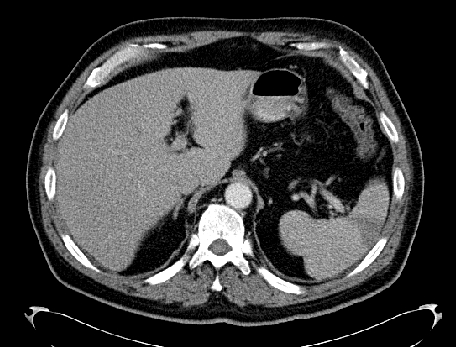 Which of the following is the best next step in management of this patient?
A) Antinuclear antibodies
B) Factor V Leiden mutation testing
C) Hemoglobin electrophoresis
D) Monospot test
E) Parvovirus antibodies
Correct Answer:

Verified
Q1148: A 24-year-old man is brought to the
Q1149: A 52-year-old man with a history of
Q1150: A 35-year-old woman comes to the office
Q1151: A 45-year-old woman is noted to have
Q1152: A 45-year-old man comes to the physician
Q1154: A 26-year-old woman is brought to the
Q1155: A 68-year-old man comes to the office
Q1156: A 42-year-old man comes to the office
Q1157: A 33-year-old man comes to the emergency
Q1158: A 43-year-old woman comes to the office
Unlock this Answer For Free Now!
View this answer and more for free by performing one of the following actions

Scan the QR code to install the App and get 2 free unlocks

Unlock quizzes for free by uploading documents