A 76-year-old woman comes to the emergency department with a 2-day history of lower abdominal pain. She also has mild nausea without vomiting. Her other medical problems include arthritis and constipation. Current medications include acetaminophen and docusate. Temperature is 37.9 C (100.2 F) , blood pressure is 144/92 mm Hg, and pulse is 90/min. Physical examination shows left lower quadrant tenderness on deep palpation. CT scan of the abdomen shows sigmoid diverticula and perisigmoid stranding suggestive of inflammation. The patient is started on oral ciprofloxacin and metronidazole. Three days later, she returns to the emergency department due to persistent abdominal pain, nausea, and fever. Her last bowel movement was 12 hours ago. Examination shows left lower quadrant tenderness without guarding or rebound. Repeat CT scan shows a 5-cm rim-enhancing perisigmoid fluid collection. Laboratory results are as follows: 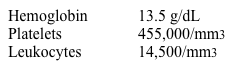 Which of the following is the most appropriate next step in management of this patient?
A) Intravenous broad-spectrum antibiotics and observation
B) Laparotomy for colonic resection
C) Laparotomy for drainage and debridement
D) Oral antibiotics, bowel rest, and observation
E) Percutaneous abscess drainage under CT guidance
Correct Answer:

Verified
Q334: A 46-year-old man is brought to the
Q335: A 56-year-old man comes to the office
Q336: A 75-year-old man comes to the office due
Q337: A 64-year-old man with a history of
Q338: A 25-year-old man comes to the emergency
Q340: A 40-year-old man is evaluated in the
Q341: A 65-year-old man comes to the office
Q342: A 44-year-old man who has had an
Q343: A 52-year-old woman comes to the office
Q344: A 70-year-old woman comes to the office
Unlock this Answer For Free Now!
View this answer and more for free by performing one of the following actions

Scan the QR code to install the App and get 2 free unlocks

Unlock quizzes for free by uploading documents