







 تكلم مع الذكاء الاصطناعي



Introduction to Psychology 10th Edition by Rod Plotnik,Haig Kouyoumdjian
النسخة 10الرقم المعياري الدولي: 978-1133939535Introduction to Psychology 10th Edition by Rod Plotnik,Haig Kouyoumdjian
النسخة 10الرقم المعياري الدولي: 978-1133939535 تمرين 38
Why the Debate over Teen Vaccination?
What if modern medicine could prevent three-quarters of the occurrences of a leading cause of cancer in women and save almost 300,000 lives each year? A major public health breakthrough makes this possible. The first vaccine to protect women against cervical cancer is now available, but it comes with much controversy.
Cervical cancer is caused by HPV (human papillomavirus), the most common sexually transmitted infection in the United States. Cervical cancer usually strikes when a woman is young, often before she has had children, and the treatment may cause infertility. Because cervical cancer is the leading cause of cancer death in women and its treatment has serious risks, prevention is essential.
A vaccine that prevents infection of four types of HPV and comes with minimal side effects is now available. The vaccine is 100% effective in targeting certain causes of cervical cancer that together make up about three-quarters of all cervical cancer cases. Despite its effectiveness and safety, the use of the vaccine has provoked considerable social controversy.
Because many teens contract HPV within only a few years after their first sexual experience, it is recommended that the vaccine be administered to girls during their early teens. Some conservative officials and parents oppose vaccinating teen girls, stating that the vaccine undermines their value of abstinence being the best method to avoid getting HPV. These same opponents fear that vaccinating young teens against a sexually transmitted infection, such as HPV, conveys approval to be sexually promiscuous.
Alan Kaye, the executive director of the National Cervical Cancer Coalition, disagrees with opponents who worry that the vaccination will result in girls becoming sexually promiscuous. He responds to these moral objections by comparing the vaccine to wearing a seat belt: "Just because you wear a seat belt doesn't mean you're seeking out an accident" (R. Stein, 2005b). Others argue the cervical cancer vaccine is no different from routine vaccines that protect children from diseases such as measles, polio, or chicken pox.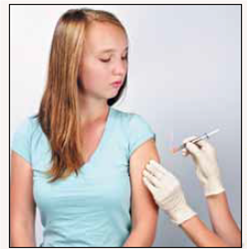
Concerns raised about the vaccine that are unrelated to morality include its high cost ($360), uncertainty about how long the vaccine will be effective, and possible side effects. Despite these concerns, about 35% of teenage girls have already received the HPV vaccine. Advocates are optimistic that up to 90% of teenage girls will eventually receive the HPV vaccine.
In addition to the HPV vaccine targeting the major causes of cervical cancer, it protects against the causes of 90% of all genital warts cases and may reduce the risk of oral cancer. Consequently, another social debate is deciding whether boys should be vaccinated as well. As of 2012, the American Academy of Pediatrics recommends the routine administration of the HPV vaccine for boys.
Question
What type of persuasion are advocates of the vaccine mostly using to pass legislation?
What if modern medicine could prevent three-quarters of the occurrences of a leading cause of cancer in women and save almost 300,000 lives each year? A major public health breakthrough makes this possible. The first vaccine to protect women against cervical cancer is now available, but it comes with much controversy.
Cervical cancer is caused by HPV (human papillomavirus), the most common sexually transmitted infection in the United States. Cervical cancer usually strikes when a woman is young, often before she has had children, and the treatment may cause infertility. Because cervical cancer is the leading cause of cancer death in women and its treatment has serious risks, prevention is essential.
A vaccine that prevents infection of four types of HPV and comes with minimal side effects is now available. The vaccine is 100% effective in targeting certain causes of cervical cancer that together make up about three-quarters of all cervical cancer cases. Despite its effectiveness and safety, the use of the vaccine has provoked considerable social controversy.
Because many teens contract HPV within only a few years after their first sexual experience, it is recommended that the vaccine be administered to girls during their early teens. Some conservative officials and parents oppose vaccinating teen girls, stating that the vaccine undermines their value of abstinence being the best method to avoid getting HPV. These same opponents fear that vaccinating young teens against a sexually transmitted infection, such as HPV, conveys approval to be sexually promiscuous.
Alan Kaye, the executive director of the National Cervical Cancer Coalition, disagrees with opponents who worry that the vaccination will result in girls becoming sexually promiscuous. He responds to these moral objections by comparing the vaccine to wearing a seat belt: "Just because you wear a seat belt doesn't mean you're seeking out an accident" (R. Stein, 2005b). Others argue the cervical cancer vaccine is no different from routine vaccines that protect children from diseases such as measles, polio, or chicken pox.
Concerns raised about the vaccine that are unrelated to morality include its high cost ($360), uncertainty about how long the vaccine will be effective, and possible side effects. Despite these concerns, about 35% of teenage girls have already received the HPV vaccine. Advocates are optimistic that up to 90% of teenage girls will eventually receive the HPV vaccine.
In addition to the HPV vaccine targeting the major causes of cervical cancer, it protects against the causes of 90% of all genital warts cases and may reduce the risk of oral cancer. Consequently, another social debate is deciding whether boys should be vaccinated as well. As of 2012, the American Academy of Pediatrics recommends the routine administration of the HPV vaccine for boys.
Question
What type of persuasion are advocates of the vaccine mostly using to pass legislation?
التوضيح موثّق
موثّق
موثّق
Legislation is defined as a method of en...

Introduction to Psychology 10th Edition by Rod Plotnik,Haig Kouyoumdjian

لماذا لم يعجبك هذا التمرين؟
أخرى 8 أحرف كحد أدنى و 255 حرفاً كحد أقصى
حرف 255






