



expand icon
book Clinical Laboratory Hematology 3rd Edition by Shirlyn McKenzie, Lynne Williams cover

Clinical Laboratory Hematology 3rd Edition by Shirlyn McKenzie, Lynne Williams

النسخة 3الرقم المعياري الدولي: 978-0133076011
book Clinical Laboratory Hematology 3rd Edition by Shirlyn McKenzie, Lynne Williams cover

Clinical Laboratory Hematology 3rd Edition by Shirlyn McKenzie, Lynne Williams

النسخة 3الرقم المعياري الدولي: 978-0133076011
تمرين 11
Heidi, a 54-day-old female, was admitted to the hospital because of recurrent respiratory distress and failure to gain weight. She was born prematurely at 35 weeks gestation by urgent Cesarean section. Her mother was immune to rubella and had negative serologic tests for syphilis.
Consider why the lymphatic system should be evaluated in this child and the possible etiology of repeated respiratory problems.
Admission CBC on Heidi was WBC: Heidi, a 54-day-old female, was admitted to the hospital because of recurrent respiratory distress and failure to gain weight. She was born prematurely at 35 weeks gestation by urgent Cesarean section. Her mother was immune to rubella and had negative serologic tests for syphilis.  Consider why the lymphatic system should be evaluated in this child and the possible etiology of repeated respiratory problems.  Admission CBC on Heidi was WBC:    Hct: 0.55 L/L; Plt:    and differential: 84% segs, 2% bands, 4% lymphocytes, 8% monocytes, and 2% eosinophils.  Heidi weighed 2 pounds 1 ounce at birth. Tests for CMV and toxoplasma infections were negative. At 4 days of age, she was transferred to a special facility for feeding and growth monitoring. She developed a diaper rash that failed to respond to many measures. No thrush was found. At 44 days, she developed pneumonia from coagulase-negative staphylococci that responded to antibiotics. Her WBC count was    with a differential of segs 42%, bands 5%, lymphocytes 1%, monocytes 28%, eosinophils 23%, and basophils 1%.  All of Heidi's immunoglobulin levels were decreased. T and B lymphocyte counts were severely decreased. The peripheral blood smear showed anisocytosis, poikilocytosis (schistocytes), polychromatophilia, and two nucleated RBCs/100 WBCs. Her thymus was not detectable on chest films.  If she has a congenital immune deficiency, is it more likely that she has X-linked or autosomal SCIDS?
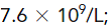


Hct: 0.55 L/L; Plt: Heidi, a 54-day-old female, was admitted to the hospital because of recurrent respiratory distress and failure to gain weight. She was born prematurely at 35 weeks gestation by urgent Cesarean section. Her mother was immune to rubella and had negative serologic tests for syphilis.  Consider why the lymphatic system should be evaluated in this child and the possible etiology of repeated respiratory problems.  Admission CBC on Heidi was WBC:    Hct: 0.55 L/L; Plt:    and differential: 84% segs, 2% bands, 4% lymphocytes, 8% monocytes, and 2% eosinophils.  Heidi weighed 2 pounds 1 ounce at birth. Tests for CMV and toxoplasma infections were negative. At 4 days of age, she was transferred to a special facility for feeding and growth monitoring. She developed a diaper rash that failed to respond to many measures. No thrush was found. At 44 days, she developed pneumonia from coagulase-negative staphylococci that responded to antibiotics. Her WBC count was    with a differential of segs 42%, bands 5%, lymphocytes 1%, monocytes 28%, eosinophils 23%, and basophils 1%.  All of Heidi's immunoglobulin levels were decreased. T and B lymphocyte counts were severely decreased. The peripheral blood smear showed anisocytosis, poikilocytosis (schistocytes), polychromatophilia, and two nucleated RBCs/100 WBCs. Her thymus was not detectable on chest films.  If she has a congenital immune deficiency, is it more likely that she has X-linked or autosomal SCIDS?
and differential: 84% segs, 2% bands, 4% lymphocytes, 8% monocytes, and 2% eosinophils.
Heidi weighed 2 pounds 1 ounce at birth. Tests for CMV and toxoplasma infections were negative. At 4 days of age, she was transferred to a special facility for feeding and growth monitoring. She developed a diaper rash that failed to respond to many measures. No thrush was found. At 44 days, she developed pneumonia from coagulase-negative staphylococci that responded to antibiotics. Her WBC count was Heidi, a 54-day-old female, was admitted to the hospital because of recurrent respiratory distress and failure to gain weight. She was born prematurely at 35 weeks gestation by urgent Cesarean section. Her mother was immune to rubella and had negative serologic tests for syphilis.  Consider why the lymphatic system should be evaluated in this child and the possible etiology of repeated respiratory problems.  Admission CBC on Heidi was WBC:    Hct: 0.55 L/L; Plt:    and differential: 84% segs, 2% bands, 4% lymphocytes, 8% monocytes, and 2% eosinophils.  Heidi weighed 2 pounds 1 ounce at birth. Tests for CMV and toxoplasma infections were negative. At 4 days of age, she was transferred to a special facility for feeding and growth monitoring. She developed a diaper rash that failed to respond to many measures. No thrush was found. At 44 days, she developed pneumonia from coagulase-negative staphylococci that responded to antibiotics. Her WBC count was    with a differential of segs 42%, bands 5%, lymphocytes 1%, monocytes 28%, eosinophils 23%, and basophils 1%.  All of Heidi's immunoglobulin levels were decreased. T and B lymphocyte counts were severely decreased. The peripheral blood smear showed anisocytosis, poikilocytosis (schistocytes), polychromatophilia, and two nucleated RBCs/100 WBCs. Her thymus was not detectable on chest films.  If she has a congenital immune deficiency, is it more likely that she has X-linked or autosomal SCIDS?
with a differential of segs 42%, bands 5%, lymphocytes 1%, monocytes 28%, eosinophils 23%, and basophils 1%.
All of Heidi's immunoglobulin levels were decreased. T and B lymphocyte counts were severely decreased. The peripheral blood smear showed anisocytosis, poikilocytosis (schistocytes), polychromatophilia, and two nucleated RBCs/100 WBCs. Her thymus was not detectable on chest films.
If she has a congenital immune deficiency, is it more likely that she has X-linked or autosomal SCIDS?
التوضيح
موثّق
like image
like image

The patient's T and B lymphocyte count g...

close menu
Clinical Laboratory Hematology 3rd Edition by Shirlyn McKenzie, Lynne Williams
cross icon

