







 تكلم مع الذكاء الاصطناعي


Criminology 11th Edition by Larry Siegel
النسخة 11الرقم المعياري الدولي: 978-0495912460Criminology 11th Edition by Larry Siegel
النسخة 11الرقم المعياري الدولي: 978-0495912460 تمرين 1
Breaking and Entering?
A federal appellate judge asks your opinion about a tricky case. It seems that at 3 A.M. the local police were called about a loud party. When they arrived, they heard shouting inside, proceeded down the driveway, and saw two juveniles drinking beer in the backyard. Entering the yard, they saw through a screen door and windows an altercation in the kitchen between four adults and a juvenile, who punched one of the adults, causing him to spit blood in a sink. A police officer opened the screen door and announced his presence. Without a search warrant, the officer entered the kitchen and again cried out, whereupon the altercation gradually subsided. The officers arrested the adults and charged them with contributing to the delinquency of a minor and related offenses. However, the trial court granted the defendants' motion to suppress all evidence obtained after the officers entered the home on the grounds that the warrantless entry violated the Fourth Amendment. According to state and federal law, one exigency eliminating the need for a search warrant is the need to render emergency assistance to occupants of private property who are seriously injured or threatened with such injury. However, the trial judge concluded that the juvenile's punch was insufficient to trigger the "emergency aid doctrine" because it did not give rise to an objectively reasonable belief that an unconscious, semiconscious, or missing person feared injured or dead was in the home. Furthermore, the judge suggested the doctrine was inapplicable because the officers had not sought to assist the injured adult but had acted exclusively in a law enforcement capacity.
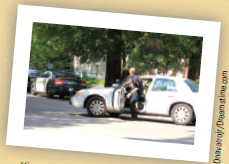
The appellate court judge has asked your advice on the ethics of the arrest and seizure of evidence. What would you advise? Write a brief paper explaining your position. Even though you are a trained criminologist, you may want to read over the case of Brigham City v. Stuart at www.law.arizona.edu/frontpage/Events/ pdf/05-502.pdf.
A federal appellate judge asks your opinion about a tricky case. It seems that at 3 A.M. the local police were called about a loud party. When they arrived, they heard shouting inside, proceeded down the driveway, and saw two juveniles drinking beer in the backyard. Entering the yard, they saw through a screen door and windows an altercation in the kitchen between four adults and a juvenile, who punched one of the adults, causing him to spit blood in a sink. A police officer opened the screen door and announced his presence. Without a search warrant, the officer entered the kitchen and again cried out, whereupon the altercation gradually subsided. The officers arrested the adults and charged them with contributing to the delinquency of a minor and related offenses. However, the trial court granted the defendants' motion to suppress all evidence obtained after the officers entered the home on the grounds that the warrantless entry violated the Fourth Amendment. According to state and federal law, one exigency eliminating the need for a search warrant is the need to render emergency assistance to occupants of private property who are seriously injured or threatened with such injury. However, the trial judge concluded that the juvenile's punch was insufficient to trigger the "emergency aid doctrine" because it did not give rise to an objectively reasonable belief that an unconscious, semiconscious, or missing person feared injured or dead was in the home. Furthermore, the judge suggested the doctrine was inapplicable because the officers had not sought to assist the injured adult but had acted exclusively in a law enforcement capacity.
The appellate court judge has asked your advice on the ethics of the arrest and seizure of evidence. What would you advise? Write a brief paper explaining your position. Even though you are a trained criminologist, you may want to read over the case of Brigham City v. Stuart at www.law.arizona.edu/frontpage/Events/ pdf/05-502.pdf.
التوضيح موثّق
موثّق
موثّق
Advice to the judge of appellate court: ...

Criminology 11th Edition by Larry Siegel

لماذا لم يعجبك هذا التمرين؟
أخرى 8 أحرف كحد أدنى و 255 حرفاً كحد أقصى
حرف 255






