







 تكلم مع الذكاء الاصطناعي


Leadership 5th Edition by Larry Siegel, Robert Lussier, Robert Lussier, Christopher Achua, Christopher Achua
النسخة 5الرقم المعياري الدولي: 9781133711896Leadership 5th Edition by Larry Siegel, Robert Lussier, Robert Lussier, Christopher Achua, Christopher Achua
النسخة 5الرقم المعياري الدولي: 9781133711896 تمرين 21
In January 2005, Wedbush Securities stock analysts Michael Pachter called Netflix a "worthless piece of crap." He put a price target of $3 on the stock that was trading at around $11. Doubters thought Blockbuster, Walmart, or Amazon.com, with their economies of scale and established customer bases would simply destroy Netflix. Founder and CEO Reed Hastings wasn't supposed to be Fortune's Businessperson of the Year in 2010, five years after his demise was predicted. Not only did Hasting earn the No. 1 spot, he and Netflix also killed it. Netflix was the stock of the year, up more than 200 percent in 2010, while the S P 500 was up only 7 percent. Netflix shares ran laps around even Apple's. 76 In July 2011, the stock was selling in the $280-290 range. 77 Don't you wish you bought it back in 2005 when it was selling for $11?
So how did Hastings do it? A lot of his success is based on how he built his company on a hard-driving and risktaking culture, and Hastings never stops looking over his shoulder to stay one step ahead of the competition. Unlike Blockbuster, which went into bankruptcy, Netflix wasn't afraid to change its business model by cannibalizing its own customers. His strategy is paying off as 66 percent of Netflix subscribers are doing some streaming of video content. 78 Compare this to Blockbuster; they were too slow to offer mail order service, which led to Netflix taking its customers away. But the surprising thing is that mail DVD subscriptions continued to increase into 2011, so the two services together helped make Netflix so successful. 79
Let's talk about Hastings's leadership style that led to success. It has changed over the years between the two companies he created. As a young founding CEO of Pure Software, Hastings was considered as hard headed as they come and couldn't take criticism. He used the autocratic style to push for his ways of doing things, and he sometimes embarrassed employees with nonverbal eye rolling and critical comments about dumb ideas. So much so that Hastings earned the nickname "Animal." Hastings sold Pure for $750 million, and it made him realize he had helped build a company he didn't want to be part of. 80
So when he used the money to start Netflix, as CEO Hastings was determined to create a culture in which people enjoyed coming to every day. He wanted the company to be run differently, so he changed his style to be participative. He is more honest and direct with employees, but not confrontational, but he still has a Steve Jobs-like perfectionist streak. Instead of simply telling others what to do, he actively seeks out ideas and advice from his employees. Now when he hears ideas that seem silly, he doesn't roll his eyes and humiliate employees by making critical comments about the idea or person being dumb. Hastings digs deeper by responding with comments like, "I don't understand how your idea will work, so help me to understand how it will solve the problem." 81
Hastings was ahead of the technology curve. Even back in 1997 when Hastings cofounded Netflix, he anticipated that consumers would eventually prefer to get movies instantly delivered via the Internet. This is actually amazing foresight because back then less than 7 percent of U.S. homes even had broadband. Hastings actually had a team working on the technology to bring movies to the home via the Internet back in 2000. They even developed a Netflixbranded box with a hard drive that connected to your movie queue, but it took six hours to download a movie back in the early 2000s. Once Hastings saw YouTube videos, he killed the hard-drive device and put this team to work on a streaming machine, a sort of YouTube-in-a-box. This again was meant to be a branded piece of hardware produced and sold by Netflix. However, even though they built the technology, once again Hasting killed the idea in favor of software that could be embedded in all kinds of devices- the software today is known as apps. 82
No. This wasn't wasted time. Netflix built on this base to be able to come out streaming a year and a half, in 2007, after YouTube showed the world instant viewing over the Internet.83 Also, it spun off the hardware technology into an existing company called Roku, which today makes a digital device that plays content via software from Netflix, as well as Hulu, Amazon and others. Netflix's cost to roundtrip a video by mail, including labor fees, is $1 versus 5 cents for streaming the same movie. 84
A major reason for the jump in stock prices was the fact that Netflix cut a deal with Epix, a three-studio joint venture, to stream relatively new movies from Paramount, Lions Gate, and MGM. The deal is valued at $1 billion over five years. Viacom owns a majority stake in Epix, and its CEO was involved in making the deal. 85
With streaming, Netflix is now stealing customers from cable and pay movie channels HBO, Showtime, and Starz as their customer numbers are down or level while Netflix continues to increase. 86 Netflix subscribers are reaching 25 million in 2011. It has more subscribers than the Comcast cable company. In fact, it is the world's leading Internet subscription service for enjoying movies and TV shows.87 Plus, it is growing fast. It went international in 2010 by expanding its streaming first in Canada, where it had no present customer DVD mail service base. It was a great success, so it plans to launch streaming-only around the world.88 Next it went to 43 countries in Latin America and the Caribbean. 89 It takes one to three years for a new country to be profitable, and Canada took only a year, which is extraordinary. 90
Netflix TV-everywhere model is clearly working. 91 You can instantly watch TV episodes and movies and Netflix is even working on offering original content.92 Watch right on your TV with Wii™, PS3™, and Xbox 360. You can also stream instantly from certain Internet-connected HDTVs, Blu-ray players, and more. Of course, watch on your computer, and your Apple iPhone, iPad or selected Android phones. In all, more than 200 devices that stream from Netflix are available in the United States and a growing number are available in Canada.93 Customers get all these options with a free one month trial and then for just $7.99 per month.94 To push its members to stop using the more expensive mail and only use streaming, Netflix raised its combined mail and stream by 60 percent to $15.98 in July 2011, double the cost of streaming only.95 This strategic move angered customers and around 1 million dropped Netflix, resulting in a 19 percent drop in its stock price.96 Hastings renamed the DVD business Qwikster, and made the snail mail a separate subsidiary with its own billing system, website, and list of movies. 97
Does this mean that Netflix doesn't face any future threats? As Hastings admits, there are plenty of challenges ahead. Pundits and analysts like Pachter now are warning that Netflix could be crushed or acquired by the likes of Google or Apple. Amazon.com was developing a Netflix-like subscription in 2010. 98 Anyone can come after Netflix by streaming bits via contracts with data-delivery companies like Level 3, Limelight, and Akamai. Who knows what Facebook will come up with? Also, Netflix has to pay the studios for contents, which can be locked up in "windows" for years following theatrical and DVD release. Content acquisition costs could go through the roof. But Hastings is confident, as he enjoys solving subtle yet tough problems alongside the smartest people he can find. He said, "For me the thrill is making a contribution by solving hard problems." 99 Only time will tell if he can stay ahead of the competition and technology curve.
Go to the Internet: To learn more about Reed Hastings and Netflix, visit their Web site (http://www.netflix.com).
Support your answers to the following questions with specific information from the case and text or with other information you get from the Web or other sources.
1. How did Hastings change his use of communications in sending and receiving messages from Pure Software to Netflix?
2. How did Hastings change his use of feedback from Pure Software to Netflix?
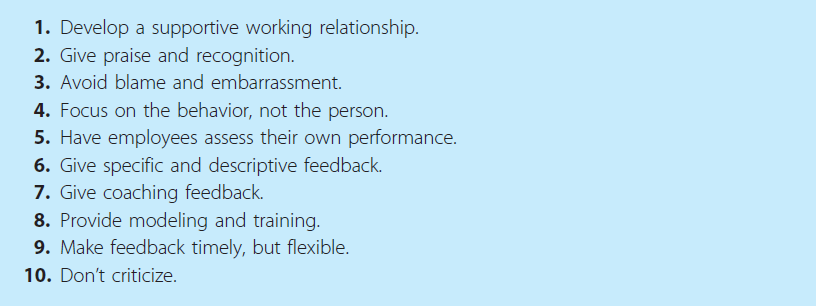
3. How did Hastings change his use of coaching guidelines (Exhibit 6.3) from Pure Software to Netflix?
4. Which conflict management style did Hastings tend to use at Pure and Netflix?
5. In making a deal with Epix, which conflict management style was most likely used by Netflix? 6. How would you improve Netflix's product offerings (i.e., what things can't you watch that you would like to watch) or processes (i.e., how can it improve its delivery or service)?
C U M U L A T I V E C A S E Q U E S T I O N S
7. Which level or levels of analysis and leadership paradigm are presented in this case, and did Hastings use the management or leadership paradigm (Chapter 1)?
8. How did Hastings's Big Five model of personality leadership traits change from Pure Software to Netflix (Chapter 2)?
9. Which University of Iowa leadership styles did Hastings use at Pure Software and Netflix (Chapter 3)?
10. Explain how power, organizational politics, networking, and negotiation are, or are not, discussed in the case (Chapter 5)?
C A S E E X E R C I S E A N D R O L E - P L A Y
Preparation: An important part of success is to continually improve products and processes. So we are going to use answers to case question 6.
In-Class Groups: Break into groups of four to six members, and develop a list of improvements for Netflix. Select a spokesperson to record the ideas and then present them to Hastings in front of the class.
Role-Play: One person from each group at a time presents the group's suggested improvements to Hastings (played by the professor or one or more students as a committee). During, and/or after the presentation, Hastings and/or committee members ask questions and make comments on the ideas. Are the ideas practical? Would you consider implementing the ideas? What research would you need to make a decision?
(Reference Exhibit 6.3)
So how did Hastings do it? A lot of his success is based on how he built his company on a hard-driving and risktaking culture, and Hastings never stops looking over his shoulder to stay one step ahead of the competition. Unlike Blockbuster, which went into bankruptcy, Netflix wasn't afraid to change its business model by cannibalizing its own customers. His strategy is paying off as 66 percent of Netflix subscribers are doing some streaming of video content. 78 Compare this to Blockbuster; they were too slow to offer mail order service, which led to Netflix taking its customers away. But the surprising thing is that mail DVD subscriptions continued to increase into 2011, so the two services together helped make Netflix so successful. 79
Let's talk about Hastings's leadership style that led to success. It has changed over the years between the two companies he created. As a young founding CEO of Pure Software, Hastings was considered as hard headed as they come and couldn't take criticism. He used the autocratic style to push for his ways of doing things, and he sometimes embarrassed employees with nonverbal eye rolling and critical comments about dumb ideas. So much so that Hastings earned the nickname "Animal." Hastings sold Pure for $750 million, and it made him realize he had helped build a company he didn't want to be part of. 80
So when he used the money to start Netflix, as CEO Hastings was determined to create a culture in which people enjoyed coming to every day. He wanted the company to be run differently, so he changed his style to be participative. He is more honest and direct with employees, but not confrontational, but he still has a Steve Jobs-like perfectionist streak. Instead of simply telling others what to do, he actively seeks out ideas and advice from his employees. Now when he hears ideas that seem silly, he doesn't roll his eyes and humiliate employees by making critical comments about the idea or person being dumb. Hastings digs deeper by responding with comments like, "I don't understand how your idea will work, so help me to understand how it will solve the problem." 81
Hastings was ahead of the technology curve. Even back in 1997 when Hastings cofounded Netflix, he anticipated that consumers would eventually prefer to get movies instantly delivered via the Internet. This is actually amazing foresight because back then less than 7 percent of U.S. homes even had broadband. Hastings actually had a team working on the technology to bring movies to the home via the Internet back in 2000. They even developed a Netflixbranded box with a hard drive that connected to your movie queue, but it took six hours to download a movie back in the early 2000s. Once Hastings saw YouTube videos, he killed the hard-drive device and put this team to work on a streaming machine, a sort of YouTube-in-a-box. This again was meant to be a branded piece of hardware produced and sold by Netflix. However, even though they built the technology, once again Hasting killed the idea in favor of software that could be embedded in all kinds of devices- the software today is known as apps. 82
No. This wasn't wasted time. Netflix built on this base to be able to come out streaming a year and a half, in 2007, after YouTube showed the world instant viewing over the Internet.83 Also, it spun off the hardware technology into an existing company called Roku, which today makes a digital device that plays content via software from Netflix, as well as Hulu, Amazon and others. Netflix's cost to roundtrip a video by mail, including labor fees, is $1 versus 5 cents for streaming the same movie. 84
A major reason for the jump in stock prices was the fact that Netflix cut a deal with Epix, a three-studio joint venture, to stream relatively new movies from Paramount, Lions Gate, and MGM. The deal is valued at $1 billion over five years. Viacom owns a majority stake in Epix, and its CEO was involved in making the deal. 85
With streaming, Netflix is now stealing customers from cable and pay movie channels HBO, Showtime, and Starz as their customer numbers are down or level while Netflix continues to increase. 86 Netflix subscribers are reaching 25 million in 2011. It has more subscribers than the Comcast cable company. In fact, it is the world's leading Internet subscription service for enjoying movies and TV shows.87 Plus, it is growing fast. It went international in 2010 by expanding its streaming first in Canada, where it had no present customer DVD mail service base. It was a great success, so it plans to launch streaming-only around the world.88 Next it went to 43 countries in Latin America and the Caribbean. 89 It takes one to three years for a new country to be profitable, and Canada took only a year, which is extraordinary. 90
Netflix TV-everywhere model is clearly working. 91 You can instantly watch TV episodes and movies and Netflix is even working on offering original content.92 Watch right on your TV with Wii™, PS3™, and Xbox 360. You can also stream instantly from certain Internet-connected HDTVs, Blu-ray players, and more. Of course, watch on your computer, and your Apple iPhone, iPad or selected Android phones. In all, more than 200 devices that stream from Netflix are available in the United States and a growing number are available in Canada.93 Customers get all these options with a free one month trial and then for just $7.99 per month.94 To push its members to stop using the more expensive mail and only use streaming, Netflix raised its combined mail and stream by 60 percent to $15.98 in July 2011, double the cost of streaming only.95 This strategic move angered customers and around 1 million dropped Netflix, resulting in a 19 percent drop in its stock price.96 Hastings renamed the DVD business Qwikster, and made the snail mail a separate subsidiary with its own billing system, website, and list of movies. 97
Does this mean that Netflix doesn't face any future threats? As Hastings admits, there are plenty of challenges ahead. Pundits and analysts like Pachter now are warning that Netflix could be crushed or acquired by the likes of Google or Apple. Amazon.com was developing a Netflix-like subscription in 2010. 98 Anyone can come after Netflix by streaming bits via contracts with data-delivery companies like Level 3, Limelight, and Akamai. Who knows what Facebook will come up with? Also, Netflix has to pay the studios for contents, which can be locked up in "windows" for years following theatrical and DVD release. Content acquisition costs could go through the roof. But Hastings is confident, as he enjoys solving subtle yet tough problems alongside the smartest people he can find. He said, "For me the thrill is making a contribution by solving hard problems." 99 Only time will tell if he can stay ahead of the competition and technology curve.
Go to the Internet: To learn more about Reed Hastings and Netflix, visit their Web site (http://www.netflix.com).
Support your answers to the following questions with specific information from the case and text or with other information you get from the Web or other sources.
1. How did Hastings change his use of communications in sending and receiving messages from Pure Software to Netflix?
2. How did Hastings change his use of feedback from Pure Software to Netflix?
3. How did Hastings change his use of coaching guidelines (Exhibit 6.3) from Pure Software to Netflix?
4. Which conflict management style did Hastings tend to use at Pure and Netflix?
5. In making a deal with Epix, which conflict management style was most likely used by Netflix? 6. How would you improve Netflix's product offerings (i.e., what things can't you watch that you would like to watch) or processes (i.e., how can it improve its delivery or service)?
C U M U L A T I V E C A S E Q U E S T I O N S
7. Which level or levels of analysis and leadership paradigm are presented in this case, and did Hastings use the management or leadership paradigm (Chapter 1)?
8. How did Hastings's Big Five model of personality leadership traits change from Pure Software to Netflix (Chapter 2)?
9. Which University of Iowa leadership styles did Hastings use at Pure Software and Netflix (Chapter 3)?
10. Explain how power, organizational politics, networking, and negotiation are, or are not, discussed in the case (Chapter 5)?
C A S E E X E R C I S E A N D R O L E - P L A Y
Preparation: An important part of success is to continually improve products and processes. So we are going to use answers to case question 6.
In-Class Groups: Break into groups of four to six members, and develop a list of improvements for Netflix. Select a spokesperson to record the ideas and then present them to Hastings in front of the class.
Role-Play: One person from each group at a time presents the group's suggested improvements to Hastings (played by the professor or one or more students as a committee). During, and/or after the presentation, Hastings and/or committee members ask questions and make comments on the ideas. Are the ideas practical? Would you consider implementing the ideas? What research would you need to make a decision?
(Reference Exhibit 6.3)
التوضيح


هذا السؤال ليس له إجابة موثقة من أحد الخبراء بعد، دع الذكاء الاصطناعي Copilot في كويز بلس يساعدك في إيجاد الحل.

Leadership 5th Edition by Larry Siegel, Robert Lussier, Robert Lussier, Christopher Achua, Christopher Achua

لماذا لم يعجبك هذا التمرين؟
أخرى 8 أحرف كحد أدنى و 255 حرفاً كحد أقصى
حرف 255






