







 تكلم مع الذكاء الاصطناعي


Marketing 16th Edition by William Pride,Ferrell
النسخة 16الرقم المعياري الدولي: 978-1111526191Marketing 16th Edition by William Pride,Ferrell
النسخة 16الرقم المعياري الدولي: 978-1111526191 تمرين 5
Chicago-based Washburn Guitars THINKING has been making guitars, banjos, and , mandolins for every kind of music and every kind of budget since 1883. Whether they play blues or bluegrass, heavy metal or hard rock, musicians and music students buy Washburn instruments for their sound quality, solid craftsmanship, and good looks. Professionals especially appreciate the way Washburn guitars stand up to the wear and tear of lengthy concert tours.
Washburn offers six product lines: electric guitars, acoustic guitars, bass guitars, bluegrass instruments, classical guitars, and travel guitars. More than two dozen of its guitars are designated as "Signature" models designed by well-known musicians, such as Dan Donegan of Disturbed, Scott Ian of Anthrax, Joe Trohman of Fall Out Boy, Nick Catanese of Black Label Society, Paul Stanley of Kiss, Nuno Bettencourt of Extreme, and Greg Tribbett of Mudvayne. These names add luster to the Washburn brand and enhance the perceived value of the specially designed Signature models.
In setting the manufacturer's suggested retail price for each product, the company has established four broad price points. At the low end, products that sell for $349 or less are entry level. Products that sell for $350 to $999 are intermediate level, and products that sell for $1,000 to $3,000 are professional level. At the high end, products that sell for more than $3,000 are collectors' level. At every level, Washburn promises that each of its instruments "represents the finest quality at the best possible price."
The guitars made in Washburn's U.S. factory are priced at $2,259 and up, reflecting the high cost of handcrafting. These guitars are perceived to be high quality and are therefore in high demand among professional musicians. In fact, Washburn has a six- to nine-month backlog of orders for its U.S.-made guitars. Its highest-priced guitars-the few Signature models that sell for $5,000 or more-not only influence customers' perceptions of Washburn quality, they also attract attention and get people talking about the brand.
Apart from the high-end models, Washburn's instruments are machine-manufactured outside the United States. This keeps both fixed and variable costs lower than in the U.S. factories. Although Washburn's variable costs go down as its manufacturing volume rises, the company has found that changing equipment to make different models takes time and adds to its costs. Washburn sells its instruments through independent retailers in the United States, Canada, and several dozen countries worldwide. These stores receive quantity discounts for large orders and expect to cam a certain profit margin based on a percentage of the manufacturer's suggested retail price for each product. Although the stores now face intense price competition from online-only retailers that have lower fixed costs, Washburn insists that its authorized retailers not offer discounts below certain minimum prices. Stores that price Washburn products lower than the company's minimum receive a warning, and if they don't change their prices, they are removed from the list of authorized retailers and receive no more shipments.
Washburn's advertising campaigns include magazine and television commercials spotlighting the star quality of the performers and the particular Washburn guitarvthey prefer, without mentioning prices. Recent campaigns included pod-casts that showed Washburn's skilled employees carefully crafting Signature guitars for Nick Catanese and other musicians. Washburn has a strong online presence, including a virtual catalog and a MySpace page with a company blog and information about selected products and the performers who use them. Even after more than 125 years in the music business, Washburn still keeps its marketing-including its pricing-as fresh as the newest number-one hit song.
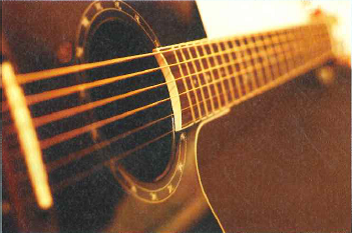
1. Is Washburn using price or nonprice competition? Explain your answer.
2. What effect do you think a manufacturer's suggested retail price is likely to have on customers who buy Washburn guitars from a local music store?
3. Which factors shown in Figure 20.8 are likely to have a major impact on pricing decisions at Washburn?
Washburn offers six product lines: electric guitars, acoustic guitars, bass guitars, bluegrass instruments, classical guitars, and travel guitars. More than two dozen of its guitars are designated as "Signature" models designed by well-known musicians, such as Dan Donegan of Disturbed, Scott Ian of Anthrax, Joe Trohman of Fall Out Boy, Nick Catanese of Black Label Society, Paul Stanley of Kiss, Nuno Bettencourt of Extreme, and Greg Tribbett of Mudvayne. These names add luster to the Washburn brand and enhance the perceived value of the specially designed Signature models.
In setting the manufacturer's suggested retail price for each product, the company has established four broad price points. At the low end, products that sell for $349 or less are entry level. Products that sell for $350 to $999 are intermediate level, and products that sell for $1,000 to $3,000 are professional level. At the high end, products that sell for more than $3,000 are collectors' level. At every level, Washburn promises that each of its instruments "represents the finest quality at the best possible price."
The guitars made in Washburn's U.S. factory are priced at $2,259 and up, reflecting the high cost of handcrafting. These guitars are perceived to be high quality and are therefore in high demand among professional musicians. In fact, Washburn has a six- to nine-month backlog of orders for its U.S.-made guitars. Its highest-priced guitars-the few Signature models that sell for $5,000 or more-not only influence customers' perceptions of Washburn quality, they also attract attention and get people talking about the brand.
Apart from the high-end models, Washburn's instruments are machine-manufactured outside the United States. This keeps both fixed and variable costs lower than in the U.S. factories. Although Washburn's variable costs go down as its manufacturing volume rises, the company has found that changing equipment to make different models takes time and adds to its costs. Washburn sells its instruments through independent retailers in the United States, Canada, and several dozen countries worldwide. These stores receive quantity discounts for large orders and expect to cam a certain profit margin based on a percentage of the manufacturer's suggested retail price for each product. Although the stores now face intense price competition from online-only retailers that have lower fixed costs, Washburn insists that its authorized retailers not offer discounts below certain minimum prices. Stores that price Washburn products lower than the company's minimum receive a warning, and if they don't change their prices, they are removed from the list of authorized retailers and receive no more shipments.
Washburn's advertising campaigns include magazine and television commercials spotlighting the star quality of the performers and the particular Washburn guitarvthey prefer, without mentioning prices. Recent campaigns included pod-casts that showed Washburn's skilled employees carefully crafting Signature guitars for Nick Catanese and other musicians. Washburn has a strong online presence, including a virtual catalog and a MySpace page with a company blog and information about selected products and the performers who use them. Even after more than 125 years in the music business, Washburn still keeps its marketing-including its pricing-as fresh as the newest number-one hit song.
1. Is Washburn using price or nonprice competition? Explain your answer.
2. What effect do you think a manufacturer's suggested retail price is likely to have on customers who buy Washburn guitars from a local music store?
3. Which factors shown in Figure 20.8 are likely to have a major impact on pricing decisions at Washburn?
التوضيح موثّق
موثّق
موثّق
(1)
This company is using non-price comp...

Marketing 16th Edition by William Pride,Ferrell

لماذا لم يعجبك هذا التمرين؟
أخرى 8 أحرف كحد أدنى و 255 حرفاً كحد أقصى
حرف 255






