







 تكلم مع الذكاء الاصطناعي


Marketing 16th Edition by William Pride,Ferrell
النسخة 16الرقم المعياري الدولي: 978-1111526191Marketing 16th Edition by William Pride,Ferrell
النسخة 16الرقم المعياري الدولي: 978-1111526191 تمرين 1
Founded in 1988, Organic Valley is one of the nation's largest organic dairy cooperatives with more than 1,600 farm families in 32 states. Organic Valley works with small, independent organic dairy farmers, ensuring a high standard of quality and a fair price for farmer output. The cooperative produces an ever-expanding line of 200 Organic Valley-branded dairy foods and beverages, including milks, cheeses, yogurts, and eggs. Some Organic Valley farmers also market Meats, juices, butter, fruits, and vegetables under the cooperative's brand.
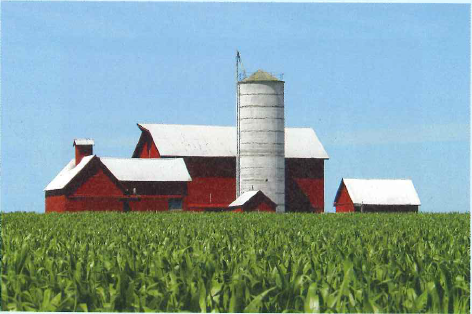
Paul Deutsch of Sweet Ridge Organic Dairy Farm is a member of the Organic Valley cooperative. After working for some time at a conventional commercial dairy farm, Deutsch became fed up over the condition of the animals, the drugs administered to animals, and the amount of pollution that the factory farms caused. lit determined that large conventional farms produced an inferior product with less taste and Ins nutritional value. Deutsch purchased his own land so he could work on his own terms-cultivating healthier land and healthier, more productive cows. By the late 1990s, his farm was certified organic and soon after, he became a member of Organic Valley. Deutsch now benefits from the good reputation and extensive distribution channels of Organic Valle) as well as the large network of knowledge and support of fellow organic farmers.
The life of an organic farmer is not easy: keeping plants and animals healthy without chemicals can be labor intensive and complicated, and ensuring compliance with the myriad of regulatory standards that govern organic foods can be daunting. Yet as organics move into the mainstream, marketing such products has become considerably easier. Changing consumer attitudes toward organic products has profoundly affected how, when, where, and what people buy. As consumers hear news of salmonella-tainted vegetables, infected meat, and the harmful environmental effects of conventional farming, they are more likely to buy and eat organic foods. Media coverage has built public awareness of organic products as a nutritious and environmentally friendly alternative to conventionally produced foods.
For nearly 15 years, the entire organic industry enjoyed 20 percent annual growth rates. During the same period, sales of organic dairy products grew by 27 percent annually. However, while the global economy was in recession, sales of organic dairy goods barely grew. Organic Valley has felt the effects of this challenging situation. After 21 consecutive years of steady sales growth, Organic Valley's annual revenue experienced a slight dip for the first time in 2009, to $520 million.
On the other hand, thanks to the "buy local" movement and heightened knowledge of organic products' benefits, com-munity farmers' markets have sever been so popular. Organic grocers, like Whole Foods, are as large as and more profitable than conventional supermarkets. Organic food brands, once available only in specialty shops and health food stores, are showing up in all supermarkets. Also, farmers benefit from higher profit margins and healthier, chemical-free WO environments.
While organic has not caught on in all parts of the country, it is a growing trend that has afforded the likes of Deutsch a means of doing what he loves while supplying the marketplace with nutritious, safe products. Consumer demand is driving the expansion of the organic industry and providing brands like Organic Valley with increased distribution opportunities. Because Organic Valley is a cooperative. as it expands and rakes on new members, farmers like Deutsch can directly ben-elk from growth of Organic Valley as well as the industry at large. The cooperative model also encourages collaboration, not competition, between other members of the co-op. For example, to learn from each other, Deutsch and other farmers in the region get together periodically to share advice, knowl-edge, and methods so that they can all benefit from the best practices of their
Organic Valley and other co-ops like it are concerned not only about the health of the cows and the environment but also with the well-being of small farmers and their communities. Therefore, the Organic Valley cooperative has developed a profit-during model in which farmers and employees each receive 45 percent of the profits and their communities receive the remaining 10 per-cent. This model not only builds loyal producers; it also encourages a growing base of loyal consumers as more people recognize the health benefits of organic products and the good things die cooperative does for small farming communities. These trends are opening doors and providing competitive advantages for Deutsch and foe all of Organic Valleys members.
1. Has Organic Valley differentiated its product offerings from those of traditional dairies?
2. How do economic forces appear to be affecting Organic Valley's marketing performance?
3. What role do legal and regulatory forces seem to be playing in the marketing environment for organic foods and Organic Valley?
Paul Deutsch of Sweet Ridge Organic Dairy Farm is a member of the Organic Valley cooperative. After working for some time at a conventional commercial dairy farm, Deutsch became fed up over the condition of the animals, the drugs administered to animals, and the amount of pollution that the factory farms caused. lit determined that large conventional farms produced an inferior product with less taste and Ins nutritional value. Deutsch purchased his own land so he could work on his own terms-cultivating healthier land and healthier, more productive cows. By the late 1990s, his farm was certified organic and soon after, he became a member of Organic Valley. Deutsch now benefits from the good reputation and extensive distribution channels of Organic Valle) as well as the large network of knowledge and support of fellow organic farmers.
The life of an organic farmer is not easy: keeping plants and animals healthy without chemicals can be labor intensive and complicated, and ensuring compliance with the myriad of regulatory standards that govern organic foods can be daunting. Yet as organics move into the mainstream, marketing such products has become considerably easier. Changing consumer attitudes toward organic products has profoundly affected how, when, where, and what people buy. As consumers hear news of salmonella-tainted vegetables, infected meat, and the harmful environmental effects of conventional farming, they are more likely to buy and eat organic foods. Media coverage has built public awareness of organic products as a nutritious and environmentally friendly alternative to conventionally produced foods.
For nearly 15 years, the entire organic industry enjoyed 20 percent annual growth rates. During the same period, sales of organic dairy products grew by 27 percent annually. However, while the global economy was in recession, sales of organic dairy goods barely grew. Organic Valley has felt the effects of this challenging situation. After 21 consecutive years of steady sales growth, Organic Valley's annual revenue experienced a slight dip for the first time in 2009, to $520 million.
On the other hand, thanks to the "buy local" movement and heightened knowledge of organic products' benefits, com-munity farmers' markets have sever been so popular. Organic grocers, like Whole Foods, are as large as and more profitable than conventional supermarkets. Organic food brands, once available only in specialty shops and health food stores, are showing up in all supermarkets. Also, farmers benefit from higher profit margins and healthier, chemical-free WO environments.
While organic has not caught on in all parts of the country, it is a growing trend that has afforded the likes of Deutsch a means of doing what he loves while supplying the marketplace with nutritious, safe products. Consumer demand is driving the expansion of the organic industry and providing brands like Organic Valley with increased distribution opportunities. Because Organic Valley is a cooperative. as it expands and rakes on new members, farmers like Deutsch can directly ben-elk from growth of Organic Valley as well as the industry at large. The cooperative model also encourages collaboration, not competition, between other members of the co-op. For example, to learn from each other, Deutsch and other farmers in the region get together periodically to share advice, knowl-edge, and methods so that they can all benefit from the best practices of their
Organic Valley and other co-ops like it are concerned not only about the health of the cows and the environment but also with the well-being of small farmers and their communities. Therefore, the Organic Valley cooperative has developed a profit-during model in which farmers and employees each receive 45 percent of the profits and their communities receive the remaining 10 per-cent. This model not only builds loyal producers; it also encourages a growing base of loyal consumers as more people recognize the health benefits of organic products and the good things die cooperative does for small farming communities. These trends are opening doors and providing competitive advantages for Deutsch and foe all of Organic Valleys members.
1. Has Organic Valley differentiated its product offerings from those of traditional dairies?
2. How do economic forces appear to be affecting Organic Valley's marketing performance?
3. What role do legal and regulatory forces seem to be playing in the marketing environment for organic foods and Organic Valley?
التوضيح موثّق
موثّق
موثّق
1)
The brand value of Company OV is one ...

Marketing 16th Edition by William Pride,Ferrell

لماذا لم يعجبك هذا التمرين؟
أخرى 8 أحرف كحد أدنى و 255 حرفاً كحد أقصى
حرف 255






