







 تكلم مع الذكاء الاصطناعي


Marketing 16th Edition by William Pride,Ferrell
النسخة 16الرقم المعياري الدولي: 978-1111526191Marketing 16th Edition by William Pride,Ferrell
النسخة 16الرقم المعياري الدولي: 978-1111526191 تمرين 14
For decades, Toyota set the standard for quality and reliability. Known worldwide for its commitment to quality production, Toyota created the "Toyota Way," a manufacturing philosophy that emphasized continuous progress and reduced waste. Among the important principles of the Toyota Way are long term planning, working to find and solve problems, and creating a corporate culture that encourages improvement. Thanks to the success of the Toyota Way, Toyota became the top auto-mobile manufacturer in the world in 2008.
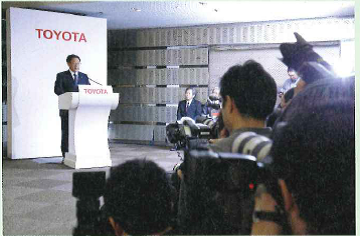
However, Toyota's success was cut short by a desire to grow rapidly at the expense of quality. In 2009 and 2010, Toyota issued a series of recalls on several of their popular models because of safety problems with accelerators, brakes, and power steering. The recalls affected more than 8 million vehicles across five continents. Following the announcement of the recalls, Toyota engineers and mechanics began to search for solutions to the problems and started the process of repairing millions of cars. The company also temporarily suspended production in the United States while it researched the causes of the problems. Many critics accused the company of acting too slowly to recall the defective cars and of trying to push the problem under the rug. Because of the negative press, Toyota sales declined significantly. Toyota president Akio Toyoda admitted, "We so aggressively pursued numbers that we were unable to keep up with training staff to oversee quality." Toyoda also recognized that Toyota was slow to act on reports of problems provided by consumers.
Toyota was fined $16.4 million for allegedly hiding safety defects from consumers. This came after their reputation was already tarnished by a seemingly endless number of recalls on various car models. Toward the end of the various safety recalls related to sudden acceleration, the 2010 Lexus GX460 was declared unsafe to buy by Consumer Reports. Toyota became the target for late-night television jokes and seemed to constantly be in the news regarding yet another recall. This negative publicity damaged the reputation and goodwill that Toyota had developed over many years.
In the wake of massive recalls, Toyota had to adjust its advertising strategy. The world's largest car maker pulled its national advertising campaign that promoted its cars for depend-ability, safety, and reliability. Toyota, which had long been the leader in automotive quality, had to scramble to figure out how to handle a growing public relations crisis resulting from recalls and even a halt in sales. All experts agreed that Toyota had to move quickly in an attempt to restore trust and deal with a crisis resulting from millions of recalled vehicles. A series of ads were developed to deal directly with the crisis and admit that the company had strayed from keeping its eye on quality while its sales had been growing rapidly. A number of low-key ads dealt directly with the issue and promised to regain consumer's trust.
Initially, Toyota tried to tackle the recall problem by addressing individual nations or sales territories. The company thought it could deal with the issue in different ways in different markets. The company forgot that social networking sites quickly high-light product-related problems through global digital media. As the largest global auto manufacturer, Toyota faced a global problem and found that it could not control information in different territories. Toyota violated the first rule of crisis management by not responding quickly, but when the company did respond, it took out full-page ads in major newspapers and produced feel-good television spots featuring dealers, mechanics, and owners. The company offered no-interest loans, discount leases, and a complementary two-year maintenance pro-gram to get buyers back. In addition to repairing its vehicles, Toyota had to repair its reputation. Shortly after the recalls, Toyota established a global quality committee and promised to appoint chief quality officers for each of its regions. Toyota is also in the process of designing new safety systems and inspection processes for its vehicles. All future models will include a new brake-override system designed to activate the brakes in the event that both the brake and accelerator pedals are pushed down. Additionally, Toyota will have a third party test its electronic acceleration system. Ultimately, it will take more than committees, promises, and programs to rebuild Toyota. In order to regain its reputation and eventually innovate, Toyota will have to return to the Toyota Way.
1. How can a company like Toyota use advertising to overcome negative publicity associated With a product quality issue?
2. Why did Toyota have to pull advertising for its cars' dependability, safety, and reliability during a time when it was getting so much public attention for safety recalls related to sudden acceleration?
3. What can Toyota do going forward to gain positive publicity and restore its image?
However, Toyota's success was cut short by a desire to grow rapidly at the expense of quality. In 2009 and 2010, Toyota issued a series of recalls on several of their popular models because of safety problems with accelerators, brakes, and power steering. The recalls affected more than 8 million vehicles across five continents. Following the announcement of the recalls, Toyota engineers and mechanics began to search for solutions to the problems and started the process of repairing millions of cars. The company also temporarily suspended production in the United States while it researched the causes of the problems. Many critics accused the company of acting too slowly to recall the defective cars and of trying to push the problem under the rug. Because of the negative press, Toyota sales declined significantly. Toyota president Akio Toyoda admitted, "We so aggressively pursued numbers that we were unable to keep up with training staff to oversee quality." Toyoda also recognized that Toyota was slow to act on reports of problems provided by consumers.
Toyota was fined $16.4 million for allegedly hiding safety defects from consumers. This came after their reputation was already tarnished by a seemingly endless number of recalls on various car models. Toward the end of the various safety recalls related to sudden acceleration, the 2010 Lexus GX460 was declared unsafe to buy by Consumer Reports. Toyota became the target for late-night television jokes and seemed to constantly be in the news regarding yet another recall. This negative publicity damaged the reputation and goodwill that Toyota had developed over many years.
In the wake of massive recalls, Toyota had to adjust its advertising strategy. The world's largest car maker pulled its national advertising campaign that promoted its cars for depend-ability, safety, and reliability. Toyota, which had long been the leader in automotive quality, had to scramble to figure out how to handle a growing public relations crisis resulting from recalls and even a halt in sales. All experts agreed that Toyota had to move quickly in an attempt to restore trust and deal with a crisis resulting from millions of recalled vehicles. A series of ads were developed to deal directly with the crisis and admit that the company had strayed from keeping its eye on quality while its sales had been growing rapidly. A number of low-key ads dealt directly with the issue and promised to regain consumer's trust.
Initially, Toyota tried to tackle the recall problem by addressing individual nations or sales territories. The company thought it could deal with the issue in different ways in different markets. The company forgot that social networking sites quickly high-light product-related problems through global digital media. As the largest global auto manufacturer, Toyota faced a global problem and found that it could not control information in different territories. Toyota violated the first rule of crisis management by not responding quickly, but when the company did respond, it took out full-page ads in major newspapers and produced feel-good television spots featuring dealers, mechanics, and owners. The company offered no-interest loans, discount leases, and a complementary two-year maintenance pro-gram to get buyers back. In addition to repairing its vehicles, Toyota had to repair its reputation. Shortly after the recalls, Toyota established a global quality committee and promised to appoint chief quality officers for each of its regions. Toyota is also in the process of designing new safety systems and inspection processes for its vehicles. All future models will include a new brake-override system designed to activate the brakes in the event that both the brake and accelerator pedals are pushed down. Additionally, Toyota will have a third party test its electronic acceleration system. Ultimately, it will take more than committees, promises, and programs to rebuild Toyota. In order to regain its reputation and eventually innovate, Toyota will have to return to the Toyota Way.
1. How can a company like Toyota use advertising to overcome negative publicity associated With a product quality issue?
2. Why did Toyota have to pull advertising for its cars' dependability, safety, and reliability during a time when it was getting so much public attention for safety recalls related to sudden acceleration?
3. What can Toyota do going forward to gain positive publicity and restore its image?
التوضيح موثّق
موثّق
موثّق
(1)
A company like T which has built its...

Marketing 16th Edition by William Pride,Ferrell

لماذا لم يعجبك هذا التمرين؟
أخرى 8 أحرف كحد أدنى و 255 حرفاً كحد أقصى
حرف 255






