







 تكلم مع الذكاء الاصطناعي


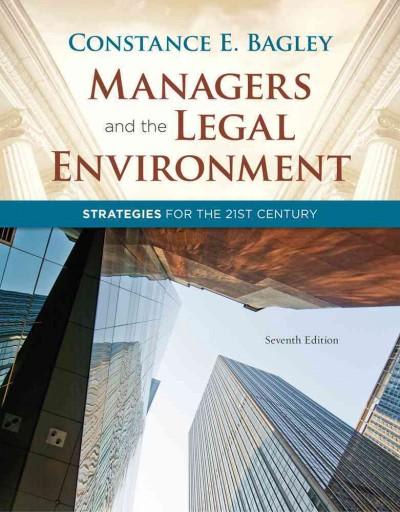
Managers and the Legal Environment 7th Edition by David Madsen, Constance Bagley
النسخة 7الرقم المعياري الدولي: 978-1133712046Managers and the Legal Environment 7th Edition by David Madsen, Constance Bagley
النسخة 7الرقم المعياري الدولي: 978-1133712046 تمرين 8
The City of Florence, a municipal corporation organized under the laws of Alabama, purchased property for the purpose of encouraging industrial development within the county where the city is located. Florence leased the property to Stylon, a corporation that planned to construct and operate a ceramic tile manufacturing factory on the property. Florence issued bonds to finance the purchase of the property and mortgaged the property to First National Bank of Florence, pledging that Stylon's rent payments for the property would be used to secure the repayment on the bonds held by the bank.
Stylon operated a tile manufacturing facility on the property for approximately twenty years until it went bankrupt. During that time, it discharged hazardous substances, which contaminated the property. After Stylon went bankrupt, Monarch Tile, Inc. leased the property for fifteen years from the City of Florence, with the city retaining title. Subsequently, Monarch purchased the property from the city.
After Monarch discovered the contamination, it notified the EPA and was directed to remediate pursuant to CERCLA. Monarch brought suit against the City of Florence for contribution under CERCLA. The City of Florence argued that it was not liable because it held ownership of the property primarily to protect its security interest. How should the court rule? Should the National Bank of Florence or the former Stylon shareholders be forced to contribute to the cost of remediation? [Monarch Tile Inc. v. City of Florence, 212 F.3d 1219 (11th Cir. 2000).]
Stylon operated a tile manufacturing facility on the property for approximately twenty years until it went bankrupt. During that time, it discharged hazardous substances, which contaminated the property. After Stylon went bankrupt, Monarch Tile, Inc. leased the property for fifteen years from the City of Florence, with the city retaining title. Subsequently, Monarch purchased the property from the city.
After Monarch discovered the contamination, it notified the EPA and was directed to remediate pursuant to CERCLA. Monarch brought suit against the City of Florence for contribution under CERCLA. The City of Florence argued that it was not liable because it held ownership of the property primarily to protect its security interest. How should the court rule? Should the National Bank of Florence or the former Stylon shareholders be forced to contribute to the cost of remediation? [Monarch Tile Inc. v. City of Florence, 212 F.3d 1219 (11th Cir. 2000).]
التوضيح موثّق
موثّق
موثّق
The case revolves around the City of F w...

Managers and the Legal Environment 7th Edition by David Madsen, Constance Bagley

لماذا لم يعجبك هذا التمرين؟
أخرى 8 أحرف كحد أدنى و 255 حرفاً كحد أقصى
حرف 255






