







 تكلم مع الذكاء الاصطناعي


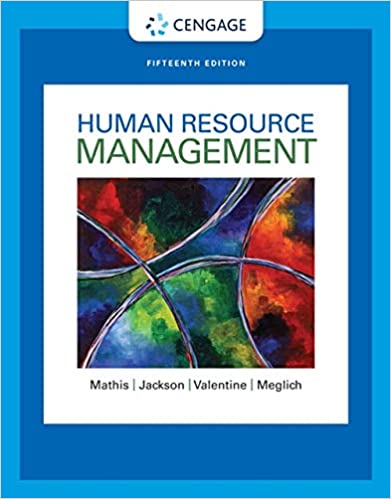
Human Resource Management 15th Edition by Robert Mathis,John Jackson,Sean Valentine ,Patricia Meglich
النسخة 15الرقم المعياري الدولي: 978-1305500709Human Resource Management 15th Edition by Robert Mathis,John Jackson,Sean Valentine ,Patricia Meglich
النسخة 15الرقم المعياري الدولي: 978-1305500709 تمرين 1
Driving Away the UAW
Volkswagen (VW) Motors is a German-headquartered automobile manufacturer. A common practice in German companies is to utilize a "works council," a supervisory body made up of workers and managers who consult on business operations. U.S. labor laws strictly forbid such worker involvement without the official recognition of a labor union. So, the UAW saw an opportunity to organize workers at the VW Chattanooga, Tennessee, plant with the blessing of company management. Since the plant is overseen by German leadership, the union felt it would be supported in its efforts. However, workers at the plant would have the final say regarding union representation.
VW management did, in fact, seem to be on the UAW's side and had agreed to allow the union to be recognized based on a card check procedure rather than a representation election. The company allowed union organizers to campaign inside the plant, a highly unusual move. The labor union in Germany, a "cousin" of the UAW, had pushed for the welcoming posture to the U.S. union. Company and German union officials were highly committed to establishing a works council and felt that allowing the UAW to organize workers would allow that process to happen.
The company had pledged to remain neutral, but many of its actions appeared to strongly assist the union in its efforts. Not all employees at the plant favored representation by the union, but they were denied the right to hold meetings or campaign inside the plant. Such collusion between a company and union is potentially a violation of the Taft-Hartley Act. Workers insisted on the right to a secret ballot election, and the company eventually agreed.
In the highly contested battle, workers voted 712?626 not to join the UAW. With the undeniable support from the company, the UAW could hardly look for unfair labor practice violations. The vote was clear. Workers prefer dealing directly with plant management and working without labor union representation. In the weeks and months following the election, the UAW initially requested that the NLRB schedule a do-over election. Their contention was that local and state politicians had swayed workers with a promise of economic benefits if the workforce remained union free. They eventually dropped their request and accepted the no vote from the workers.
Since the election, the UAW has established an "American-style works council," a nonbargaining-unit local of the union. The group will meet with company representatives to discuss workplace issues but will not be empowered to negotiate a contract. The UAW remains hopeful that this works council will serve as a jumping off point for a full-fledged union in the future.
Under what circumstances might a company side with a union in its attempt to organize employees? How would you, as an employee, feel if your employer supported you joining a union?
Volkswagen (VW) Motors is a German-headquartered automobile manufacturer. A common practice in German companies is to utilize a "works council," a supervisory body made up of workers and managers who consult on business operations. U.S. labor laws strictly forbid such worker involvement without the official recognition of a labor union. So, the UAW saw an opportunity to organize workers at the VW Chattanooga, Tennessee, plant with the blessing of company management. Since the plant is overseen by German leadership, the union felt it would be supported in its efforts. However, workers at the plant would have the final say regarding union representation.
VW management did, in fact, seem to be on the UAW's side and had agreed to allow the union to be recognized based on a card check procedure rather than a representation election. The company allowed union organizers to campaign inside the plant, a highly unusual move. The labor union in Germany, a "cousin" of the UAW, had pushed for the welcoming posture to the U.S. union. Company and German union officials were highly committed to establishing a works council and felt that allowing the UAW to organize workers would allow that process to happen.
The company had pledged to remain neutral, but many of its actions appeared to strongly assist the union in its efforts. Not all employees at the plant favored representation by the union, but they were denied the right to hold meetings or campaign inside the plant. Such collusion between a company and union is potentially a violation of the Taft-Hartley Act. Workers insisted on the right to a secret ballot election, and the company eventually agreed.
In the highly contested battle, workers voted 712?626 not to join the UAW. With the undeniable support from the company, the UAW could hardly look for unfair labor practice violations. The vote was clear. Workers prefer dealing directly with plant management and working without labor union representation. In the weeks and months following the election, the UAW initially requested that the NLRB schedule a do-over election. Their contention was that local and state politicians had swayed workers with a promise of economic benefits if the workforce remained union free. They eventually dropped their request and accepted the no vote from the workers.
Since the election, the UAW has established an "American-style works council," a nonbargaining-unit local of the union. The group will meet with company representatives to discuss workplace issues but will not be empowered to negotiate a contract. The UAW remains hopeful that this works council will serve as a jumping off point for a full-fledged union in the future.
Under what circumstances might a company side with a union in its attempt to organize employees? How would you, as an employee, feel if your employer supported you joining a union?
التوضيح موثّق
موثّق
موثّق
Leading manufacturing company in Germany...

Human Resource Management 15th Edition by Robert Mathis,John Jackson,Sean Valentine ,Patricia Meglich

لماذا لم يعجبك هذا التمرين؟
أخرى 8 أحرف كحد أدنى و 255 حرفاً كحد أقصى
حرف 255






