







 تكلم مع الذكاء الاصطناعي



Global Business 4th Edition by Mike Peng
النسخة 4الرقم المعياري الدولي: 978-1305500891Global Business 4th Edition by Mike Peng
النسخة 4الرقم المعياري الدولي: 978-1305500891 تمرين 13
EMERGING MARKETS: Natura Makes Brazil Look Beautiful
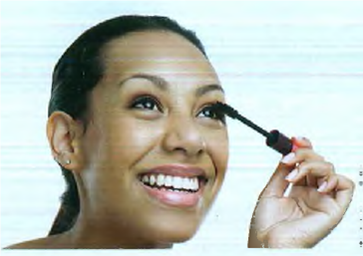
Most people in the world, including many who have never been to Brazil, would agree that Brazil is beautiful. Likewise, Brazilians are widely known to be beautiful. However, beauty has to be maintained. Brazilian women's spending on beauty products is legendary. Although Brazil has the fifth-largest population (with 200 million people) and the seventh-largest economy in the world, it has become the secondlargest market for beauty products-only behind the United States. Beauty products spending per woman in Brazil matches that in Britain, which has a much higher income. While Brazil is obviously the attractive B in BRIC, beauty products are among Brazil's most attractive consumer markets, with multinationals such as Avon, Estee Lauder, LOreal, P G, Shiseido, and Unilever salivating over a share of the growing spoils. Emerging as the leading foreign player, Avon, in fact, now sells more cosmetics in Brazil than in the United States. Yet, the queen of Brazil's highly attractive and competitive market is its home-grown Natura. It is everywhere in Brazil. Its cosmetics, perfume, and hygiene products are in 60% of all households and it leads the market with a 14% share in terms of sales (a total of US$3 billion). Founded in 1969 and listed on the Sao Paulo Stock Exchange since 2004, Natura is already the world's 20th most valuable cosmetics brand. But since 90% of its sales are in Brazil and almost 100% of its sales are in Latin America, few people outside the region have heard about it.
What is Natura's recipe for dominating such a large and diverse market Its recipe has at least two ingredients. First, by definition, Natura is green. About 70% of its products are plant-based (by dry weight) and approximately 10% come from the Amazon region, where it purchases from village co-operatives and indigenous tribes. Natura is also among the first cosmetics firms in the world to pay attention to the specific hair-care needs of black women, which tend to be ignored by mainstream firms.
Second, Natura relies on a small army of 1.2 million direct sales ladies, who work like the legendary Avon Ladies and since 2006 have been beating the Avon Ladies-Natura's number-one foreign rival in the country. With US$3 billion sales, Natura's total number of employees is only 6,200. In comparison, Avon worldwide has US$10 billion sales but has 37,000 employees (and 6.4 million Avon Ladies). Thanks to Brazil's sky-high labor costs and tax rates, Natura has deliberately kept its employee base small in order to save cost. Since 1974, its marketing has been relying on direct sales, leveraging hard-working women who go the extra mile (sometimes literally penetrating into the jungles of the Amazon) to deliver products. Direct sales thus give Natura a cost advantage relative to its number-one domestic rival, O Boticario, which relies on a traditional retail format. An additional beauty of direct sales is that Natura's sales force is directly in touch with end-users, whose needs, wants, and aspirations can be conveyed back I to corporate headquarters for the new product development.
Facing the onslaught of multinational cosmetics giants, Natura has realized that the best defense is offense. In 2005, Natura opened its first boutique in Paris, announcing its arrival in the cosmetics capital of the world. While progress has been slow overseas (in part thanks to the hot growth back home, which dominates executive attention and capital allocation), Natura is indeed committed in making a big push globally. While around the world Brazil is famous for commodity exports such as coffee and soy beans and for one high-tech firm (Embraer, which is renowned for its regional jets), no Brazilian consumer products have made a big splash overseas. Can Natura leverage Brazil's positive country-of-origin effect of being beautiful In addition to soccer and beaches, most people associate Brazil with the rainforest and biodiversity, which seems to be an obvious advantage for a firm that calls itself Natura using a heavy dose of ingredients from the Amazon. So stay tuned...
Sources: Based on (1) J. Chelekis S. M. Mudambi, 2010, MNCs and micro-entrepreneurship in emerging economies: The case of Avon in the Amazon, Journal of International Management. 16: 412-424; (2) J. Chelekis S. M. Mudambi, 2014, Direct selling at the base of the pyramid, in M. W. Peng, Global Business, 3rd ed. (pp. 28-30), Cincinnati: Cengage Learning; (3) Economist, 2013, Consumer goods: Looks good, September 28 (special report): 14-15.
From a VRIO standpoint, what is behind Natura's enviable performance
Most people in the world, including many who have never been to Brazil, would agree that Brazil is beautiful. Likewise, Brazilians are widely known to be beautiful. However, beauty has to be maintained. Brazilian women's spending on beauty products is legendary. Although Brazil has the fifth-largest population (with 200 million people) and the seventh-largest economy in the world, it has become the secondlargest market for beauty products-only behind the United States. Beauty products spending per woman in Brazil matches that in Britain, which has a much higher income. While Brazil is obviously the attractive B in BRIC, beauty products are among Brazil's most attractive consumer markets, with multinationals such as Avon, Estee Lauder, LOreal, P G, Shiseido, and Unilever salivating over a share of the growing spoils. Emerging as the leading foreign player, Avon, in fact, now sells more cosmetics in Brazil than in the United States. Yet, the queen of Brazil's highly attractive and competitive market is its home-grown Natura. It is everywhere in Brazil. Its cosmetics, perfume, and hygiene products are in 60% of all households and it leads the market with a 14% share in terms of sales (a total of US$3 billion). Founded in 1969 and listed on the Sao Paulo Stock Exchange since 2004, Natura is already the world's 20th most valuable cosmetics brand. But since 90% of its sales are in Brazil and almost 100% of its sales are in Latin America, few people outside the region have heard about it.
What is Natura's recipe for dominating such a large and diverse market Its recipe has at least two ingredients. First, by definition, Natura is green. About 70% of its products are plant-based (by dry weight) and approximately 10% come from the Amazon region, where it purchases from village co-operatives and indigenous tribes. Natura is also among the first cosmetics firms in the world to pay attention to the specific hair-care needs of black women, which tend to be ignored by mainstream firms.
Second, Natura relies on a small army of 1.2 million direct sales ladies, who work like the legendary Avon Ladies and since 2006 have been beating the Avon Ladies-Natura's number-one foreign rival in the country. With US$3 billion sales, Natura's total number of employees is only 6,200. In comparison, Avon worldwide has US$10 billion sales but has 37,000 employees (and 6.4 million Avon Ladies). Thanks to Brazil's sky-high labor costs and tax rates, Natura has deliberately kept its employee base small in order to save cost. Since 1974, its marketing has been relying on direct sales, leveraging hard-working women who go the extra mile (sometimes literally penetrating into the jungles of the Amazon) to deliver products. Direct sales thus give Natura a cost advantage relative to its number-one domestic rival, O Boticario, which relies on a traditional retail format. An additional beauty of direct sales is that Natura's sales force is directly in touch with end-users, whose needs, wants, and aspirations can be conveyed back I to corporate headquarters for the new product development.
Facing the onslaught of multinational cosmetics giants, Natura has realized that the best defense is offense. In 2005, Natura opened its first boutique in Paris, announcing its arrival in the cosmetics capital of the world. While progress has been slow overseas (in part thanks to the hot growth back home, which dominates executive attention and capital allocation), Natura is indeed committed in making a big push globally. While around the world Brazil is famous for commodity exports such as coffee and soy beans and for one high-tech firm (Embraer, which is renowned for its regional jets), no Brazilian consumer products have made a big splash overseas. Can Natura leverage Brazil's positive country-of-origin effect of being beautiful In addition to soccer and beaches, most people associate Brazil with the rainforest and biodiversity, which seems to be an obvious advantage for a firm that calls itself Natura using a heavy dose of ingredients from the Amazon. So stay tuned...
Sources: Based on (1) J. Chelekis S. M. Mudambi, 2010, MNCs and micro-entrepreneurship in emerging economies: The case of Avon in the Amazon, Journal of International Management. 16: 412-424; (2) J. Chelekis S. M. Mudambi, 2014, Direct selling at the base of the pyramid, in M. W. Peng, Global Business, 3rd ed. (pp. 28-30), Cincinnati: Cengage Learning; (3) Economist, 2013, Consumer goods: Looks good, September 28 (special report): 14-15.
From a VRIO standpoint, what is behind Natura's enviable performance
التوضيح


هذا السؤال ليس له إجابة موثقة من أحد الخبراء بعد، دع الذكاء الاصطناعي Copilot في كويز بلس يساعدك في إيجاد الحل.

Global Business 4th Edition by Mike Peng

لماذا لم يعجبك هذا التمرين؟
أخرى 8 أحرف كحد أدنى و 255 حرفاً كحد أقصى
حرف 255






