







 تكلم مع الذكاء الاصطناعي


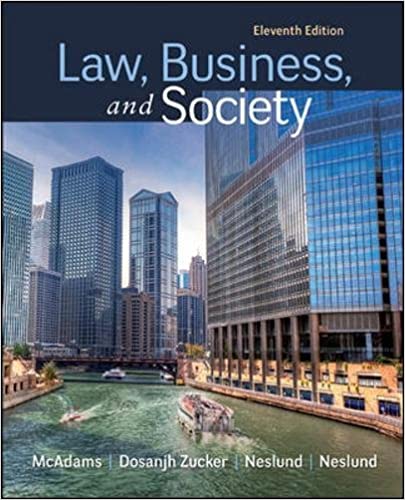
Law, Business and Society 11th Edition by Tony McAdams
النسخة 11الرقم المعياري الدولي: 978-0078023866Law, Business and Society 11th Edition by Tony McAdams
النسخة 11الرقم المعياري الدولي: 978-0078023866 تمرين 65
Banadex, a subsidiary of Cincinnati-based Chiquita Brands International, paid bribes to Colombian rebels over a period of years, including $1.7 million from 1997 to 2004 to the AUC (Autodefensas Unidas de Colombia), a right-wing Colombian terrorist group. Chiquita, one of the world's leading banana producers with operations in 70 nations, learned of the payments in 2000, but allowed them to continue. Reliable reports indicated that thousands of people had been killed, tortured, raped, or "disappeared" by the AUC (now disbanded). At the time, terrorists in Colombia were holding Americans for ransom or killing some of them, and years earlier four Chiquita employees had been killed by left-wing guerillas. The bribes, then lawful under American and Colombian law, were thought necessary to protect employees and company property at Chiquita's Colombian operations.
In 2003, Chiquita allegedly "stumbled across" news that the AUC had in 2001 been designated a "foreign terrorist organization" by the U.S. government, which meant payments thereafter were unlawful. The payments continued, however, despite warnings from outside counsel to discontinue them or face the risk of felony charges. Chiquita said that stopping the payments would have endangered its employees. By 2003, Chiquita's operations in Colombia were its most profitable. The bribe payments were stopped in 2004 when a new CEO arrived. Chiquita soon sold its Colombian interests. Chiquita had earned Banadex, a subsidiary of Cincinnati-based Chiquita Brands International, paid bribes to Colombian rebels over a period of years, including $1.7 million from 1997 to 2004 to the AUC (Autodefensas Unidas de Colombia), a right-wing Colombian terrorist group. Chiquita, one of the world's leading banana producers with operations in 70 nations, learned of the payments in 2000, but allowed them to continue. Reliable reports indicated that thousands of people had been killed, tortured, raped, or "disappeared" by the AUC (now disbanded). At the time, terrorists in Colombia were holding Americans for ransom or killing some of them, and years earlier four Chiquita employees had been killed by left-wing guerillas. The bribes, then lawful under American and Colombian law, were thought necessary to protect employees and company property at Chiquita's Colombian operations.
In 2003, Chiquita allegedly "stumbled across" news that the AUC had in 2001 been designated a "foreign terrorist organization" by the U.S. government, which meant payments thereafter were unlawful. The payments continued, however, despite warnings from outside counsel to discontinue them or face the risk of felony charges. Chiquita said that stopping the payments would have endangered its employees. By 2003, Chiquita's operations in Colombia were its most profitable. The bribe payments were stopped in 2004 when a new CEO arrived. Chiquita soon sold its Colombian interests. Chiquita had earned about $50 million in profits from the time AUC was designated a terrorist organization until the period when the payments ceased.
In 2007, Chiquita entered a guilty plea to the felony of engaging in transactions with terrorists. A federal judge sentenced Chiquita to $25 million in fines and five years probation. Some evidence suggests Chiquita may have delayed its decision to stop payments by nearly one year as it waited for the U.S. government to review the security implications of a Chiquita withdrawal from Colombia. U.$. Justice Department officials denied that claim, and in 2007 they concluded their investigation by deciding not to bring criminal charges against former Chiquita officials.
Families of Colombians killed or tortured by the terrorists along with human rights groups have filed several civil lawsuits against Chiquita for supporting the terrorists who allegedly used the bribe money to buy weapons. During the period of Chiquita payments to AUC, some 4,000 Colombians were killed in the banana-growing region of Colombia. An Organization of American States investigation concluded that 3,000 Central American rifles and millions of rounds of ammunition reached the terrorists after allegedly being unloaded at a Colombian port by Banadex. Colombian officials argue that Chiquita was not a victim of extortion and that the company knew AUC was using the bribery proceeds to attack peasants, union workers, and various rival groups.
Should Chiquita's corporate officers have been prosecuted by the U.S. government Explain.
Sources: Sibylla Brodzinsky, "Chiquita Case Puts Big Firms on Notice," The Christian Science Monitor, April 11,2007 [http;//www.csmonitor.com/2007/0411/p01s03-woam.html];Laurie P. Cohen, "Chiquita Ex-Officials Won't Face Charges," The Wall Street Journal, September 12,2007;p. B2; Carol D. Leonnig, "In Terrorism-Law Case, Chiquita Points to U.S.," Washington Post, August 2, 2007, p. A01; David J. Lynch, "Murder and Payoffs Taint Business in Colombia," USA TODAY, October30,2007, sec. Money, p. IB; and Sue Reisinger, "Blood Money Paid by Chiquita Shows Company's Hard Choices," Corporate Counsel, November 26,2007 [http://www.law.com/jsp/ihc/PubArticleFriendlylHC.jsp id=1195639472310].
In 2003, Chiquita allegedly "stumbled across" news that the AUC had in 2001 been designated a "foreign terrorist organization" by the U.S. government, which meant payments thereafter were unlawful. The payments continued, however, despite warnings from outside counsel to discontinue them or face the risk of felony charges. Chiquita said that stopping the payments would have endangered its employees. By 2003, Chiquita's operations in Colombia were its most profitable. The bribe payments were stopped in 2004 when a new CEO arrived. Chiquita soon sold its Colombian interests. Chiquita had earned Banadex, a subsidiary of Cincinnati-based Chiquita Brands International, paid bribes to Colombian rebels over a period of years, including $1.7 million from 1997 to 2004 to the AUC (Autodefensas Unidas de Colombia), a right-wing Colombian terrorist group. Chiquita, one of the world's leading banana producers with operations in 70 nations, learned of the payments in 2000, but allowed them to continue. Reliable reports indicated that thousands of people had been killed, tortured, raped, or "disappeared" by the AUC (now disbanded). At the time, terrorists in Colombia were holding Americans for ransom or killing some of them, and years earlier four Chiquita employees had been killed by left-wing guerillas. The bribes, then lawful under American and Colombian law, were thought necessary to protect employees and company property at Chiquita's Colombian operations.
In 2003, Chiquita allegedly "stumbled across" news that the AUC had in 2001 been designated a "foreign terrorist organization" by the U.S. government, which meant payments thereafter were unlawful. The payments continued, however, despite warnings from outside counsel to discontinue them or face the risk of felony charges. Chiquita said that stopping the payments would have endangered its employees. By 2003, Chiquita's operations in Colombia were its most profitable. The bribe payments were stopped in 2004 when a new CEO arrived. Chiquita soon sold its Colombian interests. Chiquita had earned about $50 million in profits from the time AUC was designated a terrorist organization until the period when the payments ceased.
In 2007, Chiquita entered a guilty plea to the felony of engaging in transactions with terrorists. A federal judge sentenced Chiquita to $25 million in fines and five years probation. Some evidence suggests Chiquita may have delayed its decision to stop payments by nearly one year as it waited for the U.S. government to review the security implications of a Chiquita withdrawal from Colombia. U.$. Justice Department officials denied that claim, and in 2007 they concluded their investigation by deciding not to bring criminal charges against former Chiquita officials.
Families of Colombians killed or tortured by the terrorists along with human rights groups have filed several civil lawsuits against Chiquita for supporting the terrorists who allegedly used the bribe money to buy weapons. During the period of Chiquita payments to AUC, some 4,000 Colombians were killed in the banana-growing region of Colombia. An Organization of American States investigation concluded that 3,000 Central American rifles and millions of rounds of ammunition reached the terrorists after allegedly being unloaded at a Colombian port by Banadex. Colombian officials argue that Chiquita was not a victim of extortion and that the company knew AUC was using the bribery proceeds to attack peasants, union workers, and various rival groups.
Should Chiquita's corporate officers have been prosecuted by the U.S. government Explain.
Sources: Sibylla Brodzinsky, "Chiquita Case Puts Big Firms on Notice," The Christian Science Monitor, April 11,2007 [http;//www.csmonitor.com/2007/0411/p01s03-woam.html];Laurie P. Cohen, "Chiquita Ex-Officials Won't Face Charges," The Wall Street Journal, September 12,2007;p. B2; Carol D. Leonnig, "In Terrorism-Law Case, Chiquita Points to U.S.," Washington Post, August 2, 2007, p. A01; David J. Lynch, "Murder and Payoffs Taint Business in Colombia," USA TODAY, October30,2007, sec. Money, p. IB; and Sue Reisinger, "Blood Money Paid by Chiquita Shows Company's Hard Choices," Corporate Counsel, November 26,2007 [http://www.law.com/jsp/ihc/PubArticleFriendlylHC.jsp id=1195639472310].
التوضيح موثّق
موثّق
موثّق
Corporate officers of C Company should b...

Law, Business and Society 11th Edition by Tony McAdams

لماذا لم يعجبك هذا التمرين؟
أخرى 8 أحرف كحد أدنى و 255 حرفاً كحد أقصى
حرف 255






