







 تكلم مع الذكاء الاصطناعي


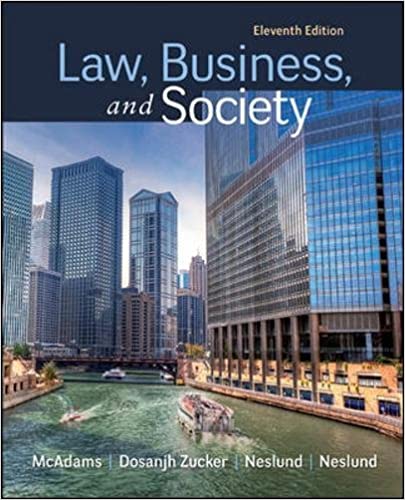
Law, Business and Society 11th Edition by Tony McAdams
النسخة 11الرقم المعياري الدولي: 978-0078023866Law, Business and Society 11th Edition by Tony McAdams
النسخة 11الرقم المعياري الدولي: 978-0078023866 تمرين 43
Critics claim the United States is losing its place as the world's leading financial center, citing such evidence as the percentage of large IPOs being listed outside of the United States. Aggressive regulation in America is often blamed for driving those IPOs abroad.
American securities regulation is the world's strongest, but whether that will continue to be true and whether it is responsible for the growth in foreign securities markets is not clear. Other factors undoubtedly contribute to the shift, such as the natural maturation of international markets, the speed of overall economic growth elsewhere in the world, and the concomitant rise in wealth, especially in Europe and Asia. "Because companies want to list in the fastest-rising markets, many are staying in their home countries, which have often outperformed the United States in recent years." Further, stringent regulation in the United States is not necessarily a net disincentive for securities registration here. Foreign securities with dual listings in the United States and elsewhere appear to enjoy an advantage in the price they command. Finally, as the securities markets in other countries mature, national regulation seems to be increasing in ways that model U.S. policies.
Nothing equivalent to the SEC exists in Europe. In the wake of the recent financial crisis, however, the European Union may be moving closer to such a body. In 2010, the EU finance ministers endorsed the creation of a supervisory structure for European securities markets, the European Securities and Markets Authority (ESMA). It began its work on January 1, 2011. One role it may eventually be called to play is the regulation of audit firms. [For more on ESMA, see www.esma.europa.eu ; for more on international securities regulation generally, see www.iosco.org/about ]
Assume a midlevel manager learns that his corporation is about to go bankrupt because of about-to-be-disclosed improprieties. He calls his lawyer to ask about his personal exposure. After advising him, the lawyer immediately sells all of her holdings in that stock. Later that day the news breaks and the stock price tumbles 60 percent.
a. Does anyone have insider trading liability
b. If so, in what amount
American securities regulation is the world's strongest, but whether that will continue to be true and whether it is responsible for the growth in foreign securities markets is not clear. Other factors undoubtedly contribute to the shift, such as the natural maturation of international markets, the speed of overall economic growth elsewhere in the world, and the concomitant rise in wealth, especially in Europe and Asia. "Because companies want to list in the fastest-rising markets, many are staying in their home countries, which have often outperformed the United States in recent years." Further, stringent regulation in the United States is not necessarily a net disincentive for securities registration here. Foreign securities with dual listings in the United States and elsewhere appear to enjoy an advantage in the price they command. Finally, as the securities markets in other countries mature, national regulation seems to be increasing in ways that model U.S. policies.
Nothing equivalent to the SEC exists in Europe. In the wake of the recent financial crisis, however, the European Union may be moving closer to such a body. In 2010, the EU finance ministers endorsed the creation of a supervisory structure for European securities markets, the European Securities and Markets Authority (ESMA). It began its work on January 1, 2011. One role it may eventually be called to play is the regulation of audit firms. [For more on ESMA, see www.esma.europa.eu ; for more on international securities regulation generally, see www.iosco.org/about ]
Assume a midlevel manager learns that his corporation is about to go bankrupt because of about-to-be-disclosed improprieties. He calls his lawyer to ask about his personal exposure. After advising him, the lawyer immediately sells all of her holdings in that stock. Later that day the news breaks and the stock price tumbles 60 percent.
a. Does anyone have insider trading liability
b. If so, in what amount
التوضيح


هذا السؤال ليس له إجابة موثقة من أحد الخبراء بعد، دع الذكاء الاصطناعي Copilot في كويز بلس يساعدك في إيجاد الحل.

Law, Business and Society 11th Edition by Tony McAdams

لماذا لم يعجبك هذا التمرين؟
أخرى 8 أحرف كحد أدنى و 255 حرفاً كحد أقصى
حرف 255






