







 Chat with AI

Deck 29: Vietnam and the End of the Cold War Consensus
Full screen (f)

Question

Question
Question
Question
Question
Question
What was Agent Orange? 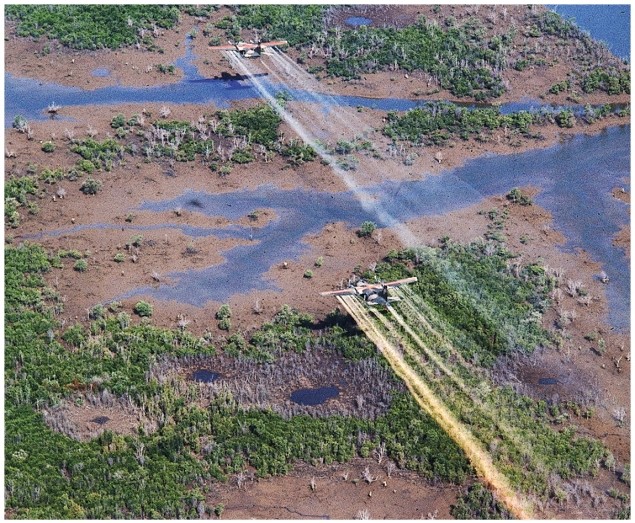
A) A chemical agent deployed by the United States during the Vietnam War
B) A chemical agent deployed by the North Vietnamese during the Vietnam War
C) The name of the most successful U.S. mission during the Vietnam War
D) A nickname U.S. soldiers called President Nixon during the Vietnam War
A) A chemical agent deployed by the United States during the Vietnam War
B) A chemical agent deployed by the North Vietnamese during the Vietnam War
C) The name of the most successful U.S. mission during the Vietnam War
D) A nickname U.S. soldiers called President Nixon during the Vietnam War
Question
Question
Question
Question
Question
Question
Question
Question
Question
Question
Question
Question
According to Map 29.2: The Vietnam War, 1964-1975, which city was the site of a major battle during the Vietnam War? 
A) Phnom Penh
B) My Lai
C) Dien Bien Phu
D) Da Nang
A) Phnom Penh
B) My Lai
C) Dien Bien Phu
D) Da Nang
Question
Question
Question
Question
Question
Question
Question
Question
Question
Question
Question
Question
Question
Question
Question
Question
Question
Question
Question
What can be inferred about the "hard hats" shown demonstrating in this image? 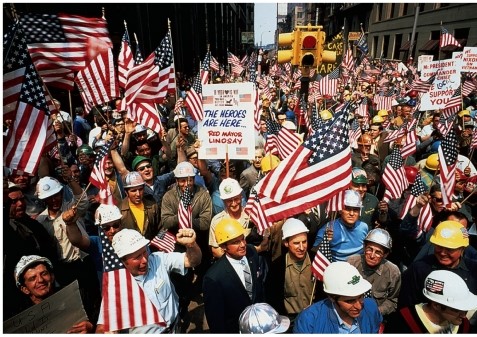
A) They were antiwar student protestors.
B) They were pro-war student protestors.
C) They were pro-war union members.
D) They were antiwar union members.
A) They were antiwar student protestors.
B) They were pro-war student protestors.
C) They were pro-war union members.
D) They were antiwar union members.
Question
Question
Question
Question
Question
Question
Question
Question
Question
Question
Question
Question
Question
Question
Question
Question
Question
Question
Question
Question
Question
Question
Question
Question
Question
Question
Question
Question
Question
Question
Question
Question
Question
Question
Question
Question
Question
Question
Question
Question
Question

Unlock Deck
Sign up to unlock the cards in this deck!
Unlock Deck
Unlock Deck
1/78

Play

Full screen (f)
Deck 29: Vietnam and the End of the Cold War Consensus
1
What did the initiation of Operation Rolling Thunder in February 1965 indicate?
A) The war in Vietnam had become America's war.
B) The war in Vietnam would soon end.
C) The French would increase their role in the Vietnam conflict.
D) No additional U.S. troops would be needed in Vietnam.
A) The war in Vietnam had become America's war.
B) The war in Vietnam would soon end.
C) The French would increase their role in the Vietnam conflict.
D) No additional U.S. troops would be needed in Vietnam.
The war in Vietnam had become America's war.
2
Which of the following describes the Bay of Pigs invasion?
A) The mission was incredibly successful.
B) The invasion was an unmitigated disaster.
C) It canceled when the United Nations intervened.
D) It was supported by most Latin American nations.
A) The mission was incredibly successful.
B) The invasion was an unmitigated disaster.
C) It canceled when the United Nations intervened.
D) It was supported by most Latin American nations.
The invasion was an unmitigated disaster.
3
Which of the following statements describes President Kennedy's flexible-response strategy?
A) It allowed him to choose between sending the National Guard and sending the regular army into situations requiring military force.
B) It gave Congress the option to choose between raising and lowering defense spending.
C) It met his demand for a wider choice than humiliation or all-out nuclear action.
D) It pertained to the number of missiles the United States would launch in response to a Soviet attack.
A) It allowed him to choose between sending the National Guard and sending the regular army into situations requiring military force.
B) It gave Congress the option to choose between raising and lowering defense spending.
C) It met his demand for a wider choice than humiliation or all-out nuclear action.
D) It pertained to the number of missiles the United States would launch in response to a Soviet attack.
It met his demand for a wider choice than humiliation or all-out nuclear action.
4
Of the more than 7,500 American women who served in the Vietnam War, most served as
A) foot soldiers.
B) nurses.
C) laborers.
D) army cooks.
A) foot soldiers.
B) nurses.
C) laborers.
D) army cooks.
Unlock Deck
Unlock for access to all 78 flashcards in this deck.
Unlock Deck
k this deck
5
The Peace Corps was launched by the Kennedy administration in 1961 to
A) quell domestic violence in America's major cities.
B) teach third world countries' leaders about democracy.
C) allow young Americans to work directly with the people in third world countries.
D) establish a job program for the growing number of unemployed in the United States.
A) quell domestic violence in America's major cities.
B) teach third world countries' leaders about democracy.
C) allow young Americans to work directly with the people in third world countries.
D) establish a job program for the growing number of unemployed in the United States.
Unlock Deck
Unlock for access to all 78 flashcards in this deck.
Unlock Deck
k this deck
6
What was Agent Orange?
A) A chemical agent deployed by the United States during the Vietnam War
B) A chemical agent deployed by the North Vietnamese during the Vietnam War
C) The name of the most successful U.S. mission during the Vietnam War
D) A nickname U.S. soldiers called President Nixon during the Vietnam War
A) A chemical agent deployed by the United States during the Vietnam War
B) A chemical agent deployed by the North Vietnamese during the Vietnam War
C) The name of the most successful U.S. mission during the Vietnam War
D) A nickname U.S. soldiers called President Nixon during the Vietnam War
Unlock Deck
Unlock for access to all 78 flashcards in this deck.
Unlock Deck
k this deck
7
The purpose of the 1964 Gulf of Tonkin Resolution was to
A) authorize the president to take all necessary measures to repel any armed attacks against the forces of the United States and to prevent further aggression.
B) empower the House of Representatives to pass all necessary measures to repel any armed attacks against the forces of the United States.
C) permit the Senate to pass all necessary measures to repel any armed attacks against the forces of the United States.
D) acknowledge the president's authority to issue a declaration of war without the consent of Congress in an emergency situation.
A) authorize the president to take all necessary measures to repel any armed attacks against the forces of the United States and to prevent further aggression.
B) empower the House of Representatives to pass all necessary measures to repel any armed attacks against the forces of the United States.
C) permit the Senate to pass all necessary measures to repel any armed attacks against the forces of the United States.
D) acknowledge the president's authority to issue a declaration of war without the consent of Congress in an emergency situation.
Unlock Deck
Unlock for access to all 78 flashcards in this deck.
Unlock Deck
k this deck
8
How did the Soviet Union respond to increased U.S. production of intercontinental ballistic missiles (ICBMs) and the American nuclear buildup in Europe?
A) It backed down, pledging to limit its ICBM program.
B) It stepped up its own ICBM program.
C) It declared war on the United States.
D) It relinquished control of its Eastern European satellite countries.
A) It backed down, pledging to limit its ICBM program.
B) It stepped up its own ICBM program.
C) It declared war on the United States.
D) It relinquished control of its Eastern European satellite countries.
Unlock Deck
Unlock for access to all 78 flashcards in this deck.
Unlock Deck
k this deck
9
What was the flaw in American officials' assumption that the U.S. military's superior technology and power would defeat the Communist forces in South Vietnam?
A) Their advanced weapons were ill suited to the guerrilla warfare practiced by those forces.
B) The Communist forces actually had military technology equal to that of the U.S. military.
C) American military commanders did not yet understand their own technology.
D) The fighting took place in urban areas of South Vietnam and made the technology useless.
A) Their advanced weapons were ill suited to the guerrilla warfare practiced by those forces.
B) The Communist forces actually had military technology equal to that of the U.S. military.
C) American military commanders did not yet understand their own technology.
D) The fighting took place in urban areas of South Vietnam and made the technology useless.
Unlock Deck
Unlock for access to all 78 flashcards in this deck.
Unlock Deck
k this deck
10
The National Liberation Front in Vietnam was composed of
A) North Vietnamese soldiers under the direction of Hanoi.
B) South Vietnamese under the direction of the North Vietnamese army.
C) Chinese Communists operating covertly in the villages of South Vietnam.
D) propagandists operating in South Vietnam.
A) North Vietnamese soldiers under the direction of Hanoi.
B) South Vietnamese under the direction of the North Vietnamese army.
C) Chinese Communists operating covertly in the villages of South Vietnam.
D) propagandists operating in South Vietnam.
Unlock Deck
Unlock for access to all 78 flashcards in this deck.
Unlock Deck
k this deck
11
What occurred in 1961 that heightened fears and provided a rationalization for President John F. Kennedy's military buildup?
A) The People's Republic of China invaded the small country of Vietnam.
B) Nikita Khrushchev publicly encouraged wars of national liberation in the third world.
C) The Soviet Union's military and nuclear capacities surpassed those of the United States.
D) The People's Republic of China obtained nuclear weapons from the Soviet Union and began installing them in Southeast Asia.
A) The People's Republic of China invaded the small country of Vietnam.
B) Nikita Khrushchev publicly encouraged wars of national liberation in the third world.
C) The Soviet Union's military and nuclear capacities surpassed those of the United States.
D) The People's Republic of China obtained nuclear weapons from the Soviet Union and began installing them in Southeast Asia.
Unlock Deck
Unlock for access to all 78 flashcards in this deck.
Unlock Deck
k this deck
12
What led Congress to pass the Gulf of Tonkin Resolution in 1964?
A) Reliable information that North Vietnamese gunboats had fired on two U.S. destroyers in the Gulf of Tonkin
B) Unconfirmed information that North Vietnamese gunboats had fired on two U.S. destroyers in the Gulf of Tonkin
C) The destruction of two U.S. ships by the Chinese in the Gulf of Tonkin
D) A fabricated story about an attack on U.S. naval vessels by the North Vietnamese in the Gulf of Tonkin
A) Reliable information that North Vietnamese gunboats had fired on two U.S. destroyers in the Gulf of Tonkin
B) Unconfirmed information that North Vietnamese gunboats had fired on two U.S. destroyers in the Gulf of Tonkin
C) The destruction of two U.S. ships by the Chinese in the Gulf of Tonkin
D) A fabricated story about an attack on U.S. naval vessels by the North Vietnamese in the Gulf of Tonkin
Unlock Deck
Unlock for access to all 78 flashcards in this deck.
Unlock Deck
k this deck
13
Which of the following describes the thirteen-day Cuban missile crisis of 1962?
A) It brought the world's two superpowers perilously close to nuclear war.
B) It followed the accidental firing of a missile at the U.S. naval base in Guantanamo Bay.
C) It severely weakened President Kennedy's international standing.
D) It ended with Fidel Castro's promise to hold democratic elections in Cuba.
A) It brought the world's two superpowers perilously close to nuclear war.
B) It followed the accidental firing of a missile at the U.S. naval base in Guantanamo Bay.
C) It severely weakened President Kennedy's international standing.
D) It ended with Fidel Castro's promise to hold democratic elections in Cuba.
Unlock Deck
Unlock for access to all 78 flashcards in this deck.
Unlock Deck
k this deck
14
Why, despite $1 billion in aid and seven hundred U.S. military advisers committed by the Eisenhower administration, was the situation in South Vietnam still so unstable when President Kennedy took office?
A) The South Vietnamese government and army were ineffective, and their corruption and repression alienated their own countrymen.
B) The U.S. Congress was not behind the effort and refused to commit combat troops to the region to finish the job.
C) The Green Berets in South Vietnam had not been trained in guerrilla warfare and could not respond to it.
D) Leaders of the South Vietnamese army were Communist sympathizers who had no desire to oust the Vietcong.
A) The South Vietnamese government and army were ineffective, and their corruption and repression alienated their own countrymen.
B) The U.S. Congress was not behind the effort and refused to commit combat troops to the region to finish the job.
C) The Green Berets in South Vietnam had not been trained in guerrilla warfare and could not respond to it.
D) Leaders of the South Vietnamese army were Communist sympathizers who had no desire to oust the Vietcong.
Unlock Deck
Unlock for access to all 78 flashcards in this deck.
Unlock Deck
k this deck
15
Why did East Germany erect a wall between East and West Berlin in 1961?
A) To stop the mass exodus of East Germans to West Berlin
B) To stop large numbers of West Germans going to East Berlin
C) To halt the flow of overpriced goods from West Berlin to East Berlin
D) To protect East Berliners from U.S. troops stationed in the western part of the city
A) To stop the mass exodus of East Germans to West Berlin
B) To stop large numbers of West Germans going to East Berlin
C) To halt the flow of overpriced goods from West Berlin to East Berlin
D) To protect East Berliners from U.S. troops stationed in the western part of the city
Unlock Deck
Unlock for access to all 78 flashcards in this deck.
Unlock Deck
k this deck
16
How did the Cuban missile crisis affect the leadership of Nikita Khrushchev?
A) It left him more powerful than ever in the Soviet Union.
B) It contributed to his fall from power two years later.
C) It encouraged him to hold open elections to determine his successor.
D) It allowed him to pass a number of reform measures.
A) It left him more powerful than ever in the Soviet Union.
B) It contributed to his fall from power two years later.
C) It encouraged him to hold open elections to determine his successor.
D) It allowed him to pass a number of reform measures.
Unlock Deck
Unlock for access to all 78 flashcards in this deck.
Unlock Deck
k this deck
17
Why did President Lyndon B. Johnson's Latin American policy generate a new surge of anti-Americanism in that region in 1965?
A) Higher tariffs made it difficult for Latin American nations to profit from the goods they exported to the United States.
B) The United States seemed to be relinquishing its oversight in the region.
C) The United States suppressed an uprising that sought to oust the military dictator of the Dominican Republic.
D) The United States turned away thousands of desperate Haitian refugees seeking asylum in Florida that year.
A) Higher tariffs made it difficult for Latin American nations to profit from the goods they exported to the United States.
B) The United States seemed to be relinquishing its oversight in the region.
C) The United States suppressed an uprising that sought to oust the military dictator of the Dominican Republic.
D) The United States turned away thousands of desperate Haitian refugees seeking asylum in Florida that year.
Unlock Deck
Unlock for access to all 78 flashcards in this deck.
Unlock Deck
k this deck
18
According to Map 29.2: The Vietnam War, 1964-1975, which city was the site of a major battle during the Vietnam War?
A) Phnom Penh
B) My Lai
C) Dien Bien Phu
D) Da Nang
A) Phnom Penh
B) My Lai
C) Dien Bien Phu
D) Da Nang
Unlock Deck
Unlock for access to all 78 flashcards in this deck.
Unlock Deck
k this deck
19
Who constituted about 80 percent of American troops in Vietnam?
A) Middle-class Americans
B) Upper-class Americans
C) Poor and working-class Americans
D) African Americans
A) Middle-class Americans
B) Upper-class Americans
C) Poor and working-class Americans
D) African Americans
Unlock Deck
Unlock for access to all 78 flashcards in this deck.
Unlock Deck
k this deck
20
Why did American military officials begin calculating their progress in body counts and kill ratios in Vietnam in 1965?
A) A delegation of American soldiers had asked for concrete measures that they could readily understand.
B) It was impossible to measure military success based on territory seized.
C) They did not want to reveal the unprecedented number of soldiers they were losing.
D) It was the only way they could distinguish between military and civilian deaths.
A) A delegation of American soldiers had asked for concrete measures that they could readily understand.
B) It was impossible to measure military success based on territory seized.
C) They did not want to reveal the unprecedented number of soldiers they were losing.
D) It was the only way they could distinguish between military and civilian deaths.
Unlock Deck
Unlock for access to all 78 flashcards in this deck.
Unlock Deck
k this deck
21
Which of the following was one of the practical arguments made by protesters against the Vietnam War?
A) The war could not be won at a bearable cost.
B) No country has the right to interfere in the government of another.
C) The Vietnamese people had suffered unfairly.
D) The logic driving the Cold War was fundamentally unsound.
A) The war could not be won at a bearable cost.
B) No country has the right to interfere in the government of another.
C) The Vietnamese people had suffered unfairly.
D) The logic driving the Cold War was fundamentally unsound.
Unlock Deck
Unlock for access to all 78 flashcards in this deck.
Unlock Deck
k this deck
22
How did candidates Hubert Humphrey and Richard Nixon differ on the central issue of the war in Vietnam in 1968?
A) Humphrey supported Johnson's policies, and Nixon pledged to use nuclear weapons.
B) Humphrey promised to end the war immediately, and Nixon wanted to achieve an honorable end to the war.
C) Nixon promised to end the war with honor, and Humphrey argued for further escalation.
D) Nixon and Humphrey differed little on the central issue of Vietnam.
A) Humphrey supported Johnson's policies, and Nixon pledged to use nuclear weapons.
B) Humphrey promised to end the war immediately, and Nixon wanted to achieve an honorable end to the war.
C) Nixon promised to end the war with honor, and Humphrey argued for further escalation.
D) Nixon and Humphrey differed little on the central issue of Vietnam.
Unlock Deck
Unlock for access to all 78 flashcards in this deck.
Unlock Deck
k this deck
23
What made the Tet Offensive an important turning point for President Johnson?
A) It revealed that he had ignored intelligence that warned the attack was imminent.
B) It revealed his inexperience with military matters and lost him support in the Pentagon.
C) It underscored the credibility gap between official statements and the war's actual progress.
D) It forced the president to cancel a planned visit to South Vietnam to discuss a cease-fire.
A) It revealed that he had ignored intelligence that warned the attack was imminent.
B) It revealed his inexperience with military matters and lost him support in the Pentagon.
C) It underscored the credibility gap between official statements and the war's actual progress.
D) It forced the president to cancel a planned visit to South Vietnam to discuss a cease-fire.
Unlock Deck
Unlock for access to all 78 flashcards in this deck.
Unlock Deck
k this deck
24
The 1968 presidential candidacy of George C. Wallace attracted
A) both civil rights and antiwar activists.
B) New Englanders in particular.
C) those who were outraged by assaults on traditional values by students and others.
D) black southerners who believed that the War on Poverty had stigmatized them.
A) both civil rights and antiwar activists.
B) New Englanders in particular.
C) those who were outraged by assaults on traditional values by students and others.
D) black southerners who believed that the War on Poverty had stigmatized them.
Unlock Deck
Unlock for access to all 78 flashcards in this deck.
Unlock Deck
k this deck
25
"We found that not only was it a civil war, an effort by a people who had for years been seeking their liberation from any colonial influence whatsoever, but also we found that the Vietnamese . . . were hard put to take up the fight against the threat we were supposedly saving them from. We found most people didn't even know the difference between communism and democracy. They only wanted to work in rice paddies without helicopters strafing them and bombs with napalm burning their villages and tearing their country apart. They wanted everything to do with the war, particularly with this foreign presence of the United States of America, to leave them alone in peace, and they practiced the art of survival by siding with whichever military force was present at a particular time, be it Vietcong, North Vietnamese, or American."
According to John Kerry, testifying on behalf of Vietnam Veterans Against the War, what was the attitude of most Vietnamese people toward the threat of communism?
A) They were very afraid of communism but did not understand democracy.
B) They were mostly pro-Communist.
C) Many of them did not know the difference between communism and democracy.
D) They had a heavy ideological investment in democracy.
According to John Kerry, testifying on behalf of Vietnam Veterans Against the War, what was the attitude of most Vietnamese people toward the threat of communism?
A) They were very afraid of communism but did not understand democracy.
B) They were mostly pro-Communist.
C) Many of them did not know the difference between communism and democracy.
D) They had a heavy ideological investment in democracy.
Unlock Deck
Unlock for access to all 78 flashcards in this deck.
Unlock Deck
k this deck
26
During the Vietnam War, the FBI
A) trained peace protesters in nonviolent forms of civil disobedience.
B) warned antiwar advocates about possible police raids.
C) disrupted antiwar work and spread false information about peace activists.
D) assassinated two major leaders of the peace movement and blamed their murders on the Communist party.
A) trained peace protesters in nonviolent forms of civil disobedience.
B) warned antiwar advocates about possible police raids.
C) disrupted antiwar work and spread false information about peace activists.
D) assassinated two major leaders of the peace movement and blamed their murders on the Communist party.
Unlock Deck
Unlock for access to all 78 flashcards in this deck.
Unlock Deck
k this deck
27
What position did America's hawks take during the Vietnam War?
A) They called for the Johnson administration to apply more force and win the war.
B) They insisted that the United States should either reduce its presence in Southeast Asia or get out altogether.
C) They pressed Johnson to abandon the ground war and bomb the Vietnamese into submission.
D) They advocated attacks on North Vietnamese civilians to break their morale.
A) They called for the Johnson administration to apply more force and win the war.
B) They insisted that the United States should either reduce its presence in Southeast Asia or get out altogether.
C) They pressed Johnson to abandon the ground war and bomb the Vietnamese into submission.
D) They advocated attacks on North Vietnamese civilians to break their morale.
Unlock Deck
Unlock for access to all 78 flashcards in this deck.
Unlock Deck
k this deck
28
Why did the U.S. military adjust its personnel assignments in Vietnam in 1966?
A) A high number of North Vietnamese soldiers were being killed in battle.
B) There was a disproportionately high death rate among white soldiers who were serving in Vietnam.
C) There was a disproportionately high death rate among black soldiers who were serving in Vietnam.
D) More officers than enlisted men were being killed in combat in Vietnam.
A) A high number of North Vietnamese soldiers were being killed in battle.
B) There was a disproportionately high death rate among white soldiers who were serving in Vietnam.
C) There was a disproportionately high death rate among black soldiers who were serving in Vietnam.
D) More officers than enlisted men were being killed in combat in Vietnam.
Unlock Deck
Unlock for access to all 78 flashcards in this deck.
Unlock Deck
k this deck
29
What was the impact of the American movement to stop the Vietnam War?
A) It got most American adults involved in politics for the first time.
B) It created domestic problems that distracted the Johnson administration and prolonged the war.
C) It brought the war to the center of media attention and severely limited the Johnson administration's options.
D) It upset the majority of Americans and spurred massive protests to show widespread support for Cold War objectives.
A) It got most American adults involved in politics for the first time.
B) It created domestic problems that distracted the Johnson administration and prolonged the war.
C) It brought the war to the center of media attention and severely limited the Johnson administration's options.
D) It upset the majority of Americans and spurred massive protests to show widespread support for Cold War objectives.
Unlock Deck
Unlock for access to all 78 flashcards in this deck.
Unlock Deck
k this deck
30
Why were the Helsinki accords of 1975 controversial?
A) Canada refused to sign the agreement.
B) The Soviet Union refused to sign the agreement.
C) The accords acknowledged Soviet domination over Eastern Europe.
D) The accords did not formally recognize post-World War II boundaries in Europe.
A) Canada refused to sign the agreement.
B) The Soviet Union refused to sign the agreement.
C) The accords acknowledged Soviet domination over Eastern Europe.
D) The accords did not formally recognize post-World War II boundaries in Europe.
Unlock Deck
Unlock for access to all 78 flashcards in this deck.
Unlock Deck
k this deck
31
"In January I could only conclude that the precipitate withdrawal of American forces from Vietnam would be a disaster not only for South Vietnam but for the United States and for the cause of peace. For the South Vietnamese, our precipitate withdrawal would inevitably allow the Communists to repeat the massacres which followed their takeover in the North 15 years before. . . .
For the United States, this first defeat in our Nation's history would result in a collapse of confidence in American leadership, not only in Asia but through-out the world. Three American Presidents have recognized the great stakes involved in Vietnam and understood what had to be done. . . .
For the future of peace, precipitate withdrawal would thus be a disaster of immense magnitude.
-A nation cannot remain great if it betrays its allies and lets down its friends.
-Our defeat and humiliation in South Vietnam without question would promote recklessness in the councils of those great powers who have not yet abandoned their goals of world conquest.
-This would spark violence wherever our commitments help maintain the peace in the Middle East, in Berlin, eventually even in the Western Hemisphere. . . ."
Which of the following did President Nixon use to justify his policy of Vietnamization?
A) A continued presence would enable Communist violence.
B) Vietnamization would strengthen allegiance to the United States among the Vietnamese.
C) Immediate withdrawal would allow U.S. enemies to ally with South Vietnam.
D) Immediate withdrawal would lead to increased violence in other places where the U.S. military was present.
For the United States, this first defeat in our Nation's history would result in a collapse of confidence in American leadership, not only in Asia but through-out the world. Three American Presidents have recognized the great stakes involved in Vietnam and understood what had to be done. . . .
For the future of peace, precipitate withdrawal would thus be a disaster of immense magnitude.
-A nation cannot remain great if it betrays its allies and lets down its friends.
-Our defeat and humiliation in South Vietnam without question would promote recklessness in the councils of those great powers who have not yet abandoned their goals of world conquest.
-This would spark violence wherever our commitments help maintain the peace in the Middle East, in Berlin, eventually even in the Western Hemisphere. . . ."
Which of the following did President Nixon use to justify his policy of Vietnamization?
A) A continued presence would enable Communist violence.
B) Vietnamization would strengthen allegiance to the United States among the Vietnamese.
C) Immediate withdrawal would allow U.S. enemies to ally with South Vietnam.
D) Immediate withdrawal would lead to increased violence in other places where the U.S. military was present.
Unlock Deck
Unlock for access to all 78 flashcards in this deck.
Unlock Deck
k this deck
32
Who organized the first major protest in the United States against the Vietnam War in April 1965?
A) The National Association for the Advancement of Colored People
B) Students for a Democratic Society
C) The National Organization for Women
D) The Communist party
A) The National Association for the Advancement of Colored People
B) Students for a Democratic Society
C) The National Organization for Women
D) The Communist party
Unlock Deck
Unlock for access to all 78 flashcards in this deck.
Unlock Deck
k this deck
33
By early 1968, Secretary of Defense Robert S. McNamara had come to what conclusion about the Vietnam War?
A) Ground war had been the wrong approach, and the United States should drop a nuclear bomb on North Vietnam.
B) Intensified bombings would never convince the North Vietnamese to give up.
C) Prisoners of war and civilians should be treated more harshly in order to demoralize the enemy.
D) President Johnson had been waging the Vietnam War in a cynical effort to garner the votes of conservatives.
A) Ground war had been the wrong approach, and the United States should drop a nuclear bomb on North Vietnam.
B) Intensified bombings would never convince the North Vietnamese to give up.
C) Prisoners of war and civilians should be treated more harshly in order to demoralize the enemy.
D) President Johnson had been waging the Vietnam War in a cynical effort to garner the votes of conservatives.
Unlock Deck
Unlock for access to all 78 flashcards in this deck.
Unlock Deck
k this deck
34
By 1968, the Vietnam War had
A) made refugees of nearly 30 percent of the South Vietnamese people.
B) infused billions of American dollars into South Vietnamese industries.
C) reduced the South Vietnamese government's dependence on foreign aid.
D) resulted in the death of nearly 60 percent of the population of South Vietnam.
A) made refugees of nearly 30 percent of the South Vietnamese people.
B) infused billions of American dollars into South Vietnamese industries.
C) reduced the South Vietnamese government's dependence on foreign aid.
D) resulted in the death of nearly 60 percent of the population of South Vietnam.
Unlock Deck
Unlock for access to all 78 flashcards in this deck.
Unlock Deck
k this deck
35
What did the "Vietnamization" of the Vietnam War in 1968 demonstrate about the United States?
A) It had abandoned its goal of a democratic South Vietnam.
B) It had decided not to oppose the new Communist leader in North Vietnam.
C) It had decided to allow North and South Vietnam to begin peace talks without a U.S. representative at the conference.
D) It now hoped to achieve its objective of a non-Communist South Vietnam by relying more heavily on the South Vietnamese.
A) It had abandoned its goal of a democratic South Vietnam.
B) It had decided not to oppose the new Communist leader in North Vietnam.
C) It had decided to allow North and South Vietnam to begin peace talks without a U.S. representative at the conference.
D) It now hoped to achieve its objective of a non-Communist South Vietnam by relying more heavily on the South Vietnamese.
Unlock Deck
Unlock for access to all 78 flashcards in this deck.
Unlock Deck
k this deck
36
Who won the Democratic nomination for president in 1968?
A) George Wallace
B) Hubert Humphrey
C) Eugene McCarthy
D) Spiro Agnew
A) George Wallace
B) Hubert Humphrey
C) Eugene McCarthy
D) Spiro Agnew
Unlock Deck
Unlock for access to all 78 flashcards in this deck.
Unlock Deck
k this deck
37
What can be inferred about the "hard hats" shown demonstrating in this image?
A) They were antiwar student protestors.
B) They were pro-war student protestors.
C) They were pro-war union members.
D) They were antiwar union members.
A) They were antiwar student protestors.
B) They were pro-war student protestors.
C) They were pro-war union members.
D) They were antiwar union members.
Unlock Deck
Unlock for access to all 78 flashcards in this deck.
Unlock Deck
k this deck
38
What happened shortly after peace negotiations for the war in Southeast Asia began in Paris in May 1968?
A) Malcolm X was assassinated.
B) Senator Robert F. Kennedy was assassinated.
C) Violence and protest began to wane in the United States.
D) European antiwar protests came to an end.
A) Malcolm X was assassinated.
B) Senator Robert F. Kennedy was assassinated.
C) Violence and protest began to wane in the United States.
D) European antiwar protests came to an end.
Unlock Deck
Unlock for access to all 78 flashcards in this deck.
Unlock Deck
k this deck
39
How did President Nixon and his national security advisor, Henry Kissinger, assess the deterioration of Soviet-Chinese relations?
A) They saw it as a dangerous step toward global warfare.
B) They believed the United States could exploit the conflict between the nations.
C) They believed it gave them cause to abandon the policy of containment.
D) They viewed it as an impediment to the larger effort to achieve détente with the Soviet Union.
A) They saw it as a dangerous step toward global warfare.
B) They believed the United States could exploit the conflict between the nations.
C) They believed it gave them cause to abandon the policy of containment.
D) They viewed it as an impediment to the larger effort to achieve détente with the Soviet Union.
Unlock Deck
Unlock for access to all 78 flashcards in this deck.
Unlock Deck
k this deck
40
What happened during the Tet Offensive of January 1968?
A) The Vietcong and North Vietnamese forces attacked key cities and every major American base in South Vietnam.
B) Americans discovered that many of the troops fighting in South Vietnam were actually Chinese.
C) Much of Saigon was destroyed in massive bombing raids.
D) American bombs destroyed much of Hanoi and killed thousands of civilians.
A) The Vietcong and North Vietnamese forces attacked key cities and every major American base in South Vietnam.
B) Americans discovered that many of the troops fighting in South Vietnam were actually Chinese.
C) Much of Saigon was destroyed in massive bombing raids.
D) American bombs destroyed much of Hanoi and killed thousands of civilians.
Unlock Deck
Unlock for access to all 78 flashcards in this deck.
Unlock Deck
k this deck
41
How did the theory that a Communist victory in South Vietnam would cause all of Southeast Asia to fall to communism pan out?
A) Thailand, Burma, Malaysia, and the rest of Southeast Asia joined the Communist camp.
B) The spread of communism never materialized because the Army of the Republic of Vietnam eventually secured a victory over North Vietnam.
C) China and Vietnam formed a Communist coalition to take over the rest of Southeast Asia.
D) The theory proved to be unsound, although Vietnam, Laos, and Cambodia all fell within the Communist camp.
A) Thailand, Burma, Malaysia, and the rest of Southeast Asia joined the Communist camp.
B) The spread of communism never materialized because the Army of the Republic of Vietnam eventually secured a victory over North Vietnam.
C) China and Vietnam formed a Communist coalition to take over the rest of Southeast Asia.
D) The theory proved to be unsound, although Vietnam, Laos, and Cambodia all fell within the Communist camp.
Unlock Deck
Unlock for access to all 78 flashcards in this deck.
Unlock Deck
k this deck
42
Identify at least three major constraints on U.S. power during the Vietnam War.
Unlock Deck
Unlock for access to all 78 flashcards in this deck.
Unlock Deck
k this deck
43
From 1969 to 1972, Nixon and Kissinger pursued a three-pronged approach to Vietnam that included
A) the payment of millions of dollars of aid to the North Vietnamese.
B) the replacement of U.S. forces with intensified bombing.
C) a decrease in the bombing of North Vietnam in order to foster goodwill for negotiations.
D) an intensive propaganda campaign in South Vietnamese newspapers and television.
A) the payment of millions of dollars of aid to the North Vietnamese.
B) the replacement of U.S. forces with intensified bombing.
C) a decrease in the bombing of North Vietnam in order to foster goodwill for negotiations.
D) an intensive propaganda campaign in South Vietnamese newspapers and television.
Unlock Deck
Unlock for access to all 78 flashcards in this deck.
Unlock Deck
k this deck
44
Why was the successful resolution of the Cuban missile crisis as important to President Kennedy's reputation as a Cold War warrior?
Unlock Deck
Unlock for access to all 78 flashcards in this deck.
Unlock Deck
k this deck
45
By 1968, many Americans opposed the Vietnam War. Name three different groups of antiwar activists and explain how and why they opposed the war.
Unlock Deck
Unlock for access to all 78 flashcards in this deck.
Unlock Deck
k this deck
46
What was the final outcome of the Vietnam War in Vietnam itself?
A) South Vietnam used a combination of American bombs and negotiation to persuade North Vietnam to retreat.
B) North Vietnam occupied Saigon, and the country unified.
C) Cambodian refugees joined the South Vietnamese army and helped to achieve a North Vietnamese presence in South Vietnam.
D) North Vietnamese troops flooded into South Vietnam and slaughtered millions of civilians.
A) South Vietnam used a combination of American bombs and negotiation to persuade North Vietnam to retreat.
B) North Vietnam occupied Saigon, and the country unified.
C) Cambodian refugees joined the South Vietnamese army and helped to achieve a North Vietnamese presence in South Vietnam.
D) North Vietnamese troops flooded into South Vietnam and slaughtered millions of civilians.
Unlock Deck
Unlock for access to all 78 flashcards in this deck.
Unlock Deck
k this deck
47
What 1982 event finally gave Vietnam veterans a measure of public respect for their service?
A) More than one million of them marched in a parade in Washington, D.C.
B) Congress voted to grant them lifetime mental health benefits.
C) The Vietnam Veterans Memorial was unveiled in Washington, D.C.
D) Congress officially acknowledged its role in their defeat.
A) More than one million of them marched in a parade in Washington, D.C.
B) Congress voted to grant them lifetime mental health benefits.
C) The Vietnam Veterans Memorial was unveiled in Washington, D.C.
D) Congress officially acknowledged its role in their defeat.
Unlock Deck
Unlock for access to all 78 flashcards in this deck.
Unlock Deck
k this deck
48
There is a saying about the American Civil War that it was a rich man's war and a poor man's fight. Was that also true of the Vietnam War? Why or why not?
Unlock Deck
Unlock for access to all 78 flashcards in this deck.
Unlock Deck
k this deck
49
Discuss two ways that Richard M. Nixon attempted to achieve peace with honor in Vietnam.
Unlock Deck
Unlock for access to all 78 flashcards in this deck.
Unlock Deck
k this deck
50
What was the ultimate impact of the Vietnam War in the United States?
A) It contributed to internal disorder and the downfall of two presidents.
B) It created a generation of conservative American youth who continued to exert a powerful influence on the nation's culture of the 1960s and 1970s.
C) It left a strong antiwar legacy in the United States that led to the dismantling of the military-industrial complex.
D) It depleted the power of the presidency and made Congress the most powerful branch of the federal government.
A) It contributed to internal disorder and the downfall of two presidents.
B) It created a generation of conservative American youth who continued to exert a powerful influence on the nation's culture of the 1960s and 1970s.
C) It left a strong antiwar legacy in the United States that led to the dismantling of the military-industrial complex.
D) It depleted the power of the presidency and made Congress the most powerful branch of the federal government.
Unlock Deck
Unlock for access to all 78 flashcards in this deck.
Unlock Deck
k this deck
51
What did the War Powers Act of 1973 stipulate?
A) The executive branch no longer had any influence over whether the United States went to war.
B) The president had to secure congressional approval for any substantial, long-term deployment of troops abroad.
C) The new law required a one-week cooling-off period before the president could send U.S. troops into harm's way.
D) The president was required to deploy troops from all branches of the military equally.
A) The executive branch no longer had any influence over whether the United States went to war.
B) The president had to secure congressional approval for any substantial, long-term deployment of troops abroad.
C) The new law required a one-week cooling-off period before the president could send U.S. troops into harm's way.
D) The president was required to deploy troops from all branches of the military equally.
Unlock Deck
Unlock for access to all 78 flashcards in this deck.
Unlock Deck
k this deck
52
How did Americans respond to President Nixon's decision to extend the Vietnam War to Cambodia?
A) They generally approved the decision.
B) They protested, demonstrated, and rioted.
C) They were generally apathetic.
D) They were optimistic that this step might finally bring an end to the war.
A) They generally approved the decision.
B) They protested, demonstrated, and rioted.
C) They were generally apathetic.
D) They were optimistic that this step might finally bring an end to the war.
Unlock Deck
Unlock for access to all 78 flashcards in this deck.
Unlock Deck
k this deck
53
Briefly discuss two legacies of the Vietnam War.
Unlock Deck
Unlock for access to all 78 flashcards in this deck.
Unlock Deck
k this deck
54
Lieutenant William Calley dealt a severe blow to the Nixon administration's Vietnam policy by
A) publicly criticizing the war in Vietnam and calling for peace negotiations.
B) melting his medals on national television to protest the war.
C) failing to achieve a military victory in the village of My Lai.
D) massacring more than 400 Vietnamese civilians in the hamlet of My Lai.
A) publicly criticizing the war in Vietnam and calling for peace negotiations.
B) melting his medals on national television to protest the war.
C) failing to achieve a military victory in the village of My Lai.
D) massacring more than 400 Vietnamese civilians in the hamlet of My Lai.
Unlock Deck
Unlock for access to all 78 flashcards in this deck.
Unlock Deck
k this deck
55
Which statement describes most veterans who returned home to the United States after the Vietnam War?
A) They were satisfied with and proud of the job they had done in Southeast Asia and happy to return home.
B) They felt betrayed by the government for not allowing them to win the war, and by their countrymen for their lack of support for the war.
C) They became some of the primary organizers of antiwar protests and riots in major cities and on many college campuses.
D) They became politically active in support of laws that would control U.S. involvement in foreign conflicts.
A) They were satisfied with and proud of the job they had done in Southeast Asia and happy to return home.
B) They felt betrayed by the government for not allowing them to win the war, and by their countrymen for their lack of support for the war.
C) They became some of the primary organizers of antiwar protests and riots in major cities and on many college campuses.
D) They became politically active in support of laws that would control U.S. involvement in foreign conflicts.
Unlock Deck
Unlock for access to all 78 flashcards in this deck.
Unlock Deck
k this deck
56
What were the Pentagon Papers, which became public in 1971?
A) A secret government study critical of U.S. policy in Vietnam
B) A collection of pro-war propaganda that had been funneled to the New York Times since 1964
C) Top-secret military planning documents that had been leaked to North Vietnam
D) A government study that ultimately increased public support for the war in Vietnam
A) A secret government study critical of U.S. policy in Vietnam
B) A collection of pro-war propaganda that had been funneled to the New York Times since 1964
C) Top-secret military planning documents that had been leaked to North Vietnam
D) A government study that ultimately increased public support for the war in Vietnam
Unlock Deck
Unlock for access to all 78 flashcards in this deck.
Unlock Deck
k this deck
57
Why was the Tet Offensive a turning point for the United States in Vietnam?
Unlock Deck
Unlock for access to all 78 flashcards in this deck.
Unlock Deck
k this deck
58
What events and U.S. actions helped turn the Vietnam conflict into America's war by the summer of 1965?
Unlock Deck
Unlock for access to all 78 flashcards in this deck.
Unlock Deck
k this deck
59
Why was the Bay of Pigs so damaging to the United States?
Unlock Deck
Unlock for access to all 78 flashcards in this deck.
Unlock Deck
k this deck
60
Discuss both the physical and emotional scars that plagued many Vietnam veterans who returned home after the war.
Unlock Deck
Unlock for access to all 78 flashcards in this deck.
Unlock Deck
k this deck
61
Match the term with the definition.
Project initiated by John F. Kennedy in 1961 to surpass the Soviet Union in space exploration and send a man to the moon.
A)Agent Orange
B)Apollo program
C)Bay of Pigs
D)Berlin Wall
E)Cuban missile crisis
F)détente
G)Gulf of Tonkin Resolution
H)Helsinki accords
I)Peace Corps
J)Strategic Arms Limitation Talks (SALT)
K)Pentagon Papers
L)Six-Day War
M)Tet Offensive
Project initiated by John F. Kennedy in 1961 to surpass the Soviet Union in space exploration and send a man to the moon.
A)Agent Orange
B)Apollo program
C)Bay of Pigs
D)Berlin Wall
E)Cuban missile crisis
F)détente
G)Gulf of Tonkin Resolution
H)Helsinki accords
I)Peace Corps
J)Strategic Arms Limitation Talks (SALT)
K)Pentagon Papers
L)Six-Day War
M)Tet Offensive
Unlock Deck
Unlock for access to all 78 flashcards in this deck.
Unlock Deck
k this deck
62
Match the term with the definition.
Failed U.S.-sponsored invasion of Cuba by anti-Castro forces in 1961. The disaster humiliated President Kennedy and the United States and alienated Latin Americans, who saw the invasion as another example of Yankee imperialism.
A)Agent Orange
B)Apollo program
C)Bay of Pigs
D)Berlin Wall
E)Cuban missile crisis
F)détente
G)Gulf of Tonkin Resolution
H)Helsinki accords
I)Peace Corps
J)Strategic Arms Limitation Talks (SALT)
K)Pentagon Papers
L)Six-Day War
M)Tet Offensive
Failed U.S.-sponsored invasion of Cuba by anti-Castro forces in 1961. The disaster humiliated President Kennedy and the United States and alienated Latin Americans, who saw the invasion as another example of Yankee imperialism.
A)Agent Orange
B)Apollo program
C)Bay of Pigs
D)Berlin Wall
E)Cuban missile crisis
F)détente
G)Gulf of Tonkin Resolution
H)Helsinki accords
I)Peace Corps
J)Strategic Arms Limitation Talks (SALT)
K)Pentagon Papers
L)Six-Day War
M)Tet Offensive
Unlock Deck
Unlock for access to all 78 flashcards in this deck.
Unlock Deck
k this deck
63
Match the term with the definition.
Structure erected by East Germany in 1961 to stop the massive exodus of East Germans into the West.
A)Agent Orange
B)Apollo program
C)Bay of Pigs
D)Berlin Wall
E)Cuban missile crisis
F)détente
G)Gulf of Tonkin Resolution
H)Helsinki accords
I)Peace Corps
J)Strategic Arms Limitation Talks (SALT)
K)Pentagon Papers
L)Six-Day War
M)Tet Offensive
Structure erected by East Germany in 1961 to stop the massive exodus of East Germans into the West.
A)Agent Orange
B)Apollo program
C)Bay of Pigs
D)Berlin Wall
E)Cuban missile crisis
F)détente
G)Gulf of Tonkin Resolution
H)Helsinki accords
I)Peace Corps
J)Strategic Arms Limitation Talks (SALT)
K)Pentagon Papers
L)Six-Day War
M)Tet Offensive
Unlock Deck
Unlock for access to all 78 flashcards in this deck.
Unlock Deck
k this deck
64
Match the term with the definition.
Negotiations begun in 1969 that produced an agreement between the United States and the Soviet Union in 1972, limiting antiballistic missiles (ABMs) to two each. The treaty prevented either nation from building an ABM system defense so secure against a nuclear attack that it would risk a first strike.
A)Agent Orange
B)Apollo program
C)Bay of Pigs
D)Berlin Wall
E)Cuban missile crisis
F)détente
G)Gulf of Tonkin Resolution
H)Helsinki accords
I)Peace Corps
J)Strategic Arms Limitation Talks (SALT)
K)Pentagon Papers
L)Six-Day War
M)Tet Offensive
Negotiations begun in 1969 that produced an agreement between the United States and the Soviet Union in 1972, limiting antiballistic missiles (ABMs) to two each. The treaty prevented either nation from building an ABM system defense so secure against a nuclear attack that it would risk a first strike.
A)Agent Orange
B)Apollo program
C)Bay of Pigs
D)Berlin Wall
E)Cuban missile crisis
F)détente
G)Gulf of Tonkin Resolution
H)Helsinki accords
I)Peace Corps
J)Strategic Arms Limitation Talks (SALT)
K)Pentagon Papers
L)Six-Day War
M)Tet Offensive
Unlock Deck
Unlock for access to all 78 flashcards in this deck.
Unlock Deck
k this deck
65
Match the term with the definition.
Major campaign of attacks launched throughout South Vietnam in early 1968 by the North Vietnamese and Vietcong. A major turning point in the war, it exposed the credibility gap between official statements and the war's reality, and it shook Americans' confidence in the government.
A)Agent Orange
B)Apollo program
C)Bay of Pigs
D)Berlin Wall
E)Cuban missile crisis
F)détente
G)Gulf of Tonkin Resolution
H)Helsinki accords
I)Peace Corps
J)Strategic Arms Limitation Talks (SALT)
K)Pentagon Papers
L)Six-Day War
M)Tet Offensive
Major campaign of attacks launched throughout South Vietnam in early 1968 by the North Vietnamese and Vietcong. A major turning point in the war, it exposed the credibility gap between official statements and the war's reality, and it shook Americans' confidence in the government.
A)Agent Orange
B)Apollo program
C)Bay of Pigs
D)Berlin Wall
E)Cuban missile crisis
F)détente
G)Gulf of Tonkin Resolution
H)Helsinki accords
I)Peace Corps
J)Strategic Arms Limitation Talks (SALT)
K)Pentagon Papers
L)Six-Day War
M)Tet Offensive
Unlock Deck
Unlock for access to all 78 flashcards in this deck.
Unlock Deck
k this deck
66
As the United States became more deeply entrenched in Vietnam under President Kennedy, the nation's political and military leaders remained confident that superior technology and firepower would subdue the enemy. They were wrong. Explain their initial understanding of the political situation in South Vietnam and how their assumptions about U.S. technological and military superiority had to be revised as the conflict there escalated.
Unlock Deck
Unlock for access to all 78 flashcards in this deck.
Unlock Deck
k this deck
67
Match the term with the definition.
Herbicide used extensively during the Vietnam War to destroy the Vietcong's jungle hideouts and food supply. Its use was later linked to a wide range of illnesses that veterans and the Vietnamese suffered after the war, including birth defects, cancer, and skin disorders.
A)Agent Orange
B)Apollo program
C)Bay of Pigs
D)Berlin Wall
E)Cuban missile crisis
F)détente
G)Gulf of Tonkin Resolution
H)Helsinki accords
I)Peace Corps
J)Strategic Arms Limitation Talks (SALT)
K)Pentagon Papers
L)Six-Day War
M)Tet Offensive
Herbicide used extensively during the Vietnam War to destroy the Vietcong's jungle hideouts and food supply. Its use was later linked to a wide range of illnesses that veterans and the Vietnamese suffered after the war, including birth defects, cancer, and skin disorders.
A)Agent Orange
B)Apollo program
C)Bay of Pigs
D)Berlin Wall
E)Cuban missile crisis
F)détente
G)Gulf of Tonkin Resolution
H)Helsinki accords
I)Peace Corps
J)Strategic Arms Limitation Talks (SALT)
K)Pentagon Papers
L)Six-Day War
M)Tet Offensive
Unlock Deck
Unlock for access to all 78 flashcards in this deck.
Unlock Deck
k this deck
68
Cuba was a major focus of President John F. Kennedy's foreign policy. Why was Cuba of such great concern for Kennedy? How effective were his efforts to influence the political situation in that country?
Unlock Deck
Unlock for access to all 78 flashcards in this deck.
Unlock Deck
k this deck
69
1968 has been called the year of upheaval. Describe the domestic and foreign disturbances that made that label particularly apt.
Unlock Deck
Unlock for access to all 78 flashcards in this deck.
Unlock Deck
k this deck
70
Match the term with the definition.
Resolution passed by Congress in 1964 in the wake of a naval confrontation in the Gulf of Tonkin. It gave the president virtually unlimited authority in conducting the Vietnam War. The Senate terminated the resolution following outrage over the U.S. invasion of Cambodia in 1970.
A)Agent Orange
B)Apollo program
C)Bay of Pigs
D)Berlin Wall
E)Cuban missile crisis
F)détente
G)Gulf of Tonkin Resolution
H)Helsinki accords
I)Peace Corps
J)Strategic Arms Limitation Talks (SALT)
K)Pentagon Papers
L)Six-Day War
M)Tet Offensive
Resolution passed by Congress in 1964 in the wake of a naval confrontation in the Gulf of Tonkin. It gave the president virtually unlimited authority in conducting the Vietnam War. The Senate terminated the resolution following outrage over the U.S. invasion of Cambodia in 1970.
A)Agent Orange
B)Apollo program
C)Bay of Pigs
D)Berlin Wall
E)Cuban missile crisis
F)détente
G)Gulf of Tonkin Resolution
H)Helsinki accords
I)Peace Corps
J)Strategic Arms Limitation Talks (SALT)
K)Pentagon Papers
L)Six-Day War
M)Tet Offensive
Unlock Deck
Unlock for access to all 78 flashcards in this deck.
Unlock Deck
k this deck
71
Match the term with the definition.
1962 nuclear standoff between the Soviet Union and the United States.
A)Agent Orange
B)Apollo program
C)Bay of Pigs
D)Berlin Wall
E)Cuban missile crisis
F)détente
G)Gulf of Tonkin Resolution
H)Helsinki accords
I)Peace Corps
J)Strategic Arms Limitation Talks (SALT)
K)Pentagon Papers
L)Six-Day War
M)Tet Offensive
1962 nuclear standoff between the Soviet Union and the United States.
A)Agent Orange
B)Apollo program
C)Bay of Pigs
D)Berlin Wall
E)Cuban missile crisis
F)détente
G)Gulf of Tonkin Resolution
H)Helsinki accords
I)Peace Corps
J)Strategic Arms Limitation Talks (SALT)
K)Pentagon Papers
L)Six-Day War
M)Tet Offensive
Unlock Deck
Unlock for access to all 78 flashcards in this deck.
Unlock Deck
k this deck
72
Why have the men and women who served in Vietnam generally been thought of as second-class veterans? Has this attitude changed in the years since the war ended? If so, how?
Unlock Deck
Unlock for access to all 78 flashcards in this deck.
Unlock Deck
k this deck
73
Match the term with the definition.
Term given to the easing of conflict between the United States and the Soviet Union during the Nixon administration by focusing on issues of common concern, such as arms control and trade.
A)Agent Orange
B)Apollo program
C)Bay of Pigs
D)Berlin Wall
E)Cuban missile crisis
F)détente
G)Gulf of Tonkin Resolution
H)Helsinki accords
I)Peace Corps
J)Strategic Arms Limitation Talks (SALT)
K)Pentagon Papers
L)Six-Day War
M)Tet Offensive
Term given to the easing of conflict between the United States and the Soviet Union during the Nixon administration by focusing on issues of common concern, such as arms control and trade.
A)Agent Orange
B)Apollo program
C)Bay of Pigs
D)Berlin Wall
E)Cuban missile crisis
F)détente
G)Gulf of Tonkin Resolution
H)Helsinki accords
I)Peace Corps
J)Strategic Arms Limitation Talks (SALT)
K)Pentagon Papers
L)Six-Day War
M)Tet Offensive
Unlock Deck
Unlock for access to all 78 flashcards in this deck.
Unlock Deck
k this deck
74
Match the term with the definition.
1975 agreement signed by U.S., Canadian, Soviet, and European leaders, recognizing the post-World War II borders in Europe and pledging the signatories to respect human rights and fundamental freedoms.
A)Agent Orange
B)Apollo program
C)Bay of Pigs
D)Berlin Wall
E)Cuban missile crisis
F)détente
G)Gulf of Tonkin Resolution
H)Helsinki accords
I)Peace Corps
J)Strategic Arms Limitation Talks (SALT)
K)Pentagon Papers
L)Six-Day War
M)Tet Offensive
1975 agreement signed by U.S., Canadian, Soviet, and European leaders, recognizing the post-World War II borders in Europe and pledging the signatories to respect human rights and fundamental freedoms.
A)Agent Orange
B)Apollo program
C)Bay of Pigs
D)Berlin Wall
E)Cuban missile crisis
F)détente
G)Gulf of Tonkin Resolution
H)Helsinki accords
I)Peace Corps
J)Strategic Arms Limitation Talks (SALT)
K)Pentagon Papers
L)Six-Day War
M)Tet Offensive
Unlock Deck
Unlock for access to all 78 flashcards in this deck.
Unlock Deck
k this deck
75
Match the term with the definition.
Published in 1971, these secret government documents contain an internal study of the Vietnam War. Their publication further disillusioned the public by revealing that officials harbored pessimism about the war even as they made rosy public pronouncements about its progress.
A)Agent Orange
B)Apollo program
C)Bay of Pigs
D)Berlin Wall
E)Cuban missile crisis
F)détente
G)Gulf of Tonkin Resolution
H)Helsinki accords
I)Peace Corps
J)Strategic Arms Limitation Talks (SALT)
K)Pentagon Papers
L)Six-Day War
M)Tet Offensive
Published in 1971, these secret government documents contain an internal study of the Vietnam War. Their publication further disillusioned the public by revealing that officials harbored pessimism about the war even as they made rosy public pronouncements about its progress.
A)Agent Orange
B)Apollo program
C)Bay of Pigs
D)Berlin Wall
E)Cuban missile crisis
F)détente
G)Gulf of Tonkin Resolution
H)Helsinki accords
I)Peace Corps
J)Strategic Arms Limitation Talks (SALT)
K)Pentagon Papers
L)Six-Day War
M)Tet Offensive
Unlock Deck
Unlock for access to all 78 flashcards in this deck.
Unlock Deck
k this deck
76
Match the term with the definition.
Program launched by President Kennedy in 1961 through which young American volunteers helped with education, health, and other projects in developing countries around the world. More than 60,000 volunteers had served by the mid-1970s.
A)Agent Orange
B)Apollo program
C)Bay of Pigs
D)Berlin Wall
E)Cuban missile crisis
F)détente
G)Gulf of Tonkin Resolution
H)Helsinki accords
I)Peace Corps
J)Strategic Arms Limitation Talks (SALT)
K)Pentagon Papers
L)Six-Day War
M)Tet Offensive
Program launched by President Kennedy in 1961 through which young American volunteers helped with education, health, and other projects in developing countries around the world. More than 60,000 volunteers had served by the mid-1970s.
A)Agent Orange
B)Apollo program
C)Bay of Pigs
D)Berlin Wall
E)Cuban missile crisis
F)détente
G)Gulf of Tonkin Resolution
H)Helsinki accords
I)Peace Corps
J)Strategic Arms Limitation Talks (SALT)
K)Pentagon Papers
L)Six-Day War
M)Tet Offensive
Unlock Deck
Unlock for access to all 78 flashcards in this deck.
Unlock Deck
k this deck
77
Compare the Nixon administration's efforts to ease Cold War tensions with the Soviet Union and China and to end the war in Vietnam. What do you think accounts for the different approaches used?
Unlock Deck
Unlock for access to all 78 flashcards in this deck.
Unlock Deck
k this deck
78
Match the term with the definition.
1967 conflict between Israel and the Arab nations of Egypt, Syria, and Jordan. Israel attacked Egypt after Egypt had massed troops on its border and cut off the sea passage to Israel's southern port. Israel won a stunning victory, seizing territory that amounted to twice its original size.
A)Agent Orange
B)Apollo program
C)Bay of Pigs
D)Berlin Wall
E)Cuban missile crisis
F)détente
G)Gulf of Tonkin Resolution
H)Helsinki accords
I)Peace Corps
J)Strategic Arms Limitation Talks (SALT)
K)Pentagon Papers
L)Six-Day War
M)Tet Offensive
1967 conflict between Israel and the Arab nations of Egypt, Syria, and Jordan. Israel attacked Egypt after Egypt had massed troops on its border and cut off the sea passage to Israel's southern port. Israel won a stunning victory, seizing territory that amounted to twice its original size.
A)Agent Orange
B)Apollo program
C)Bay of Pigs
D)Berlin Wall
E)Cuban missile crisis
F)détente
G)Gulf of Tonkin Resolution
H)Helsinki accords
I)Peace Corps
J)Strategic Arms Limitation Talks (SALT)
K)Pentagon Papers
L)Six-Day War
M)Tet Offensive
Unlock Deck
Unlock for access to all 78 flashcards in this deck.
Unlock Deck
k this deck
Unlock Deck
Unlock for access to all 78 flashcards in this deck.






