







 Chat with AI

Deck 35: The Postpartum Family at Risk
Full screen (f)

Question

Question
Question
Question
Question
Question
Question
Question
Question
Question
Question
Question
Question
Question
Question
Question
Question
Question
Question
Question
Question
Question
Question
Question
Question
Question
The nurse selects the following diagram to take when making a home visit to a postpartum patient. For which health problem is the nurse preparing educational material? 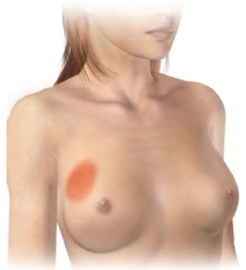
A) Cystitis
B) Metritis
C) Mastitis
D) Parametritis
A) Cystitis
B) Metritis
C) Mastitis
D) Parametritis
Question
Question
Question
Question
The nurse provides a postpartum patient with the following diagram. For which procedure is the nurse preparing this patient? 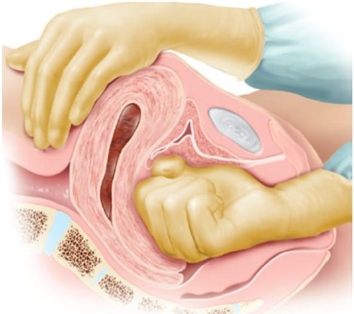
A) Uterine tamponade
B) Manual removal of the placenta
C) B-Lynch compression procedure
D) Manual compression of the uterus
A) Uterine tamponade
B) Manual removal of the placenta
C) B-Lynch compression procedure
D) Manual compression of the uterus
Question
Question
Question
Question
Question

Unlock Deck
Sign up to unlock the cards in this deck!
Unlock Deck
Unlock Deck
1/35

Play

Full screen (f)
Deck 35: The Postpartum Family at Risk
1
The postpartum client has developed thrombophlebitis in her right leg. Which finding requires immediate intervention?
A) The client reports she had this condition after her last pregnancy.
B) The client develops pain and swelling in her left lower leg.
C) The client appears anxious, and describes pressure in her chest.
D) The client becomes upset that she cannot go home yet.
A) The client reports she had this condition after her last pregnancy.
B) The client develops pain and swelling in her left lower leg.
C) The client appears anxious, and describes pressure in her chest.
D) The client becomes upset that she cannot go home yet.
C
2
A postpartum client reports sharp, shooting pains in her nipple during breastfeeding and flaky, itchy skin on her breasts. Which of the following does the nurse suspect?
A) Nipple soreness
B) Engorgement
C) Mastitis
D) Letdown reflex
A) Nipple soreness
B) Engorgement
C) Mastitis
D) Letdown reflex
C
3
The postpartum client is concerned about mastitis because she experienced it with her last baby. Preventive measures the nurse can teach include which of the following?
A) Wearing a tight-fitting bra
B) Limiting breastfeedings
C) Frequent breastfeedings
D) Restricting fluid intake
A) Wearing a tight-fitting bra
B) Limiting breastfeedings
C) Frequent breastfeedings
D) Restricting fluid intake
C
4
Which findings would indicate the presence of a perineal wound infection?
Note: Credit will be given only if all correct choices and no incorrect choices are selected.
A) Redness
B) Tender at the margins
C) Vaginal bleeding
D) Hardened tissue
E) Purulent drainage
Note: Credit will be given only if all correct choices and no incorrect choices are selected.
A) Redness
B) Tender at the margins
C) Vaginal bleeding
D) Hardened tissue
E) Purulent drainage
Unlock Deck
Unlock for access to all 35 flashcards in this deck.
Unlock Deck
k this deck
5
The client has experienced a hemorrhage at 6 hours postpartum. After controlling the hemorrhage, the client's partner asks what would cause a hemorrhage. How should the nurse respond?
A) "Sometimes the uterus relaxes and excessive bleeding occurs."
B) "The blood collected in the vagina and poured out when your partner stood up."
C) "Bottle-feeding prevents the uterus from getting enough stimulation to contract."
D) "The placenta had embedded in the uterine tissue abnormally."
A) "Sometimes the uterus relaxes and excessive bleeding occurs."
B) "The blood collected in the vagina and poured out when your partner stood up."
C) "Bottle-feeding prevents the uterus from getting enough stimulation to contract."
D) "The placenta had embedded in the uterine tissue abnormally."
Unlock Deck
Unlock for access to all 35 flashcards in this deck.
Unlock Deck
k this deck
6
Which of the following is a risk factor for urinary retention after childbirth?
A) Multiparity
B) Precipitous labor
C) Unassisted childbirth
D) Not sufficiently recovering from the effects of anesthesia
A) Multiparity
B) Precipitous labor
C) Unassisted childbirth
D) Not sufficiently recovering from the effects of anesthesia
Unlock Deck
Unlock for access to all 35 flashcards in this deck.
Unlock Deck
k this deck
7
The client delivered her second child 1 day ago. The client's temperature is 101.4° F, her pulse is 100, and her blood pressure is 110/70. Her lochia is moderate, serosanguinous, and malodorous. She is started on I V antibiotics. The nurse provides education for the client and her partner. Which statement indicates that teaching has been effective?
A) "This condition is called parametritis."
B) "Gonorrhea is the most common organism that causes this type of infection."
C) "My positive Beta-strep culture might have contributed to this problem."
D) "If I had walked more yesterday, this probably wouldn't have happened."
A) "This condition is called parametritis."
B) "Gonorrhea is the most common organism that causes this type of infection."
C) "My positive Beta-strep culture might have contributed to this problem."
D) "If I had walked more yesterday, this probably wouldn't have happened."
Unlock Deck
Unlock for access to all 35 flashcards in this deck.
Unlock Deck
k this deck
8
The nurse is calling clients at 4 weeks postpartum. Which of the following clients should be seen immediately?
A) The client who describes feeling sad all the time
B) The client who reports hearing voices talking about the baby
C) The client who states she has no appetite and wants to sleep all day
D) The client who says she needs a refill on her sertraline (Zoloft) next week
A) The client who describes feeling sad all the time
B) The client who reports hearing voices talking about the baby
C) The client who states she has no appetite and wants to sleep all day
D) The client who says she needs a refill on her sertraline (Zoloft) next week
Unlock Deck
Unlock for access to all 35 flashcards in this deck.
Unlock Deck
k this deck
9
The postpartum client states that she doesn't understand why she can't enjoy being with her baby. What would the nurse be concerned about?
A) Postpartum psychosis
B) Postpartum infection
C) Postpartum depression
D) Postpartum blues
A) Postpartum psychosis
B) Postpartum infection
C) Postpartum depression
D) Postpartum blues
Unlock Deck
Unlock for access to all 35 flashcards in this deck.
Unlock Deck
k this deck
10
Which of the following would be considered a clinical sign of hemorrhage?
A) Increased blood pressure
B) Increasing pulse
C) Increased urinary output
D) Hunger
A) Increased blood pressure
B) Increasing pulse
C) Increased urinary output
D) Hunger
Unlock Deck
Unlock for access to all 35 flashcards in this deck.
Unlock Deck
k this deck
11
To prevent the spread of infection, the nurse teaches the postpartum client to do which of the following?
A) Address pain early
B) Change peri-pads frequently
C) Avoid overhydration
D) Report symptoms of uterine cramping
A) Address pain early
B) Change peri-pads frequently
C) Avoid overhydration
D) Report symptoms of uterine cramping
Unlock Deck
Unlock for access to all 35 flashcards in this deck.
Unlock Deck
k this deck
12
A postpartal client recovering from deep vein thrombosis is being discharged. What areas of teaching on self-care and anticipatory guidance should the nurse discuss with the client?
Note: Credit will be given only if all correct choices and no incorrect choices are selected.
A) Avoid crossing the legs.
B) Avoid prolonged standing or sitting.
C) Take frequent walks.
D) Take a daily aspirin dose of 650 m g.
E) Avoid long car trips.
Note: Credit will be given only if all correct choices and no incorrect choices are selected.
A) Avoid crossing the legs.
B) Avoid prolonged standing or sitting.
C) Take frequent walks.
D) Take a daily aspirin dose of 650 m g.
E) Avoid long car trips.
Unlock Deck
Unlock for access to all 35 flashcards in this deck.
Unlock Deck
k this deck
13
The postpartum multipara is breastfeeding her new baby. The client states that she developed mastitis with her first child, and asks whether there is something she can do to prevent mastitis this time. What would the best response of the nurse be?
A) "Massage your breasts on a daily basis, and if you find a hardened area, massage it towards the nipple."
B) "Most first-time moms experience mastitis. It is really quite unusual for a woman having her second baby to get it again."
C) "Apply cabbage leaves to any areas that feel thickened or firm to relieve the swelling."
D) "Take your temperature once a day. This will help you to pick up the infection early, before it becomes severe."
A) "Massage your breasts on a daily basis, and if you find a hardened area, massage it towards the nipple."
B) "Most first-time moms experience mastitis. It is really quite unusual for a woman having her second baby to get it again."
C) "Apply cabbage leaves to any areas that feel thickened or firm to relieve the swelling."
D) "Take your temperature once a day. This will help you to pick up the infection early, before it becomes severe."
Unlock Deck
Unlock for access to all 35 flashcards in this deck.
Unlock Deck
k this deck
14
A client is experiencing excessive bleeding immediately after the birth of her newborn. After speeding up the I V fluids containing oxytocin, with no noticeable decrease in the bleeding, the nurse should anticipate the physician requesting which medications?
Note: Credit will be given only if all correct choices and no incorrect choices are selected.
A) Methergine
B) Coumadin
C) Misoprostol
D) Serotonin reuptake inhibitors (S S R Is)
E) Nonsteroidal anti-inflammatory drugs
Note: Credit will be given only if all correct choices and no incorrect choices are selected.
A) Methergine
B) Coumadin
C) Misoprostol
D) Serotonin reuptake inhibitors (S S R Is)
E) Nonsteroidal anti-inflammatory drugs
Unlock Deck
Unlock for access to all 35 flashcards in this deck.
Unlock Deck
k this deck
15
The nurse understands that the classic symptom of endometritis in a postpartum client is which of the following?
A) Purulent, foul-smelling lochia
B) Decreased blood pressure
C) Flank pain
D) Breast is hot and swollen
A) Purulent, foul-smelling lochia
B) Decreased blood pressure
C) Flank pain
D) Breast is hot and swollen
Unlock Deck
Unlock for access to all 35 flashcards in this deck.
Unlock Deck
k this deck
16
The charge nurse is assessing several postpartum clients. Which client has the greatest risk for postpartum hemorrhage?
A) The client who was overdue and delivered vaginally
B) The client who delivered by scheduled cesarean delivery
C) The client who had oxytocin augmentation of labor
D) The client who delivered vaginally at 36 weeks
A) The client who was overdue and delivered vaginally
B) The client who delivered by scheduled cesarean delivery
C) The client who had oxytocin augmentation of labor
D) The client who delivered vaginally at 36 weeks
Unlock Deck
Unlock for access to all 35 flashcards in this deck.
Unlock Deck
k this deck
17
The nurse is assisting a multiparous woman to the bathroom for the first time since her delivery 3 hours ago. When the client stands up, blood runs down her legs and pools on the floor. The client turns pale and feels weak. What would be the first action of the nurse?
A) Assist the client to empty her bladder
B) Help the client back to bed to check the fundus
C) Assess her blood pressure and pulse
D) Begin an I V of lactated Ringer's solution
A) Assist the client to empty her bladder
B) Help the client back to bed to check the fundus
C) Assess her blood pressure and pulse
D) Begin an I V of lactated Ringer's solution
Unlock Deck
Unlock for access to all 35 flashcards in this deck.
Unlock Deck
k this deck
18
Which relief measure would be most appropriate for a postpartum client with superficial thrombophlebitis?
A) Urge ambulation
B) Apply ice to the leg
C) Elevate the affected limb
D) Massage her calf
A) Urge ambulation
B) Apply ice to the leg
C) Elevate the affected limb
D) Massage her calf
Unlock Deck
Unlock for access to all 35 flashcards in this deck.
Unlock Deck
k this deck
19
A postpartum woman is at increased risk for developing urinary tract problems because of which of the following?
A) Decreased bladder capacity
B) Inhibited neural control of the bladder following the use of anesthetic agents
C) Increased bladder sensitivity
D) Abnormal postpartum diuresis
A) Decreased bladder capacity
B) Inhibited neural control of the bladder following the use of anesthetic agents
C) Increased bladder sensitivity
D) Abnormal postpartum diuresis
Unlock Deck
Unlock for access to all 35 flashcards in this deck.
Unlock Deck
k this deck
20
A client had a cesarean birth 3 days ago. She has tenderness, localized heat, and redness of the left leg. She is afebrile. As a result of these symptoms, what would the nurse anticipate would be the next course of action?
A) That the client would be encouraged to ambulate freely
B) That the client would be given aspirin 650 m g by mouth
C) That the client would be given Methergine I M
D) That the client would be placed on bed rest
A) That the client would be encouraged to ambulate freely
B) That the client would be given aspirin 650 m g by mouth
C) That the client would be given Methergine I M
D) That the client would be placed on bed rest
Unlock Deck
Unlock for access to all 35 flashcards in this deck.
Unlock Deck
k this deck
21
The postpartum client who delivered 2 days ago has developed endometritis. Which entry would the nurse expect to find in this client's chart?
A) "Cesarean birth after extended labor with ruptured membranes."
B) "Unassisted childbirth and afterbirth."
C) "External fetal monitoring used throughout labor."
D) "The client has history of pregnancy-induced hypertension."
A) "Cesarean birth after extended labor with ruptured membranes."
B) "Unassisted childbirth and afterbirth."
C) "External fetal monitoring used throughout labor."
D) "The client has history of pregnancy-induced hypertension."
Unlock Deck
Unlock for access to all 35 flashcards in this deck.
Unlock Deck
k this deck
22
Risk factors associated with increased risk of thromboembolic disease include which of the following?
Note: Credit will be given only if all correct choices and no incorrect choices are selected.
A) Diabetes mellitus
B) Varicose veins
C) Hypertension
D) Adolescent pregnancy
E) Malignancy
Note: Credit will be given only if all correct choices and no incorrect choices are selected.
A) Diabetes mellitus
B) Varicose veins
C) Hypertension
D) Adolescent pregnancy
E) Malignancy
Unlock Deck
Unlock for access to all 35 flashcards in this deck.
Unlock Deck
k this deck
23
A nurse suspects that a postpartum client has mastitis. Which data support this assessment?
Note: Credit will be given only if all correct choices and no incorrect choices are selected.
A) Shooting pain between breastfeedings
B) Late onset of nipple pain
C) Pink, flaking, pruritic skin of the affected nipple
D) Nipple soreness when the infant latches on
E) Pain radiating to the underarm area from the breast
Note: Credit will be given only if all correct choices and no incorrect choices are selected.
A) Shooting pain between breastfeedings
B) Late onset of nipple pain
C) Pink, flaking, pruritic skin of the affected nipple
D) Nipple soreness when the infant latches on
E) Pain radiating to the underarm area from the breast
Unlock Deck
Unlock for access to all 35 flashcards in this deck.
Unlock Deck
k this deck
24
The postpartum client who is being discharged from the hospital experienced severe postpartum depression after her last birth. What should the nurse include in the plan of follow-up care for this client?
A) One visit from a home care nurse, to take place in 2 days
B) Two visits from a public health nurse over the next month
C) An appointment with a mental health counselor
D) Follow-up with the obstetrician in 6 weeks
A) One visit from a home care nurse, to take place in 2 days
B) Two visits from a public health nurse over the next month
C) An appointment with a mental health counselor
D) Follow-up with the obstetrician in 6 weeks
Unlock Deck
Unlock for access to all 35 flashcards in this deck.
Unlock Deck
k this deck
25
A postpartum client with endometritis is being discharged home on antibiotic therapy. The new mother plans to breastfeed her baby. What should the nurse's discharge instruction include?
A) The client can douche every other day.
B) Sexual intercourse can be resumed when the client feels up to it.
C) Light housework will provide needed exercise.
D) The baby's mouth should be examined for thrush.
A) The client can douche every other day.
B) Sexual intercourse can be resumed when the client feels up to it.
C) Light housework will provide needed exercise.
D) The baby's mouth should be examined for thrush.
Unlock Deck
Unlock for access to all 35 flashcards in this deck.
Unlock Deck
k this deck
26
The nurse selects the following diagram to take when making a home visit to a postpartum patient. For which health problem is the nurse preparing educational material?
A) Cystitis
B) Metritis
C) Mastitis
D) Parametritis
A) Cystitis
B) Metritis
C) Mastitis
D) Parametritis
Unlock Deck
Unlock for access to all 35 flashcards in this deck.
Unlock Deck
k this deck
27
The postpartum client is suspected of having acute cystitis. Which symptoms would the nurse expect to see in this client?
Note: Credit will be given only if all correct choices and no incorrect choices are selected.
A) High fever
B) Frequency
C) Suprapubic pain
D) Chills
E) Nausea and vomiting
Note: Credit will be given only if all correct choices and no incorrect choices are selected.
A) High fever
B) Frequency
C) Suprapubic pain
D) Chills
E) Nausea and vomiting
Unlock Deck
Unlock for access to all 35 flashcards in this deck.
Unlock Deck
k this deck
28
A patient experiencing postpartum hemorrhage is prescribed to receive 741 m L of a crystalloid solution. How many m L of blood did this patient lose from the hemorrhage? (Calculate to the nearest whole number.)
Unlock Deck
Unlock for access to all 35 flashcards in this deck.
Unlock Deck
k this deck
29
The client delivered by cesarean birth 3 days ago and is being discharged. Which statement should the nurse include in the discharge teaching?
A) "If your incision becomes increasingly painful, call the doctor."
B) "It is normal for the incision to ooze greenish discharge in a few days."
C) "Increasing redness around the incision is a part of the healing process."
D) "A fever is to be expected because you had a surgical delivery."
A) "If your incision becomes increasingly painful, call the doctor."
B) "It is normal for the incision to ooze greenish discharge in a few days."
C) "Increasing redness around the incision is a part of the healing process."
D) "A fever is to be expected because you had a surgical delivery."
Unlock Deck
Unlock for access to all 35 flashcards in this deck.
Unlock Deck
k this deck
30
The nurse provides a postpartum patient with the following diagram. For which procedure is the nurse preparing this patient?
A) Uterine tamponade
B) Manual removal of the placenta
C) B-Lynch compression procedure
D) Manual compression of the uterus
A) Uterine tamponade
B) Manual removal of the placenta
C) B-Lynch compression procedure
D) Manual compression of the uterus
Unlock Deck
Unlock for access to all 35 flashcards in this deck.
Unlock Deck
k this deck
31
The client delivered vaginally 2 hours ago after receiving an epidural analgesia. She has a slight tingling sensation in both lower extremities, but normal movement. She sustained a second-degree perineal laceration. Her perineum is edematous and ecchymotic. What should the nurse include in the plan of care for this client?
A) Assist the client to the bathroom in 2 hours to void.
B) Place a Foley catheter now.
C) Apply warm packs to the perineum three times a day.
D) Allow the client to rest for the next 8 hours.
A) Assist the client to the bathroom in 2 hours to void.
B) Place a Foley catheter now.
C) Apply warm packs to the perineum three times a day.
D) Allow the client to rest for the next 8 hours.
Unlock Deck
Unlock for access to all 35 flashcards in this deck.
Unlock Deck
k this deck
32
The client delivered her second child yesterday, and is preparing to be discharged. She expresses concern to the nurse because she developed an upper urinary tract infection (U T I) after the birth of her first child. Which statement indicates that the client needs additional teaching about this issue?
A) "If I start to have burning with urination, I need to call the doctor."
B) "Drinking 8 glasses of water each day will help prevent another U T I."
C) "I will remember to wipe from front to back after I move my bowels."
D) "Voiding 2 or 3 times per day will help prevent a recurrence."
A) "If I start to have burning with urination, I need to call the doctor."
B) "Drinking 8 glasses of water each day will help prevent another U T I."
C) "I will remember to wipe from front to back after I move my bowels."
D) "Voiding 2 or 3 times per day will help prevent a recurrence."
Unlock Deck
Unlock for access to all 35 flashcards in this deck.
Unlock Deck
k this deck
33
A patient who is hemorrhaging after a vaginal delivery is being considered for a uterine tamponade. What should the nurse instruct the patient about this process?
Note: Credit will be given only if all correct choices and no incorrect choices are selected.
1. A balloon is inserted into the uterus
2. The balloon is kept in place for 12 hours
3. The balloon is inflated with 300 to 500 m L of saline
4. After removal, the uterus is packed with sterile gauze
5. The tube has an open tip to permit bleeding to be visualized
Note: Credit will be given only if all correct choices and no incorrect choices are selected.
1. A balloon is inserted into the uterus
2. The balloon is kept in place for 12 hours
3. The balloon is inflated with 300 to 500 m L of saline
4. After removal, the uterus is packed with sterile gauze
5. The tube has an open tip to permit bleeding to be visualized
Unlock Deck
Unlock for access to all 35 flashcards in this deck.
Unlock Deck
k this deck
34
A postpartum patient weighing 165 l b is prescribed a subcutaneous injection of Enoxaparin 1 m g/k g twice daily. The medication available is 50 m g/m L. How many m L of medication should the nurse provide for each injection? (Calculate to the nearest tenth decimal point.)
Unlock Deck
Unlock for access to all 35 flashcards in this deck.
Unlock Deck
k this deck
35
The nurse suspects that a client has developed a perineal hematoma. What assessment findings would lead the nurse to this conclusion?
A) Facial petechiae
B) Large, soft hemorrhoids
C) Tense tissues with severe pain
D) Elevated temperature
A) Facial petechiae
B) Large, soft hemorrhoids
C) Tense tissues with severe pain
D) Elevated temperature
Unlock Deck
Unlock for access to all 35 flashcards in this deck.
Unlock Deck
k this deck
Unlock Deck
Unlock for access to all 35 flashcards in this deck.






